12+ Authentic Places in Montenegro We Love: Which to Visit + Where Not to Go

Discover where to go in Montenegro, from first-time destinations and tourist spots to hidden gems and where to avoid, in this destination guide.
This post may contain affiliate links, which means we might earn a small commission on anything purchased through these links at no extra cost to you. Learn more on our disclaimer page.
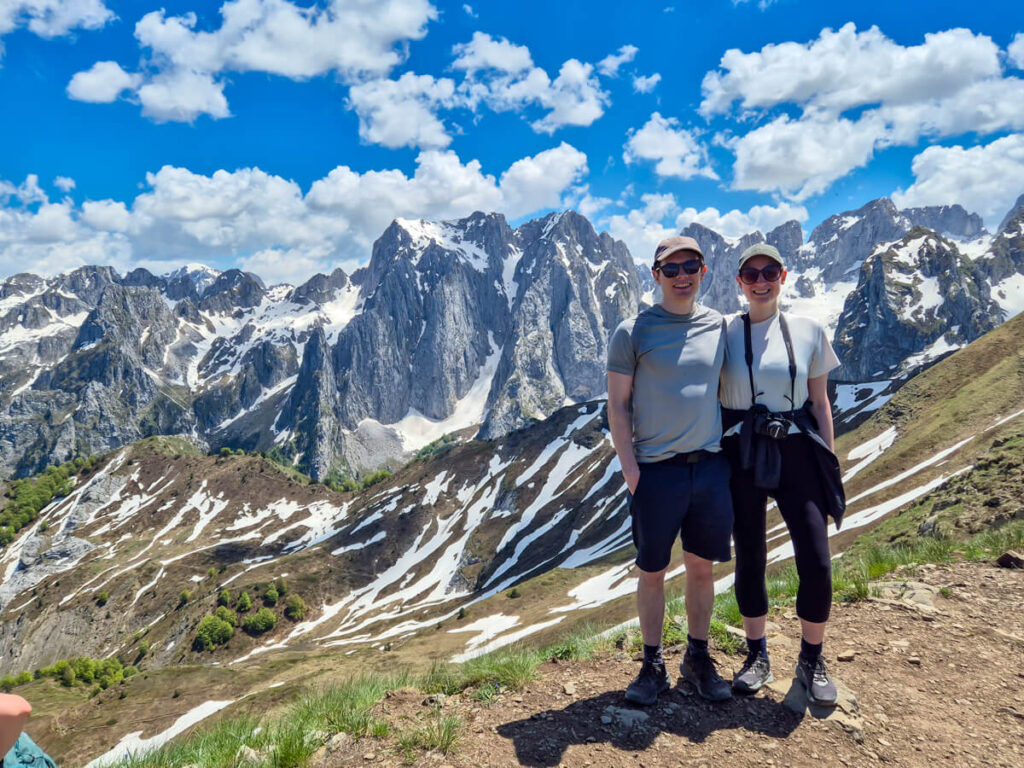
We fell in love with Montenegro immediately, and it’s one of the countries we’ve explored most thoroughly. It’s famous for the Bay of Kotor, Budva’s beaches, and the dramatic peaks of Durmitor National Park, but some of our favourite places in Montenegro were the ones that took us far away from the main tourist trail and had some really unique accommodation.
We spent five weeks travelling around Montenegro, from tiny mountain villages and traditional riverside settlements to quieter corners of the coast and found a real dichotomy of authentic places with everyday life carrying on around you and tourist towns that wouldn’t feel out of place in France or Spain.
If you’re looking for the best places in Montenegro beyond the most famous or scenic spots that everyone knows about, you’re in the right place. In this post, we’re going to share some beautiful places in Montenegro that are still worth visiting despite the crowds, unique destinations further off the beaten path, the best bases for a holiday or road trip, and our absolute favourite spots.

More from Montenegro
Where to visit in Montenegro – our quick recommendations
What we particularly love about the country is that Montenegro hasn’t been ruined by mass tourism in the way other European destinations have. That’s not to say it’s untouched – its tourism industry is booming – but it means it’s a lot easier to find more remote, authentic, and characterful places.
AI can pull up a quick list of the top places in Montenegro, but we want to help you choose which are actually worth visiting based on our personal experience travelling there. From online photos and social media, it’s easy to quickly see that Montenegro is full of beautiful places. But we didn’t realise that some of the places we’d love the most were the ones we’d never heard of before going down the research rabbit hole for our Montenegro road trip.
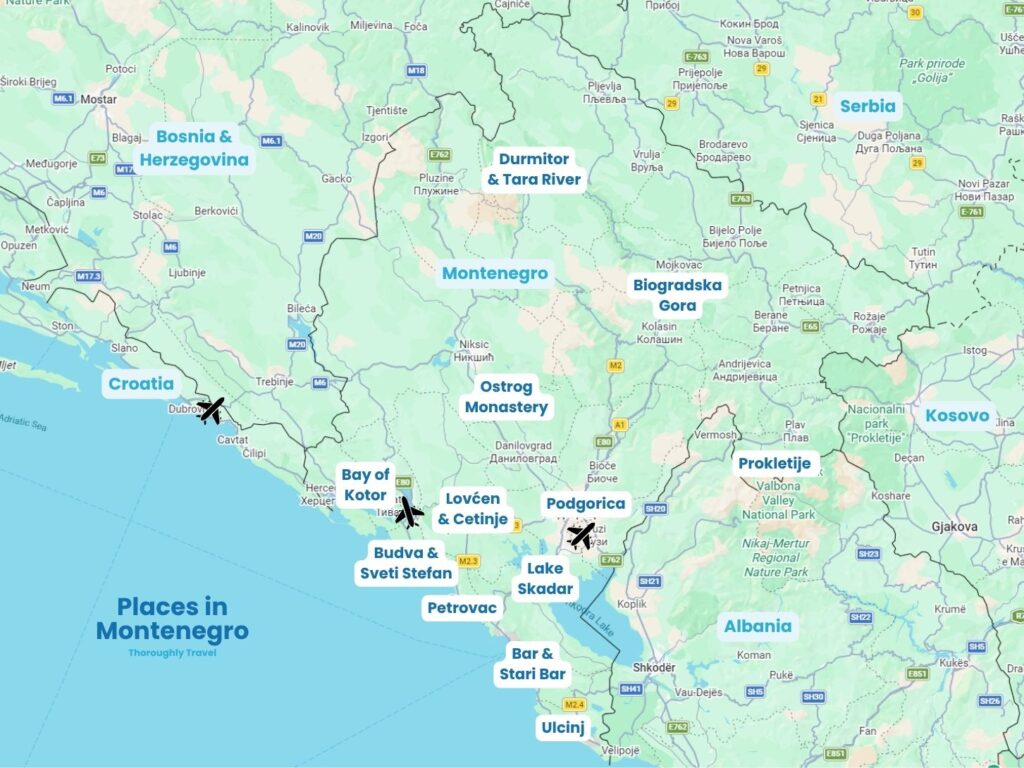
The country is small enough to explore on one trip, but your experience will change considerably between the coast, the lake region, and the mountains inland depending on where you choose to stay and visit. Here’s a quick glance at the most popular, underrated, and beautiful parts of Montenegro.
| Place | Best base | Vibe | Highlights | Time | Best for |
|---|---|---|---|---|---|
| Bay of Kotor | Kotor Old Town, Perast, Herceg Novi, Dobrota, Tivat, Luštica Peninsula | Scenic, historic | Medieval towns, fjord-like bay, boat trips | 3-4 days | First-time visitors, couples, backpackers |
| Lovćen National Park | Kotor or Budva | Mountainous but accessible | Njegoš Mausoleum, winding mountain roads, hiking, sweeping views | Half-1 day | Hikers, photographers, nature lovers |
| Lake Skadar National Park | Virpazar or Rijeka Crnojevića | Peaceful, beautiful, relaxing | Boat trips, birdwatching, lakeside villages | 1-2 days | Wildlife enthusiasts, couples, nature lovers |
| Durmitor National Park | Žabljak or the countryside | Rugged, alpine, adventurous | Hiking, the Black Lake, whitewater rafting in Tara Canyon | 3-4 days | Hikers, adventure seekers, outdoor enthusiasts |
| Biogradska Gora National Park | Mojkovac, Kolašin, or the countryside | Pristine, tranquil | Ancient rainforest, glacial lakes, woodland trails | 1-2 days | Nature lovers, gentle hikes, peaceful escapes |
| Prokletije National Park | Grebaje Valley, Ropojana Valley, Gusinje, or Plav | Remote, wild, high-altitude | Dramatic limestone peaks, moderate to challenging mountain trails | 2-3 days | Experienced hikers, off-the-beaten-path travellers |
| Crmnica Wine Region | Godinje or the countryside | Rural, authentic, calm | Family-run wineries, vineyard stays, local cuisine | 1-2 days | Wine lovers, foodies |
| Budva | Budva | Lively, beachy, sociable | Old Town, snorkelling and SCUBA diving, nightlife, waterfront dining | 1-3 days | Beach holidays, groups, nightlife lovers |
| Sveti Stefan | Budva | Exclusive, romantic, picture-perfect | Iconic island village, coastal viewpoints, nearby beaches | Day trip | Couples, photographers |
| Petrovac | Budva, Petrovac, Lake Skadar, Wine Region, or Podgorica | Relaxed, family-friendly, coastal | Sandy beaches, seaside promenade, coastal walking paths | Day trip or use as a base for the coast | Families, couples, quieter beach holidays |
| Ostrog Monastery | Nikšić | Spiritual, dramatic | Cliffside monastery, religious art, mountain scenery | Day trip | Cultural travellers, history enthusiasts |
| Cetinje | Cetinje or Kotor | Historic, cultural, local | Former royal capital, museums, monasteries, traditional architecture | Day trip or stay 1 night | History buffs, culture lovers, day-trippers |
| Stari Bar | Bar or Ulcinj | Historic, atmospheric, offbeat | Ancient fortress ruins, stone streets, mountain backdrop | Day trip or stay 1 night | History lovers, photographers, backpackers |
Planning a trip to Montenegro?
Montenegro is gaining popularity quickly, so be sure to book in advance as early as possible!
Top Experiences in Montenegro
Top Hotels in Kotor
Rent a Car in Montenegro
Best eSIM for Montenegro
The best places in Montenegro to visit
We have a habit of covering countries thoroughly (it’s in our name, after all), but to keep this post useful, we’ve tried to be as concise as possible, covering all the places we’d recommend in the table above and the box below, then expanding on the places we think are really worth adding to your itinerary – whether as places to stay or day trips.
From the sparklingly azure Adriatic coastline and historic stone towns to the jagged, snow-capped mountains and expansive lake systems, there’s still plenty to discover beyond the destinations that dominate most Montenegro itineraries.
For each location, we’ve covered what it’s known for, what there is to do, where to stay nearby, if it’s a realistic day trip from other popular holiday bases, the top tour if you’re visiting on a day trip, who it’s best for, and whether it’s worth adding to your itinerary.
Want our hotel recommendations for each location? Check out our guides:
The best places in Montenegro at a glance
National Parks
Historic Towns
Beach Towns
Cultural Sites
Nature
Mountains

1. Bay of Kotor
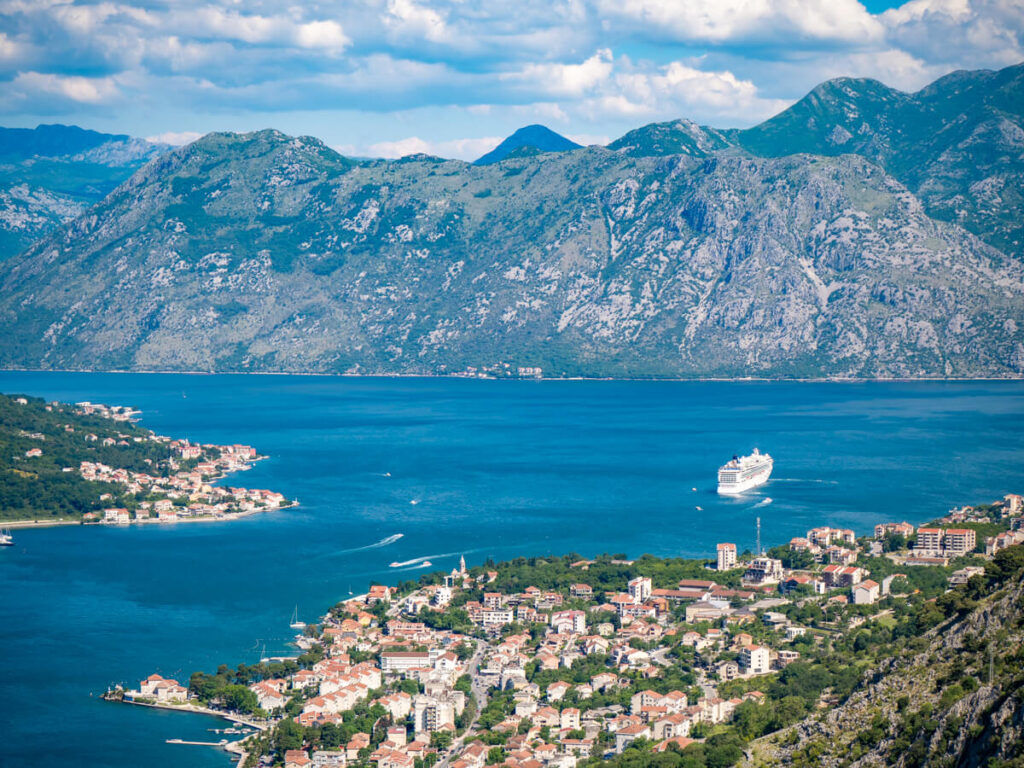
The Bay of Kotor is a deep, winding inlet surrounded by steep mountains, with historic towns, small waterfront villages, and winding roads that follow the shoreline around the water. It’s known as Europe’s Southernmost Fjord thanks to the gorgeous blue expanse of ocean that filters into the bay, but it’s actually a submerged river valley.
The bay is probably the view you recognise from researching your trip, and it’s categorically one of the best places to stay in Montenegro. The area has a long maritime history shaped by Venetian rule, and the towns around the bay form part of a UNESCO World Heritage site – the Natural and Culturo-Historical Region of Kotor.
We think the Bay of Kotor is a good base for several days of exploring or as a holiday destination (we first visited for 5 days while backpacking and later spent a week here on holiday with my family). You won’t be bored – there are lots of fun things to do around the Bay of Kotor, including boat trips, coastal walks, and day trips to nearby towns.
But there are downsides to staying in the bay, too. Kotor can be inundated with cruise ships in the summer months, the roads can get congested, and as the most popular part of Montenegro, it’s not without its crowds. Choosing where to stay in the Bay of Kotor is also tricky, with lots of little towns to choose between and accommodation ranging from budget hostels to boujee seafront hotels.
We’ve done a whole breakdown of the towns on the Bay of Kotor, but a quick summary would be:
If it’s your first visit to Montenegro, the Bay of Kotor is definitely the place to start. We’ve expanded on a few of the must-see areas below.

Kotor Old Town
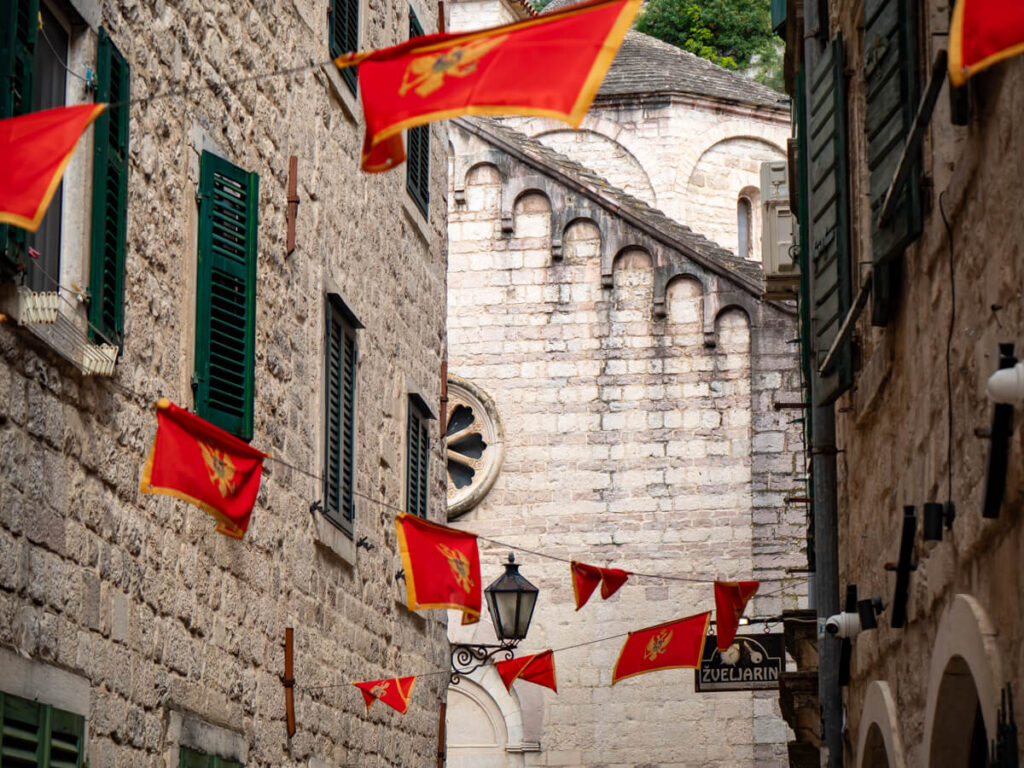
Kotor Old Town is squeezed between the waterfront and the steep mountains rising behind it, encircled by fortified stone walls. It’s probably the most famous place in Montenegro, and is where the cruise ships dock.
Inside the walls, you’ll find narrow stone streets, small squares, historic churches, and grand palaces built by wealthy maritime families. There are a variety of lovely restaurants, and the town is famous for its cat population – you’ll see them sunning themselves on the warm stone streets, but they’re mostly congregated around Cat Park.
Take a Kotor walking tour to learn more about the town’s history – a great introduction to the area and Montenegro’s heritage. If you’ve got the energy, climb the steps towards San Giovanni Fortress for views over the terracotta rooftops and the bay, or go even further to the top of the Ladder of Kotor.
Kotor can get extremely busy when cruise ships are in, so we’d explore early in the morning or later in the afternoon if you want to avoid the worst of the crowds.
Perast
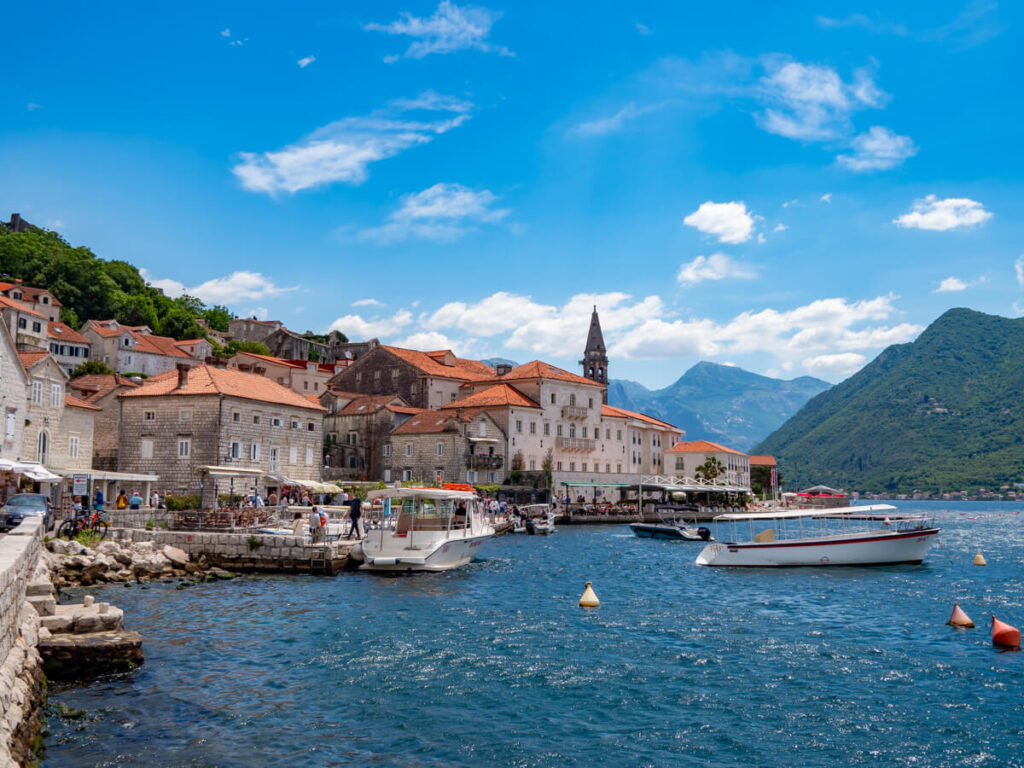
Perast is a tiny historic town on the north shore of the Bay of Kotor, with a waterfront lined by old stone palaces and churches. It was once a wealthy maritime community, and its grand buildings reflect the fortunes made by local seafaring families.
The two islands just offshore, Our Lady of the Rocks and St George, are part of what makes Perast so distinctive. You can take a short boat trip to visit the church and museum on Our Lady of the Rocks, which is also included in most Blue Cave boat trips.
You only need a few hours to explore the town, but we’d allow longer if you want to visit the island, climb the bell tower, or stop for lunch beside the water. Its position also means you can visit other smaller towns in the area in the same day, like Risan, which is famous for its Roman mosaic, and the prehistoric rock art in Lipci.
Perast is easy to drive to – take the Kamenari-Lepetane Ferry from Kotor to save some time driving around the bay, use the hop-on hop-off bus, or hop on the public Blue Line bus.
Herceg Novi
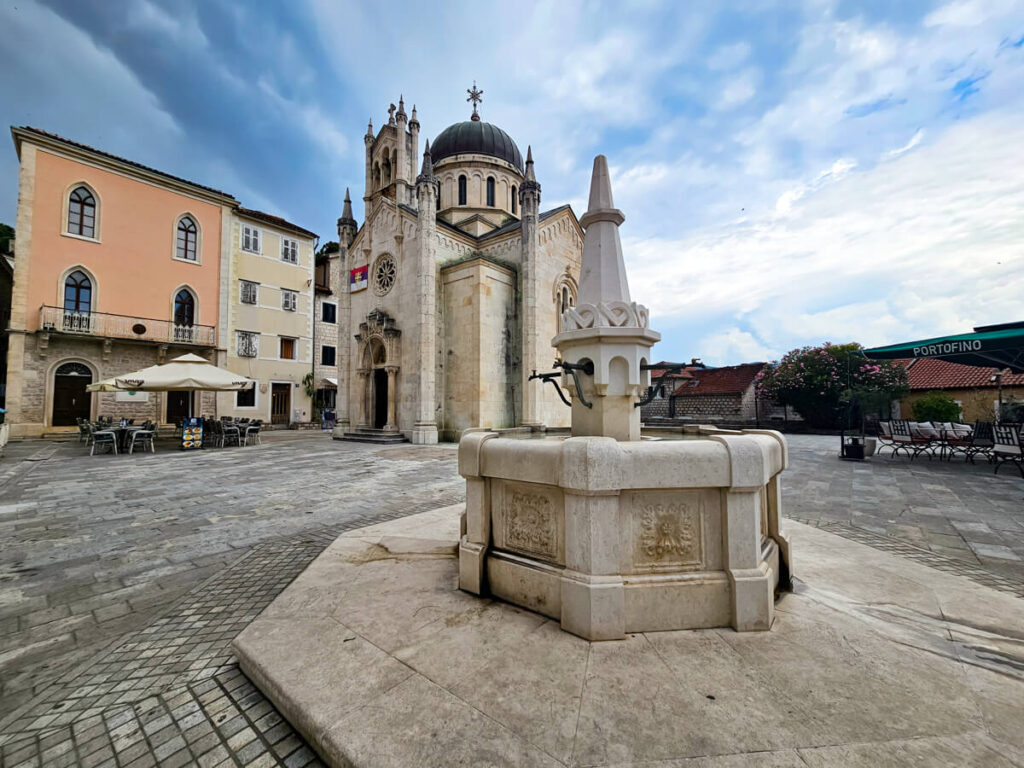
Herceg Novi sits near the western entrance to the Bay of Kotor near the border with Croatia and feels more like a lived-in coastal town than a small stop built around sightseeing. Its Old Town is a maze of stone lanes, stairways, leafy squares, and historic fortifications reflecting the different powers that ruled the area over the centuries.
There are plenty of places to pause for a coffee, browse local shops, or walk along the long seafront promenade, with swim spots and little beaches along the coast. The town makes a useful base if you want to spend a few days exploring this end of the bay, but we visited as a day trip.
Luštica Peninsula
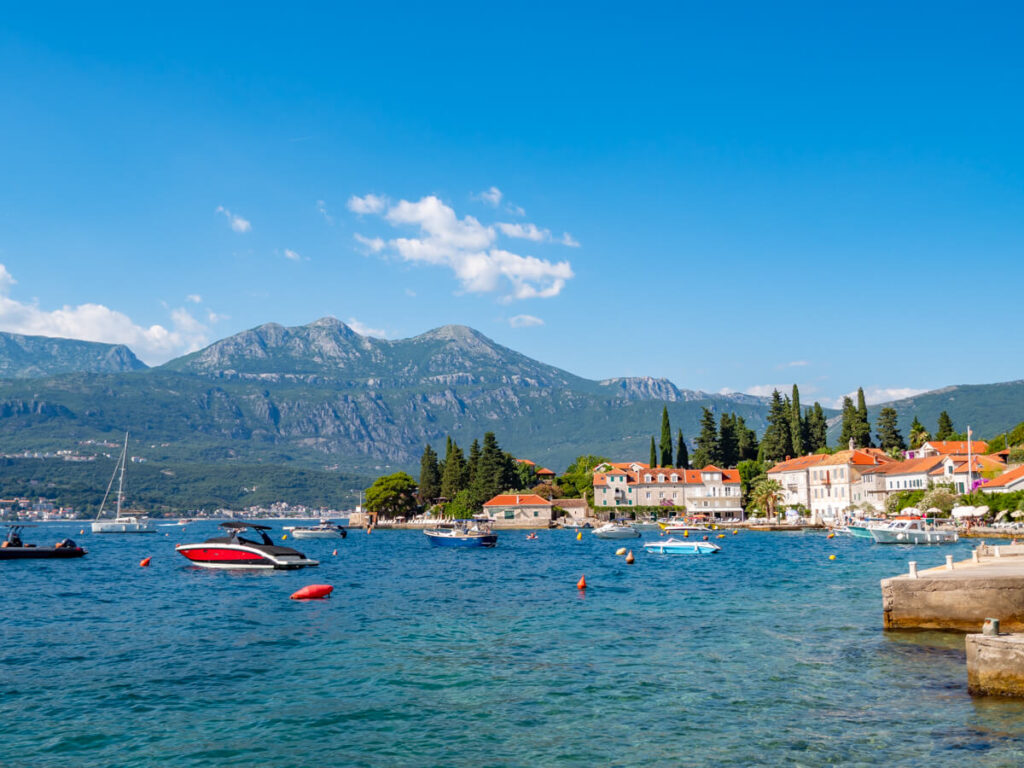
The Luštica Peninsula lies at the entrance to the Bay of Kotor, with the Adriatic Sea on one side and the bay on the other. It’s a quieter, more rural part of the coast, with traditional stone villages like Rose, olive groves, winding roads, and small coves that feel a world away from the busier towns around Kotor and Budva.
The Luštica Peninsula has long held strategic importance and remnants of its military past can still be seen today, including old coastal forts and submarine bunkers built into the rocky shoreline.
We stayed here for a week on a family, using it as a base to explore the bay and coastline. But you can also visit on a day trip – boat trips from Herceg Novi often stop at Žanjice Beach for swimming or lunch, while water taxis shuttle between Herceg Novi and Rose. If you want to visit overland, it’s best to have a rental car.
2. Lovćen National Park
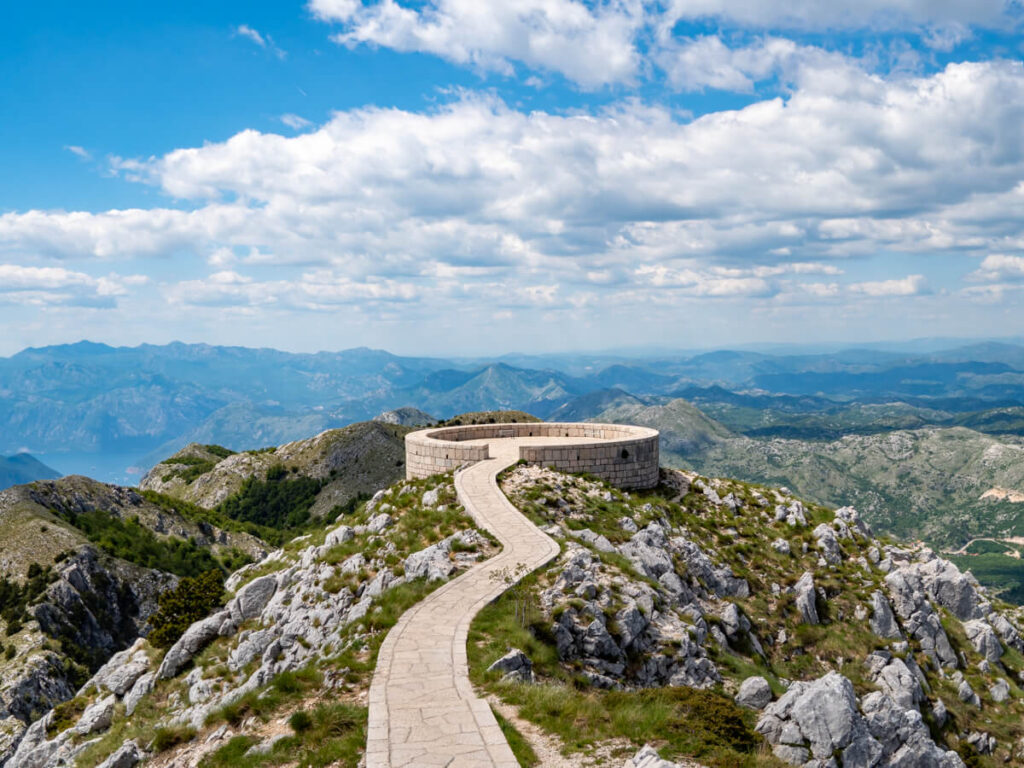
Lovćen National Park sits in the mountains above Kotor’s Old Town and offers a very different side of Montenegro from the beach resorts below. Its best-known sight is the mausoleum of Petar II Petrović Njegoš, a ruler, poet, and important figure in Montenegrin history, reached by climbing a long flight of steps near the summit.
The drive through the mountains is a big part of the appeal, with viewpoints across the Bay of Kotor and the surrounding peaks as you ascend the epic Kotor Serpentine – a winding set of 25 hairpin switchbacks.
If you don’t have a car, you can still visit by taking the Kotor Cable Car to the top station, where you can enjoy panoramic bars and restaurants, but it’s pretty hard to get to the mausoleum without a car or a tour.
Because Lovćen National Park is so accessible from both the bay and the coast, it’s one of the best day trips from Kotor, and many operators combine it with nearby sights like Cetinje (number 12 on this list) and Njeguši, a historic little town famous for its smoked meat, Njeguški pršut.
3. Lake Skadar National Park
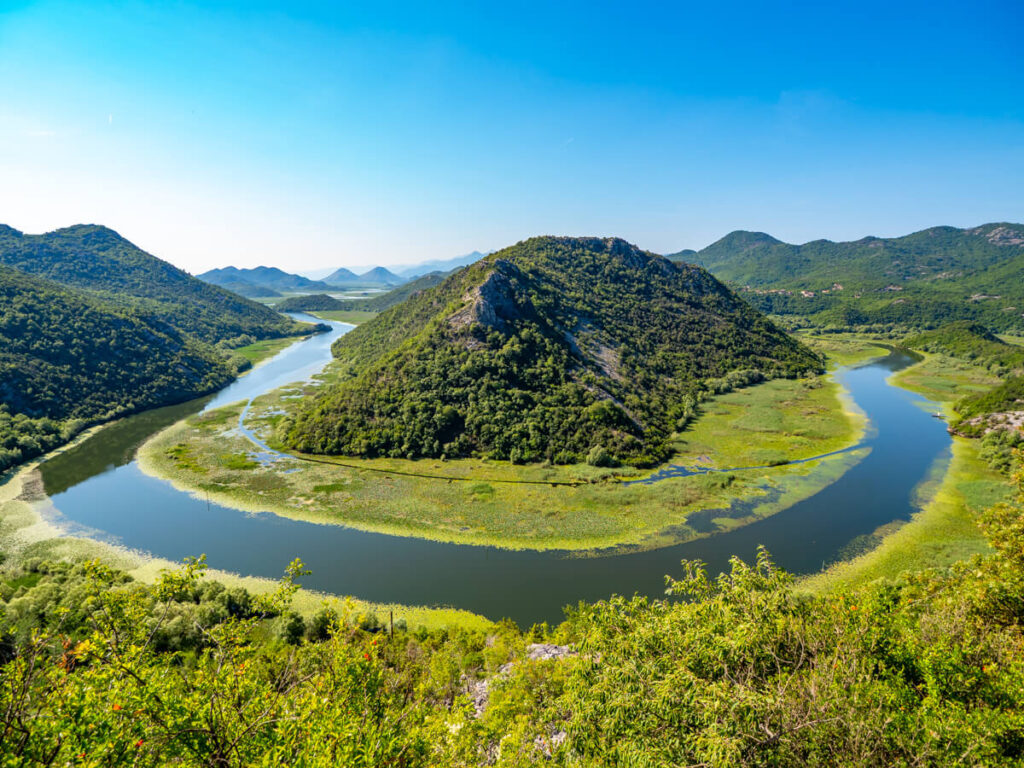
Lake Skadar is the largest lake in the Balkans, spreading across the border between Montenegro and Albania, with reed beds, wetlands, small villages, and mountains rising around its edges. The main reason to visit is to get out on the water on a Lake Skadar boat trip, whether that’s on a boat trip from Virpazar, kayaking through quieter channels, or looking for the pelicans and other birds that live around the lake.
There are other fun things to do around Lake Skadar. The area has small islands, old monasteries like Kom Monastery, traditional fishing villages, and local wineries. There’s enough to occupy a few days if you choose to stay longer than the traditional day tour. But if you do have limited time, it’s only a few hours from popular places like Kotor and Budva, so a day trip is easy, too.
It’s worth noting that the two main towns that act as gateways to the lake, Virpazar (the main hub) and Rijeka Crnojevića (a quieter and much smaller historic settlement), are an hour’s drive apart. The latter is also not easy to get to without a car or tour, so choosing where to stay for Lake Skadar is quite important. Rijeka Crnojevića is also where you’ll find the famous horseshoe bend, Pavolva Strana viewpoint, so that’s worth considering if you’re planning to visit Virpazar.
We’d allow at least a day to explore Lake Skadar, although staying overnight makes sense if you want to explore at a slower pace or visit several villages and wineries. We found it a lovely, relaxing stop on our road trip for a few nights (combined with the wine region, which is next on our list), but recommended to my family to just visit on a day trip from Kotor, as they wanted one base for a week’s holiday.
4. Wine region
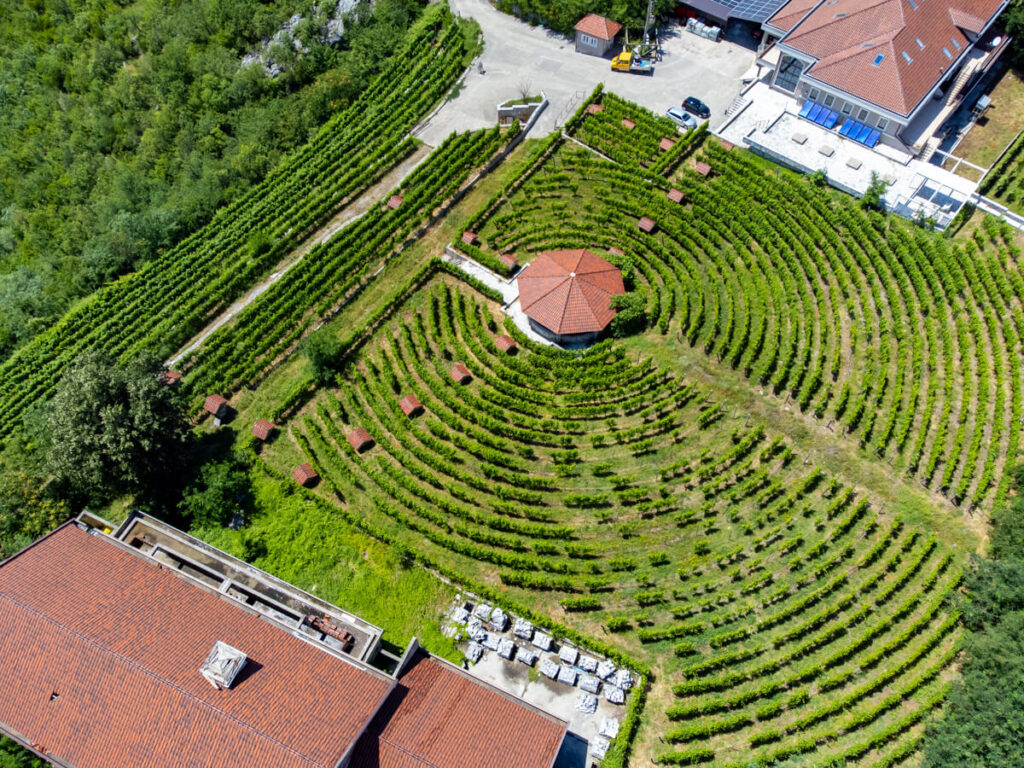
Montenegro’s wine country is spread across several areas, with the region around Lake Skadar and the central Zeta Plain among the best places to look for local wineries. The grape to know is Vranac, a native red variety used to make full-bodied wines, while Krstač is a local white grape that I particularly enjoyed.
The wine region is most commonly visited as a day tour, combined with a boat trip on Lake Skadar, but we found it a really underrated area to stay a few nights for access to the lake, without needing to stay in a town. The countryside is really beautiful, we saw quite a few tortoises as we navigated the rural and winding back roads, and staying in a local vineyard (and not needing to worry about driving after a tasting) was a real highlight for us.
You can visit larger producers for a more organised tasting or seek out smaller family-run wineries where the experience may be more personal, often with local Montenegrin food served alongside the wine.
It’s worth making time for this region if you enjoy wine and want to see a less touristy side of the country, but if you’re not particularly interested in wine, you don’t need to build your itinerary around it.
5. Durmitor National Park
Durmitor National Park is one of the best places in Montenegro for mountain scenery, with high limestone peaks, glacial lakes, alpine forests, and the deep Tara River Canyon, Europe’s largest.
Žabljak is the main base for exploring the park and the best place to stay if you’re reliant on public transport or want to be close to shops and restaurants. If you have a rental car, we’d recommend staying around Durmitor in the surrounding countryside, as there are some beautiful guesthouses and wooden cabins with more character.
Hiking in Durmitor is the main draw, and why we visited. There are plenty of trails, with routes ranging from an easy walk around the nearby Black Lake to much more demanding mountain trails like Bobotov Kuk (Montenegro’s second-highest peak) that require a car, taxi, or shuttle to reach. Ćurevac Peak is another short route with the big reward of views over the Tara River from the top.
The park is part of a UNESCO World Heritage site, recognised for its landscape and natural value. The area is also known for rafting on the Tara River, which is one of the best things to do in Montenegro. The changing seasons also bring very different conditions, from summer hiking to winter snow that’s popular for skiing.
If you’re not up for loads of hiking and adventure activities, you can still appreciate the landscape from the comfort of a car – driving the Durmitor Ring is an epic route with breathtaking scenery, while Ring Road Jeep tours are popular for those not comfortable driving in Montenegro on the narrow and winding mountain roads. You can also add the short detour out to the stunning Piva Lake.
There are plenty of fun things to do in Durmitor, and while the general advice is to spend 2-3 days here, we spent a whole week and were never bored. We’d strongly recommend spending at least a few nights in the area.
While day tours from the coast are possible, it’s a long day with a lot of journey time in transit. If you are really short on time and desperate to see the jagged mountains that are so different to the coastal part of the country, a combined tour that also visits other northern sites like Ostrog Monastery (11 on this list) is also a good option.
Durmitor is absolutely worth prioritising if you enjoy the outdoors – we think a few nights in the Bay of Kotor or on the coast combined with a few nights here can make a really nice, balanced itinerary.

6. Biogradska Gora National Park
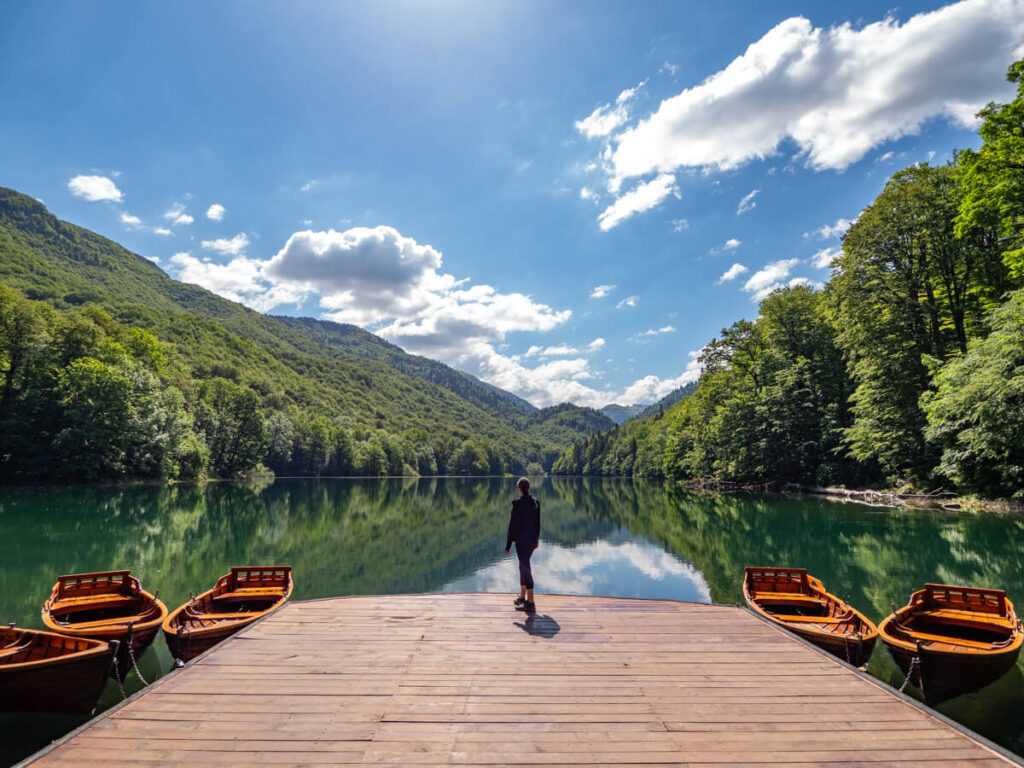
Biogradska Gora National Park is nestled in the Bjelasica mountains in the heart of the country and is best known for its ancient forests and glacial lake. It’s the smallest of the 5 national parks in Montenegro, but super unique, as instead of mountains or wetlands, it shelters one of Europe’s last remaining primeval forests.
The main highlight is Lake Biograd, home to the scenic dock, wooden boat trips, and an easy 1-hour loop through the forest around the lake’s shore, but longer trails also lead into the forest and surrounding hills.
The protected woodland is one of the country’s most distinctive natural areas, with trees that have been growing here for centuries. Staying around the park is a great option if you’re looking for a peaceful getaway – we fulfilled all our remote wooden cabin in the forest dreams here. But the nearby towns of Kolašin and Mojkovac are also good options if you like more traditional hotels.
In all honesty, we don’t think Biogradska Gora is worth going out of your way for unless you really like forests and aren’t visiting Durmitor. It’s undoubtedly beautiful, and we found it easy to fit into our road trip between other sights in the north of the country, but it’s a long way from more popular bases on the coast, so it’s not a very realistic day trip.
7. Prokletije National Park
Prokletije National Park lies in Montenegro’s far east, close to the borders with Albania and Kosovo. Despite only being a few hours’ drive from Podgorica, its rugged peaks feel a long way from the busy Adriatic coast. This is proper mountain country, with steep limestone walls, remote valleys, glacial lakes, and challenging hiking routes.
The park is home to some of Montenegro’s highest peaks, but you don’t have to be a hiker to experience the landscapes – although the best views are reserved for those who undertake some of Prokletije’s best hikes.
The Grebaje Valley has amazing views of the Karanfilli massif from local guesthouses known as katuns, while the views from the Three Peaks trail are some of the best we saw while hiking in Montenegro.
The neighbouring Ropojana Valley is where we stayed and is home to natural springs, waterfalls, and wildflower meadows that are worlds apart from the scenery you’ll see in the rest of Montenegro.
You’re going to need a rental car to get here, unless you visit on a specialist hiking tour, and it’s worth thinking about where to stay to visit Prokletije, as each valley and town is quite different. You’ll need to stay in the area at least a night, since it’s pretty remote.
Prokletije National Park was our favourite place in Montenegro, and we could easily spend weeks staying in locally-owned accommodation like Eko Katun Rosi, just soaking in the sheer beauty of the valleys and mountains. It’s super underrated and well off the traditional tourist trail, only really known by keen hikers and those undertaking the popular Peaks of the Balkans trail.
But it’s not somewhere we’d recommend to everyone. If you’re not keen on hiking, don’t want to rent a car in Montenegro, and are more into coastal vacation vibes, it might be too far out of the way and not worth it for you. If you’re interested in hiking but somewhere more accessible, Durmitor is a better (although more popular and busier) option.

8. Budva
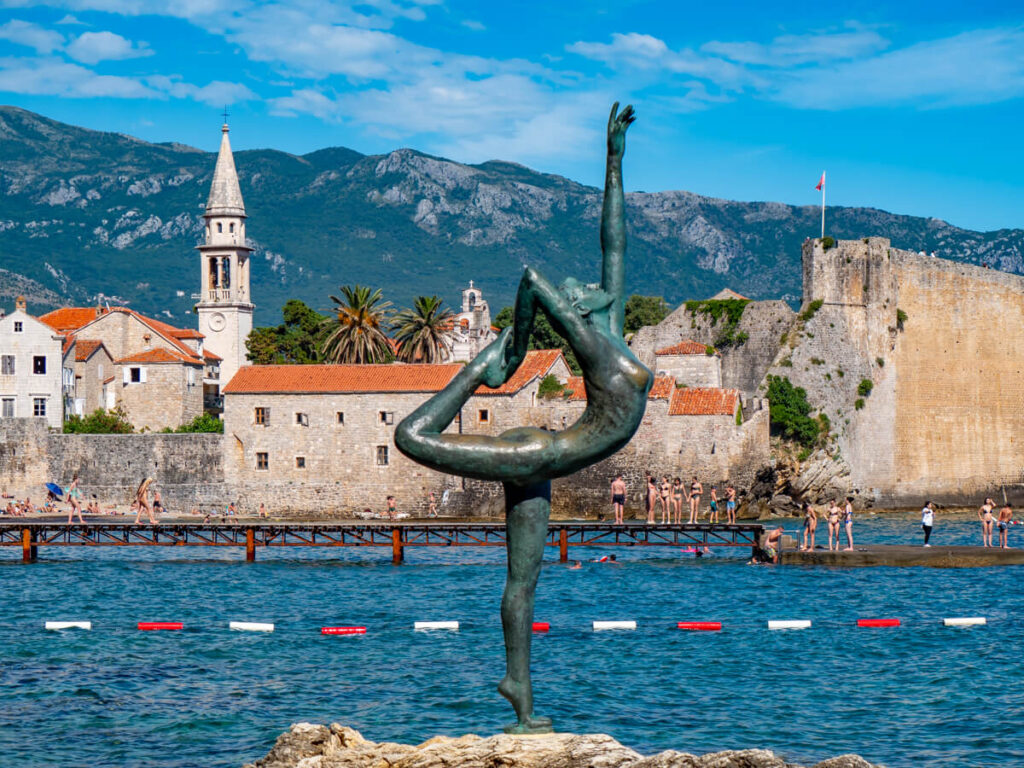
Budva is one of Montenegro’s main beach resorts, with a walled Old Town, several beaches, a busy waterfront, and a nightlife scene that gets particularly lively in summer.
There are plenty of fun things to do in Budva. The Old Town has a long history, with stone lanes, churches, and defensive walls packed onto a small peninsula, although much of the town’s modern appeal comes from its beaches, restaurants, and bars. It’s pretty similar to Kotor’s Old Town, so you might not feel the need to go out of your way and visit here if you’ve already seen Kotor.
Budva is, however, a better option as a vacation base for people who like proper sandy beaches, a more upbeat vibe with plenty of bars and restaurants, and who like to party at night – there’s no denying the nightlife scene in Budva beats the towns on the Bay of Kotor.
We visited for another reason though: the chance to go SCUBA diving in Budva. There are only a few places in Montenegro with genuinely good snorkelling and diving, and we loved exploring the underwater world with Budva Diving Center around Sveti Nikola Island.
Budva is also a useful base for exploring more of the riviera, visiting other nearby coastal spots, and there are plenty of boat trips and water activities on offer if you like activities to fill your holiday.
The downside is that Budva can feel very crowded in July and August, with crazy traffic, expensive parking, and busy beaches, so we’d consider visiting outside peak summer if you prefer a quieter atmosphere. We’re glad we stayed a few nights to go diving, but recommended to my family to skip it, as they’d prefer the quieter, more characterful Kotor area.
9. Sveti Stefan
Sveti Stefan is a small former fishing village on an island connected to the mainland by a narrow causeway, with stone houses and terracotta roofs that have made it one of Montenegro’s most recognisable places.
It was developed into an exclusive resort in the mid-20th century, and access to the island has long been restricted by its hotel use, so you sadly can’t wander around it like you would in Kotor’s Old Town.
The main reason to visit is the iconic views, particularly from the surrounding beaches and coastal paths. You can spend a few hours here, enjoy lunch with a view, and there are some local apartments and hotels if you’d like to stay overnight, but easy access via bus or car means it’s also an easy day trip.
We visited Sveti Stefan and thought it was nice and scenic, but really busy. Half the beaches have been privatised by the luxury resort, the public ones are packed with people, and prices are quite inflated. To be honest, we think it’s worth snapping a picture of the view from the main highway – there are gravel pull-ins to stop at – but it’s not worth venturing in unless you’re keen to visit yourself. Its location means it’s easy to combine with other coastal destinations like Budva or Petrovac if you are keen to visit on a half-day trip, though.

10. Petrovac
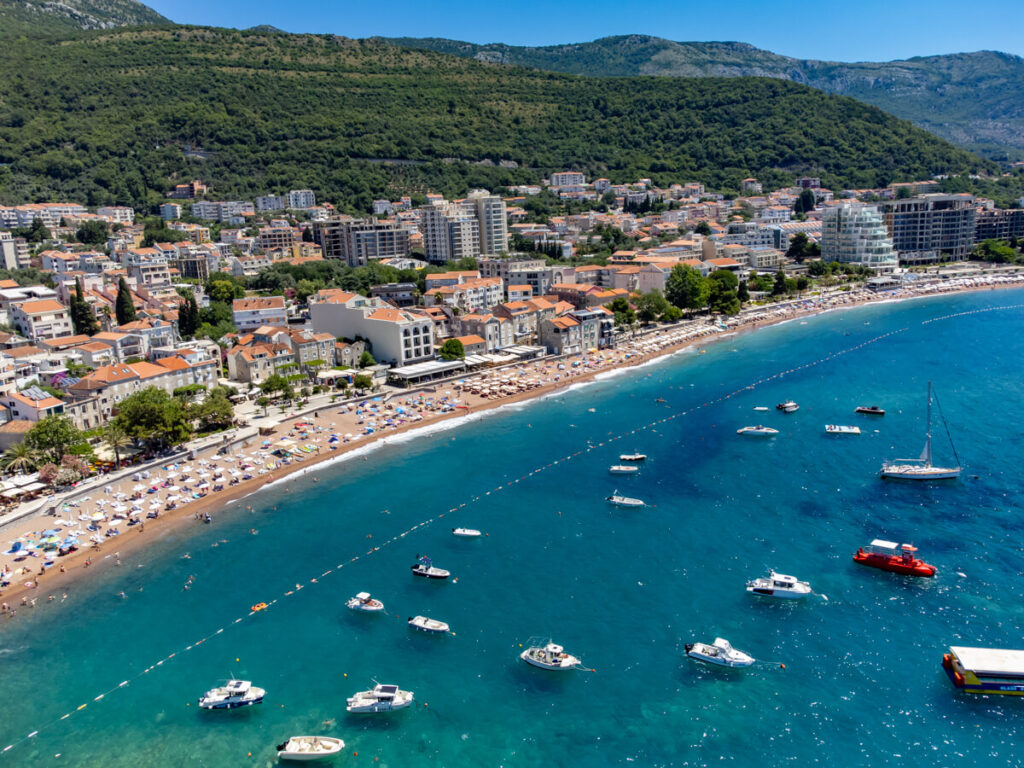
Petrovac is a smaller seaside town south of Budva, with a curved beach, a waterfront promenade, cafés and restaurants, and a more relaxed pace than Montenegro’s busier resort towns. Its compact centre makes it easy to explore on foot, and the old Venetian-era fortification at the waterfront is a reminder of the town’s history.
The beaches here are the main attractions, with smaller coves and scenic coastal walking routes nearby. The main beach is quite busy, but you can easily walk or drive to nearby sandy shores like Lučice if you want somewhere a little quieter.
Its location means it’s easy to visit on a day trip from Budva, Bar, or even Lake Skadar and Virpazar – we visited as a day trip from the wine region. But it’s also a nice quiet alternative beach base to Budva if you’re after somewhere a bit more local.
11. Ostrog Monastery
Ostrog Monastery is an active Serbian Orthodox monastery built into a steep cliff face inland between Nikšić and Podgorica, and it’s one of the country’s most important pilgrimage sites.
Its cave churches and the relics of Saint Basil attract large numbers of Orthodox Christian pilgrims, but visitors of other faiths and people interested in the unique architecture also make the journey. It’s also home to beautiful murals and mosaics, with views over a valley in Central Montenegro.
The monastery itself doesn’t take that long to explore, which is worth bearing in mind when planning the drive, particularly if you’re coming from the coast. We’re not sure it’s worth the long journey if you’re not religious or keen to visit, as its location slap-bang in the middle of the country makes it difficult to combine with other attractions.
We visited as part of a road trip between Durmitor National Park and Lake Skadar, staying overnight in Nikšić, and that worked much better than making a long return journey from the coast just to see the monastery. If you’re mega-keen to day trip here, though, there are combined tours that also visit Durmitor from the coast, which is a good option if you have limited time and are ok with a long day trip.

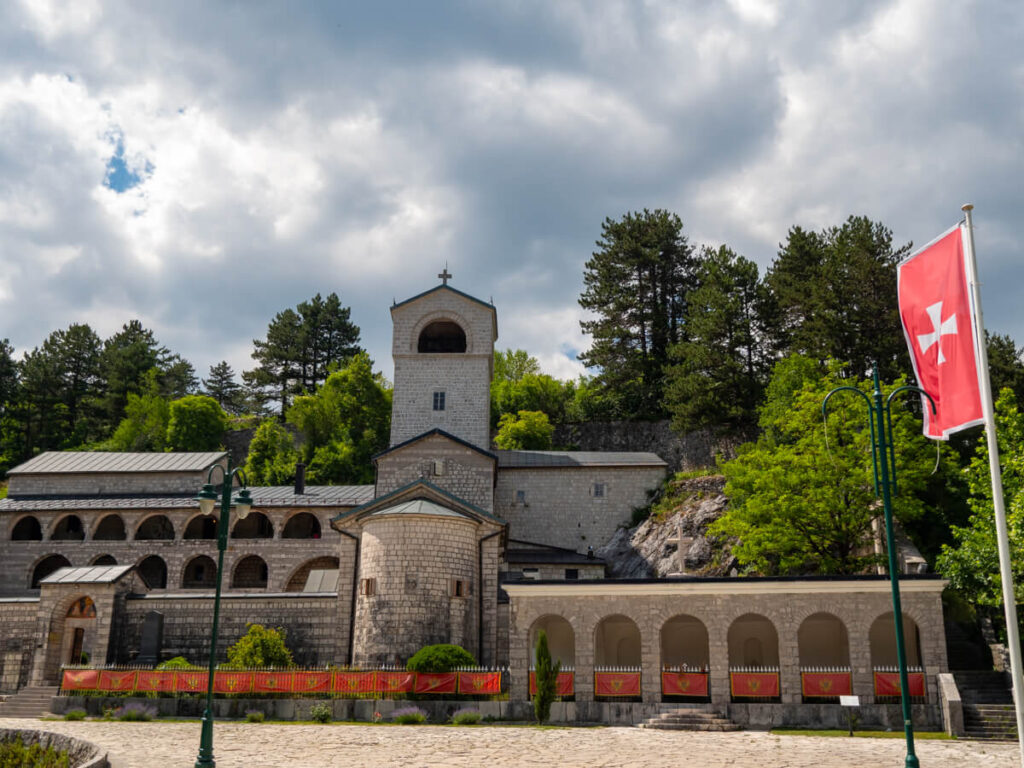
12. Cetinje
Cetinje is Montenegro’s former royal capital, a small inland town with historic embassies, museums, monasteries, and stone streets that reflect its role as the country’s political and cultural centre.
It was established in the 15th century and became particularly important as the seat of Montenegro’s rulers. It’s easy to visit as a day trip from the Bay of Kotor or Budva, especially if you’re already planning to drive through Lovćen National Park – this combination works well if you’re exploring independently, and many tour operators offer it, too.
The town is easy to explore on foot, with the National Museum complex and Cetinje Monastery among the main stops, plus cafés and local restaurants for a break between sights.
If you’re road-tripping, you can stay a night in Cetinje, which is what we did after leaving Kotor. It’s a good choice if you want to learn more about Montenegro beyond its coastline, but it’s not a place we’d prioritise over Kotor or Durmitor on a very short first trip unless you love history.
How to choose where to go in Montenegro?
The best places to visit in Montenegro depend on what you want from your trip, how long you’ve got, and how much driving you’re happy to do. The country is small enough to combine the coast, historic towns, lakes, and mountains in one holiday, but the winding roads mean journeys can take longer than the distances suggest.
We’d recommend choosing a few places that offer genuinely different experiences or are really the kind of places you’re interested in, rather than trying to tick off every town on the map or only going to the most popular spots.
Here’s where we’d start, depending on what you’re most interested in:
If it’s your first visit to Montenegro, we’d choose one base around the Bay of Kotor and explore the surrounding towns, then add another region if you have time. Budva and Sveti Stefan are easy to combine, as are Cetinje and Lovćen National Park, while Durmitor can also be combined with the bay if you want to experience the contrasts of the country in around a week.
Prokletije and Durmitor deserve more time if you’re planning to hike, while other places like Biogradska Gora lend themselves better to a longer, slower road trip.
Some coastal towns can feel quite similar, so there’s no need to visit every one if you’re short on time.
If you’d prefer to avoid the busiest spots, consider the Luštica Peninsula, smaller villages around Lake Skadar, or the mountains inland. Above all, allow time for Montenegro’s winding roads and avoid packing so much in that you spend more time travelling than enjoying the places you’ve come to see.
If you want help planning your itinerary based on the amount of time you have, check out our Montenegro itinerary.

Where not to visit in Montenegro
Montenegro has plenty of places worth visiting, but not every destination will suit every traveller, and there are a few places we’d prioritise less depending on your interests, itinerary, and how much time you have. As much as we try to visit absolutely everywhere (thanks FOMO), we’ve learned it’s best to prioritise places you’re actually interested in rather than the places social media and the internet tell you are the best. Here are the places you might want to skip and why:
Places in Montenegro FAQs
To help you choose where to visit in Montenegro, we’ve answered these frequently asked questions.
What are the top 10 places to visit in Montenegro?
Some of the best places to visit in Montenegro include Kotor Old Town, Perast, Herceg Novi, Budva, Sveti Stefan, Petrovac, Cetinje, Durmitor National Park, Lake Skadar National Park, and Prokletije National Park. This gives you a mixture of historic towns, coastal scenery, beaches, and mountain landscapes. If you have time, we’d also consider the Luštica Peninsula, Biogradska Gora National Park, and Ostrog Monastery.
Which part of Montenegro is the best?
The Bay of Kotor is our top recommendation for first-time visitors, thanks to its historic towns, dramatic scenery, and easy access to boat trips and coastal walks. The Budva Riviera is better if you want beaches and nightlife, while northern Montenegro is the place to go for hiking, lakes, and mountain scenery. If you prefer quieter coastal villages and smaller swimming spots, we’d also look at the Luštica Peninsula.
What is the most beautiful town in Montenegro?
We’d choose Perast for its waterfront setting, stone palaces, and views across the Bay of Kotor to the two islands just offshore. Kotor Old Town is another strong contender, with medieval walls, narrow streets, and mountains rising directly behind it. For something different, Sveti Stefan is one of Montenegro’s most recognisable coastal views, although you can’t freely explore the island’s private resort streets as you would in a traditional town.
What cities are in Montenegro?
Podgorica is Montenegro’s capital and largest city, while Nikšić is another major urban centre. Other towns and cities worth knowing include Cetinje, the former royal capital, Kotor, and Herceg Novi around the Bay of Kotor, Budva on the coast, and Bar and Ulcinj further south.
Where’s the nicest place to stay in Montenegro?
For a first visit, we’d choose somewhere around the Bay of Kotor, with Kotor, Dobrota, or Perast all worth considering. If beaches are your priority, Buva is popular, and Petrovac is a good alternative, while Žabljak makes a practical base for exploring Durmitor National Park.
Is Montenegro as pretty as Croatia?
We think Montenegro can hold its own against Croatia, particularly around the Bay of Kotor, where the mountains, historic towns, and deep blue water create some spectacular scenery. Croatia has a much longer coastline and a greater choice of islands and historic coastal cities, while Montenegro packs an impressive variety of landscapes into a much smaller area. We’d choose Montenegro for a trip that combines the coast with dramatic mountain scenery, national parks, and quieter inland regions.
What are the best places to visit in Montenegro for beaches?
Budva is a good starting point if you want a choice of beaches, beach clubs, restaurants, and nightlife. Petrovac has a more relaxed atmosphere, while the Luštica Peninsula is worth exploring for smaller coves and swimming spots. Further south, Ulcinj is known for its long sandy beaches, too.
What are the best places in Montenegro for nightlife?
Budva is Montenegro’s main nightlife destination, with beach bars, cocktail bars, and clubs that become particularly busy during the summer. Podgorica has a more local bar and club scene throughout the year, while Kotor has plenty of places for an evening drink, particularly during the tourist season.
What are the best places to visit in Montenegro for hiking?
Durmitor National Park is one of the best choices for a hiking holiday, with routes ranging from walks around the Black Lake to more demanding mountain trails. Prokletije National Park is worth considering if you want a more remote experience, particularly around the Grebaje Valley and Ropojana Valley. Lovćen and the Bjelasica mountain range are other options, although we’d choose the area based on your experience, fitness, and how much time you want to spend on the trails.
Can you visit Montenegro without a car?
Yes, especially if you focus on the coast. Kotor, Perast, Budva, and Herceg Novi can be combined using buses, boat trips, and organised excursions, although you’ll need to check individual routes and timetables. Reaching more remote places such as Prokletije, Biogradska Gora, and some of the smaller villages around Lake Skadar is more complicated without a car, so organised tours can be useful if you don’t want to drive.
What are the best places to visit in Montenegro away from the crowds?
For a quieter coastal experience, explore the Luštica Peninsula or stay in a smaller settlement around the Bay of Kotor rather than directly in Kotor’s busiest streets. Inland, Rijeka Crnojevića and the villages around Lake Skadar are worth considering over Virpazar, while Prokletije offers a more remote and quieter mountain experience than Durmitor. Visiting in May, June, or September can also help you avoid some of the heaviest summer crowds, although popular places can still be busy.
Read next:
Ultimate Montenegro Travel Guide: Bays, Beaches & Black Mountains
2-3 Week Montenegro Road Trip Itinerary: From Adriatic Coast to Alpine Altitudes
5 Local Accommodations in Montenegro Reviewed: Cool Katuns + Eco Hotels
22 Magnificent Things to Do in Montenegro Beyond the Tourist Trail
Traditional Foods in Montenegro to Try & Meat-Free Options for Local Dishes
All 5 Montenegro National Parks Compared + Our Favourites
A Handy Guide to Hiking in Montenegro & Our Top 10 Trails
A Detailed Guide to Driving in Montenegro + Our Top Tips
Renting a Car in Montenegro: Complete Guide + Kombo Rent a Car Review
Our Montenegro Destination Guides:
