A Quick Guide to Visiting Piva Lake (Pivsko Jezero)

Everything you need to know about Piva Lake in Montenegro, from the best viewpoints to top activities and practical tips for your visit.
This post may contain affiliate links, which means we might earn a small commission on anything purchased through these links at no extra cost to you. Learn more on our disclaimer page.
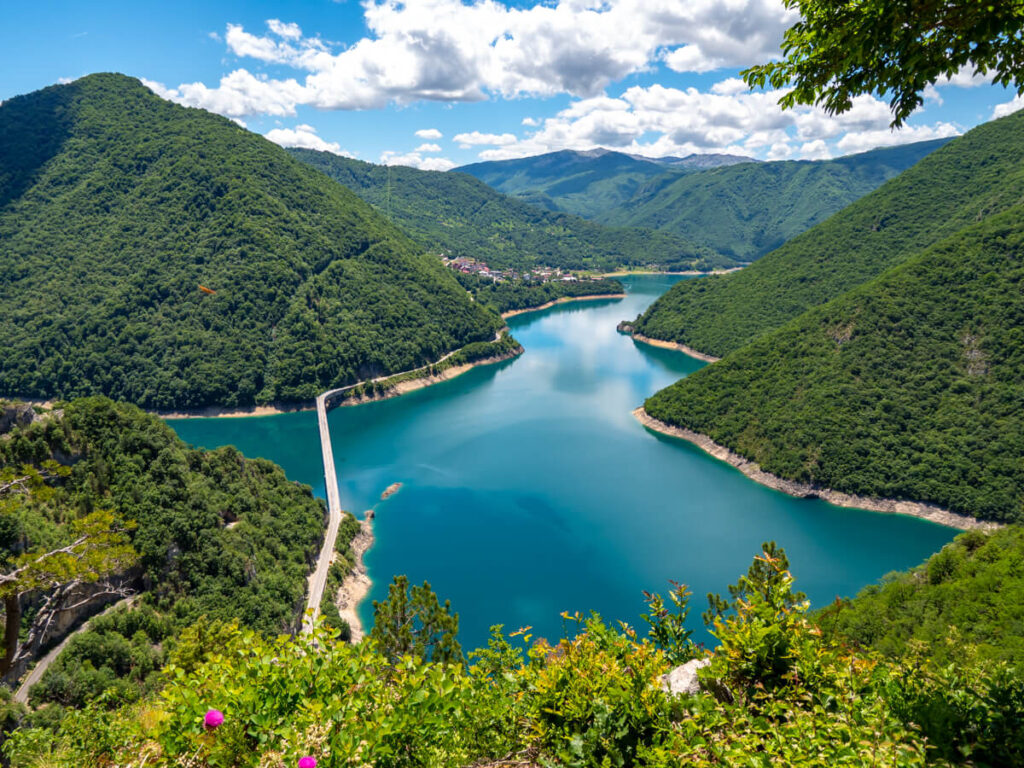
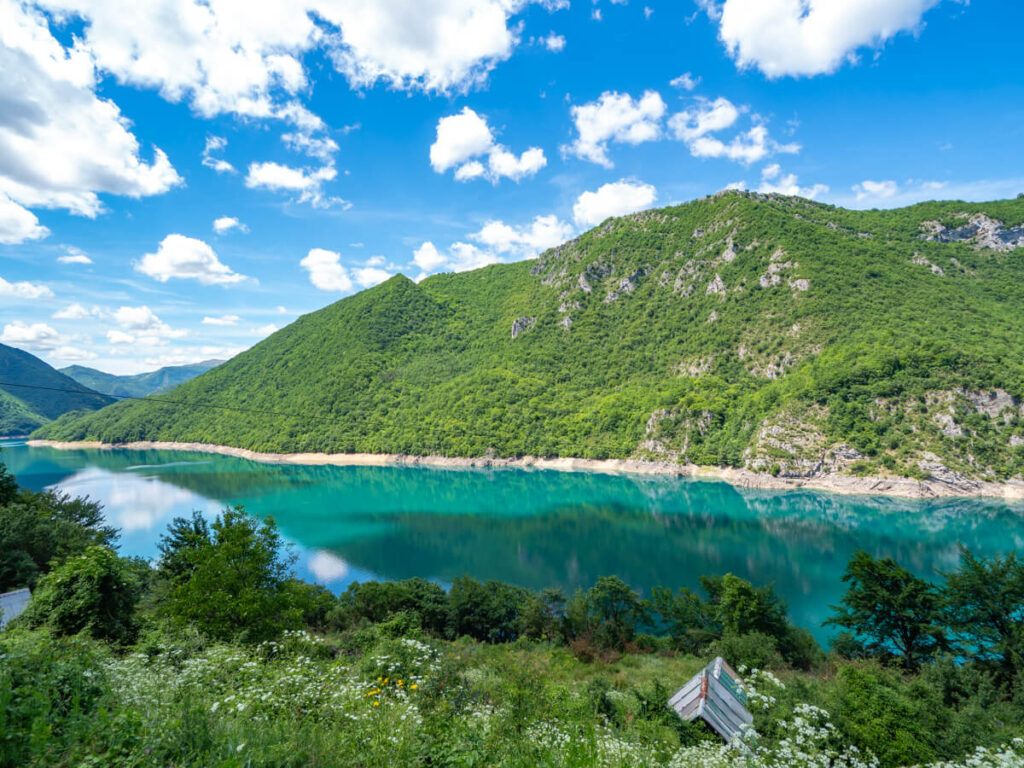
If there’s one place in Montenegro that we were expecting nothing of but totally surprised us, it was Piva Lake. Home to an impossibly turquoise lake, a dramatic limestone canyon, and one of the most scenic drives in the country, it’s a region that somehow remains overshadowed by the better-known Durmitor National Park.
We only detoured to Piva Lake as we drove the scenic Durmitor Ring Road, expecting to stop at a couple of viewpoints before moving on. Instead, we found ourselves constantly pulling over to admire the scenery, walking down to the water’s edge, and wondering why so few itineraries give this area more than a passing mention.
We get it, it’s not the most convenient base on a Montenegro road trip, but it’s absolutely stunning and totally worth a day trip at least. In this guide, we’ll cover everything you need to know about visiting Piva Lake, Piva Canyon, and Piva Nature Park, including the best things to do, where to stay, how to get there, and our top tips for making the most of one of Montenegro’s most underrated destinations.
More from Durmitor National Park
What is Piva Lake?
Piva Lake (Pivsko Jezero) is a vast artificial reservoir, created following the construction of the Mratinje Dam on the Piva River in the 1970s. At 220 metres (720 ft) high, it’s one of the highest dams in Europe. Its construction resulted in the flooding of the Piva Canyon and the creation of the Piva Lake.
At 4.8 square miles (12.5 sq km), Piva Lake is the second largest lake in Montenegro after Lake Skadar, and the largest lake that’s entirely within the country. Its surface stretches around 28 miles (45 km) through the heart of Piva Regional Nature Park (Park Prirode Piva).
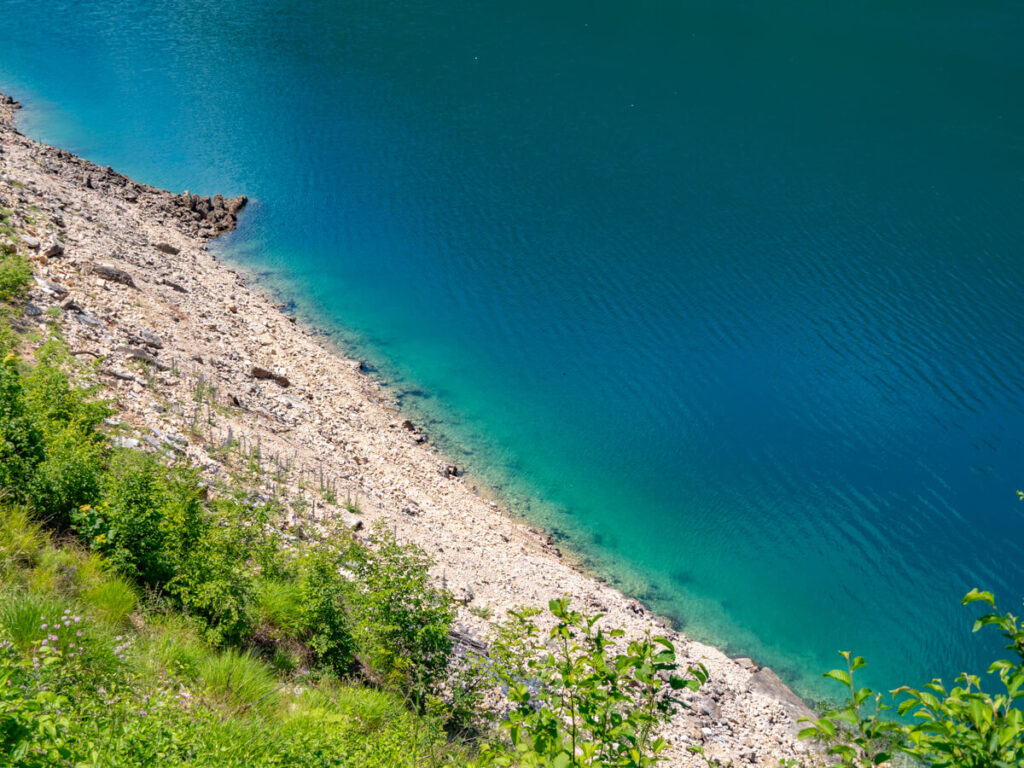
The lake is fed by the exceptionally clear waters of the Piva River, giving it its striking blue-green colour throughout much of the year.
Where is Piva Lake?
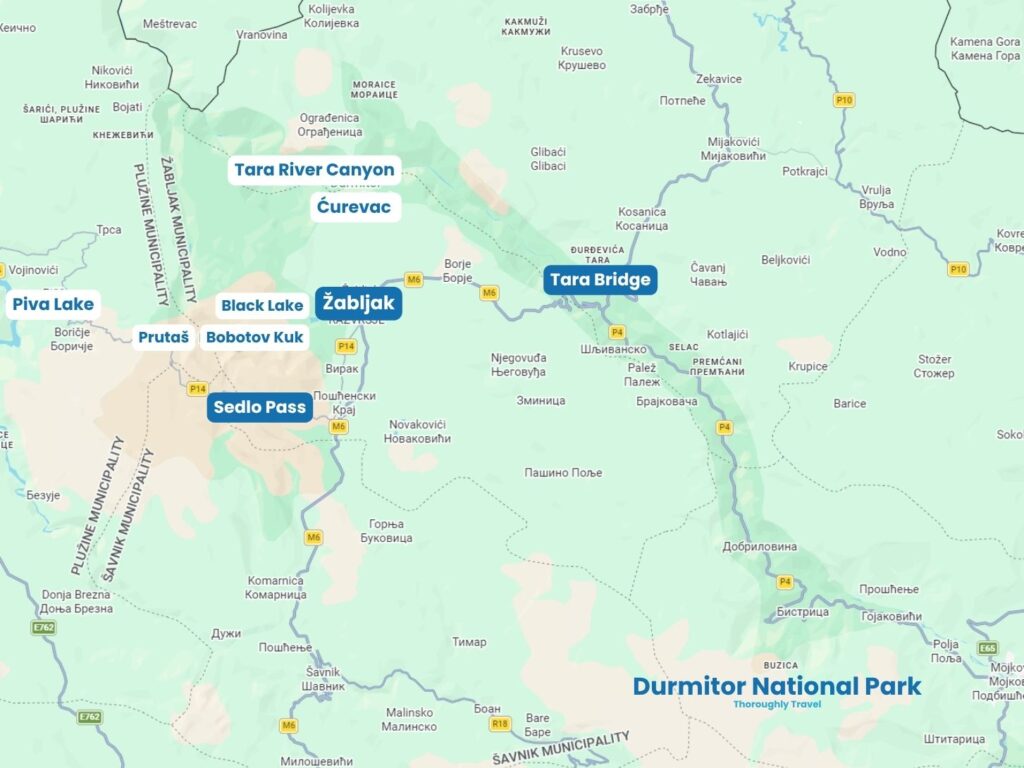
Piva Lake lies in northwestern Montenegro within Piva Nature Park, close to the border with Bosnia and Herzegovina.
The lake itself sits just west of Durmitor National Park, making it one of the easiest day trips from Žabljak or a natural addition to a road trip through Montenegro. It sits at an elevation of around 675 metres (2,200 ft) above sea level, so summer temperatures here are generally cooler than along Montenegro’s coast.
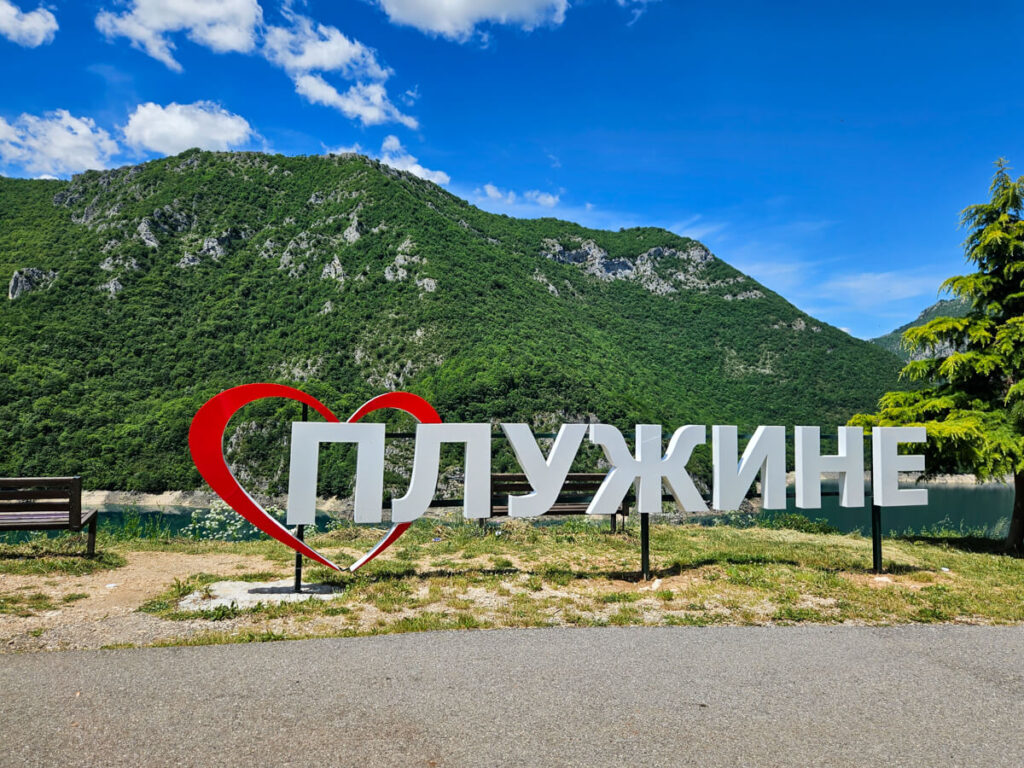
The small town of Plužine sits on the eastern shore and serves as the main gateway to the lake.
The best things to do at Piva Lake
Piva Lake isn’t somewhere that’s particularly known as a must-see destination or for its activities, but it has a surprising variety of things to do.
1. Viewpoints
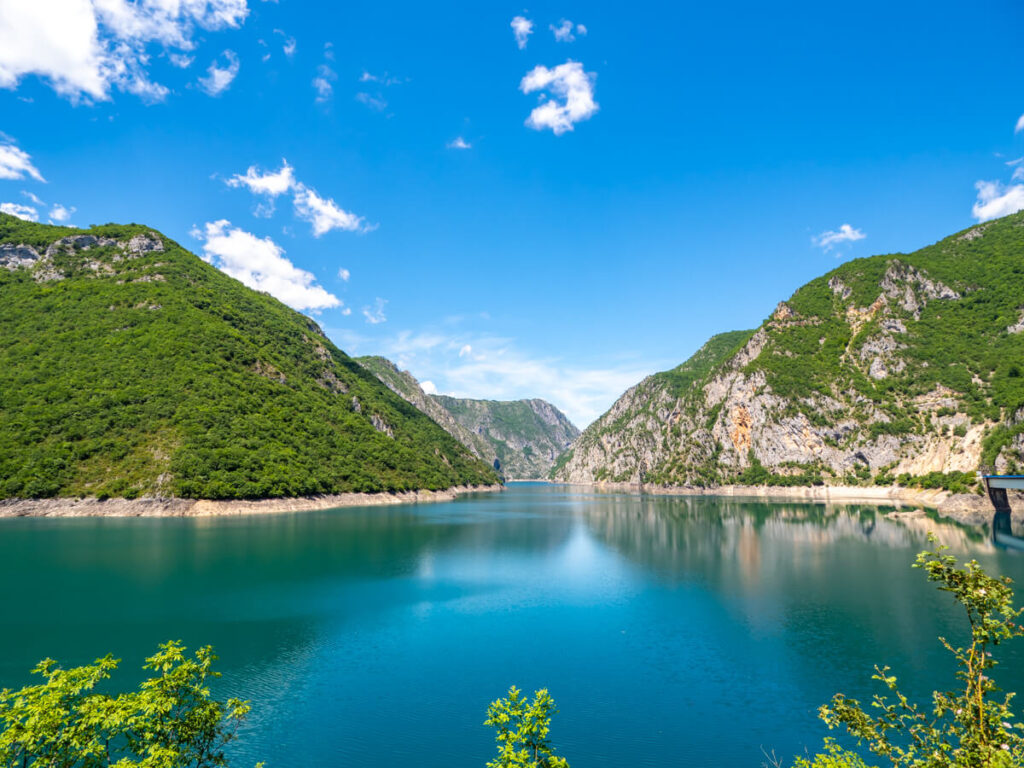
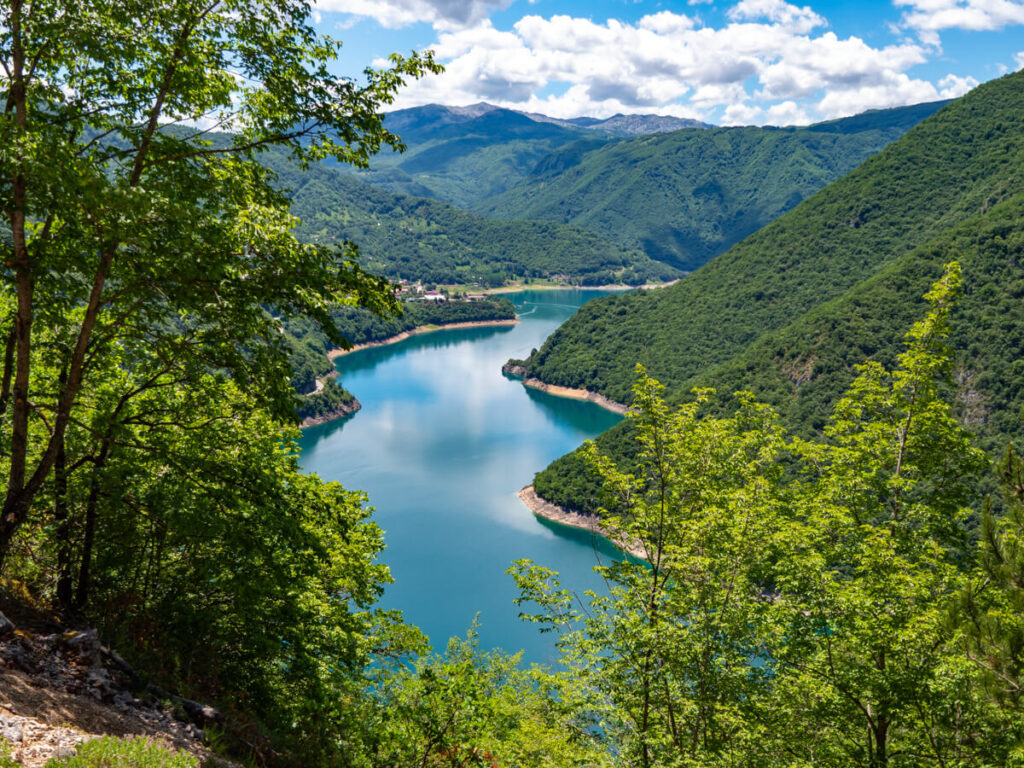
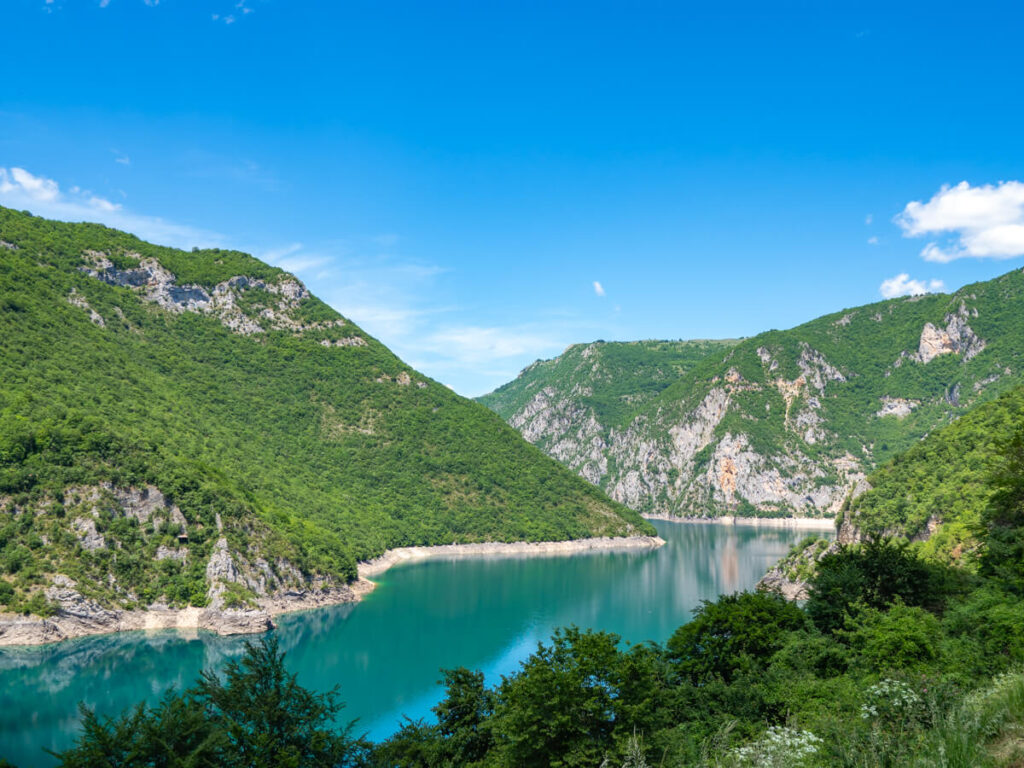
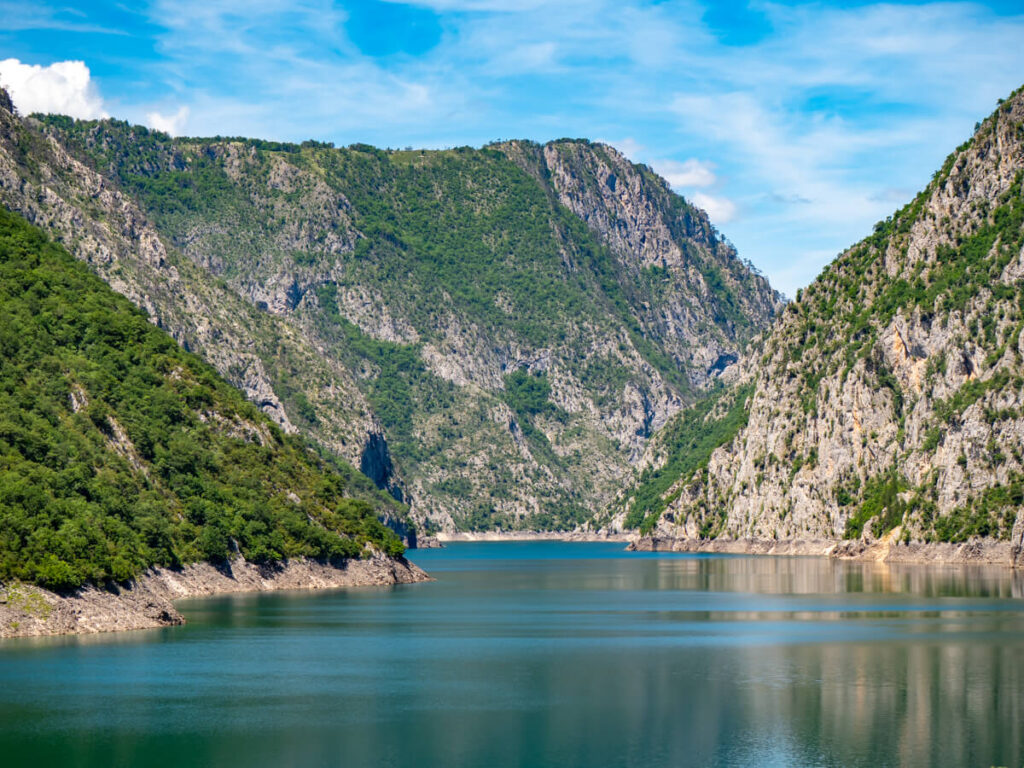
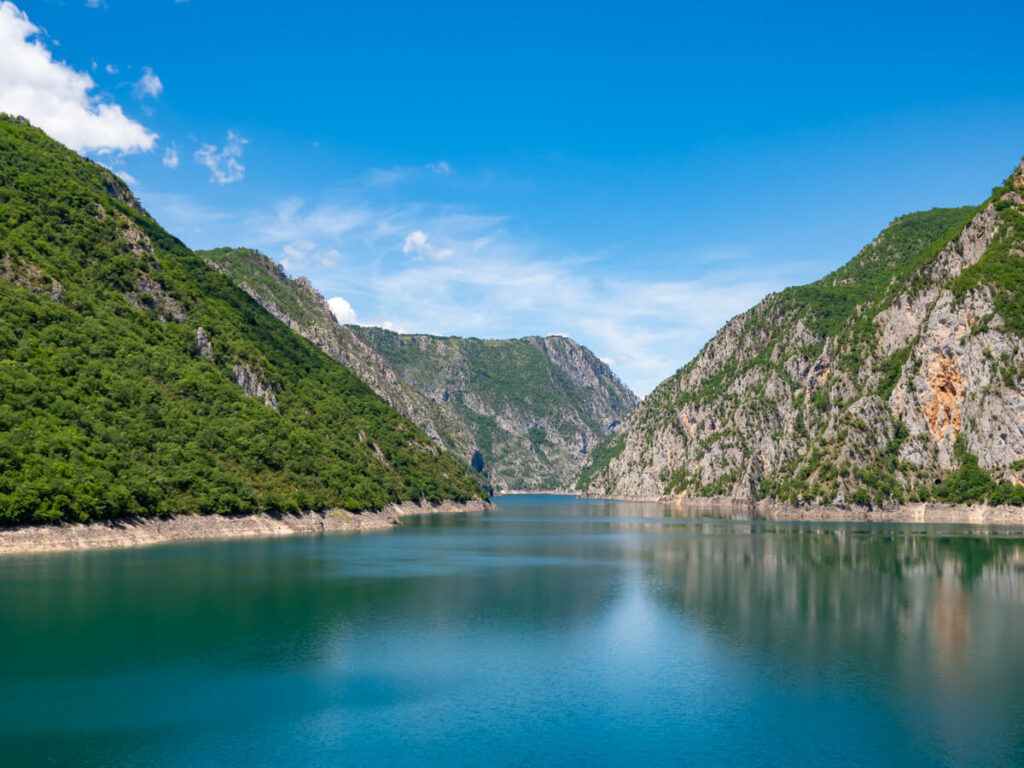
The road around Piva Lake is packed with spectacular viewpoints overlooking the winding reservoir and surrounding mountains. Some of the best views come from the P14 road between Trsa and Plužine, where the lake snakes between towering limestone cliffs.
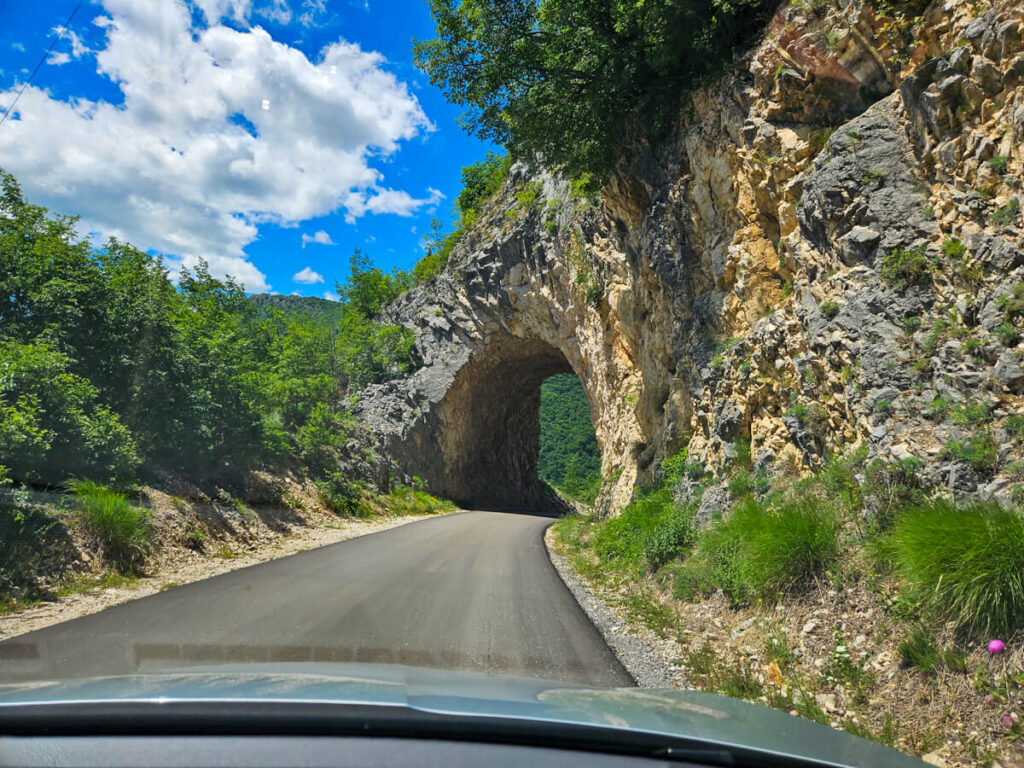
The drive is an experience in itself, consisting of a narrow mountain road with numerous sharp switchbacks and tunnels carved into the cliffs. It’s not for the fainthearted, but if you have experience driving in the mountains, you’ll be able to handle it.
Most viewpoints simply consist of gravel laybys, with enough space for one or two vehicles to pull off the road, where you can enjoy panoramic views over the lake and along the canyon.

2. Boat trips
One of the best ways to appreciate the scale of Piva Lake is from the water itself. Piva Lake boat trips cruise past towering cliffs, hidden coves, and sections of shoreline that are inaccessible by road.
Depending on the operator, trips may also visit small beaches, secluded bays, Oteša Cave, or the impressive Mratinje Dam. Some also include swimming stops.
You can arrange a boat trip in Plužine, with tours leaving from the municipal marina. They typically take around 1.5 hours and cost around €20-40 per person.
3. Kayaking and canoeing
Piva Lake’s calm water makes it one of the best places for kayaking and canoeing in the region. Unlike the fast-flowing Tara River, which is famous for adrenaline-fuelled river rafting, the lake offers peaceful paddling suitable for beginners and families, as well as more experienced kayakers.
Kayak and SUP rental is available from the main marina, and many accommodations provide or can help arrange it too.
4. Swimming
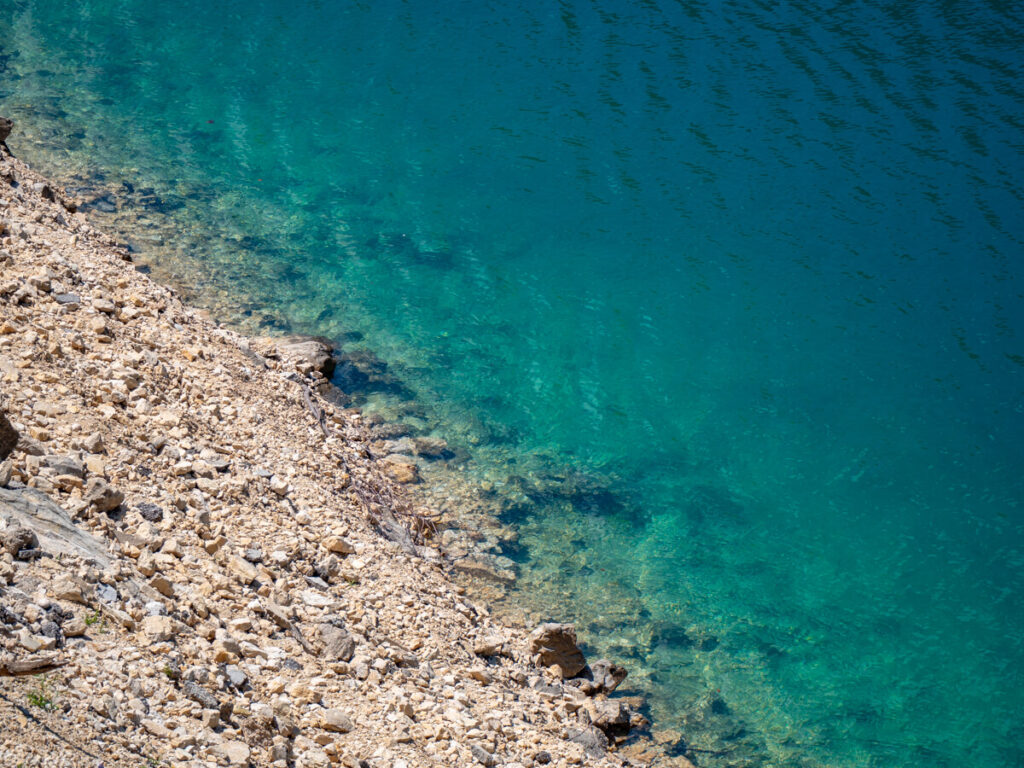
During summer, Piva Lake becomes one of the most refreshing places to swim in northern Montenegro. The water is exceptionally clear, although noticeably cooler than the Adriatic Sea due to its mountain setting.
There are several informal swimming spots around the lake, particularly near Plužine, where small pebble beaches provide easy access to the water.
Water temperatures are generally most comfortable between July and early September.

5. Ziplining
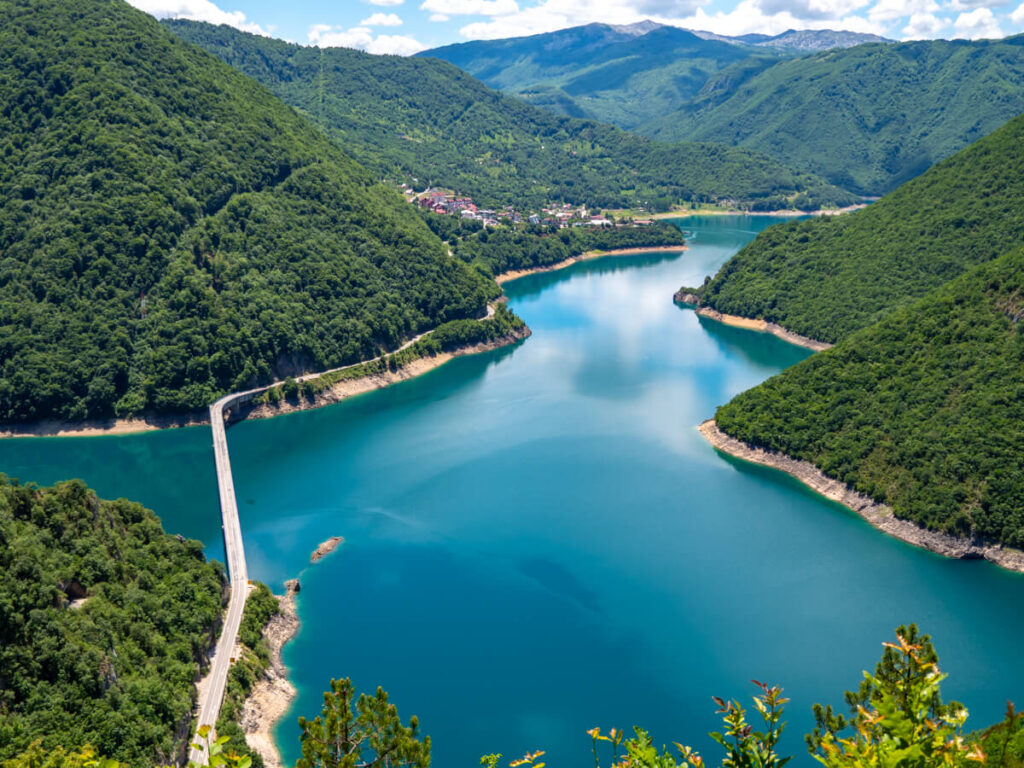
On the shore of the lake, you’ll find one of Montenegro’s longest ziplines. The ride offers panoramic views over the lake, surrounding mountains, and dramatic limestone scenery below. You can find the zipline on the south side of the iconic road bridge that provides access to Plužine.
Day trips from Plužine
Piva Lake and Plužine also make an excellent base for exploring the surrounding region. It’s a short drive from Durmitor National Park, forms part of the spectacular Durmitor Ring Road, and can easily be combined with a visit to the historic Piva Monastery.
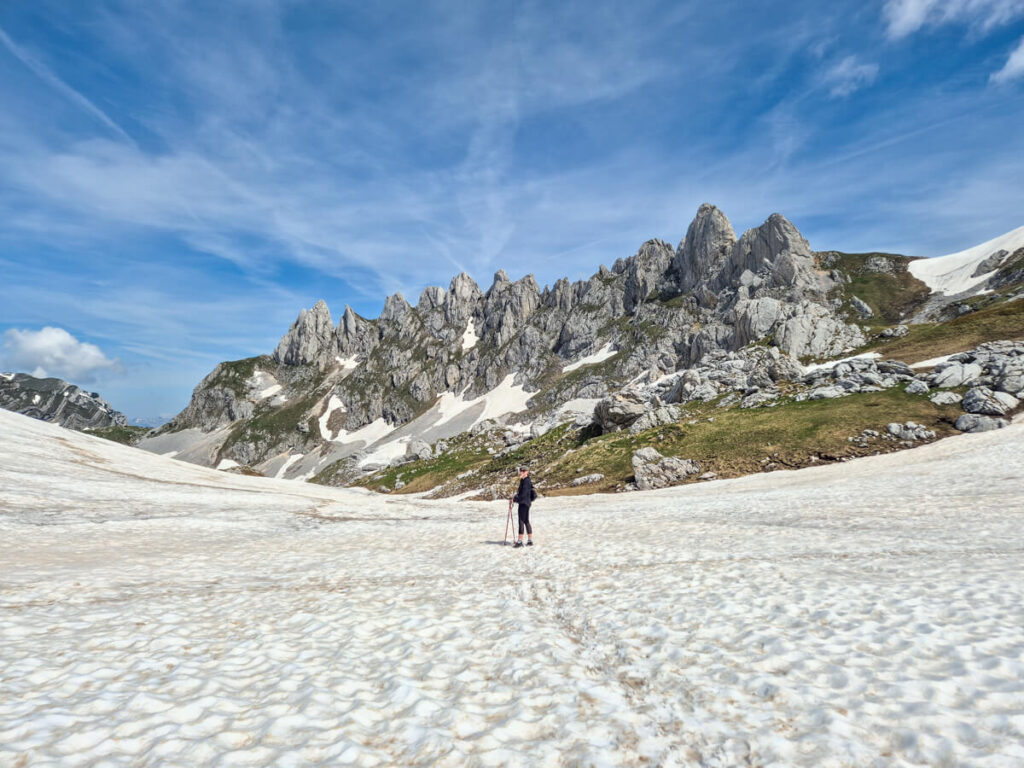
If you love the outdoors, you can enjoy some of Durmitor’s hikes like the challenging Bobotov Kuk, easy Black Lake loop, and dramatic viewpoint at Ćurevac Peak, which has epic views over the Tara River Canyon.
Where to stay near Piva Lake
Plužine is the best base for exploring Piva Lake, with the widest choice of accommodation, restaurants, supermarkets, and boat trips. Travellers looking for a quieter experience will find cabins, guesthouses, and traditional etno villages scattered throughout Piva Nature Park.
Many accommodation options have balconies overlooking the lake, making the scenery part of the experience. Guesthouse Zvono sits in the centre of town and is highly rated, while Etno Selo Izlazak has an absolutely stunning location out of town with views over the canyon and lake.
If you’re happy to visit Piva on a day trip, we’d recommend staying near Durmitor National Park.
How to get to Piva Lake
Renting a car and driving is by far the easiest way to visit Piva Lake, allowing you to stop at viewpoints, explore quieter roads, and reach places inaccessible by public transport.
The lake is approximately 31 miles (50 km) from Žabljak via the Durmitor Ring Road or the main road through Trsa, depending on your route. We included it on the Durmitor Ring route, as it sits about halfway round the loop. If you drove directly, it would take about 1.5 hours from Žabljak.
From Podgorica, the drive takes around 2.5-3 hours, while Kotor is around 3.5-4 hours away.
Regular buses connect Plužine with Podgorica, Nikšić, and several other Montenegrin towns. However, public transport is limited for exploring the lake itself, so you’ll either need to walk, cycle, or arrange local transport once you arrive.
Piva Lake is also sometimes included on Durmitor National Park day tours.
When to visit Piva Lake
The best time to visit is between May and October, when the roads are fully open and the weather is ideal for sightseeing and outdoor activities.
Summer, between July and August, brings daytime temperatures of around 20-30°C (68-86°F), making it perfect for swimming, kayaking, and boat trips.
Spring (late May and June) usually has the fullest water levels, while autumn (September and October) brings beautiful colours to the surrounding forests and fewer visitors.
Snow in winter (November to February) usually makes much of the roads around Piva Lake too dangerous to drive. The P14, Sedlo Pass, and road from Trsa routinely close during this period.
Is Piva Lake worth visiting?
Piva Lake is definitely worth visiting if you enjoy scenic drives, mountain landscapes, and quieter corners of Montenegro that haven’t yet been overrun by tourism.
For us, the biggest appeal was that it was an easy detour from the Durmitor Ring with epic views. Driving alongside the impossibly turquoise water, weaving through tunnels carved into the cliffs, and stopping at countless viewpoints was all part of the experience.
However, if you’re looking for lively lakeside towns, sandy beaches, or lots of attractions to tick off, Piva Lake may feel a little too quiet. Aside from swimming, kayaking, boat trips, and the occasional zipline, there isn’t a huge amount to do.
We wouldn’t honestly recommend planning your trip around Piva Lake – unless it’s really your kind of place. But combined with Durmitor National Park, it’s one of the highlights of the region, relatively easy to visit, compact enough to see in a day, and one of the most beautiful parts of Montenegro for sure.
What to pack to visit Piva Lake
Visiting Piva Lake is a mountain adventure, so it’s worth preparing accordingly. Don’t forget to pack:
Piva Lake FAQs
To help you plan your visit to Piva Lake, we’ve answered the most frequently asked questions.
Is Piva Lake part of a national park?
Piva Lake lies within Piva Nature Park, a protected landscape in northwestern Montenegro, but it is not part of a national park. Although it is close to Durmitor National Park, the two protected areas sit next to each other and are often visited on the same trip, but are not the same.
What is there to do in Piva Lake?
Piva is nowhere near as popular as Lake Skadar or Lake Biograd in Biogradska Gora National Park, but there are some local activities on offer. The most popular things to do at Piva Lake include enjoying the viewpoints, taking a boat trip, kayaking or canoeing, swimming during summer, ziplining across the lake, visiting Piva Monastery, and driving some of Montenegro’s most scenic mountain roads.
Can you swim in Lake Piva?
Yes, swimming is allowed at Piva Lake, and the water is exceptionally clear. Even in summer, however, it remains refreshingly cool thanks to its mountain setting and the rivers that feed it.
Are there boat tours on Piva Lake?
Boat tours operate on Piva Lake during the warmer months, particularly from around Plužine, offering a chance to explore hidden coves, towering cliffs, and parts of the lake that can’t be reached by road.
Is Piva Lake good for kayaking?
Piva Lake’s calm water makes it one of the best places in Montenegro for kayaking and canoeing, whether you’re a complete beginner or a more experienced paddler.
How deep is Piva Lake?
Piva Lake reaches depths of around 188 metres (617 ft), making it one of the deepest lakes in Montenegro.
What is the best time to visit Piva Lake?
The best months to visit Piva Lake are June to September, when the weather is warm enough for sightseeing, kayaking, and swimming. For the most beautiful light, we’d recommend visiting early in the morning or in the late afternoon, when the sun brings out the lake’s incredible turquoise colour and the roads are generally quieter.
Where does Piva Lake get its water from?
Piva Lake is fed primarily by the Piva River, along with numerous mountain streams flowing from the surrounding limestone mountains. The reservoir was created following the construction of a dam in the 1970s.
What kind of fish are in Piva Lake?
Piva Lake is home to several freshwater species, including brown trout, rainbow trout, grayling, chub, and Danube salmon (huchen), making it a popular destination for recreational fishing.
Which country is Piva Lake in?
Piva Lake sits entirely within Montenegro, in the country’s mountainous northwest, close to the border with Bosnia and Herzegovina.
Read next:
An Ultimate Guide to Visiting Durmitor National Park
Where to Stay for Durmitor National Park: Cool Cabins + Top Hotels
15 Best Things to Do in Durmitor National Park + Our Itinerary
Driving the Durmitor Ring Road Route Guide
12 Best Hikes in Durmitor National Park From Easy to Expert
What It’s Really Like Hiking Bobotov Kuk
A Complete Guide to Hiking Ćurevac Peak
