A Traveller’s Guide to Lake Skadar National Park: Valleys, Viewpoints & Vineyards

Discover everything you need to know about visiting Lake Skadar National Park, Montenegro’s largest lake and Europe’s most important bird reserve.

This post may contain affiliate links, which means we might earn a small commission on anything purchased through these links at no extra cost to you. Learn more on our disclaimer page.
The largest lake in Southern Europe, Lake Skadar National Park is one of the most beautiful places in Montenegro. Home to winding waterways, wetlands filled with wildlife, scattered islands, traditional fishing villages, and vast open views of the glassy surface leading to looming mountains, it’s a completely unique landscape that completely contrasts with the country’s mountainous national parks and busy coastal cities.
We visited Lake Skadar a couple of times over our 5-week Montenegro road trip, spending a few nights in Rijeka Crnojevića on the lake’s lesser-visited channels, exploring the wine region surrounding Virpazar, and once as a day trip from Kotor with family.
But with a variety of gateways and bases, countless boat tour operators, and seemingly endless ways to experience the lake, discovering the best of Lake Skadar takes a little know-how. Find out everything you need to know about visiting Lake Skadar National Park, including the top locations, accommodation, activities, seasons, boat trips, and wildlife, as well as our practical tips for getting there and around, in this guide.
Lake Skadar National Park at a glance
More from Lake Skadar
About Lake Skadar National Park
Lake Skadar (Skadarsko Jezero), also known as Lake Shkodër, Lake Shkodra, or Lake Scutari, is the largest lake in the Balkans, shared between Montenegro and Albania. It’s a low-lying karst basin surrounded by rugged limestone mountains and one of the most popular national parks in Montenegro.
The lake is an endorheic freshwater lake, meaning it has no direct outlet to the sea – its water ultimately reaches the Adriatic Sea through the Bojana River, which flows from the lake towards the coast. Several rivers and underground springs feed Lake Skadar, with the Morača River providing the majority of its surface inflow.
Its surface area varies dramatically with the seasons because of fluctuating water levels, ranging from approximately 370 km² to more than 500 km², making it considerably larger during the wetter months. The Montenegrin section is protected as Lake Skadar National Park, which was established in 1983 and covers approximately 400 km² – that’s larger than the whole of Malta!
The lake is exceptionally shallow for its size, with an average depth of around 5 metres, although underwater springs called oka create much deeper pockets. Some of these underwater karst springs are remarkably deep, with Raduš being one of the deepest known points at more than 60 metres, creating unusual deep-water habitats within an otherwise shallow lake.

Where is Lake Skadar National Park?
Lake Skadar National Park sits in southern Montenegro. The lake itself lies roughly two-thirds in Montenegro and one-third in Albania. The boundary of Lake Skadar National Park hugs the shoreline encompassing most of the lake, but doesn’t extend as far as Pavlova Strana and Rijeka Crnojevića.
Virpazar is the main gateway for visitors and is particularly convenient for boat trips, while Rijeka Crnojevića provides access to the northern part of the lake and the famous and less busy Crnojević River.
It occupies a karst basin, and its shape, water level and shoreline are strongly influenced by the porous limestone geology of the surrounding Dinaric Alps.
Lake Skadar sits at a relatively low elevation of around 6 metres (20 ft) above sea level, despite being surrounded by the rugged mountains of southern Montenegro and northern Albania.
Lake Skadar National Park Map
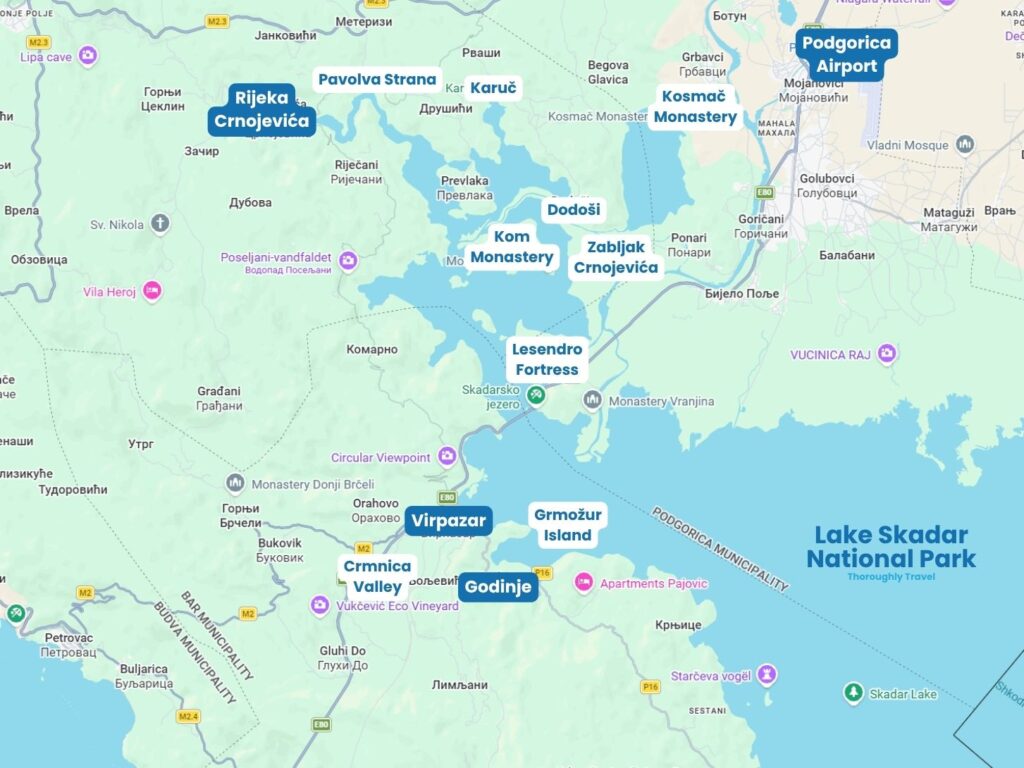
We’ve highlighted the main gateways to Lake Skadar, as well as key highlights you’ll see on a boat tour, on the map below.
Why visit Lake Skadar National Park?
The main reason most people visit Lake Skadar is to take a boat trip. But there are plenty of other fun things to do in Lake Skadar National Park on and off the water. You can spend your days driving to viewpoints, relaxing by the lake’s shore, wine tasting, and birdwatching.
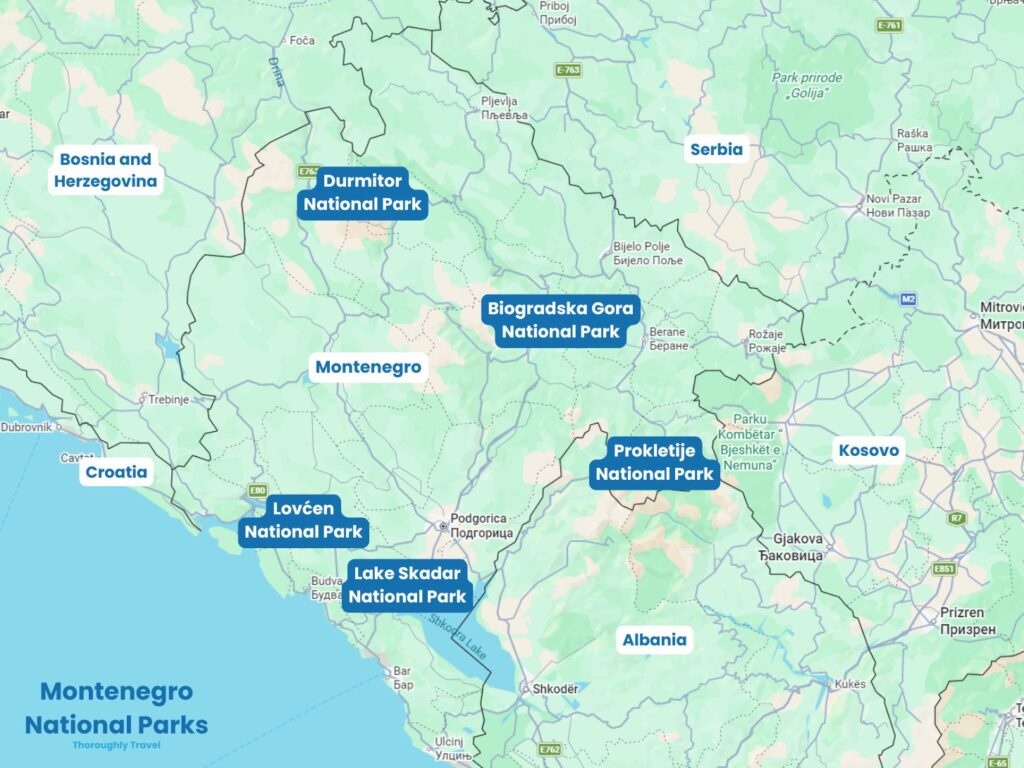
It’s also a great option if you’re keen to experience somewhere totally different to northern Montenegro’s wild mountains like Durmitor National Park and Prokletije National Park or the crowded coastal cities like Budva and Kotor’s Old Town.

Landscapes
A UNESCO Biosphere Reserve, Lake Skadar is one of the most distinctive natural landscapes in Montenegro. The national park extends well beyond the open water, protecting a mixture of wetlands, marshes, reed beds, rocky karst slopes, freshwater springs, small islands, and seasonally flooded plains, creating an unusually diverse collection of habitats
There are more than 50 islands and islets scattered around the Montenegrin side of the lake, many carrying historic ruins, monasteries, churches, or remnants of former settlements.
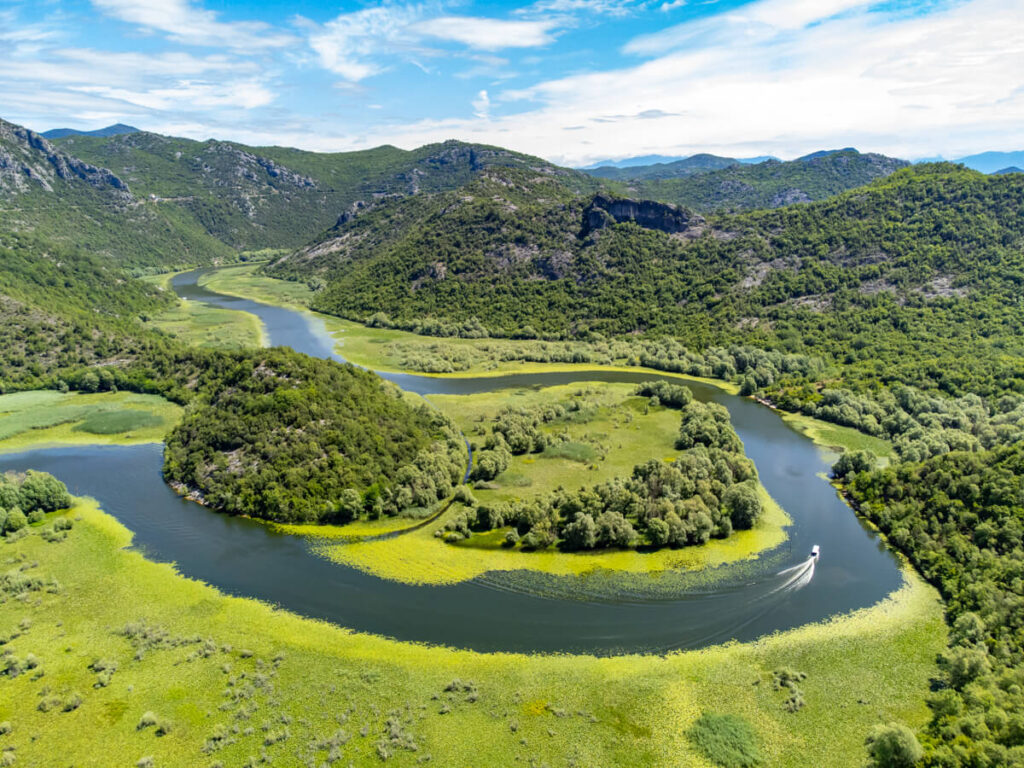
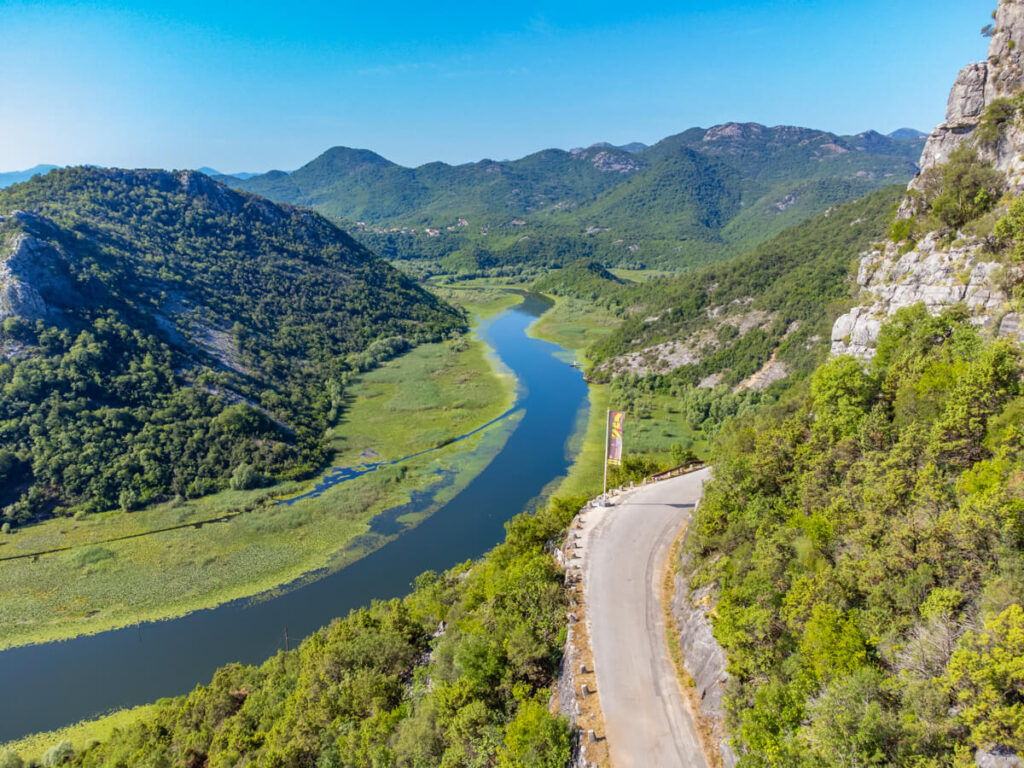
The Crnojević River is another major attraction, winding through lush wetlands before reaching the lake, creating some of Montenegro’s most recognisable scenery, including the iconic Pavlova Strana horseshoe-bend viewpoint.

Wildlife
Lake Skadar and its surrounding wetlands are home to lots of birds and are recognised as a Ramsar Wetland of International Importance. It is one of the most significant bird habitats in Europe, supporting more than 50% of Europe’s bird species, with more than 280 bird species recorded in the wider lake ecosystem.
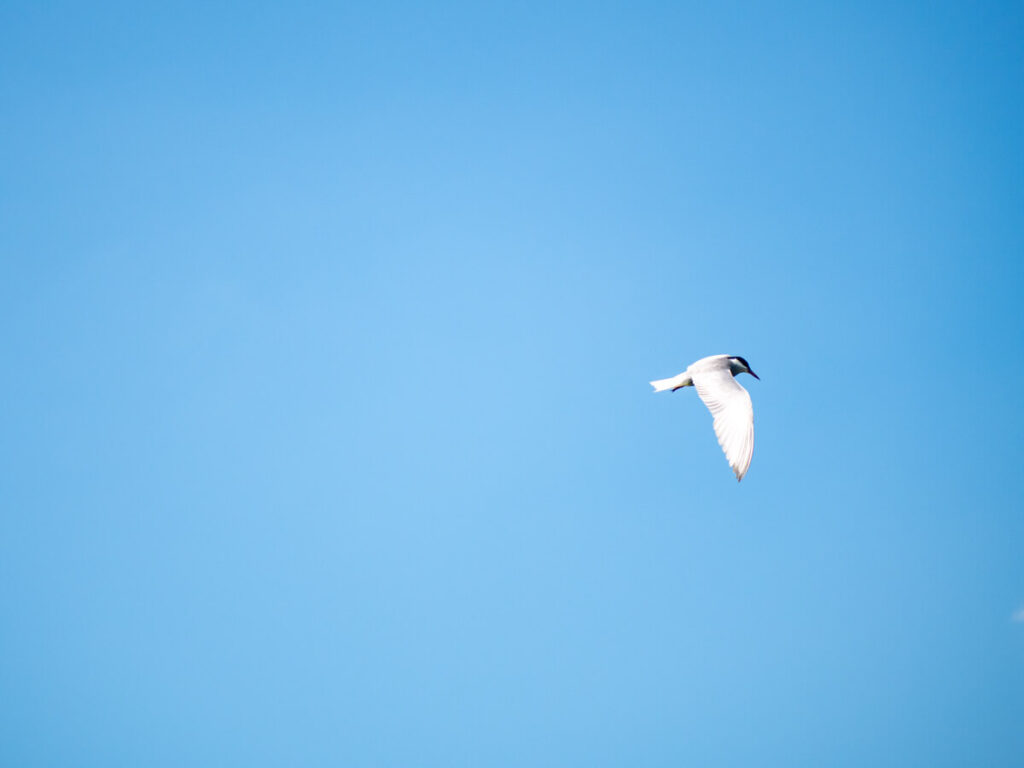
The lake is particularly famous for its population of rare Dalmatian pelicans, which use the wetlands as a breeding and feeding area, although sightings in the wild are never guaranteed. Other birds recorded around the lake include pygmy cormorants, grey herons, great white egrets, cormorants, and numerous migratory waterbirds, particularly during spring and autumn.
Besides birds, the lake supports an impressive range of aquatic life, including numerous fish species, several of which are economically important to local communities. The surrounding landscape also supports larger wildlife, including otters, wild boar, foxes, and numerous amphibians and reptiles, although these animals are much harder to spot than the lake’s birdlife.
Wine
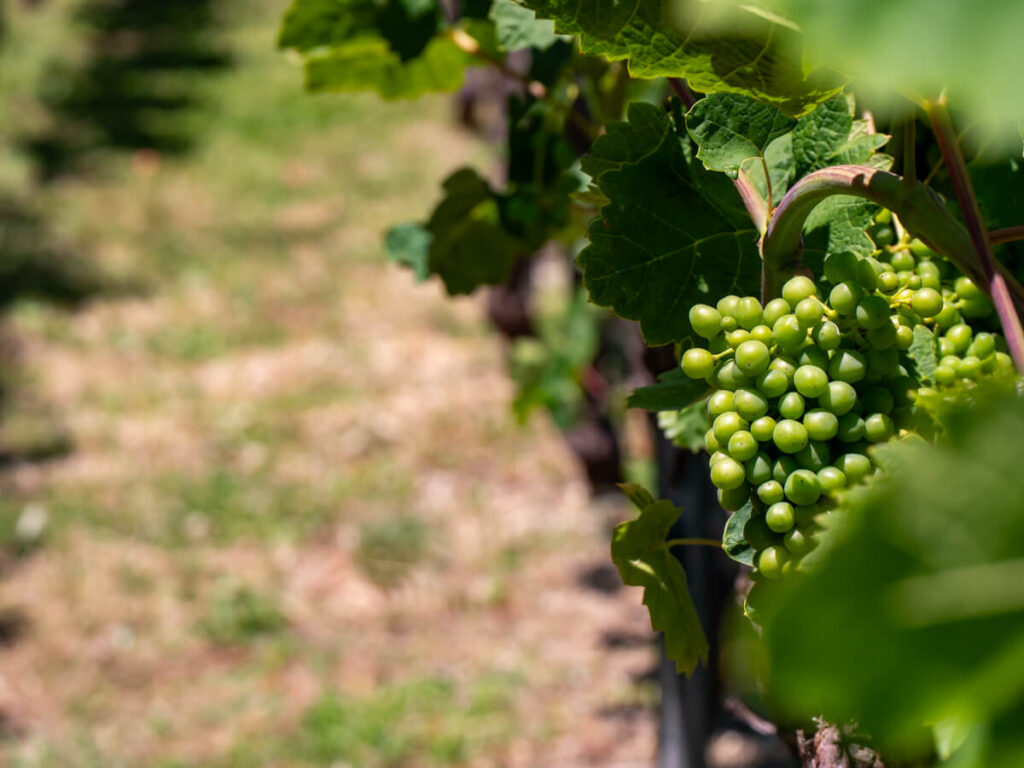
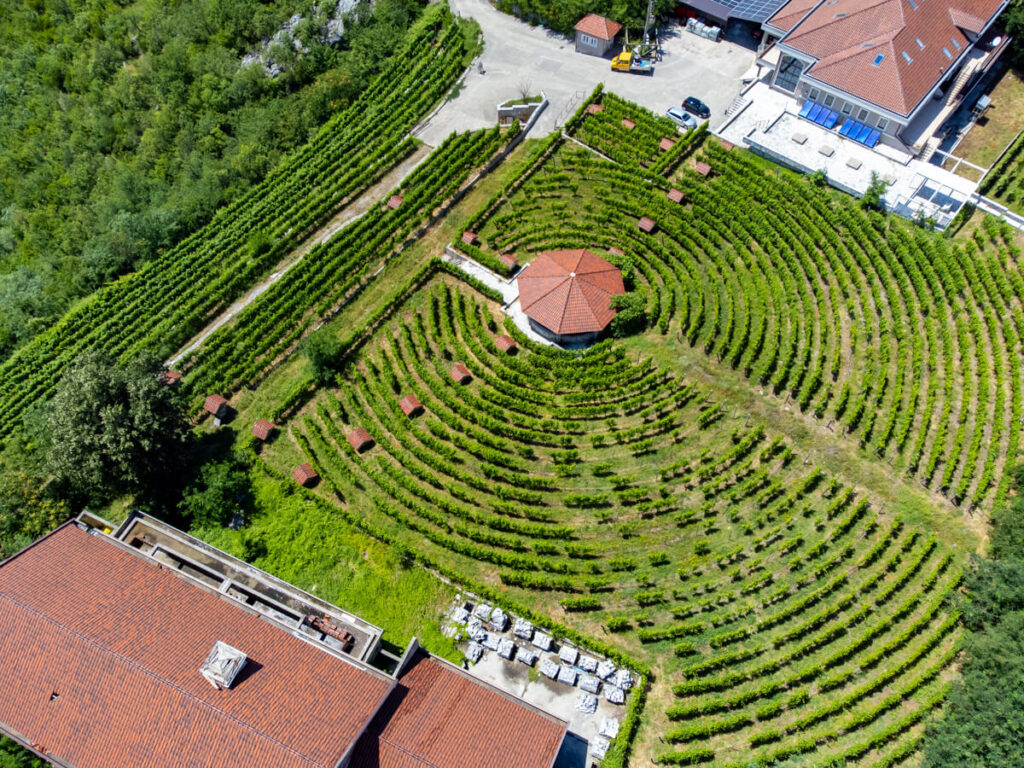
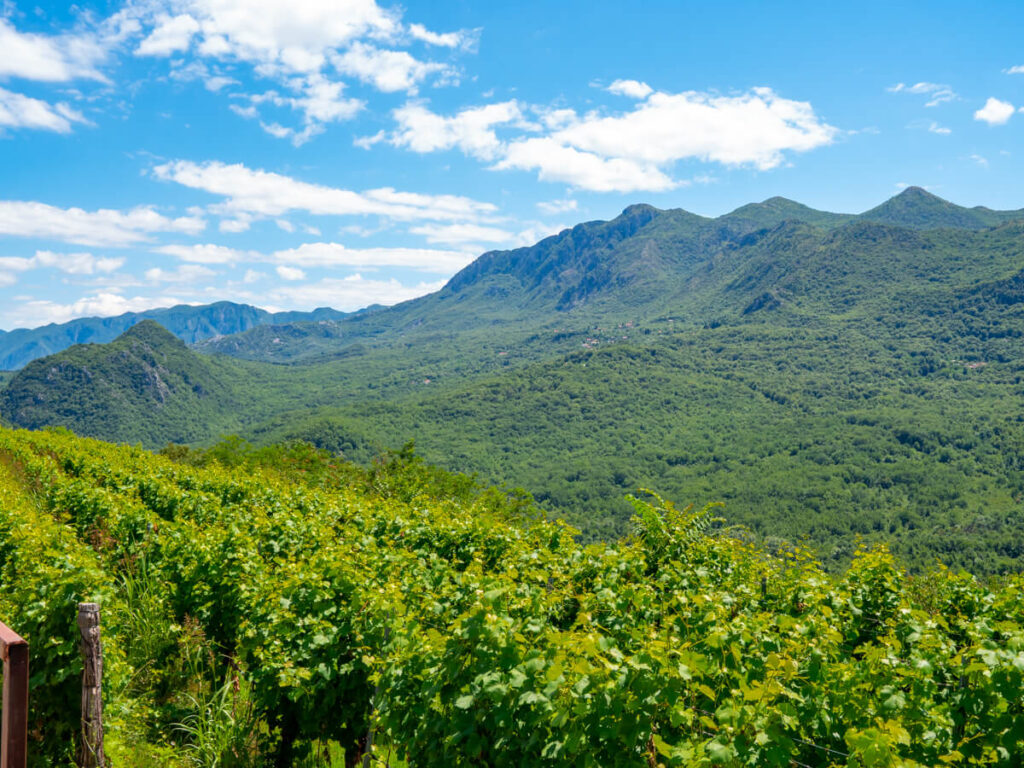
Lake Skadar’s landscapes aren’t just dramatic mountains overlooking the lake – the surrounding Crmnica wine region is one of the best places to visit in Montenegro. The region is particularly associated with Vranac, an indigenous red grape, and you’ll find everything from tiny family vineyards to larger commercial producers offering tastings, local food, and the chance to stay overnight among the vines. It’s worth stopping by for a tasting or booking a wine tour in Montenegro to experience this part of the countryside and local gastronomic culture.
Culture
Lake Skadar also has a surprisingly rich cultural heritage, with medieval fortresses, monasteries, and historic fishing settlements scattered around the lake. The park has been inhabited and used by people for centuries, with fishing, agriculture, viticulture, and boatbuilding forming important parts of the traditional economy. The surrounding villages retain elements of traditional stone architecture, vineyards, fishing traditions, and rural life, which is sadly increasingly being erased in other parts of Europe.

Where to stay near Lake Skadar National Park
We wouldn’t normally put an accommodation section so early in a post, but it’s important to understand that Lake Skadar isn’t just one place. The lake and national park cover a huge area, and where you stay can have a surprisingly big effect on the kind of trip you have, from busy boat-trip hubs to tiny wine villages and peaceful riverside settlements.
The main choices are:
Virpazar is the most convenient base for Lake Skadar if your priority is exploring the lake itself, particularly if you want to take an early-morning boat trip or explore the surrounding wetlands without spending time driving in from the coast. It’s where the Lake Skadar National Park Visitors’ Centre is located and is also the most connected town, so it works best for those using public transport.
If you’ve rented a car in Montenegro, Rijeka Crnojevića is a quieter alternative with a much smaller selection of accommodation and boat tours, but its position beside the Crnojević River makes it particularly atmospheric and convenient for exploring the northern part of the park.
Godinje and the surrounding wine region are a good middle ground if you want to stay somewhere peaceful without feeling completely cut off from the rest of the region. Its traditional stone houses and wine-producing heritage give it a much more rural character than Virpazar, while its position in the Crmnica Valley makes it a good base for exploring the southern side of Lake Skadar by car.
We’ve written a whole guide on where to stay near Lake Skadar National Park, comparing bases and listing our top choices of hotels, local guesthouses, and vineyards, but if you have limited time, our top choices are:
Lake Skadar Hotels
Where to eat in Lake Skadar National Park
Food around Lake Skadar is closely tied to the lake and the land. We’d recommend eating locally rather than relying on the same generic restaurants you’d find in the larger tourist towns – not only is it more affordable, but it’s more authentic Montenegrin cuisine too.
Being a lake, you’ll find a lot of freshwater fish on menus. Trout, carp, and other locally caught fish are often offered grilled or prepared in traditional sauces.
From the surrounding wine region, you’ll find lots of locally sourced and even homemade wines.
Crmnica cuisine also includes hearty traditional dishes using locally produced meat, cheese, vegetables, and seasonal ingredients.
Lake Skadar Restaurants
It’s pretty hard to cover restaurants in Lake Skadar, as it’s such a spread-out area, but here are some of the places around the lake we shortlisted and really enjoyed eating in:

How to get to Lake Skadar National Park
Lake Skadar lies around 12 miles (20 km) from Podgorica, making it easily accessible from the country’s main airport and capital city. Podgorica Airport (TGD) is the closest major airport to Lake Skadar National Park, with Virpazar only a 30-minute drive from the airport.
The park is also accessible from Montenegro’s main tourist areas, with Budva, Bar, and the Bay of Kotor all reachable by road in roughly an hour or two. Tivat Airport (TIV) is another option if you’re coming from the east, but it is a 1.5-2 hour drive, depending on traffic.
By car
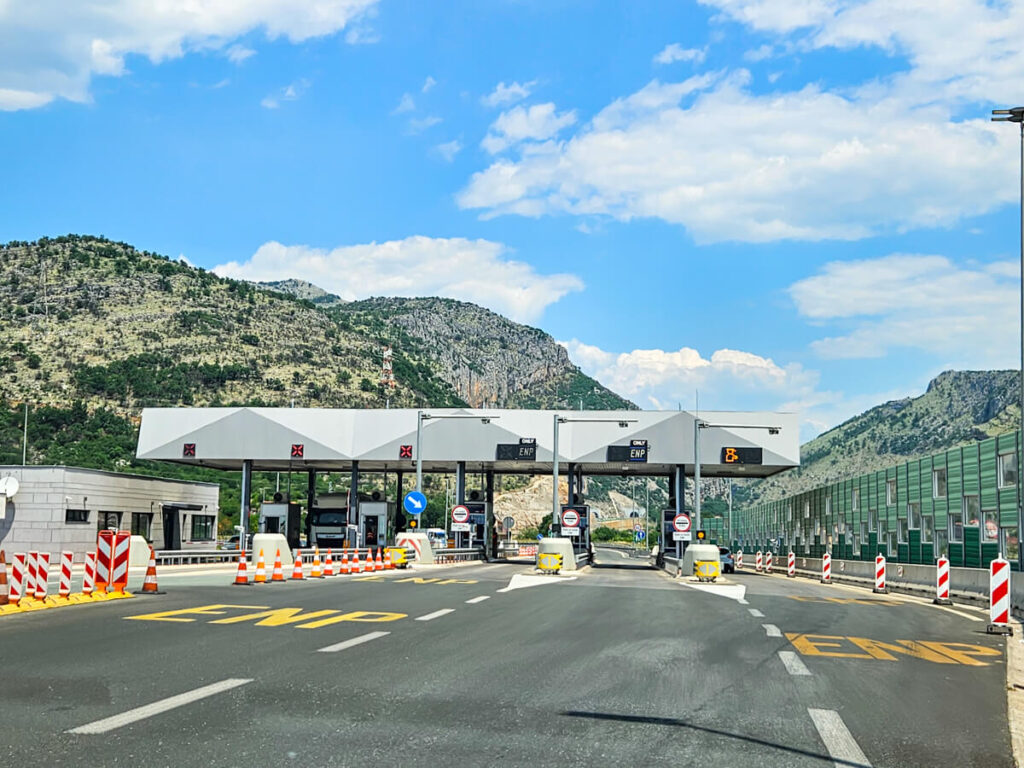
The easiest way to get to Lake Skadar National Park once you’re in Montenegro is by rental car. Virpazar is easily reached along the E80 road from Podgorica in the north or the coast in the south. Bear in mind that the route from the coast to Virpazar passes through the Sozina Tunnel, which requires a toll of €2.50 per car – you can pay in cash or card at the booths.
Parking in Virpazar is a bit of a nightmare. The actual town itself is very small with a lot of pedestrians walking along the main road. We had to drive through it a few times, including navigating the one-car-wide bridge, and it requires a bit of confidence. There’s pretty much nowhere to park inside the centre.
The easiest option is to stay in Hotel De’Andros and use their on-site car park, putting you in central Virpazar.
Our recommendation is the car park west of the train tracks, which accesses the town via a short underground walkway. It’s free, but touts may hang around and claim you need to pay for a boat tour to stay there – it’s untrue but a bit of a hassle, especially if you’re not used to it. You also need to arrive early (before 10:00 AM and earlier in summer) to grab a spot.
People also park along the road that leads away from this car park towards the mountains, but it’s very tight with drop-offs on either side. We did manage to squeeze onto the side of the road here one day, but it’s not as secure as the parking lot.
Instead, we’d recommend going over the train tracks (look for trains first!) and turning immediately left, where you can park along the long gravel road for free.
In Rijeka Crnojevića, which is even tinier than Virpazar, there is some free street parking. It can fill up in summer. We just used the space outside our hotel (Hotel S Family Jovićević) and walked around the town from there.
One thing we were really surprised by is how many tortoises we saw on the roads around Lake Skadar, especially in the wine region. They’re most active at dawn and dusk – one morning we saw about 7 in a 10-minute drive! If they freeze on the road, you can carefully carry them to the side of the road in the direction they were going – but don’t touch them if avoidable, as it can stress them out.

By bus
Virpazar is the most practical destination if you’re travelling to Lake Skadar by bus, as it has road connections with other parts of Montenegro. Buses run frequently from Podgorica, Bar, Budva, and Kotor. Podgorica to Virpazar is the most popular route if you’ve been travelling around the country or just flown in, while Bar to Virpazar is good for those coming from the south coast or Albania.
Buses to Virpazar cost around €4-5 one-way, depending on where you’re coming from. You can check schedules on BusTicket4.me.
Bus services elsewhere around the lake are much less useful for tourists because the park’s attractions are spread out and many viewpoints and villages aren’t directly connected by frequent services.
By taxi
Taking a taxi to Lake Skadar can make sense if you’re coming from somewhere relatively close by, like Podgorica or Bar and only want to visit Lake Skadar for the day or are planning to stay in Virpazar. We’d recommend agreeing on the price and return/waiting arrangements in advance rather than assuming you’ll easily find a taxi for the return journey.
A pre-booked private transfer is an easier option if you don’t want to drive but also don’t want to rely on public transport. This is particularly useful for reaching rural accommodation around the lake, where scheduled buses may be infrequent or nonexistent.
By train
Virpazar has a railway station on the famous Bar-Belgrade railway line. However, it’s not actually very practical unless you’re coming from Serbia. While scenic, you wouldn’t be on the line for very long from the coast and would miss most of the scenery in the north.
The train only has two departures per day, once in the morning (the day train) and one in the evening (the overnight train). The day train only runs in summer. Plus, tickets can only be bought in person.
By tour
If you don’t have your own wheels, or are coming from further afield, one of the easiest ways to visit Lake Skadar National Park is to book an organised day tour, with departures commonly available from Podgorica, Kotor, Budva, Tivat, and the cruise ports.
Most tours combine several of the park’s highlights rather than simply taking you to one place, so you might visit Rijeka Crnojevića and Pavlova Strana, take a Lake Skadar boat trip, go wine tasting in the Crmnica wine region, or combine the lake with other nearby sights.
The main advantage is convenience: transport, a guide, and the day’s logistics are all organised for you. Prices vary depending on the itinerary and whether it’s a group or private tour, but you can expect to pay around €100-150 per person for a full-day shared tour. Considering the ground covered, what you see, and that it’s all fitted into one day, it’s pretty good value if you’re short on time.
Lake Skadar National Park Entrance Fee
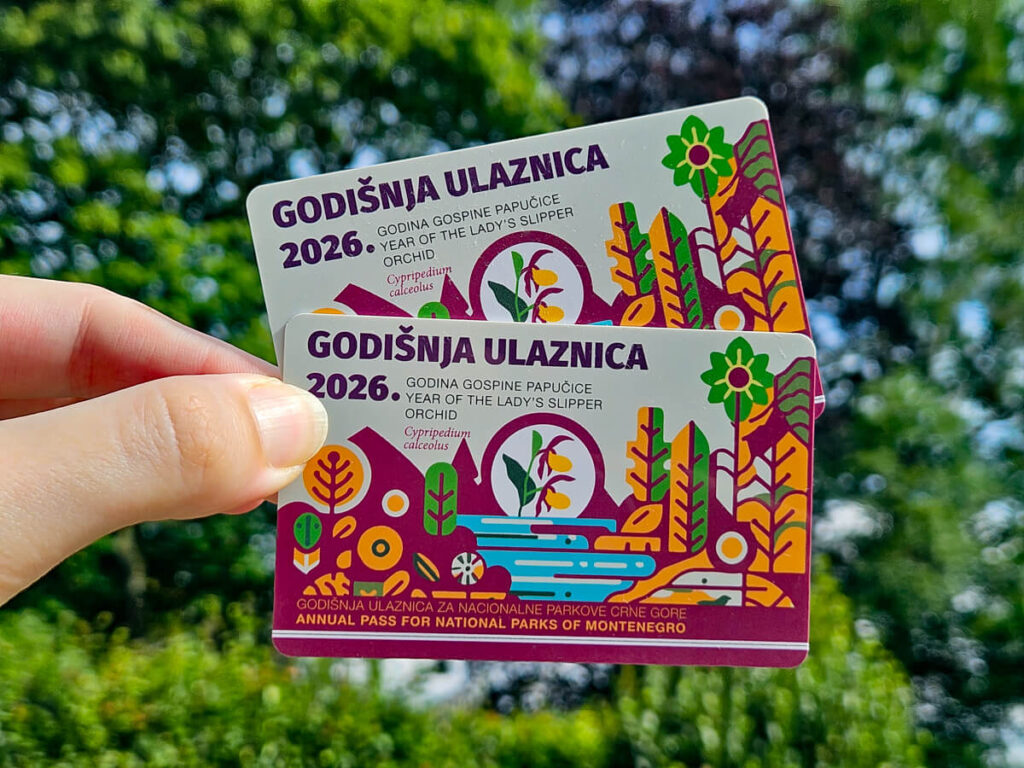
As with all of Montenegro’s national parks, there is an entrance fee to enter Lake Skadar National Park. It is payable when taking a boat trip and includes access to the Visitor Centres in Virpazar and Vranjina.
It’s €5 per person per day, but we’d highly recommend getting the annual pass for €13.50 if you plan to visit the other national parks too. You can also buy it online in advance. Children under 15 years old enter the national park free of charge.
The entrance fee is separate from some of the park’s other activities and services. For example, additional boat hire, guided tours, kayaking, and fishing permits have their own charges.
It’s also worth noting that most boat trips don’t include the National Park entrance fee in the price of the tour. It’s worth checking with your operator before departure. Bring cash, as most tours will collect the fee before you board.
How to get around Lake Skadar National Park
The most important thing to understand is that Lake Skadar National Park isn’t a compact attraction where you can walk between the main sights. The lake, wetlands, villages, viewpoints, and rivers cover a large area, so your transport choice will have a major effect on how much you can see.
Walking is an excellent way to explore individual areas, particularly around Virpazar, the Crnojević River, and the easier lakeside trails. There are also some of Montenegro’s best hiking routes into the surrounding hills, but walking isn’t a practical way to travel between the park’s widely separated settlements and viewpoints.
A rental car gives you by far the most freedom. At a 30-minute drive between Virpazar and Rijeka Crnojevića, you just can’t see the whole Skadar region without wheels.
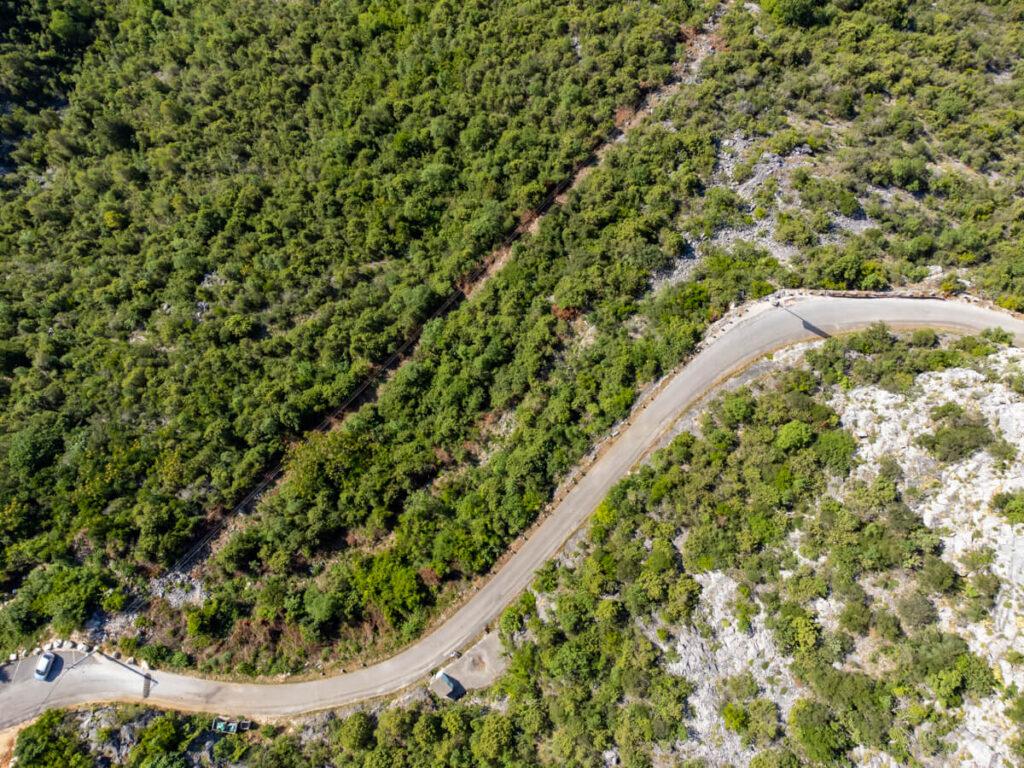
It’s important to be careful when driving in Montenegro, especially on the smaller roads along the lake’s shore, in the winding mountains north of Rijeka Crnojevića and Pvalova Strana, and in the countryside in the wine region. Many roads are very narrow, and while paved, can have potholes. You need to go slowly, be prepared to reverse or pull over into very tight gaps, and know when to have confidence in a face-off with a local driver who isn’t going to give you an inch.
If you’re not confident driving, you can take taxis or arrange transfers.
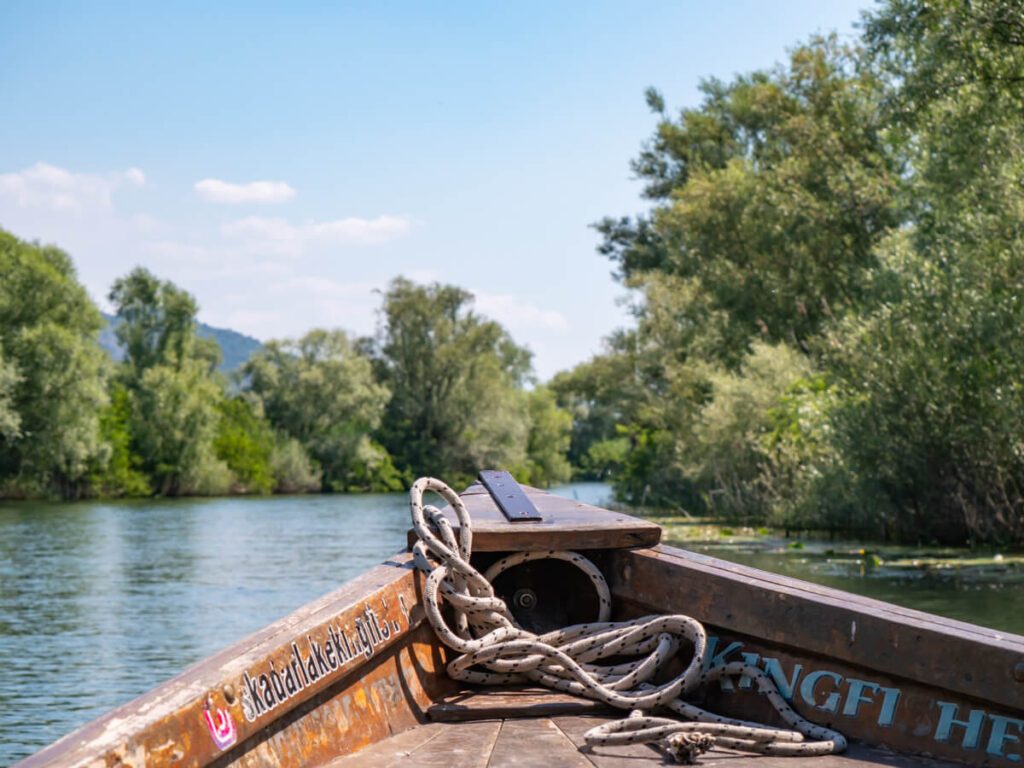
Obviously, the top way to get around the lake itself is by boat, whether a traditional wooden boat or kayak. Being on the water is the best way to experience the lake and explore its reed beds, channels, islands, and quieter sections away from the main villages.

When to visit Lake Skadar National Park
The best time to visit Lake Skadar National Park is generally from May to October, when the weather is warm, the park’s outdoor activities are easier to explore, and the landscape is particularly beautiful.
May to June is our preferred time if you want a balance of pleasant temperatures, greener landscapes, and fewer visitors than the peak summer months. It’s also a particularly good period for walking, cycling, kayaking, and exploring the villages around the lake without the intense heat that can arrive later in summer.
July and August are the hottest and busiest months, with temperatures around the low-lying lake potentially becoming uncomfortable in the middle of the day. We’d recommend getting out early, particularly if you’re planning to hike or explore by kayak, and saving the hottest part of the afternoon for a leisurely lunch, wine tasting, or a boat trip.
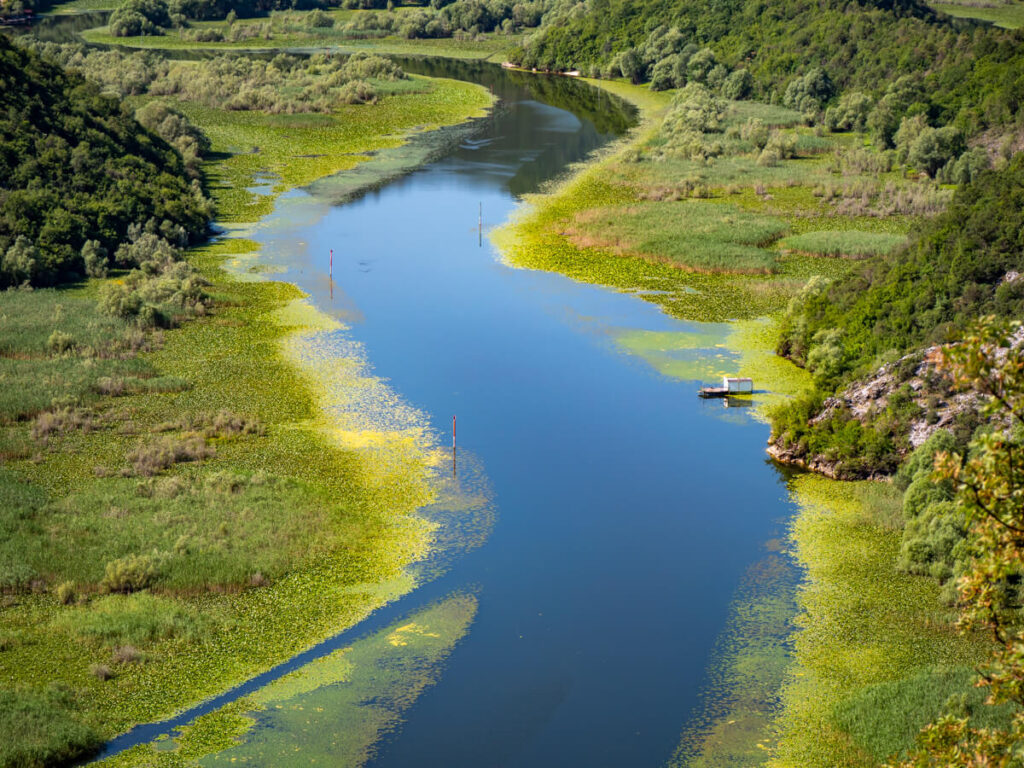
It’s also worth noting that Summer water levels are generally lower, exposing additional wetlands and changing the shape of the shoreline. We were the last boat of the season to explore the lake’s northern ‘Amazon’ section of lush waterways, as the water levels drop too low for boats from June onwards.
September and October can also be good months to visit, with more comfortable temperatures and fewer visitors than July and August. Autumn is also particularly appealing for birdwatching, as migratory birds begin arriving and the park itself identifies autumn and winter as the best seasons for observing its birdlife.

Lake Skadar National Park weather
Lake Skadar has a Mediterranean-influenced climate, and the low elevation around the lake means it can be considerably hotter than Montenegro’s mountain national parks.
Travel insurance can save you $$$ if things go wrong
Don’t forget to buy travel insurance! From lost luggage to emergency medical care abroad, travel insurance gives you peace of mind so you can solely focus on the adventure. It might not be exciting, but you’ll be very glad you have it if something goes wrong. A few of our favourite companies are:
Get 8 weeks of electronic theft coverage free with SafetyWing Travel Insurance with our code: THOROUGHLY8 (new members only). Simply click the pink camera and laptop icon on the Nomad Essential page to redeem the reward before creating a new account.
Find out more: 6 Best Travel Insurance Companies for Every Kind of Trip
How long to spend in Lake Skadar National Park
We’d recommend spending at least one full day at Lake Skadar if you want to experience the area properly. This gives you enough time to take a boat trip, explore one of the main villages, enjoy a local meal, and stop at a couple of viewpoints or nearby attractions.
If you’re particularly interested in wildlife, photography, hiking, or the quieter village life, we’d recommend 2-3 days in the area, using either Virpazar or Rijeka Crnojevića as a base. This gives you time to explore different parts of the enormous lake rather than trying to cram everything in.
You could of course spend even longer. We spent about 5 days in the Lake Skadar area, staying in Rijeka Crnojevića and Virpazar’s wine region in turn. Part of the lake’s appeal is its serenity, and we used it as a location to really slow down and relax, so longer was better for us.
Is Lake Skadar National Park worth it?
We’d absolutely recommend Lake Skadar National Park, particularly if you’re travelling around Montenegro and want to experience a landscape that’s completely different from literally anywhere else in this area of the world. It reminded us a little of Guatemala’s Río Dulce, and we think it’s unique even from other popular Balkan lakes like Bohinj and Bled in Slovenia.
A big reason to visit is the sheer variety of experiences packed around the lake. You can take a boat through reed-filled wetlands, watch birds, kayak through quiet waterways, hike into the surrounding hills, visit medieval ruins, explore tiny villages, and finish the day with local fish and Crmnica wine. It’s also relatively easy to visit from all over the country, so it makes for an easy addition to your itinerary, even if it’s just a long day trip.
However, there are some caveats to our glowing review. We wouldn’t necessarily make a long detour solely to tick off Lake Skadar if you’re already travelling elsewhere in Montenegro. It’s somewhat difficult to see the highlights in the surrounding region without a rental car, unless you’re happy to pay for a day tour.

What to pack to visit Lake Skadar National Park
It’s best to be prepared when you visit Lake Skadar National Park. Don’t forget to pack your:
Leave your drone in your accommodation, as it’s illegal to fly in the national park. There are, however, some viewpoints like Pavlova Strana that sit outside the boundary of the national park and make for beautiful shots. Be aware that you need to apply for a permit before importing it into Montenegro, you shouldn’t fly it near any birdlife, and be considerate of others in the area and locals while flying.
Lake Skadar National Park FAQs
To help you plan your trip to Lake Skadar National Park, we’ve answered these frequently asked questions.
What is the largest lake in Montenegro?
Lake Skadar is the largest lake in Montenegro and the Balkans. Its surface area varies dramatically with the seasons, from roughly 370 square miles (960 km²) at its highest to around 140 square miles (360 km²) during the driest periods, with about two-thirds of the lake lying in Montenegro and the remainder in Albania. It’s considerably bigger than Biograd Lake and Piva Lake.
What is Lake Skadar National Park?
Lake Skadar National Park is a protected wetland landscape centred around Lake Skadar in southern Montenegro. Established in 1983, the park covers approximately 155 square miles (400 km²) and protects a mixture of open water, wetlands, islands, reed beds, karst mountains, and traditional settlements.
What is Skadar Lake known for?
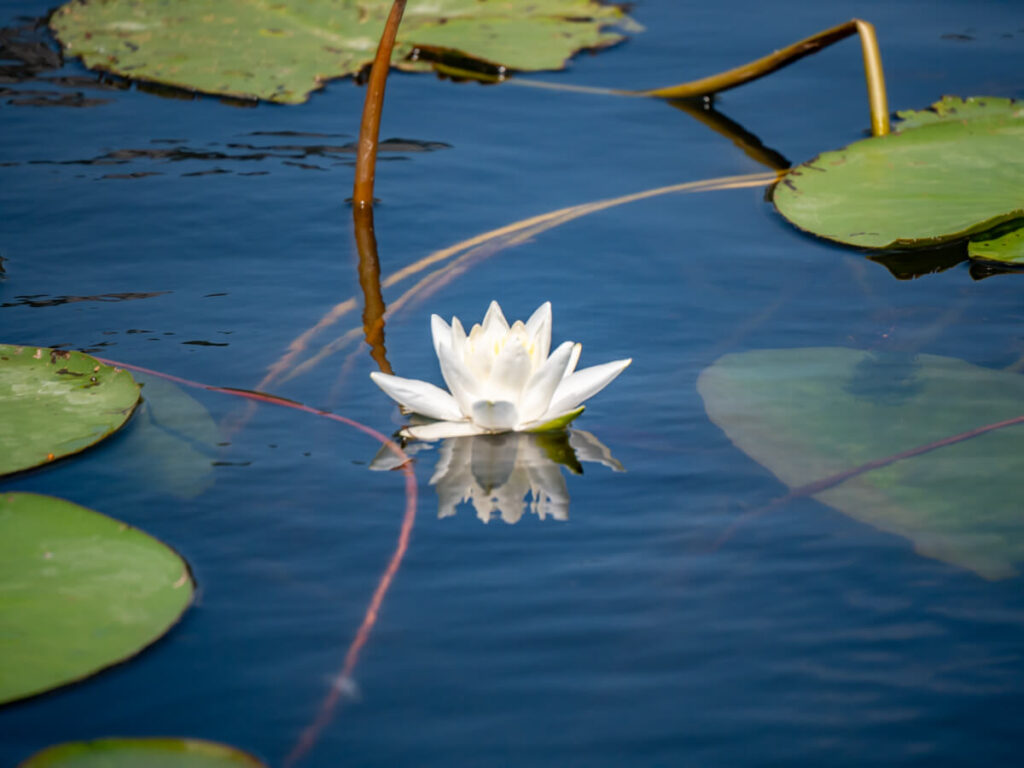
Lake Skadar is best known for its enormous wetlands, dramatic karst mountains, water lilies, traditional fishing villages, and exceptional birdlife. It’s particularly famous for its population of Dalmatian pelicans and is recognised as a Ramsar Wetland of International Importance, with more than 280 recorded bird species.
How long to spend at Lake Skadar?
We’d recommend at least 2-3 days if you want to properly explore Lake Skadar National Park. That gives you time for a boat trip, birdwatching, a swim, a wine tasting, and some of the surrounding villages and viewpoints. You can see the highlights in a day, but you’ll need to be selective about what you do.
What are some must-see things at Lake Skadar?
We’d prioritise a Lake Skadar boat trip, particularly if it’s your first visit to Lake Skadar, followed by a scenic drive to Pavlova Strana, some birdwatching, and a stay in the Crmnica wine region. If you have longer, we’d also explore the tiny villages, swim in the lake, and visit Besac Fortress above Virpazar.
Do people swim in Lake Skadar?
Yes, swimming is possible, and locals and visitors do swim in parts of Lake Skadar during the warmer months. Popular spots include Murići Beach, Pješačac Beach, and Raduš Spring, although access varies considerably and some swimming spots can only realistically be reached by boat.
How clean is Lake Skadar?
Water quality varies around such a large and environmentally sensitive lake, so we wouldn’t describe every part of Lake Skadar as equally clean. The lake is an important wetland ecosystem, but pollution and wastewater remain environmental concerns, particularly around more developed areas. We’d stick to established swimming spots and follow any local advice before getting in.
Is it safe to swim in Lake Skadar?
Generally, it’s safe to swim in Lake Skadar, but we’d choose your location carefully. Lake Skadar has natural hazards including deep water, boat traffic, changing weather, and areas with dense aquatic vegetation, while some remote spots have no lifeguards or facilities. If you’re swimming from a boat, make sure the captain knows you’re getting in and stay well clear of active boat routes.
Can I take a day trip from Kotor to Lake Skadar?
Yes, Lake Skadar can be visited as a day trip from Kotor, although it’s a fairly long day once you factor in the driving and the size of the national park. There are lots of fun day trips from Kotor, including Lovćen National Park, which don’t require journeying as far. We’d recommend choosing one main area of Lake Skadar if you only have a day – Virpazar or Rijeka Crnojevića – rather than trying to see the entire lake in a single trip.
How do I get from Kotor to Lake Skadar?
The easiest option to get from Kotor to Lake Skadar is to drive or join an organised day tour. By car, you can approach Lake Skadar via Podgorica or Cetinje, depending on which part of the park you want to visit. Public transport is possible but considerably less convenient, particularly if you want to reach smaller villages and boat departure points.
Is it possible to take a day trip from Budva to Lake Skadar?
Budva is close enough for a day trip to Lake Skadar, and organised tours commonly combine the lake with viewpoints, boat trips, and wine tasting. If you’re driving yourself, we’d pick either Virpazar or Rijeka Crnojevića as your main base for the day rather than trying to cover both.
How can I get from Virpazar to Lake Skadar?
Virpazar is actually inside Lake Skadar National Park and sits directly on the lake, so there’s no separate journey from Virpazar to Lake Skadar other than getting on a boat. It’s one of the main gateways to the lake, with numerous boat operators departing from the village harbour.
Which is better to visit, Durmitor National Park or Lake Skadar?
Durmitor National Park and Lake Skadar are incredibly different, so it really depends on what you want from Montenegro. Durmitor is the better choice for dramatic mountain scenery, challenging hikes, glacial lakes, and alpine adventures, while Lake Skadar National Park is better for boat trips, birdwatching, swimming, kayaking, wine tasting, and exploring traditional villages. If you have enough time, we’d actually recommend visiting both. They showcase two completely different sides of Montenegro.
Read next:
All 5 Montenegro National Parks Compared + Our Favourites
Where to Stay in Lake Skadar: Virpazar vs Rijeka Crnojevića & Top Hotels
15 Best Things to Do in Lake Skadar Beyond a Boat Trip
How to Choose a Lake Skadar Boat Trip: Best Bases, Top Tours & Booking Tips
8 Species We Saw Birdwatching on Lake Skadar: Europe’s Largest Bird Reserve
A Concise Guide to Rijeka Crnojevića: The Underrated Gateway to Lake Skadar
A Complete Guide to Montenegro’s Wine Region: Tastings, Tours & Traditional Vineyards
