A Traveller’s Guide to Río Dulce: Guatemala’s Sweet River

Discover everything you need to know about visiting Río Dulce, Guatemala, from why you should come here and how to get around to activities, accommodation, restaurants, and useful travel tips, in this guide.

This post may contain affiliate links, which means we might earn a small commission on anything purchased through these links at no extra cost to you. Learn more on our disclaimer page.
Río Dulce is one of Guatemala’s most underrated destinations, nestled on the east coast where a wide tropical river connects Lake Izabal to the Caribbean Sea. Río Dulce is highly romanticised online, with reports of blissful days spent lounging in a hammock by a tranquil waterway. But with a large and chaotic hub town, access restricted to boats, and all the rustic reality you get in the jungle (mosquitoes, snakes, spiders!), is it really as idyllic as it sounds?
Most travellers don’t even reach Guatemala’s Caribbean Sea, but those that do make it to Río Dulce are usually on the way to the Garífuna town of Livingston, or heading for the borders with Belize and Honduras. We were the latter, adding Río Dulce to our itinerary on our way to Honduras.
In this guide, we’re going to cover everything you need to know about visiting Río Dulce, from how to get here and where to stay to how to get around and practical tips to avoid common mistakes, as well as the most asked question: is Río Dulce worth visiting? Whether you’re stopping for a night or using Río Dulce as a base to explore the region, this post will help you make the most of your time on Guatemala’s Sweet River.
Río Dulce at a glance
More from Río Dulce
About Río Dulce
Río Dulce is slightly confusing because it refers to a river, a small town, and a national park. Here are the main terms you need to know:
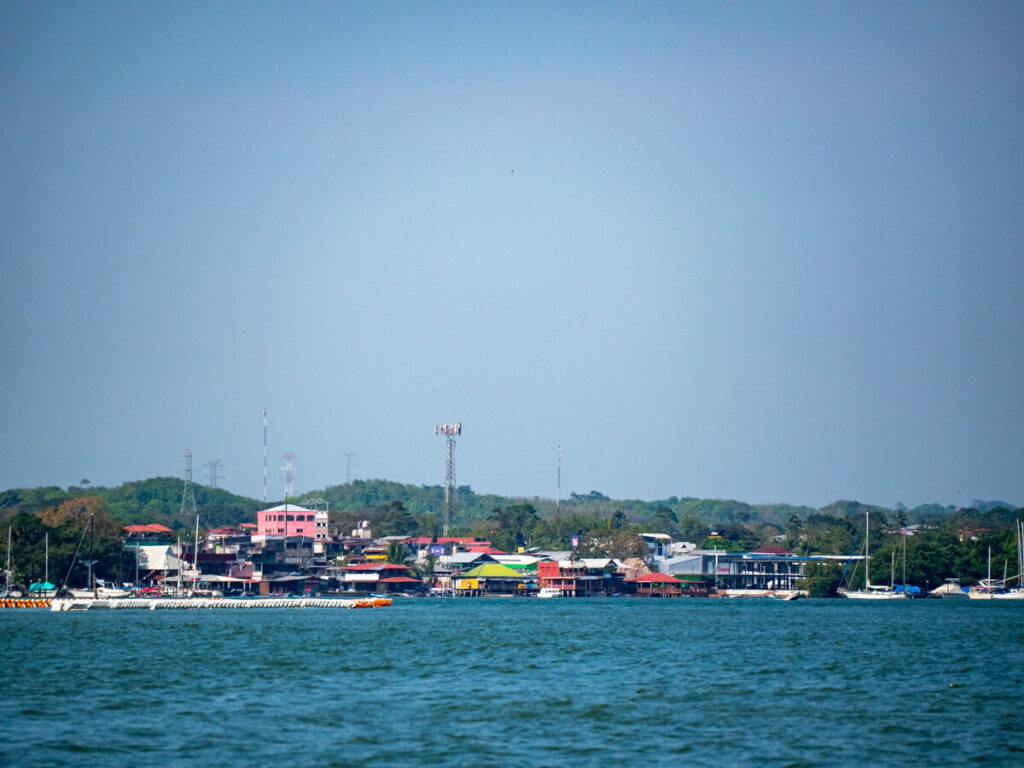
Known for its jungle-lined waterways, laidback marina town, and boat-access-only lodges hidden along the riverbanks, Río Dulce offers a completely different atmosphere from Guatemala’s highland destinations like Antigua and Lake Atitlán. While it’s not the most popular stop on the Gringo Trail (tourist trail), it’s not totally undiscovered either.
Río Dulce History
Long before the arrival of Europeans, Maya communities used the river to move goods between the interior highlands and the Caribbean coast.
During the Spanish colonial period, the river became an important route for shipping goods such as cacao, timber, and other resources from inland Guatemala to the Caribbean. However, the area also attracted pirates who targeted Spanish ships travelling along the river.
Today, Río Dulce has become a hub for sailors, backpackers, and travellers exploring eastern Guatemala. Tourism has gradually grown around the river’s scenery, Guatemalan wildlife, and national park, though the region still feels like a hidden gem.

The Dulce River
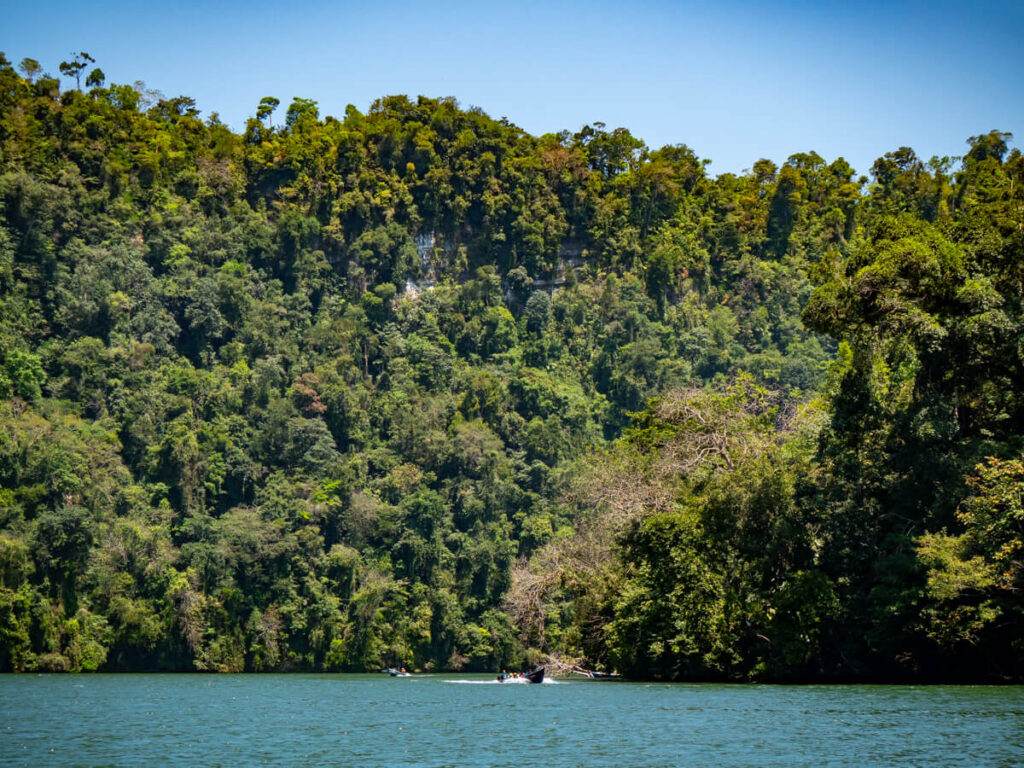
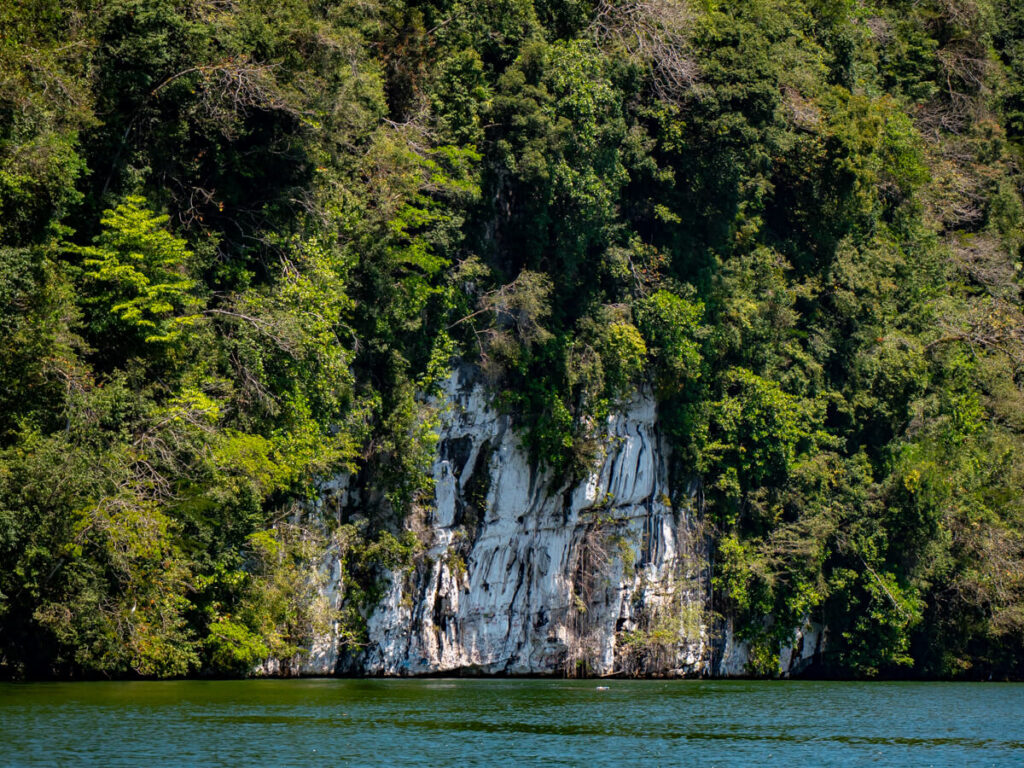
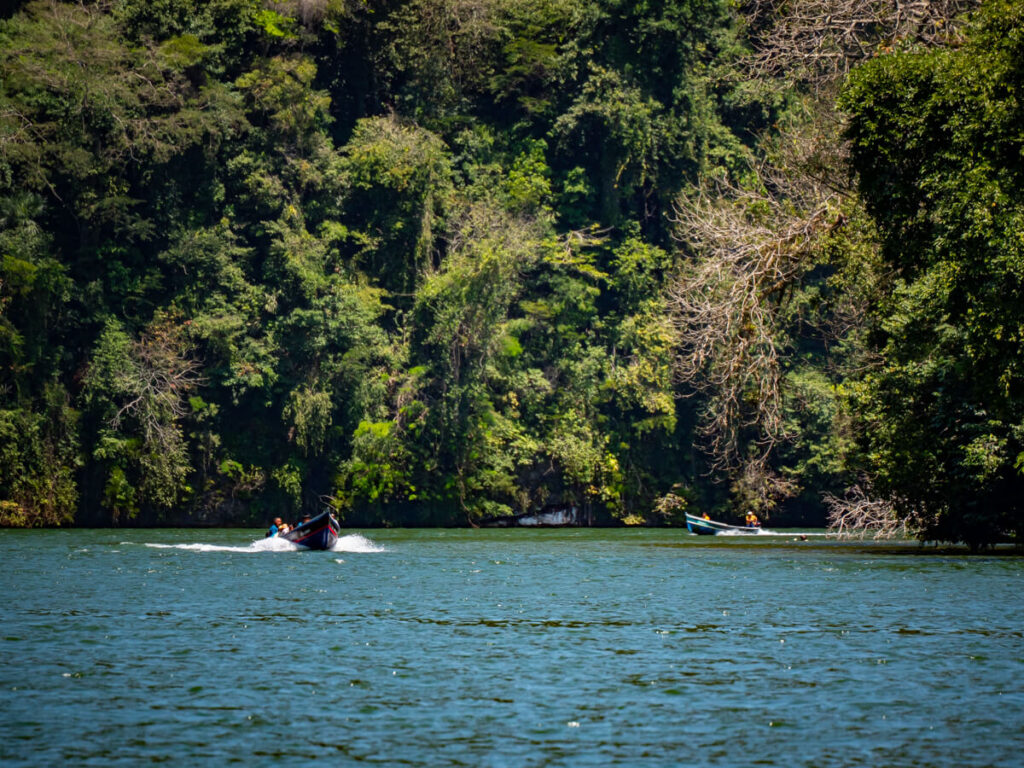
The Río Dulce is a 27- mile (43 km) river that connects Lake Izabal (Lago Izabal) to the Caribbean Sea. The river flows through lush rainforest and dramatic limestone gorges before passing through Lake El Golfete and out into Amatique Bay, where it reaches the coastal town of Livingston.
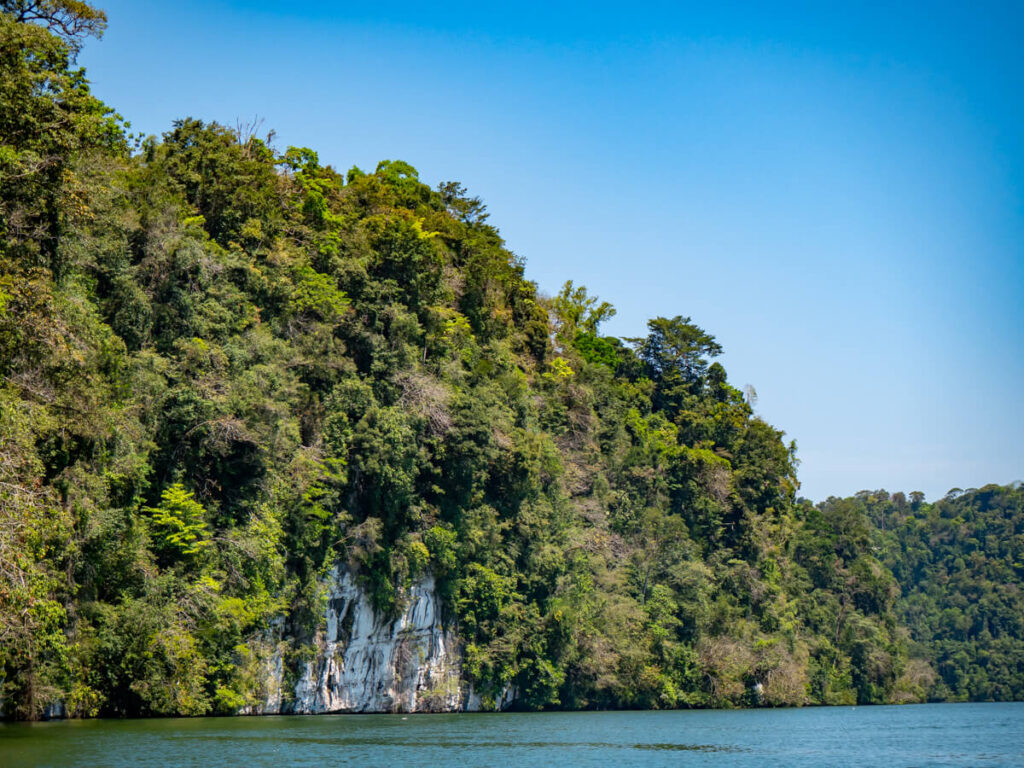
One of the most scenic stretches is the narrow canyon section, where steep jungle-covered cliffs rise sharply above the water. Boat trips along the river are one of the main attractions in the area, taking you through the gorge to Livingston.
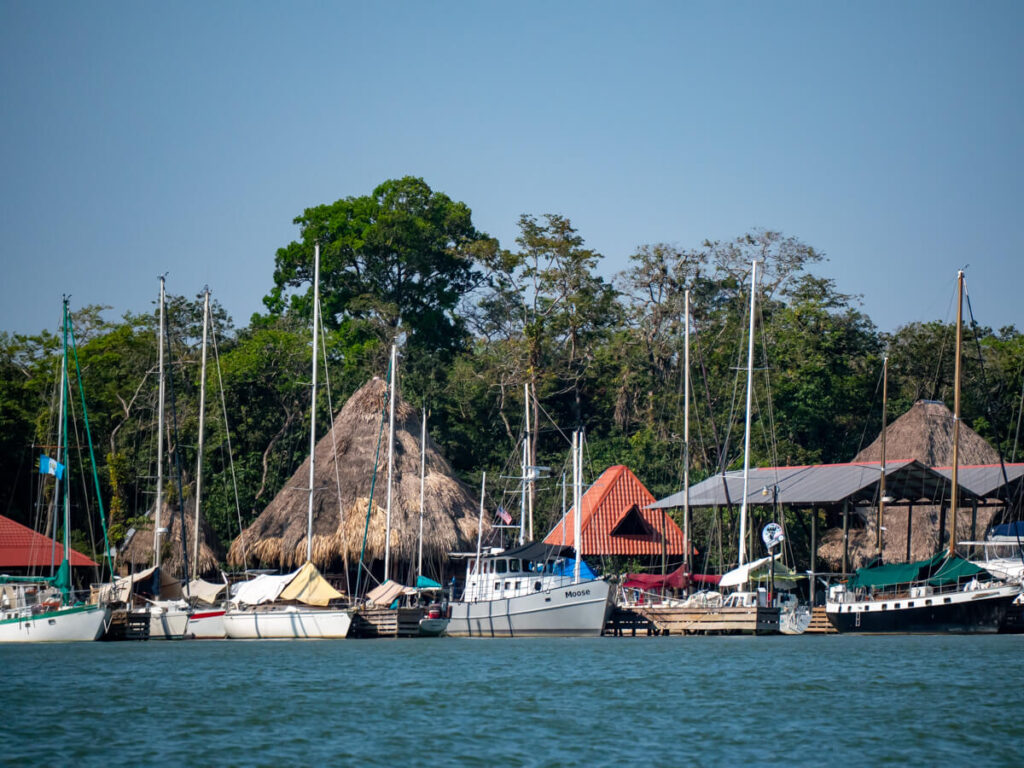
We were also shocked to see such a display of wealth in what feels like such a remote region, with mega yachts anchored outside riverside villas. Apparently, the area is a popular hangout for international sailors harbouring from the Atlantic hurricane season.
Río Dulce town
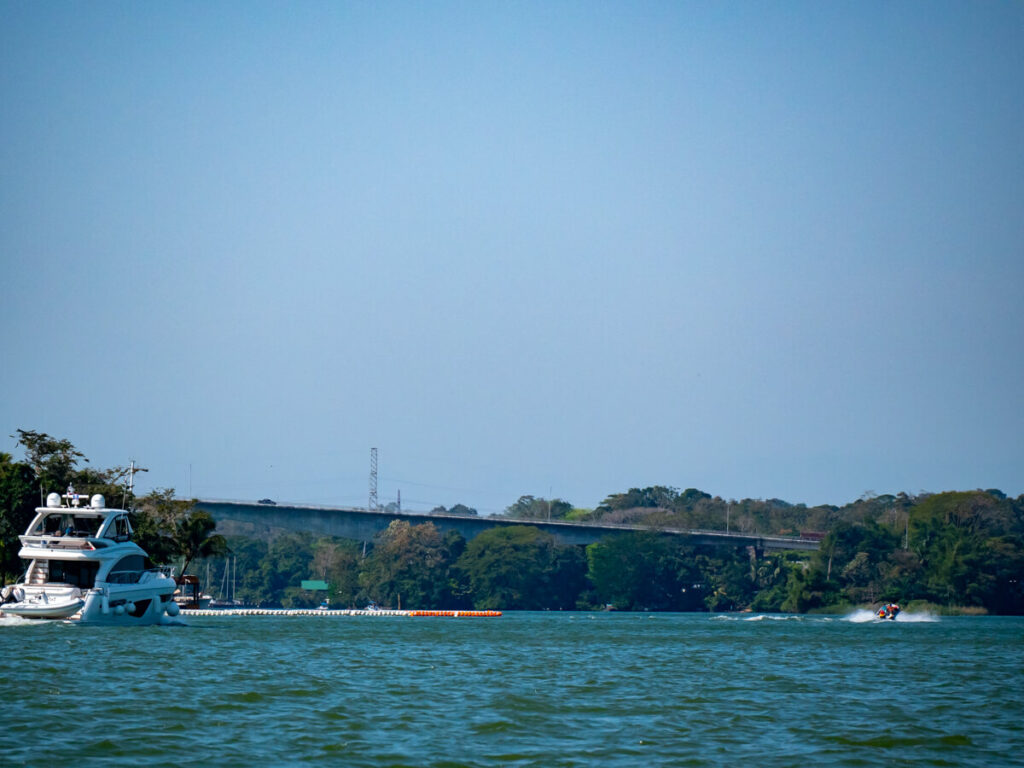
While you might hear the town referred to as Fronteras (borders), it’s primarily known as Río Dulce, meaning ‘Sweet River’. Río Dulce itself is a small riverside settlement built around the Río Dulce Bridge (Puente Río Dulce) – one of the longest in Central America – that crosses the river. The town serves mainly as a transport hub, with boats, buses, and shuttles connecting travellers to other parts of the region.
While the town doesn’t have many traditional attractions, there are some fun things to do in Río Dulce, and it’s a convenient base for exploring the river and the nearby national park.
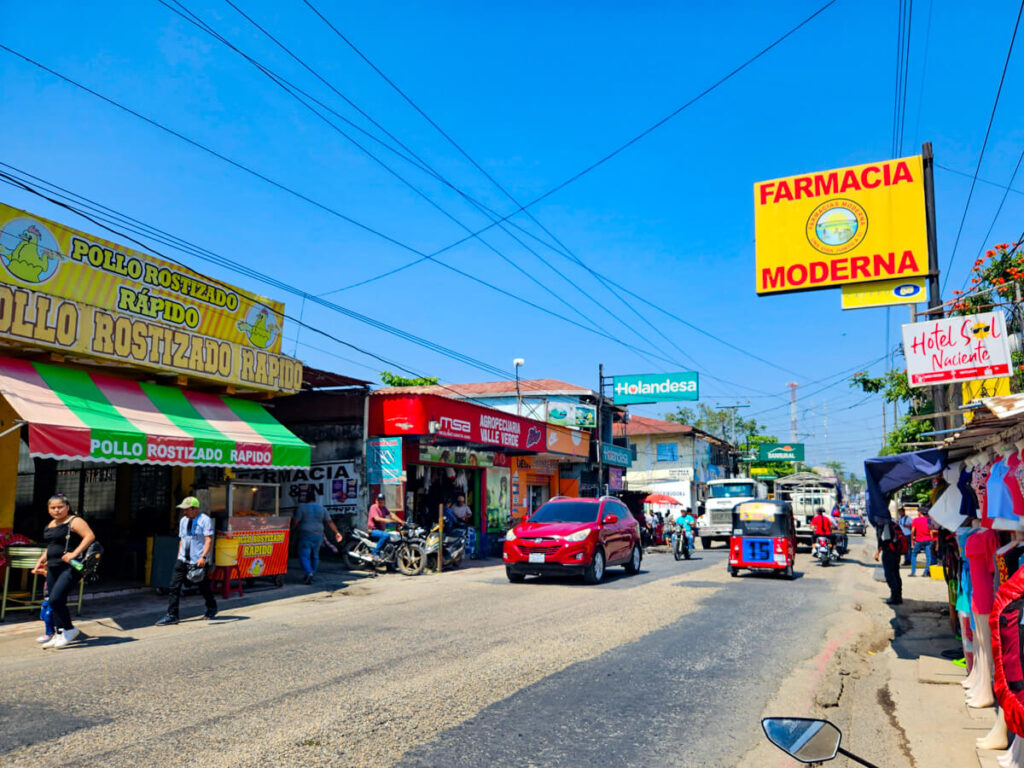
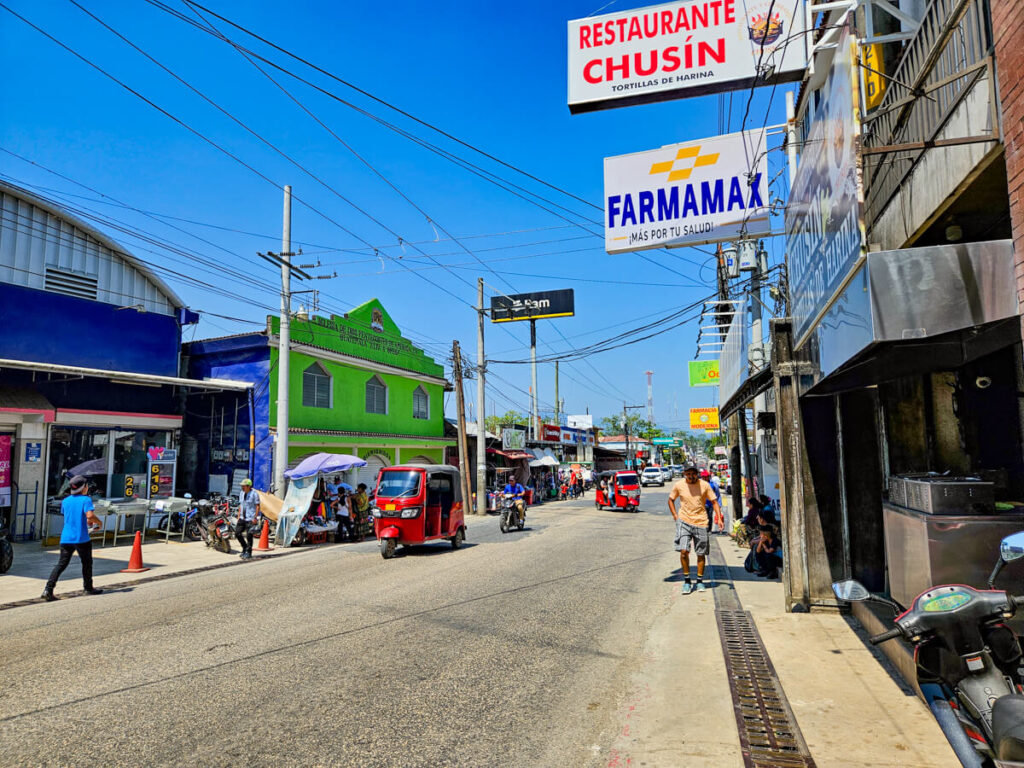
The town itself is rather overwhelming and is stiflingly hot! There’s one main road, which is lined with businesses and is incredibly busy, with huge trucks, cars, and tuk-tuks whizzing along the road inches from where you’re walking, as there’s no pavement. If there’s ever a part of your trip where you think “wow, I’m really backpacking through Guatemala”, it’s here.
Along the waterfront, you’ll find restaurants, basic hotels, boat docks, and small tour agencies. The marina area nearby is particularly popular with international sailors travelling through the Caribbean.
While the town is home to amenities like shops and ATMs (stock up on cash here!), it’s not really worth staying in. We’d recommend hopping on a boat downriver as soon as possible.
Río Dulce National Park
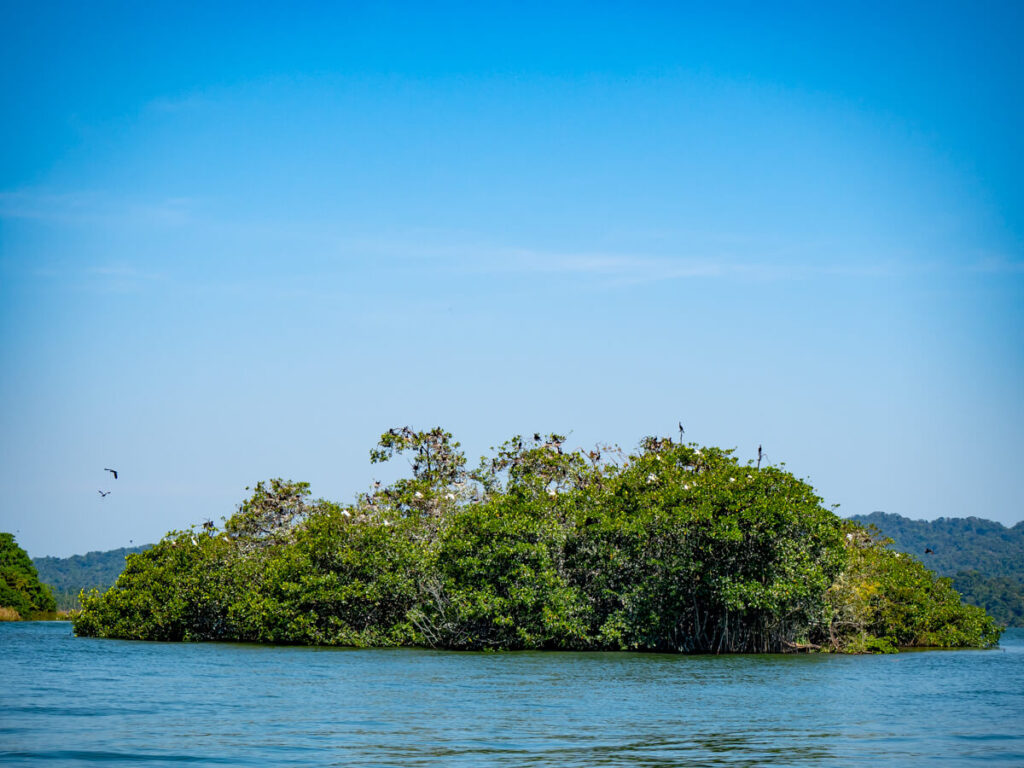
Río Dulce National Park is a protected area, conserving a large stretch of the river and the surrounding tropical forest. The park covers mangroves, wetlands, and steep jungle slopes that provide habitat for a wide variety of wildlife.
Manatees, monkeys, crocodiles, and many species of birds live in these protected waterways. One of the highlights is the dramatic canyon section where cliffs rise over 100 metres (320 ft) above the river.
On a boat tour, which is one of the top things to do in Guatemala, you’ll pass hot springs, riverside lodges, and wildlife-filled mangroves on a journey that is often considered one of the most beautiful boat rides in Guatemala.
Where is Río Dulce?
Río Dulce is located in eastern Guatemala in the Izabal department, close to the Caribbean coast. The town lies at the point where the Dulce River flows out of Lake Izabal.
Because of this location, Río Dulce is often included on travel routes between northern Guatemala and the coast. It’s also accessible by road from places like Antigua and Lake Atitlán. It sits about 175 miles (280 km) northeast of Guatemala City and roughly 135 miles (220 km) from Flores in the north.

Río Dulce Map
We’ve pinned the top highlights in Río Dulce on the interactive map below.
Why visit Río Dulce?
Río Dulce’s main appeal is its lush tropical landscapes and scenic river routes. Boat trips through the canyon, mangroves, and jungle are the highlight of any visit, while riverside hostels and lodges are designed for simply relaxing, which is a stark contrast to the volcano adventures of the Guatemalan highlands. The area also offers access to hot springs, waterfalls, wildlife watching, birdlife, and small Mayan settlements.

Where to stay in Río Dulce
Accommodation around Río Dulce ranges from simple hostels in town to peaceful jungle lodges along the river. Many of the most scenic places to stay can only be reached by boat, offering wooden cabins, waterfront decks, and views of the surrounding rainforest.
Budget travellers can stay near the bridge in Río Dulce town, where transport connections are easiest, but it’s got a bit of a dodgy reputation, and you’re really missing out on the true Río Dulce by doing that.
Staying on the water also makes it easier to explore places like Río Dulce National Park or travel onward to Livingston by boat. However, depending on the lodge you choose, you can be a short boat ride from town and all its amenities or up to a half-hour boat ride away. This means you’ll be locked into meal packages and probably transport or tours through your accommodation. So choosing where to stay in Río Dulce can really make or break your experience.
It’s also worth bearing in mind that, no matter the price point, almost all accommodation in Río Dulce is pretty rustic. Many rooms are wooden cabins built to blend into the jungle surroundings, often with basic facilities. Power cuts, insects, and the occasional gecko visitor are all fairly normal here, but falling asleep to evening rains pattering on the tin roof and waking up to river views and jungle sounds is hard to beat.
Río Dulce Hotels

Where to eat in Río Dulce
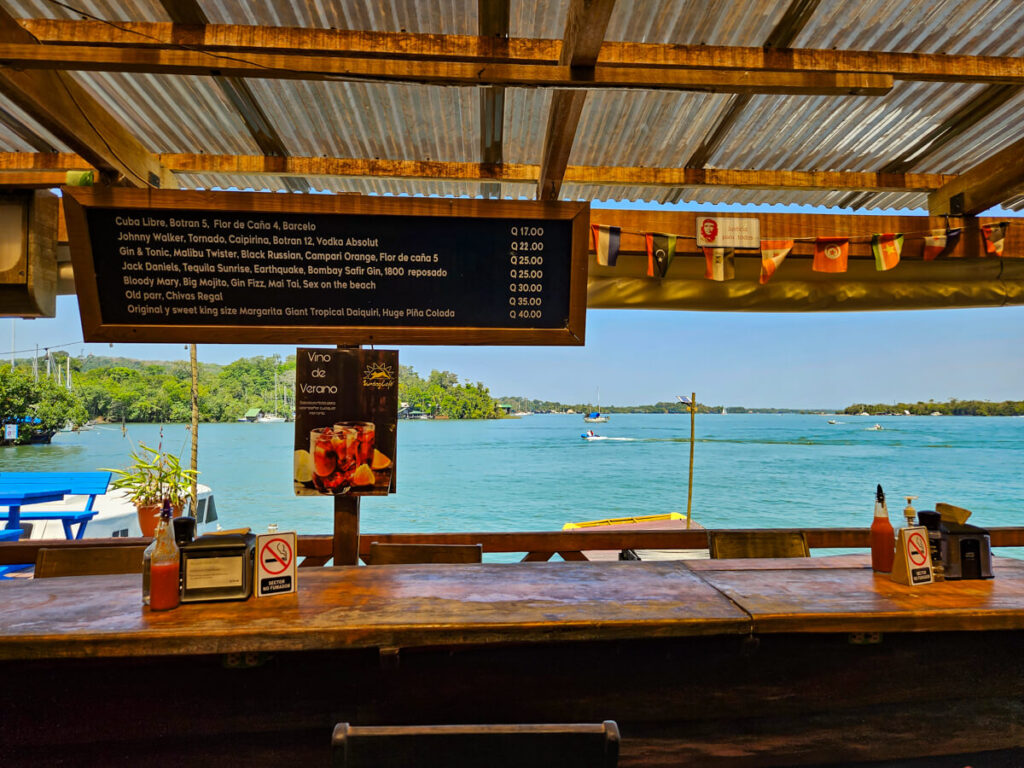
Food options in Río Dulce range from casual local eateries to relaxed waterfront restaurants overlooking the river. In town, you’ll find comedores serving simple Guatemalan dishes like grilled chicken, rice, beans, and fresh tortillas, alongside some international options offering everything from burgers to wood-fired pizzas.
Most riverside hotels and hostels also have their restaurants where you can eat while watching boats move along the Río Dulce. Here are our top picks.
Río Dulce Restaurants
How to get to Río Dulce
Río Dulce’s not as remote as some places like Semuc Champey, but it’s not as easy to get to as others either. The town is accessible by road, with boats (called lanchas) connecting along the river.
Most travellers arrive by tourist shuttle or long-distance bus, while chicken buses are an option for those on a tight budget, and boats connect along the coast.
You can book shuttles and buses through your accommodation, at local travel agencies, or on booking platforms like Viator, GetYourGuide, and Bookaway (get 5% off with our code THOROUGHLY5).
Bookaway is amazing for booking shuttles and buses throughout Guatemala. You can get 5% off with our code THOROUGHLY5.
From within Guatemala
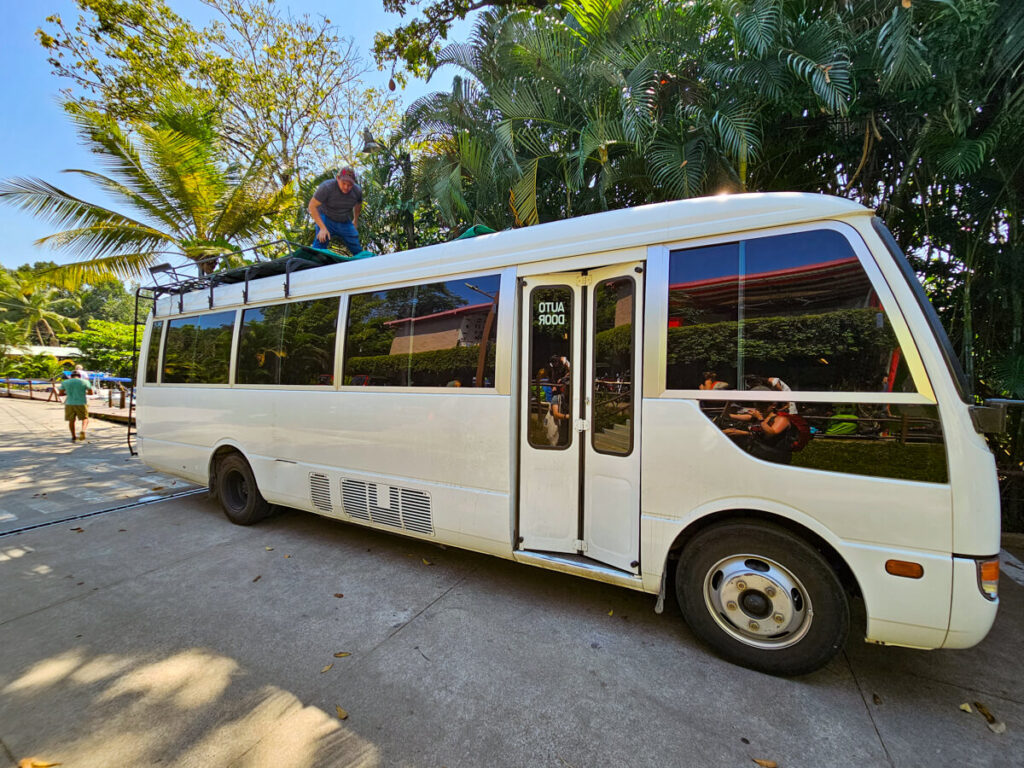
Surprisingly, Río Dulce is well connected to many other main tourist destinations by shuttle and bus, so it’s easy to include when planning a trip to Guatemala. Direct tourist shuttles run between Río Dulce and places like Guatemala City, Antigua, Flores, and Lake Atitlán, though journeys can be long due to the country’s mountainous terrain. Local buses are cheaper but often require transfers in larger towns with lots of stops along the way. Here are the most popular routes.
From Antigua and Guatemala City
Both Antigua and Guatemala City have regular tourist shuttles and long-distance buses heading toward Río Dulce.
By bus, you can take the Liteagua or Transportes Fuente del Norte (Maya de Oro) coach from Guatemala City to Río Dulce. The trip takes around 5.5-7 hours and costs around $35-40 USD per person. If you’re starting in Antigua, it’s a simple 1-hour bus, taxi, or Uber to Guatemala City.
If you don’t fancy changing in Guatemala City, the easiest way to get to Río Dulce is to take a tourist shuttle from Antigua to Río Dulce. The journey usually takes 6-8 hours, depending on traffic and route and costs around $40-50 USD. Private transfers are also available if you want a faster or more direct journey, but they’re pricier. GuateGo and Río Dulce Travel are popular operators for this route.
From Flores
Many travellers visit Río Dulce from Flores, the gateway to the Mayan city of Tikal. This makes sense if you’re hugging the east coast, since they’re reasonably close together and the roads are in pretty good condition.
You can take a coach bus with Transportes Fuente del Norte from Flores to Río Dulce, which should take around 4.5 hours and costs $25-30 USD. It leaves from the Santa Elena Bus Terminal. Alternatively, you can book a tourist shuttle, which costs around the same as the bus. Río Dulce Travel are one of the top operators for this route.
From Lake Atitlán and Xela
Travelling from Lake Atitlán or Quetzaltenango (often called Xela) usually requires a long overland journey across the country. Tourist shuttles often run from Lake Atitlán towns like Panajachel to Río Dulce, typically taking 9-10 hours and costing around $90 USD. From Xela, you’ll normally travel via Guatemala City before continuing east. Because of the distance, it’s best to break up the journey with a stop elsewhere first.
From Semuc Champey
If you’ve visited Semuc Champey, you’ll need to transfer or stay in Lanquín to pick up transportation. You can take a tourist shuttle from Lanquín to Río Dulce, which takes around 6-8 hours and usually costs $40-50 USD per person. Lanquín Services are one of the top operators on this route.
While the roads are improving, this route is not fully paved yet, so it can be really rough and bumpy, and nearly impassable in parts in the wet season.
From Livingston
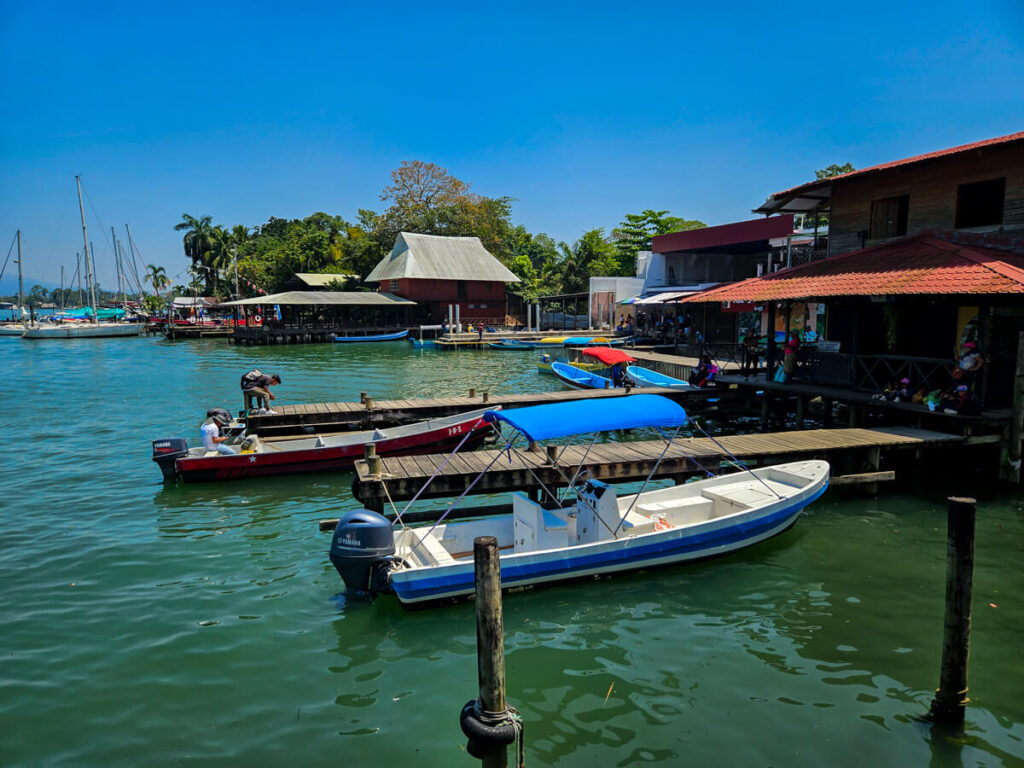
The most scenic – and only – way to reach Río Dulce from Livingston is by boat along the river. The journey takes about 1-1.5 hours and passes through mangroves, jungle cliffs, and sections of Río Dulce National Park. Boats run regularly throughout the day from the Municipal Dock and cost around 100-125Q (~$14 USD).
From Belize
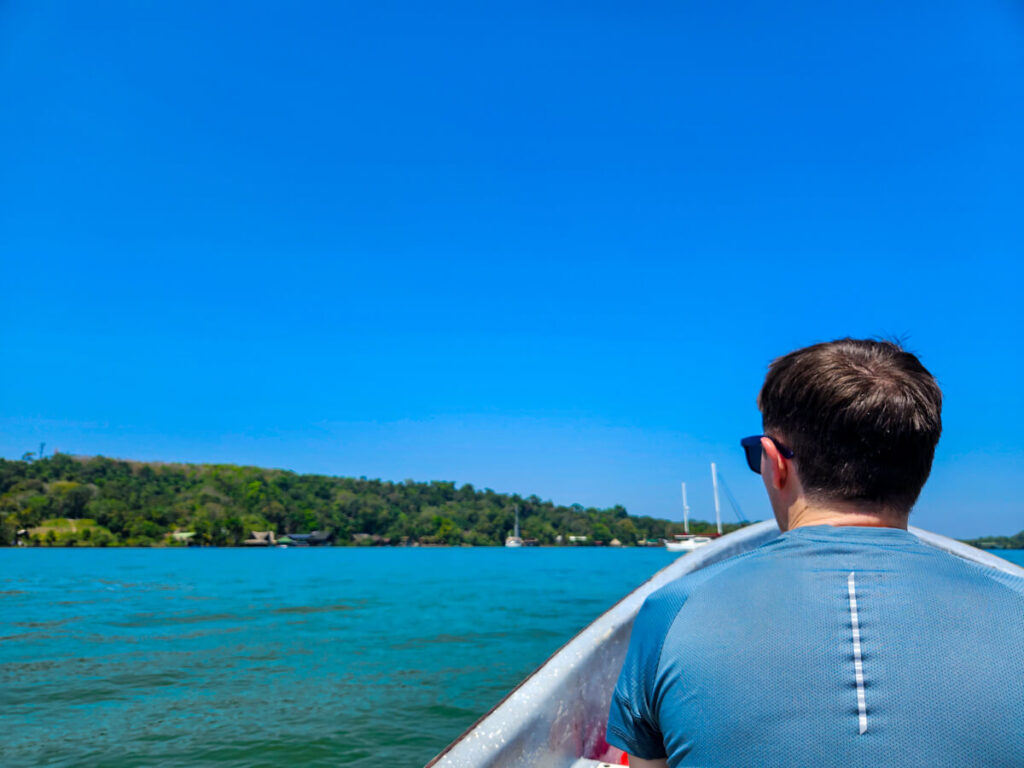
Crossing the border between Belize and Guatemala is usually done near Melchor de Mencos – between San Ignacio in Belize and Flores in Guatemala (then you can take the bus or shuttle as we mentioned above) – but you can also travel via the Caribbean coast.
The route connects Livingston or Puerto Barrios with Punta Gorda (Belize). This is a good option if you’re coming from south Belize’s beach towns like Placencia, Hopkins, or Dangriga (with its connection to Tobacco Caye).
We’ve covered it extensively in our border crossing guide – crossing the Belize-Guatemala border by boat – but the gist of it is that Requena’s Charter Service and Water Taxi runs the route to Puerto Barrios daily, while Belize Transfers (previously Rio Tropicales) runs a route to Livingston and Río Dulce, Monday-Friday.
From Honduras
One of the most popular ways to cross the Guatemala-Honduras border is between Río Dulce or Puerto Barrios and La Ceiba, the gateway to Honduras‘ Bay Islands. We did this on our second Central America backpacking trip, connecting to Río Cangrejal, Utila, and Roatán.
The shuttle actually starts in Antigua at 2:00 AM and goes all the way to La Ceiba in one day, aiming to get you there in time for the last ferry of the day. But staying in Río Dulce breaks up the journey nicely.
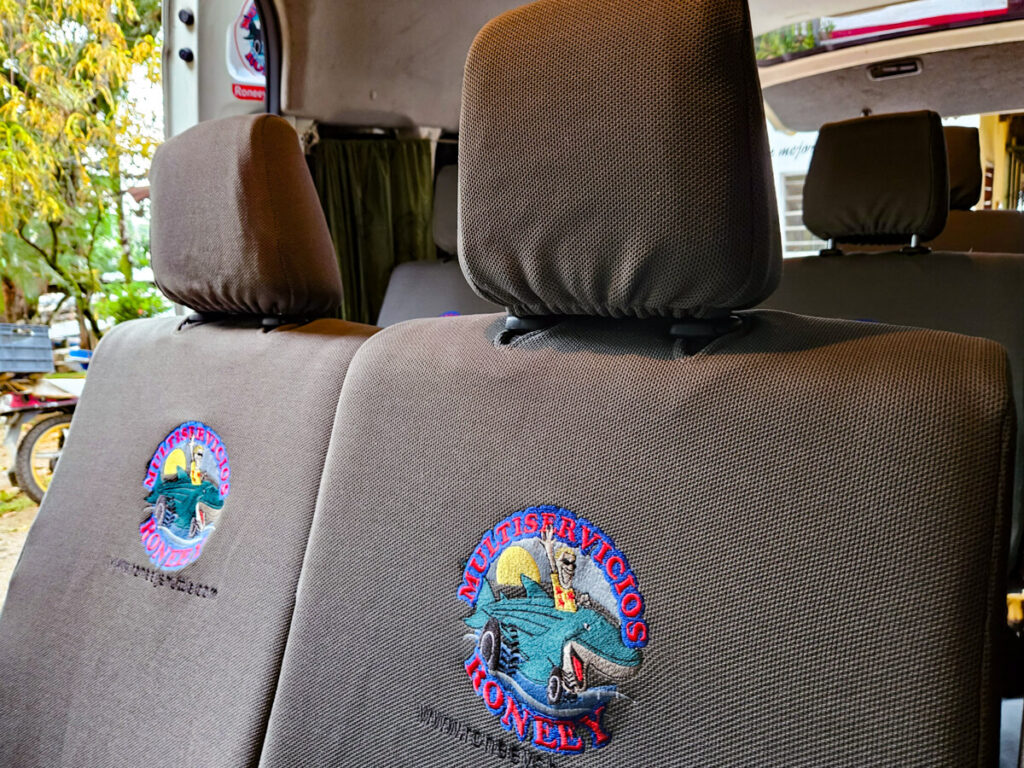
You can do it backwards, too, taking the shuttle from La Ceiba to Río Dulce, which takes about 9 hours and costs around $60 USD. Roneey Shuttles runs the route at 8:00 AM and will meet you in La Ceiba, either at a central meeting point or at the ferry dock, dropping you off in Puerto Barrios (for Livingston) or Río Dulce.
We wouldn’t recommend trying to navigate this route with chicken buses, as neither La Ceiba or Puerto Barrios are particularly nice places to hang around in, and it’s long enough in a shuttle, never mind a cramped and sweaty camioneta.
An alternative route would be to head to Río Dulce from Copán Ruinas, a small mountain town known for its incredible Mayan ruins and wild scarlet macaw population. You can take a private transfer from Copán to Río Dulce with GuateGo, which takes around 4.5 hours, but is super expensive at around $360 USD.
How to get around Río Dulce
Getting around Río Dulce is relatively straightforward, though distances between attractions mean you’ll often need transport beyond walking. The town itself is compact, but many of the most interesting places sit along the Dulce River or around Lake Izabal.
On foot
The central part of Río Dulce town is small enough to explore on foot. Most restaurants, shops, hotels, and transport docks are located close to the main bridge that crosses the river. However, there’s no sidewalk or normal pedestrian routes, so you’ll be walking along the side of the main road as cargo trucks and other vehicles whizz past.
By boat
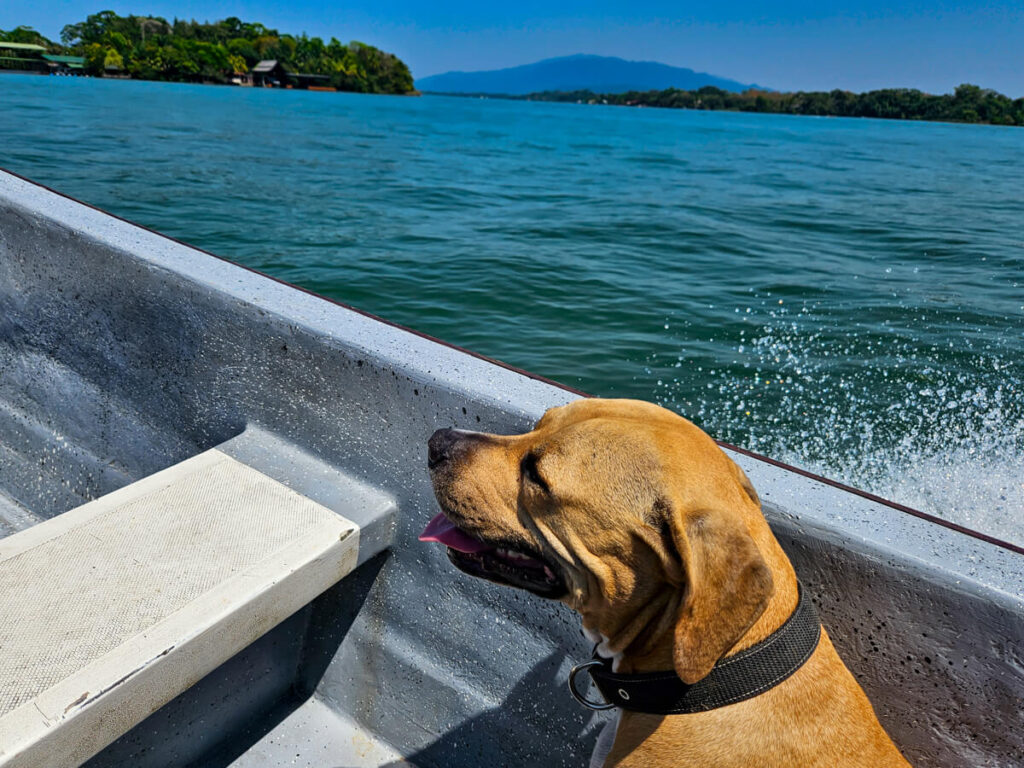
Boats (lanchas) are the main way to get around the Río Dulce. These water taxis connect the town with riverside hotels, marinas, and nearby destinations like Livingston. Some lodges can only be reached by boat, while boat trips are also the best way to explore Río Dulce National Park.
Most riverside accommodations will include free boat transfers from the town to the lodge. They’ll give you a pick-up point (ours was the Sundog restaurant). Then they’ll often have a schedule of free boat shuttles throughout the day, but if you want to go anywhere at a different time, you’ll need to pay for a private boat.
Public boats from Río Dulce to Livingston leave from the Municipal Dock between 9:30 AM-2:30 PM, but your accommodation will likely offer this service too. It costs about 100-125Q (~$14 USD) per person.
By taxi
Taxis operate in and around Río Dulce and are useful for short journeys to nearby attractions or accommodation outside the centre. They’re easy to find around the bus terminal and main bridge area. Fares are generally inexpensive, though it’s a good idea to agree on the price before starting the journey.
By colectivo
If you’re on a budget, these shared minibuses, known locally as colectivos, run along the main highway near Río Dulce. They are a cheap way to travel between nearby towns and villages along the Caribbean corridor, but have limited routes. They tend to run frequently but often only depart once they are full.
By chicken bus
Guatemala’s colourful chicken buses also stop in Río Dulce, connecting the town to larger cities and rural communities. These converted American school buses are the cheapest way to travel longer distances, but you probably won’t use them for getting around Río Dulce.
When to visit Río Dulce
The best time to visit Río Dulce is during the dry season, from November to April, when the river is calmer and there’s less chance of heavy rainfall disrupting boat trips. Water activities like boat tours, kayaking, and swimming are easier and safer in the dry months.
The wet season, from May to October, brings frequent afternoon showers, rising river levels, and more mosquitoes, though the jungle is at its lushest.
Wildlife spotting, including birds and river animals like manatees, is often better in the early morning, regardless of the season. This is also when the water is calmer. Weekends and Guatemalan holidays can be busier on the river, especially near popular lodges and docks, too.
Río Dulce weather
Río Dulce experiences a tropical climate with consistently warm temperatures year-round. Temperatures generally range from 24-30°C (75-86°F) in the dry season and 25-32°C (77-90°F) during the wet season, so lightweight clothing is ideal.
The sun is really not to be underestimated in Río Dulce either. The heat and humidity are oppressive, and you can get sunburned pretty quickly, especially when sitting for long periods of time on a boat.
We visited in March and had pretty perfect weather, with the exception of a couple of afternoon rain showers, but it was unbelievably hot, so we were constantly reapplying sunscreen.
How many days to spend in Río Dulce?
You could stay in Río Dulce for 1 night – which is what we first considered doing, breaking up the long journey from Antigua to La Ceiba in Honduras – but you won’t see much of the area. It’d be more time-effective to stay in the town and you’ll miss out on all the Sweet River has to offer.
You can see the highlights of Río Dulce in 2-3 days if you’re focused on boat trips, wildlife spotting, and visiting the national park. We’d recommend at least 2 nights, which gives you time to take a boat tour down the river and visit Livingston for half a day.
If you want to explore quieter villages along the river, relax at a riverside lodge, or try kayaking, tubing, and hiking, 4-5 days is ideal. Longer stays allow you to mix in cultural experiences, like visiting local Garífuna communities with adventure activities in the surrounding natural landscapes.
How safe is Río Dulce?
Río Dulce is generally safe for travellers, though petty theft can occur around the docks and main streets. Keep an eye on your belongings when using boats or walking near the busier areas of town. Violent crime is rare, but it’s wise not to wander alone at night in isolated areas. We’d heard the town was a bit dodgy, so we were a little extra aware not to flash valuables, wander off, or get our camera out. Though everyone we met was very friendly.
River travel is mostly safe, but sudden storms can make conditions tricky, so check the weather before heading out. Swimming is fine in calmer sections of the river, though strong currents can occur in certain spots, so always get local advice first. Using licensed guides for excursions and staying in established lodges adds an extra layer of security.
One thing worth keeping in mind is the natural environment. Being in the tropics, bugs can be plentiful – mosquitoes in particular are common around the river and mangroves, especially at dawn and dusk. Bringing natural insect repellent and covering up in the evenings helps avoid bites and the diseases mosquitoes can carry.
It’s also a fairly remote area. While there are small clinics nearby, full hospitals and more advanced medical care are a good distance away, usually in larger towns or cities. For that reason, it’s sensible to bring a basic first-aid kit, any medications you might need, and get travel insurance before you go. Minor injuries or illnesses can usually be handled locally, but anything more serious could require a longer journey for treatment.

Is it worth going to Río Dulce?
Río Dulce is definitely worth visiting if you enjoy riverside scenery, jungle wildlife, and a laidback vibe. The river’s winding channels, bridges, and mangrove-lined shores are super scenic and unlike anywhere else in Guatemala – some parts even reminded us of Hawaiʻi.
That said, the town itself is small and fairly uninteresting, so it’s not somewhere we’d recommend hanging around in. For us, it was a good place to break up a long journey and spend a few nights, but if you’re short on time, you might want to skip it. It wasn’t our favourite place in Guatemala, and it doesn’t have as much to offer as some of the more popular destinations.
It’s also a little tricky to add Río Dulce into a Guatemala itinerary if you’re not planning to visit Honduras or Belize. You can get a similar vibe in the Maya towns on Lake Atitlán, with similar boat-only access hotels, and a wider variety of things to do and tourist infrastructure. Again, if it’s remote and jungly that you’re looking for, Semuc Champey is a good option.
Also, we have to be real – you’re in the jungle, you’re probably going to encounter some bugs, and since you’re near water, there are countless mosquitoes, especially at night. Dan had to save me from a couple of terrifying spider encounters, including one on the bed outside of the mosquito net – the staff were very nice and used a glass to get rid of it. There was also one about the size of my hand that lived in the shower block that we saw a few times, and as an arachnophobe, it was not a good time.
Honestly, we think Río Dulce is like Marmite – you’ll love it or you’ll hate it. If you’ve got the time, we’d encourage you to go and find out.
Tips for travelling Río Dulce
What to pack for Río Dulce
Packing wisely for Río Dulce will help you stay comfortable and prepared. Don’t forget your:

Is it best to stay in Río Dulce or Livingston?
Really, Río Dulce and Livingston are nothing alike, despite their proximity. Río Dulce town is a practical hub with more accommodation options, restaurants, and shops, making it convenient for organising tours, boat trips, or transport to other parts of Guatemala. It’s also easier to reach by road, so it works well if you’re passing through on a longer itinerary.
Livingston, on the other hand, offers a unique Caribbean vibe and rich Garífuna culture that you won’t find elsewhere in the country, but it’s only accessible by boat and has fewer services. Staying in Livingston is ideal if you want a relaxed, immersive experience with a focus on music, food, and coastal scenery, but you’ll miss out on the jungle lodge experience of staying in a riverside hotel.
If you’re passing through Livingston from Belize, it might be worth spending a night there before visiting Río Dulce and heading into Guatemala. Otherwise, we’d recommend staying in Río Dulce and taking the boat trip to Livingston for the day.

Río Dulce FAQs
To help you plan your trip to Río Dulce, we have answered some frequently asked questions below.
What is Río Dulce?
Río Dulce is both a long river in eastern Guatemala and the town that sits on its banks, connecting Lake Izabal with the Caribbean coast. The river winds through jungle, cliffs, and small villages, making it a key hub for transport, tourism, and adventure activities in the region.
Can you fly to Río Dulce, Guatemala?
Yes, there’s a small regional airport in the town (Río Dulce Airport) that receives domestic flights, mainly from Guatemala City. Most international travellers, however, fly into La Aurora International Airport and make the 6-7 hour journey overland.
Does Río Dulce have crocodiles?
Yes, the Dulce River is home to crocodiles, especially around the slower-moving sections near mangroves and riverbanks. While sightings are not uncommon, attacks on people are very rare.
How do I get to Río Dulce from Guatemala City?
The most common transport options are taking a shuttle, hiring a private car, or using public buses to get to Río Dulce. The drive typically takes around 6-7 hours, depending on traffic and weather.
How far is Río Dulce from Lake Atitlan?
Río Dulce is roughly 112-125 miles (180-200 km) northeast of Lake Atitlán, which usually translates to a 5-7 hour drive depending on your route and stops along the way.
How long is the boat ride from Río Dulce to Livingston?
The lancha ride from Río Dulce to Livingston usually takes about 1-1.5 hours, depending on water levels, weather conditions, and the type of boat you take.
Read next:
18 Best Things to Do in Río Dulce
A Complete Guide to Livingston: Guatemala’s Caribbean Coast
Crossing the Belize-Guatemala Border: Shuttle vs Public Transport vs Ferry
Our Guatemala Destination Guides:
Our Guatemala Travel Guides:
