A Travel Guide to Placencia: Belize’s Paradisiacal Peninsula

Discover everything you need to know about visiting Placencia, Belize, including where to play, eat, and sleep on this popular peninsula.

This post may contain affiliate links, which means we might earn a small commission on anything purchased through these links at no extra cost to you. Learn more on our disclaimer page.
Once a low-key fishing village, Placencia has developed into a major tourism hub and one of the most popular places to visit in Belize. Nestled at the southern tip of the long and narrow Placencia Peninsula on Belize’s east coast, Placencia is known for its sprawling white sand beaches, palm-tree-fringed shorelines, and luxury resorts.
We had the best time exploring, relaxing, and diving here for Dan’s birthday on our Belize trip and have amalgamated everything you need to know about visiting Placencia into this comprehensive travel guide. We have included how to get here, how to get around, and when to visit, plus the best hotels and restaurants, and make the most of the unmissable activities available in Placencia.
Placencia at a glance

About Placencia
Placencia is a small village at the southern end of a long peninsula. The village’s narrow and iconic boardwalk, called the ‘Placencia Sidewalk’, is lined with colourful shops, cool cafés, and beachfront bars. The peninsula is the gateway to some of Belize’s best islands and atolls, including the stunning Laughing Bird Caye and incredible dive sites at the Silk Cayes and Gladden Spit.
The surrounding waters are perfect for snorkelling and diving, offering easy access to the Belize Barrier Reef. Many visitors are drawn by the prospect of swimming with whale sharks in Placencia, although sightings have become rare to non-existent in recent years.
Inland, you can explore lush jungles, spot wildlife in Monkey River or hike through the Cockscomb Basin Wildlife Sanctuary, the world’s only jaguar preserve.
Placencia offers an insight into local culture, with a mixture of Creole, Garífuna, Maya, and Mestizo traditions and influences shaping the region. It also hosts seasonal and annual events like Lobsterfest and the Placencia Arts Festival.

Placencia History
The Placencia Peninsula and surrounding areas were originally inhabited by the Mayans, who left behind archaeological evidence such as pottery and tools.
The Spanish arrived in the 1500s, dubbing the area ‘Placentia’, meaning ‘pleasant place‘. British settlers followed, particularly Puritans and logwood cutters, during the 17th and 18th centuries. Over time, freed slaves and Garífuna people (descendants of West Africans and Carib Indians) also settled in the region, contributing to its cultural diversity.
The peninsula was relatively isolated, with no roads connecting it to the rest of Belize until the late 20th century. Transport was mostly by boat until a road was built connecting Placencia to the Southern Highway in the 1990s. Placencia grew rapidly as a tourist destination thanks to its beautiful beaches, proximity to the Belize Barrier Reef, and laidback atmosphere. Resorts, restaurants, and eco-tourism ventures sprang up along the peninsula, and the area became more popular with expats.
A major hurricane struck Placencia in October 2001, causing widespread destruction. The community rebuilt quickly, with more modern construction and increased investment in the region fuelling Placencia’s growing tourism industry.

Where is Placencia?
Placencia Village is located on a 16-mile (26 km) long peninsula on Belize’s southeastern coast. It lies within the Stann Creek District. The peninsula is bordered by a mangrove-lined lagoon on one side and the turquoise Caribbean Sea on the other. Because of its unique position, it’s often referred to as ‘the caye you can drive to’.

Placencia Map
We’ve pinned the key parts of Placencia and local highlights on the map below.

More from Placencia
Why visit Placencia?
With a blend of natural landscapes, local culture, and relaxed Caribbean vibes, it’s no wonder Placencia is one of the most popular places to visit in Belize. There are plenty of fun things to do in Placencia, from SCUBA diving on the Belize Barrier Reef to lounging on beaches.
Location
Placencia’s location on Belize’s longest peninsula means it has access to a variety of unique activities and attractions. The eastern side offers beautiful beaches, while the western side borders a calm lagoon with views of the Maya Mountains. Not only can you enjoy the Caribbean Sea, but you’re also a short drive away from a variety of inland adventures, where you can explore the best of the jungle, too.

Layout
Placencia’s layout is pretty simple. At the southern tip of the peninsula lies Placencia Village, the cultural and commercial heart of the area. Just north are smaller communities like Seine Bight and Maya Beach, which have a few shops, bars, and restaurants. A single main road runs the length of the peninsula, while the Placencia Sidewalk, a narrow pedestrian path, winds through the village and is considered one of the narrowest streets in the world.

Vibe
The vibe in Placencia is bright, cheerful, and relaxed. It’s the kind of place where you can walk barefoot to a beach bar and doing nothing is a favourite activity. You can chat with locals, explore at a leisurely pace, and you’ll likely hear reggae or Garífuna drumming echoing through the night air. While there are upscale resorts along the coastline, Placencia Village has a small-town charm, retaining its old fishing village roots.

Language
The primary language spoken in Placencia and throughout Belize is English, which makes communication incredibly easy for many international travellers.
Alongside English, many locals also speak Kriol (Belizean Creole), an expressive language unique to Belize, which you’ll often hear in casual conversations and music.
You may also hear Garífuna, an Afro-Indigenous language spoken by the Garífuna people, especially at cultural events, music, and coastal communities like nearby Seine Bight.

Currency
The official currency used throughout Placencia is the Belizean Dollar (BZD). It maintains a fixed exchange rate to the US Dollar: 2 Belize Dollars to 1 US Dollar, which simplifies currency conversion significantly.
US dollars are widely accepted across the peninsula, especially in tourist-oriented businesses, restaurants, and shops, meaning U.S. travellers often don’t need to exchange currency before arriving.
However, carrying some Belize Dollars in cash is advisable for smaller purchases, local markets, or in places that may not accept cards or USD.
ATMs are readily available in Placencia, though it’s always wise to plan ahead for cash needs. We prefer Atlantic Bank, as it doesn’t charge a fee to withdraw cash.

Weather
Placencia enjoys a tropical climate, with warm temperatures year-round, usually ranging from 24°C to 31°C (75°F to 88°F). The dry season runs from December to May, making it the best time to visit, while the wet season (June to November) brings brief, heavy rains and a chance of tropical storms. Even during the wet season, rain often comes in short bursts, allowing for plenty of sunny periods. This consistently warm weather makes it a fantastic beach destination regardless of when you choose to visit.

Landscapes
The Placencia Peninsula offers diverse landscapes, from palm-lined beaches and shallow coral reefs to lush mangroves and coastal lagoons. It’s such a great base for those wishing to explore both the reef and the rainforest.
Just inland, the Maya Mountains and tropical jungles provide a dramatic contrast, with epic views and terrain perfect for hiking and wildlife watching. Placencia is also a stone’s throw from some of Belize’s best national parks, including Mayflower and Billy Barquedier.

Wildlife
Placencia is home to a surprising variety of wildlife, and we’d say it’s probably one of the best bases in the country for those seeking animal encounters in the wild.
In the lagoon, you can spot Belize’s manatees, while at sea, you might see dolphins, an occasional whale shark, or a rare manta ray in season. You’re likely to spot nurse sharks, stingrays, and tropical reef fish when snorkelling and SCUBA diving in Belize.
Inland, the region is home to all sorts of Belizean animals you can see. Scarlett macaws can be seen in the nearby Redbank village, while the region is a birdwatcher’s paradise with hundreds of species around. Tours to Monkey River are popular, where visitors can spot howler monkeys by boat. You may also get very lucky in Cockscomb Basin Wildlife Sanctuary (as we did) and spot a jaguar!

Activities
There’s no shortage of exciting things to do in Placencia. Popular activities include snorkelling, scuba diving, sailing, and fishing on the water. On land, visitors can enjoy hiking, ziplining, kayaking, and visiting waterfalls. While tours to some of Belize’s best Mayan ruins or culturally immersive experiences are also popular.

Shopping
Placencia may be low-key, but it’s full of character with plenty of opportunities to shop locally. Local markets and boutique shops sell handmade jewellery, Belizean art, wood carvings, and textiles. You’ll find locally made hot sauces, spices, and organic beauty products that make for great souvenirs. The Sidewalk is a great place to wander along, browsing artisan stores and vendors set up along the path, offering their products.

Sunsets
With an east and west coast, Placencia offers some of the most beautiful sunrises and sunsets in Belize. The sunset is especially beautiful when viewed from the western side of the peninsula along the lagoon. Watch the sun dip behind the Maya Mountains as the sky bursts into shades of orange, pink, and purple, from a lagoon-side bar or restaurant.

Food
Placencia’s culinary scene is a delicious mix of Belizean, Caribbean, and international influences. Fresh seafood is a highlight, with grilled lobster, conch fritters, and snapper ceviche being particularly popular dishes. Local staples like rice and beans, fry jacks, and stewed chicken are also available to sample in local restaurants. Don’t miss the many small eateries and food shacks in the village – we’ve listed the best spots along the peninsula later in this article.

Culture
Placencia’s culture is a rich fusion of Garífuna, Creole, Mestizo, and Maya traditions, setting it apart from the islands like Ambergris Caye and Caye Caulker, which lack the inland influences. Music, dance, and storytelling are central to the community, especially during festivals like Lobsterfest or the Placencia Arts Festival. But it’s not as obviously authentic as destinations like Hopkins and Dangriga, which is important to keep in mind when choosing between Hopkins and Placencia.

Where to stay in Placencia
Choosing where to stay in Placencia can be tricky because the peninsula is so long and spread out. There are three main areas, each with its own vibe, amenities, and appeal – which you choose will probably depend on your preferences, budget, and mode of transportation.
Placencia Village (the south end)
Placencia Village is the main part of the peninsula, located at its southern tip. It’s where you’ll find the famous Placencia Sidewalk, beachfront bars, local restaurants, dive shops, and a nice beach area. This area is great for those who want to experience local life, walk everywhere, and have easy access to tours and excursions. It’s favoured by backpackers, those reliant on public transport, and anyone who’s keen to be in the heart of the action.
Seine Bight (between Maya Beach and the Village)
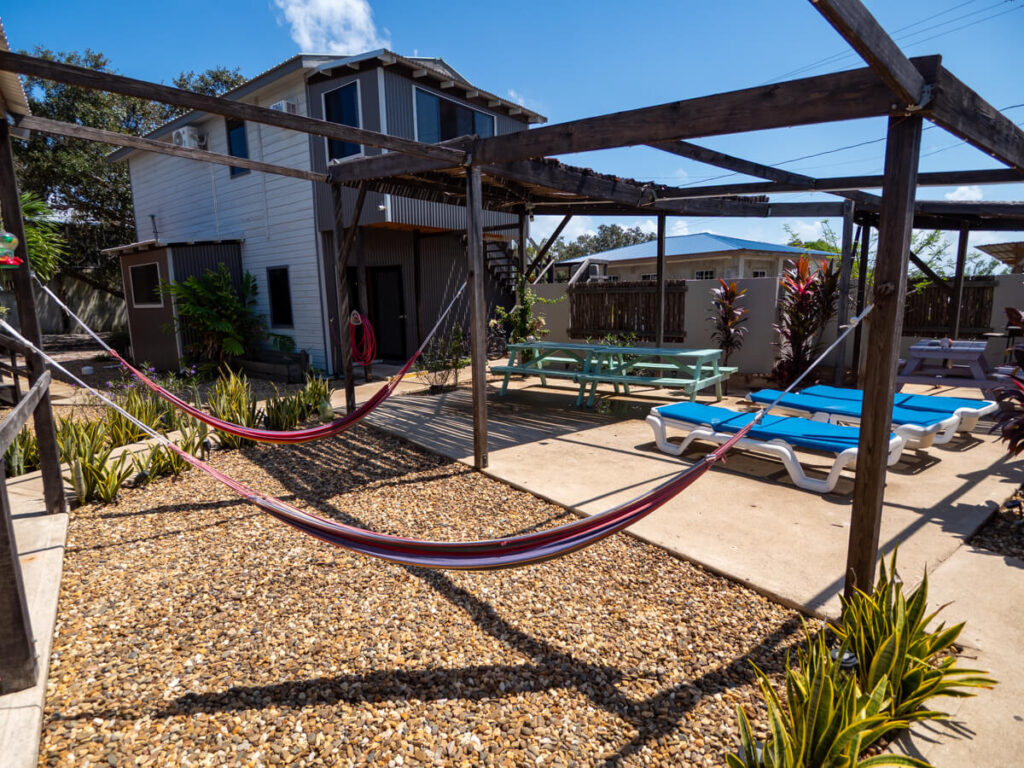
Seine Bight is a small Garífuna village just north of Placencia Village. It’s not touristy, which makes it a great place for a more authentic experience. Accommodations here are more limited but can be more affordable. We really enjoyed staying in The Royal Rat Hostel, just south of the village. Expect colourful homes, drumming drifting through the air, and local eateries rather than resorts or high-end restaurants. The bus does run down the peninsula, stopping as requested, but a car or bike is recommended to get around.
Maya Beach (mid-peninsula)
Located about 20 minutes north of the village, Maya Beach offers peaceful private beaches and upscale and boutique resorts. It’s a more low-key alternative to the village, perfect if you want quiet mornings, ocean views, and fewer crowds, while still being close enough to explore Placencia Village. A car or bike is recommended to get around; otherwise, you’ll be reliant on taxis.

Best Placencia Hotels
Whether you’re looking for a luxurious beachfront resort, a cosy boutique hotel, or a laid-back guesthouse steps from the sand, hotels in Placencia offer a range of comforts and amenities to suit every travel style and budget.
Best Placencia Hotels
Some high-end travellers like to stay at offshore resorts on private cayes (islands). These places are easily accessible from Placencia and offer secluded, high-end experiences with full service and water activities. Here are some of the best offshore resorts near Placencia:

Where to eat in Placencia
When it comes to dining in Placencia, you’re spoiled for choice with a variety of options from local Belize dishes to international cuisine. From fresh seafood shacks right on the beach to cosy cafes, street food stalls, and upscale restaurants, there’s something for every palate and budget.
Many places offer relaxed, open-air dining with stunning ocean or lagoon views, while there are some lovely, fancy spots, perfect for celebrating a special occasion. A lot of restaurants are located within the village, but there are some great options further north up the peninsula, too.

Best Placencia Restaurants
Here are some of our top places to eat in Placencia:

How to get to Placencia
Getting to Placencia is straightforward, but the transportation method best for you will vary depending on your starting point and travel preferences.
By plane
Small planes fly regional routes regularly from Philip S. W. Goldson International Airport in Belize City to the Placencia Airstrip (PLJ), which is around a 20-minute flight. This is the fastest and most convenient option, especially if you’re already flying internationally into Belize City.
By bus
Getting to Placencia by bus is easy and popular with backpackers. From Belize City, buses operated mainly by Floralia and Ritchie’s Bus Service run multiple times daily, with journeys taking about 3.5 to 4.5 hours. These air-conditioned buses depart from the Belize City Bus Terminal and travel through Belmopan and Dangriga before reaching Placencia. Tickets cost around $15 USD one-way and can usually be purchased directly on the bus, with no reservation required.
By shuttle
For something a little more comfortable, booking a Placencia transfer is a great way to connect to the Village smoothly from Belize Airport or surrounding destinations. With both private and shared options available, you can relax and enjoy the journey through the countryside in a way that suits your budget and Belize itinerary.
By boat
Placencia is accessible by boat from nearby coastal towns and cayes. Water taxis and private boats connect Placencia with Dangriga, Hopkins, and several offshore islands, offering scenic travel options. Hokey Pokey Water Taxi run a route between Placencia and Independence (Mango Creek) too.
By car
From Belize City, Belmopan (the capital), or further north along the coast, like from Hopkins and Dangriga, you can drive to Placencia via the Southern Highway. The drive typically takes around 3 to 3.5 hours, depending on traffic and road conditions. Driving in Belize is pretty easy, with a handful of highways connecting major towns.
A 4×4 is not necessary for Placencia, but it is highly recommended if you’re going to explore further inland, especially for the Cockscomb Basin Wildlife Sanctuary.
Rental cars are widely available in most major cities, towns, and airports in Belize, as well as in Placencia. We picked up a 4×4 from Dangriga Auto Rentals, as we landed there after our multi-day sailing trip along the Belize Barrier Reef. We were so grateful for a 4×4 for Cockscomb Basin, and we really enjoyed the scenic Hummingbird Highway after visiting Placencia. The fact that we could have it picked up from San Ignacio was a real bonus for us, too.

How to get around Placencia
Getting around Placencia is easy with a variety of transportation methods on offer.
On foot
The main street, a narrow sidewalk just over 3 miles long, is mostly walkable, so many visitors simply stroll between restaurants, shops, and the beach. Much of the village is also walkable. However, if you want to explore more of the peninsula, it’s too far to walk, and there are no designated pavements.
By taxi
For longer trips or exploring nearby areas, you can use local taxis. Fares are generally affordable, but always agree on the price beforehand since meters aren’t commonly used. Taxis can also be hired for half-day or full-day tours to explore places like the Cockscomb Basin or Mayan ruins, but this is quite an expensive option.
By car
For flexibility, we’d recommend renting a car in Belize. It’s not only useful to have your own transport for day trips inland or to nearby towns, but it’s also really handy for nipping up and down the peninsula. Most accommodations have free on-site parking, and there are a couple of convenient parking lots in the village, too.
Do you need a car in Placencia?
While you don’t technically need a car in Placencia, it can be very useful if you plan to explore areas outside Placencia, like inland jungles, Mayan ruins, or neighbouring towns. Plus, you can follow your own schedule, save money on tours, and navigate up and down the peninsula without relying on public transportation.
By bicycle
Renting a bike is a popular and eco-friendly way to explore Placencia and its surroundings at your own pace. Several rental shops offer a range of bikes from cruisers to mountain bikes. It may take longer to get around, but it’s a popular method.
By golf cart
The Placencia Peninsula is well-suited for exploration by golf cart, as many areas are inaccessible by car. They’re slower than a car but faster than a bike, making them a good mid-range option. Several local businesses and hotels offer golf cart rentals, catering to various group sizes and rental durations.
By boat
For exploring offshore islands or travelling along the coast, water taxis and boat tours operate regularly from Placencia’s dock. They connect to popular cayes like Gladden Spit and Silk Cayes, Laughing Bird Caye, or Placencia Caye itself. Many tours include snorkelling, fishing, or sunset cruises.
By bus
Getting around Placencia by bus isn’t a great option because the village itself is quite small and doesn’t really have a local bus system. You can flag the bus down along the peninsula if it’s passing, but schedules change seasonally, so ask your accommodation about the timings and the best places to pick it up and get dropped off.

When to visit Placencia
The weather in Placencia generally follows two main seasons: the dry season and the wet season.
The dry season from December to May is the most popular time to visit Placencia, with lower humidity, minimal rainfall, and mostly calm, clear seas ideal for snorkelling, diving, and beach days. Although December and January can sometimes bring brief, unpredictable showers, this season mostly guarantees warm, sunny weather. It’s also the peak tourist season, so booking accommodations and tours early is recommended to secure availability and better rates.
During the wet season from June to November, rainfall increases, usually falling as short but intense afternoon showers, with humidity levels rising. August through October marks the hurricane season, so keeping an eye on weather updates is advisable if you visit then. Despite the rain, the wet season tends to have fewer tourists, often resulting in better deals and a quieter experience. Plus, plenty of sunshine still breaks through between showers.
Placencia weather

How long to spend in Placencia
For most travellers, 3 to 5 days in Placencia is the perfect balance of relaxation and adventure time. This gives you enough time to enjoy the beautiful beaches, explore the village’s shops and restaurants, and take part in popular Belizean activities like snorkelling, diving, or visiting nearby cayes.
If you’re into adventure or want to do more excursions, like jungle hikes, wildlife tours, or Mayan ruins, you might want to stay closer to a week to fully soak in everything the area offers without rushing.
Shorter trips of 1-2 days can work if you’re just passing through or using Placencia as a quick stopover, but you might feel a bit rushed and miss out on some of the activities and attractions that make Placencia special.
We spent 4 days in Placencia, as we were roadtripping Belize and had plenty of time to see nearby locations on either side of our visit. If we were only visiting Placencia, we’d definitely have increased this to a week.

Is it worth going to Placencia?
Placencia is absolutely worth visiting, especially if you’re seeking sun, sea, sandy beaches, SCUBA diving and snorkelling, and wildlife encounters. It’s the perfect place for those looking for a more relaxed, authentic alternative to Belize’s busier tourist hubs. Its location gives it easy access to pristine islands and coral reefs, while it’s a short journey from a variety of inland attractions.

How safe is Placencia?
Placencia is considered one of the safer places to visit in Belize, especially for tourists. It’s a small, tight-knit village with a large collection of expats and frequent tourists, friendly locals, and a strong community presence, which helps keep crime relatively low. As you should anywhere, don’t leave valuables unattended (especially on the beach or in unlocked rooms) and keep your wits about you when out at bars or parties.
Is Placencia safe at night?
It’s safe to walk around day or night, especially in the main village area where most tourists stay. The central sidewalk, beach bars, and restaurants are usually well-lit and active until late evening. To stay safe, stick to well-travelled areas, avoid walking alone in dark or isolated places, particularly further up the peninsula, and take a taxi or golf cart home if you’ve been drinking or are far from your hotel.
Can you swim in the ocean in Placencia?
Yes, one of the highlights of the area is the ability to swim in the ocean in Placencia. The beaches are calm and generally safe for swimming, especially in the village area, where the water is shallow and warm.
The sea near shore can sometimes be a bit murky, especially after rain, due to natural seagrass. For clearer water and better snorkelling, take a boat tour to the nearby cayes like Silk Caye or Laughing Bird Caye.
Can you drink tap water in Placencia?
Technically, tap water in Placencia is treated and safe at the source, but most locals and travellers prefer to drink bottled or filtered water, just to be cautious. We’d recommend you pack your reusable filter water bottle to cut down on plastic.

Is Placencia expensive?
Placencia can be as affordable or as expensive as you want it to be, depending on your travel style. It’s generally a budget to mid-range destination with luxury options, but Belize as a whole tends to be more expensive than neighbouring Central American countries.
It’s possible to enjoy Placencia on a backpacker’s budget, depending on your choices in accommodation, dining, and activities. If you eat locally, skip the high-end bars, and book tours selectively, it’s totally possible to visit Placencia on a moderate or even budget-conscious plan.

What to pack for Placencia
To ensure an enjoyable experience in Placencia, it’s important to pack the right things. Don’t forget to pack your:

Our experience in Placencia
Placencia is special to us because it’s where we spent Dan’s 30th birthday. We had the best time exploring the beaches, cafes, restaurants, and bars. Our highlight was diving with sharks with Splash Dive, where we enjoyed some of the best underwater scenes we’ve seen. We stayed in The Royal Rat Hostel, which was perfect, comfortable, and the owners were really welcoming and friendly.
We were really glad to have our hire car from Dangriga Auto Rentals, as it allowed us to explore the peninsula and the surrounding area beyond the village (although we did explore the sidewalk and beaches too). An unbelievable moment happened for us when we spotted a jaguar in Cockscomb Basin Wildlife Sanctuary! We also enjoyed a day trip to the nearby beach town of Hopkins and the historic Serpon Sugar Mill.

Sustainability in Placencia
Sustainability in Placencia is becoming more important as the region grows in popularity, and local businesses, residents, and conservation groups are making real efforts to balance tourism with environmental and cultural preservation.
Placencia is home to Creole, Garífuna, and Maya communities. Supporting locally owned businesses, guides, and artisans ensures that tourist dollars stay in the community (combating tourism leakage) and that local traditions and culture remain central to the visitor experience.
Several hotels and resorts have embraced sustainable practices, like Naïa Resort & Spa, Prana Maya Island Resort, and Thatch Caye Resort. While NGOs like SEA (Southern Environmental Association) work locally to monitor marine ecosystems and enforce conservation laws around protected areas like Laughing Bird Caye.

Placencia FAQs
To help you plan your trip to Placencia, we’ve answered these frequently asked questions.
What airport do you fly into for Placencia, Belize?
To reach Placencia, most international travellers fly into Philip S.W. Goldson International Airport (BZE) in Belize City. From there, you can take a 20-30 minute domestic flight to Placencia Airport (PLJ) or a 3-5 hour drive or bus ride.
Is Placencia walkable?
Placencia’s main village is very walkable, especially along the famous Placencia Sidewalk, one of the narrowest streets in the world. Most shops, restaurants, and beaches are within walking distance.
What is the best month to visit Placencia, Belize?
February to April is ideal for visiting Placencia, with great weather, sunny skies, calm seas, and lower humidity. It’s dry season, but just after the Christmas rush and avoids the sporadic showers in December and January.
How often do hurricanes hit Placencia, Belize?
Hurricanes rarely affect Placencia. While Belize is in the hurricane zone, direct hits are uncommon. That said, August to October is peak hurricane season, so stay updated during those months.
Is Placencia, Belize, expensive?
Placencia can be expensive, but it also has a range of budget-friendly options. Luxury resorts and tours add up, but backpackers can manage with hostels, local food, and free activities like visiting beaches.
Are there snakes in Placencia, Belize?
Yes, but most snakes in Placencia are non-venomous and avoid humans. You’re unlikely to see any unless you’re hiking in the jungle, not in the village or on the beach.
Are there monkeys in Placencia, Belize?
There aren’t monkeys in Placencia Village itself, but howler monkeys and spider monkeys live in the nearby jungle. You can see them on wildlife tours inland, especially at Monkey River down the coast.
Are there crocodiles in Placencia, Belize?
Morelet’s crocodiles live in the lagoons and mangroves near Placencia. They’re shy and rarely a threat to humans – just don’t swim in inland waterways at night.
Are there sharks in Placencia, Belize?
There are sharks in Placencia, but mostly nurse sharks and reef sharks, which are harmless. You might see them while snorkelling or diving, which is a real highlight and privilege, not a hazard.
Are there public beaches in Placencia, Belize?
Technically, all beaches in Belize are public by law, even those in front of resorts. You’re free to walk or swim anywhere along the shore.
Can you swim at the beach in Placencia?
The water in Placencia is warm and swimmable, especially in the village area. For clearer water and coral, take a boat trip to nearby cayes.
Can you flush toilet paper in Placencia, Belize?
No, most places in Placencia ask you to dispose of toilet paper in a bin to protect fragile septic systems. Signs will tell you what’s allowed.
Is there crime in Placencia, Belize?
Crime in Placencia is low, especially compared to other parts of Belize. It’s generally safe for tourists, but petty theft can happen, so use normal precautions.
Is there cell service in Placencia, Belize?
Belize has decent cell coverage and mobile data in Placencia, especially with local providers like Digi and Smart. Wi-Fi is widely available, too. To stay connected, use an eSIM like an Airalo.
What does Placencia mean in English?
“Placencia” is a Spanish word which means “pleasant place”.
How many people live in Placencia?
Placencia Village has about 1,500-2,000 residents, though this number increases with tourism.
How much does it cost to live in Placencia, Belize?
For expats or long-stay visitors, monthly costs range from $1,500-2,500 USD/month for a comfortable lifestyle. You can spend less if you live like a local or rent longer-term.
How long is the boat ride from Placencia to Silk Caye?
The boat ride from Placencia to Silk Caye takes around 45 minutes by boat, depending on sea conditions. Tours usually include snorkelling, SCUBA diving, and beach time and take half a day.
What is the difference between Placencia and Ambergris Caye?
Placencia and Ambergris Caye offer two different experiences, each with its own appeal. Placencia is a laidback, beachy village on a narrow peninsula, known for its sandy mainland beaches, local culture, and a slower, more relaxed pace. It’s ideal for access to both reef and jungle adventures.
In contrast, Ambergris Caye, home to the bustling town of San Pedro, is more developed and geared toward tourism, with a lively social scene, close proximity to the Belize Barrier Reef, and plenty of bars, restaurants, and resorts. There are plenty of fun things to do in Ambergris Caye, especially on and in the water, but it’s a longer trip to the mainland, so inland adventures are more expensive and harder to get to.

Read next:
24 Best Things to Do in Placencia
Gladden Spit and Silk Cayes Marine Reserve Diving and Snorkelling Guide
How to Visit Cockscomb Basin Wildlife Sanctuary Jaguar Preserve
The Royal Rat Hostel Placencia Review
Hopkins vs Placencia: Battle of the Beach Towns
Our Belize Destination Guides:
Our Belize Travel Guides:
