A Traveller’s Guide to San Ignacio: Adventure Activities & Archaeological Attractions

Discover everything you need to know about staying in San Ignacio, Belize’s inland adventure capital.

This post may contain affiliate links, which means we might earn a small commission on anything purchased through these links at no extra cost to you. Learn more on our disclaimer page.
The cultural and adventure capital of western Belize, San Ignacio is one of the best places to visit in Belize for outdoor lovers. Once a small riverside town, it has grown into a lively base for exploring some of Belize’s most famous attractions, including Mayan ruins like Xunantunich, Cahal Pech and Caracol, as well as natural attractions like the ATM Cave and Mountain Pine Ridge Forest Reserve.
The town itself is relaxed with local markets, family-run restaurants, and a mix of budget hostels, boutique hotels, and eco-lodges. Discover everything you need to know about visiting San Ignacio, from how to get here, where to stay, and what to do to the best tours, restaurants, and day trips, in this comprehensive guide.
San Ignacio at a glance

More from San Ignacio
About San Ignacio
Nestled on the banks of the Macal River, San Ignacio is the largest town in western Belize’s Cayo District. While an authentically local town, it is a popular tourist spot, due to its perfect positioning near the border with Guatemala and close proximity to a range of inland adventures.
It provides a stark contrast to Belize’s islands and coastal towns. Instead of snorkelling and beaches, you’ll find outdoor activities, Mayan ruins, waterfalls, wildlife, caves, and jungle hikes all within a stone’s throw of the town.
It’s well-established on the Central America backpacking route, with many stopping next at (or coming from) Flores in Guatemala, but it’s also a great base for a vacation for those seeking an inland stay in the rainforest.
San Ignacio History
The area around what is now San Ignacio was originally occupied by the Maya, and many archaeological sites still exist today. Evidence of habitation dates back to around 1200 BCE.
San Ignacio town began as a small riverside settlement known as ‘El Cayo‘ because a creek once encircled the town, giving it an island-like appearance.
During the late 1700s and early 1800s, the area became a logging camp, known locally as a baccadier, where mahogany and chicle were prepared for export. In 1870, the settlement was christened ‘San Ignacio‘, named after St. Ignatius of Loyola by a Catholic priest, Father Andrew Bavastro.
In 1904, it was officially declared a town under British Honduras (the name of Belize when it was a British Crown colony).
Over the decades, agriculture and tourism began replacing logging as the primary drivers of the economy. San Ignacio became an important trade centre and is now known for its ethnic diversity and as the gateway to some of Belize’s best Mayan ruins, caves, nature preserves, and eco-adventures.

Where is San Ignacio?
San Ignacio lies in the Cayo District of western Belize, about 63 miles (100 km) west of Belize City and 22 miles (35 km) west of Belmopan, the capital.
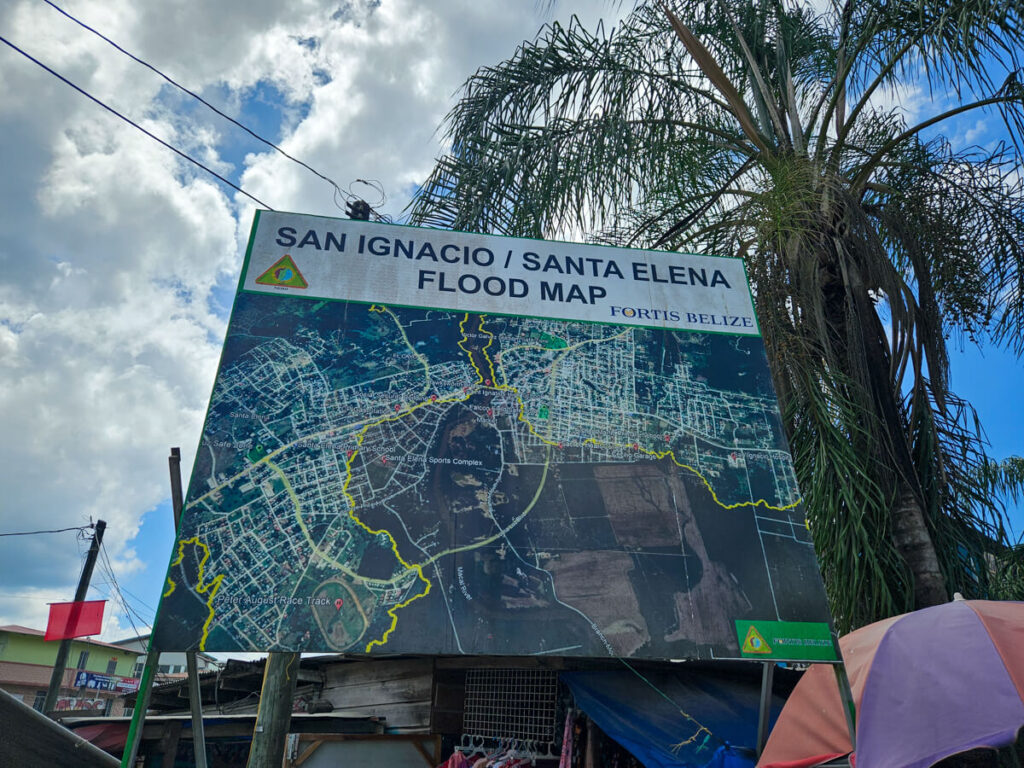
It’s located on the banks of the Macal River, directly across from the town of Santa Elena. The area is surrounded by rolling hills, fertile farmland, and thick jungle, making the town a handy gateway to both inland Belize and the Guatemalan border, just a short drive away.

San Ignacio Map
We’ve pinned the key highlights in and around San Ignacio on the map below.

Why visit San Ignacio?
San Ignacio offers a perfect balance of adventure, history, and authentic culture. It’s a hub for exploring Mayan ruins, as well as natural wonders like the ATM Cave and Mountain Pine Ridge Forest’s waterfalls. The town itself provides plenty to enjoy, from the bustling Saturday market to cosy cafés. Whether you’re after adrenaline activities or relaxing in nature, San Ignacio is a great spot to add to your Belize itinerary.
Location
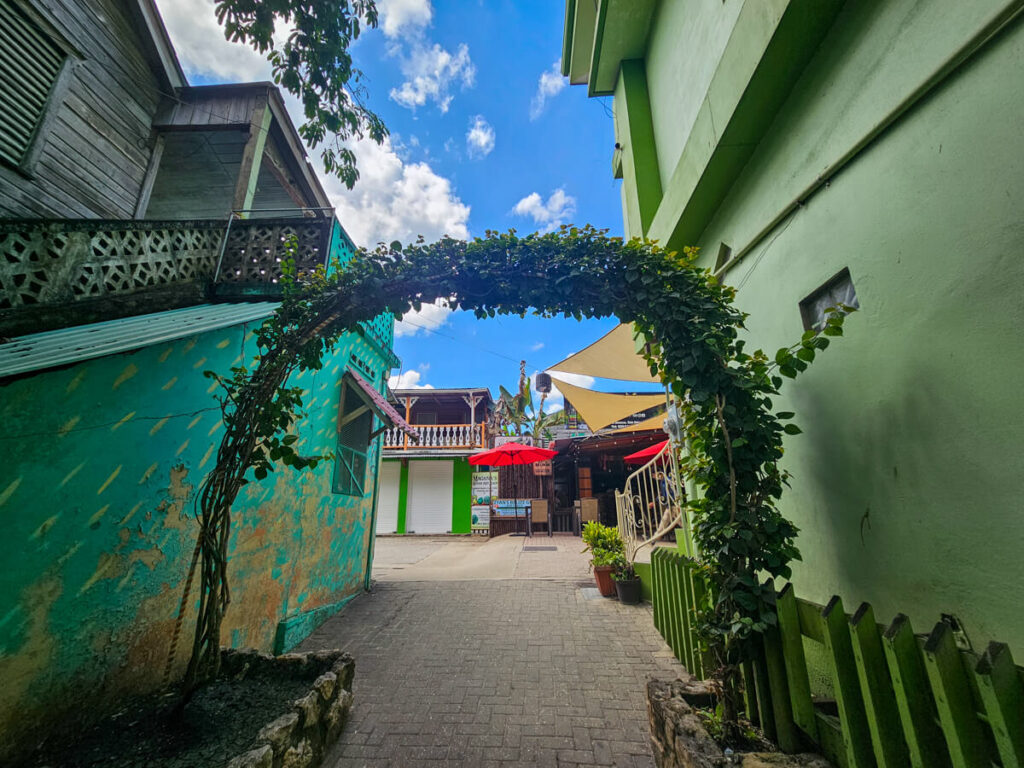
Situated in Belize’s western interior, San Ignacio is the regional capital of the Cayo District, surrounded by rainforest, farmland, and river valleys. The Macal River runs along its edge, providing both opportunities for canoeing and riverside walks. The nearby hills and pine forests offer a stark contrast to the coastal landscapes of the country’s east coast, with the only pine-dominated ecosystem in Belize.
The town itself is actually made up of two towns. San Ignacio is connected to its sister town, Santa Elena, by the Hawksworth Bridge, Belize’s only public suspension bridge.
The town’s proximity to the Guatemalan border, rainforest reserves, and outdoor adventures makes it a popular base for experiencing a range of Belize’s best activities.

Vibe
San Ignacio is a laidback town with a welcoming atmosphere. It’s a working town with a bustling feel. During the day, the market square fills with vendors selling produce, spices, and handmade crafts. At night, restaurants and bars hum with conversation and live music. Tourism has developed in the area, with a range of hostels and tour companies catering mainly to backpackers and budget travellers.
Landscapes
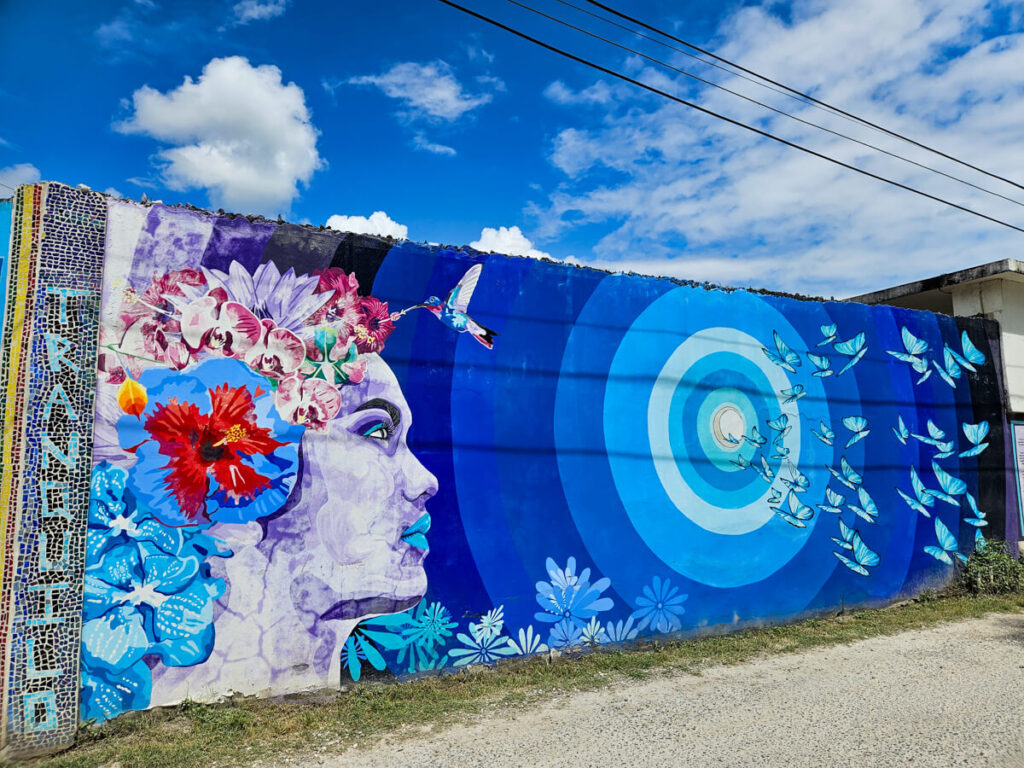
The area around San Ignacio is a patchwork of rainforest, rolling hills, farmland, and riverbanks. South of the town, you’ll find pine-covered ridges and limestone caves, especially in the sprawling Mountain Pine Ridge Forest Reserve, which features waterfalls, swimming holes, and forested highlands.
Connecting these environments, the scenic Hummingbird Highway winds through mountains and valleys to the east coast, passing natural gems like St. Herman’s Inland Blue Hole National Park, home to a turquoise sinkhole and cave system, and Nohoch Che’en Caves Branch Archaeological Reserve’s limestone karst formations and sinkholes. To the south, the expansive Chiquibul Forest National Park offers pristine jungle hikes.

Mayan ruins
San Ignacio is surrounded by ancient Mayan sites that draw visitors interested in history from all over the world. Cahal Pech sits right in town, offering a glimpse of a once-thriving hilltop city. Just a short drive away, Xunantunich is known for its ferry crossing, towering El Castillo pyramid, and sweeping views of Guatemala. Further afield, Caracol lies deep in the jungle and is one of Belize’s largest and most significant ruins. El Pilar, straddling the Belize-Guatemala border to the north, remains partially unexcavated, offering a more untouched experience.

Outdoor activities
The region offers endless opportunities for adventure. Visitors can go cave tubing, canoeing, hiking, ziplining, and even jungle pontooning. The ATM Cave is nearby – a world-famous archaeological site, where you wade and swim through caverns containing Mayan artefacts. Barton Creek Cave provides a gentler canoe experience through a limestone passage. While Mountain Pine Ridge Forest Reserve is home to waterfalls and swimming holes for a peaceful day out in nature.

Wildlife
The blend of tropical rainforest and savanna near San Ignacio means a wide variety of plant and animal life can be spotted, from monkeys to tapirs. The Green Iguana Conservation Project is a popular spot in town, educating visitors about these iconic reptiles and helping to protect them.
In the rivers, you might spot otters or freshwater turtles, while the nearby jungle attracts a variety of bird species, like toucans and parrots. At night, you might see nocturnal species, including kinkajous, armadillos, and other small critters like frogs.

Shopping
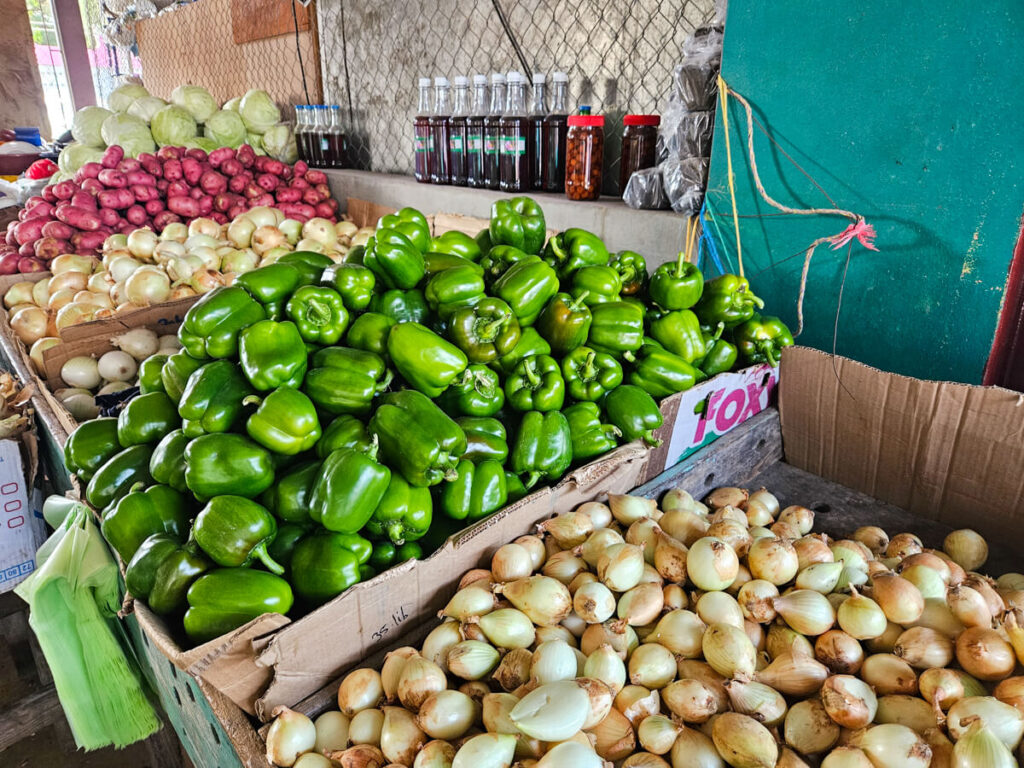
The market is the heart of shopping in San Ignacio, with stalls selling everything from fresh fruit to handmade crafts. It’s particularly popular on Saturdays, when local artisans sell wood carvings, textiles, and jewellery.
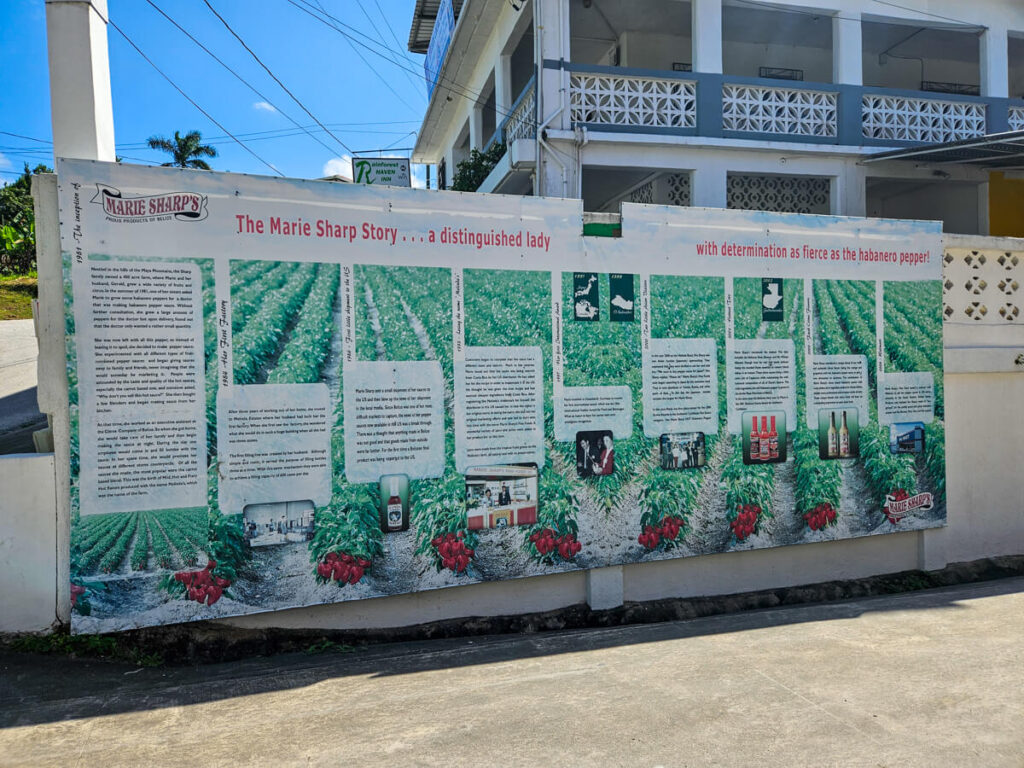
Burns Avenue is a great spot to look for unique souvenirs. A pedestrian street in the centre of town, it’s home to small boutiques selling handwoven textiles, intricately carved wooden bowls, Mayan-inspired pottery, and colourful hammocks. Many artisans work with natural materials sourced from the region, like invasive lionfish fins and spines, which are transformed into jewellery that supports reef conservation. Visitors can also browse locally grown spices, Belizean chocolate, and the iconic bottles of Marie Sharp’s hot sauce, beloved for its habanero heat and tropical flavour.

Food
San Ignacio’s food scene reflects its cultural diversity, with a range of street food stops and local restaurants. You can find Belizean staples like stewed chicken with rice and beans alongside tacos, curries, and Middle Eastern dishes. Street vendors serve fresh pupusas, salbutes, and tamales, while cafés often highlight farm-to-table menus using local produce. There are a few veggie/vegan spots, and it’s one of the top towns in Belize for an affordable meal.
Culture
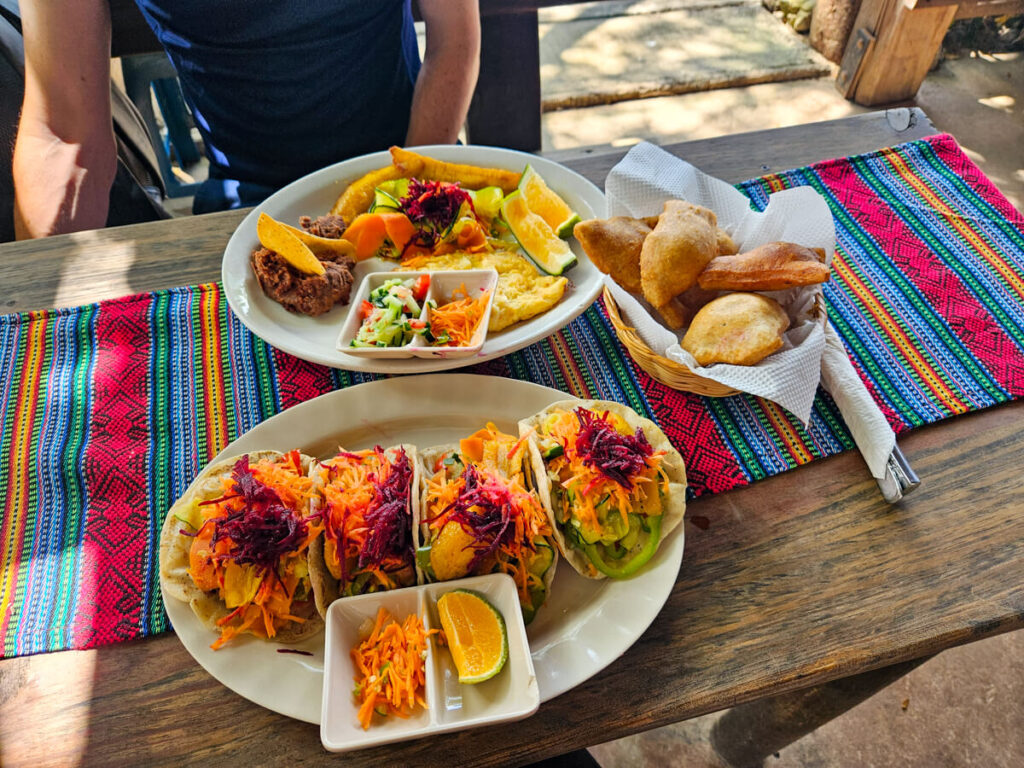
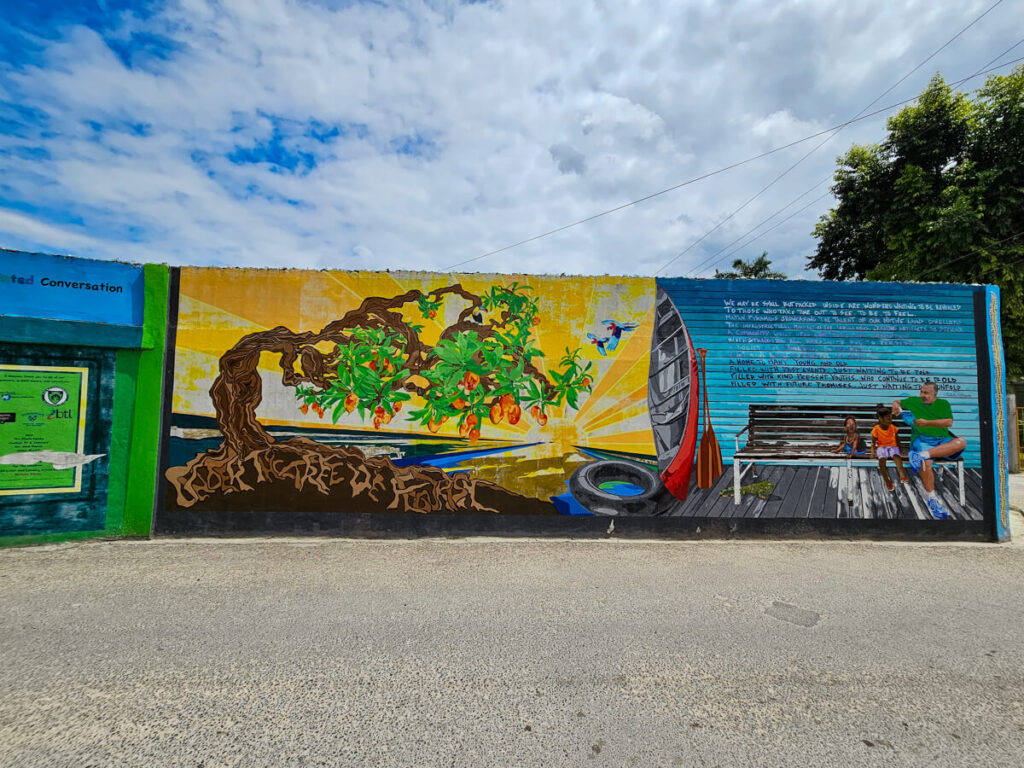
San Ignacio is multicultural, with Mestizo, Kriol, Maya, Chinese, Lebanese, and Mennonite communities living side by side. You’ll see colourful murals on every street corner, showcasing stories of Belizean history and identity. Public events often feature music, dance, and community gatherings, where tourists can gain an insight into local life.

Where to stay in San Ignacio
Accommodation in San Ignacio ranges from budget hostels to upscale jungle resorts. In-town stays offer easy access to restaurants, markets, and transport, with all major amenities within walking distance. Just outside town, jungle lodges provide a more immersive nature experience with more upscale facilities. Many places are family-run, adding a personal touch to your stay and ensuring your money goes to the local community. We’ve listed the best hostels and hotels in San Ignacio below.
Top San Ignacio Hostels & Hotels

San Ignacio is home to some of Belize’s best jungle escapes. Tucked into the rainforest a little ways out of town, these lodges offer a front-row seat to the region’s wildlife and natural beauty. Many lodges emphasise sustainability, using solar power, farm-to-table dining, and eco-friendly building materials to preserve the environment. Here are the best jungle lodges in San Ignacio:
San Ignacio Jungle Lodges

Camping in San Ignacio
Camping near San Ignacio allows you to immerse in nature while staying close to the town’s facilities. Mana Kai Camping & Cabins provides a peaceful riverside setting with spacious campsites and rustic cabins. The site includes amenities like clean showers, hammocks, and easy access to the Macal River for swimming or kayaking. San Miguel Campgrounds is another popular choice, offering a relaxed, family-friendly atmosphere surrounded by jungle in the Mountain Pine Ridge Forest Reserve, with shaded tent sites and basic facilities.

Where to eat in San Ignacio
From street food to fine dining, San Ignacio has a variety of restaurants on offer. Market stalls serve fresh tamales and fry jacks, cafés offer artisanal coffee and homemade pastries, and restaurants serve classic Belizean dishes.
If you prefer self-catering, San Ignacio Market is great for picking up tropical fruits and fresh vegetables. The town has several independent grocery stores and smaller neighbourhood shops, where you can buy pantry staples, dairy, and beverages. There are a couple of wine houses, too, perfect for enjoying a tasting or picking up a bottle to enjoy at home.
Best San Ignacio Restaurants
Here are our top picks of where to eat in San Ignacio:

How to get to San Ignacio
There are several ways to get to San Ignacio, including independently or via public transport, but you’ll likely arrive by road. We’ve detailed how to get here below.
By plane
There is no airport in San Ignacio besides a small local airport nearby called Maya Flats Airstrip, so most travellers fly into Philip S. W. Goldson International Airport (BZE) near Belize City. From there, it’s about a 1.5 to 2-hour drive to San Ignacio, depending on your mode of transport.

By car
The easiest and virtually only way to get to San Ignacio is by renting a car. There are several agencies in Belize City, including Crystal Auto Rental (the only agency that allows you to take the car to Guatemala), Belize Car Rental, and Car One Rental.
We’d highly recommend Dangriga Auto Rentals, a locally owned company and one of the few agencies that will let you take the car one-way, dropping off in San Ignacio for a small fee.
Getting to San Ignacio from Belize City is straightforward via the George Price Highway. Driving in Belize is pretty easy, with a handful of highways connecting major towns.
If you’re coming from the islands, you’ll first need to take the water taxi from Ambergris Caye or Caye Caulker. If you’re coming from further south along the coast, you can head north on the Southern Highway from Placencia or Hopkins to Dangriga, before joining the Hummingbird Highway.
Renting a car gives flexibility for exploring remote sites without needing to take tours. Roads are generally in good condition, though rural routes can be rough. There’s an ongoing project to pave the roads around San Ignacio, but many (including most of those in the Mountain Pine Forest Ridge Reserve) are still unsealed, incredibly bumpy, and prone to mud. A 4×4 is highly recommended if you’re planning on leaving the main highways.

By shuttle
Shuttle services operate between Belize City, the airport, and San Ignacio, offering a stress-free, door-to-door option. Most leave from Belize City.
San Ignacio shuttles are an especially useful option if you’re visiting San Ignacio from Guatemala. The trip costs around $20 USD / $40 BZD, and they’ll help you cross the border on the way.
You can do it yourself via colectivos (local minivans) from Flores to Melchor de Mencos on the Guatemalan side of the border, then crossing on foot before picking up a taxi or bus to San Ignacio. The journey costs around $5-8 USD (in Belize Dollars and Guatemalan Quetzals), which isn’t that much cheaper than a shuttle, so we spent the little extra to save time and hassle.

By bus
Public buses run regularly from Belize City and Belmopan to San Ignacio. They are the cheapest travel option, though they make frequent stops along the way, with some routes running a faster express service.
The trip from Belize City leaves the main bus terminal in Belize City and takes around 2.5 hours. Buses are headed for Benque Viejo del Carmen (the town on the Guatemalan border), and will stop at San Ignacio’s central terminal. These buses run every half hour or so, with fewer scheduled on Sundays. They cost less than $5 USD / $10 BZD for the ticket.
From Placencia or Hopkins, you’ll need to first take a bus north to Dangriga. From here, you can take a bus to Belmopan, where you can connect to the Benque Viejo del Carmen route.

How to get around San Ignacio
When planning a trip to Belize, it’s important to know how to get from A to B. There are a variety of ways to get around San Ignacio and the surrounding region, depending on your budget.
On foot
The compact layout of San Ignacio makes it easy to explore on foot. The market, restaurants, and many hotels are within a short walk. Even attractions like Cahal Pech and the Green Iguana Conservation Project are only a 15-minute walk from town.
By car
Renting a car is the best way to explore further afield, to remote sites like Caracol or Mountain Pine Ridge. Several agencies operate in town. Parking is usually easy, and traffic is light compared to big cities. A vehicle gives freedom to explore at your own pace.
If you don’t already have a rental car, you can pick one up in San Ignacio for around $65 USD + per day, inclusive of insurance. Matus Car Rental and Flames Auto Rental are two local, well-rated agencies.
By taxi
Local taxis are inexpensive for short distances. They don’t have metres, so fares should be agreed upon in advance. Shared taxi services between nearby towns can be cost-effective, but taxi journeys between towns can often be the most expensive transportation option.
By bus
Small buses and minibuses connect San Ignacio to nearby villages. They’re a cheap way to travel, but run less frequently in the evenings and don’t go to many nearby attractions. The bus is a good option for visiting the Belize Botanic Gardens or Xunantunich.
By tour
Many visitors to San Ignacio choose guided tours that include transportation. This is ideal for reaching hard-to-access sites like the ATM Cave. Many tours include multiple sites in one day, too, like combining Caracol with Rio Frio Caves or Rio on Pools in the Mountain Pine Ridge Forest Reserve. There are a variety of tour operators with offices in town, so you can simply pop in and book them, or you can look online on platforms like GetYourGuide and Viator.

When to visit San Ignacio
The best time to visit San Ignacio is the dry season from late November to May. This is the most popular time to visit Belize, with sunny days perfect for outdoor activities. The wet season from June to October sees fewer crowds and lower prices, making it popular with budget travellers. Rain showers often occur in the afternoon and may make areas like caves and nature reserves inaccessible.
San Ignacio weather
San Ignacio has a tropical climate with warm temperatures year-round. Temperatures typically range between 21°C and 32°C (70°F and 90°F), with humidity higher during the rainy months. Even in the wet season, mornings are often clear, allowing for outdoor activities.
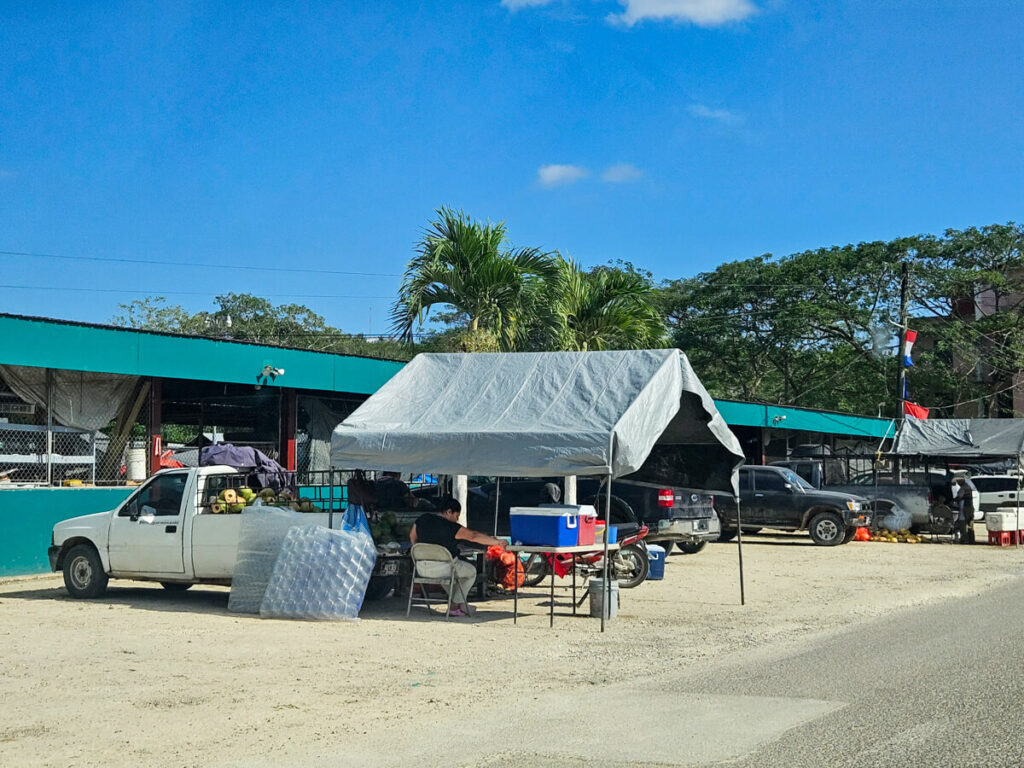
How long to spend in San Ignacio, Belize
For most, 3 to 5 days is an ideal amount of time to spend in San Ignacio. This allows time for exploring the town, visiting nearby ruins, and enjoying a couple of day trips into the jungle.
Travellers with more time can include cross-border trips to Guatemala or go further afield, exploring cave systems and taking part in adventure activities.
Those on a tight schedule can still see highlights in 2 days, but may feel a bit rushed and have to miss certain attractions.
Our experience in San Ignacio
We spent 5 nights in San Ignacio, using the town as a base to explore the three main Mayan ruins nearby, as well as outdoor adventures like caves, waterfalls, and hikes in the Mountain Pine Ridge Forest Reserve and beyond. The town is definitely catered towards backpackers, with a range of budget options from hostels to street food in the market, which provides a refreshing break from some of the other, more pricey parts of Belize.
While we did enjoy the town’s bustling feel, it didn’t really blow us away. The main appeal for us was using the town as a base to explore the outdoor activities, which were fairly similar to those we enjoyed on the Hummingbird Highway.
Having a rental car was absolutely necessary for us, as it allowed us to do a lot of activities without tours, so we could do more, go further, and save money.

Is San Ignacio worth visiting?
San Ignacio is worth visiting, especially if you’re looking for an authentic and adventurous experience beyond the typical Belize beach vacation. The town serves as a perfect base for exploring major archaeological sites and a range of outdoor attractions, from hiking in nature to adventure activities.
Honestly, you have to really love the outdoors and be willing to rent a car or take tours to enjoy a lot of what’s on offer in San Ignacio. The town itself is big and, while the centre is easily walkable, it’s not particularly interesting. Key areas nearby, like Mountain Pine Ridge Forest, aren’t straightforward to get to, requiring bumpy drives on unsealed roads, while top attractions like the ATM Cave or cave tubing require a day tour that’s not cheap.
San Ignacio is a really useful stop if you’re heading to or coming from Guatemala, and it’s affordable, with a range of budget options perfect for backpackers. It’s also definitely worth it if you’re interested in history, with a wealth of Mayan sites from 5 minutes to 3 hours’ drive away.
We’d definitely recommend visiting inland Belize, especially for a comparison to the coastal areas and islands, as the country’s so diverse, and it’s incredible to get a taste of all it has to offer. But you could easily get your fill of rainforest hikes, caves, and wildlife along the Hummingbird Highway, too.
Is San Ignacio safe?
San Ignacio is generally considered safe for travellers, with most visitors reporting positive experiences and few issues. The town has a low rate of serious crime against tourists, though petty theft can occasionally occur, so it’s best to keep valuables secure and avoid leaving belongings unattended.
San Ignacio is the main base for exploring Belize’s most famous caves, which are safe when done with licensed guides, who are required for most cave tours. Because the terrain is rugged, accidents can happen if instructions aren’t followed, so listening to your guide and wearing the right footwear is essential.
Swimming in rivers, cenotes, and waterfalls near San Ignacio is generally safe, but it’s always best to check currents and only swim in designated areas. Some sites, like waterfalls, have slippery rocks or uneven terrain, so water shoes can be helpful. As with many natural spots in Belize, avoid swimming alone, especially in remote places.
If you’re renting a car, be prepared for roads outside of San Ignacio to be unsealed, especially those leading to ruins like Caracol, which can become muddy and difficult after rain. A 4×4 vehicle is strongly recommended for the Mountain Pine Ridge Forest Reserve, and extra caution is needed on narrow or slippery tracks.
San Ignacio is surrounded by dense jungle and remote archaeological sites, which can be both thrilling and challenging to explore. When venturing into these areas, it’s best to carry enough water and snacks, let someone know your plans, and go with a guide if in doubt.
Is it safe to walk around San Ignacio, Belize?
San Ignacio is safe to walk around, especially during daylight hours. The central areas are busy and friendly, and you should have no problems. But, as you would anywhere, it’s best to practice safety precautions like sticking to well-lit streets at night and taking a taxi if going longer distances.
Is San Ignacio cheap?
Compared to coastal destinations and the islands, San Ignacio is quite affordable. Meals can cost just a few dollars if you eat street food, and there are plenty of local restaurants with lower prices than international chains. A wide range of hostels offer dorm beds for under $15 USD. Tours can be the biggest expense, but are worth splurging if there’s something you really want to do, and most operators price their tours pretty fairly.
What to pack for San Ignacio
To ensure an enjoyable experience in San Ignacio, it’s important to pack the right things. Don’t forget to pack your:

Sustainability in San Ignacio
San Ignacio has become a hub for eco-conscious travel in Belize, with many lodges, tour companies, and local businesses actively promoting sustainable travel practices.
Eco-lodges in the Belizean jungle often use solar power, rainwater collection, and on-site composting to reduce their environmental impact. Several farms and restaurants focus on farm-to-table dining, sourcing ingredients locally to support the community and cut down on transportation emissions.
Tour operators, especially those running trips to sensitive sites like the ATM Cave and Caracol, follow strict guidelines to protect archaeological remains, wildlife, and waterways. Some also participate in conservation programs for endangered species and reforestation projects in nearby reserves like the Tapir Mountain Nature Reserve.
Choosing tours that respect nature, supporting locally owned businesses, and being mindful of waste and water use are small ways you can make conscious choices to help ensure that Belize’s rainforests, rivers, and cultural heritage remain intact for future generations to enjoy.

San Ignacio, Belize, FAQs
To help you plan a smooth and enjoyable trip to San Ignacio, we’ve answered these frequently asked questions.
How do I get from Belize City to San Ignacio?
The easiest way to get to San Ignacio from Belize City is by car or shuttle along the George Price Highway, which takes about 2 hours. Public buses also run regularly from Belize City to San Ignacio, costing just a few Belize dollars, though they’re slower and less comfortable. Many hotels and tour companies offer private transfers as well.
Can you drink the tap water in San Ignacio?
While the tap water is treated in Belize, most visitors stick to bottled or filtered water to avoid potential stomach issues. Many hotels and restaurants provide safe drinking water for guests.
Is San Ignacio or Placencia or Hopkins better?
Choosing between San Ignacio and Placencia or Hopkins depends on your interests. San Ignacio is the best base for jungle adventures, Mayan ruins, and caves. Placencia offers a laidback beach vibe with great access to snorkelling and diving, while Hopkins is known for its Garífuna culture and quieter coastal charm. Many travellers combine San Ignacio with a coastal destination for variety.
Is San Ignacio or the islands better?
San Ignacio is ideal for inland activities like caving, jungle hiking, and visiting Mayan ruins, while the islands like Ambergris Caye or Caye Caulker are perfect for reef activities, sailing, and beaches. They’re very different experiences, so the better choice depends on whether you want land-based or ocean-based adventures.
How many people live in San Ignacio, Belize?
San Ignacio and its twin town, Santa Elena, have a combined population of roughly 20,000-22,000 people.
What language do they speak in San Ignacio, Belize?
English is the official language, but Spanish is widely spoken. You’ll also hear Creole, and occasionally Mayan and other languages, due to the area’s cultural diversity.

Read next:
21 Incredible Things to Do in San Ignacio
The ATM Cave: Belize’s Best Caving Adventure
Visiting Cahal Pech Mayan Ruins in San Ignacio
How to Visit Xunantunich Mayan Ruins
Is it worth visiting Caracol Mayan Ruins?
Exploring the Mountain Pine Ridge Forest Reserve
Our Belize Destination Guides:
Our Belize Travel Guides:
