16 Best Nature Reserves, Natural Protected Areas, and National Parks in Belize

Discover the best nature escapes in Belize, from the reef to the rainforest, in this list of pristine protected areas.
This post may contain affiliate links, which means we might earn a small commission on anything purchased through these links at no extra cost to you. Learn more on our disclaimer page.
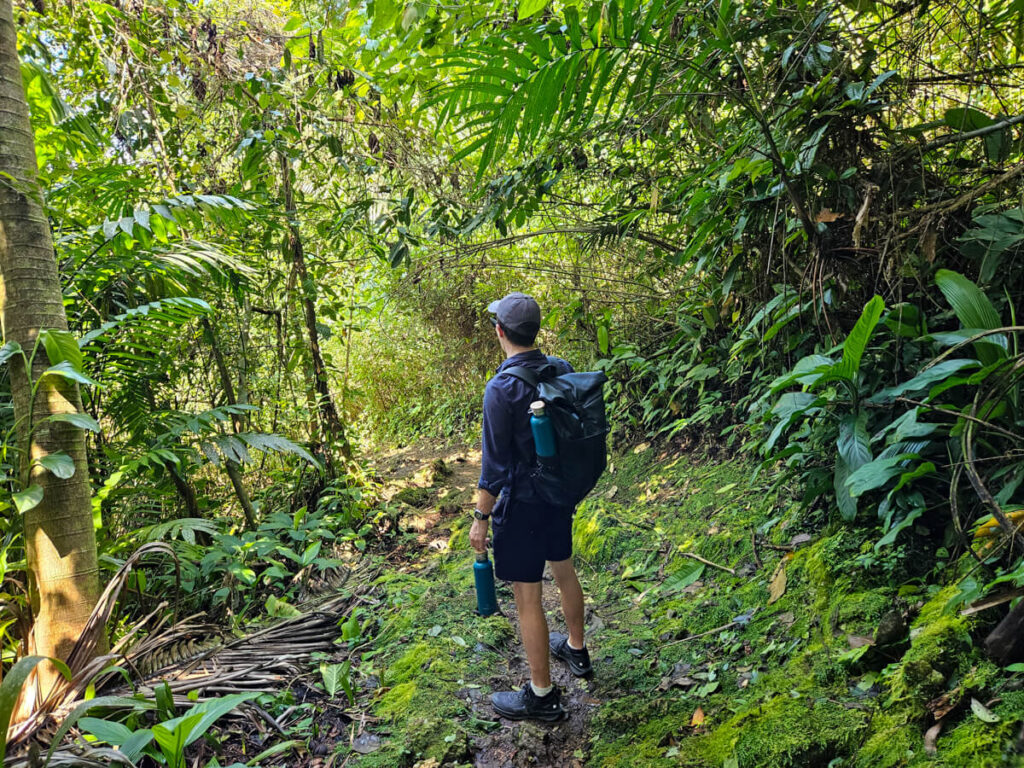
With over 100 protected areas, from lush rainforests and mountain ranges to coastal mangroves and the world’s second-largest barrier reef, it’s safe to say there are plenty of beautiful places in Belize for nature lovers. We feel most at home in nature and love a day spent hiking in a national park, spotting wildlife, and enjoying the peace and quiet. But we’re also serious water babies, and will spend most of our days off snorkelling or diving whenever we can.
Belize is a country defined by its natural beauty, and much of it is protected through a vast network of reserves, parks, and conservation areas. While you might be thinking national parks mean pristine rainforests and steamy jungles, you might be surprised to know that much of the coast and offshore cayes (islands) also fall into the category of protected areas in Belize.
Whether you’re hiking through jaguar territory, exploring ancient Mayan sites, or snorkelling in marine reserves, Belize’s natural areas offer endless adventures. In this guide, we’ll take you through the best nature reserves, national parks, and protected areas – both on land and at sea – to add to your Belize itinerary.

More from Belize
Protected Areas in Belize
There are so many protected areas in Belize, each with different names and terminology. It can be a little confusing to understand the difference, so we’ve defined each term below:
Belize’s National Parks System Act (1981, revised) and the Forest Act, as well as the Fisheries Act and the Ancient Monuments and Antiquities Act, set the categories like National Park, Natural Monument, Nature Reserve, Wildlife Sanctuary, Forest Reserve, Marine Reserve, and Archaeological Reserve, and define their purposes and level of protection.

Top 10 national parks in Belize
Don’t have time to read the whole list? Here are the top 10 protected areas and national parks in Belize.
- Cockscomb Basin Wildlife Sanctuary*
- St. Herman’s Blue Hole National Park
- Mountain Pine Ridge Forest Reserve*
- Billy Barquedier National Park
- Mayflower Bocawina National Park
- Blue Hole & Half Moon Caye Natural Monuments*
- Hol Chan Marine Reserve
- South Water Caye Marine Reserve
- Gladden Spit and Silk Cayes
- Laughing Bird Caye National Park
*Not technically national parks, but they deserve a place on this list of beautiful protected areas in Belize.

Belize Protected Areas Map
We’ve pinned the top protected areas, marine reserves, and national parks in Belize on the interactive map below.
Inland national parks and nature reserves
When planning a trip to Belize, it can be hard to choose where to go. Let’s start with the best protected areas, reserves, and national parks in Belize. These are areas of stunning natural beauty, offering thrilling outdoor activities, from hiking in the jungle and swimming under waterfalls to cave tubing and spelunking. Most you can drive to and explore yourself, but some require a Belize national park tour with a licensed guide.

1. Cockscomb Basin Wildlife Sanctuary
The Cockscomb Basin Wildlife Sanctuary is one of Belize’s most famous protected areas. It’s the world’s first jaguar preserve, covering over 128,000 acres of pristine rainforest and is home not only to jaguars but also to pumas, ocelots, tapirs, monkeys, and hundreds of bird species. While jaguars are elusive and sightings are incredibly rare, we got so lucky and saw one wander across the road as we were exiting the reserve!
Cockscomb Basin Wildlife Sanctuary was first established in 1984 on a small scale before being expanded to protect a much larger area of rainforest. You can actually stay in the park, in cabins or camping, which is perfect for if you’re into hiking. As well as hikes, you can also enjoy river tubing.
Located in southern Belize’s Stann Creek District, the sanctuary sits within the foothills of the Maya Mountains, surrounded by steep ridges on three sides. You can drive to it, but you’ll need a 4×4 for the rough 6-mile (9.5 km) access road. Alternatively, you can book onto a Cockscomb Basin tour from Placencia or Hopkins.

Hiking in Cockscomb Basin Wildlife Sanctuary
The sanctuary is wild and teeming with biodiversity, making it a paradise for nature lovers. It has an extensive network of trails, ranging from short and easy walks to challenging, multi-day treks. In the rainforest, you’ll find rivers, waterfalls, and natural swimming holes. A few trails can only be experienced as part of a guided hike or with a permit, but handy signs at each trailhead and on the map show which ones.
The Plane Wreck Trail (unguided) and the Tiger Fern Trail (guided) are two of the most popular trails in the park – the former being a short walk to a plane wreck and the latter leading to two waterfalls with natural swimming pools.
The Victoria Peak Path (permit and guide required) is the trail for serious trekkers, spanning 17 miles (27 km), making it a long hike over multiple days. It navigates to Mount Victoria Natural Monument, the second-highest mountain in Belize.

2. St. Herman’s Blue Hole National Park
St. Herman’s Blue Hole National Park is a small yet fascinating stop along Belize’s most scenic drive, the Hummingbird Highway. Its main attractions include St. Herman‘s Cave and the Inland Blue Hole (not to be confused with the Great Blue Hole).
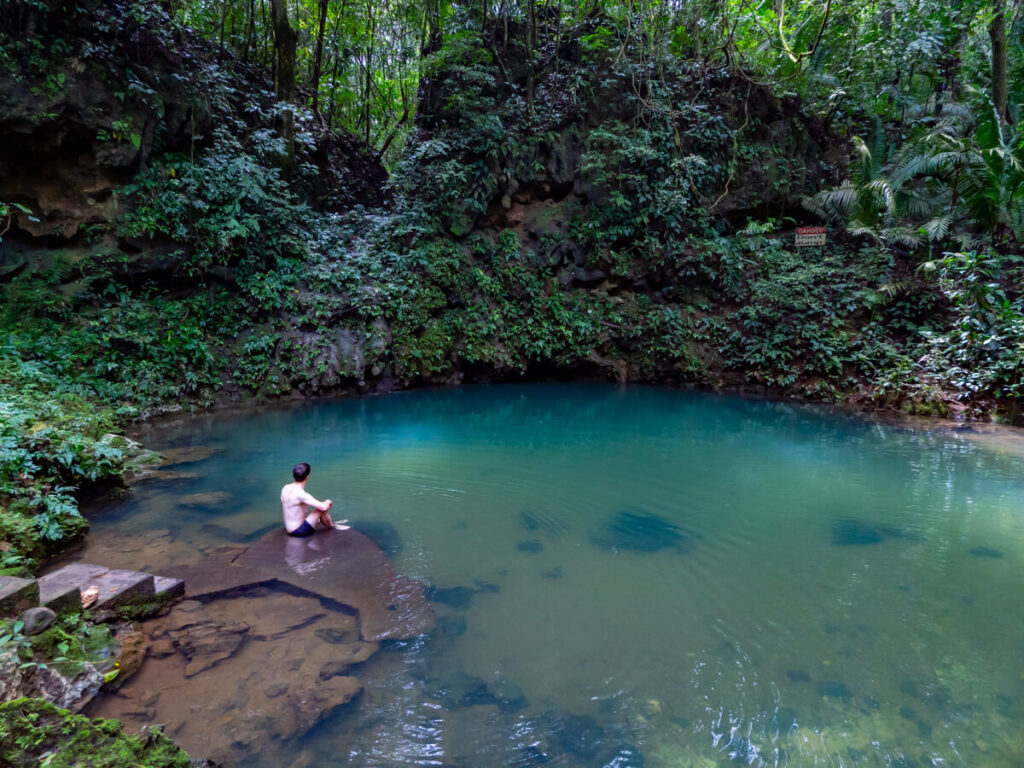
The park is best known for its inland turquoise-blue sinkhole (like Mexico’s cenotes), where visitors can swim in cool, spring-fed waters surrounded by limestone walls. It also protects caves, karst hills, and tropical forests, offering hiking trails, cave tubing, and birdwatching. St. Herman‘s Cave is a cavernous underground system known for its gaping 37 metre (120 ft) wide mouth. The cave is unique as it’s one of the few caves in Belize that you’re allowed to explore without a guide. While the Crystal Cave, also known as ‘Mountain Cow Cave‘, is one of Belize’s most impressive and challenging underground adventures, similar to the famous ATM Cave.
St. Herman’s Blue Hole National Park’s central location makes it easy to include in itineraries that cover both western Belize and the coastal regions. It’s only an hour’s drive to both Dangriga on the coast and San Ignacio, the gateway to more outdoor activities near the Guatemalan border.
Hiking in St. Herman’s Blue Hole National Park
St. Herman’s Blue Hole National Park has a network of over 4 miles (6.4 km) hiking trails that connect its main attractions. The Inland Blue Hole Trail connects the parking lot to the sinkhole, taking about 5 minutes through the rainforest and down concrete steps.
The Dusky Antbird Trail connects the Blue Hole and St. Herman’s Cave, but you can drive between them, too, as there are parking lots at each site.
From the visitors’ centre, there are two 10-15 minute trails to the St. Herman’s Cave, the Lowland Trail and Highland Trail. You can also follow the Jungle and Crystal Cave Trails to the Crystal Cave on a guided tour.

3. Mountain Pine Ridge Forest Reserve
The Mountain Pine Ridge Forest Reserve feels like another world compared to Belize’s lowland jungles. Instead of steamy jungle, here you’ll find pristine pine forest surrounded by granite outcrops, rushing rivers, and cascading waterfalls.
Cooler air makes it a refreshing escape from the inland heat, and the pine savannas and rainforest valleys are a stark contrast to Belize’s paradise islands. There are several main attractions in the park, including:
The Mountain Pine Ridge Forest Reserve is considered one of the best things to do near San Ignacio. It’s an easy 1 to 2-hour drive from San Ignacio, depending on the attraction you’re visiting. But, as some of the roads get pretty muddy, a 4×4 is recommended.
If you don’t have a car, you can join a Mountain Pine Ridge Forest Reserve tour, which often visits two of the main attractions, as well as sites like Xunantunich.

Hiking in Mountain Pine Ridge Forest Reserve
Several hiking trails wind through Mountain Pine Ridge Forest Reserve, leading to waterfalls, caves, and scenic viewpoints. Short hikes include paths to Rio On Pools and Big Rock Falls.
Longer trails take visitors through pine forests and river valleys, with opportunities for birdwatching and wildlife viewing. Some trails have not been very well maintained and may require a bit of scrambling. Many are overgrown, like the Rio Frio Nature Trail, a loop which connects Rio Frio Cave to the access road. Hiking conditions vary depending on rainfall, so research is important and sturdy shoes are essential.

4. Chiquibul National Park
Chiquibul National Park is Belize’s largest protected area, sprawling across 264,000 acres of pristine wilderness. It encompasses tropical broadleaf forest, rivers, caves, and important archaeological sites.
The park is incredibly remote, bordering Guatemala, and supports rare wildlife such as scarlet macaws, jaguars, and tapirs. It is also home to Caracol Mayan ruins, Belize’s largest Mayan site, hidden deep in the jungle.
Because of its size and isolation, Chiquibul feels like a true frontier destination for intrepid travellers. Off-the-beaten-path expeditions venture into caves like Chiquibul Cave System, one of the largest in the Western Hemisphere.
Chiquibul National Park is best visited from San Ignacio or by staying in one of Belize’s jungle lodges in the Mountain Pine Ridge Forest nearby.

Hiking in Chiquibul National Park
The easiest and most interesting trails around Caracol combine history and nature, leading through dense jungle to ancient plazas and towering temples. We’d recommend taking a Caracol tour to really understand what you’re looking at, as a local guide will provide expert commentary.
Hiking in Chiquibul is a serious adventure, often requiring guides due to the remoteness and scale of the park. If you’re interested in visiting, we’d recommend contacting MayaWalk Tours, as a permit will need to be arranged.

5. Guanacaste National Park
Just outside Belmopan, the capital city of Belize, Guanacaste National Park is a small but lush protected area named for a massive Guanacaste tree that once stood near its entrance.
Though it’s small at only 50 acres, the park packs a lot of biodiversity, with tropical hardwood forest and rivers running through it. Wildlife here includes armadillos, agoutis, and dozens of bird species.
Being located just off the George Price Highway, Guanacaste National Park is easy to reach by renting a car and driving in Belize.

Hiking in Guanacaste National Park
The park’s well-maintained trails form two loops, making for gentle and family-friendly hikes. The short Guanacaste Trail winds along Roaring Creek, while the longer Living Cycle Trail passes the Belize River, both traversing through shady forest. Elevated viewing points allow you to appreciate the canopy and riverside scenery, while adventurous souls can swim in natural swimming spots.
Trails are clearly marked and take less than an hour to walk, perfect for a quick stop off on your way to or from San Ignacio, Belize City, or Dangriga.

6. Billy Barquedier National Park
Nestled on the Hummingbird Highway, just a half-hour drive from Dangriga, hiking in Billy Barquedier is one of the best things to do in Belize. Established in 2001, the park covers around 1,500 acres of tropical broadleaf forest and is managed by a local community-based organisation.
The park is best known for its crystal-clear waterfalls and rivers, which provide drinking water for nearby villages. It’s also home to Belizean wildlife, and you might spot howler monkeys, ocelots, and some of over 100 bird species. Despite its relatively small size compared to other reserves, it’s a peaceful and less-visited stop that showcases Belize’s biodiversity and is worth stopping at for a few hours.
You can park your car in the area just off the main road (compact dirt and gravel), and there’s a large sign on the bend in the road that indicates the entrance (it’s easy to miss if you’re not going slowly).

Hiking in Billy Barquedier National Park
There are two main hiking trails within the 1,600-hectare rainforest reserve. The main trail (a 15-minute walk one-way) leads to a scenic waterfall and natural swimming pool, making it a refreshing stop on a hot day. Along the way, you’ll walk past giant trees, listen to the calls of howler monkeys, and spot colourful birds if you’re lucky.
The steeper Jaguar Trail (45 minutes one-way) leads to an observation tower, providing panoramic views over the Maya Mountains. It’s a more challenging route, so wear sturdy footwear, but it’s worth it for the epic views.

7. Mayflower Bocawina National Park
Mayflower Bocawina National Park is a 7,000-acre protected area in Belize that serves as a sanctuary for diverse ecosystems, wildlife, and ancient Mayan ruins. Established in 2001, it is listed as Category 2 on the IUCN list, meaning it is managed as a national park for both ecosystem conservation and recreation.
Visitors can enjoy hiking or opt for more thrilling adventure activities, like ziplining and waterfall rappelling. Over 200 species of birds have been recorded here, making it one of the top things to do near Hopkins for wildlife lovers.
Mayflower Bocawina National Park lies near the Garífuna coastal town of Hopkins, a short journey from the Hummingbird Highway, Dangriga, and Placencia.

Hiking in Mayflower Bocawina National Park
Hikes in Mayflower Bocawina National Park lead to waterfalls, including Bocawina Falls, Three Sisters Falls, Antelope Falls, Peck Falls, and Big Drop Falls. The trails vary in difficulty, from short, easy walks to steep climbs with rewarding views of the Maya Mountains and Caribbean coast. Along the way, you’ll pass through dense rainforest filled with orchids, bromeliads, and potentially wildlife.
You can also explore the Mayflower Plaza and the Tau Witz, one of Belize’s most unique Mayan ruins. These sites date back to the Late Classic period (around 600–900 CE) and include plazas, temple mounds, and partially excavated structures that hint at the scale of ancient settlement in the area. While they are not as fully restored as sites like San Ignacio’s Cahal Pech, their jungle setting makes them atmospheric to explore.

8. Five Blues Lake National Park
Five Blues Lake National Park is named after its freshwater lake, which shimmers in shades of turquoise and blue depending on light and depth. It gets its name from its brilliant blue hues, which appear in multiple shades due to the lake’s rich mineral content.
Located in central Belize, this national park is located just off the Hummingbird Highway and is a mix of broadleaf forest, limestone hills, and aquatic habitats. The lake itself is surrounded by lush vegetation, making it a tranquil spot for picnics, birding, and kayaking. The park also protects a variety of wildlife, from toucans to howler monkeys, which you might spot in the canopy.

Hiking in Five Blues Lake National Park
Trails in Five Blues Lake National Park circle the lake and venture into the surrounding forest, offering chances to spot wildlife and enjoy scenic viewpoints. The trails haven’t been maintained very well, and the visitor centre is often unmanned.
It’s said the lakes disappear in the dry season, but rain in the wet season can make the access road rough and muddy. Though less visited than other parks, it’s still possible to visit on a guided tour. Belizean-owned tour operator Wildland Belize Adventures runs tours to the park, offering cave tubing, kayaking, and birding excursions.

Marine protected areas
In this section, we’ve listed the best marine reserves and natural protected areas along the beautiful Belize Barrier Reef. These are areas that offer the best SCUBA diving in Belize, with areas teeming with unique topography and diverse marine life. You’ll also find many of Belize’s best islands in these zones, offering sandy shores, remote resorts, and a classic island experience.

9. Blue Hole Natural Monument
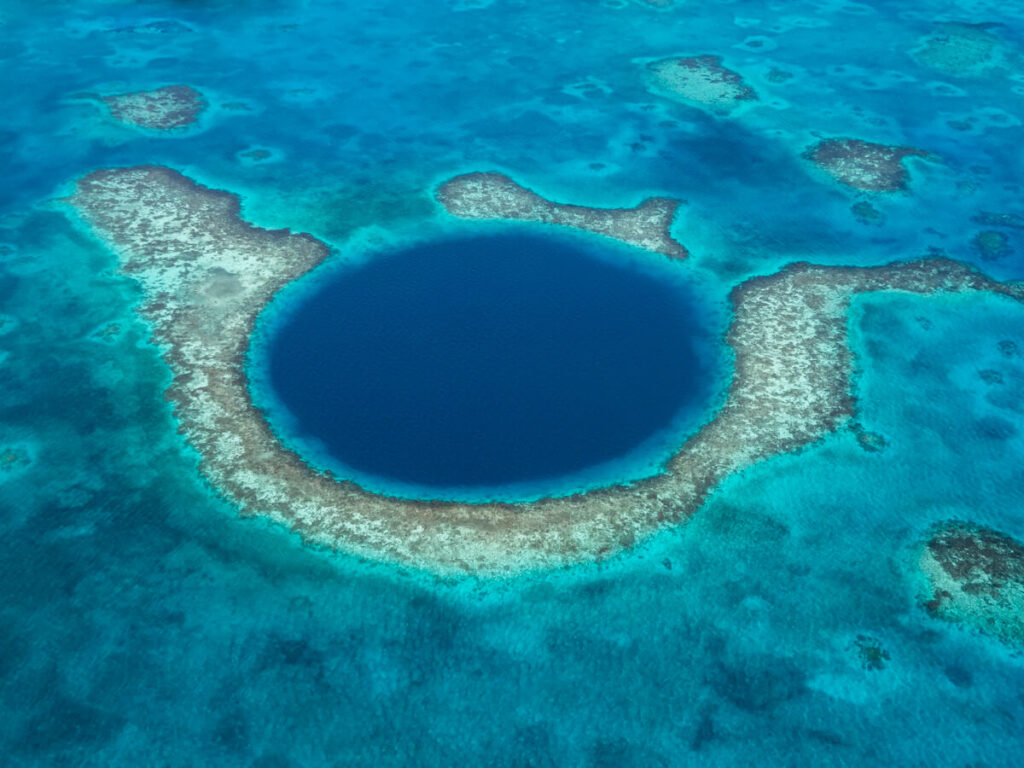
The Blue Hole Natural Monument, also called the Great Blue Hole, is one of Belize’s most iconic sights. A near-perfect circular sinkhole over 300 metres (1000 ft) wide and 124 metres (400 ft) deep, this incredible landmark was made famous by Jacques Cousteau in the 1970s, when he called it “one of the top 10 dive sites in the world”.
Located offshore in the Lighthouse Reef Atoll, the hole was formed during the last Ice Age when rising sea levels flooded a vast limestone cave system. Today, its sheer walls and underwater stalactites can be explored by advanced-level SCUBA divers.
Alternatively, you can take a scenic flight over the Blue Hole. There are two main companies that run these flights in small passenger planes from San Pedro, Caye Caulker, and Belize City: Tropic Air and Maya Island Air. Astrum Helicopters also offers private Blue Hole flights from Placencia, Belize City, and San Pedro.
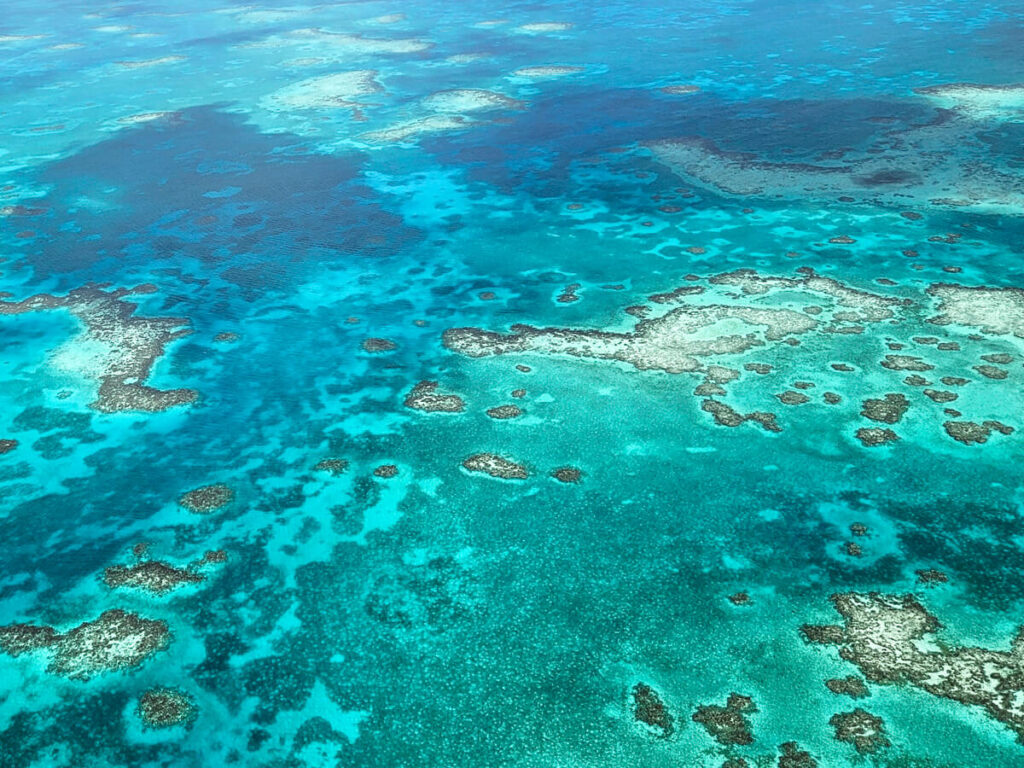
While it’s not a national park, the Great Blue Hole lies in the 180-mile (290 km) long Belize Barrier Reef. A UNESCO World Heritage site, it is part of the Mesoamerican Barrier Reef System, which extends 625 miles (1000 km), all the way from Mexico to Honduras – the second-largest barrier reef in the world, after Australia’s Great Barrier Reef.

10. Half Moon Caye Natural Monument
Half Moon Caye was the first protected area in Belize, designated in 1982, and is part of the Belize Barrier Reef UNESCO World Heritage Site.
The island is home to the country’s only nesting colony of red-footed boobies, which you can observe from a viewing platform in the littoral forest. Its pristine beaches and crystal-clear waters make it an excellent stop for snorkelling in Belize, with coral gardens teeming with fish right offshore. The island also supports nesting sea turtles and iguanas, making it a haven for wildlife lovers.
For day-trippers, it’s a long journey and is usually included as a more biodiverse dive site on Blue Hole SCUBA diving tours. If you’d like to stay in the area, you can camp on the island for a quintessential Belizean tropical island experience.
11. Hol Chan Marine Reserve
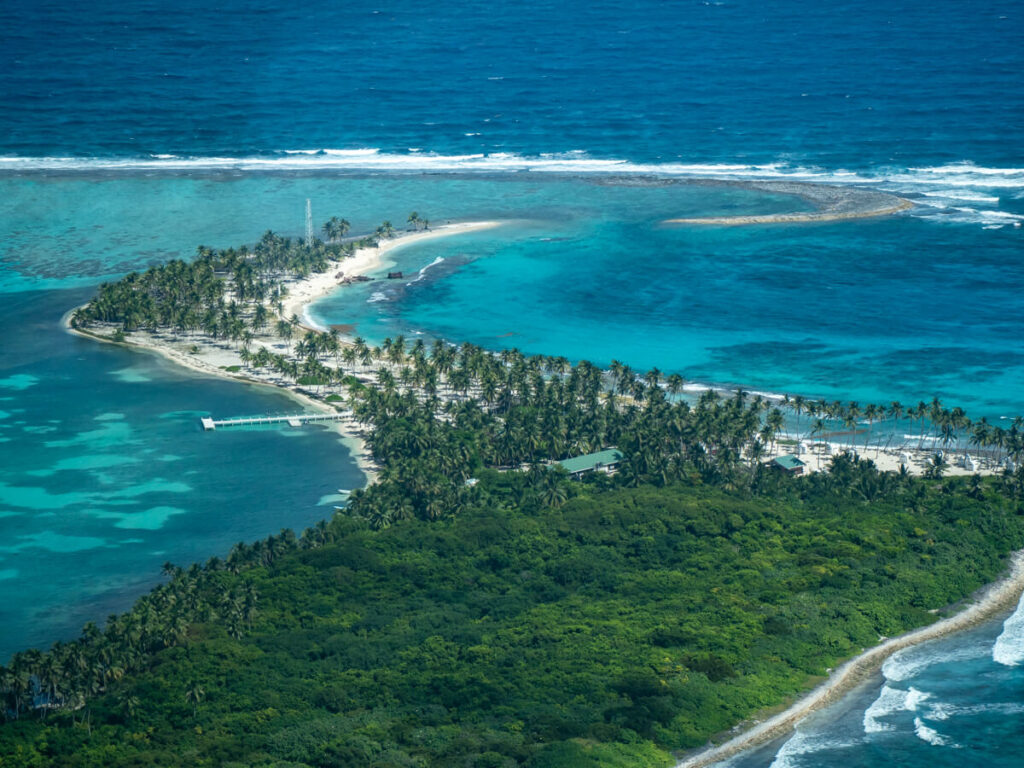
Hol Chan, meaning ‘little channel’ in Mayan, is one of Belize’s most popular marine reserves, accessible from both Ambergris Caye and Caye Caulker. Established in 1987, it is an area of around 18 km² (4,448 acres) renowned for its biodiversity, snorkel sites, and coral reef systems.
Shark Ray Alley in Hol Chan Marine Reserve is the most popular of its 8 zones, known for its abundance of gentle nurse sharks and giant southern stingrays. Snorkellers and divers can also swim alongside turtles, reef fish, and occasionally even manatees.
Unfortunately, there are some operators who feed the animals for close encounters, which can cause stress and behavioural changes. For ethical tours, we recommend Salt Life Eco Tours’ 7-Stop Snorkelling Tour from Caye Caulker, or Ecologic Divers from San Pedro.
12. Caye Caulker Marine Reserve
Just south of Hol Chan lies the Caye Caulker Marine Reserve, a protected area that showcases the vibrant ecosystem of the Belize Barrier Reef. It is divided into three zones, protecting patch reefs, seagrass beds, and mangroves that provide habitat for countless marine species.
Snorkelling in Caye Caulker often includes visiting multiple locations, seeing animals like eagle rays, nurse sharks, and colourful reef fish, exploring shipwrecks, and even the opportunity to swim with Belize’s manatees.
The island itself is made up of two parts, with a channel and a popular hangout spot called the Split separating the two halves. It’s known for its ‘Go Slow’ motto, sandy streets with no cars, local restaurants, and colourful cabanas.

13. South Water Caye Marine Reserve
South Water Caye is Belize’s largest marine reserve and a core part of the UNESCO World Heritage Site. The reserve protects a wide range of habitats, from mangroves and seagrass beds to reef slopes and sandy cayes. The island of the same name is home to one of Belize’s best beaches, Pelican Beach and crystal-clear water.
Snorkelling and diving here reveal pristine coral formations and abundant marine life, with many spots accessible from the shores of the islands. Tobacco Caye is a popular base for visiting this protected area. A teeny tiny island roughly the size of two football fields, it’s home to colourful (and affordable) overwater bungalows, stunning sunsets, and an important research and education centre.
You can arrange transfers to the island from Dangriga, or join Ragga Sailing Adventure’s trip from Caye Caulker, which stops here for one night.

14. Gladden Spit and Silk Cayes Marine Reserve
Gladden Spit and Silk Cayes Marine Reserve is famous for one of the most extraordinary wildlife encounters in Belize: swimming with whale sharks. Between March and June, these gentle giants used to gather here to feed on fish spawn, offering divers a chance to see the world’s largest fish up close. Unfortunately, due to unknown reasons (but likely human interference elsewhere and climate change), they’ve all but disappeared.
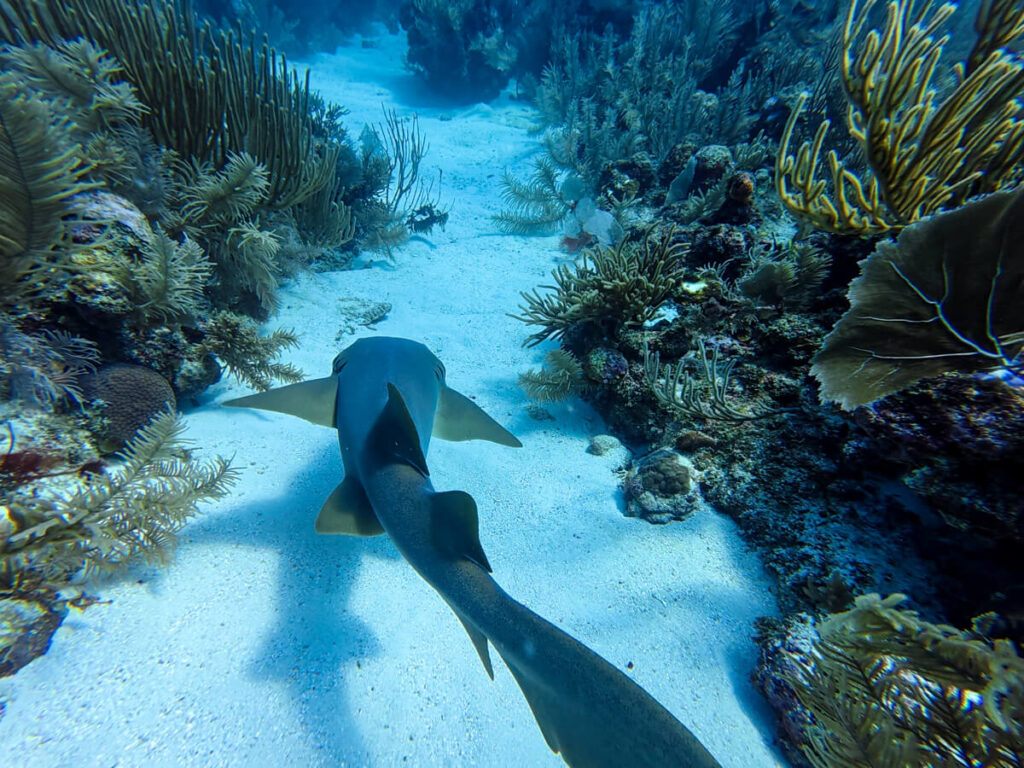
However, this unique marine reserve is still worth visiting. The area protects the picturesque Silk Cayes, tiny sandy islets surrounded by colourful reefs. Snorkelling and SCUBA diving here is one of the top things to do in Placencia. We encountered stingrays, turtles, and even spent an entire 45-minute+ dive with a shiver of gentle nurse sharks (yes, a group of sharks is a shiver – how cute!).
Whether you come for the wildlife of tropical islands, this is one of the best-protected areas in Belize, allowing visitors to experience the underwater world from the mainland coast off the Placencia Peninsula.

15. Laughing Bird Caye National Park
Named after the once-abundant laughing gulls that nested here, Laughing Bird Caye is a tiny island located about 11 miles (18 km) off Placencia. It sits on a long, narrow reef known as a faro, which creates a unique and diverse marine ecosystem.
Snorkellers can explore shallow coral gardens filled with angelfish, butterflyfish, and other tropical species, spending some downtime on the sandy shores of the island. The island itself is one of Belize’s protected national parks, limiting visitor numbers to help conserve its fragile environment. It’s best visited on a day trip with a local company like Splash Dive Center.

16. Turneffe Atoll Marine Reserve
Turneffe Atoll is the largest atoll in Belize, stretching over 502 square miles (1,300 square km) of mangroves, seagrass beds, and coral reefs. Declared a marine reserve in 2012, it is home to more than 500 fish species and a wide range of corals, making it a diver’s paradise. The atoll is also a crucial nursery ground for reef fish, lobster, and conch.
Due to its remote nature, it’s much quieter than diving off the Northern and Southern Cayes. Diving here ranges from shallow coral gardens to dramatic walls and drop-offs, and there is a range of resorts on nearby islands that offer excursions.
Places that didn’t make the list
There are so many protected areas in Belize, it’s hard to cover them all. While the country is full of beautiful natural destinations, not every spot is accessible, maintained, or easy to visit. Here are the places that didn’t make the cut, organised by category (marine reserves, national parks, protected areas, and natural monuments).

Belize’s Marine Reserves and National Parks
Belize has established numerous marine reserves to protect its reef and marine life. There are 14 official Marine Protected Areas (MPAs) in Belize, which include 8 marine reserves, 2 natural monuments, and 2 national parks. There are also 2 wildlife sanctuaries. These areas are designated to protect the country’s rich marine biodiversity and are managed by various government agencies and NGOs.
Here is a list of all the Marine Protected Areas in Belize:
Belize’s Inland National Parks
On land, there are numerous national parks in Belize, covering a range of landscapes, from dense tropical forests and mountain ranges to waterfalls, caves, and river valleys, including:

Belize’s Natural Monuments
Natural Monuments in Belize are areas set aside to protect unique natural features of outstanding value, like striking geological formations, rare habitats, or sites of exceptional scenic beauty, including:

Belize Protected Areas FAQs
To help you choose which Belize national parks and nature reserves are right for you, we’ve answered these frequently asked questions.
What are protected areas in Belize?
Protected areas in Belize are lands and waters legally set aside to conserve the country’s natural and cultural heritage. They include national parks, marine reserves, forest reserves, wildlife sanctuaries, natural monuments, archaeological reserves, and private protected areas. Together, they protect ecosystems like rainforests, savannas, wetlands, rivers, and coral reefs. Belize’s protected areas are managed by a mix of government departments, NGOs, and community groups under the National Protected Areas System. The goal is to balance conservation with sustainable use, tourism, and education. These sites also provide crucial habitats for endangered species such as jaguars, manatees, and scarlet macaws.
How many protected areas are there in Belize?
Belize has over 100 protected areas (103 to be exact) spread across its six districts and marine territory. The official number varies slightly depending on how categories are counted, but the total includes more than 20 terrestrial reserves and over a dozen marine sites. This network covers around 36% of Belize’s landmass and 20% of its territorial waters. Some are world-famous, like the Belize Barrier Reef Reserve System, while others are smaller and community-managed.
How many national parks are in Belize?
Belize has 18 national parks, alongside numerous natural monuments, nature reserves, forest reserves, marine reserves, and wildlife sanctuaries.
How many marine protected areas are in Belize?
Belize has a network of 14 marine protected areas (MPAs), with an additional 13 protected fish Spawning Aggregation sites. These sites protect mangroves, seagrass beds, coral reefs, and offshore cayes that are part of the Belize Barrier Reef. Marine protected areas are managed mainly by the Belize Fisheries Department and often co-managed with NGOs. They allow regulated fishing, diving, and snorkelling while conserving biodiversity. Examples include Hol Chan Marine Reserve, South Water Caye Marine Reserve, and Turneffe Atoll Marine Reserve.
What reserves does Belize have?
Belize’s reserves fall into several categories: forest reserves, wildlife sanctuaries, nature reserves, and archaeological reserves. Forest reserves like the Mountain Pine Ridge are managed for watershed protection and sustainable timber harvesting. Wildlife sanctuaries like Crooked Tree protect critical habitats for birds and mammals. Nature reserves, like Half Moon Caye, are more strictly protected for research and conservation. Archaeological reserves safeguard Mayan sites like Caracol and Lamanai. Each type of reserve has different rules, but all contribute to safeguarding Belize’s ecosystems and cultural treasures.
What is the largest national park in Belize?
Chiquibul National Park is the largest national park in Belize, spanning about 265,000 acres (over 100,000 hectares). It covers much of western Belize along the Guatemalan border and forms part of the greater Chiquibul Forest. The park is home to the Caracol Archaeological Site, the country’s largest Mayan ruins. It also protects vast tracts of broadleaf forest, highlands, and river systems that are critical for jaguars, tapirs, and scarlet macaws.
What is the largest reef in Belize?
The largest reef in Belize is the Belize Barrier Reef, which stretches for about 185 miles (300 km) along the country’s coastline. It is the second-largest barrier reef in the world, after Australia’s Great Barrier Reef. The reef is part of the larger Mesoamerican Reef system, which runs through Mexico, Guatemala, and Honduras. It consists of hundreds of cayes, atolls, and coral formations that shelter an extraordinary diversity of marine life.
What percentage of Belize is covered with rainforests?
Roughly 60% of Belize is still covered in forests, much of it tropical rainforest. Within this, around 36% of the country’s land area falls under protected status. The rainforests shelter thousands of plant and animal species, from orchids and mahogany trees to jaguars and howler monkeys. They also play a crucial role in watershed protection and carbon storage. Many of Belize’s rainforests are accessible in reserves like Cockscomb Basin and Chiquibul. This high percentage of forest cover makes Belize one of the greenest countries in the region.
What is a UNESCO-protected area in Belize?
The Belize Barrier Reef Reserve System was inscribed as a UNESCO World Heritage Site in 1996. It includes seven protected areas like Half Moon Caye, the Blue Hole Natural Monument, and South Water Caye Marine Reserve. UNESCO recognised the reef for its outstanding biodiversity and ecological processes. It is home to endangered species like manatees, sea turtles, and Nassau groupers. The reef also plays a vital role in protecting Belize’s coastlines from storms and erosion. Despite conservation challenges, it remains one of Belize’s most important international destinations.

Read next:
How to Visit St. Herman’s Blue Hole National Park
How to Explore the Mountain Pine Ridge Forest Reserve
How to Visit Actun Tunichil Muknal (the ATM Cave)
A Complete Guide to Driving the Scenic Hummingbird Highway
Gladden Spit and Silk Cayes Diving and Snorkelling Guide
How to Visit South Water Caye Marine Reserve
Our Belize Destination Guides:
Our Belize Travel Guides:
