Ultimate Belize Travel Guide: Best of the Reef and Rainforest

Everything you need to know about visiting Belize, from highlights and hidden gems to trip planning logistics and budget tips.
This post may contain affiliate links, which means we might earn a small commission on anything purchased through these links at no extra cost to you. Learn more on our disclaimer page.
Belize may be the second smallest country in Central America, but it’s also one of the most popular. From diving along the world-famous barrier reef and exploring tropical islands, to trekking through jungles, spotting wildlife, and uncovering ancient Mayan ruins, it’s packed with adventures. But planning a trip to Belize can feel overwhelming at first, especially if it’s your first time in Central America. Between ferries to the cayes, winding jungle roads, and deciding which archaeological sites, beaches, or towns to prioritise, it’s easy to feel unsure where to start.
We actually missed out Belize on our first Central America trip and had major FOMO, so we knew it needed to be the first place we visited when we returned a few years later. And it turned out to be one of our favourite countries we’ve ever travelled to. We spent a slow few weeks travelling Belize from north to south, hopping between cayes, road-tripping to towns, and exploring inland jungles. In this guide, we break down everything you need to know before travelling to Belize, including where to go, what to do, how to get around, and when to visit, plus useful travel information, to help make your trip planning a smooth and enjoyable process.
Belize at a glance

More from Belize
Where is Belize?
Belize is located on the eastern coast of Central America, bordered by Mexico to the north and Guatemala to the west and south. It also shares a maritime boundary (sea border) with Honduras to the southeast, although it’s not a common travel route.
Belize sits along the Caribbean Sea, which plays a huge role in shaping the country’s landscapes, culture, and overall travel experience. Its location makes it easy to combine with neighbouring destinations like Mexico’s Yucatán Peninsula or northeast Guatemala, and it’s a common stop on longer Central America itineraries.

Belize Map
As you can see from the map below, Belize is small but incredibly diverse, with most travel routes split between the Caribbean islands (cayes), the mainland jungle, and a handful of key towns.

About Belize
Belize is one of the most unique countries in Central America, with a completely different feel from its neighbours. It blends Caribbean and Central American influences, which you’ll notice in everything from the language and food to the laidback way of life.
It’s known for its tropical coastline, world-class reef, dense jungle, and rich mix of cultures, including Creole, Garífuna, Mestizo, and Maya communities.
Size
Belize is a relatively small country (the second smallest in Central America after El Salvador), which makes it easy to explore the islands and mainland in a short amount of time.
You don’t need weeks and weeks to see all the highlights – you can travel from the jungle in the west (around San Ignacio) to the Caribbean coast in just a few hours, and reach the offshore islands by boat in under an hour.
It covers around 8,867 square miles (23,000 square km), which makes it around the same size as the US state of Massachusetts or slightly larger than Wales in the UK. But it’s only home to around 400,000 people – in comparison to Massachusetts’ population of 7 million or Wales’ 3 million, that’s a lot fewer people and a whole lot more space.
Layout
Belize is typically split into three main travel regions:
Most itineraries combine at least two of these regions, which is why we’ve split our Belize itinerary (which covers all three regions) into two parts: an island-hopping route and a road-trip route.
Language
Unlike most of Central America, English is the official language, making it one of the easiest countries in the region for English-speaking travellers to explore.
However, Belize is incredibly diverse, and you’ll also hear Belizean Creole, Spanish, and Indigenous languages spoken throughout the country.
Currency
The local currency is the Belize dollar (BZD), which is pegged to the US dollar at a fixed rate of 2 BZD = 1 USD.
US dollars are widely accepted across the country, and prices are often listed in USD, especially in tourist areas.
Belize History
Belize has a long and fascinating history that begins with the ancient Maya civilisation, which thrived here for thousands of years. You can still explore impressive archaeological sites like Caracol and Xunantunich, particularly in the western Cayo District.
In the 17th century, British settlers arrived, and Belize became known as British Honduras. It remained a British colony until gaining independence in 1981, which is why English is still the official language today.
Modern-day Belize is a small but culturally diverse country, shaped by a mix of Indigenous, African, Caribbean, and European influences, and it has a relatively new but well-established tourism industry.

What is Belize known for?
Belize is best known for its incredible marine life, relaxed Caribbean islands, and easy access to both reef and jungle experiences in one trip.
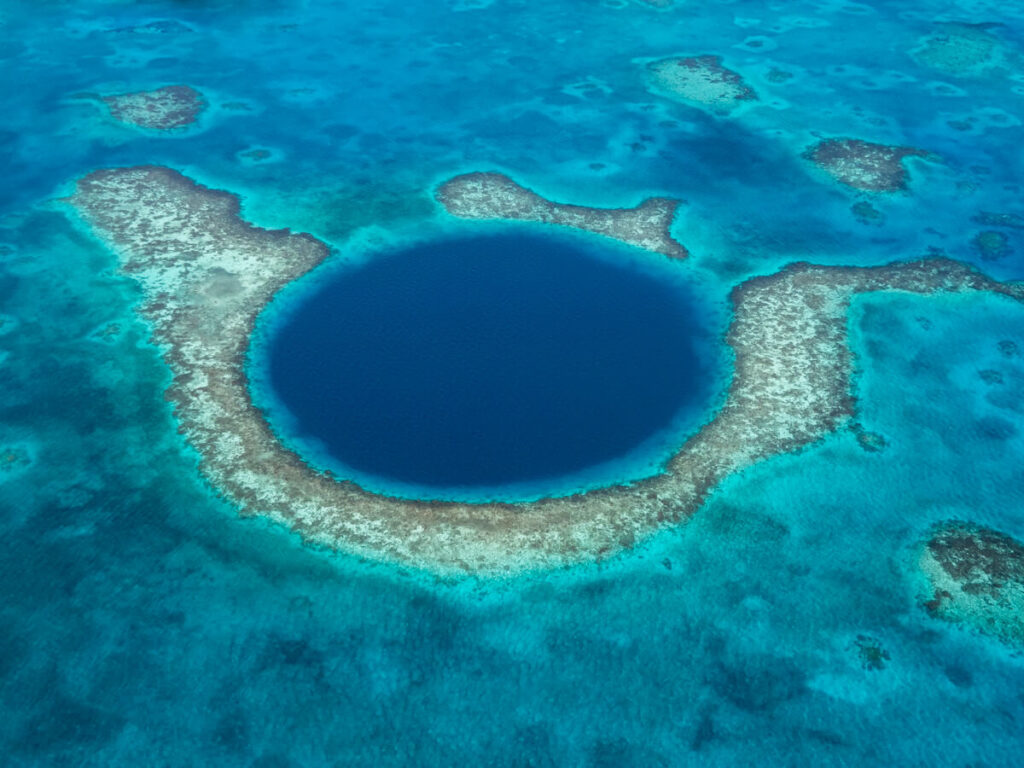
It’s home to the Belize Barrier Reef – the second-largest barrier reef in the world after Australia’s – as well as famous dive sites like the Great Blue Hole.
Beyond the water, Belize is also known for its lush landscapes, ancient Mayan ruins, and diverse wildlife.

Why visit Belize?
Belize really is unique, and it feels completely different from anywhere else in Latin America. There are very few places we’ve been to that pack such diversity – paradise islands, coral reefs, Mayan ruins, the jungle, and pine forests – in such a compact space, making it perfect if you want variety without travelling long distances.
Besides the practical reasons that make Belize an ideal destination (size, location, language), it’s home to natural attractions and local culture that are unmissable.
The Caribbean Sea
The Caribbean Sea is a defining feature of Belize, with warm, clear waters and a relaxed atmosphere.
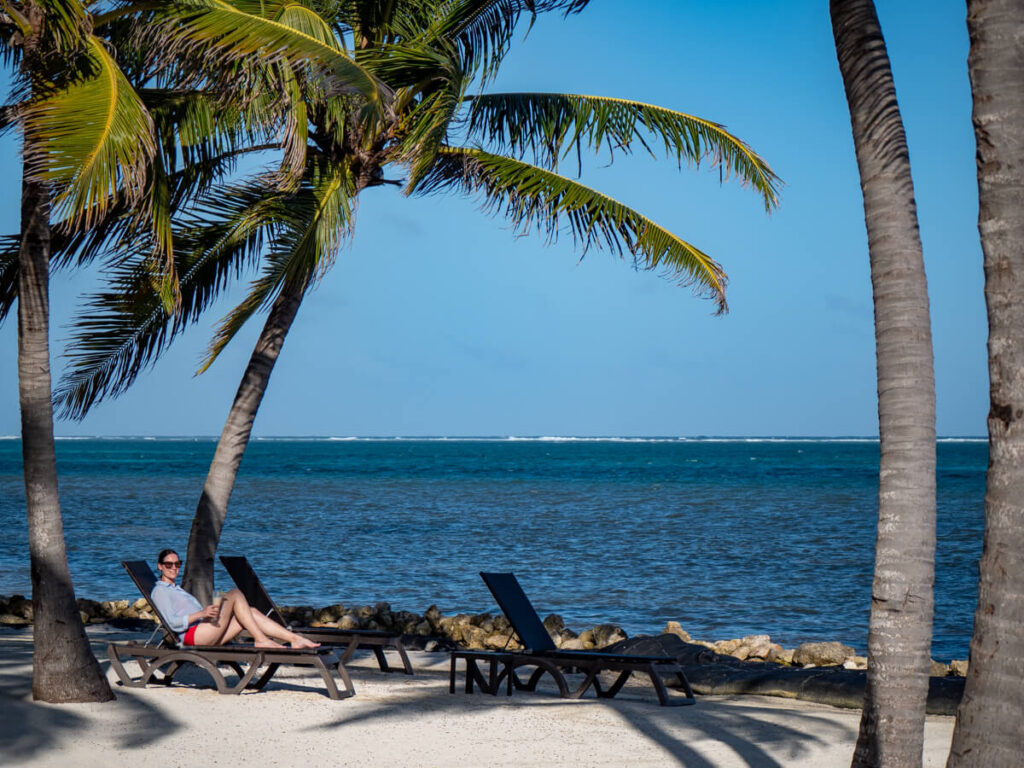
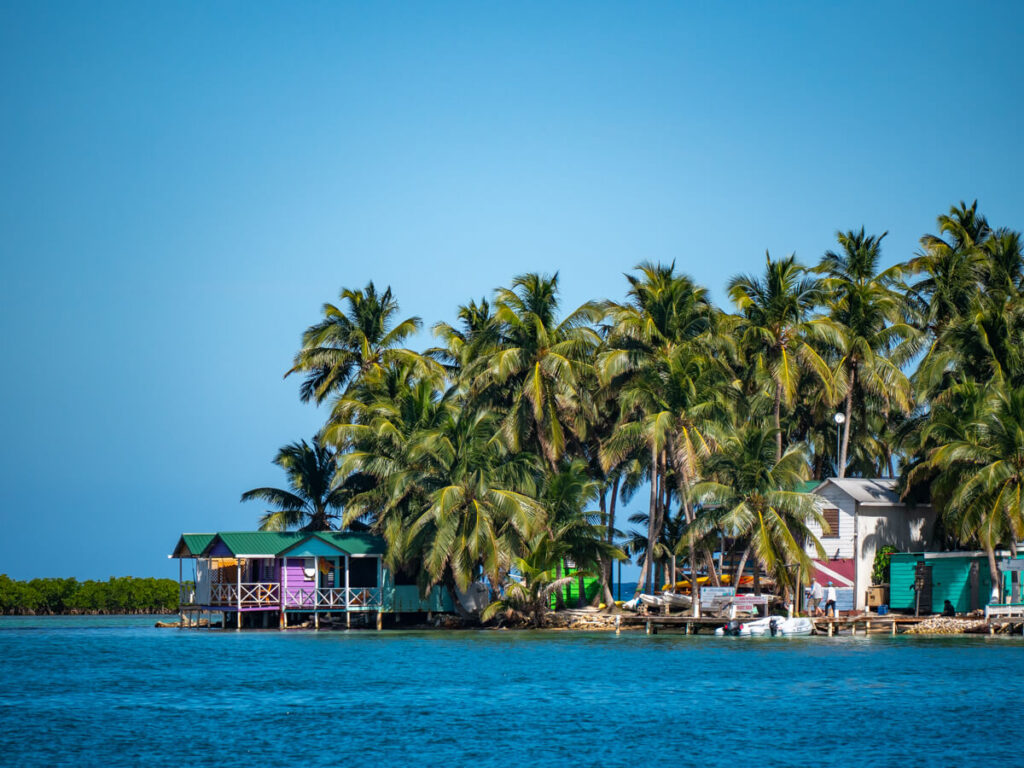
Along the coast and on Belize’s cayes, you’ll find white-sand beaches, palm trees, and some of the best snorkelling and diving conditions in the region.

The Belize Barrier Reef
Running the length of the country, the Belize Barrier Reef is one of Belize’s biggest draws. Sitting about 6-25 miles (10-40 km) offshore, it’s part of the wider Mesoamerican Barrier Reef System (the largest reef system in the Northern Hemisphere), which extends 625 miles (1000 km) along Central America’s east coast.
The Belizean stretch extends 180 miles (290 km) along the coast and supports more than 500 species of fish and 100 types of coral. The reef is designated a UNESCO World Heritage site and is home to colourful coral, tropical fish, rays, sharks, manatees, and turtles.
Many of the best snorkelling and diving trips depart from Caye Caulker, Ambergris Caye, and Placencia. While day trips can take you out to the reef, in our opinion, the best way to truly experience it away from the crowds is on a 3-day Belize sailing trip.

Snorkelling
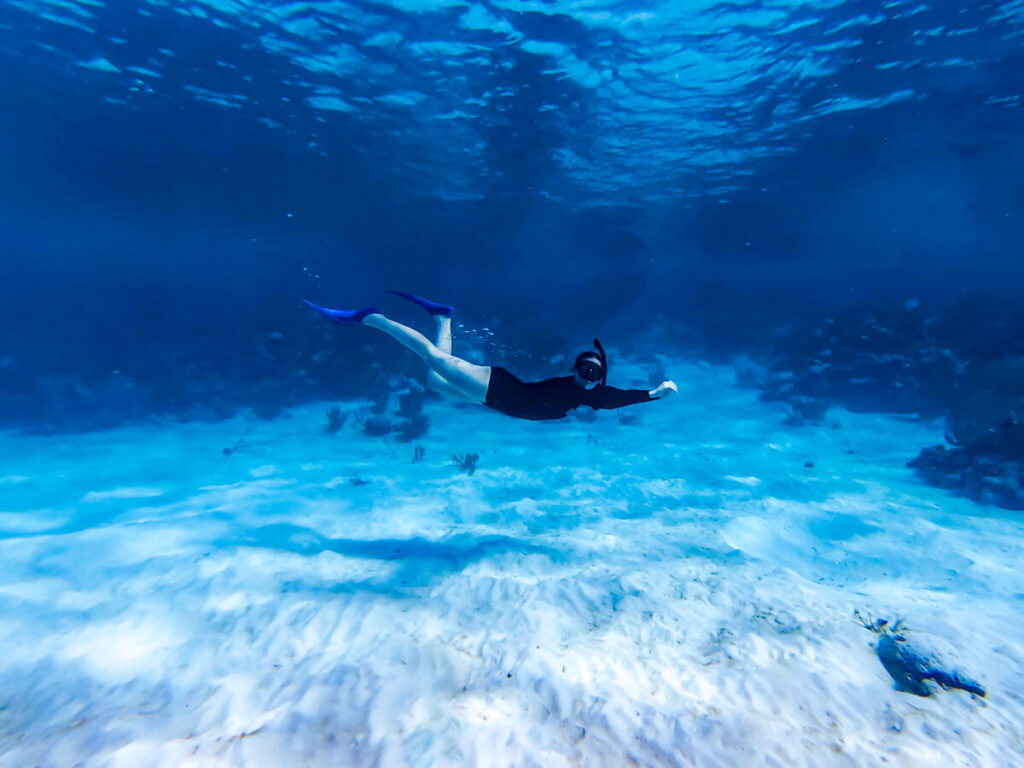
Snorkelling in Belize is one of the main reasons people visit, and it really lives up to the hype.
Popular spots include:
You can expect to see stingrays, eagle rays, manatees, nurse sharks, sea turtles, and colourful coral formations – all of which we saw in one day while snorkelling in Caye Caulker!
SCUBA diving
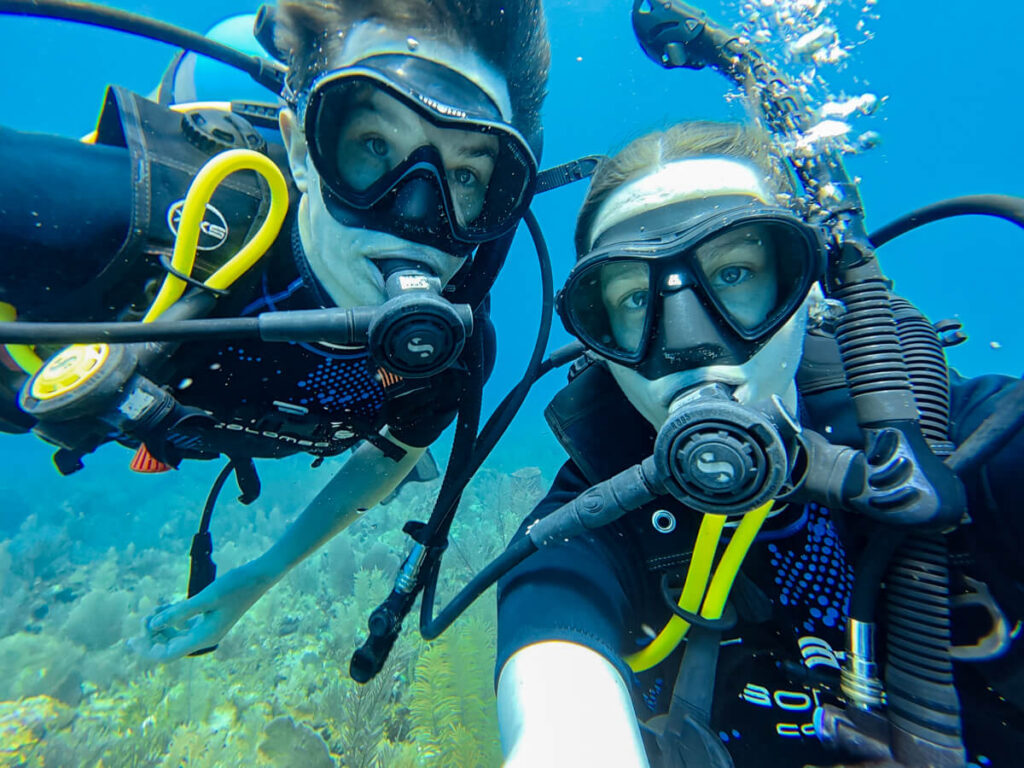
SCUBA diving in Belize is incredible, thanks to the clear water and healthy reef systems. It’s considered one of the best diving destinations in the world, attracting divers from around the globe.
The most famous site is the Great Blue Hole, a giant underwater sinkhole that’s become one of the most iconic dive sites globally. There are also plenty of reef dives suitable for all levels, with excellent visibility and diverse marine life, making Belize a great place to both learn and advance your diving.

The jungle
Inland Belize offers a completely different experience to the ocean, with dense jungle, rivers, and protected reserves and national parks. Near the coast, you can explore the historic Serpon Sugar Mill, while the ancient Maya mountains lead towards Guatemala.
The area around San Ignacio is the main base for exploring caves, waterfalls, and ancient ruins. It’s also one of the best places for wildlife spotting, with howler monkeys, toucans, and other tropical species commonly seen in the area. Belize’s jungle lodges are perfectly scattered throughout this region and make a great base to spot wildlife and join jungle adventures.

Wildlife watching
Belize is one of the best countries in Central America for wildlife, thanks to its large areas of protected land and relatively low population density. We saw so many animals in Belize – both in the sea and on land – in just a few weeks.
On land, you can spot:
The highlights for us were swimming with manatees in Caye Caulker and seeing a jaguar in Cockscomb Basin Wildlife Sanctuary.

Mayan ruins
We’ve visited 14 Mayan sites all over Latin America, so we were a bit worried that Belize’s Mayan ruins weren’t going to be anything special. But with over 600 sites, many of which are set deep in the jungle and feel far less crowded than those in Mexico or Guatemala, there’s so much history to explore.
We visited a few sites that were really special, including:
San Ignacio is the best base for Mayan ruins, and you can visit all three from there. Caracol was our favourite – so quiet and on a large scale that rivals Tikal in Guatemala, but less excavated. But it’s tricky to get to without a 4×4, so Xunantunich and Cahal Pech are good accessible options. Closer to the coast, Lamanai and Altun Ha are also popular sites.

Caves
Belize is famous for its cave systems, many of which were considered sacred by the Maya, who believed them to be portals to the underworld (Xibalba). One of the most unique experiences is visiting Actun Tunichil Muknal (the ATM Cave), where you can explore underground chambers filled with ancient artefacts and skeletal remains.
Cave tubing is also popular, where you float through ancient systems on a rubber ring. You can do it at Nohoch Che’en Caves Branch Archaeological Reserve or St. Herman’s Blue Hole National Park.

Waterfalls
Hidden within the jungle, Belize has a number of beautiful waterfalls, particularly in the Cayo District. Mountain Pine Ridge Forest Reserve is the best place to go, offering the thundering Big Rock Falls and smaller Rio On Pools that you can bathe in.
They’re perfectly refreshing after a hike or combined with a day exploring nearby ruins, and the reserve’s pine forests mean a cooler atmosphere than the steamy jungle that covers the rest of the country.

What to do in Belize
There are lots of fun things to do in Belize, from ocean activities to jungle experiences. It’s a country that’s literally packed with adventures. These are some of the highlights that should be on your radar:
Discover more activities by location in our dedicated guides:
Where to go in Belize
Most travellers follow a similar route to a few key locations, combining the jungle and the coast, but there are actually lots of cool places to visit in Belize, including:
There’s also Belize City (the main transport hub) and Belmopan (the capital), which are usually passed through rather than stayed in.

Where to stay in Belize
Belize has a wide range of hotels, from budget-friendly stays to boutique beachfront properties and luxury resorts.
Belize Hotels
In places like Ambergris Caye and Placencia, you’ll find the highest concentration of hotels, many of which are located directly on the beach or within walking distance of the sea. There are some lovely island resorts like Belizean Shores, while jungle lodges offer a more secluded feel inland.
Inland, around San Ignacio, hotels tend to be more jungle-focused, with lodges and eco-stays offering a more nature-based experience. We had a great time staying at the Toucan Ridge Ecology and Education Society.
Discover where to stay in each location with our accommodation guides:
Prices are generally higher than in neighbouring countries like Guatemala, especially in popular coastal destinations. You can get comfortable hotel rooms for $40-60 USD per night, with boutique hotels ranging from $80-120 USD per night and higher-end stays going for $150+ USD a night.
Top Hotels in Belize

Belize All-inclusive Resorts
Belize has a smaller selection of all-inclusive resorts compared to destinations like Mexico, but what it lacks in quantity, it makes up for in guest experience.
Many all-inclusive stays are boutique and eco-focused, often located on private islands or in remote jungle settings. These typically include meals, drinks, and activities like snorkelling, kayaking, and guided tours.
You’ll find the best options around Ambergris Caye, Placencia, and on private cayes, making them ideal if you’re looking for a more secluded, high-end experience.
Top All-inclusive Resorts in Belize

Belize Hostels
Hostels in Belize are more limited than elsewhere in Central America, but you’ll still find good options in key tourist areas.
Caye Caulker has the best selection, with social, beachfront hostels that are popular with backpackers. There are also a decent number of options in San Ignacio and on the coast – we liked The Royal Rat Hostel in Placencia.
Dorm prices are typically higher than in other Central American countries, but still reasonable compared to many Caribbean destinations. Expect to pay around $10-25 USD per night.
Top Hostels in Belize
Belize Airbnbs
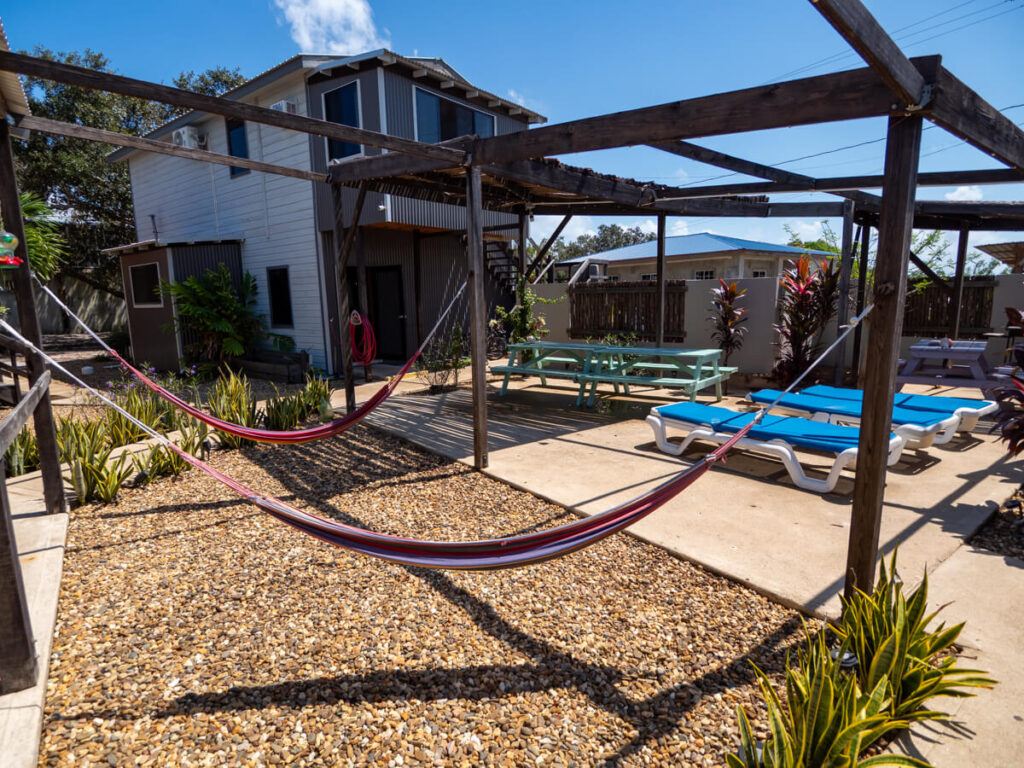
Airbnbs are widely available across Belize and are a great option if you want more space or a longer stay.
They’re especially popular in places like Caye Caulker, Ambergris Caye, and Placencia, where you’ll find everything from budget studios to beachfront villas.
They can also be good value for groups or couples, particularly in more touristy areas.

What to eat in Belize
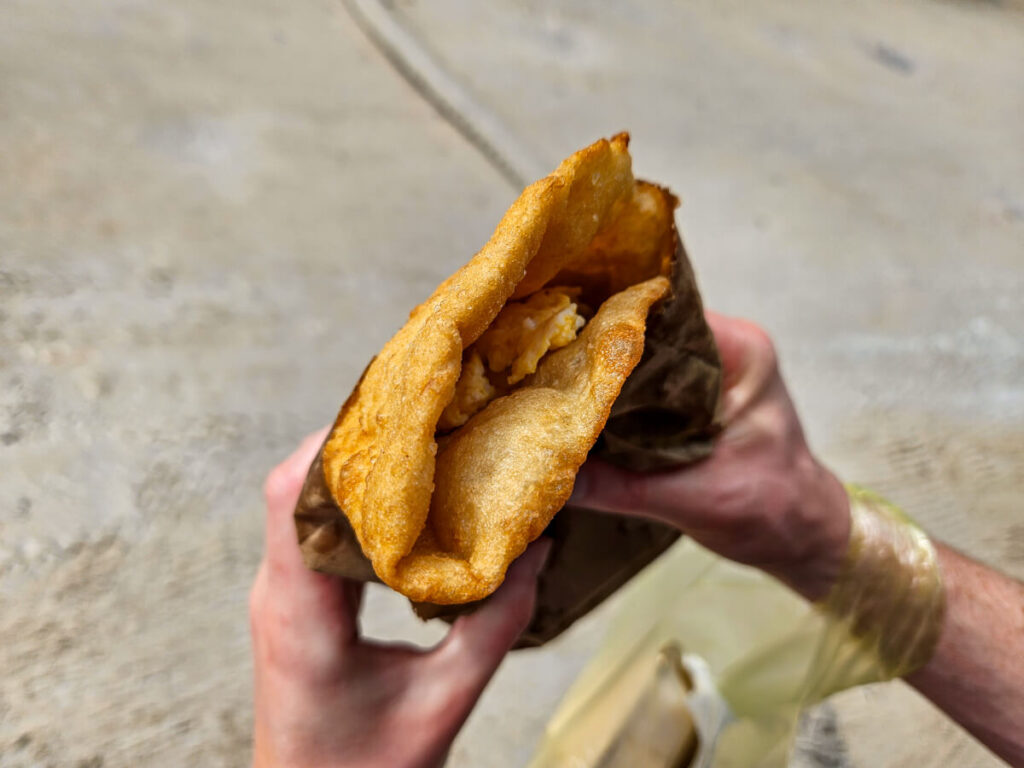
Belizean food reflects the country’s mix of Caribbean, African, and Central American influences, with a strong focus on fresh seafood and simple, flavourful dishes. But we also found a surprising amount of vegetarian and plant-based options.
Some dishes to try include:
You’ll also find plenty of international options in tourist areas, particularly on the islands. Check out our food guides:
How to get to Belize
Belize is easy to get to by air, land, and sea. It’s one of the easiest countries to access in Central America, especially if you’re travelling from North America or combining it with Mexico or Guatemala.
By plane
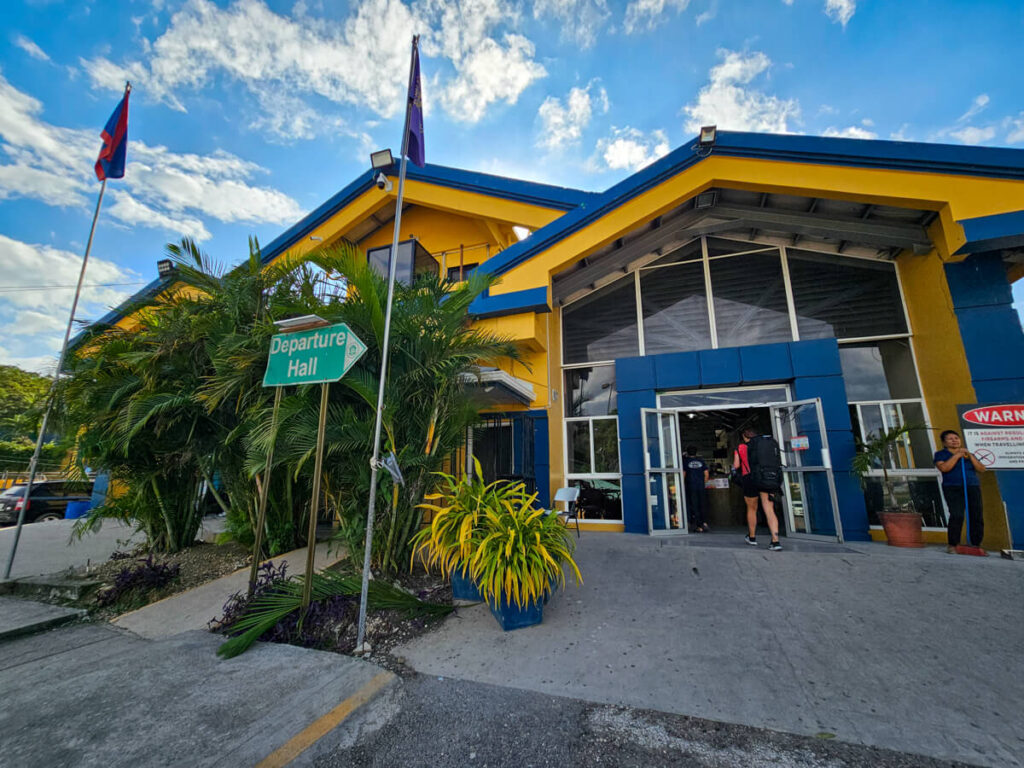
The main international gateway to Belize is Philip S. W. Goldson International Airport (BZE), located just outside Belize City.
It’s a relatively small but well-connected airport, with direct flights from major hubs across the United States, including Miami, Houston, Dallas, Atlanta, and New York. There are also connections from Mexico, Canada, and parts of Central America.
Flight times are short from the US (around 2-4 hours), making Belize a very easy long-weekend destination. From Europe, you’ll usually need to connect via the US or Mexico.
From Belize City, you can connect to the San Pedro/Caye Caulker water taxi to reach the islands, or pre-book a shuttle to get to your destination.
There are also small regional airstrips in places like San Pedro, Caye Caulker, Placencia, Dangriga, and Punta Gorda, as well as San Ignacio (via nearby airstrips). These are mainly served by local airlines and are useful for getting around the country quickly, rather than for international arrivals, but they’re not the cheapest.

Overland
Crossing into Belize overland is straightforward and commonly done from both Mexico and Guatemala.
From Mexico
The main Belize-Mexico border crossing via land is Subteniente López – Santa Elena. The closest towns used as a base for the crossing are Chetumal (Mexico) and Corozal (Belize).
You can take a bus, shuttle, or drive across the border, with onward connections to Belize City, San Ignacio, or the cayes available.
The easiest option is to book a Mexico-Belize shuttle, and they’ll handle all the logistics for you. These are widely available and can be booked online on platforms like Viator, GetYourGuide, and Bookaway (get 5% off with our code THOROUGHLY5).
From Guatemala
The primary Belize-Guatemala Border is Melchor de Mencos – Benque Viejo del Carmen, near Flores (Guatemala) and San Ignacio (Belize). This route is popular for travellers visiting Tikal and then continuing into Belize.
We did this in reverse (Belize to Guatemala) and found it pretty simple. You can do it with a mixture of colectivos and local buses if you’re on a budget, but a Guatemala-Belize shuttle is faster, smoother, and not much more expensive.
By sea
It’s possible to enter Belize by boat, particularly if you’re travelling between Belize and Mexico or Guatemala. They’re more small water taxis than traditional ferries, but they’re convenient if you don’t want to double-back by road.
From Mexico
You can easily take the water taxi from Chetumal in Mexico, which has connections to the southern Yucatán Peninsula towns like Bacalar. The easiest way is to take the water taxi with:
They’ll take you to San Pedro, Caye Caulker, and Belize City, helping you with immigration. This is how we got from Mexico to Belize on our most recent trip, and it was a super smooth process (although the journey itself can be bumpy on rough sea days). Journeys typically take 1.5-2.5 hours, depending on the route and sea conditions.
From Guatemala
In the south, Punta Gorda (Belize) has connections to eastern Guatemala. Puerto Barrios and Livingston run water taxis into Belize – the latter of which has convenient connections to Río Dulce.

Getting around Belize
Belize is small and relatively easy to navigate, but transportation works a little differently compared to neighbouring countries. There’s no rail network, and domestic flights are mostly used for reaching the islands quickly. Most travel is done by a mix of buses, boats, and taxis, depending on where you’re going.
Transportation methods for getting around Belize include:

By domestic flight
Domestic flights are one of the easiest ways to get around Belize, especially if you’re heading to the islands or want to avoid long road journeys.
Local airlines like Tropic Air and Maya Island Air operate frequent flights between Belize City and destinations like San Pedro (Ambergris Caye), Caye Caulker, Placencia, and Punta Gorda. Flights are on small propeller planes, often with great views over the reef and coastline. They also offer scenic flights over the Great Blue Hole.
Journey times are short – usually 15-40 minutes – but prices are relatively high for the distance, typically $80-150 USD one-way. If you’re short on time or want to skip the boat journey to the cayes, flying is by far the fastest option.

By boat
Boats are essential for getting to and around Belize’s islands.
Water taxis connect Belize City with Caye Caulker and Ambergris Caye (San Pedro) multiple times a day. They’re run by San Pedro Belize Express and Caribbean Sprinter water taxis.
The journey takes around 45 minutes to 1.5 hours, depending on your destination. Fares are typically $25-35 USD one-way, and services are reliable, although crossings can be choppy in rough weather.
Boats are also used for island hopping and reaching more remote coastal areas.

By car
Renting a car and driving in Belize is a good option if you’re planning to explore inland destinations like San Ignacio, the Mountain Pine Ridge Forest Reserve, or the Hummingbird Highway.
Roads between major towns are generally in decent condition, and driving is on the right-hand side. Traffic is minimal compared to other Central American countries, making Belize one of the easier places to drive in the region – we found it more relaxed than driving in Costa Rica.
Rental prices usually start around $70-100 USD per day, which is slightly higher than neighbouring countries. Insurance is essential – we’d highly recommend opting for a 4×4 if you plan to go to more remote sites like Caracol, and availability can be limited in peak season, so book ahead.
Cars can’t be taken to the islands, so you’ll need to park in Belize City if you’re heading to the cayes.

By taxi
Taxis are widely available in towns and cities across Belize. They don’t use meters, so you’ll need to agree on a price before starting your journey. Short trips are usually affordable, but prices can add up quickly compared to buses.
In places like San Pedro and Caye Caulker, taxis are often golf carts rather than standard cars. It can be more affordable to rent a golf cart yourself for the duration of your trip, rather than racking up taxi fares.
If you’re used to using ride-hailing apps, this is one place where you’ll need to go a bit more old school, as Uber does not operate in Belize – taxis are the main alternative.
While taxis are useful for short trips, they’re not very practical or affordable for transiting between towns and cities.

By shuttle
Shared shuttles are widely available in Belize and are a comfortable middle ground between buses and private transfers. They connect popular routes like Belize City to San Ignacio, Placencia, and even cross-border routes into Guatemala and Mexico.
Prices are higher than local buses but cheaper than private transfers, usually in the region of $25-60 USD, depending on distance. They’re typically air-conditioned and run on fixed schedules, with pickup from hotels or central meeting points, so they’re very convenient if you’re not renting a car.
Bookaway is amazing for booking shuttles and transport throughout Central America. You can get 5% off with our code THOROUGHLY5.

By bus
Buses are the main form of public transport in Belize and connect most major towns. They’re cheap and fairly reliable, but basic. You’ll likely have heard them referred to as chicken buses – old US school buses that have been repainted and repurposed.
While they’re very cheap, they’re not very reliable or comfortable, so expect:
The main highway routes, like Belize City to Belmopan, San Ignacio, or Placencia, are easy enough to navigate, and buses run regularly throughout the day. It’s worth checking with your accommodation for an up-to-date bus schedule (some routes don’t even have one), as they change seasonally.

On foot
Many of Belize’s main destinations are compact and easy to explore on foot.
Places like San Ignacio, Placencia Village, Caye Caulker, and parts of San Pedro are all very walkable, with most accommodations, restaurants, and activities within a short distance.
Beware that sidewalks can be uneven, and the heat and humidity can make walking feel more intense, especially in the middle of the day.

By tour
For many activities in Belize, especially those in remote or protected areas, booking a tour is the easiest option.
This is particularly true for:
These tours take place in protected areas and are difficult to reach independently, or often you’re not allowed access without a local guide. They usually include transport from your accommodation, guides, and entrance fees, which saves you the hassle of arranging multiple legs yourself.

When to visit Belize
The best time to visit Belize is during the dry season, between December and April, when you’ll get the most sunshine, calm seas, and ideal conditions for snorkelling and diving.
This is also peak season, so expect higher prices and more crowds, especially around Christmas, New Year, and Easter.
The shoulder months – May and November – can be a great time to visit, with fewer tourists and lower prices, although you may get the occasional heavy downpour.
The rainy season runs from June to October, with September and October typically seeing the most rain. Storms are usually short and intense rather than all-day washouts, but humidity is high, and sea conditions can be rough, which can affect boat travel and visibility for snorkelling.
Hurricane season officially runs from June to November, though direct hits are relatively rare.

How long to spend in Belize
Most people spend 7-10 days in Belize, which is enough time to combine the islands with a couple of inland destinations. But we honestly think this is barely enough time to scratch the surface.
We’d recommend at least 10-14 days, so you can move at a slower pace and include:
Belize is small, but travel takes time, so it’s better to pick a few places and enjoy them rather than rushing around.
Belize Travel Information
To help you plan your trip to Belize, here’s some quick-fire, helpful travel information.
Money and Tipping in Belize
Cash is king in Belize, especially outside of resorts and major tourist areas. The official currency is the Belize Dollar (BZD), which is fixed at 2 BZD = 1 USD. US dollars are accepted almost everywhere at the fixed exchange rate, which makes things very straightforward, but you’ll usually receive change in Belize dollars.
Like most other countries, Belize’s money consists of notes (2, 5, 10, 20, 50, and 100 dollars) and coins (1 dollar and 1, 5, 10, 25, and 50 cents). There are 100 cents in a dollar.
ATMs are available in larger towns like Belize City and San Ignacio, but can be limited on the islands, so it’s a good idea to withdraw cash in advance. We found Atlantic Bank to be the best, as it has no fees.
Credit and debit cards are accepted in many hotels, restaurants, and dive shops, but it’s always wise to ask if there’s a fee beforehand.
Tipping is expected in tourist areas. A general guide is:
Belize Costs
Belize has a reputation for being expensive (and it is in comparison to its Central American neighbours), but it’s still possible to visit on a backpacker’s budget.
Here are some typical daily costs (per person):
Belize is pricier due to imported goods (especially food and alcohol), island destinations, and higher-priced tours and activities (snorkelling, diving, caves). You can save money by using local buses instead of shuttles, eating street food and at local restaurants, and staying in guesthouses rather than resorts.
Here are some average costs (in USD – double it for BZD):

Phones and SIMs in Belize
If you want reliable data, it’s worth picking up a local SIM card at a Digi Store, with providers like DigiCell and Smart offering prepaid plans. Coverage is generally good in towns and tourist areas, but can be patchy in more remote regions and out at sea.
Alternatively, you can purchase data packages online before arriving, which is a more convenient option if your phone supports eSIMs. We used an Airalo eSIM, and it was perfect for looking at reviews of restaurants, using Google Maps, and researching things to do, without needing to take time out of our trip to set up a local SIM.
Wi-Fi is widely available in hotels, cafés, and restaurants, but speeds can be slow, especially on the islands. If you’re working remotely or accessing sensitive information, a VPN is sensible when using public networks – we use Surfshark VPN. It’s also handy for watching UK TV shows when we’re away from home and finding cheaper transport in local currencies.

Belize Visas
Most travellers, including those from the US, UK, EU, Canada, and Australia, do not need a visa to enter Belize for tourism. You’ll typically be granted a stay of up to 30 days, which can be extended if needed.
There is no entry fee to enter the country, but the official Belize exit fee is $40 BZD ($20 USD) when leaving by land or water. If you’re flying out, it’s usually included in your ticket.
You may be asked for proof that you meet the entry requirements:
If you have no onward plans and are asked for proof, you could be denied entry. It’s best to use a service like Onward Ticket, where you can buy a cheap flight ticket that’s automatically cancelled after 48 hours.
If you’re flying into Philip S.W. Goldson International Airport in Belize City (BZE), you also need to fill out the online immigration form and customs declaration.
As always, entry rules can change, so it’s worth checking official government advice from your home country before you travel.

Belize safety
Belize often gets a mixed reputation when it comes to safety, but most travellers visit without any issues.
Touristy places are quite safe, especially in resort towns like Hopkins and Placencia and on larger islands like Ambergris Caye and Caye Caulker.
We were a little more aware than normal in less-touristy areas like Dangriga and the outskirts of San Ignacio, but had no problems. Exercise caution in Belize City, particularly the ‘Southside’ – south of the Haulover Creek Canal.
It’s important to use common sense and practise basic safety precautions like you would anywhere else:
There are also some natural risks to consider. Jungle and water activities are generally safe with licensed operators, but always follow guides’ instructions. Natural hazards include sun exposure, strong currents, and mosquitoes carrying dengue or Zika – bring repellent and sun protection. Tap water is also unsafe to drink outside major hotels. Some accommodations provide clean drinking water, but we found our filter water bottles super handy.
Travel insurance can save you $$$ if things go wrong
Don’t forget to buy travel insurance! From lost luggage to emergency medical care abroad, travel insurance gives you peace of mind so you can solely focus on the adventure. It might not be exciting, but you’ll be very glad you have it if something goes wrong. A few of our favourite companies are:
Get 8 weeks of electronic theft coverage free with SafetyWing Travel Insurance with our code: THOROUGHLY8 (new members only). Simply click the pink camera and laptop icon on the Nomad Essential page to redeem the reward before creating a new account.
Find out more: 6 Best Travel Insurance Companies for Every Kind of Trip

What to pack to visit Belize
Here’s a practical list of what to pack for Belize, so you don’t forget the essentials:

Sustainability in Belize
Belize has an abundance of incredible natural beauty, but sustainable travel here is complicated. On the one hand, there are some truly inspiring eco-initiatives and conservation programs. On the other hand, we have mixed emotions when it comes to the rapid pace of development and the country’s relationship with touching and feeding wildlife.
Rapid development, especially along the coast and on popular islands, has led to the clearing of mangroves and pressure on fragile ecosystems. We particularly saw this near San Pedro on our way to Secret Beach, where diggers were razing natural areas, and every other mile felt like it was scattered with (American) real estate signs. This was also present at the Iguana Eco Sanctuary in San Pedro, which is struggling to conserve important mangrove habitat for iguanas and birds on the lagoon under increasing pressure.
Some tourist activities, like feeding or touching wildlife, also really give us the ick. We’ve discussed the ethical impacts of feeding animals in Hol Chan Marine Reserve and the controversial Stingray Beach in Caye Caulker in other posts, but at a base level, it can stress out animals and disrupt natural behaviours.
Travelling Belize more sustainably is possible, but it requires informed choices. You can make a positive impact by:
In short, Belize offers incredible experiences for eco-minded travellers, but it’s also a place where you need to be actively thoughtful about your impact, both on the environment and on the local communities.
Is Belize worth visiting?
Belize is somewhere we’re quick to recommend, but with caveats. There’s nowhere quite like it, and we were blown away by its sheer diversity as somewhere you can experience Caribbean beaches, Mayan ruins, lush jungles, tropical islands, and the world-famous barrier reef in one trip. It’s ideal for both adventure seekers and laidback vacationers. But you also need to be more active in choosing genuinely eco-conscious and community-supporting experiences.
Pros
Cons
If you’re willing to plan your trip carefully, Belize is an amazing destination, full of bucket-list experiences that cover the best of the reef and rainforest.

Tips for travelling Belize
Read next:
Ultimate 1 to 4 Week Belize Itinerary: Ruins, Reefs, Rainforests, & Road Trips
28 Bucket List Things to Do in Belize
15 Best Places in Belize: Where to Stay
The Best Time to Visit Belize for Weather, Wildlife, and Water Activities
18 Most Beautiful Atolls and Islands in Belize: Best of the Barrier Reef
16 Best Nature Reserves, Natural Protected Areas, and National Parks in Belize
10 Most Majestic Mayan Ruins in Belize and Which to Visit
15 Animals in Belize and Where to See Them
Our Belize Destination Guides:
