A Complete Guide to Livingston: Guatemala’s Caribbean Coast

Discover everything you need to know about visiting Livingston, Guatemala, from how to get here and around to activities, accommodation, restaurants, and useful travel tips, in this guide.
This post may contain affiliate links, which means we might earn a small commission on anything purchased through these links at no extra cost to you. Learn more on our disclaimer page.
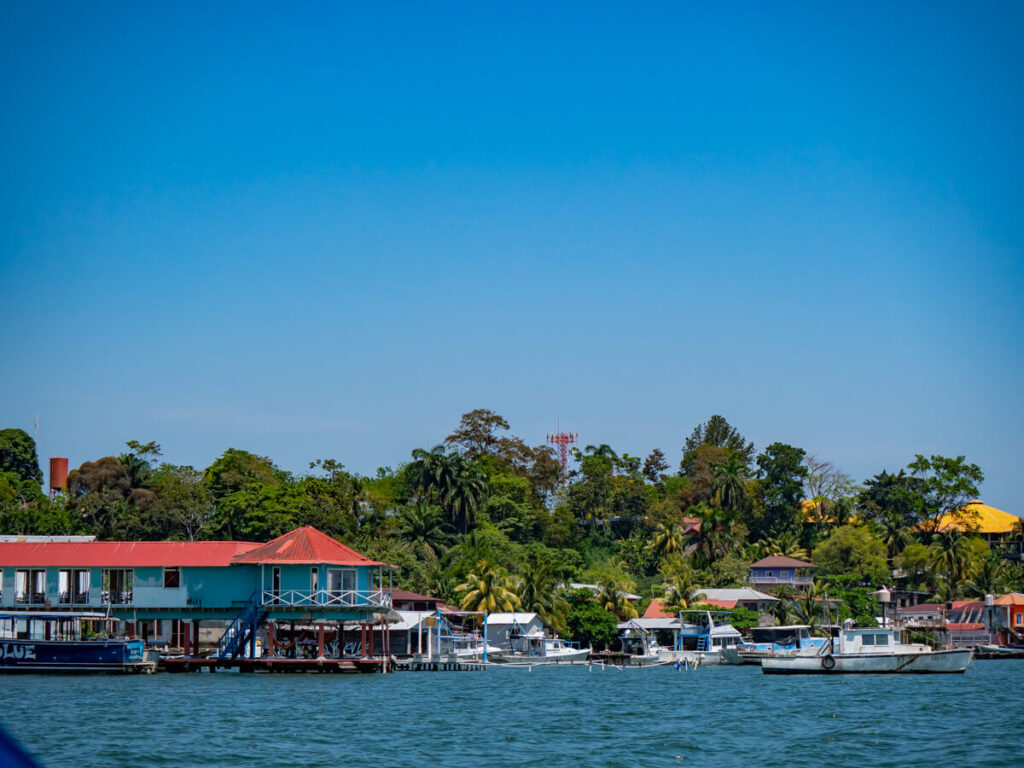
Livingston is an authentic Caribbean town on the Caribbean Sea at the mouth of the Río Dulce, accessible only by boat. Known for its Afro-Caribbean Garífuna culture, colourful streets, and laidback atmosphere, Livingston feels worlds away from Guatemala’s highlands and colonial towns.
From music, food, and culture to surrounding natural attractions like waterfalls and beaches, Livingston is promised as a Caribbean paradise, but with its limited infrastructure, boat-only access, and remoteness, is it even worth the trip? In this guide, we cover what Livingston is like to visit, how to get here from Río Dulce or Belize, where to stay, what to eat, and the best experiences for fully enjoying this unique corner of Guatemala.
Livingston at a glance
More from East Guatemala
About Livingston
Livingston is a small Caribbean town in eastern Guatemala where the Río Dulce meets the sea. Unlike most towns along the lake and river, it’s accessible only by boat, giving it a relaxed, island-like feel.
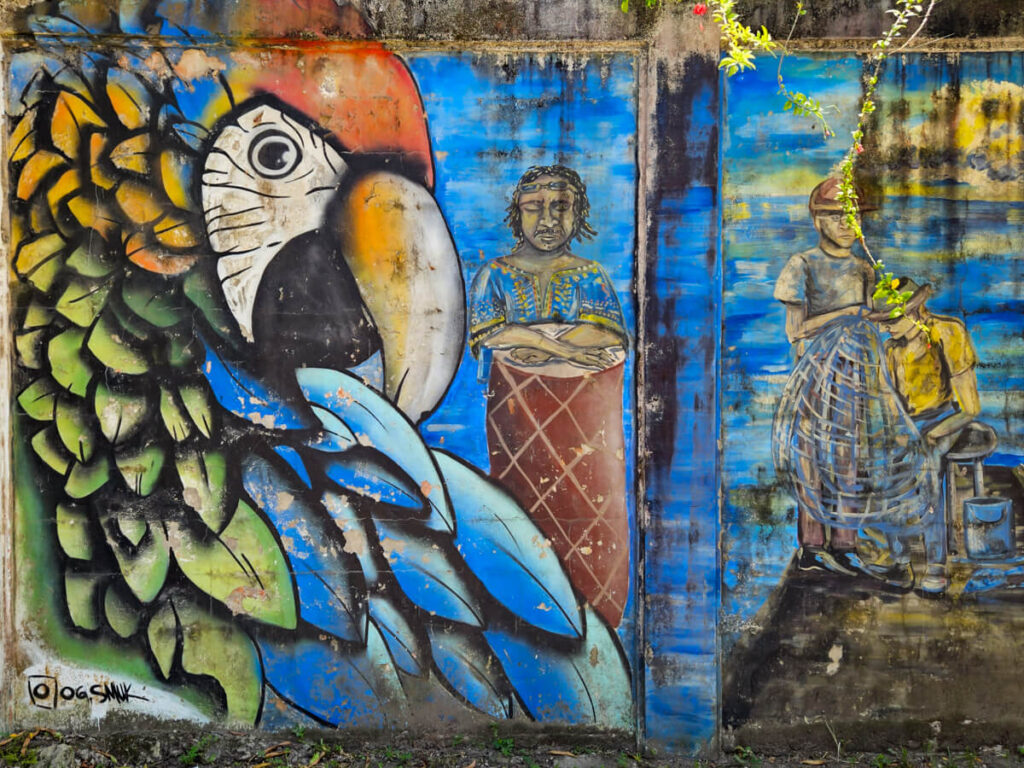
The town is best known for its Garífuna culture, a vibrant mix of African, Carib, and Arawak traditions that influence the food, music, and daily life here. Colourful wooden houses line the waterfront, fishing boats bob in the harbour, and the surrounding jungle gives the town a sense of being off the beaten path. And it’s true, not many tourists make it to this corner of Guatemala.
It’s a unique stop on any Guatemala itinerary, offering a completely different atmosphere from inland towns like Antigua and Lake Atitlán.

Where is Livingston?
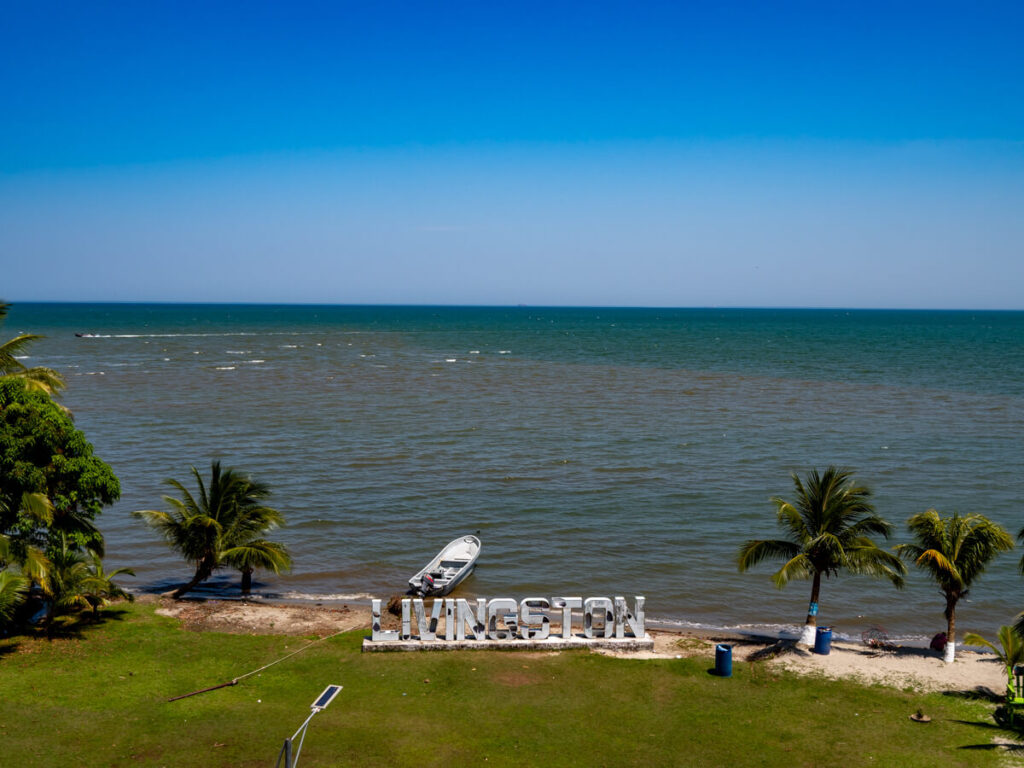
Livingston sits on the Caribbean coast of Guatemala, at the mouth of the Dulce River, where it flows into Amatique Bay and the Gulf of Honduras.
The town is isolated in the sense that there are no roads connecting it to the rest of the country, so you reach it by boat from Río Dulce, or occasionally by plane from small regional airstrips if you can find domestic flights.

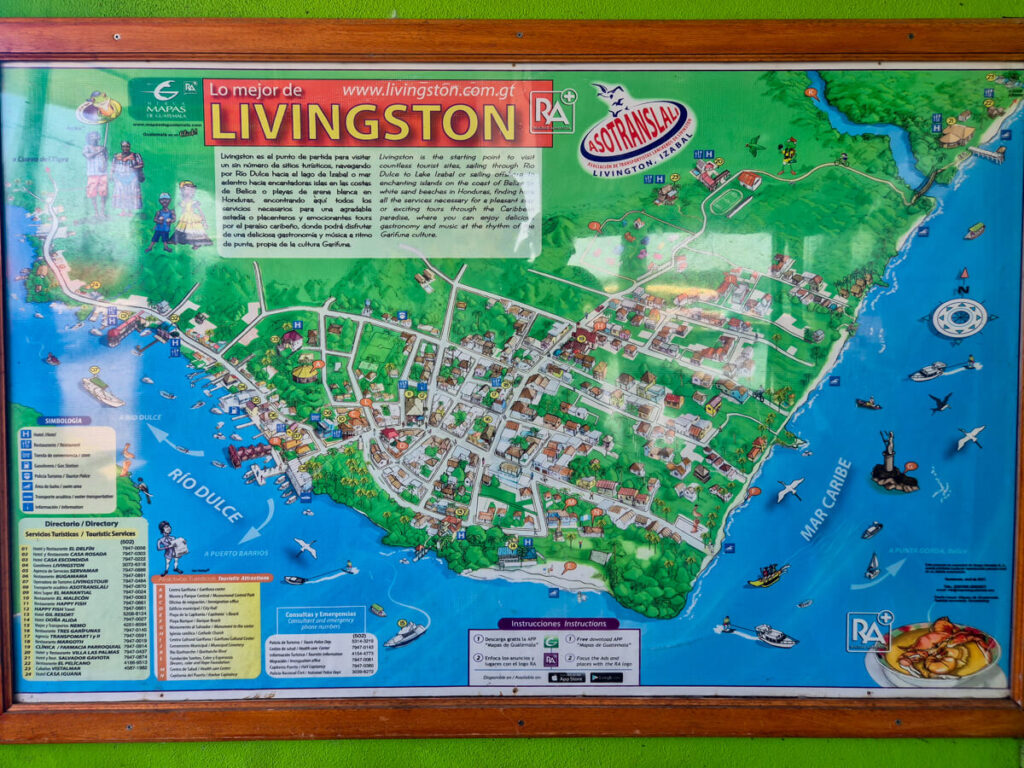
Livingston Map
You can see the main attractions on the tourist map of Livingston below.
Why visit Livingston?
Livingston offers a completely different side of Guatemala, with Caribbean vibes, Afro-indigenous culture, and a laidback pace that’s rare elsewhere in the country. While epic adventures like volcano hikes and exploring Mayan ruins are more commonplace, taking a boat trip to Livingston is still one of the best things to do in Guatemala.
The town is famous for Garífuna culture, with music, dance, and cuisine that you can experience in local restaurants, street markets, and festivals. But the town is also home to a mix of Mayas, Latinos, and gringos (tourists), too.
The town is also a gateway to nearby natural attractions, including things to in Río Dulce, like the canyon, hot springs, and coastal mangroves. Livingston’s location at the river’s end also gives it access to both freshwater from the Río Dulce and the brackish Caribbean waters, creating a rich environment for fishing, boating, and wildlife spotting. The surrounding jungle and mangroves also make it a hub for eco-tourism and adventure activities.
Garífuna Culture
The Garífuna people are descendants of West and Central Africans who mixed with the Indigenous Carib and Arawak populations on the island of St. Vincent. There are a couple of stories about how this came about:
- One says that in the 1600s, a ship carrying enslaved Africans wrecked near St. Vincent, and the survivors were taken in by the Island Caribs (Kalinago). Africans and Caribs intermarried, and though colonial records called them ‘Black Caribs’, their descendants eventually became known as the Garífuna.
- Another account suggests Africans escaped from plantations on nearby islands like Barbados or St. Lucia, making their way to St. Vincent, sometimes with the help of local Indigenous communities, where they integrated with the Caribs and developed a distinct culture of their own.
After resisting British colonisation during the Carib Wars, around 1,500-5,000 Garífuna were forcibly exiled to Roatán in Honduras in 1797. Many later moved to the mainland, establishing communities along the Caribbean coast of Central America, including in Belize, Nicaragua, and of course, Livingston in Guatemala. Today, the global Garífuna population is roughly 300,000, with diasporas in the United States, especially in cities like New York, Los Angeles, and New Orleans.
Language is central to Garífuna identity. It’s an Arawakan language influenced by Carib, French, English, and Spanish, still spoken in some coastal towns in Belize and Central America. Music and dance are the most visible expressions of the culture, with drumming on primero and segunda drums forming the backbone of celebrations and ceremonies.

The best things to do in Livingston
There’s plenty to see and do in Livingston, from exploring the town’s history to venturing out on the water. Here are the top things to do in Livingston:
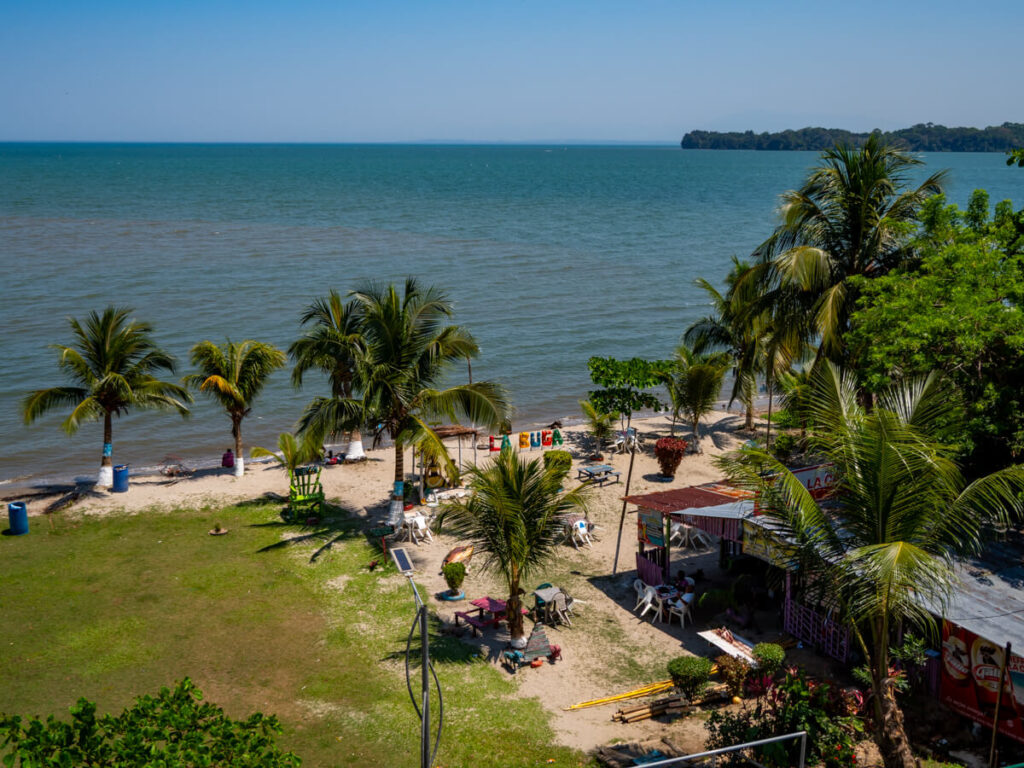
Where to stay in Livingston
While there aren’t a lot of choices, accommodation in Livingston ranges from simple guesthouses in the centre of town to relaxed beachfront lodges just outside it. Many places are small, family-run properties with colourful wooden balconies, hammocks, and views over the Caribbean Sea. Here are our top picks.
Livingston Hotels
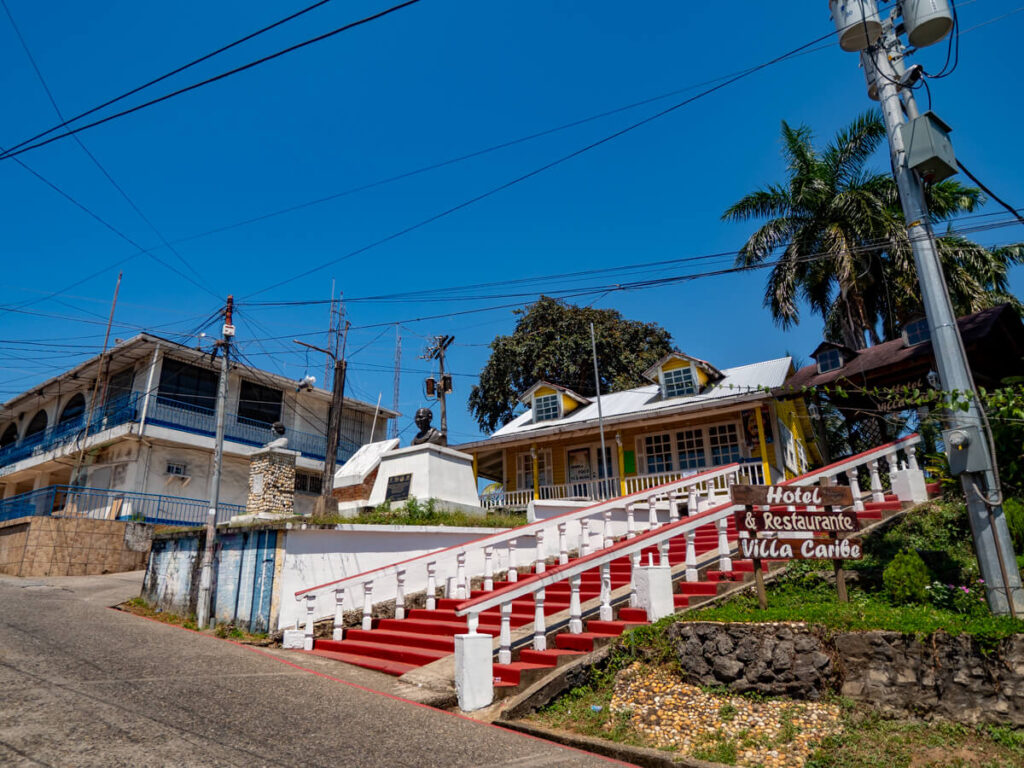
Where to eat in Livingston
Livingston’s food scene reflects its Garífuna and Caribbean influences, with seafood, coconut, and plantains appearing on many menus. Local restaurants serve traditional dishes like tapado, a rich seafood soup cooked in coconut milk (so good!), as well as grilled fish and fried snapper straight from the sea.
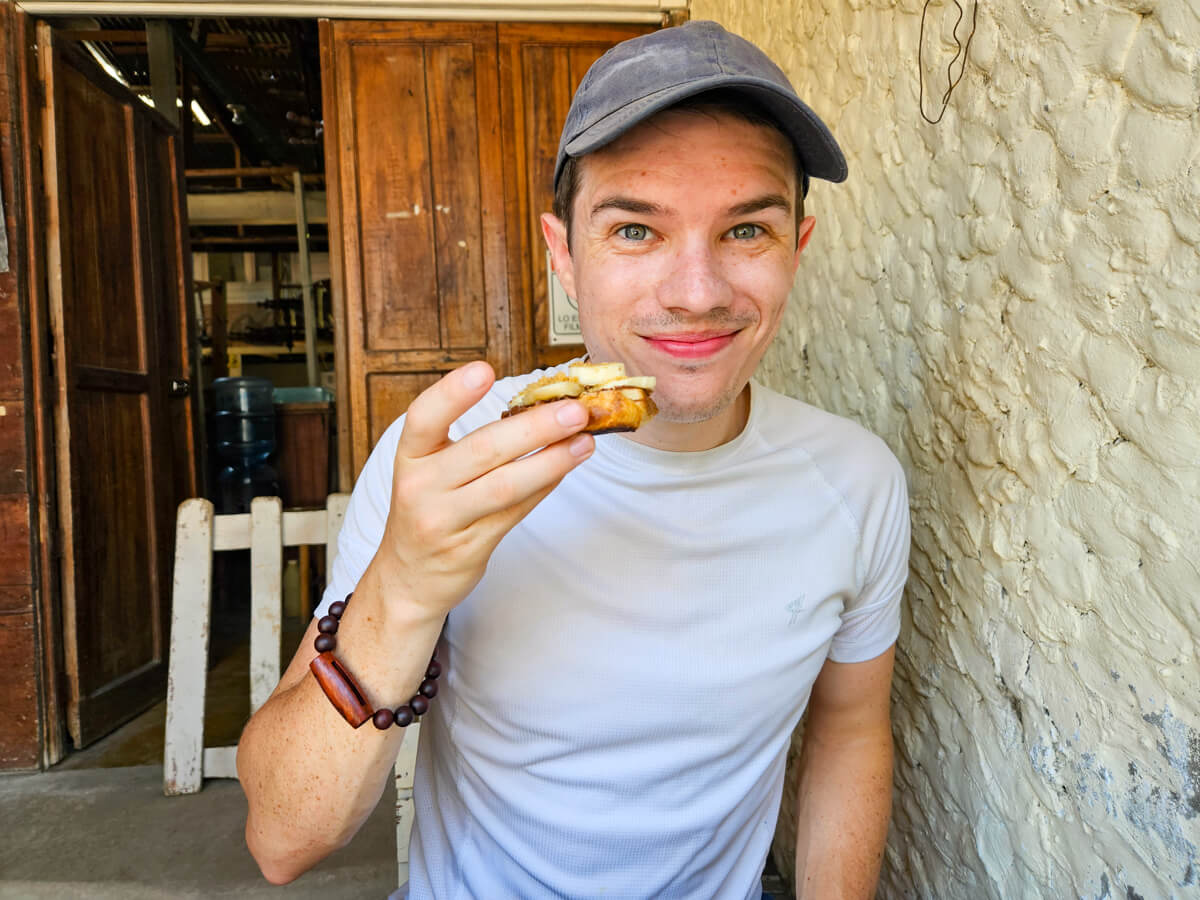
Small beachfront cafés, panaderías (bakeries), and street stalls also sell favourites such as pan de coco (coconut bread) and fresh fruit juices. Dining here is usually casual and relaxed, with many places overlooking the water or playing Caribbean music in the background.
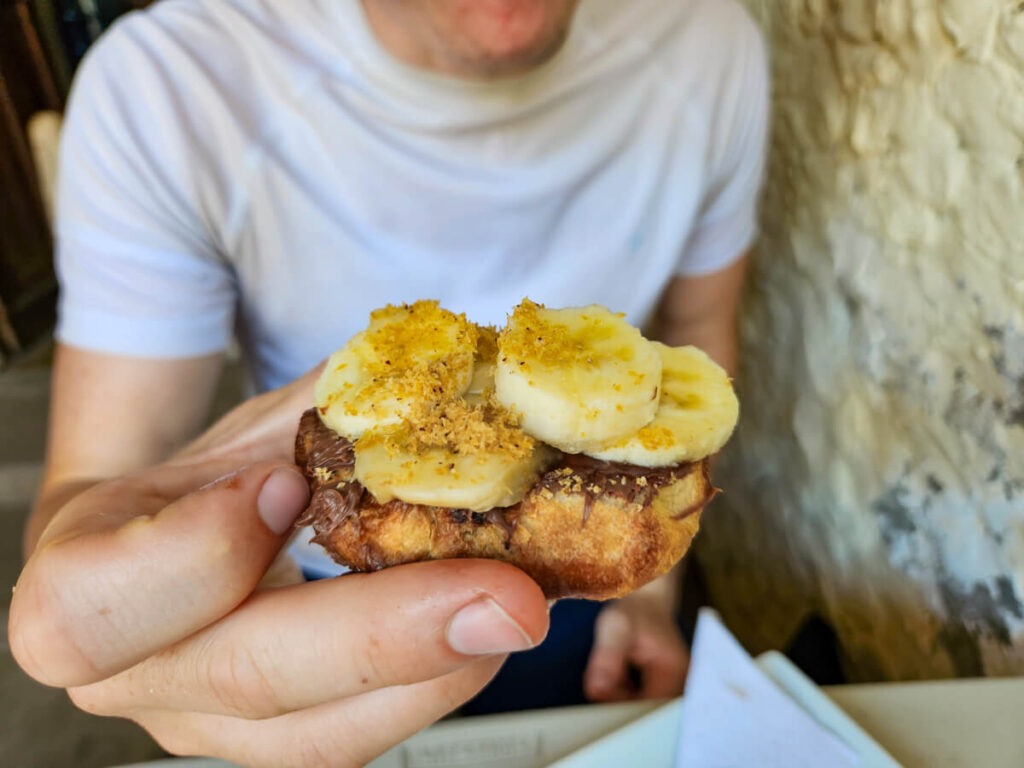
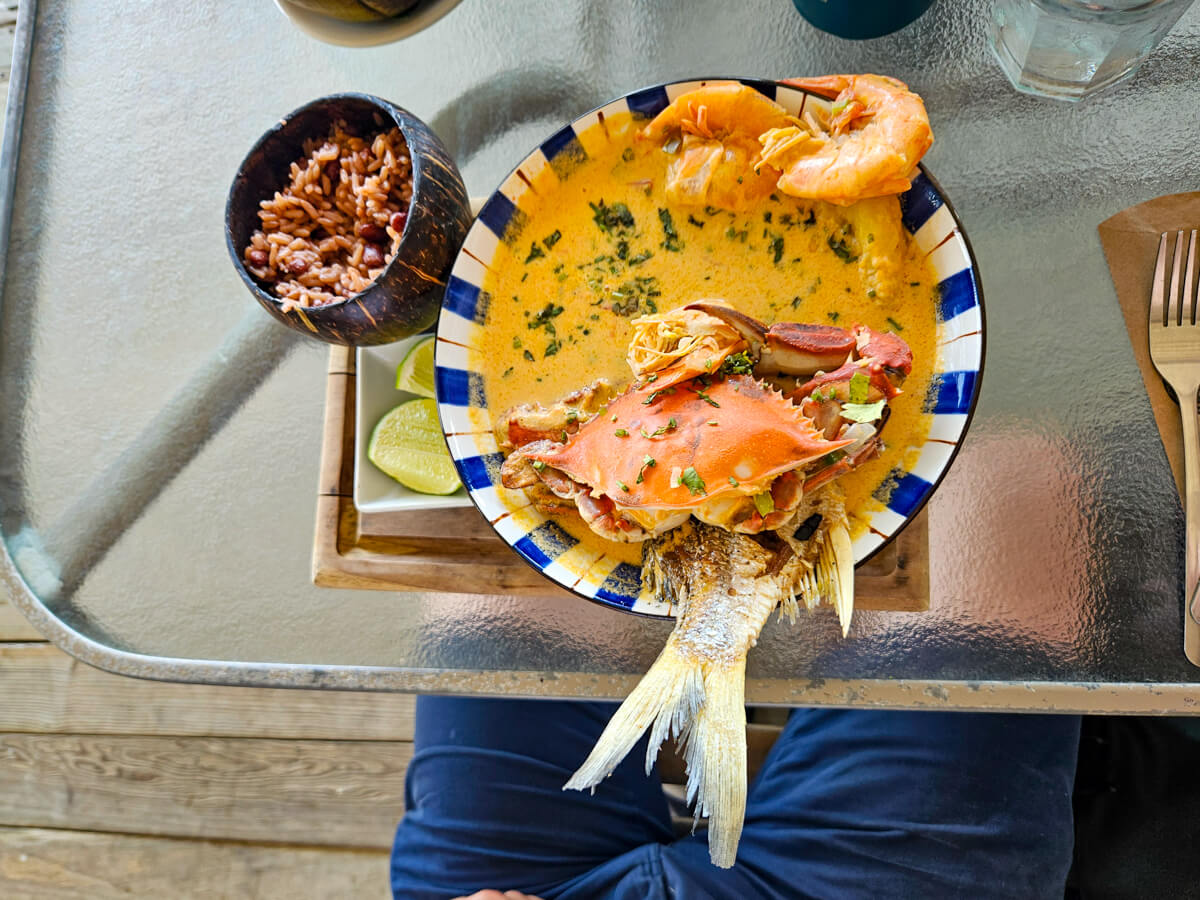

Livingston Restaurants
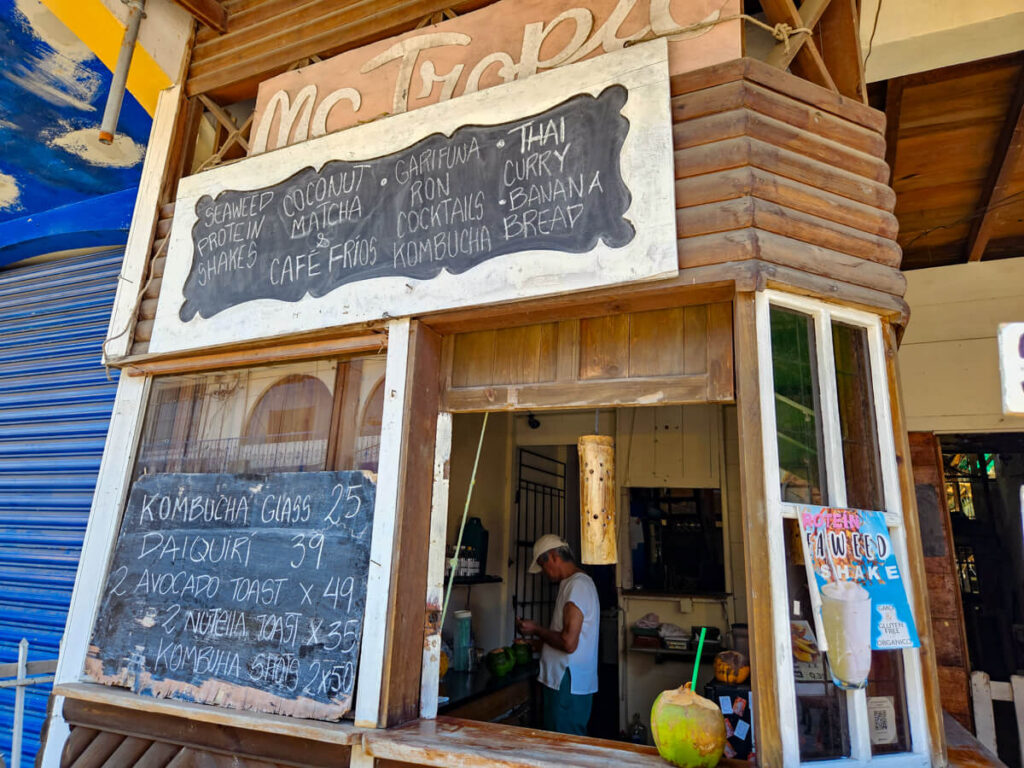
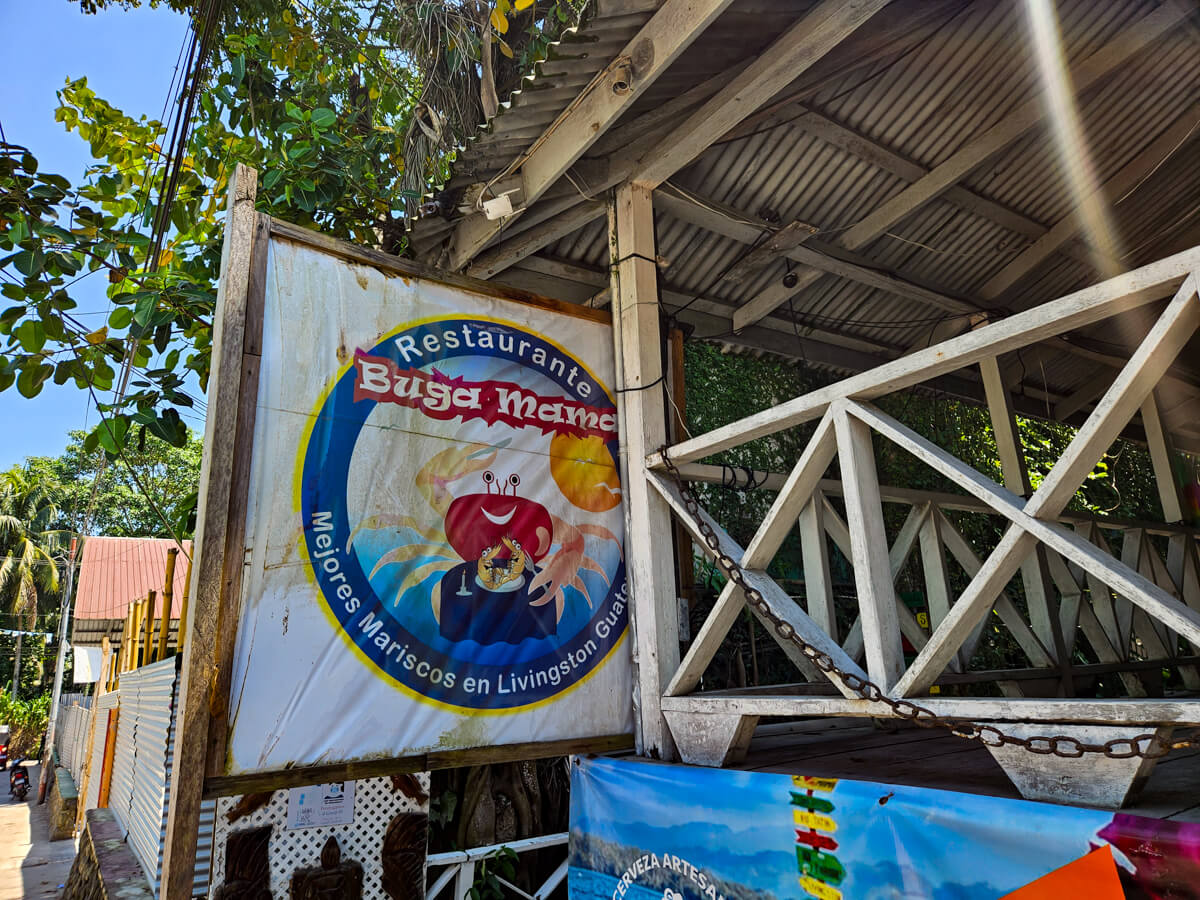
Without much to do in town, we pretty much just spent the day eating. Here are our top places to eat out in Livingston:


How to get to Livingston
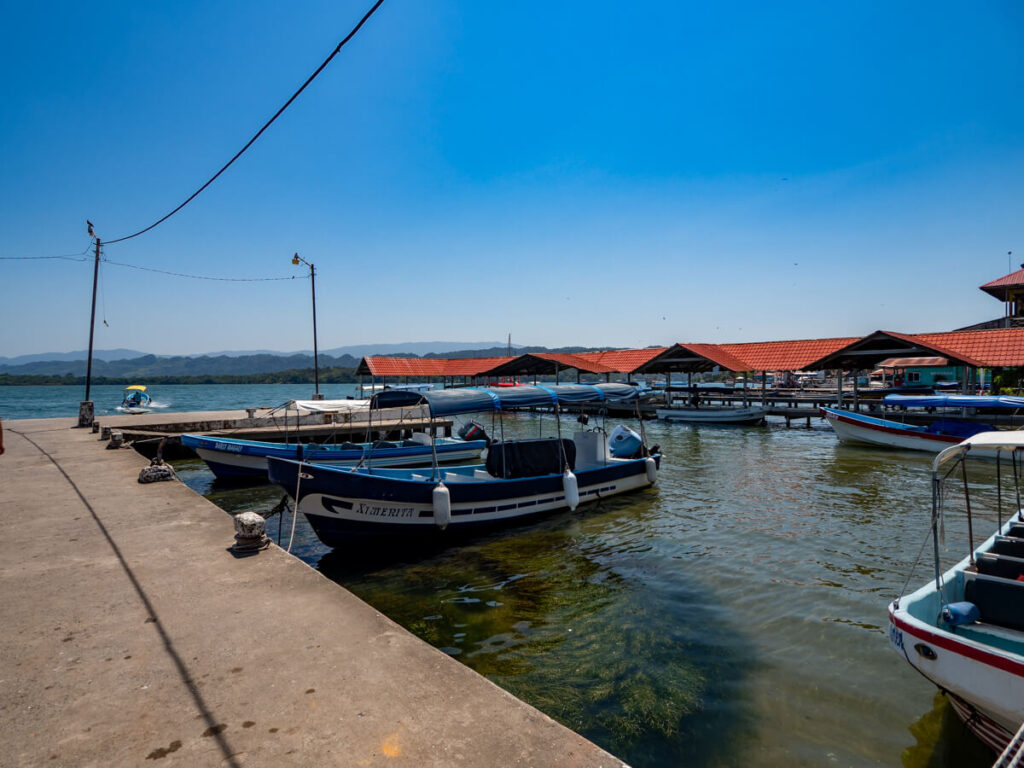
Livingston is only accessible by boat, which adds to its remote feel.
From within Guatemala
If you’re travelling Guatemala, the most common route is a scenic boat journey down the Río Dulce from the town of the same name, passing jungle-lined riverbanks, small villages, and dramatic limestone cliffs before reaching the Caribbean coast.
We’ve covered how to get to Río Dulce in our dedicated guide, but the easiest way is to book a tourist shuttle.
We visited Livingston on a day trip from Río Dulce, which included sightseeing down the river and free time in the town. We were dropped off and picked up from the dock outside Hotel Casa Rosada. You can also catch public boats (lanchas) to Livingston from the Municipal Dock in Río Dulce town.
Public boats also run between Livingston and nearby coastal towns such as Puerto Barrios. You’ll find them at the Municipal Dock in Livingston.
Bookaway is amazing for booking shuttles and buses throughout Guatemala. You can get 5% off with our code THOROUGHLY5.
From Belize
The most popular way to get to Guatemala from Belize is to cross the border near Melchor de Mencos – between San Ignacio in Belize and Flores in Guatemala.
But you can also cross the Belize-Guatemala border fairly easily by boat, which leave from Punta Gorda in Belize and arrive into Livingston’s Municipal Dock.
Livingston is a good stop on a Central America backpacking route if you’re visiting Guatemala from southern Belize, like Placencia, Hopkins, or Dangriga (with its connection to Tobacco Caye).
We’ve covered the crossing extensively in our border crossing guide – crossing the Belize-Guatemala border by boat – but basically, Requena’s Charter Service and Water Taxi runs the route to Puerto Barrios daily, while Belize Transfers (previously Rio Tropicales) runs a route to Livingston and Río Dulce, Monday-Friday.

From Honduras
Travelling from Honduras to Livingston usually involves passing through Puerto Barrios, the main port town in eastern Guatemala.
From Honduran cities like La Ceiba – the gateway to Río Cangrejal and the Bay Islands, Utila and Roatán – or San Pedro Sula, you can take buses or shared shuttles to the Guatemalan border near Corinto, then continue to Puerto Barrios.
From there, regular water taxis make the short trip across the bay to Livingston from the Municipal Dock, which takes about 30 minutes. Boats run frequently throughout the day and are the only way to reach the town.
Alternatively, you could take the shuttle from La Ceiba to Río Dulce, which takes about 9 hours and costs around $60 USD. Roneey Shuttles runs the route at 8:00 AM and will meet you in La Ceiba, either at a central meeting point or at the ferry dock, dropping you off in Puerto Barrios (for Livingston) or Río Dulce. We did this shuttle the other way – from Río Dulce to La Ceiba – and would recommend it.
How to get around Livingston
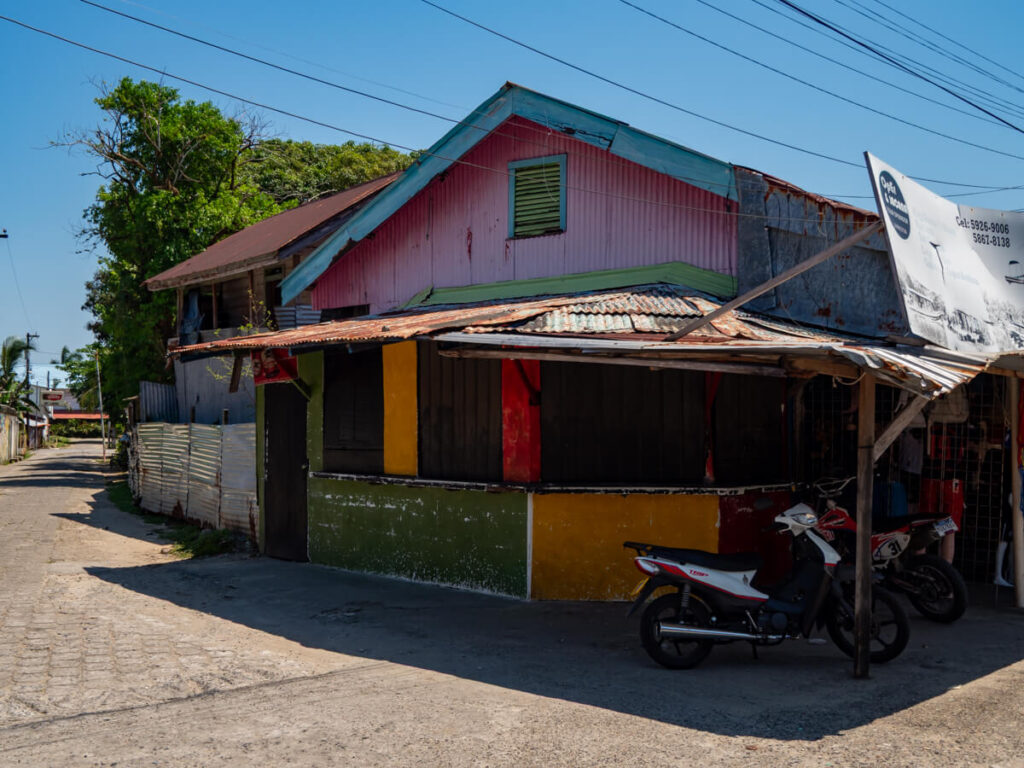
Livingston is a small town, and most places can easily be reached on foot. The main streets run along the waterfront and through the centre, where you’ll find restaurants, shops, guesthouses, and the boat docks all within a short walking distance of each other.
For trips to nearby beaches or attractions like Playa Blanca, Playa Quehueche, or the Seven Altars Waterfall, water taxis are the most common form of transport. These can usually be arranged at the dock or through your accommodation.
Tuk-tuks and colectivos operate in town for short rides, but they’re rarely necessary.
When to visit Livingston
The best time to visit Livingston is during the dry season from November to April, when sunny weather and calmer seas make it ideal for boat trips, beach time, and exploring the surrounding coast. This period is also when most travellers visit, but despite hearing the town is lively, it was pretty dead quiet when we visited, in the middle of peak season.
The rainy season, from May to October, brings frequent tropical showers, but they are often short and followed by sunshine, and the lush landscape is at its most vibrant. It can make boat trips bumpier and cause cancellations to your plans, so it’s worth being a little flexible.
Livingston weather
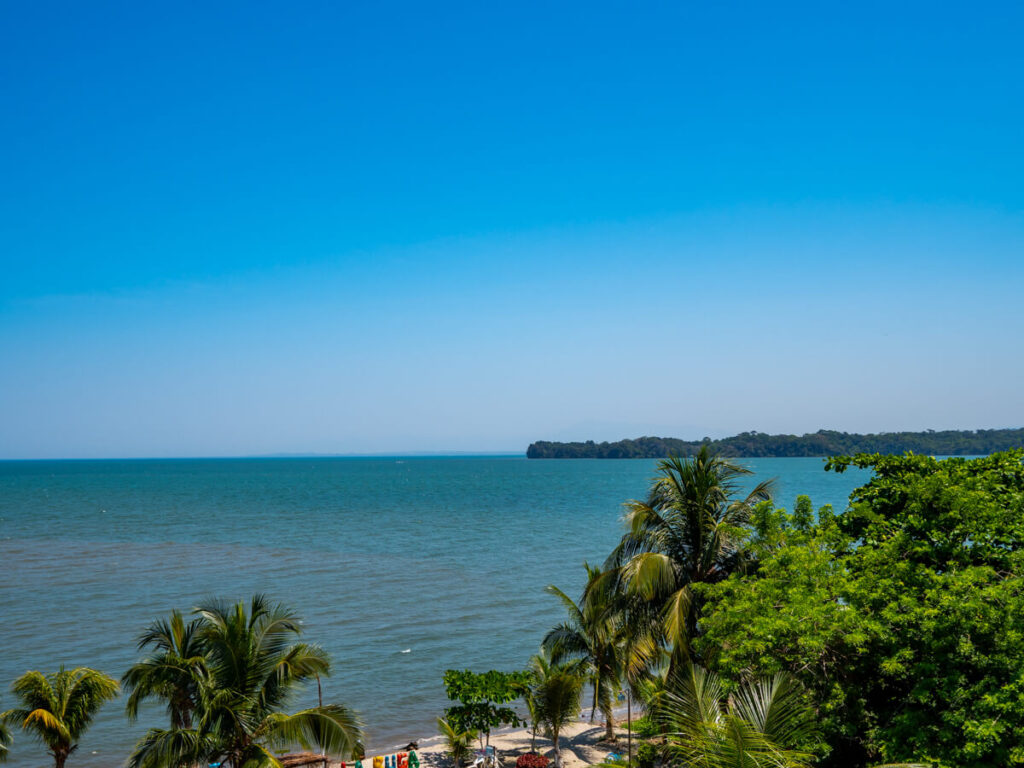
Livingston has a hot, humid tropical climate year-round, typical of Guatemala’s Caribbean coast. Daytime temperatures usually range between 28-32°C (82-90°F) with warm nights around 22-24°C (68-75°F). We were constantly reapplying sunscreen.
Rain is possible at any time of year, especially in the afternoons, and humidity stays high due to the town’s location, where the Caribbean Sea meets the mouth of the Río Dulce.
How long to spend in Livingston
Most travellers, including us, visit Livingston on a day trip from Río Dulce. Honestly, a few hours is enough time to see the town and eat in a local restaurant.
If you want to stay a little longer or are passing through, 1-2 nights give you enough time to explore the town, visit nearby beaches and waterfalls, and take a boat trip along the scenic Río Dulce.

Is Livingston safe to visit?
Livingston is generally safe for travellers, but it’s worth taking the usual precautions you would in any small port town. Petty theft can occasionally occur, particularly around the waterfront and busy areas where boats arrive from Río Dulce, so it’s best to keep valuables out of sight and avoid carrying large amounts of cash.
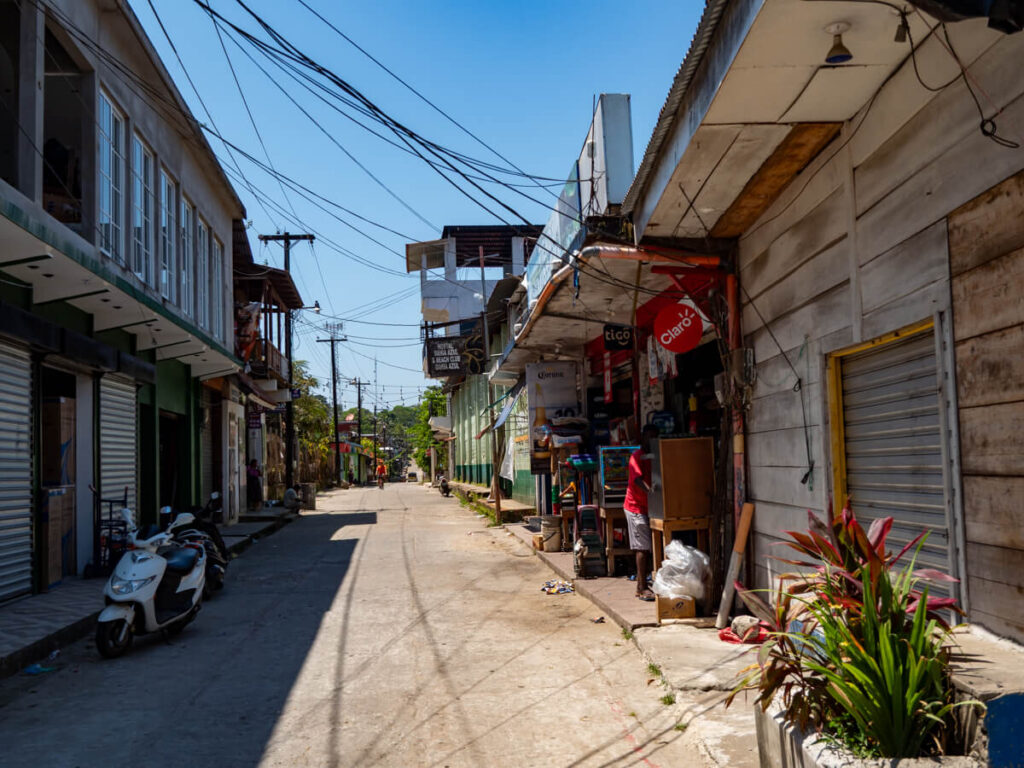
The town is small and easy to walk around during the day, and most visitors stick to the central streets near the dock and beachfront. As in many places, it’s sensible to avoid wandering into unfamiliar neighbourhoods late at night or walking alone on quiet stretches of beach after dark. We were pretty careful not to flash our camera around or walk down dodgy-looking side streets.
Boat travel between Livingston and the Río Dulce is usually safe and well organised, though the weather can occasionally affect schedules.
Tips for visiting Livingston

Is Livingston worth visiting?
Yes, Livingston is one of the most culturally unique destinations in Guatemala and is worth visiting, but it’s not for everyone. Unlike most of the country, the town has a strong Garífuna heritage, with Caribbean music, seafood-based cuisine, and a laidback coastal vibe. Combined with its boat-only access, nearby beaches, and the dramatic river journey from Río Dulce, it offers a completely different experience from places like Lake Atitlán or Antigua.
That said, you’re unlikely to experience really authentic Garífuna culture like drumming unless you’re lucky or staying for the evening, and we’ve also heard that when performances are put on, they’re pretty curated for tourists. The town itself is quite small and a little rough around the edges, and the infrastructure can feel basic compared to Guatemala’s more established destinations. Outside of visiting nearby beaches like Playa Blanca, exploring the waterfront, and enjoying Garífuna food and music, there really isn’t much to do, either.
Overall, it’s a funky little town that’s fun to explore for a few hours, but it was a little underwhelming. It was worth visiting for us because it was combined with our Río Dulce boat tour, and we were already in the area. If you’re taking the ferry here from Punta Gorda in Belize, breaking up the journey from Guatemala to Honduras with a stop in Río Dulce, or just exploring the area, Livingston is a fun day trip. But it’s honestly not really worth going out of your way for, unless you’re really keen to see a sliver of Garífuna culture and aren’t visiting Belize.

What to pack to visit Livingston
To ensure an enjoyable experience in Livingston, it’s important to pack the right things. Don’t forget to pack your:
Livingston FAQs
To help you plan your trip to Livingston, we’ve answered these frequently asked questions.
What is Livingston famous for?
Livingston is famous for its Garífuna culture, which sets it apart from most of Guatemala. The town has strong Afro-Caribbean influences in its music, food, language, and traditions, particularly dishes like coconut-based seafood stews and the rhythms of Garífuna drumming. Its location at the mouth of the Río Dulce also makes it well known as the endpoint of one of the most scenic boat journeys in the country.
What to do in Livingston, Guatemala?
Some of the most popular things to do in Livingston include visiting nearby beaches like Playa Blanca, taking boat trips along the Río Dulce, trying Garífuna cuisine, and exploring the colourful waterfront streets. Many travellers also visit nearby waterfalls or hot springs along the river, or simply spend time enjoying the laidback Caribbean atmosphere.
Can you fly to Livingston, Guatemala?
There are no commercial flights to Livingston. The town is only accessible by boat, most commonly from Río Dulce or across the border from Belize. Most travellers reach Livingston by taking a lancha down the Río Dulce, which is considered one of the highlights of the journey.
Do they speak English in Livingston, Guatemala?
Spanish is the main language spoken in Livingston, but you’ll also hear Garífuna, an Arawakan-based language spoken by the local Garífuna community. Because the town receives international visitors, some people working in tourism, such as boat drivers, hotel staff, and restaurant workers, speak basic English, though it’s less widely spoken than in nearby Belize.
Why is it called Livingston, Guatemala?
Livingston was named after Edward Livingston, an American lawyer and politician. His legal ideas influenced reforms in Central America during the early 19th century, and when the town was formally established in 1831, it was named in his honour. Today, the name remains a reminder of that historical connection, even though the town’s identity is much more strongly shaped by its Garíifuna and Caribbean heritage.
How long is the boat ride from Río Dulce to Livingston?
The boat ride from Río Dulce to Livingston typically takes about 1.5 to 2 hours, depending on the type of lancha, water conditions, and stops along the way.
Read next:
A Traveller’s Guide to Río Dulce: Guatemala’s Sweet River
18 Best Things to Do in Río Dulce
Crossing the Belize-Guatemala Border: Shuttle vs Public Transport vs Ferry
Our Guatemala Destination Guides:
Our Guatemala Travel Guides:
