The Best Time to Visit Guatemala: Land of the Eternal Spring

Discover when to visit Guatemala for good weather and outdoor activities, how to thrive in the dry season, how to survive the wet season, and when we’d go again.
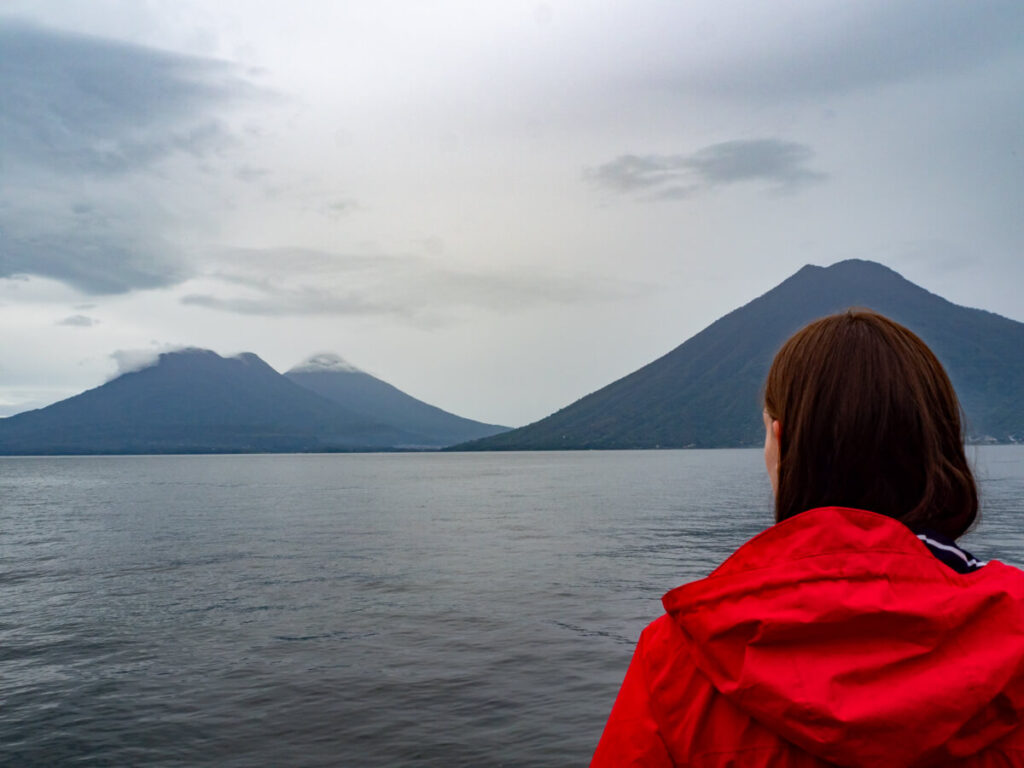
This post may contain affiliate links, which means we might earn a small commission on anything purchased through these links at no extra cost to you. Learn more on our disclaimer page.
While Guatemala is often described as the ‘Land of Eternal Spring, it has a dry and wet season. As Brits, we know Spring just means anything goes, and Guatemala’s weather can be just as unpredictable as the UK’s. Not all places in Guatemala feel the same year-round – the reality varies depending on where you go, from cooler highland climates around Lake Atitlán and Antigua to the humid jungles of Petén and the hot Caribbean coast.
We’ve visited Guatemala twice, both in the dry and wet seasons, and have had the pleasure of experiencing both torrential rain and glorious sunshine. We realised that timing can affect everything from volcano views and hiking conditions to road quality and travel times. Discover the best time to visit Guatemala, including a breakdown of the weather by season, the best time to visit for specific activities, and what to expect month by month, in this guide.
When to visit Guatemala at a glance

More from Guatemala
When to visit Guatemala – the quick answer
Guatemala is often called the ‘Land of Eternal Spring’, thanks to its mild year-round climate. But with widely varying altitudes, geography, and microclimates, the situation is really more complicated than that.
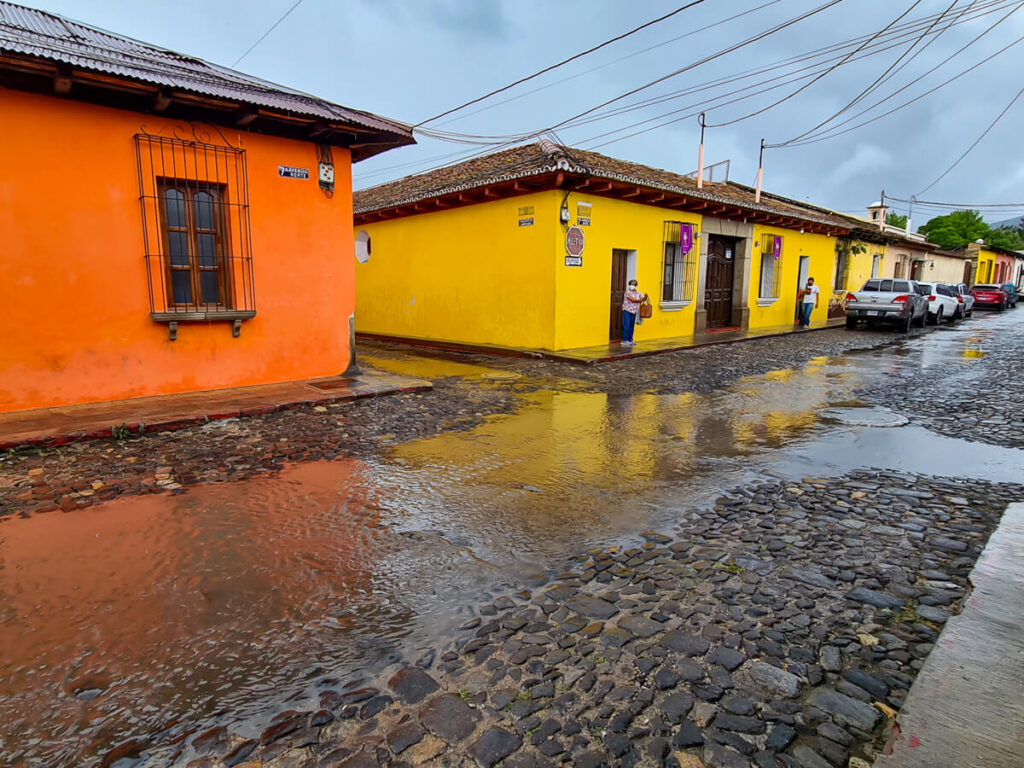
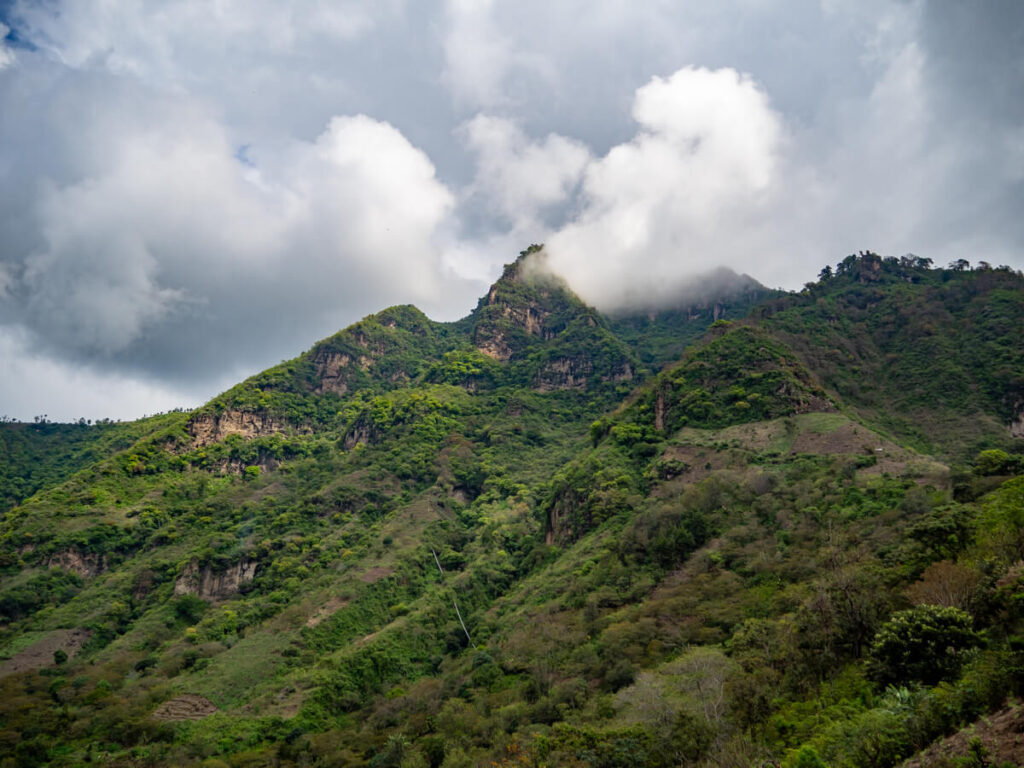
Our first trip to Guatemala was in June, well and truly the start of the wet season. We stuck to the highland areas and experienced everything from downpours and clouds obscuring the volcano views in Lake Atitlán to flooding in Antigua‘s cobbled streets. But we also had our fair share of sunny mornings, perfect for hiking around the lake, and blazing sunsets over Antigua’s ruins watched from rooftop bars.
On our second trip, we timed our visit with the dry season and spent most of March exploring the country from north to south. We barely experienced any rain, except for a few afternoon showers in our final stop, Río Dulce. In fact, our time in Flores and El Paredón was overwhelmingly hot.
Perfect weather suited us, as we packed our Guatemala itinerary with all the things we’d missed on our first trip, including volcano hikes and remote Mayan archaeological sites that really get ruined if the weather’s not good.
It’s widely agreed that the best time to visit Guatemala is during the dry season, from November to April, when you’ll get sunny days, clearer skies, and better conditions for travel. This is the most popular time to visit, especially around Christmas, New Year, and Easter.
The wet season, from May to October, is greener, quieter, and cheaper, but you’ll need to plan around regular afternoon rain. Storms and heavy rains can also cause cancellations, so you’ll need more flexibility, too.
We’d personally recommend between February and April (after the holiday crowds but before the heavy rains), avoiding Easter if you can’t book ahead or are on a budget, unless you’re keen to see the Semana Santa festivities.

The best time to visit Guatemala for weather
Guatemala sits in the northern hemisphere and has a tropical to subtropical climate with two main seasons rather than four: dry and wet. Temperatures vary more by altitude and location than by season, ranging from around 20-26°C (68-79°F) in the highlands to 28-32°C (82-90°F) in lower-lying tropical regions.
We were shocked by how different one place could feel from another after only a short shuttle journey. You’ll experience a temperate climate and cooler conditions in places like Antigua, Lake Atitlán, and up volcanoes like Acatenango, while regions like Flores, Lanquín, Semuc Champey, and Río Dulce are warmer, more tropical, and humid.
Despite being on different oceans, coastal areas on both sides of the country, like El Paredón and Livingston, are hot and humid year-round. We were shocked at how oppressive the heat was in both.

Guatemala’s dry season (November to April)
The dry season runs from November to April and is generally considered the best time to visit Guatemala. Days are sunny and warm, skies are clearer, and travel between destinations is smoother.
This is the peak season, so expect higher prices and more crowds, especially in popular places like Antigua and around Lake Atitlán.
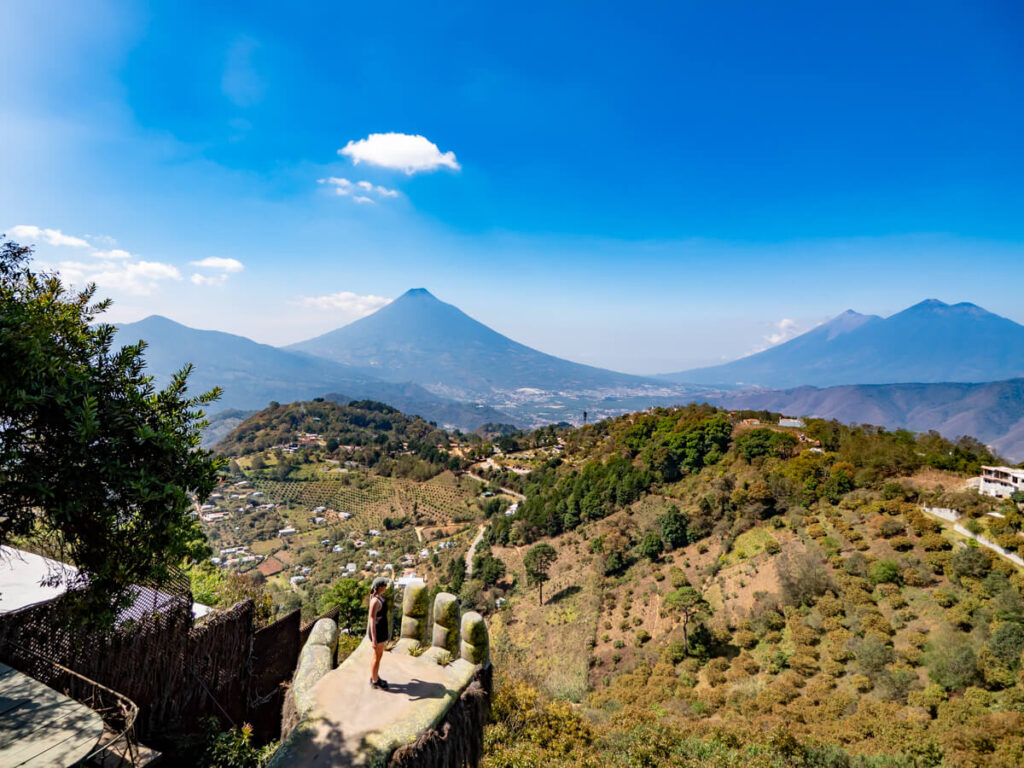
Despite the sunshine, the highlands can be surprisingly cool in the mornings and evenings, so you’ll want a jumper. But you’ll be rewarded with the best visibility for volcano views and the most pleasant weather for outdoor activities like hiking.

Pros of visiting Guatemala in the dry season
Cons of visiting Guatemala in the dry season

What to do in Guatemala’s dry season
Guatemala’s wet season (May to October)
Guatemala’s wet season runs from May to October, bringing regular rainfall and higher humidity. Rain typically falls in the afternoon or evening, leaving the mornings free for exploring.
The landscapes are at their greenest during this time, waterfalls are more impressive, and there are fewer tourists overall. The trade-off is a higher risk of cancelled excursions, darker skies and cloudy views, and travel can be slower due to muddy roads and occasional landslides in more remote areas.
But prices are often lower, making it a good option for budget travellers, and there’s more availability for tours and accommodation, so you don’t need to book ahead as much.

Does it rain a lot in Guatemala?
There’s no getting around it, Guatemala does experience significant rainfall, but it varies by region and season.
The wet season from May to October brings afternoon showers and thunderstorms, especially in the highlands around places like Antigua and Lake Atitlán, where mornings are often sunny but afternoons can see heavy downpours. The Pacific coast, including surfing destinations like El Paredón, also sees tropical rain, though mornings are usually clear.
The lowlands and Caribbean coast, including Río Dulce and Livingston, are hot, humid, and prone to more sustained rainfall, particularly between June and September.
Localised storms are common, so one town can be dry while nearby valleys or forests get drenched.
One of our core memories from our first trip is sheltering from a storm in a café in San Juan La Laguna and chatting to the local Maya women. They told us about the many different names for rain in Maya languages like Kaqchikel, K’iche’, and Tz’utujil, which distinguish between rains like light drizzle, steady rain, heavy rain, and rain that comes with thunder, which just goes to show how ingrained rainfall is into the local culture.
Extreme weather and hurricanes in Guatemala
Guatemala is generally outside the main hurricane belt, but it can be affected by tropical storms and hurricanes, especially on the Caribbean coast and northern lowlands.
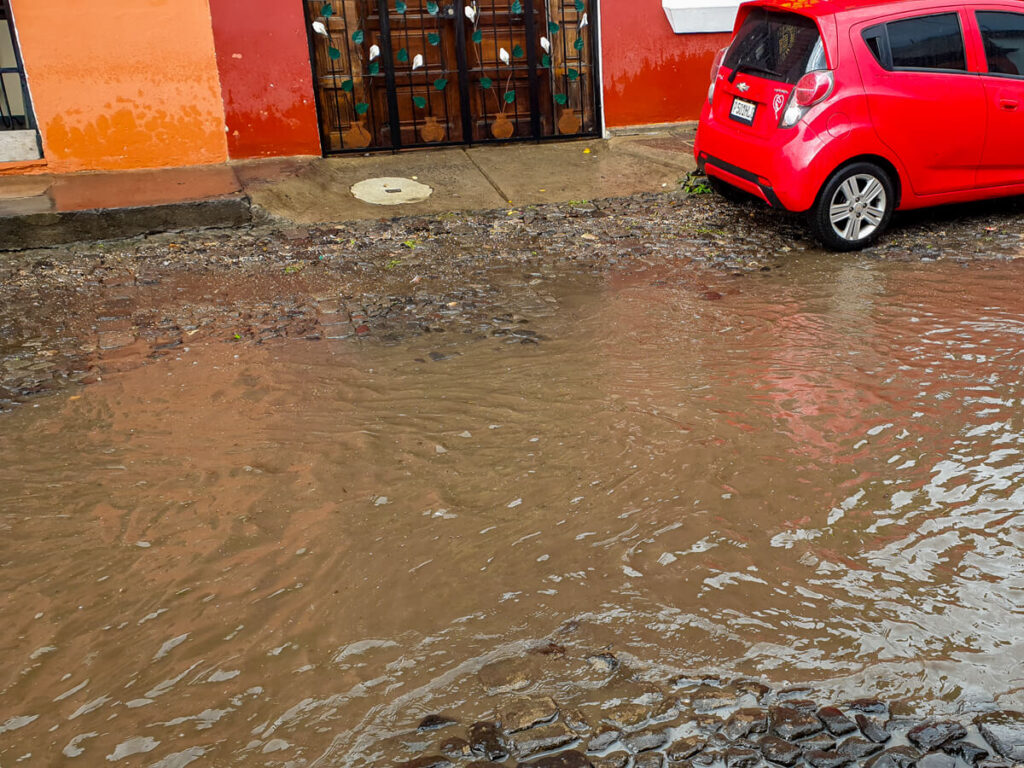
The hurricane season runs from June to November, peaking in August and September, and can bring intense rain, flooding, and landslides. Heavy rainfall from these storms often affects the Río Dulce and Livingston areas, sometimes making roads impassable or disrupting boat services.
The Pacific coast is less likely to see direct hurricanes, but tropical depressions can still produce strong winds, high surf, and heavy rain, affecting places like Monterrico and El Paredón.
Inland, the main risk from extreme weather is flash flooding and landslides in mountainous or rural areas, particularly during prolonged heavy rain.
Always check local forecasts, travel advisories, and road conditions during the wet season, and consider travel insurance that covers weather-related disruptions.
Travel insurance can save you $$$ if things go wrong
Don’t forget to buy travel insurance! From lost luggage to emergency medical care abroad, travel insurance gives you peace of mind so you can solely focus on the adventure. It might not be exciting, but you’ll be very glad you have it if something goes wrong. A few of our favourite companies are:
Get 8 weeks of electronic theft coverage free with SafetyWing Travel Insurance with our code: THOROUGHLY8 (new members only). Simply click the pink camera and laptop icon on the Nomad Essential page to redeem the reward before creating a new account.
Find out more: 6 Best Travel Insurance Companies for Every Kind of Trip

Pros of visiting Guatemala in the rainy season
Cons of visiting Guatemala in the rainy season
What to do in Guatemala’s rainy season
How to survive (and thrive) in Guatemala’s wet season
Just because it’s raining doesn’t mean your trip is ruined. We had such a fun time in Guatemala on our first trip (in wet season) that it was one of the countries we spent the most time in on our second Central America backpacking trip. Here are our top tips for surviving and thriving in the rainy season:

The best time to visit Guatemala for volcano views
Guatemala is home to over 30 volcanoes, many of which are still active today. They form a dramatic backdrop across the country, and seeing them up close is one of the best things to do in Guatemala.
When it comes to volcano experiences, timing your trip around visibility can make a huge difference. Cloud cover, rain, and even time of day all affect how much you’ll actually see, so it’s worth planning ahead for those clear, panoramic views.
The best time to visit Guatemala for volcano views is during the dry season (November to April) when skies are clearer. There is less chance of rain then, too, so you’re less likely to get soaked, the experience is overall more enjoyable, and you don’t have to worry so much about your tour getting cancelled because of bad weather.
Early mornings offer the best visibility, especially around Lake Atitlán, Antigua, and its nearby volcanoes like Acatenango and Pacaya Volcano. Clouds often roll in by midday, even out of the wet season, obscuring views. We had an epic experience hiking up Acatenango Volcano, only to book an afternoon tour to Pacaya and not see a thing, as it was completely obscured by fog.

The best time to visit Guatemala for hiking
With volcano treks, jungle trails, and lakeside viewpoints, Guatemala is one of the best hiking destinations in Central America. But the variety of terrain means conditions can vary a lot depending on the season. Choosing the right time of year to hike can mean the difference between dry, scenic trails and muddy, slippery climbs.
The best time for hiking is also the dry season, when trails are dry, less slippery, and easier to navigate. Popular trails like the hikes around Lake Atitlán or volcano treks are more enjoyable in stable weather.
In the wet season, trails can become muddy and more challenging, especially in jungle regions. On our first trip, we had to start early and squeeze hikes into the mornings before the afternoon rains came in, so we could only do short trails.
On our second trip in the dry season, we did several much longer hikes, including an overnight volcano trek, and the good weather made all the difference. Starting early is also a good idea, even if the weather’s good, to avoid the hottest part of the day.

The best time to visit Guatemala for wildlife
From tropical birds and howler monkeys to river and jungle ecosystems, Guatemala has a surprising amount of biodiversity. But wildlife sightings often depend on rainfall, temperature, and habitat conditions.
If you’re hoping to spot wildlife in Guatemala, the time of year you visit can really shape your experience. Seasonal changes affect everything from bird activity to river levels, so it’s worth knowing when nature is at its most active.
Tikal National Park and other northern rainforest sites are best visited in the dry season, when trails are accessible, and animals like howler monkeys, coatis, and toucans are more visible without rain disrupting excursions.
Resplendent quetzals are easiest to see during their breeding season, from March to May, when males are most colourful and active in the cloud forests around places like Cobán and Tepepul Nature Reserve. We spotted a quetzal in Costa Rica towards the end of the season and had to wait over an hour for one to emerge from its nest – try to time your visit with peak season if you’re a keen birdwatcher.
On the Caribbean coast, manatees in Río Dulce are easiest to spot during the dry season, when water levels are lower and they congregate near the shore.
Along the Pacific coast, baby sea turtles hatch at El Paredón mainly in July to September, while humpback whales are most seen off Monterrico from July to October, during their seasonal migration.

The best time to visit Guatemala for surfing
Guatemala’s Pacific coast has consistent waves, but conditions shift throughout the year. Surfing in El Paredón is becoming increasingly popular, thanks to its long, uncrowded beach breaks and consistent Pacific swells. Whether you’re a beginner or a more experienced surfer, timing your visit can help you get the most out of the surf.
The best time for surfing in Guatemala really depends on your skill level. The wet season results in bigger and more consistent swells, which is better for intermediate and advanced surfers. But most travellers will want to visit in the dry season, with smaller and more manageable waves. Mid-November to late March is peak surf season in Guatemala.
Generally, mid to slightly higher tides are better for beginners, while lower tides can produce faster, more powerful waves for expert surfers. Water temperatures are warm year-round, though slightly cooler currents can appear. Early mornings are usually better, as afternoons can become choppier as onshore winds pick up.

The best time to visit Guatemala to escape the crowds
Places like Antigua and Lake Atitlán are some of the most visited destinations, not just in Guatemala, but in Central America. While they’re popular for good reason, they can get really busy, especially during peak travel periods and major holidays.
To avoid crowds, visit during the shoulder months between seasons – May to June and September to October. These months technically fall within the wet season, but often have manageable, short afternoon showers and fewer tourists.
This is also the cheapest time to visit Guatemala, and prices are lower for accommodation and tours at this time.
The best time to visit Guatemala for local events
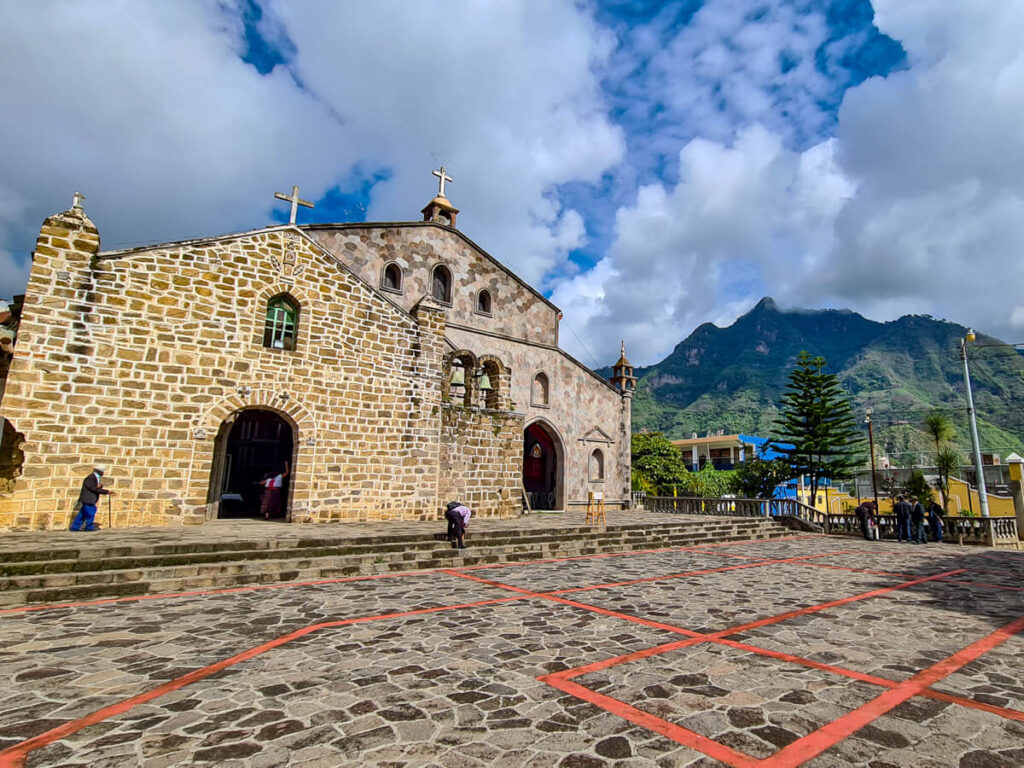
Guatemala has a constant calendar of festivals rooted in both Indigenous and Spanish traditions. One of the biggest events is Semana Santa (Easter), in March or April, when Antigua hosts elaborate processions, parades, and colourful street carpets. Santiago Atitlán, one of Lake Atitlán’s towns, holds ceremonies for Maximón, a revered and controversial deity, year-round but more elaborately at Easter.
November is also a great time to visit for Día de los Muertos (Day of the Dead), especially in places like Santiago Sacatepéquez, known for its giant kites.
All Saints’ Day on 1st November is also widely observed, especially in the highlands, with food, candles, and vigils in cemeteries.
For music lovers, Guatemala’s jazz festival (Festival Internacional de Jazz) in March brings international performers to Antigua.

What is the best month to visit Guatemala?
Guatemala’s good to visit pretty much all of the year, so the best month to visit will depend on your interests and timeframe. Some months are ideal for clear skies and outdoor activities, while others come with heavier rain, fewer crowds, or lower prices.
Our general rule of thumb when planning when to visit a country is to knock a month off either side of the dry season and plan our trip outside the very peak. For Guatemala’s dry season of November to April, we’d plan our trip between December and March, while avoiding the peak holiday season from mid-December to mid-January.
We’d personally pick March to revisit Guatemala. It’s when we visited on our second trip and we had lovely weather the whole time. February and April would probably be good choices, too.
Having said that, March is the hottest month in Guatemala, so opt for November if you don’t deal well with heat.

How to pack for Guatemala’s seasons
Here’s our packing list, so you don’t forget the essentials:

Best time to visit Guatemala FAQs
We’ve answered some frequently asked questions about the weather in Guatemala, the best time to visit the hotspots, and when to visit the rest of the country, below.
What is the worst time to visit Guatemala?
The worst time to visit Guatemala depends on what you want to do. The peak of the wet season, September and October, can bring heavy rain, muddy trails, swollen rivers, and occasional road closures, especially in remote areas like Semuc Champey or the highlands. Hurricanes or tropical storms sometimes affect the Caribbean coast during this period, making travel less predictable. For budget-conscious travellers, though, it can be a quieter and cheaper time to visit.
What is the hottest month in Guatemala?
Guatemala’s hottest months are typically March through May, just before the rains begin. Lowland areas like the Pacific coast and Petén can reach 30-35°C (86-95°F), while highland towns like Antigua are warm but comfortable, at around 25°C (77°F). The heat can make hiking, volcano climbs, or exploring towns more tiring during midday. Coastal regions can also feel more humid, amplifying the temperature.
What is the coldest month in Guatemala?
The coldest months in Guatemala are generally December and January, especially in the highlands. Morning and nighttime temperatures in places like Antigua, Chichicastenango, or Lake Atitlán can dip to 5-10°C (41-50°F), though days often warm up in the sun. The lowlands stay mild to warm, around 25°C (77°F), so you’ll mostly notice the chill in higher altitudes.
What month does it rain the most in Guatemala?
Rainfall in Guatemala peaks in September and October, though the wet season runs from May to October. The highlands see frequent afternoon showers, sometimes intense but short-lived, while the lowlands and Caribbean coast can experience prolonged rain and storms.
Is it worth going to Guatemala in rainy season?
Yes, but it depends on what you want to do. The wet season brings lush landscapes, full rivers and waterfalls, and more active wildlife. Many towns are quieter, so attractions and trails are less crowded, and accommodation is often cheaper. However, heavy rainfall can affect road conditions, hikes, and outdoor excursions, especially in remote areas. For lowland and coastal areas, it can be hot, humid, and prone to storms.
What is the cheapest month to go to Guatemala?
The wet season, particularly September and October, is generally the cheapest time to visit. Fewer tourists mean accommodation, tours, and some transport options are priced lower. Some lodges or hotels offer off-season discounts, especially in remote or nature-focused destinations. Even popular towns like Antigua or Lake Atitlán can be less crowded and easier to book at the last minute. Flights can also be cheaper during this period.
What is the windiest month in Guatemala?
The windiest month in Guatemala is generally March, when the Xocomil wind, a strong, dry, and gusty wind from the north, sweeps across the country, particularly affecting the Pacific lowlands and Guatemala City. It’s a strong, local wind that is prominent on Lake Atitlán, usually in the afternoon. It occurs year-round, but it’s most noticeable during the dry season, and picks up in the early to mid-afternoon, regardless of the time of year.

Read next:
Ultimate Guatemala Travel Guide: Volcanoes, Lakes & Ancient Mayan Sites
3 Week Guatemala Itinerary with 2 + 4 Week Adaptations
Top 20 Places to Visit in Guatemala + Where Not to Go
Top 20 Unique Things to Do in Guatemala
21 Animals in Guatemala and Where to See Them
Our Guatemala Destination Guides:
