A Complete Guide to Surfing in El Paredón

Everything you need to know about surfing in El Paredón, Guatemala’s little coast town and popular surf hub for lessons and board rentals.

This post may contain affiliate links, which means we might earn a small commission on anything purchased through these links at no extra cost to you. Learn more on our disclaimer page.
Surfing is the main reason most people visit El Paredón, but the conditions aren’t always as beginner-friendly as they’re sometimes made out to be. The Pacific Ocean here is powerful, the waves break hard, and depending on the tide and season, it can be more challenging than first-time surfers expect.
El Paredón was our introduction to surfing (one of the best things to do in Guatemala) and the place where Dan first got on a board. It was a steep learning curve, not only comparing the endless list of schools and hostels that offer lessons and board rentals, but also learning how to navigate local conditions while getting comfortable catching a wave.
In this guide, we break down what surfing in El Paredón is really like, the best time of year to go, where to take lessons or rent a board, and how much it actually costs. Whether you’re learning from scratch or looking to catch consistent waves, this guide to surfing in El Paredón will help you plan properly and stay safe in the water.
Surfing in El Paredón at a glance

More from El Paredón
Surfing in El Paredón
El Paredón is a tiny fishing village on Guatemala’s west coast that’s quietly become the country’s surf capital. Unlike the Caribbean side, this stretch of coastline faces the open Pacific Ocean, meaning consistent swell and punchy beach breaks roll in most of the year. As such, surfing is easily one of the best things to do in El Paredón, if not the most popular activity in town.
The sand is volcanic and dark, there’s only one main road, a handful of surf hostels and cafés scattered around the sandy streets, and the sea is never more than a few minutes’ walk away. But the currents are strong, conditions can drastically change, and the waves can be surprisingly powerful for such an unassuming town.
El Paredón is not only one of the world’s cheapest surf destinations, but it’s been heralded as one of the top 10 surf spots in the world by The Guardian. While it’s definitely one of the best places to surf in Guatemala, knowing what to expect and whether it suits your experience level makes a big difference.

Can beginners surf in El Paredón?
One of El Paredón’s biggest appeals is that it’s one of the best places to visit in Guatemala and a great place for beginners to learn to surf. The town draws travellers from all over the world, some who are backpacking Central America and others who come here in their own right for the surf scene.
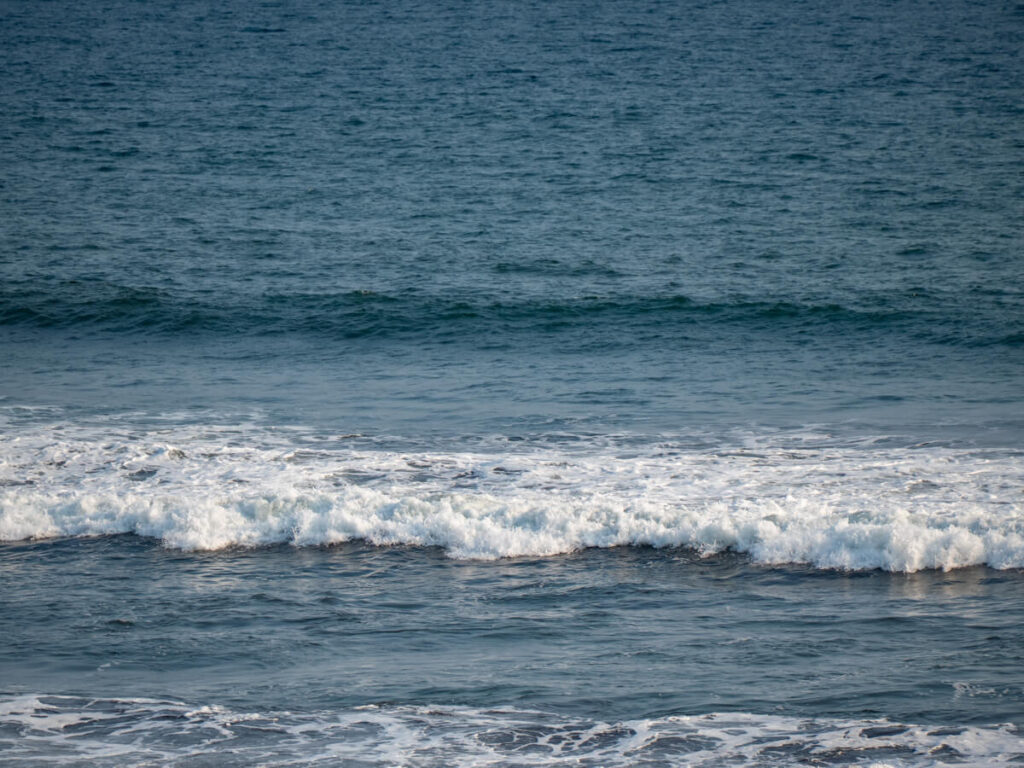
But it’s important to understand what you’re signing up for. The main break is a beach break with shifting sandbanks, which means wave conditions change daily and can be powerful, especially at mid to high tide.
White-water sections closer to shore are suitable for first-timers, particularly during smaller swell days between November and April. That said, strong currents and heavy closeouts are common, so lessons are highly recommended if you’ve never surfed before. Local instructors know where the safer sandbanks are and when conditions are manageable.
With the right guidance and realistic expectations, El Paredón is a fun (and humbling) place to learn to surf.

El Paredón Surf Lessons
Surf lessons typically last 1-1.5 hours and include board rental and sometimes a rashguard, but we’d recommend having one with you. Most lessons start with a short theory session on the sand and some practice positioning yourself on the board before you even paddle out. You’ll likely cover safety basics, how to pop up, and how to read the waves, which is essential on a beach break like this.
Because surfing is the main draw in El Paredón, lessons are easy to organise once you arrive. Most hostels and beachfront hotels in El Paredón either have in-house instructors or partner with local surf guides who know the break intimately.
The most popular places to book surf lessons in El Paredón are:
Lessons are usually private, unless you specifically book a shared class, but it’s worth checking beforehand. If you’re a newbie, we’d recommend going private at first for one-on-one instruction.

El Paredón Surfboard Rentals
If you already know how to surf, renting a surfboard in El Paredón is straightforward. Most surf hostels have a rack of soft-tops and hardboards available by the hour or day, and prices are generally reasonable compared to more established surf destinations.
Board choice can be limited depending on the swell and how busy the town is, so it’s worth grabbing one early in the morning. You’ll find a variety of surfboards, from longboards, soft-tops, fish, and funboards to shortboards. Soft-top longboards are common, making them accessible for those just starting out, while shortboards are usually available for more confident surfers. Dan’s instructor said the worst mistake you can make is moving away from a soft-top longboard too early. She recommended mastering the more stable soft-top first before trying the more loose and less forgiving shortboards.
You can rent a surfboard from the same hotels that offer lessons, including:
Always check the leash and fins before heading out, as gear quality can vary.

Where to surf in El Paredón?
Surfing in El Paredón centres around one main beach break that stretches along the village’s Pacific shoreline. There isn’t a named reef or point break – instead, the sandbanks shift constantly, creating peaks that move up and down the beach.
Most surfers enter Playa El Paredón directly in front of their accommodation, particularly around Driftwood Hostel and Cocori Lodge, and walk along the shore to find the best-looking section.
Especially if you are new to surfing, we’d recommend starting much shallower than you might think, and getting a feel for the white-water waves. Once you have ridden a few shallow waves, you can gradually work your way out to your comfort zone.
During bigger swells, more experienced surfers spread out to avoid heavy closeouts. The lack of fixed breaks means conditions can change dramatically from one day to the next, so it’s worth watching the ocean for 10-15 minutes before paddling out to understand how the sets are behaving.

When to surf in El Paredón?
El Paredón has surf year-round, but conditions vary significantly by season. The beach’s south-facing orientation means the beach is exposed to Antarctic swells head-on, resulting in uninterrupted waves that maintain their strength and form.
The rainy season, roughly May to October, brings bigger and more consistent swells, often better suited to intermediate and advanced surfers.
The dry season, from November to April, tends to see smaller and slightly more manageable waves, making it a better window for beginners.
The best time to visit Guatemala for surfing is generally mid-November to late March, as it balances nice weather with manageable waves. This is the peak surf season in El Paredón, when the swell is at its most consistent and the beach break really starts to fire. During these months, you can expect hollow, fast-moving waves typically in the 1-2 metre (3-7 ft) range, with multiple shifting peaks forming along the shoreline.
Early mornings are usually the cleanest, with lighter winds and more organised sets. Afternoons can become choppier as onshore winds pick up.
The tide also plays a big role here, so checking a local tide chart can make a noticeable difference to your session. Generally, mid to slightly higher tides are more manageable for beginners, while lower tides can produce faster, more powerful waves that suit confident surfers.
Dan did such a great job during his early morning lesson, but really struggled with a board rental in the evening. When I looked along the beach, I noticed all the other surfers were wiping out, their boards shooting up above the whitewater. The dropping tide and messy evening conditions made it much harder to catch a clean wave.

Pros of surfing in El Paredón
There’s a reason surfers keep coming back to El Paredón. The swell is consistent, the beach is wide and uncrowded, and everything revolves around the ocean. Here are some of the pros of surfing in El Paredón:

Cons of surfing in El Paredón
If we’re being brutally honest, El Paredón isn’t the easiest place to learn to surf. The conditions can be heavy, facilities are limited, and the beach break doesn’t always play nicely. Here are some cons of surfing in El Paredón:

Stay safe while surfing in El Paredón
El Paredón’s waves are powerful, and rip currents are common, so it’s important to respect the ocean.
If you’re new to the area or to surfing in general, taking at least one lesson with a local instructor will give you the confidence to read the waves and know where it’s safe to enter and exit. When people are learning a new skill, it’s easy to feel more confident than they actually are, and in the surf, false confidence can be dangerous. It’s worth taking more lessons than you think you might need.
Always check the tide and swell before paddling out, as conditions can change quickly, and what was manageable in the morning may be challenging by afternoon. Never surf alone, and keep an eye on landmarks along the beach so you don’t drift too far downshore. If you get caught in a rip, stay calm, paddle parallel to the shoreline, and let the current carry you out before heading back in.
Sun protection is crucial, as there’s little natural shade, and hydration is key during long sessions in the heat. The black sand is a real heat trap, and just sitting on the sand watching Dan surf for an hour in the morning was scorching. I kept hydrated with water in our reusable water bottles and iced coffee from El Paredón Coffee House, one of the best cafés in El Paredón. Dan needed to keep reapplying our eco-friendly sunscreen, too.
Finally, respect other surfers and the local vibe – El Paredón is a small Guatemalan village where surfers, fishermen, and locals share the beach. Safety also comes from looking out for one another in the water: give space to others, follow local advice, and remember that the ocean is stronger than any one of us.

Where to stay to surf in El Paredón
The town’s accommodation revolves around surfing, with many hostels and boutique hotels in El Paredón built just steps from the sand. Whether you’re travelling solo or as a couple, you’ll find everything from dorm beds to private bungalows.
Staying beachfront makes dawn patrol sessions easy and means you can check the swell from your hammock. But many places are only a few minutes’ walk from the shoreline anyway. It’s worth booking ahead in peak season, as the village is small and rooms fill quickly.
El Paredón Surf Schools
Surf schools in El Paredón are the heart of the town’s surf scene. They’re a great way to get orientated, meet other surfers, and start building confidence in the waves. You’ll find lots of hotels in town offering schools, with in-house instructors, classes, and board rentals available. Some of the most popular are:
El Paredón Surf Camps
If you’d like to immerse yourself fully, surf camps offer multi-day experiences that combine lessons, accommodation, and community. They’re perfect if you want to live and breathe surfing for a few days, progress quickly, and enjoy the social side of El Paredón’s surf culture. Most camps also include gear, guidance on the best breaks, and tips for navigating changing conditions along the beach. Here are a few of the top ones:

Is surfing in El Paredón worth it?
Obviously, we had an amazing time in El Paredón, and as the place where Dan took his first lessons, it’s always going to be special. We’d say surfing in El Paredón is absolutely worth it, and would highly recommend adding this sleepy little surf town to your Guatemala itinerary.
However, if you’re looking for somewhere with established infrastructure and gentle, predictable waves, El Paredón is probably not for you. The waves can be challenging, and conditions can change quickly.
But if you want consistent swell, dramatic Pacific sunrises and sunsets, and a small-town surf scene that still feels a little under-the-radar, then yes, El Paredón is absolutely worth it and surfing here is worth doing when travelling Guatemala.

What to wear to surf in El Paredón
When surfing in El Paredón, you’ll want lightweight, quick-drying clothing that protects you from the sun and stays comfortable in the heat. We’d recommend wearing:

What to pack to surf in El Paredón
Packing smart means bringing essentials for both surf and comfort, and a few extras for life on the black-sand beach. Don’t forget to pack your:
What else is there to do in El Paredón?
While there aren’t loads of activities on offer, there are still lots of fun things to do in El Paredón. Even if you come here for the surf, you’ll likely end up appreciating the slow way of life just as much as the waves. Don’t miss:

What to know before surfing in El Paredón
If you’re new to surfing, as we were on this trip, the lingo can be quite confusing. Here’s what you need to know:
Surf Conditions & Breaks
Tides & Timing
Boards & Gear
Safety & Hazards
Local Surf Culture

Read next:
A Traveller’s Guide to El Paredón: Guatemala’s Surf Town
15 Exciting Things to Do in El Paredón
Where to Stay in El Paredón: 17 Hotels For Every Budget from Boutique to Boujee
17 Cool Cafés, Bars, and Restaurants in El Paredón
Our Guatemala Destination Guides:
Our Guatemala Travel Guides:
