Top 20 Unique Things to Do in Guatemala

From exploring ancient Mayan ruins and hiking explosive volcanoes to relaxing in remote jungle destinations and immersing in local culture, discover the best activities and attractions in Guatemala in this list.

This post may contain affiliate links, which means we might earn a small commission on anything purchased through these links at no extra cost to you. Learn more on our disclaimer page.
Guatemala is one of the most diverse countries in Central America, packing volcanoes, jungles, lakes, colonial cities, and ancient ruins into a relatively small space. Whether you’re here for hiking, culture, food, or wildlife, there’s a huge range of experiences, but not everything is worth your time, especially if you’re on a tight itinerary.
We loved travelling Guatemala so much that it was one of the few countries we returned to on our second Central America backpacking trip, and have explored from the highlands around Lake Atitlán to the jungles of Petén and the Caribbean coast. Discover the best things to do in Guatemala, including must-see highlights, adventure activities, and cultural experiences that are genuinely worth your time and money, in this guide.

More from Guatemala
The best things to do in Guatemala
Whether you’re chasing adventure, culture, or natural beauty, there’s something for every type of traveller to add to their Guatemala itinerary. These are the top 10 things we’d recommend you do that are quintessentially Guatemalan – if you only have time for a handful of activities, make it these.
Top 10 things to do in Guatemala
Don’t have time to read the whole list? Here are the top 10 things to do in Guatemala that we’d recommend you not miss:
- Explore colourful colonial streets in Antigua
- Hike Acatenango to see Fuego erupt or toast marshmallows on Pacaya Volcano
- Visit ancient Mayan ruins at Tikal
- Boat around Lake Atitlán’s Mayan villages
- Bathe in turquoise jungle pools in Semuc Champey
- Learn to surf in the black sand beach town of El Paredón
- Sleep in a Hobbit Hole in Hobbitenango
- Cruise through the jungle in Río Dulce
- Soak up Garífuna culture in Livingston
- Take a boat tour on Lake Petén Itzá
Unique things to do in Guatemala
Step off the beaten path and explore the quirks that make Guatemala truly special. From colonial streets and volcanic hikes to hidden jungle pools and eco-lodges, these experiences show a side of the country that most visitors never see.
1. Explore colourful colonial cities
Guatemala’s colonial cities are some of the most atmospheric in Central America, and exploring them is one of the best free things to do in Guatemala.
Antigua is the most famous city in Guatemala, where you can spend days wandering the cobbled streets between ruined churches, leafy courtyards, and local markets. It was once part of the Spanish Empire, when it served as the capital of the Captaincy General of Guatemala, a territory that once stretched across much of the region.
The city was designed in the traditional Spanish grid style, with grand churches, monasteries, and plazas built using indigenous labour and resources. Repeated earthquakes in the 18th century eventually led to the capital being moved to present-day Guatemala City, leaving Antigua partially abandoned. Today, you’ll find crumbling facades, baroque churches, and pastel-painted buildings set against dramatic volcanic backdrops.
There are plenty of fun things to do in Antigua, with everything from rooftop restaurants and beautifully restored boutique hotels tucked behind unassuming doors to viewpoints like Cerro de la Cruz offering a classic panorama over the city and its three volcanoes. If you visit during Semana Santa (Easter), the streets transform with intricate sawdust carpets and religious processions, making it one of the most unique times to be in the city.
Further west, Quetzaltenango (Xela) feels more local and is less visited, with a cooler climate and a strong cultural identity. It’s a hub for language schools, coffee culture, and markets, where you can immerse yourself in everyday life. The surrounding volcanoes, hot springs, and nearby lakes also make it a great base for hiking and exploring off-the-beaten-path destinations.
Up north, Flores is completely different – a tiny rainbow-painted island town set on Lake Petén Itzá. Acting as the gateway to the jungle and nearby Mayan ruins, it quickly became one of our favourite places in Guatemala. The town’s history stretches back to pre-Columbian times, and you can still feel the echoes of Mayan influence alongside Spanish colonial architecture. Despite its small size, Flores has a surprisingly upbeat atmosphere, especially in the evenings when locals and backpackers mingle in bars and restaurants along the waterfront malecón.
Top Antigua Tours

2. Hike an active volcano
Guatemala is one of the few places in the world where you can hike active volcanoes and watch eruptions in real time. The most famous climb is the Acatenango Volcano overnight hike near Antigua that rewards you with front-row views of neighbouring Fuego Volcano, which regularly erupts with lava and ash bursts throughout the night.
It’s a tough uphill trek, but reputable Acatenango Volcano tour companies provide gear, meals, comfortable cabins at basecamp, and guides to make it manageable, and the experience of camping above the clouds with views of Fuego is unforgettable.
Hiking Acatenango was one of the main reasons we returned to Guatemala, and it didn’t disappoint. Even though we visited during a period of no lava (you can read about our experience hiking Acatenango here), we’d rate Acatenango as the number one thing to add to your Guatemala bucket list.
For something shorter, Pacaya Volcano offers a half-day hike from Antigua, where you can walk across hardened lava fields and even roast marshmallows over hot vents. It’s active but hasn’t erupted since 2022, so you won’t see lava, but it’s a much easier hike than Acatenango.
Around Lake Atitlán, the volcanoes San Pedro, Atitlán, and Tolimán offer more remote and challenging climbs with sweeping lake views. You can climb them with a local guide and get panoramic views over the lake and its Mayan towns from the summits. We’ve covered each hike and suggested tours in our guide to Lake Atitlán’s best hikes.
Located on the Ring of Fire, there are over 30 volcanoes in Guatemala, so there’s no shortage of epic volcano hikes. Near Xela, Santa María provides a serious ascent, while nearby Chicabal is a sacred crater lake surrounded by cloud forest that you can swim in. And if you’re after a challenging summit, Tajumulco – the highest peak in Central America – is a multi-day adventure with incredible sunrise views.

3. Visit ancient Mayan ruins
Guatemala is home to some of the most impressive Mayan ruins in the world, with Tikal National Park being a UNESCO World Heritage site and one of the largest and most important archaeological complexes in the world.
Tikal is a vast Pre-Columbian site, with towering pyramids rising above the rainforest canopy. Watching sunrise over the temple tops as howler monkey calls echo through the jungle on a sunrise Tikal tour is one of the most memorable experiences in Guatemala.
The easiest base is Flores, where you’ll find lakeside hotels and a relaxed atmosphere after long days exploring the ruins, but you can stay in the park itself at Jungle Lodge Hotel, too.
Beyond Tikal, there are several lesser-known sites worth visiting, including Quiriguá, famous for its intricately carved stelae, and Yaxhá, which offers similar jungle-clad temples but with far fewer crowds.
For the truly adventurous, El Mirador requires a multi-day trek deep into the jungle to reach one of the largest ancient Mayan cities ever discovered.
After exploring several Mayan ruins in Belize and Mexico, we thought we’d be a bit Mayan ruin-ed out, but Guatemala surprised us with some of the best preserved sites in Central America.

4. Boat around Mayan villages
While looking for things to do in Guatemala, you’ve probably come across Lake Atitlán, but it’s important to know that it isn’t just one destination – it’s a collection of around a dozen distinct villages, each with its own character. Set around a volcanic lake with travel limited largely to lanchas (motorboats) and tuk-tuks, exploring each of Lake Atitlán’s towns in turn is a quintessential Guatemalan activity.
Towns like San Juan La Laguna are known for art, weaving, and community tourism, while San Pedro La Laguna has a more backpacker-focused energy with lots of Spanish Schools. San Marcos La Laguna leans into wellness, yoga, and lakeside relaxation, while quieter spots like Santa Cruz feel more remote.
There are plenty of things to do on Lake Atitlán between stops, from hiking to viewpoints like Mirador Kaqasiiwaan and El Rostro Maya (the Indian Nose) to kayaking along the shoreline. The lake was our first stop in Guatemala, where we based ourselves in Eco-Hotel MayAchik’, and we totally fell in love with it.

5. Bathe in turquoise pools in the remote jungle
Hidden deep in the jungle in the heart of the country, Semuc Champey is a series of stepped limestone pools filled with bright turquoise water. The Cahabón River disappears beneath the earth here in a 300 metres (985 ft) long bridge, allowing calm, clear pools to form on the surface, perfect for swimming and relaxing.
Hiking to the mirador (viewpoint) above the pools is a must, offering a panoramic view of the winding formations surrounded by dense forest (do it early to avoid crowds). You can also explore Ka’an Ba Cave with only a candle and a local guide to direct you, or sit back with a beer in hand and float down the river on an inflatable ring.
There are plenty of hostels and hotels in Semuc Champey to choose from. The town of San Agustín Lanquín is the nearest base, with a wealth of hostels from party spots to chill backpacker retreats, but you can also stay nearer the pools in a secluded jungle lodge for an immersive experience.

6. Learn to surf in a black sand beach town
El Paredón is Guatemala’s up-and-coming surf town, known for its volcanic black sand beach and powerful Pacific waves. It’s one of the best places in Central America to learn to surf, with consistent breaks and plenty of surf schools offering lessons for beginners.
Surfing in El Paredón is one of the best things to do in Guatemala, but conditions can be slightly challenging, so it’s best to go with an instructor if you’re new – there’s no shortage of places offering lessons and board rentals.
The town itself is small and relaxed, with sandy streets, boutique hotels, and a growing food scene. When you’re not in the water, there are plenty of things to do in El Paredón, from eating in beachfront cafés and restaurants and watching the sunset over the ocean to kayaking in the mangroves and releasing baby turtles.

7. Sleep in a Hobbit Hole in the highlands
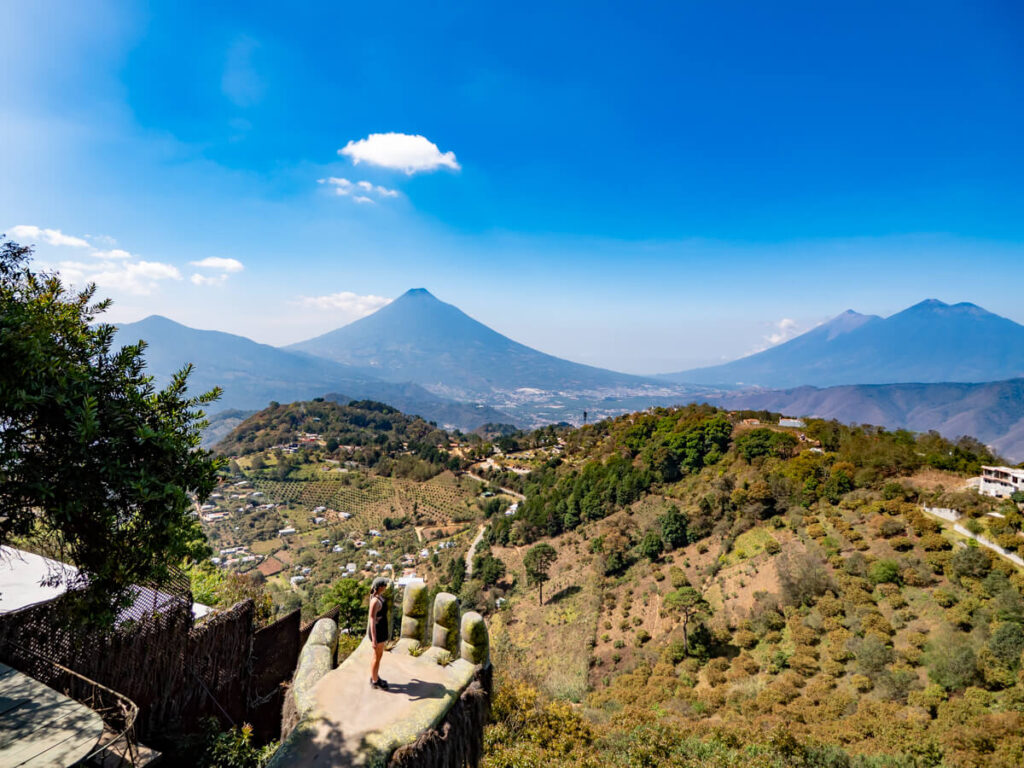
Nestled in the highlands, Hobbitenango is a quirky eco-park that’s one of the best day trips from Antigua. As soon as I saw a Lord of the Rings themed park to rival New Zealand’s Hobbiton, I knew I had to book it as a surprise for Dan’s birthday (he’s a big fan).
The site is whimsical and immersive, with Hobbit Holes with round doors and earthy interiors, games and activities like archery and minigolf, photo spots, and panoramic viewpoints built into the landscape. You can even stay in a hobbit house-style cabin overlooking the surrounding valleys and volcanoes. We woke up in the morning to epic views of the volcanoes, which was a highlight on our Antigua itinerary.
Hobbitenango isn’t necessarily the most authentically local activity on this list, but it sure is unique to the country, and we had such a good time that we consider it one of the best things to do in Guatemala. It’s easy to visit independently from Antigua or on a day tour, either with a tour group or by ATV.

8. Cruise through the jungle in Río Dulce
A boat journey along the remote Río Dulce is one of the most scenic experiences in Guatemala, winding through lush jungle, towering limestone cliffs, and quiet waterways. The river shares its name with the nearby town, but you’ll want to hop in a boat and stay in a riverside lodge for the full experience.
The river passes landmarks like the Castillo de San Felipe de Lara, similar to Bacalar’s Fort of San Felipe in Mexico (with which it shares its name), a colonial fort built to defend against pirates, and continues into a wildlife-rich river system. Many boat trips also include some of the key attractions in Río Dulce, like hot springs, caves, or small communities along the way.
As you travel further towards the Caribbean coast, you’ll see riverside homes, fishing boats, and dense vegetation closing in on either side, with wildlife sightings of birds and iguanas, and even a manatee, crocodile, or dolphin if you’re lucky.

9. Soak up Garífuna culture in Livingston
At the end of the Río Dulce on the east coast, Livingston is a small town that feels like a completely different country from Guatemala’s highland and jungle destinations. Livingston is shaped by its Garífuna heritage and Caribbean setting. The Garífuna people are Afro-Indigenous descendants with their own language, music, and traditions, brought to this coast in the 18th century.
Try delicacies like pan de coco (coconut bread) and tapado (seafood and coconut milk soup), explore the streets on foot, or take a boat trip out to attractions like Playa Blanca or the Seven Altars Waterfalls. Drumming rhythms, coconut-based dishes, and colourful wooden houses give the town its distinctive Garífuna identity, but you’ll also find a mixture of Maya, Latino, and gringo (tourist) residents here, too.
Livingston is a key stop along the Belize-Guatemala border route by ferry, with boats connecting the two countries along the coast, or you can access it from Río Dulce and Puerto Barrios.

10. Glide over the large Lake Petén Itzá
While Flores is often used as a base for Tikal, it sits on Lake Petén Itzá – the third largest lake in Guatemala – which is worth exploring itself. Boat tours on local lanchas take you across the wide, calm lake to hidden beaches like Playa Chechenal, small villages like San Miguel, and jungle-lined shores with viewpoints like Mirador del Rey Canek.
The water is warm and swimmable, making stops along the way perfect for a dip. Rent a kayak from hotels like Los Amigos Hostel or tour operators like Kayaks en Flores and paddle out on the still surface, or head to Jorge’s Rope Swing for a fun half-day by the water.
Not only is exploring Lake Petén Itzá one of the best things to do in Flores, but you’ll get a different perspective of the town from the water, especially at sunset when the island’s colourfully-painted buildings glow with reflected light.

Outdoor activities in Guatemala
Guatemala’s landscapes are made for getting outside and being active, with everything from cloud forests and volcanoes to rivers, lakes, and wildlife reserves. Adventure seekers and nature lovers alike can hike, kayak, snorkel, or simply watch the wildlife in some of Central America’s most stunning settings. Here are the top outdoor activities in Guatemala.
11. Go whale watching
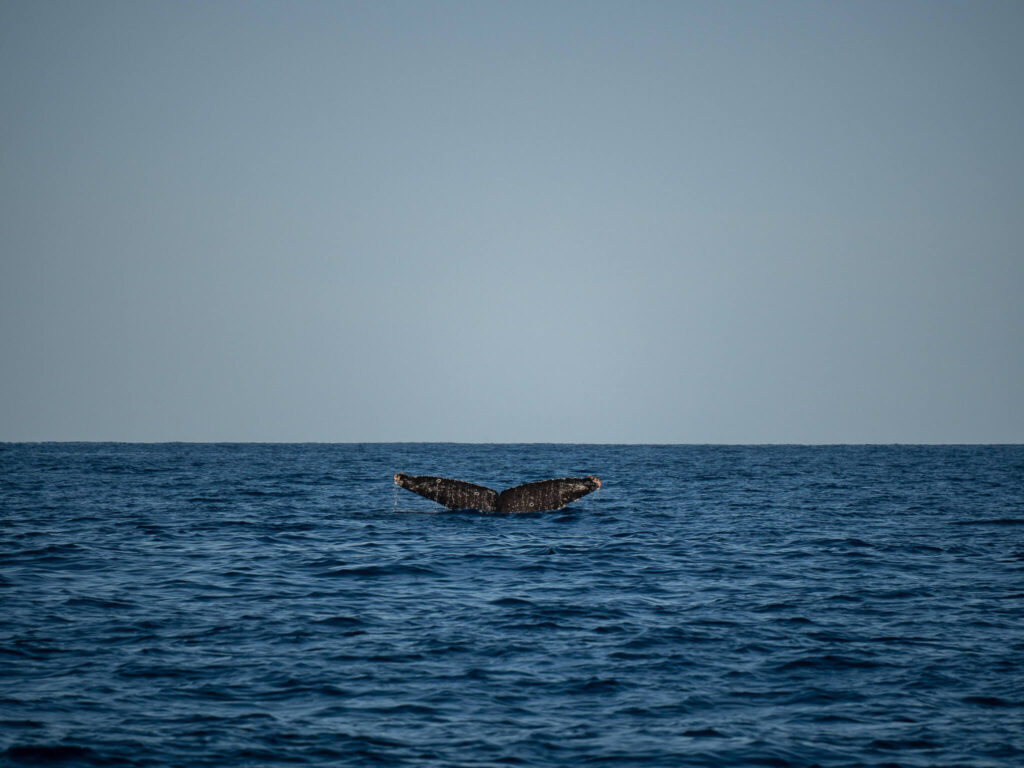
One of the most unique yet lesser-known things to do in Guatemala, whale watching is possible on the Pacific coast. We’re pretty sure we saw a whale splashing off the coast of El Paredón, but Monterrico and Port of San Jose down the coast are the best places to go, where humpback whales pass during their seasonal migration, between December and April, with the peak in January to March.
Local tour operators like Ballenas Guate and GuateGo Adventures offer guided trips to spot these giants. While it’s not as famous or affordable as hotspots like Baja California Sur or Costa Rica’s Pacific Coast, the experience is still incredible, especially because the beaches here are far less crowded. We saw so many whales while whale watching in Baja, so skipped it here, but if you’re only visiting Central America, this is for sure one of the best things to do in Guatemala for wildlife lovers.
12. Birdwatch in the rainforest
Guatemala is a birdwatcher’s paradise, home to the resplendent quetzal and hundreds of other species. The quetzal is Guatemala’s national bird and a symbol of freedom. After a lot of waiting, we saw a quetzal in Costa Rica in the Monteverde Cloud Forest, and can attest that seeing these brightly coloured birds is a bucket list experience.
The cloud forests around Lake Atitlán and protected areas like Biotopo del Quetzal are prime spots for spotting these vibrant birds. Head to Tepepul Nature Reserve on a guided birdwatching tour from Santiago Atitlán or stay at Reserva Natural Ranchitos del Quetzal, a privately owned reserve with guided tours, hummingbirds, and lodges for eco-tourism. Other notable species in these cloud forests include motmots, toucans, and resplendent tanagers.
Another birding hotspot in Guatemala is the Sierra de las Minas Biosphere Reserve, where trails wind through highland forests rich in endemic and migratory species. It’s the largest protected area of cloud forest in Central America and is home to over 300 bird species.
Guided tours often include binoculars and expert knowledge on local species, making it easier to spot elusive quetzals perched in the canopy. Bring a good camera with a long lens.

13. Watch baby turtles hatch
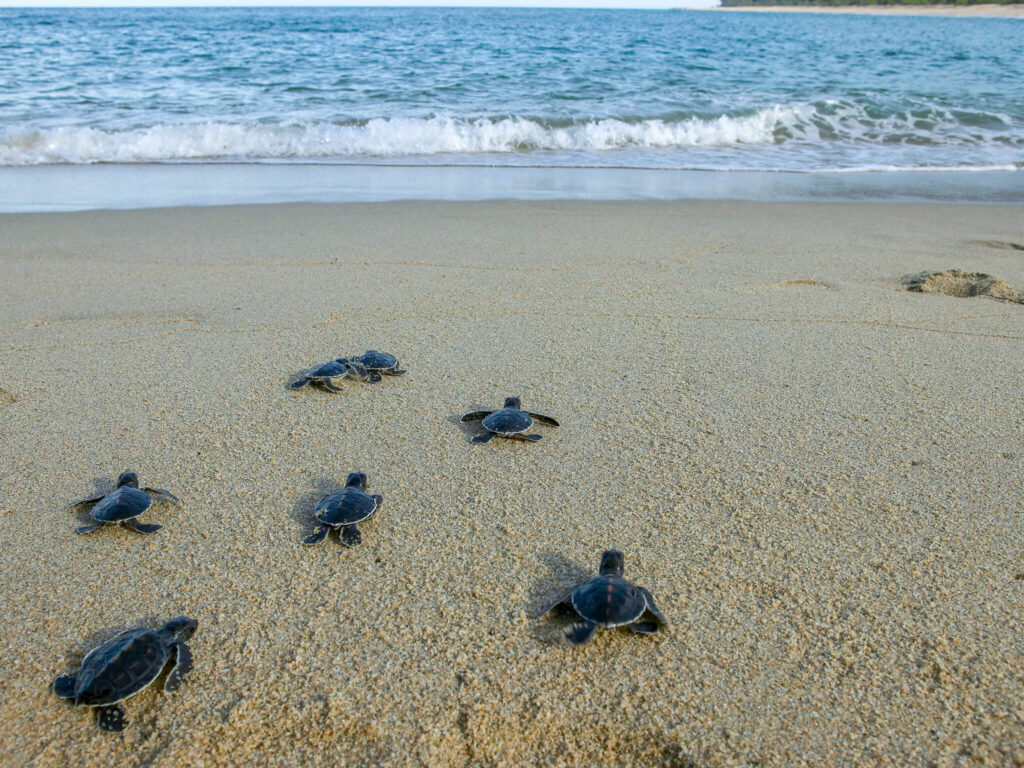
Seeing baby turtles hatch and make their way to the ocean is a magical and unforgettable experience. Coastal conservation groups run programs along Guatemala’s Pacific beaches, particularly in Monterrico’s Biotopo Monterrico-Hawaii National Park and El Paredón’s turtle sanctuary (Tortugario el Paredón).
The Driftwood Surfer Beach Hostel is a popular place to stay in El Paredón and runs a donation-based release programme at 5:45 AM daily in season. You can witness nesting from June to November and the hatching season from September to early December.
14. Support a wildlife rescue centre
Guatemala is home to several wildlife rescue and rehabilitation centres, offering a chance to learn about local species up close. We visited ARCAS Wildlife Rescue & Rehabilitation Centre near Flores, which cares for animals rescued from illegal trade or injury, including monkeys, birds, big cats like jaguars, and reptiles.
You can tour the site, learning about the animals, their conservation status, and how the centre rehabilitates and releases them when possible. ARCAS also runs community programs teaching locals about sustainable living and protecting wildlife. While it’s upsetting to see such beautiful animals in captivity, it’s a great way to support such important conservation work.
The Exotic Antigua Rescue Centre is another option near Antigua, where you can volunteer with GoEco, helping with feeding, habitat maintenance, and enrichment activities for rescued animals. The centre focuses on local species, including parrots, monkeys, and reptiles, many of which were injured or rescued from the illegal pet trade.
In Lake Atitlán, Perros Libres Inc. in Tzununá looks after rescued dogs, giving them medical care and socialisation before adoption. You can visit, help out, or walk a dog. Visiting or volunteering at these centres not only helps the animals directly but also supports broader conservation and animal welfare education in the region.

15. Explore nature reserves
We’ve already mentioned the epic volcanic landscapes, but Guatemala has a variety of protected areas beyond lava fields, ranging from lush jungle to tropical wetlands. Laguna Lachuá National Park, in Alta Verapaz, is a circular freshwater lagoon surrounded by rainforest and karst formations, often compared to Mexico’s Bacalar Lagoon for its turquoise water.
The Candelaria Caves, also in Alta Verapaz, feature underground rivers, stalactites, and stalagmites formed over thousands of years. A dramatic cave system, it’s similar to Belize’s Actun Tunichil Muknal (the ATM Cave), St Herman’s Cave, and Rio Frio Cave in the Mountain Pine Ridge Forest Reserve.
Each site offers hiking, guided exploration, and opportunities to spot unique wildlife such as bats, toucans, or cave fish, but they’re not on the regular tourist trail. These reserves are less crowded than the more famous parks like Tikal, so they are great for a more immersive nature experience.

Cultural activities in Guatemala
We’ve already mentioned historic ruins like Tikal and cities that reflect the country’s colonial past, but you can’t visit Guatemala without experiencing its rich Mayan heritage. History, art, and tradition are everywhere in Guatemala, from bustling markets to local coffee plantations. Immerse yourself in local life, taste traditional cuisine, sip world-class coffee, and learn about the people and stories that shape this incredible country with these cultural activities.
16. Learn more about local culture at a museum
Whether it’s a rainy day or you just love learning about the place you’re visiting, exploring museums is one of the best things to do in Guatemala. There are countless exhibition spaces and galleries throughout the country, offering insight into its colonial history, Mayan heritage, and contemporary culture.
In Antigua, the Casa Santo Domingo – one of the most famous museums in Antigua – showcases colonial art, archaeology, and the ruins of a 16th-century convent. Antigua’s churches, like the San José Cathedral (Catedral de San José) and La Merced Church (Iglesia de la Merced), also double as cultural spaces, exhibiting religious art, altars, and architecture from the Spanish colonial period.
The Museo Popol Vuh at Universidad Francisco Marroquín in Guatemala City preserves pre-Columbian art, textiles, and ceramics, while smaller museums in towns like Chichicastenango and Quetzaltenango display local textiles, traditional costumes, and pottery, too.

17. Shop for handicrafts in local markets
Guatemala’s markets are vibrant hubs of traditional crafts, textiles, and artwork and exploring them is one of the best ways to find a meaningful souvenir.
Chichicastenango hosts one of the largest markets in Central America, where you can find woven textiles, carved masks, and colourful ceramics. It’s held every Thursday and Sunday, in front of the Santo Tomás Church.
Shopping in Antigua is also worth some time, where the handicraft markets offer jewellery, woven goods, and hand-painted wooden masks.
In Lake Atitlán, Santiago Atitlán is known for its authentic Maya market on Fridays and Sundays, while Panajachel has almost unlimited options for shopping along Calle Santander.
Many markets allow you to observe artisans at work, from weaving on backstrap looms to pottery-making techniques passed down through generations. Bargaining is common, but prices are reasonable compared to tourist-focused areas.

18. Drink Guatemalan coffee in the highlands
The region is famous for its high-quality coffee, and sipping a cup is an unmissable experience in Guatemala. The highlands are the place to go, where some of the world’s best coffee is produced thanks to volcanic soil, high elevation, and a perfect balance of rainfall and sun.
We drank our way around the cafés and coffee shops in Antigua, many of which roast beans on-site and offer tasting tours. For something more immersive, visit a coffee farm (finca) to learn about the process, from bean to cup, and sample freshly brewed coffee right where it’s grown.
Other coffee-growing regions like Huehuetenango and San Pedro La Laguna also produce beans prized for their chocolatey, nutty, and fruity profiles. Coffee tourism also highlights sustainable practices, including shade-grown coffee and fair-trade initiatives.

19. Sample local Guatemalan cuisine
Guatemalan food is rich, diverse, and regionally specific. Classic dishes include pepián, a spicy meat stew often made with chicken or vegetables (we found a great vegan version in Maracuya, one of the top restaurants in Flores), and tamales, stuffed corn dough wrapped in banana leaves.
For a sweet treat, try rellenitos, which combine mashed plantains with black beans and sugar, while drinks like atol de elote, a sweet corn beverage, are commonly sold at markets. Don’t miss out on cacao-based products like chocolate drinks or mole sauce, which are integral to local dishes and reflect the sacridity of cacao to the indigenous Maya.
Even as veggie/vegans, we were never short of options, whether it was naturally plant-based Guatemalan cuisine or international options. There are countless restaurants in Antigua we could recommend, as it’s one of our favourite food cities in the world, while El Paredón’s restaurants are up-and-coming.

20. Take classes at a Spanish School
Learning Spanish is one of the best things to do in Guatemala and is popular among travellers visiting the country for longer than a quick vacation. With affordable prices and immersive environments, it’s one of the best places to learn the lingo in Central America.
Schools are concentrated in Antigua, Lake Atitlán towns like San Pedro La Laguna, and Quetzaltenango (Xela).
Programs range from intensive one-on-one lessons to group classes, often combined with homestays for cultural immersion. Some schools also offer activities like cooking classes, volunteering, or guided tours to practice Spanish in real-world settings.

Things to do in Guatemala FAQs
To help you choose which activities to do in Guatemala, we’ve answered these frequently asked questions.
Why do tourists go to Guatemala?
Guatemala draws travellers for its mix of landscapes, history, and culture, all within relatively short travel distances. You can hike active volcanoes, explore ancient Mayan ruins, swim in jungle pools, and wander colonial streets in the same trip. The country is also known for its strong indigenous heritage, which is still visible in daily life, textiles, and markets. Coffee and cacao production add another layer, with tours available in several regions.
What is the #1 attraction in Guatemala?
Tikal National Park is often considered the top attraction in Guatemala. The site features massive stone temples rising above the jungle canopy, with a history dating back over 1,000 years. It was one of the most powerful Mayan cities and is now a UNESCO World Heritage site. We’d also argue the epic Acatenango Volcano hike to see Fuego erupt and the charming colonial city of Antigua are top spots, too.
What are three major tourist attractions in Guatemala?
Three of the most visited and well-known attractions are Antigua, Lake Atitlán, and Tikal. Antigua offers colonial architecture, historic churches, and easy access to nearby volcano hikes. Lake Atitlán is known for its dramatic scenery and lakeside villages, each with a different atmosphere. Tikal provides a completely different experience, with vast jungle ruins and significant archaeological importance.
What to do in Guatemala with kids?
Travelling with kids in Guatemala works best when you mix light adventure with downtime. Boat rides on Lake Atitlán, wildlife spotting in places like Tikal or Río Dulce, and swimming in areas like Semuc Champey are all good options. Antigua is also a good base, with walkable streets, amenities, and plenty of cafés and parks. Activities like chocolate-making workshops or visiting coffee farms can be engaging and educational options. Keeping travel days short and prioritising comfortable accommodation helps make a family holiday in Guatemala more enjoyable.
What to do in Guatemala as a couple?
Guatemala has plenty of experiences suited to couples, especially if you’re looking for a mix of relaxation and adventure. Watching sunset over Lake Atitlán, staying in a boutique hotel in Antigua, or taking a boat trip along Río Dulce are all popular options. For something more active, hiking Acatenango to watch Fuego erupt is a memorable shared experience. The Caribbean coast near Livingston offers quieter beaches and a different cultural setting.
What to do in Guatemala as a solo traveller?
Guatemala is a popular destination for solo travellers, particularly along the Antigua–Atitlán–Flores route. Hostels and group tours make it easy to meet people, especially in places like San Pedro La Laguna or El Paredón. Spanish schools in Antigua and Xela are another good way to connect with others while learning something new. Transport between major destinations is straightforward, with regular tourist shuttles, where you can meet other travellers heading the same way as you.
Is there anything worth doing in Guatemala City?
Guatemala City isn’t a major tourist destination, but there are a few places worth visiting if you have time. Museums like the Museo Popol Vuh and Museo Ixchel del Traje Indígena offer insight into Maya history and textiles. Zona 10 (Zona Viva) has some of the city’s best restaurants, cafés, and hotels. The historic centre (Zona 1) has colonial buildings and markets, though it’s best explored during the day.

Read next:
Ultimate Guatemala Travel Guide: Volcanoes, Lakes & Ancient Mayan Sites
3 Week Guatemala Itinerary with 2 + 4 Week Adaptations
Top 20 Places to Visit in Guatemala + Where Not to Go
21 Animals in Guatemala and Where to See Them
The Best Time to Visit Guatemala: Land of the Eternal Spring
Our Guatemala Destination Guides:
