25 Amazing Things to Do on Lake Atitlán

Discover the best activities and attractions in Lake Atitlán, Guatemala, from unique things to do to the best day trips and tours.

This post may contain affiliate links, which means we might earn a small commission on anything purchased through these links at no extra cost to you. Learn more on our disclaimer page.
There are plenty of fun things to do on Lake Atitlán beyond just sitting by the water, but figuring out what there is to do, where to go to do it, and how to get there can be confusing. The problem is that some bucket list activities (like the Indian Nose and volcano hikes or markets) can only be done in certain locations, which requires staying in specific towns, while others (like kayaking) can be done all over the lake.
We boat-hopped our way around the various villages on Lake Atitlán and had the best time exploring the lake’s many activities, from hikes to cultural tours. We catalogued all the top things to do in each town and what activities are on offer at various accommodations, from boat trips and hikes to markets and cultural experiences. Discover our ultimate list of the best things to do in Lake Atitlán – the things to plan your Guatemala trip around that you won’t want to miss – in this guide.
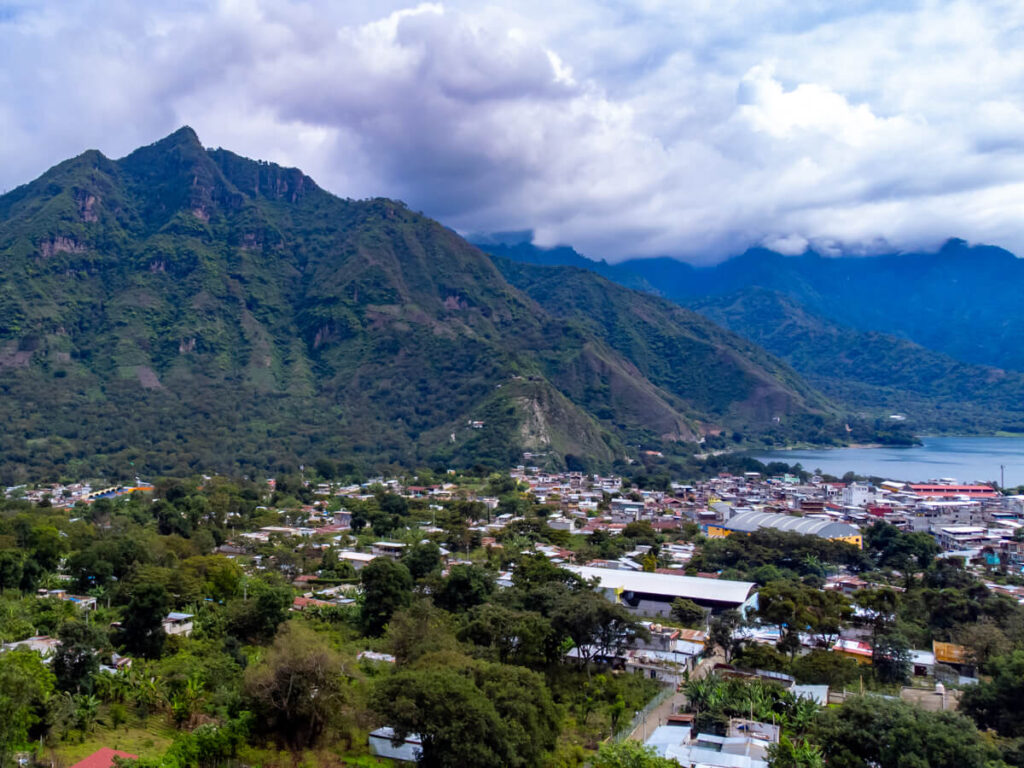
More from Lake Atitlán
The best things to do in Lake Atitlán
While most people describe Lake Atitlán as a magical place with a mystical energy that attracts travellers seeking yoga and relaxation – it is described as one of the best places in Guatemala and most beautiful lakes in the world after all – we’d argue its charm is more rooted in its gorgeous landscapes of deep blue waters and dramatically looming volcanoes and its rich indigenous Maya culture.
This isn’t a town-by-town guide to activities on the lake – we’ve covered that in our Lake Atitlán villages guide, if you’re looking for a full roundup of all the towns on the lake, the best things to do in each one, and which to stay in.
We’ve also written dedicated guides to a couple of our favourite towns, so you can head to those for more details of the best things to do in San Juan, the top things to do in San Pedro, and fun activities in San Marcos.
Top 10 things to do in Lake Atitlán
Don’t have time to read the whole list? Here are the top 10 things to do in Lake Atitlán.
- Village hop by lancha
- Swim, kayak, or SUP in the lake
- Hike to viewpoints and volcano summits
- Get a bird’s-eye view while paragliding
- Soak in natural hot springs
- Witness a Mayan weaving demonstration
- Try a traditional temazcal
- Get zen in a yoga class
- Immerse in a Spanish course
- Sample coffee grown in the highlands

Lake Atitlán Activites Map
We’ve pinned all the top things to do in Lake Atitlán and the surrounding region on the interactive map below.
Unique things to do in Lake Atitlán
Lake Atitlán is home to some of the best things to do in Guatemala. It’s easy to enjoy without packing your days with tours or overplanning your route, but it has enough on offer that you won’t be bored either. These are the quintessential activities that most travellers should do at least once while visiting.
1. Lancha your way around the towns
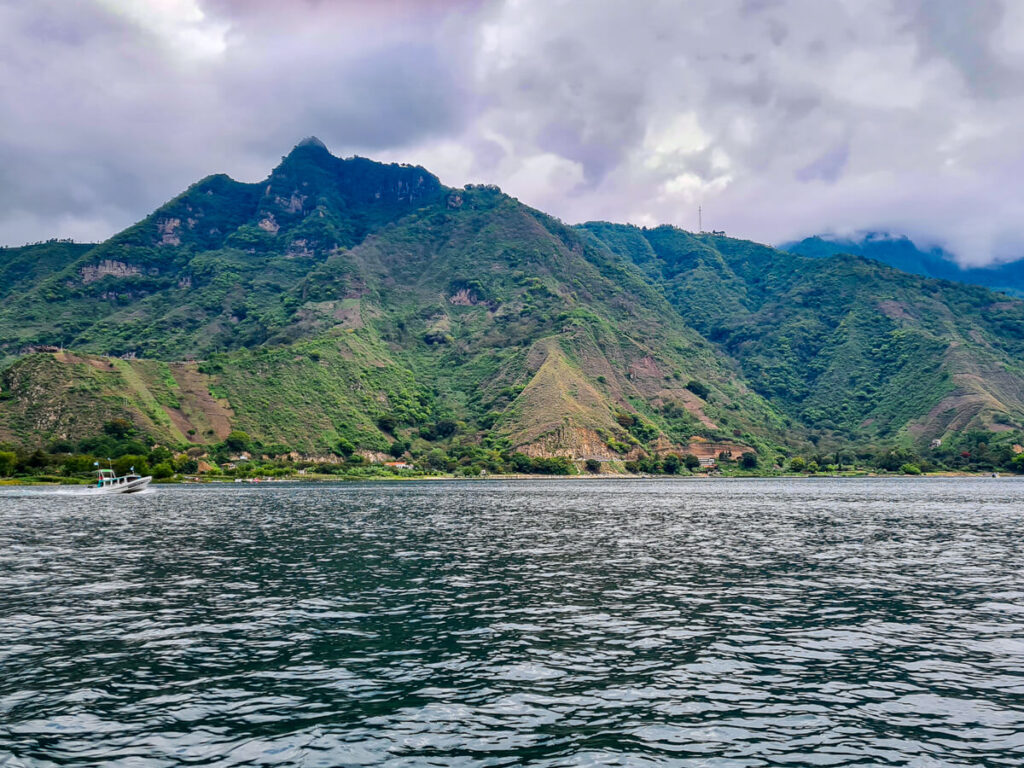
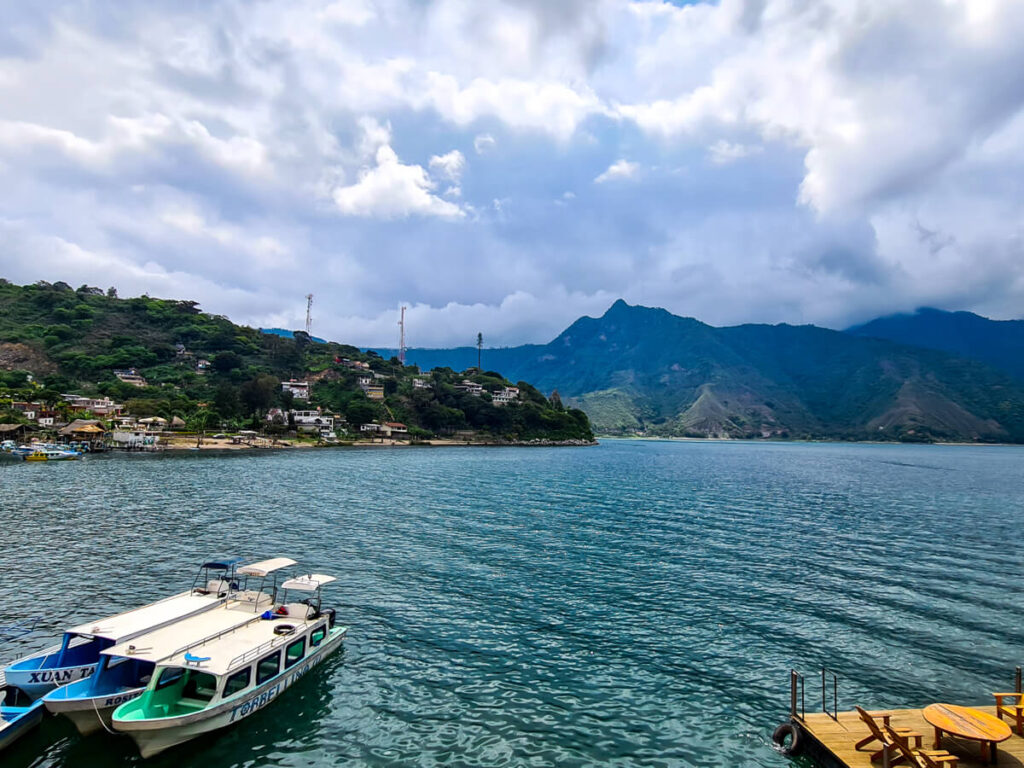
Despite being described as one destination, Lake Atitlán is actually a collection of over a dozen towns, most nestled on the shores of the water and backed by dramatic mountains and three impressive volcanoes: Volcán San Pedro, Volcán Atitlán, and Volcán Tolimán.
Each village has its own vibe and set of activities, from colourful murals and local markets to coffee production and yoga retreats. There are a handful of towns that make the best bases – Panajachel, San Pedro, San Juan, San Marcos, and Santa Cruz – while others are smaller but perfect for exploring on a day trip. Visiting each in turn is one of the best things to do in Lake Atitlán.
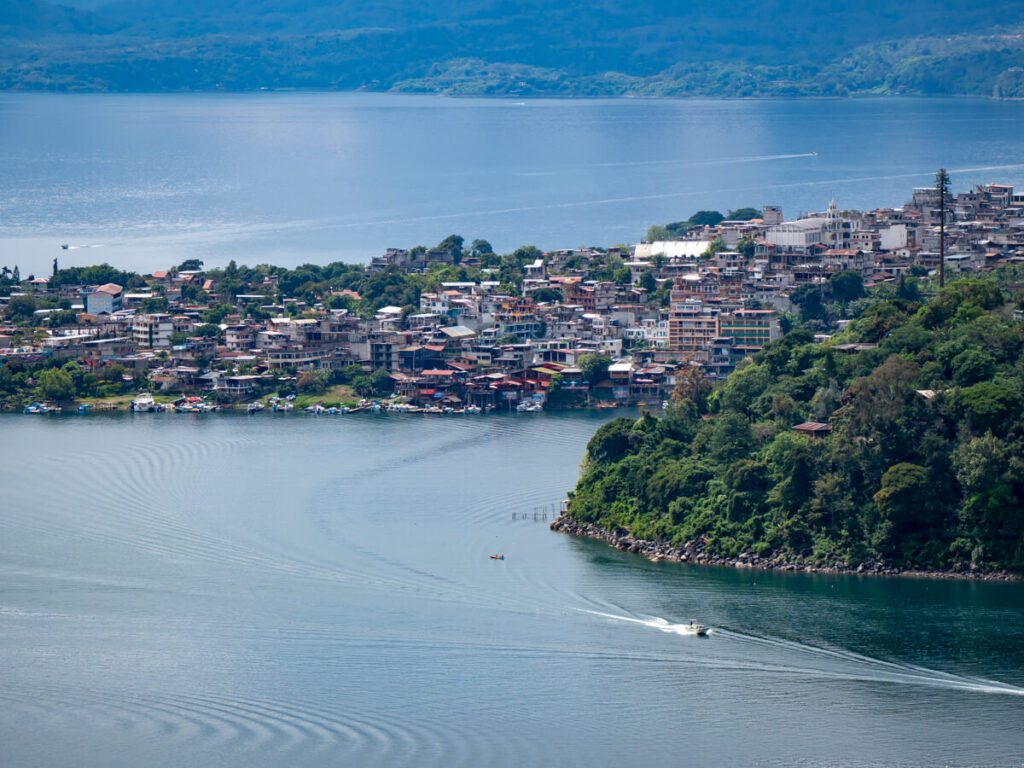
Small motorboats called lanchas are the main form of transport on Lake Atitlán and the easiest way to move between towns. They run frequently throughout the day, cost less than taxis or private transfers (around 20-40 GTQ ($2-5 USD) per trip), and are far quicker than travelling by road.
The routes connect most of the lakeside settlements, making it easy to visit multiple towns without committing to a full day trip. You can hop over to Jaibalito for lunch, wander the painted town of Santa Catarina Palopó, and visit the market in Santiago Atitlán all in one day.
Mornings tend to be calmer on the lake, while afternoon crossings are often bumpier, especially during the windy season. You don’t need to book in advance, just show up at a dock and wait for a boat. The boats leave when they’re full, or you can negotiate for a private ride if you want to go straight somewhere.
2. Swing into and swim in the lake
Swimming is one of the simplest ways to enjoy the water on Lake Atitlán, but it’s not safe or clean everywhere you go. Many towns have docks or platforms for jumping in, and rope swings are common along the shoreline. There are a few standout spots for swimming, including:
The lake is deep and cold, especially in the morning, but it’s clean and refreshing. Avoid swimming near boat traffic, particularly around the main docks, and check locally for any current safety issues or pollution warnings. Bring water shoes if you want to avoid sharp rocks on the shore.

3. Kayak or SUP on the still surface
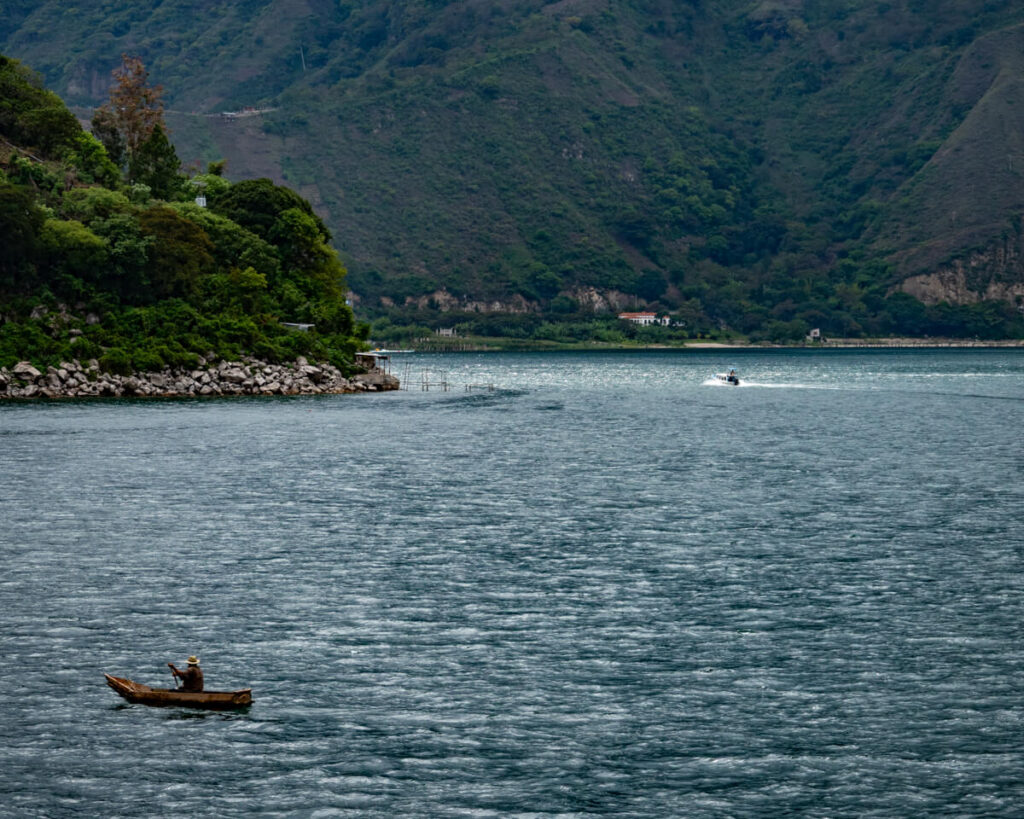
Renting a kayak or stand-up paddleboard (SUP) is an easy way to explore the lake at your own pace. Rentals are available in almost every town, with prices ranging from about 50-100Q ($6-13 USD) per hour, depending on the town and the size of the rental. Many accommodations will include kayaks and SUPs for free, most commonly in Santa Cruz and Jaibalito, which are hotspots for lake relaxation, and San Pedro, the popular backpacker hub. Popular rental operators include:
Early morning is the best time to paddle: the lake is glassy and quiet, and you can see the reflection of the volcanoes clearly. Keep close to the shoreline if you’re inexperienced, and avoid windy afternoons when waves can make paddling harder.
4. Climb an active volcano
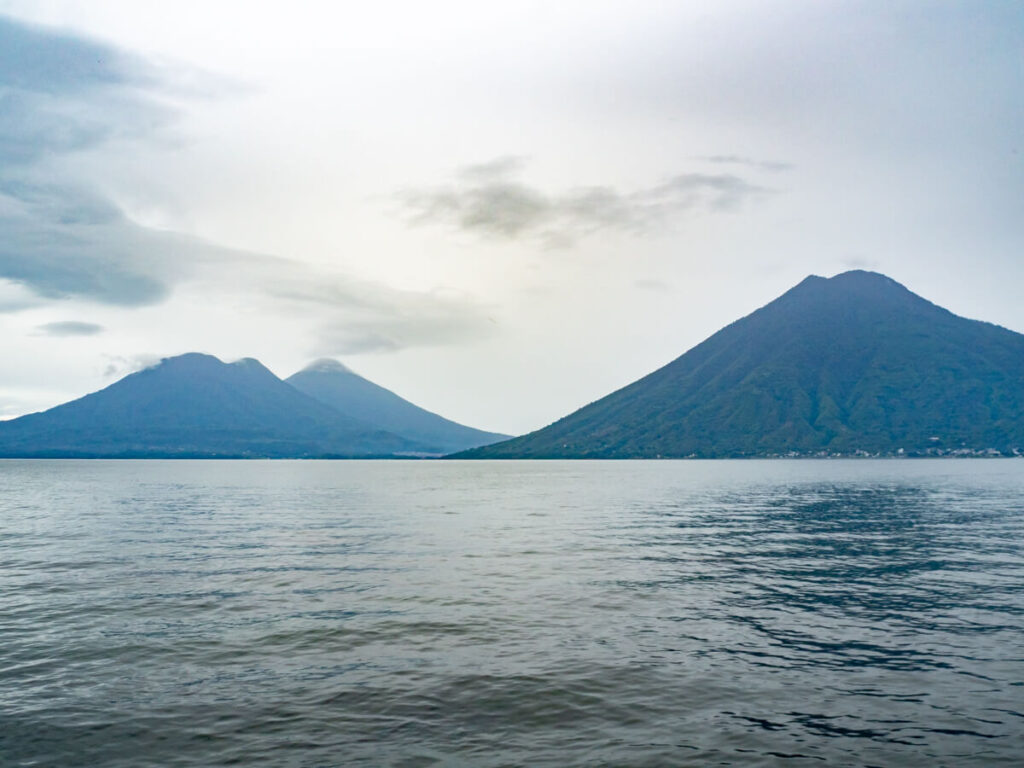
Lake Atitlán is framed by three volcanoes that attract serious hikers who wish to scale their imposing slopes. You can climb all three, with trails up San Pedro, Atitlán, and Tolimán beginning in base villages before winding past farmland and forested slopes to the peaks.
The best towns for volcano hikes in Lake Atitlán are:
It’s best to start the hikes early and to go with a local guide, as the terrain quickly becomes steep and rugged, with loose volcanic rock making footing tricky near the summit. From the top, you’ll see panoramic views of the lake and nearby towns, which are especially beautiful on clear days.
You can arrange guided hikes of all three volcanoes with local company Birding Atitlan Expeditions and Los Elementos Adventure Center, while Tours with Vick run guided San Pedro Volcano hikes and Tours & Activities SA run guided Atitlán Volcano hikes.
5. See the sunrise from the Indian Nose hike
The most famous hike in Lake Atitlán, the Indian Nose (Nariz de Indio) or Maya Face (Rostro Maya) is the number one activity on most travellers’ bucket lists.
The main trailhead starts in the mountain town of Santa Clara La Laguna, taking about 25-40 minutes one-way to scale the 0.8-mile (1.2 km) path to the viewpoint up a short but steep hill, where you’ll be rewarded with one of the most dramatic views in Lake Atitlán.
There’s a second trailhead that starts from San Juan La Laguna and actually follows the Mirador Kaqasiiwaan path for the first section, before ascending a steep ridge covered in pine and eucalyptus. It’s 5 miles (8 km) return, taking around 1.5-2 hours one-way, and is very steep. The final stretch includes stone steps and some scrambling over exposed rock, so it’s much more difficult than the Santa Clara route.
The main appeal of the Indian Nose hike is to get to the top for sunrise, which means the hike actually starts around 3:30-4:00 AM. From the narrow ridge at the top, the lake and surrounding volcanoes stretch in all directions, with morning mist lingering in the valleys below. You might even see the erupting Fuego Volcano near Antigua on a clear day.
The hike is best done with a guide, and many Indian Nose Hike tours offer early-morning pickup from San Juan, San Pedro, and San Marcos to the Santa Clara trailhead. You can also do the hike from Panajachel, but it adds on a 90-minute drive, which we wouldn’t recommend. Bring a flashlight and layers for cold air at the top.
Our top tours:
6. Climb to San Juan’s viewpoint, Mirador Kaqasiiwaan
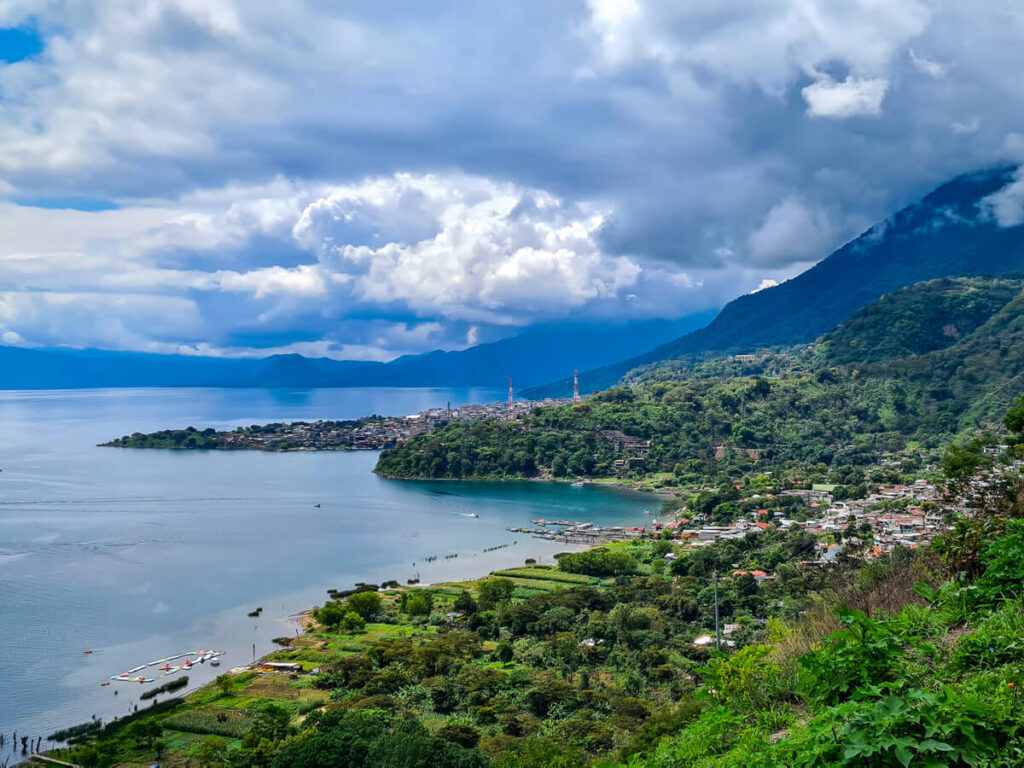
Mirador Kaqasiiwaan is a stunning viewpoint above San Juan La Laguna and one of the best hikes in Lake Atitlán. It’s also an easier alternative to El Rostro Maya, with similar views that don’t require a 3:00 AM wake-up call.
You might also hear the viewpoint being called Mirador de San Juan La Laguna or Cerro de la Cruz (Hill of the Cross, not to be confused with Antigua’s Cerro de la Cruz).
The Mirador Kaqasiiwaan trail starts just outside San Juan and quickly climbs past misty mountains to the top of a large hill. Wooden signs mark the path up over 300 steps to a vibrantly painted wooden observation deck with panoramic views of the lake.
The deck is just as impressive as the view, being decorated with colourful murals that represent elements of Maya life and culture. From it, you’ll be able to see San Juan and its neighbours, San Pedro and San Marcos, as well as the volcanoes and other towns on a clear day.
The hike takes about 20-30 minutes each way, depending on your pace. Vendors often hang out at the top, selling water and snacks, so you can refuel. There’s a small entrance fee, which is paid at the Mirador Kaqasiiwaan trailhead before ascent.

Things to do in Lake Atitlán in nature
You don’t have to love hiking to experience the best of Lake Atitlán’s natural surroundings. Whether you’re after sweeping views, wildlife encounters, or outdoor adventures, the lake and its surrounding mountains have plenty to offer. Here are the top things to do in nature that deserve a spot in your Guatemala itinerary.
7. Wander in nature reserves
If you’re not keen on doing any mega hikes, then taking a short walk in a nature reserve is perfect. Protected areas like Cerro Tzankujil Nature Reserve (Reserva Natural Cerro Tzankujil) near San Marcos and Atitlán Nature Reserve (Reserva Natural Atitlán) near Panajachel have marked trails through forest, lakeside cliffs, and even suspension bridges similar to Costa Rica’s hanging bridges.
The paths vary from short loops to longer routes that explore deeper into the jungle. Wildlife is abundant, and you might spot birds, monkeys, coatis, and butterflies along the way. Some trails pass waterfalls or hidden viewpoints, too.

8. Watch the sunset
Sunsets over Lake Atitlán are one of the most magical natural attractions in the area. The western shore catches the last light as the sun dips behind the surrounding volcanoes, casting the water in fiery oranges, pinks, and purples. There are plenty of vantage points along the shoreline, from simple docks to cafés perched above the water.
Santa Cruz and Jaibalito are especially good for calmer, reflective views, while Panajachel and San Pedro offer rooftop bars where you can enjoy a drink as the sky changes colour. The only downside is that cloud and increased rain are common in the wet season, so you might not get a sunset at all. The best time to visit Guatemala for epic views is the dry season, between November and April.

9. Get a bird’s-eye view while paragliding
Paragliding gives a completely different perspective on the lake and volcanoes and is one of the best things to do in Lake Atitlán if you’re adventurous. Take off and glide over the water, the towns, and the patchwork of farms below.
Flights typically last 20-40 minutes and are guided by experienced local pilots, with safety equipment included. Most tours leave from Panajachel, with Realworld Paragliding and Paragliding en Atitlan being two of the most reputable operators. A tandem flight costs around $100 USD per person.
Weather conditions are key, so early mornings or late afternoons are best when the air is calm. This is one of the few ways to see Lake Atitlán from above without climbing, and it’s especially rewarding for photographers looking for unique aerial shots.

10. Spot quetzals in the cloud forest
The cloud forests around Lake Atitlán are home to some of Guatemala’s most iconic birds, including the resplendent quetzal. We saw a quetzal in Costa Rica, and while they are elusive, they’re undeniably beautiful to see in person. For your best chance to spot one, take a guided birdwatching tour from Santiago Atitlán.
The quetzal was sacred to the Maya, symbolising freedom, wealth, and the divine. Its vibrant green and red feathers were highly prized, often worn by rulers and used in ceremonial headdresses, representing the connection between the earthly and the spiritual worlds. The national currency is even named after this bird, which is one of the most coveted animals to see in Guatemala.
One of the best places to try and spot them is in Tepepul Nature Reserve. The reserve is a short hike from the village through mossy forest trails, with lookout points giving panoramic views of the lake and volcanoes. Early mornings are ideal for birdwatching, when quetzals are most active, and the mist rolls through the trees. Bring binoculars (we use Nikon Prostaff 3S 10×42 Waterproof Binoculars with a 7° field of view: Browse UK / Browse US), wear sturdy shoes, and keep an eye on fruiting trees, where quetzals are most often spotted.

11. SCUBA dive in the depths
Lake Atitlán is about 340 metres (1,120 ft) deep, though most visitors don’t explore beyond its surface. Its depths hold mysterious secrets and are said to be home to a submerged Maya site of Samabaj, often dubbed the ‘Mayan Atlantis‘, which lies beneath the lake after being flooded by rising water levels centuries ago.
It’s even possible to SCUBA dive in the lake, although you’ll barely get near the bottom, even if you’re advanced. ATI Divers in Santa Cruz La Laguna is the main dive centre on the lake, offering certified courses as well as guided dives for beginners. Typical dives are 45-60 minutes, exploring underwater cliffs, submerged vegetation, and occasionally spotting freshwater fish.

12. Stargaze into the cosmos
The high altitude and low light pollution around Lake Atitlán make for excellent stargazing. The sky at night stretches wide and deep, with the Milky Way clearly visible on clear evenings.
To the Maya, stars and celestial bodies were far more than decoration in the night sky – they were guiding forces for agriculture, ritual, and timekeeping. Constellations and planets were woven into myths, calendars, and prophecy, with the movements of the heavens dictating planting cycles, festivals, and the timing of ceremonies.
Lakeside towns like Jaibalito and Santa Cruz offer the darkest skies, while simple terraces and docks provide perfect spots to lie back and watch the stars. Nights can get cold, so bring a blanket or warm jacket. A local guide can also point out constellations, planets, and occasionally meteors.

13. Soak in natural hot springs
Lake Atitlán has several natural hot springs, which are perfect for soaking aching muscles after kayaking or hiking.
Los Termales in San Pedro is popular. A relaxed and somewhat rustic spa, it is home to several hot tubs with lake views and a BYO drink policy. It’s pretty informal, but it’s best to reserve an appointment at least 30-60 minutes in advance so the owners can heat up the tub.
Aguas Termales Natural in Santa Catarina Palopó is another great option, where the pool is actually set in a secluded cove in the lake. The water is heated by a natural thermal vent, and you get beautiful views of the mountains on the west shore.
If you don’t mind a day trip, you can take a tour to Fuentes Georginas Hot Springs, a complex of natural geothermal pools in the jungle. They are located in the small town of Zunil and are heated by a volcano of the same name, south of Xela and southwest of San Marcos.
Cultural things to do in Lake Atitlán
The biggest appeal to us for visiting Lake Atitlán was its cultural offerings. The region is home to several Maya communities, primarily Tz’utujil, Kaqchikel, and K’iche’, each with its own language, dress, and traditions. Many of these can be experienced authentically in immersive, hands-on activities that let you witness the culture without being passive or extractive.
14. Witness a Mayan weaving demonstration
Weaving is central to Maya identity, and demonstrations or workshops give a rare insight into this skill. You’ll see intricate backstrap looms in action, with artisans producing textiles that use natural dyes and traditional patterns passed down for generations.
Workshops often let visitors try their hand at weaving, but the focus is on understanding the significance of each symbol and colour in Maya culture.
San Juan La Laguna (our favourite Lake Atitlán town) is especially known for its creative scene, with small studios and cooperatives like Casa Flor Ixcaco Weaving Cooperative, which showcases traditional weaving techniques while supporting local artisans.
In San Pedro, you can explore Atitlán Women Weavers or Teixchel Women’s Weaving Association, where you’ll see the full process from natural dyeing to finished textiles.
While Santiago Atitlán is another local town with weaving centres like Cojolya Association of Maya Women Weavers, where you can also purchase pieces that directly support local families.

15. Try a traditional temazcal
A temazcal is a Mayan sweat lodge ritual used for purification and healing. Small stone or brick structures are heated with volcanic rocks, and herbal infusions create a dense, therapeutic steam. We took full advantage of the temazcal at Eco-Hotel MayAchik’, which was perfect for relaxing after a long day of exploring the towns around the lake.
You can also take part in a guided temazcal ritual, where you’ll be guided by a local shaman or instructor through a ceremony that involves chanting, meditation, and reflection, offering both a physical cleanse and a connection to ancient spiritual practices. These experiences usually take place in wellness retreats in San Marcos, the hippie town known for its yoga scene.

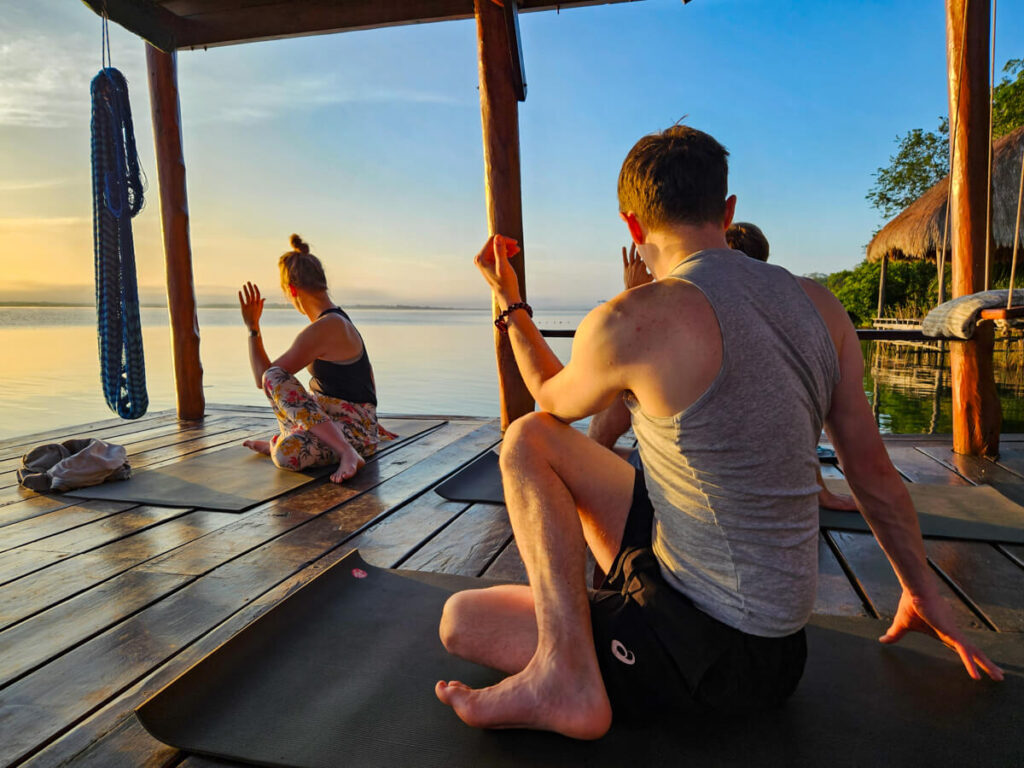
16. Get zen in a yoga class
Some people travel to Lake Atitlán for the lake’s huge wellness scene, which is especially prominent in San Marcos La Laguna. While the town is quite polarising – some love it for its luxury retreats and spiritual vibe, while others condemn it for its insulation, gentrification, and domination over local culture which we covered in our San Marcos travel guide – there’s no denying it does yoga really well. Tzununá, a smaller town next door, also has an emphasis on yoga, but is a little more authentic.
You don’t need to fork out hundreds of dollars on an immersive retreat – many studios and hotels offer one-off classes, where you can follow a single flow or drop into a session that suits your level. Some of the most popular spots for yoga include:
17. Shop for souvenirs in local markets
Lake Atitlán’s towns host several markets where you can buy handcrafted goods directly from the people who make them.
Panajachel‘s main street, Calle Santander, is the busiest market hub, with stalls selling textiles, jewellery, ceramics, and woodwork. You can find everything from brightly dyed scarves to handwoven bags and embroidered clothing. You’ll find the Handicraft Market Compañía of Jesús here, where you can pick up souvenirs, too. There’s also supposed to be a textile market in front of the Fire station (Bomberos), but it wasn’t there when we visited, so we’re not sure if it still runs.
Santiago Atitlán‘s Mercado Municipal is a more local experience, especially on market days on Fridays and Sundays. The town can be a bit chaotic and overwhelming, but you can visit on a guided cultural day tour, as local expertise is useful for explaining what you’re seeing, introducing you to local artisans, and pointing out interesting foods or crafts. While in town, you can also learn about Maximón, the syncretic deity revered by many Maya people, and see his shrine, which changes location every year.

18. Immerse in a Spanish course
Lake Atitlán is a popular place to just slow down and chill out, and learning Spanish while you’re here is super popular. There are several schools around the lake that offer short or long-term Spanish courses.
Classes can range from one-on-one lessons to group sessions and often include cultural activities like cooking or weaving workshops. San Pedro is the hub for language schools, with options like the Cooperativa Spanish School and Guatemaya Spanish Academy, both offering intensive courses, conversation practice, and homestay options with local families.
There are other options in towns around the lake, including the Santa Cruz Spanish School, Jardin de America Spanish School in Panajachel, San Marcos Spanish School, and San Juan Spanish School.

19. Learn about local culture through art
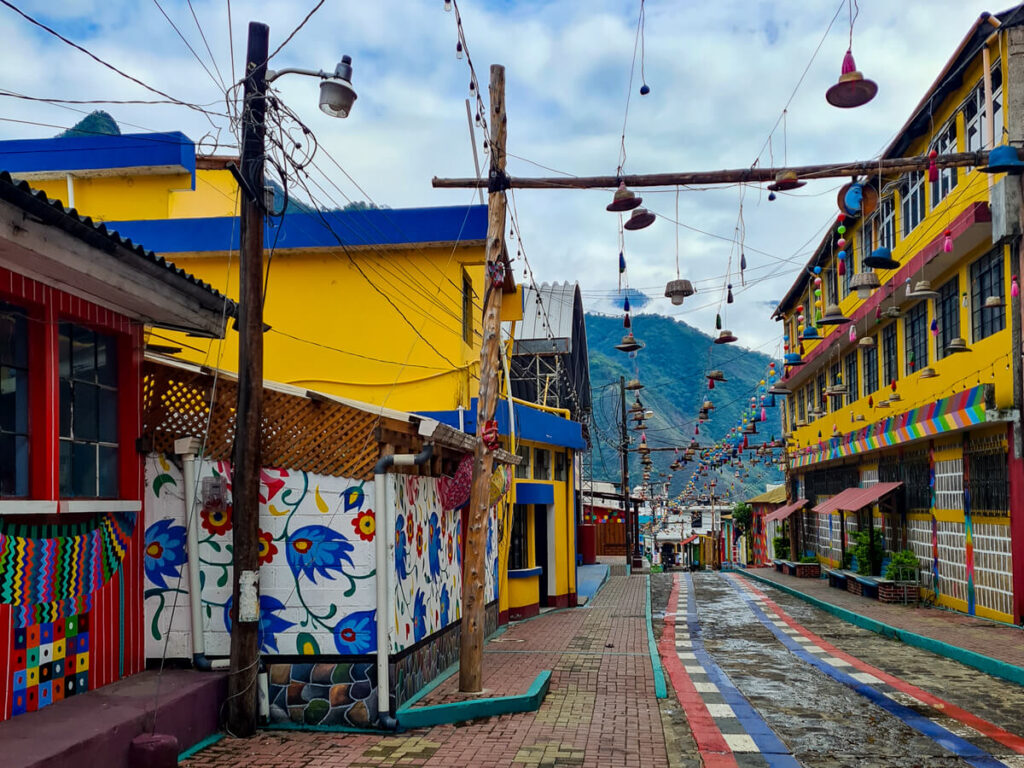
Artistic traditions run deep in Lake Atitlán, with many towns hosting small galleries and studios. San Juan La Laguna is known for its vibrant murals, while Santa Catarina Palopó has become famous for its blue-painted streets.
You can even take part in classes and demonstrations that give you an insight into indigenous Maya culture. San Antonio Palopó is known for its pottery workshops, while San Lucas Tolimán is the place to go to learn about local coffee production.
20. Stay in an eco-hotel
We were thrilled to discover that Lake Atitlán has lodges and small hotels that prioritise sustainability without sacrificing comfort. We picked Eco-Hotel MayAchik’ and absolutely loved its off-grid feel and views of El Rostro Maya.
Lake Atitlán accommodation options range from simple lakeside cabins in Tzununá and Jaibalito to larger retreat-style centres in San Marcos and San Pedro. San Juan has its fair share of eco-hotels, offering affordable rustic cabins with mountain and lake views.
Many properties incorporate solar power, rainwater collection systems, composting toilets, organic gardens, and locally sourced building materials. Some are fully off-grid, while others blend sustainability with conventional comforts in a more luxurious setting.
Staying in an eco-hotel often comes with activities like guided nature walks, meditation, or yoga classes, meaning you can experience the natural beauty of Lake Atitlán while supporting environmentally responsible tourism.
Top Lake Atitlán Hotels

21. Day trip to Chichicastenango Market
Chichicastenango hosts one of the most famous indigenous markets in Guatemala and is a great day trip from Lake Atitlán, being about 1.5-2 hours from Panajachel, depending on traffic.
Open on Thursdays and Sundays, Chichicastenango Market draws locals from surrounding villages as well as tourists, making it a bustling hub of trade, craft, and culture. You’ll find colourful textiles, carved masks, traditional clothing, ceremonial candles, and intricate jewellery in a maze of stalls.
The market also has a spiritual side: vendors burn copal incense, and you may see Maya ceremonies taking place at Santo Tomás Church, which sits in the heart of the town and overlooks the market.
It’s best to take a guided day trip to Chichicastenango Market from Lake Atitlán, which ensures you get there and back safely, helps you navigate the chaos, and explains the significance of the items and rituals you encounter.

Culinary things to do in Lake Atitlán
The highlands around Lake Atitlán are rich with fertile soil, making it a hub for coffee, cacao, and fresh local produce. Food experiences here range from small tastings to hands-on workshops, giving you a chance to connect with both the flavours and the people who produce them.
22. Sample coffee grown in the highlands
Guatemala is famous for its coffee. We tried our fair share of it in the many coffee shops in Antigua, but if you want to sample it fresh, Lake Atitlán is the place to be.
Coffee is one of the region’s biggest draws, and visiting a local farm is the best way to understand why. The highland’s microclimates – a mix of volcanic soil, altitude, and sun exposure – create beans with complex flavours, often with chocolate, fruit, or nutty notes.
On a guided coffee tour, you’ll see how beans are grown, picked, and roasted, and learn how different microclimates affect flavour. Tastings often include several brews, from light to dark roast, allowing you to identify subtle notes of chocolate, fruit, or spice. Some of the best places to arrange a tour include:
Many farms are family-run, and visits often include insights into daily life, traditions, and sustainable practices that help keep the coffee industry local.

23. Taste Mayan chocolate
Cacao has been cultivated in Guatemala for centuries, and its significance goes beyond flavour. The beans were used as currency by the Maya, offered in rituals, and ground into bitter chocolate drinks mixed with spices, maize, and sometimes chilli. These drinks were consumed by elites, warriors, and priests, often during ceremonies to honour the gods or mark important life events.
You can join chocolate workshops to see how beans are roasted, ground, and blended with spices by hand to make delicious concoctions. In San Juan La Laguna, Xocolatl and the Chocolate Factory offer tastings, workshops, and full explanations of Maya chocolate traditions. In San Marcos La Laguna, Cacao Source and El Taller Dalileo let you participate in hands-on experiences, from grinding cacao by hand to preparing spiced chocolate drinks in a small-group setting.
Taking part in a cacao ceremony is also popular. These ceremonies celebrate Mayan traditions, highlighting cacao as both food and ritual. Drinking a cup of freshly made chocolate here is rich, bitter, and earthy – completely different from store-bought hot chocolate.

24. Hop through backpacker bars
Even if you’re not a big drinker, spending an evening in one of the lake’s casual bars is a low-pressure way to soak up the vibe. Panajachel and San Pedro are the most popular towns, with rooftop terraces overlooking the lake and live music in the evenings. Many bars cater to travellers, offering cheap drinks and social spaces where it’s easy to meet people or watch the sun set over the water after a day of exploring.
25. Eat in local restaurants
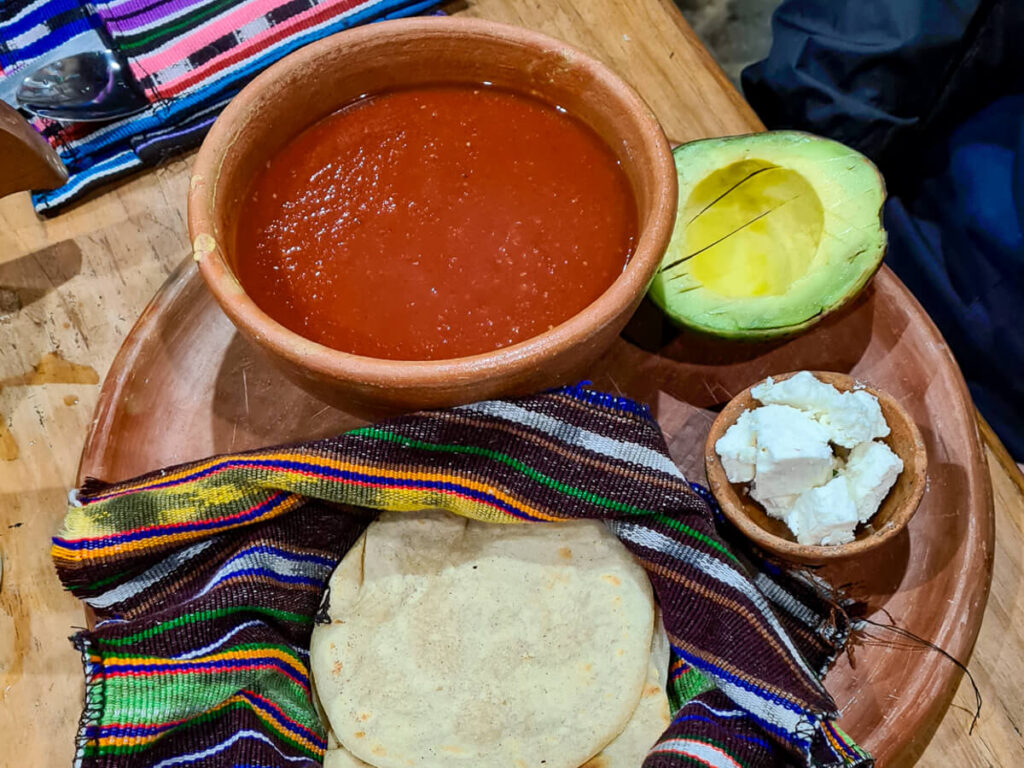
The towns around Lake Atitlán have everything from street-side comedores to eco-conscious cafés and farm-to-table restaurants. You can eat simply for a few quetzales or settle in for locally sourced dishes with volcano views.
Permaculture farms like Atitlán Organics stand out for using ingredients grown on-site or sourced from neighbouring communities, highlighting just how fertile the region is. Even small family-run kitchens often cook with produce grown in nearby hillsides.
If you want to try traditional and regional flavours, look out for:
FAQs: Things to do in Lake Atitlán, Guatemala
To finish, we’ll leave you with these frequently asked questions about things to do in Lake Atitlán, answered.
What is Lake Atitlán, Guatemala, famous for?
Lake Atitlán is famous for its dramatic volcanic backdrop, vibrant indigenous culture, and crystal-blue waters. Visitors often come for the combination of outdoor adventure, traditional markets, and the unique character of the lakeside villages, each with its own traditions and atmosphere.
What are the top things to do in Lake Atitlán, Guatemala?
The top things to do in Lake Atitlán include hiking volcanoes like San Pedro, Atitlán, or Tolimán, visiting viewpoints such as Mirador Kaqasiiwaan and El Rostro Maya, exploring artisan villages like San Juan and Santiago Atitlán, taking boat rides across the lake, tasting local coffee and chocolate, and shopping for handmade textiles.
What to do in Lake Atitlán, Guatemala, when it rains?
When it rains in Lake Atitlán, many visitors focus on indoor and sheltered activities. You can enjoy coffee or chocolate tastings, take part in weaving or painting workshops, visit local museums, or join cooking classes. Some eco-lodges and hotels offer yoga, massage, or temazcal ceremonies, letting you stay active without getting drenched. We visited during the rainy season and found outdoor exploration best in the morning when it’s clear, then sheltering in a café or back at our hotel in the afternoon when the rains rolled in.
What to do in Lake Atitlán, Guatemala, at night
At night, things to do in Lake Atitlán are more relaxed. Many towns have small restaurants and cafés with live music, perfect for an evening meal or a drink. Some host cultural performances or communal gatherings, while others are ideal for quiet walks along the lakeshore under the stars. Pick a lively village like San Pedro if you want nightlife, as some spots, like Santa Cruz, have very little to do after dark.
What to do in Lake Atitlán, Guatemala, as a couple?
As a couple, you can enjoy romantic boat rides across the lake, watch the sunrise from El Rostro Maya, take cooking or chocolate-making classes together, or simply relax in a lakeside eco-hotel with a view of the volcanoes. Sunset walks and shared meals in quaint cafés or restaurants create intimate moments in a stunning natural setting.
What to do in Lake Atitlán, Guatemala, as a family?
As a family, Lake Atitlán offers gentle hikes, swimming in designated safe spots, and interactive cultural experiences like weaving workshops or visits to local farms. Kids often enjoy boat rides between villages, exploring the lakeside towns, and tasting local foods like pancakes, tamales, or fresh fruit. Many lodges cater to families, providing outdoor spaces and activities suitable for all ages.

Read next:
A Traveller’s Guide to Lake Atitlán: Itinerary & Essential Travel Information
Where to Stay in Lake Atitlán: 12 Towns & Top Hotels
How to Get to Lake Atitlán & Getting Around by Boat + More
A Complete Guide to San Juan La Laguna: Lake Atitlán’s Artistic Town
A Succinct Guide to San Pedro La Laguna: Lake Atitlán’s Backpacker Town
A Short Guide to San Marcos La Laguna: Lake Atitlán’s Hippie Town
10+ Best Lake Atitlán Hikes & Trails From Easy to Expert
How to Hike to Mirador Kaqasiiwaan & El Rostro Maya (Indian Nose)
Our Eco-Hotel MayAchik’ Review: Sustainable Hotel in Lake Atitlán
Our Guatemala Destination Guides:
Our Guatemala Travel Guides:
