A Concise Guide to San Marcos La Laguna: Lake Atitlán’s Hippie Town

Discover everything you need to know about visiting San Marcos La Laguna, Lake Atitlán, from how to visit and what to do to where to stay and eat, in this guide.
This post may contain affiliate links, which means we might earn a small commission on anything purchased through these links at no extra cost to you. Learn more on our disclaimer page.
San Marcos La Laguna has a reputation as the spiritual hub of Lake Atitlán, known for its yoga classes, meditation centres, and cacao ceremonies. But it’s also the most polarising of all the towns on Lake Atitlán. Compared to other villages around the lake, it’s smaller, quieter at night, and far more wellness-focused, which is exactly what draws travellers in.
We visited San Marcos during our time in Lake Atitlán, and while it’s criticised for being intense and insular, we found it interesting. In this guide, we break down what San Marcos La Laguna is really like, what there is to do beyond the yoga scene, where to stay, and who it’s best suited for. Whether you’re considering staying here or just visiting for the day, this post will help you decide if San Marcos fits your Guatemala itinerary.
San Marcos La Laguna at a glance
More from Lake Atitlán
About San Marcos La Laguna
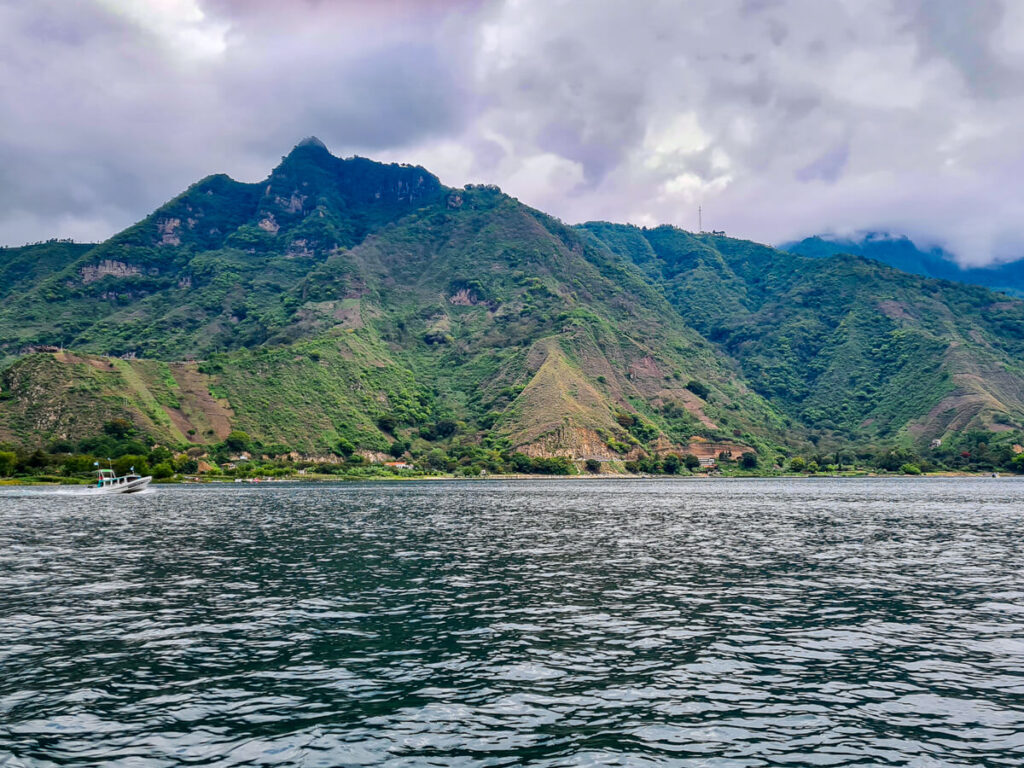
Set between steep forested hills and the deep blue water of Lake Atitlán, San Marcos has become synonymous with spirituality. It’s the town of yoga decks suspended above the water, meditation circles, cacao ceremonies, holistic therapies, and vegetarian cafés.
But behind the incense smoke and sound baths, San Marcos is still a predominantly Kaqchikel Maya community, with families who have lived here for generations and whose traditions long predate the town’s modern identity.
Historically, San Marcos was a small agricultural village, relying on maize, beans, and coffee grown on the surrounding slopes. Its transformation began in the 1970s and 80s with international New Age hippies seeking quiet and natural beauty. Over time, retreat centres and alternative healing spaces developed, shaping the town’s global reputation.
Today, San Marcos has one of the most established wellness scenes in Central America, drawing a steady stream of long-term travellers, digital nomads, and spiritual seekers. But it’s also one of the most divisive towns on Lake Atitlán.
We eat predominantly plant-based, love yoga, and were looking for a base to unwind on Lake Atitlán – San Marcos ticked all the boxes. But in contrast with San Juan La Laguna, where we chose to stay and which we’d argue is one of the most authentically Maya villages on the lake, San Marcos was really jarring.
Sadly, San Marcos’ popularity has grown largely at the expense of local communities, which is a form of extractive tourism. Many traditional homes and local businesses have given way to retreat centres, wellness spaces, and cafés that primarily serve international visitors. While indigenous families still live in the town and maintain cultural traditions, much of that daily life has been diluted or pushed out of the centre.
The town attracts a large, long-term foreign community, including retreat participants and digital nomads travelling Guatemala. Rising demand for rentals and commercial space has increased property prices, which has made housing more expensive for some local families. Employment has also shifted, with more residents working in tourism-related services rather than traditional livelihoods, which historically sustained the community.

Where is San Marcos La Laguna?
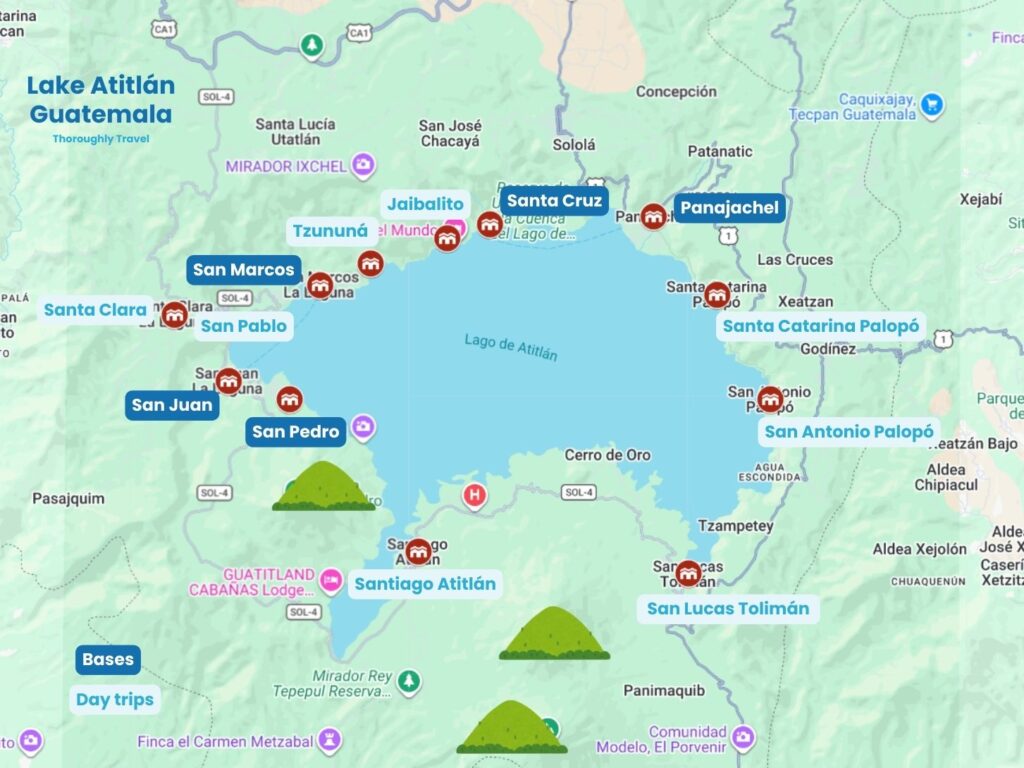
San Marcos La Laguna sits on the northwest shore of Lake Atitlán, between San Juan La Laguna to the south and Tzununá, Jaibalito, and Santa Cruz to the northeast. It’s one of the most popular towns on the lake and is widely considered one of the best places to visit in Guatemala. It’s roughly across the water from Panajachel, though boat routes usually stop at multiple towns along the way.
The town is most commonly reached by lancha (small motorboat) from Panajachel, with crossings taking around 25-40 minutes, depending on lake conditions and stops. Boats also run regularly between San Marcos and neighbouring towns, making it easy to visit on a day trip from San Pedro or San Juan.
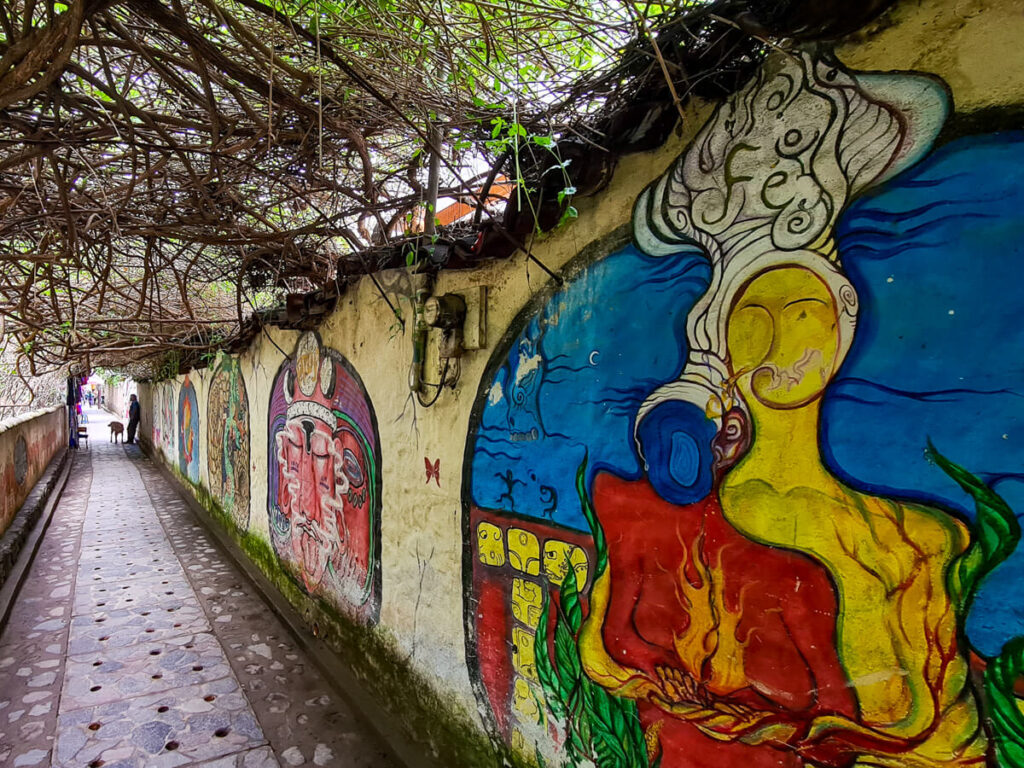
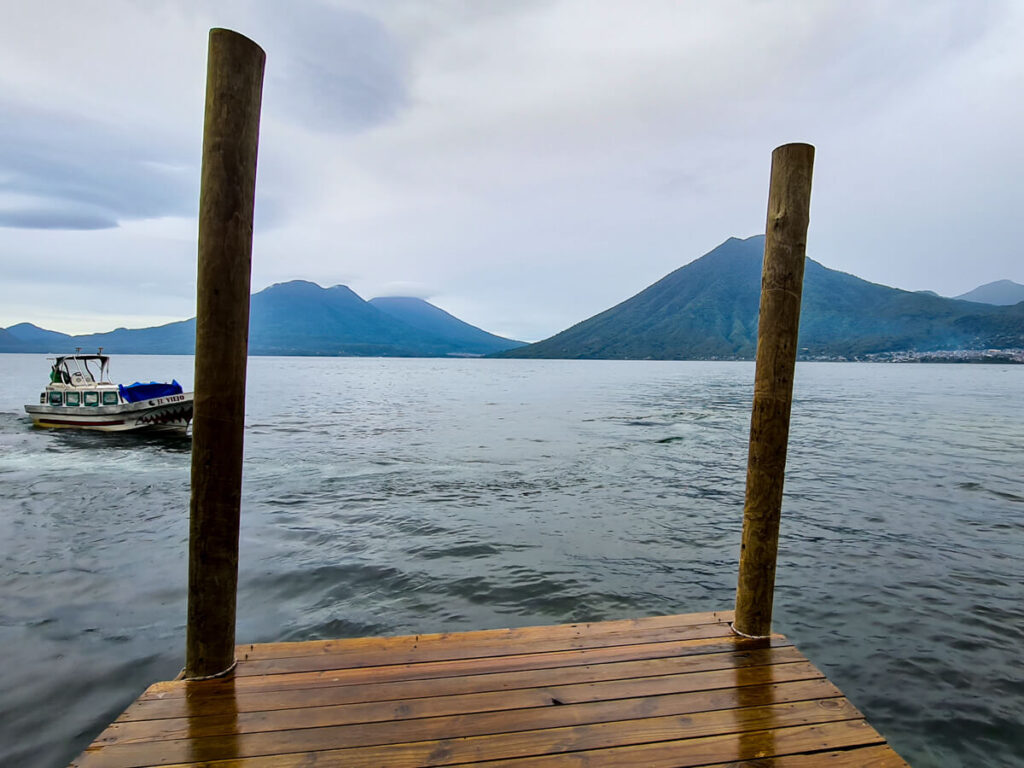
Unlike San Pedro‘s steep, busy grid, San Marcos is compact and largely pedestrian. The dock area is small, faces east, and offers some of the best volcano views in Lake Atitlán. Its position on the lake means it enjoys beautiful sunset light across the water to all three volcanoes: San Pedro, Atitlán, and Tolimán. While a painted and covered walkway leads into the town itself. There are no cars in the central area, but you’ll find red tuk-tuks whizzing along the main road.

San Marcos La Laguna Map
You can see the locations of San Marcos La Laguna and other towns on the map of Lake Atitlán below.
The best things to do in San Marcos La Laguna
The amount of wellness workshops, classes, holistic therapies, and retreats on offer in San Marcos is quite frankly overwhelming, including:
But beyond the retreat scene, you can also enjoy other Guatemalan activities, like lake swims, sunrise hikes, kayaking routes, and easy day trips to neighbouring villages. Here are the best things to do in San Marcos La Laguna.

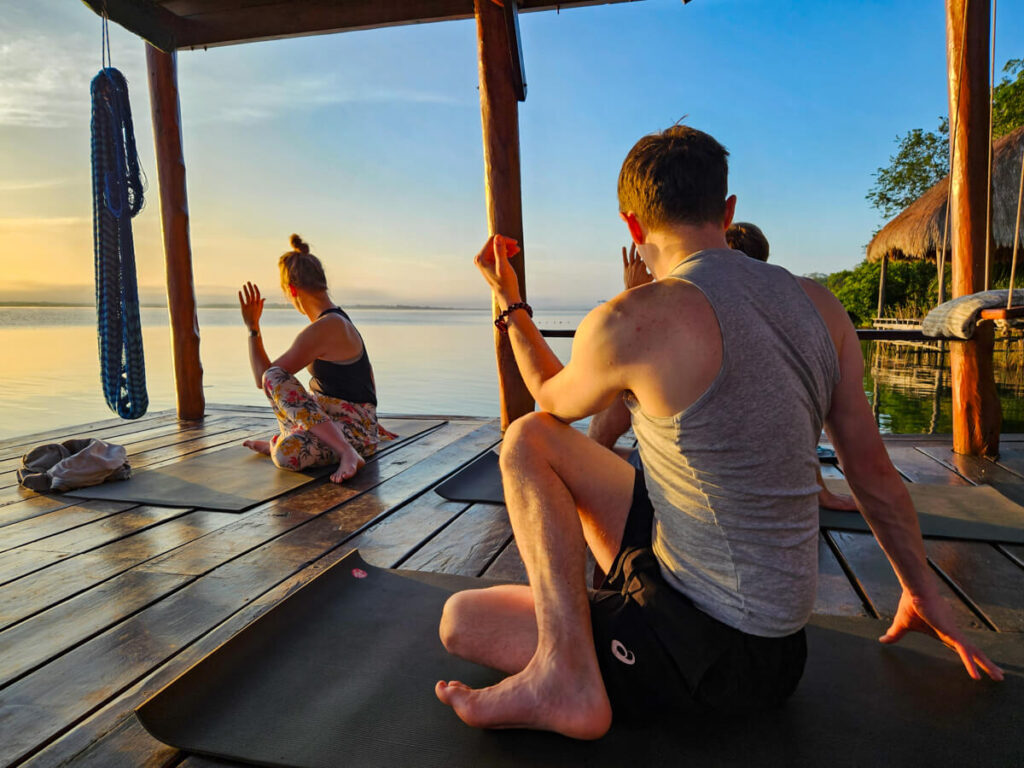
1. Join a yoga class at The Eagle’s Nest
Perched high above the lake on a forested hillside, the Eagle’s Nest is San Marcos’ most iconic yoga platform. The open-air deck frames uninterrupted views of Lake Atitlán and its three volcanoes, and classes are typically scheduled around sunrise and sunset when the light is soft and the air is cool.
Expect a mix of travellers and long-term residents, with sessions ranging from gentle flows to stronger vinyasa practices. It’s about a 15-20 minute uphill walk from the dock (bring water and sun protection), or a short tuk-tuk ride, but is worth it as it’s widely considered one of the best things to do in Lake Atitlán.
2. Cliff jump in Cerro Tzankujil Nature Reserve
Cerro Tzankujil Nature Reserve (Reserva Natural Cerro Tzankujil) is one of the best swimming spots on Lake Atitlán, and easily San Marcos’ biggest attraction. A short, well-marked trail leads through the forest and along rocky outcrops to wooden platforms built into the cliffs, where you can jump directly into the deep, clear water below.
The lake here is clean and refreshingly cold, especially in the morning. Try the 12-metre (40 ft) diving platform if you’re feeling brave. Entry requires a small fee, and early visits are best before the crowds arrive.
3. Watch the sunrise from the Indian Nose
Although the trailhead is in nearby Santa Clara La Laguna, most Indian Nose hike tours depart from San Marcos around 3:30-4:00 AM. After a short transfer, you’ll hike a steep 0.8-mile (1.2 km) path to the ridge viewpoint known as the Indian Nose (Nariz de Indio) or Maya Face (Rostro Maya).
From the top, Lake Atitlán stretches out below, framed by the three volcanoes, and you may even see the erupting Fuego Volcano near Antigua on a clear day if you’re lucky.
Here are our top picks for Indian Nose hike tours:
4. Hike around the lake on the Lower Mayan Trail
While you can’t walk around the whole lake, the Lower Mayan Trail connects San Marcos with Santa Cruz via Tzununá and Jaibalito, following an 11.5-mile (18.5 km) network of paths along the western shoreline.
The route passes through farmland, small villages, and forest patches, offering constant lake views along the way, making it one of the best hikes in Lake Atitlán. You can walk a section and take a boat back, or complete the full stretch one way. Start early, bring water, and consider hiking with a guide if you’re unfamiliar with the area, as parts of the trail have previously had security concerns.
5. Kayak or paddleboard on the lake
Early mornings in San Marcos are often glassy and calm, making it an ideal time to kayak or paddleboard. Rentals are available from Venga Atitlán Outdoor Adventures and at some lakeside accommodations, and paddling close to the shoreline lets you explore small coves and watch the volcanoes reflect on the water.
Afternoons can become windy, particularly in the dry season, so aim to be off the water by midday. Bear in mind that, even if you paddle into Cerro Tzankujil Nature Reserve, you’ll still need to pay the entry fee.
6. Sample local artisanal chocolate
San Marcos has a strong bean-to-bar chocolate scene, with small workshops focusing on ethically sourced Guatemalan cacao. At El Taller Dalileo, you can learn about traditional roasting and grinding techniques, while at Cacao Source, you can shop for local products.
Many workshops also explain cacao’s significance to the Maya, who used it ceremonially and as currency long before it became a global commodity.
7. Learn to speak Spanish
For travellers looking to stay longer, enrolling in Spanish lessons is a practical way to connect more meaningfully with the region. San Marcos Spanish School offers one-on-one instruction tailored to your level, often combined with homestays and cultural activities. Lessons typically run for a few hours each weekday, leaving afternoons free for lake swims or hikes.
8. Admire the volcano views
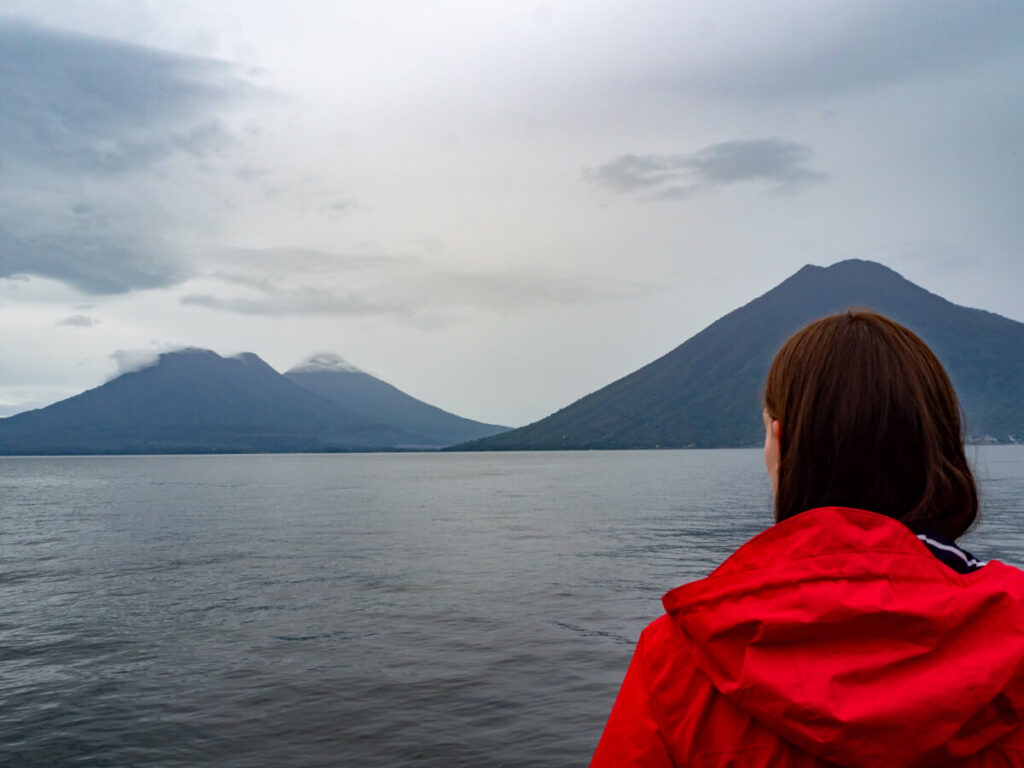
San Marcos faces south across the lake toward Volcán San Pedro, Volcán Atitlán, and Volcán Tolimán, giving it some of the best sunsets on the lake. The shoreline and elevated terraces throughout town provide uninterrupted views, especially in the dry season when skies are clearer.
Early mornings often bring mist rising off the water, while evenings glow orange and pink as the sun dips behind the volcanoes. The dock is a great place for photography, while several lakeside hotels are perfect for relaxing and soaking up the view.
9. Hop between nearby villages
San Marcos is well-positioned for exploring neighbouring towns by lancha. Head south to San Juan for local weaving cooperatives and colourful street art or to San Pedro for volcano hikes and a livelier social scene. To the northeast, Tzununá, Jaibalito, and Santa Cruz offer quieter lakeside paths, kayaking spots, and forested hillsides. Boats run regularly throughout the day, and most journeys take 10-25 minutes depending on the distance.
10. Day trip to geothermal hot springs
For something completely different, take a tour to the geothermally heated Fuentes Georginas Hot Springs, a complex of natural pools in the small town of Zunil, south of Xela and southwest of San Marcos. The springs are geothermally heated, range in temperature, and are set in a misty mountain landscape that’s a contrast to the lake.
Where to stay in San Marcos La Laguna
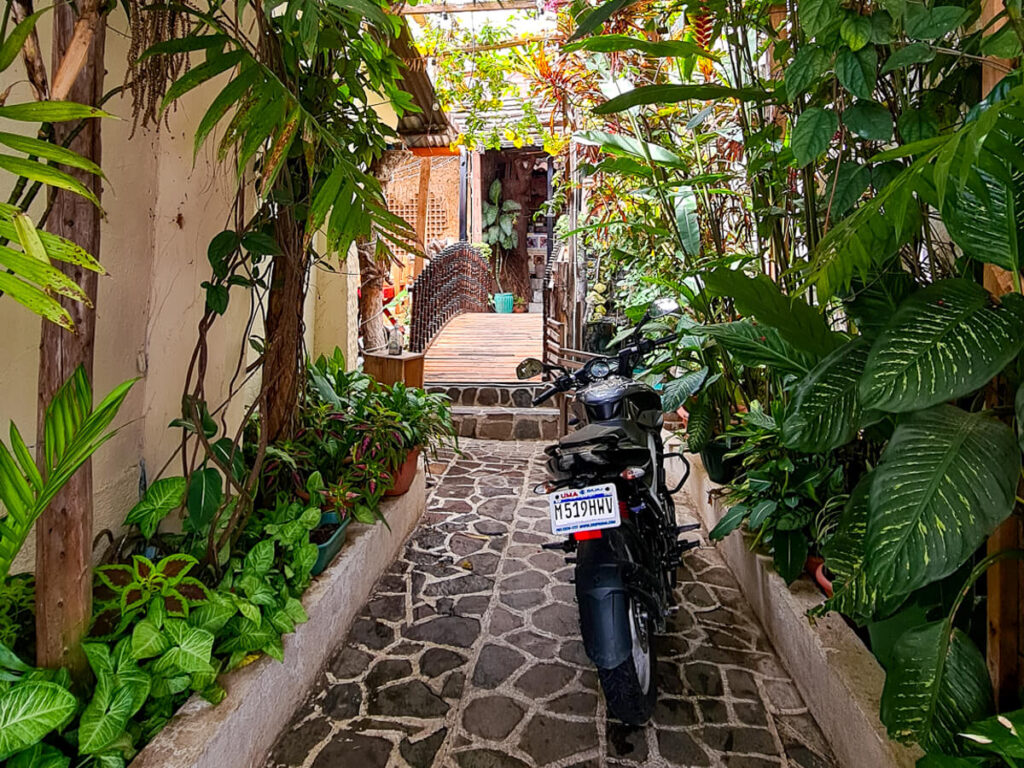
Choosing where to stay on Lake Atitlán can be tricky, but accommodation in San Marcos reflects the town’s wellness-focused identity and popularity with international visitors. You’ll find everything from simple backpacker hostels near the dock to eco-lodges tucked into the hillside and high-end retreats with panoramic lake views. It’s a more expensive base than other towns like San Pedro, which has more hostels, or San Juan, which has more local guesthouses.
Many properties are built along steep, narrow footpaths rather than proper roads, so expect stairs, uneven surfaces, and the occasional uphill climb with your luggage. Lakeside spots tend to book up quickly in high season (December-April), particularly those with direct water access or volcano views, so try to book in advance.
San Marcos La Laguna Hotels
Where to eat in San Marcos La Laguna
Food in San Marcos La Laguna leans heavily toward vegetarian, vegan, and health-focused menus, with plenty of smoothie bowls, plant-based plates, and organic coffee. That said, you’ll also find a few casual local comedores serving simple Guatemalan staples.
Prices are generally higher than in neighbouring villages like San Juan, especially in wellness-oriented cafés, but the settings – often leafy courtyards or terraces overlooking the lake – are part of the appeal. Here are our top spots.
San Marcos La Laguna Restaurants

How to get to San Marcos La Laguna
Getting to Lake Atitlán is simple. San Marcos La Laguna is accessible only by lancha (boat). The most common route is from Panajachel, which takes around 25-35 minutes depending on lake conditions and other stops. Boats also run regularly from neighbouring towns like San Pedro and San Juan, making it easy to visit San Marcos as a day trip or use it as a base as part of a multi-town itinerary.
The easiest way to get to San Marcos is to take a tourist shuttle to Panajachel and then catch a lancha to San Marcos. The route usually stops at: Panajachel – Santa Cruz – Jaibalito – Tzununá – San Marcos – San Juan – San Pedro (and vice versa).
Shuttles cost around $35-45 USD per person and take roughly 2.5-3 hours from Antigua, 3-3.5 hours from Guatemala City (where the international airport is located). A handful of shuttles also run routes from El Paredón and Semuc Champey, but for Flores and Río Dulce, you’ll need to change in Guatemala City.
Chicken buses are available to Panajachel, but are slower and more complicated, often requiring multiple transfers. They’re easiest to take from Quetzaltenango (Xela), but you’ll have to transfer to the boat in Panajachel.
If you’re coming from a major hub like Antigua or Guatemala City, you could alternatively take a tourist shuttle straight to San Pedro or San Juan, which would mean a much shorter boat journey to San Marcos.
Be aware that lancha schedules can be affected by weather, particularly during the rainy season, and evening services may be limited. Tickets are inexpensive, usually 15-30Q (~$2-4 USD) depending on distance.
How to get around San Marcos La Laguna
San Marcos is small, and most areas are walkable, though you might have to battle steep footpaths, stairways, and uneven stone or dirt tracks. Expect a little uphill climbing if you aren’t staying near the dock and want to reach hillside accommodations or yoga studios.
Tuk-tuks are not as common as in other towns, but local motorbikes occasionally provide rides up steep paths. For water access, many accommodations offer kayaks or paddleboards, which is a convenient way to explore nearby coves and cross to other villages.
Because of its layout and wellness-focused crowd, there is almost no car traffic, and lanchas remain the only way to reach other towns along the lake.

When to visit San Marcos La Laguna
The best time to visit San Marcos is during the dry season, from November to April, when the weather is sunny, the lake is calm, and volcano views are clear. Morning light on the lake is stunning for sunrise yoga, kayaking, and photography, while the evening sunsets are beautiful.
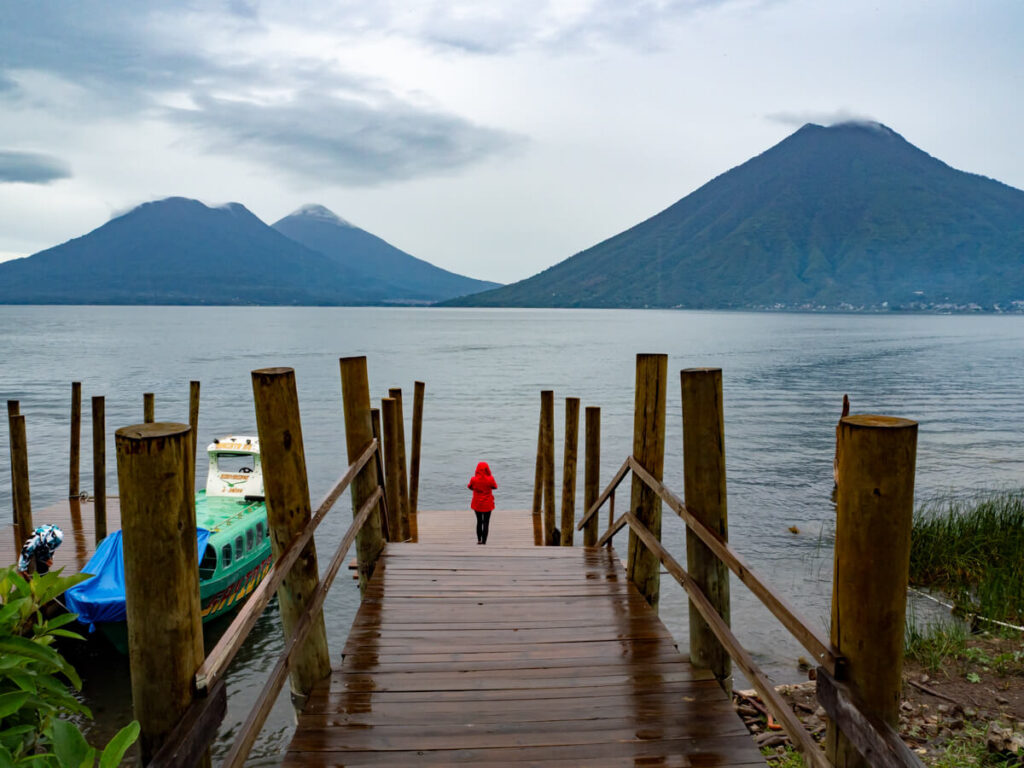
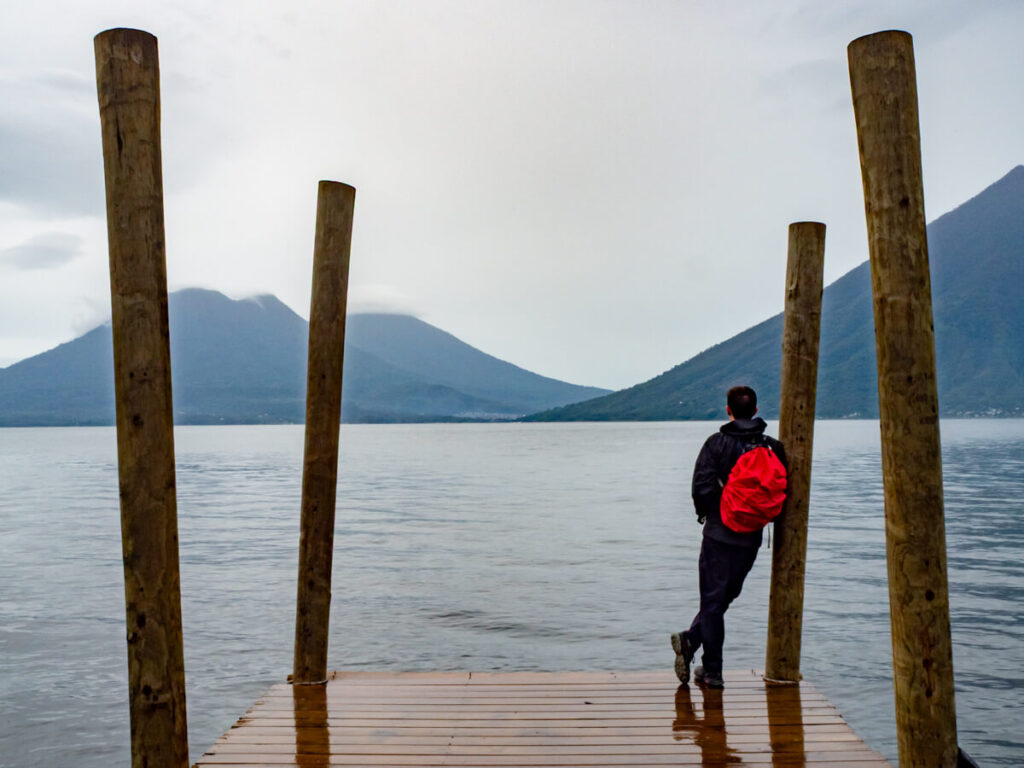
The wet season, from May to October, brings lush greenery and fewer tourists but also frequent afternoon rain and choppier waters, which can make lancha travel less comfortable. The volcanoes are often shrouded in cloud in the rainy season, so get up early for the best chance of seeing them if it’s clear.
Most wellness retreats and yoga centres remain open year-round.
How long to spend in San Marcos La Laguna
San Marcos is small but has a lot of wellness, outdoor, and cultural activities on offer to fill your days with. Most visitors who stay spend 2-4 nights here, which is enough time for yoga, meditation, a short hike, and a few lake-based activities.
3-4 nights gives you enough time for sunrise hikes like Indian Nose, exploring local chocolate or cacao workshops, taking part in cacao ceremonies, and hopping to nearby towns like San Juan or San Pedro.
Longer stays of 5+ nights are ideal for full immersion, like extended yoga or meditation retreats, Spanish lessons, or simply unwinding. But be really sure the vibe is for you before committing to a longer stay.
In all honesty, San Marcos is easy to see in a day. If you’re not drawn in by the wellness scene, we’d recommend staying somewhere else on the lake – San Juan for culture, San Pedro for backpacker amenities, Santa Cruz for a lakeside retreat, or Tzununá for a quieter yoga alternative – and visiting via lancha for a day.

What to pack to visit San Marcos La Laguna
To ensure an enjoyable experience in San Marcos La Laguna, it’s important to pack the right things. Don’t forget to pack your:
Is San Marcos La Laguna worth visiting?
Ah, it’s hard to say if San Marcos La Laguna is worth visiting, because it’s really going to depend on who you are and what you’re looking for in your Lake Atitlán trip. For many travellers, San Marcos is worth visiting, but not always as a base to stay in.
San Marcos is one of the smallest and most alternative-feeling towns on Lake Atitlán. If yoga platforms, meditation centres, cacao ceremonies, and cliffside swimming spots appeal to you, this could be a great place to stay.
But there’s really nothing traditionally Guatemalan in feel about San Marcos. It has long attracted a wellness-focused, international crowd, and it can feel more like a spiritual enclave than a typical lakeside village.
Some travellers arrive into San Marcos La Laguna for a weekend yoga class and end up staying for months. Others step off the lancha, wander the town’s narrow pathways for an hour, and decide it’s not for them. We were in the latter camp, but that’s not to say San Marcos La Laguna isn’t worth visiting – it just depends what you like and what you’re expecting.
While we’ve heard San Marcos be accused of being insular or overly curated, we think it’s narrow-minded to just lump everyone into the “spiritual woowoo” camp, but the wellness scene does really shape the atmosphere here. It’s also more expensive than most other towns, and most of the money spent here doesn’t benefit the local community, which doesn’t sit well with us.
So basically, if you’re looking for a spiritual retreat, San Marcos is a great choice. If you’re thinking about day-tripping, it’s also super easy from nearby towns. We were very happy with our decision to stay in neighbouring San Juan and were able to easily visit on a short lancha ride, which meant we could dip our toes in the water (literally and metaphorically) and get a feel for the town and what it offers without staying there, which is a good compromise.
Read next:
A Traveller’s Guide to Lake Atitlán: Itinerary & Essential Travel Information
Where to Stay in Lake Atitlán: 12 Towns & Top Hotels
25 Amazing Things to Do on Lake Atitlán
How to Get to Lake Atitlán & Getting Around by Boat + More
A Complete Guide to San Juan La Laguna: Lake Atitlán’s Artistic Town
A Succinct Guide to San Pedro La Laguna: Lake Atitlán’s Backpacker Town
10+ Best Lake Atitlán Hikes & Trails From Easy to Expert
How to Hike to Mirador Kaqasiiwaan & El Rostro Maya (Indian Nose)
Our Eco-Hotel MayAchik’ Review: Sustainable Hotel in Lake Atitlán
Our Guatemala Destination Guides:
Our Guatemala Travel Guides:
