Ultimate 3 Week Guatemala Itinerary with 2 + 4 Week Adaptations

Steal our exact Guatemala itinerary for an epic route of exploring Mayan ruins, hiking volcanoes, relaxing in nature, and soaking up Maya culture.

This post may contain affiliate links, which means we might earn a small commission on anything purchased through these links at no extra cost to you. Learn more on our disclaimer page.
While Guatemala isn’t huge, travel between destinations often involves long, winding journeys, early starts, and a mix of shuttles, boats, and local transport. Trying to fit too much in can quickly turn your trip into more time in transit than actually exploring all this beautiful country has to offer.
We’ve travelled all across Guatemala twice, linking together places like Antigua, Lake Atitlán, Semuc Champey, and Flores during various routes, and learned that a well-paced itinerary makes all the difference to your experience. In this post, we map out realistic Guatemala itineraries for different trip lengths, helping you connect the highlights and how they fit into a realistic route without unnecessary backtracking or burnout.

More from Guatemala
Creating a Guatemala itinerary
Guatemala is larger than most of its Central American neighbours, and the popular destinations are quite spread out (seriously, most distances are further than it looks on the map). This means two things:
- It’s not practical to just use one location as a base to see the whole country
- Journeys between destinations can take a full day
So you’re going to want to choose at least a couple of destinations to visit as bases to explore the surrounding regions. There are lots of very beautiful places in Guatemala, and which you choose to add to your itinerary and in what order will depend on your budget, time constraints, and interests.
Most itineraries are built around the country’s highlights: volcanoes, colonial cities, Maya villages, ancient ruins, expansive lakes, and lush jungle. But if you have longer, you can visit some really underrated spots, too.
It’s also worth considering travel times. Some destinations require a 7-12+ hour shuttle – if you spend one day travelling there, one day exploring, and one day travelling to your next destination, that’s three full days of your itinerary eaten up. Because of that, a big part of planning your route is deciding how much time you’re willing to spend in transit vs actually exploring.
Your route will also depend on how you want to travel:
And if you’ve got specific experiences in mind, like the Xela to Lake Atitlán hike, you’ll need to build your itinerary around that, as it doesn’t always fit neatly into the most direct routes.

Guatemala itineraries at a glance
1-week Guatemala itinerary
2-week Guatemala itinerary
3-week Guatemala itinerary
4-week Belize itinerary

How long to spend in Guatemala?
Personally, we think 3-4 weeks is the most ideal amount of time to truly experience the best of Guatemala, but it’s possible to see the highlights in 1-2 weeks.
On our first trip to Guatemala, we only had a week to enjoy a couple of places before picking up a Central America tour, so we opted for Lake Atitlán and Antigua. Keeping it simple with these two popular destinations is a good introduction to the country, and journey times aren’t too long, but you’ll still see a variety of landscapes and culture.
With 2 weeks, you can start to branch out a bit more. Most people choose to add either the Mayan ruins of Tikal in the north, using Flores as a base, or somewhere more off-the-beaten-path like Semuc Champey. We’d recommend Tikal, as it’s so impressive and there’s more to do in Flores than Semuc Champey. It wouldn’t be smart to try to fit in both, unless you’re happy to spend a lot of time in transit.
On our second trip, we had more time as part of a 3-month Central America backpacking trip, so we planned a full 3-week Guatemala itinerary: Flores → Semuc Champey → Antigua → El Paredón → Río Dulce between Belize and Honduras. This allows you to slow things down and link everything together into a more complete route.
With 4 weeks or longer, you can really see all the main tourist destinations and the less-visited spots, with time to stay longer in places you like.
In this post, we’ve detailed a 3-week Guatemala itinerary, but we’ve included plenty of adjustments and alternatives so you can make it as short or as long as you like without missing out. For each stop, we’ve included the best things to do, where to stay, the top restaurants, and how to get around via public transport, car, and tours. Plus, we’ve made maps for each route!
Getting to Guatemala
Most international visitors fly into La Aurora International Airport (GUA) in Guatemala City, which sits centrally in southern Guatemala. The country’s capital, the city is a bit sketchy, so you won’t want to hang around too long, but it’s also a big transit hub with plenty of connections to nearby destinations like Antigua and Lake Atitlán.
We flew into Guatemala City on our first trip and hopped straight into our private transfer to Lake Atitlán. It was super smooth, the driver was waiting for us when we arrived, and we didn’t need to faff with public transport and WiFi or local SIM cards as we arrived.
For the north part of the country, you can also fly into Mundo Maya International Airport (FRS) in Santa Elena, with connections to Flores and Tikal. This smaller airport is served by some international flights, and it’s easy to catch a domestic flight from Guatemala City, too.
Guatemala is also well and truly on the Central America backpacking trail. Many travellers cross into the country via the Belize-Guatemala border crossing or the Honduras-Guatemala border crossing, but there are also a couple of Mexico-Guatemala border crossings, too.
We did the Belize-Guatemala and Guatemala-Honduras routes on our second trip, crossing from San Ignacio in Belize to Flores, following the itinerary in this post, and then heading on from Río Dulce to La Ceiba in Honduras.

Getting around Guatemala
Once you’re in the country, it’s easy to get around. Despite super long distances between destinations, most routes have multiple options. The main methods of transportation in Guatemala are:
It’s easy to get between all the stops on this itinerary by tourist shuttle, but there are also chicken bus routes if you’re up for a longer and more crowded but cheaper journey and don’t have much luggage, or you could opt for private transfers for extra comfort.
Bookaway is amazing for booking shuttles and transport throughout Central America. You can get 5% off with our code THOROUGHLY5.

Guatemala backpacking itinerary routes
The route you follow will likely depend on where you’re interested in visiting, how much time and money you have, and how you plan to get around the country. You’ll also need to factor in onward travel, as Guatemala is often combined with Belize, Mexico, or Honduras. Here are the most popular routes around Guatemala.
From Mexico/Belize
Most backpackers follow a north-to-south route or south-to-north route through Guatemala.
If you’re backpacking Latin America as a wider region, you can come from the north – Mexico or Belize – usually starting in Flores, which is easy to reach from San Ignacio in Belize or Palenque or Chetumal in Mexico:
This is the route we took on our second trip. There are several reasons why we recommend going south from Flores and Semuc Champey to Lake Atitlán or Antigua:

From Belize/Honduras
It’s also possible to start this route in eastern Guatemala. On the Caribbean Coast, Livingston is the gateway, with connections to Punta Gorda in Belize and La Ceiba in Honduras – the gateway to Río Cangrejal and the Bay Islands, Roatán and Utila.
You could then start your Guatemala itinerary in Río Dulce:
However, if you’re continuing north to Mexico or Belize, you’ll want to reverse the route, so it ends in Flores:

From El Salvador/Honduras
If you’re coming from the south, for example, from El Salvador or Copán in Honduras, you’ll find that most shuttle and bus connections go to Antigua or Guatemala City. You can then follow the route as follows:
If you’re continuing north to Mexico and Belize, you can cut out Río Dulce and reverse the route, so it ends in Flores:

Guatemala circuit itinerary routes
The beauty of our Guatemala itinerary is that it can be done as an entire circuit. This option is normally the route chosen by people who are flying in and out of Guatemala.
The main decision then is whether to follow the route clockwise or anti-clockwise:
Starting in Antigua/Guatemala City
If you’re starting and ending in Antigua or Guatemala City, you can go clockwise or anti-clockwise:
We recommend going anti-clockwise:
Starting in Flores/ Río Dulce
If you’re starting in Flores or Río Dulce, we’d recommend going anti-clockwise, as above. This allows you to do the Xela to Lake Atitlán hike en route.
Although we started in Flores and ended in Río Dulce, it’s an easy shuttle journey between the two to close the loop. Alternatively, you may wish to cut out Río Dulce, in which case, we’d recommend the domestic flight from Guatemala City to Flores to start the itinerary we detailed above.

Our 3-week Guatemala itinerary
This is the exact route we followed on our second trip to Guatemala, with a few tweaks and alternatives to make it easier to follow, no matter how you’re travelling. It’s designed to give you a mix of everything Guatemala does best without feeling too rushed.
We’ve structured it in a way that makes sense geographically, starting in the north and working south, then across to the Caribbean side, to minimise backtracking and long travel days where possible. At the end of this section, we’ve offered adaptations to make it shorter or longer, and we’ve detailed how to adapt it to different start and end destinations.

1. Flores
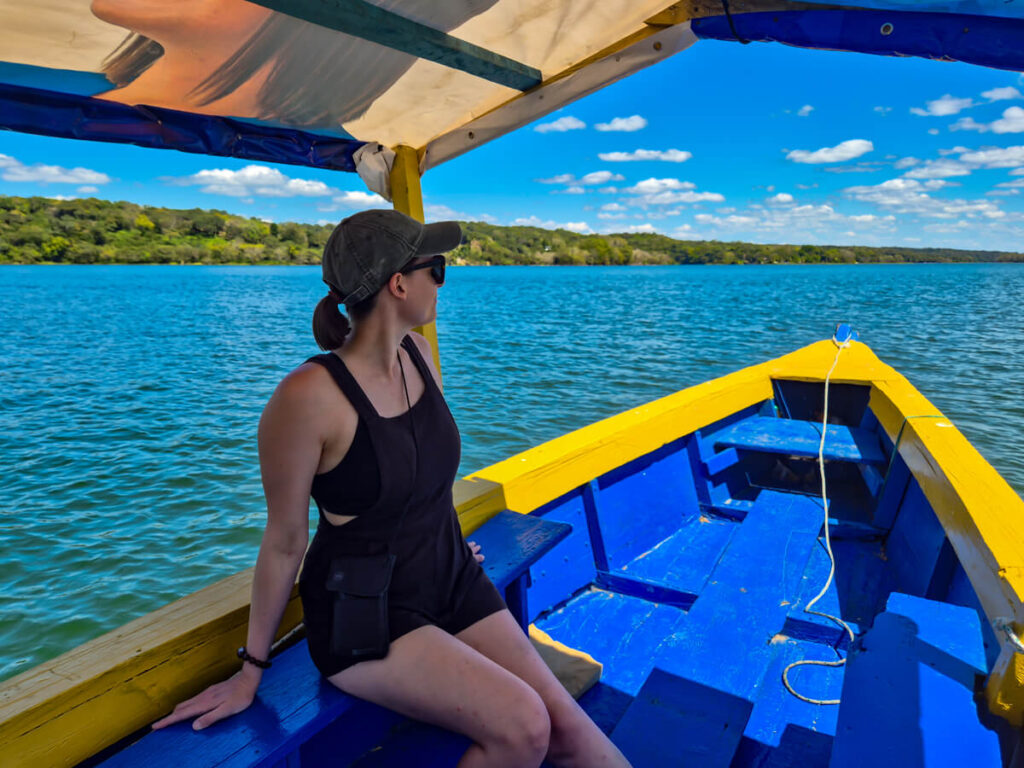
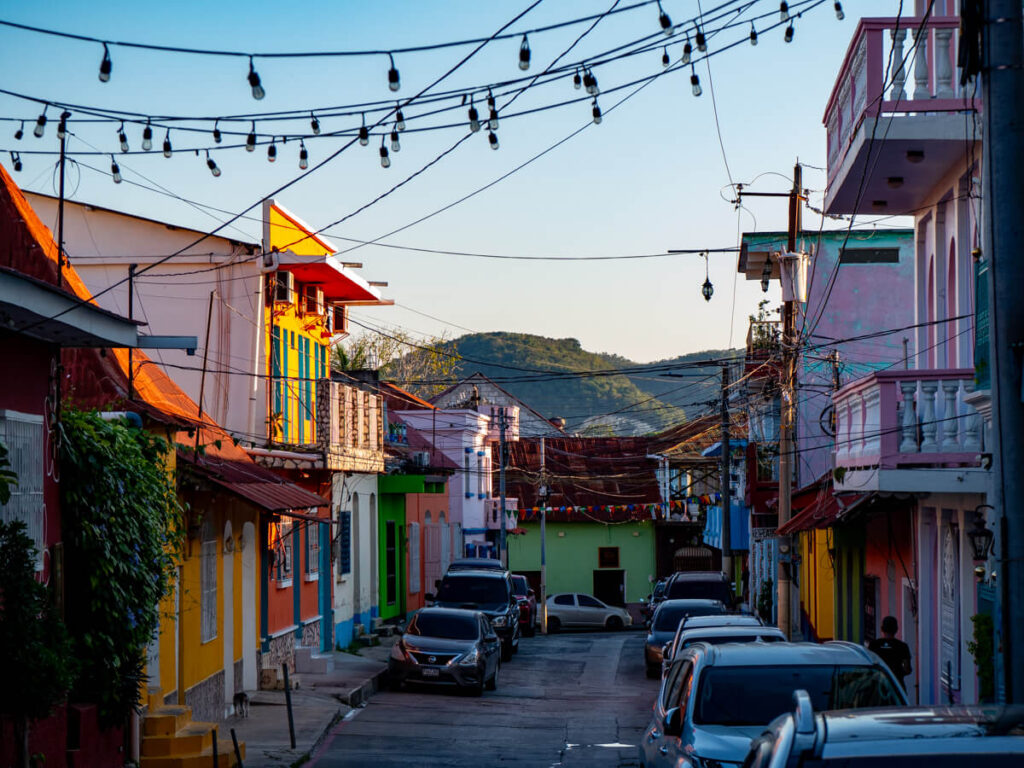
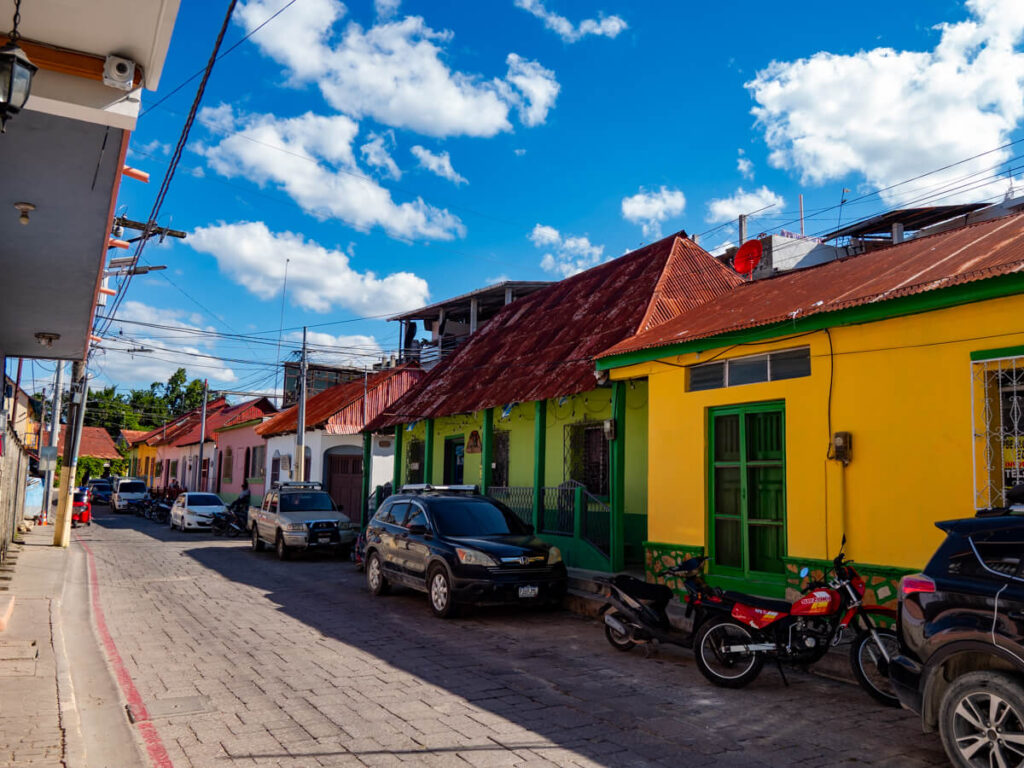
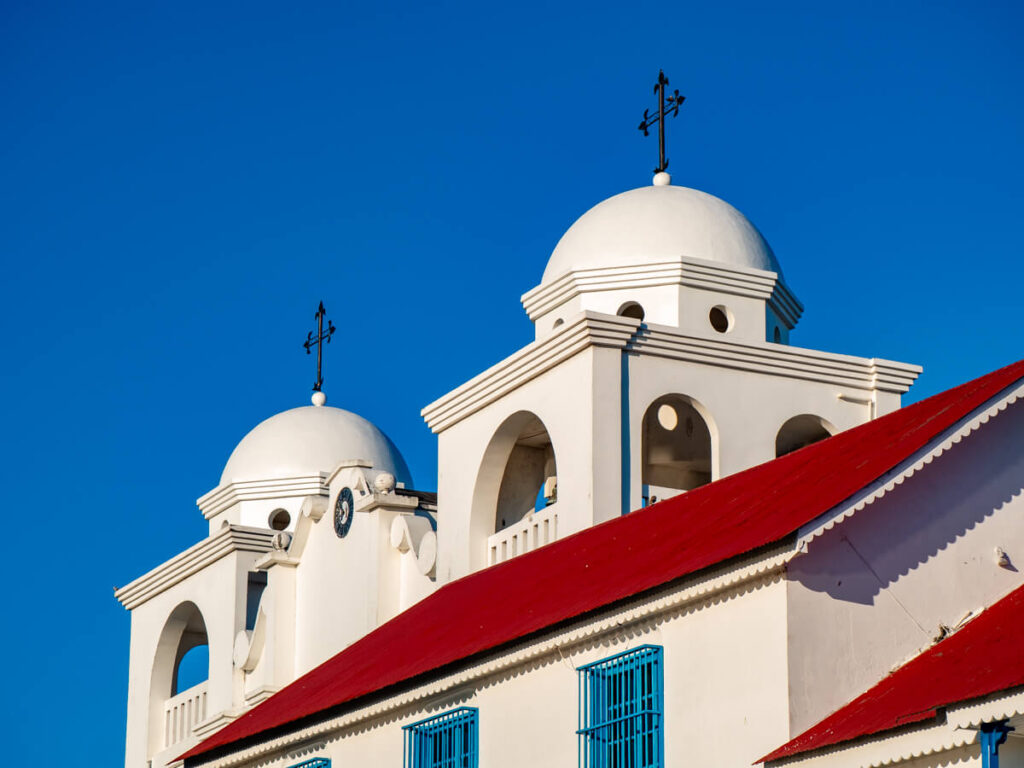
A small, colourful island town on Lake Petén Itzá, Flores is the main gateway to Tikal National Park. Flores is a great first stop in a Guatemala itinerary, because it’s got a good mix of local, cultural, historic, and natural attractions, plus it’s got a pretty easy-going vibe. The island itself (Isla de Flores) is compact and easy to explore on foot, with cobbled streets, pastel houses, and lake views at every turn.
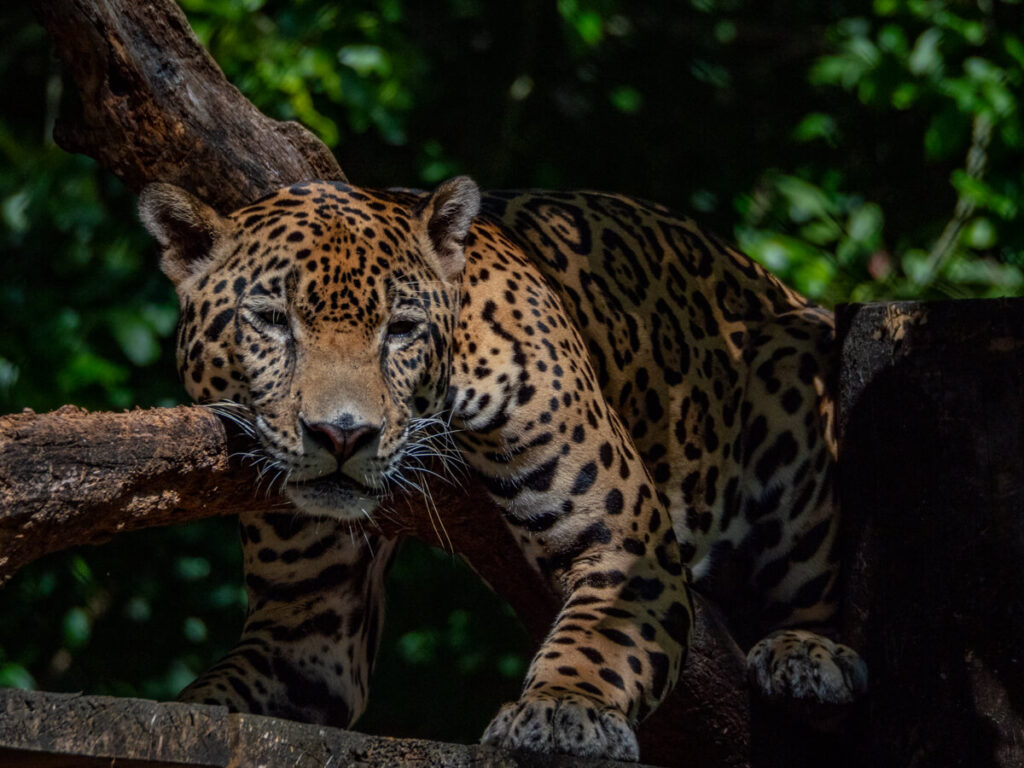
You can spend your days on the water, taking a boat tour to nearby attractions like Jorge’s Rope Swing and ARCAS, or renting a kayak and paddling out yourself. Of course, a full day should be dedicated to a Tikal tour, where you can climb pyramids for views over the jungle and spot wildlife like monkeys, coati, and toucans. Evenings are best spent along the waterfront malecón, where restaurants set up tables overlooking the lake and rooftop bars offer the best views of the blazing sunset.


What to do in Flores
Where to stay in Flores
Where to stay in Tikal
Where to eat in Flores

2. Semuc Champey
Semuc Champey is one of Guatemala’s most unique natural landscapes, made up of a series of bright turquoise pools sitting above a hidden underground river.
Reaching the site takes some effort, but the remote setting is part of the appeal. Shuttles depart Flores early in the morning and take all day to get to San Agustín Lanquín, where you’ll be met by 4×4 pickup drivers who will transfer you to your accommodation.
You’ll want to book a Semuc Champey tour or transportation through your hostel or hotel once you arrive. When you reach the Natural Monument, we’d recommend hiking to the mirador (viewpoint) first for a full view of the pools winding through the jungle. Down below, you can swim, jump between the pools, or just relax in the water surrounded by dense rainforest.
On the other side of the river, you can spelunk in Ka’an Ba Cave, guided only by candlelight or float down the Cahabón River. They’re usually included in tours, but you have to cross the river and arrange a local guide if you visit independently.
Most people spend one day travelling here, one day at the pools, the evening partying, and the next day on a shuttle again. This is what we did, and it worked really well, but if you have more time, you could spend an extra night here – it’s worth an extra day to relax, since you spend so much time in a shuttle to and from.


What to do in Semuc Champey
Where to stay in Semuc Champey
Where to eat in Semuc Champey

3. Lake Atitlán
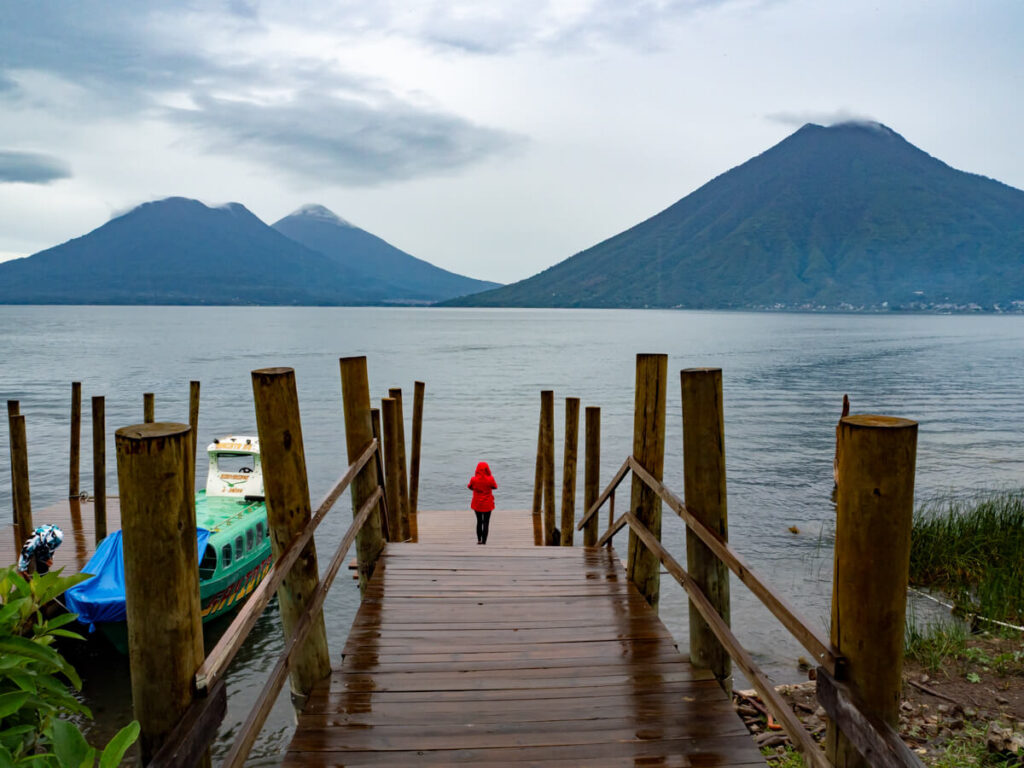
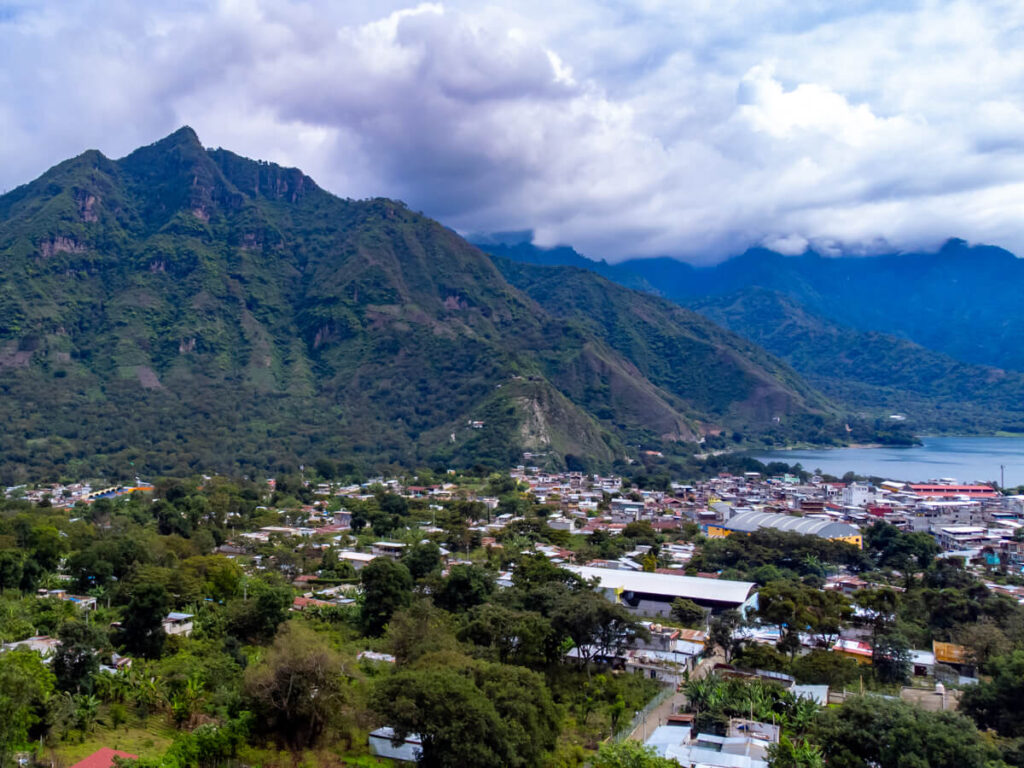
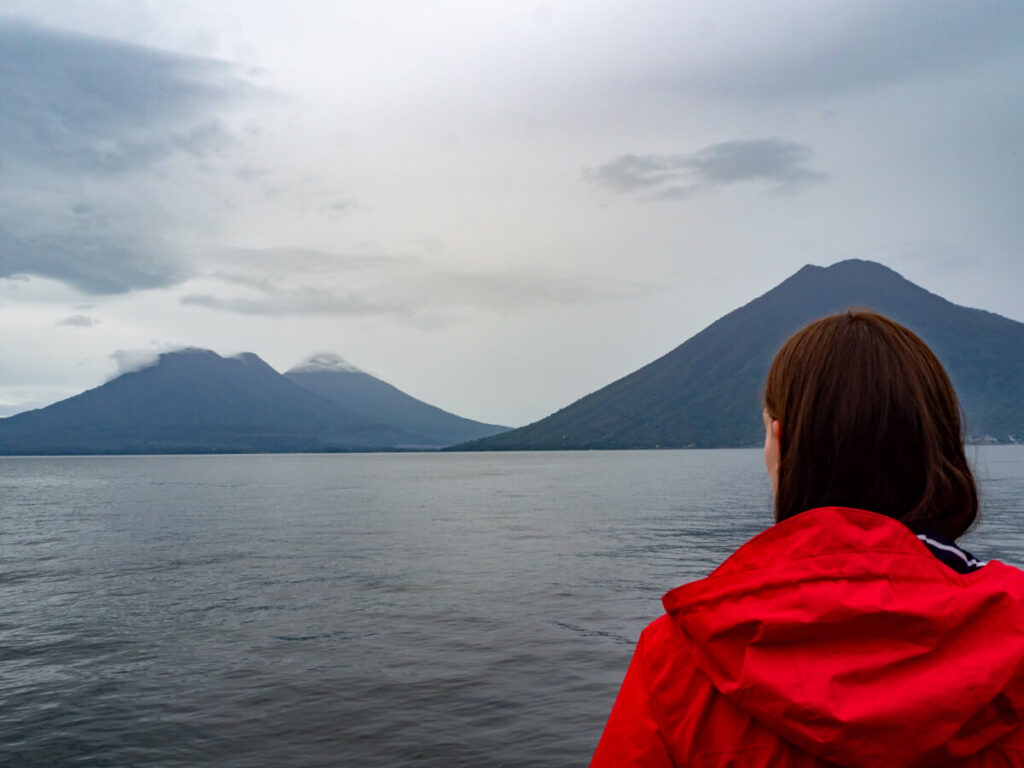
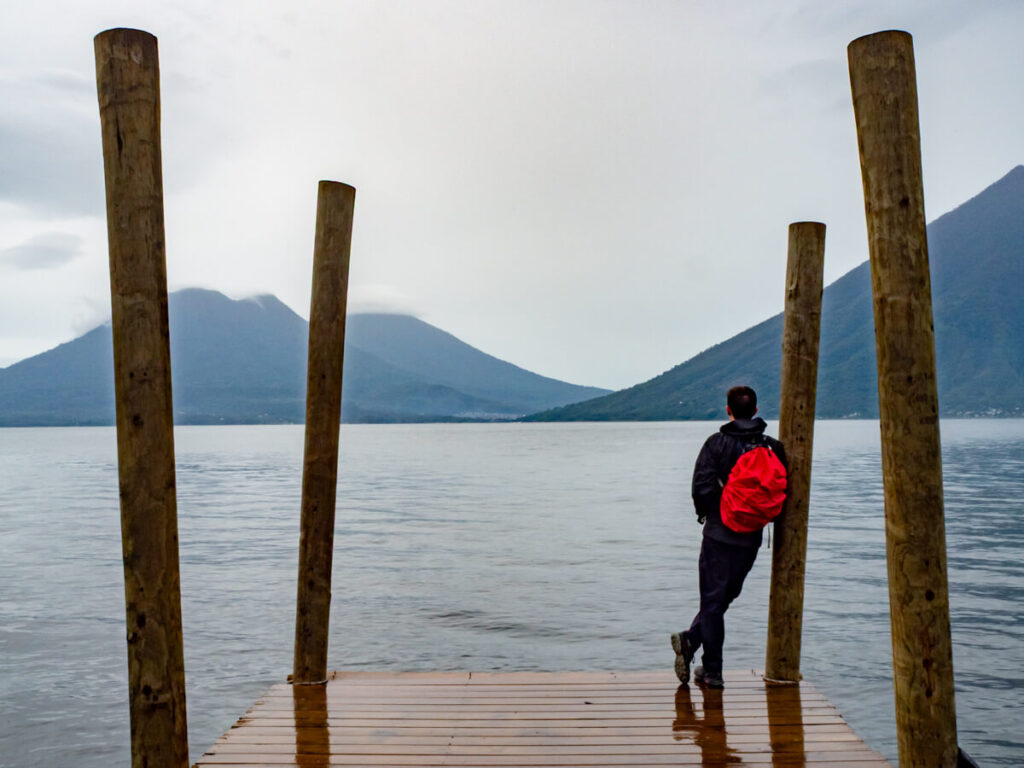
Often described as the most beautiful lakes in the world, Lake Atitlán is a deep blue crater lake framed by three volcanoes: San Pedro, Atitlán, and Tolimán. With the exception of a few towns, which are connected by road (tuk-tuks are the main mode of transport for short journeys), most villages are only accessible by lanchas.
While it’s often referred to as one destination, the lake is actually home to around a dozen towns and villages, and each of Lake Atitlán’s towns has its own character. It can be hard to pick between them, but generally, Panajachel is the main transit hub, San Pedro La Laguna is most popular with tourists and backpackers, San Juan La Laguna was our favourite village, covered in colourful art and home to authentic local culture, and San Marcos La Laguna is known for its yoga and wellness scene. There’s also Santa Cruz La Laguna, a more relaxed base, and loads of other smaller towns that are worth visiting for the day.
Lake Atitlán is the perfect place to spend a few nights relaxing by the water, letting your body rest after long shuttle journeys and hikes in the jungle. It’s also cooler than the steamy northern jungle, since it sits at a higher altitude than Flores and Semuc Champey – a refreshing break from the heat and a good time to acclimatise for the volcano hikes coming up later on in the itinerary.
Days here are best spent exploring different villages, hiking around Lake Atitlán to viewpoints like Mirador Kaqasiiwaan & El Rostro Maya (the Indian Nose), or simply kayaking on the still water. Sunrises and sunsets are particularly striking, especially when the lake is calm and offers epic volcano views. Your accommodation can make a big difference to your experience – we had a glorious stay in Eco-hotel MayAchik’ – and if you have more time, you could split your stay between two towns to experience different sides of the lake.





What to do in Lake Atitlán
Where to stay in Lake Atitlán
Where to eat in Lake Atitlán

4. El Paredón
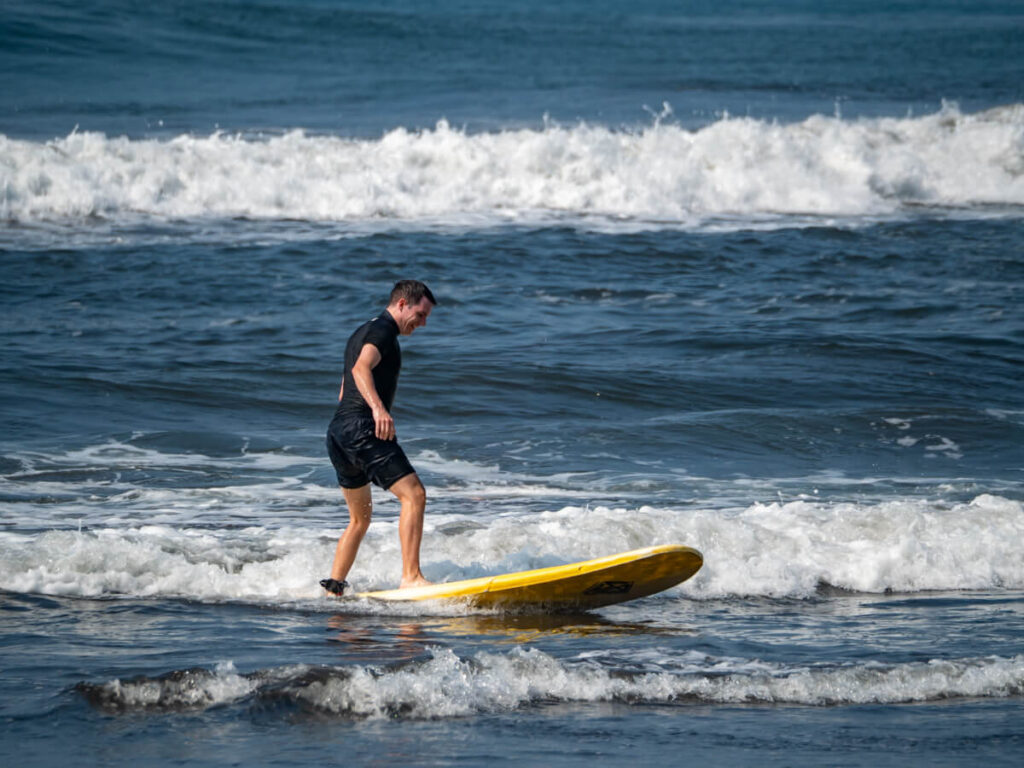
El Paredón is a little beach town on Guatemala’s Pacific coast, known for its volcanic black sand and consistent surf. The swell is strong, making surfing in El Paredón a highlight for any ocean lover. There are countless hostels and surf schools offering board rentals and lessons.
Aside from surfing, there’s not a lot to do, but the town itself is cute, with sandy streets, bars, and restaurants. You can take a boat tour to the nearby Sipacate Naranjo National Park, kayak among the mangroves, or release baby turtles in season. The beach is also unique because it’s one of the few places you can see both the sunrise and sunset.
While it’s only a 2-hour shuttle journey away, it’s really too far to practically do as a day trip from Antigua, and it’s worth slowing down and enjoying the town in its own right.
Be prepared for a contrast to the cooler highland destinations – El Paredón is hot, hot, hot! The black sand beach is a heat trap and impossible to walk on with bare feet, so you’ll want to make sure your itinerary reflects the slower pace and respite from the sun.


What to do in El Paredón
Where to stay in El Paredón
Where to eat in El Paredón
5. Antigua
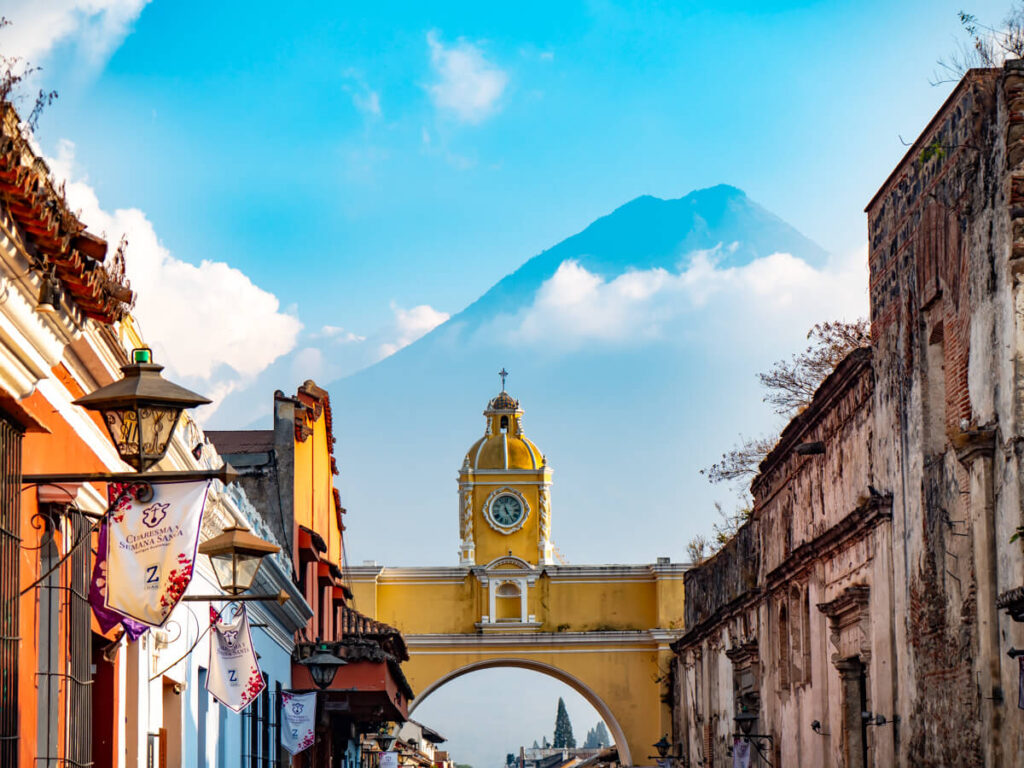
Antigua is Guatemala’s most well-known and visited city, famous for its colonial architecture, cobbled streets, and surrounding volcanoes: Agua, Acatenango, and Fuego.
The city is easy to explore on foot, with historic churches, leafy courtyards, and cosy cafés and coffee shops around almost every corner. There are plenty of museums in Antigua where you can learn about its indigenous culture and colonial past, while Antigua’s churches feature ornate architecture and crumbling ruins that reflect its history of earthquakes.
Antigua is also the main base for Guatemala’s most epic volcano hikes, including the Acatenango Volcano overnight hike to watch Fuego Volcano erupt. Acatenango Volcano tour companies, like Wicho & Charlie’s (who we went with), guide you to basecamp and help you conquer the trek, which is challenging but rewarding.
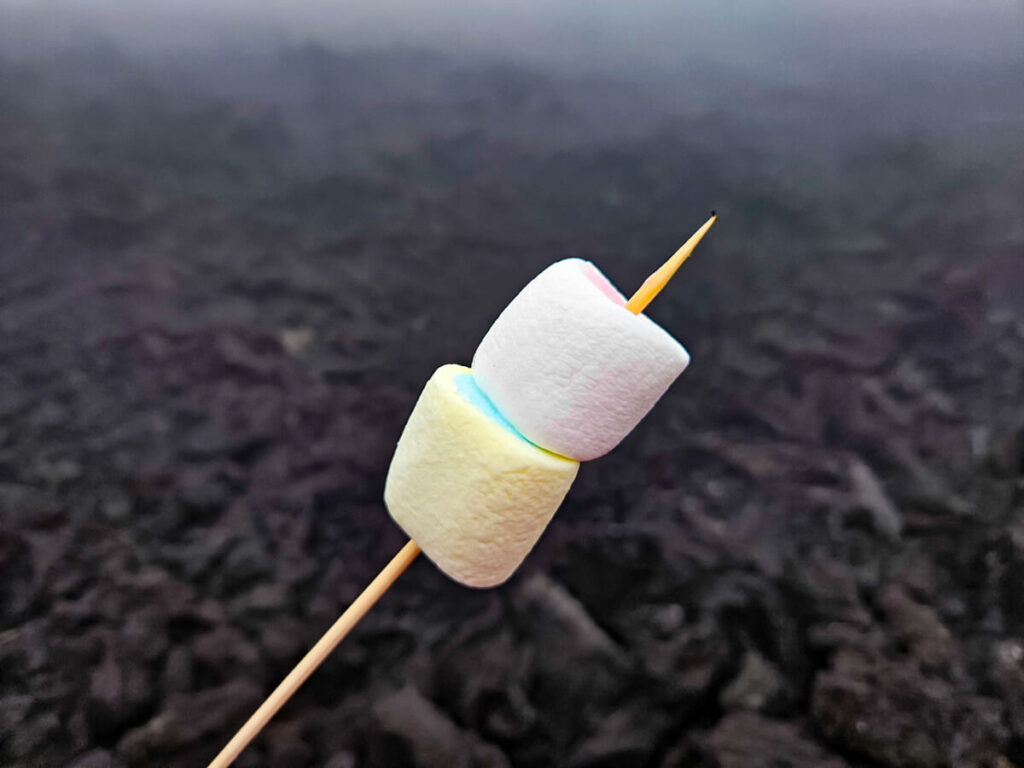
If you’re looking for something easier but equally as scenic, head to Pacaya Volcano, where you can toast marshmallows in the hot earth, or climb up to Cerro de la Cruz for views of the city and its surrounding volcanoes.
For something unique, take a day trip to Hobbitenango, a Lord of the Rings themed eco-park – you can even stay overnight in a Hobbit Hole, which was one of our favourite experiences of the trip.
The city also hosts major events like Semana Santa, when the streets fill with processions and colourful displays, so it’s worth checking what’s on when planning your Antigua itinerary.
If you’re ending your trip in Guatemala City, we’d recommend finishing your itinerary in Antigua. But if you’re backpacking through Central America, there’s one more stop to explore.



What to do in Antigua
Where to stay in Antigua
Where to eat in Antigua
6. Río Dulce
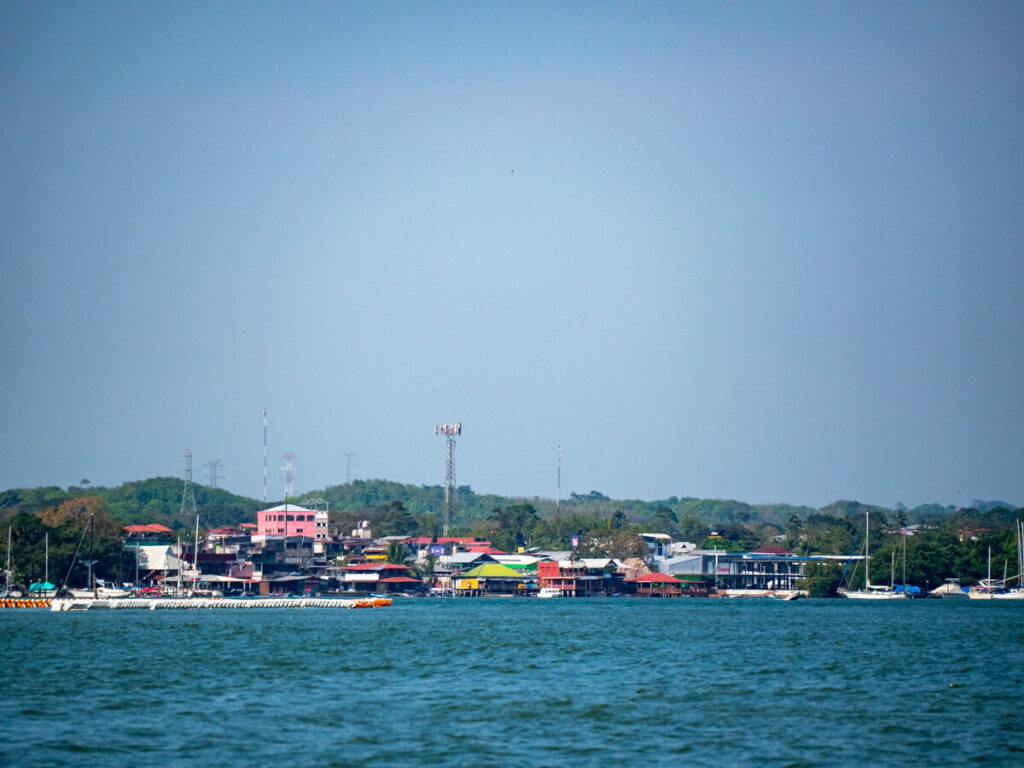
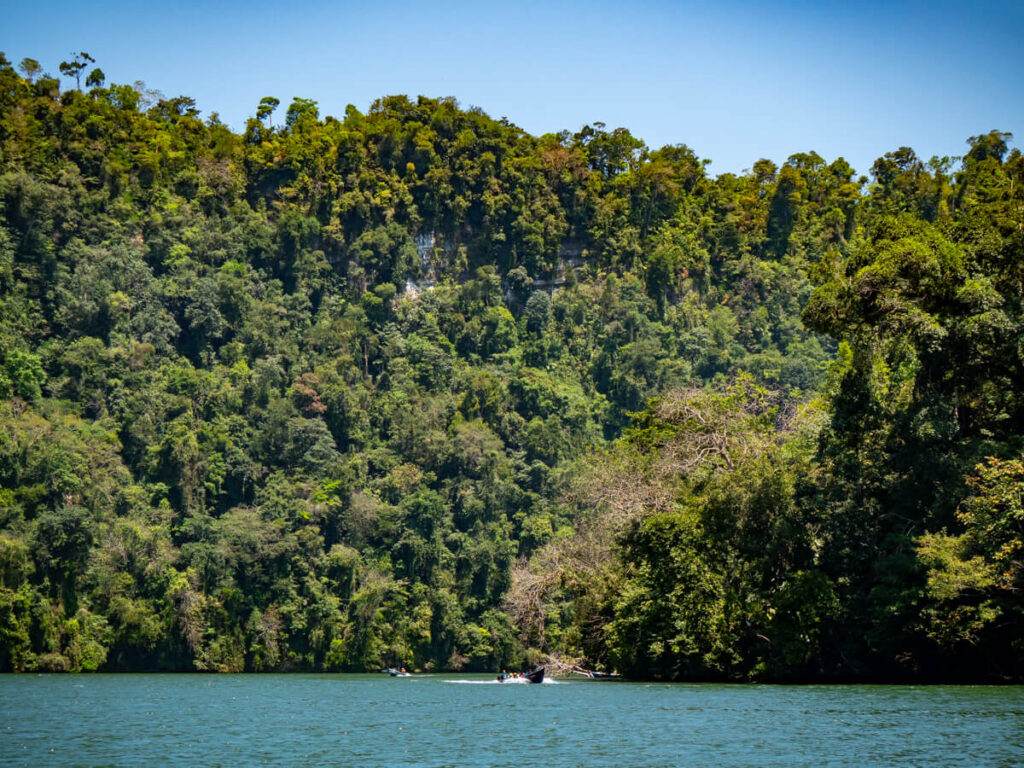
Río Dulce is a completely different destination from the other stops on this Guatemala itinerary. It’s a working town set on a wide river of the same name, which leads from Lake Izabal, the largest lake in Guatemala, to the Caribbean Sea. Many accommodations are set along the riverside itself, accessible only by boat, which adds to the remote feel.
Boat trips are the main activity here – and the main way to get around – passing through towering limestone gorges, hot springs, and small riverside communities. The area is home to Guatemalan wildlife like birds, monkeys, and occasionally manatees, especially in quieter sections of the river. You can also visit Castillo de San Felipe, a historic fort built to protect against pirates.
When you reach the coast, you can explore the small town of Livingston, known for its strong Garífuna culture.
While it might look like Semuc Champey is a closer stop to Río Dulce, the road between the two is largely unpaved and notoriously bumpy. The transfer is possible by 4×4, but not many companies offer it. It’s better to reach Río Dulce from Flores or Antigua, which is why we suggest this order.





What to do in Río Dulce
Where to stay in Río Dulce
Where to eat in Río Dulce

Guatemala itinerary adaptations
We know not everyone will have the right amount of time or want to hit the same spots as this Guatemala itinerary, so we’ve suggested some adaptations to tweak it to your taste and timeframe.
4-week Guatemala itinerary
Make this itinerary a month by slowing things down and adding in Quetzaltenango (Xela), which gives you a completely different perspective on Guatemala beyond the main tourist trail. Add 3-5 nights in Xela, a highland city known for its cooler climate, Spanish schools, and access to hikes like Santa María Volcano and Laguna Chicabal.
You can then pick up the Xela to Lake Atitlán hike, which is widely regarded as one of the best things to do in Guatemala.
Then, spend a few extra days in each stop – especially Lake Atitlán and Antigua – to allow for rest days, local experiences, and flexibility around weather.
You could also extend your time in Semuc Champey or Río Dulce if you want to break up long travel days and spend more time in nature. Or add Monterrico as an extra stop on the coast.
A month in Guatemala gives you the freedom to travel at a more relaxed pace, build in buffer days (which is super handy for cancelled excursions and rescheduling activities like volcano hikes), and experience more than just the highlights.

2-week Guatemala itinerary
Make this itinerary 2 weeks by knocking a night off each location or by skipping Semuc Champey, El Paredón, or Río Dulce.
If you’re not travelling onwards to Belize or Honduras, we’d recommend cutting Río Dulce and Livingston out of your itinerary. It’s a great stop on the way to or from the eastern borders, or between Flores and other stops, but it’s not practical if you want to do a simple linear route or loop.
If you’re travelling in the wet season, we’d recommend cutting out Semuc Champey. It’s a long way to go for the pools, which can close after heavy rain and likely won’t be the turquoise blue colour they are in summer, either.
If you’re visiting other beach towns in Central America, or are simply not interested in surfing, you can shave a few nights off your itinerary by cutting out El Paredón.
1-week Guatemala itinerary
With just one week in Guatemala, you’ll need to be selective about where you go and what you do. A well-paced route could start in Antigua (close to Guatemala City and the airport), where you can spend a few days wandering cobbled streets, visiting ruined churches, browsing markets, and taking in views from Cerro de la Cruz, with the option to hike Pacaya Volcano for an active day trip across lava fields.
From there, head to Lake Atitlán, where you can base yourself in one of the lakeside towns like San Pedro, San Marcos, or San Juan, and spend your time boat-hopping between villages, kayaking, or hiking to viewpoints like Indian Nose for sunrise.
To finish, travel north to Flores, either by a short flight or an overnight shuttle, and use it as a base to visit Tikal National Park, one of the most impressive Mayan sites in Central America. Flores itself is perfect for a relaxed final evening before heading back to Guatemala City by shuttle or domestic flight for departure.
Of course, you could always reverse this route, which would make most sense if you’re already coming from Mexico or Belize.

Where to go after Guatemala?
If you’re heading back to the airport, Guatemala City is an easy shuttle journey from most destinations. We’d recommend ending your itinerary in Antigua and skipping Río Dulce to avoid backtracking.
If you’re backpacking, one of the best things about travelling in Guatemala is how easily it links with the rest of Central America, so fitting it into your Latin America Itinerary is pretty easy.
If you’re travelling north, the most common route is into southern Mexico via places like Palenque, San Cristóbal de las Casas, or the Yucatán Peninsula (Bacalar, Tulum, Cancún). This works especially well if you’re finishing your Guatemala trip in Flores, which connects easily to the Mexican border.
Heading east, many travellers continue to Belize, usually crossing from Flores to San Ignacio before heading on to Caye Caulker or Ambergris Caye. Alternatively, you can travel via Livingston and take a boat along the Caribbean coast to Punta Gorda, which is a more scenic (but less common) border crossing.
If you’re going south or southeast, you can cross into Honduras from Río Dulce, often continuing on to La Ceiba for Río Cangrejal or ferries to the Bay Islands (Utila or Roatán), or heading inland to Copán Ruinas. This route fits perfectly if you’re following the Caribbean side of Central America.
Finally, you can also travel southwest to El Salvador, usually via Antigua or Guatemala City, with routes leading to destinations like Santa Ana, El Tunco, and the Ruta de las Flores.
Because Guatemala sits right in the middle of the region, it works just as well as a starting point as it does a stop along the way, and whichever direction you choose, it’s easy to keep the journey going.

Tips for planning your Guatemala itinerary
Planning a route around Guatemala takes a bit more thought than it might look on the map. Here are our top tips:

Guatemala itinerary packing list
Packing for a trip in Guatemala means preparing for all sorts of weather, altitude, outdoor activities, strong sun, humid jungles, isolated areas, water activities, and historic sites. Here’s what you need to pack:

Guatemala itinerary FAQs
We hope this Guatemala itinerary is helpful – we certainly had the best time creating and following it! Here are some frequently asked questions, answered, to help you plan your trip.
How many days is enough for Guatemala?
You can see some of Guatemala’s highlights in around 7 to 10 days, but it will feel quite fast-paced. 2 weeks gives you enough time to combine places like Antigua, Lake Atitlán, and either Flores or Semuc Champey without rushing too much. If you want to include multiple regions (highlands, jungle, and coast), 3 to 4 weeks is a much more comfortable timeframe, and how much time we’d recommend. Travel days can be long, so having extra time makes a big difference.
Is a week in Guatemala enough?
A week in Guatemala is enough for a short introduction, but you’ll need to keep your route simple. Most people base themselves between Antigua and Lake Atitlán, which are relatively close together and easy to connect. You could add a flight or transfer to Flores for Tikal National Park, but trying to include too many stops will mean spending more time travelling than exploring.
Is 2 weeks in Guatemala enough?
2 weeks is a good amount of time to see a mix of Guatemala’s main highlights without feeling overly rushed. A typical route might include Flores (for Tikal National Park), Lake Atitlán, and Antigua, with the option to add Semuc Champey or El Paredón depending on your interests. You’ll still need to be mindful of travel days, but it’s a well-balanced itinerary length.
Is 3 weeks in Guatemala enough?
3 weeks is ideal for a well-paced Guatemala itinerary. It allows you to link together destinations like Flores, Semuc Champey, Lake Atitlán, El Paredón, Antigua, and even Río Dulce without constantly rushing between them. It also gives you flexibility for weather, rest days, and activities like volcano hikes.
Should you stay in Guatemala City or Antigua?
Most travellers choose to stay in Antigua rather than Guatemala City. Antigua is more compact, walkable, and set up for visitors, with plenty of accommodation, restaurants, and activities. Guatemala City is mainly a transport hub, close to the international airport, and while it does have things to do, it’s not typically a highlight of a first-time itinerary. Many people arrive into the city and transfer straight to Antigua the same day.
Should I go to Lake Atitlán or Antigua first?
Visit Lake Atitlán before Antigua if you’re also visiting Quetzaltenango (Xela). If you’re backpacking Central America from north to south, you’ll enter Guatemala after visiting Belize, so you can head south from Flores to Semuc Champey, then visit Xela and Lake Atitlán, before heading on to Antigua (via El Paredón if you wish), where you can either head east for Río Dulce and Honduras, or go to Guatemala City Airport.
If you’re backpacking Central America from south to north, you can reverse that route, visiting Antigua first, before Lake Atitlán, then heading to Xela, Semuc Champey, and Flores.
Visit Anituga before Lake Atitlán if you’re flying into Guatemala City and doing a loop. This allows you to acclimatise before heading to Antigua to do the volcano hikes, like climbing Acatenango. It also means you can finish your trip in Antigua, close to Guatemala City Airport.

Read next:
Ultimate Guatemala Travel Guide: Volcanoes, Lakes & Ancient Mayan Sites
Top 20 Places to Visit in Guatemala + Where Not to Go
Top 20 Unique Things to Do in Guatemala
21 Animals in Guatemala and Where to See Them
The Best Time to Visit Guatemala: Land of the Eternal Spring
Our Guatemala Destination Guides:
