A Responsible Travel Guide to Tulum: Worth Visiting or a Tourist Trap?

Everything you need to know about visiting Tulum more responsibly, from useful travel information and how to spend your money and time to eco-tourism activities and what to avoid.

This post may contain affiliate links, which means we might earn a small commission on anything purchased through these links at no extra cost to you. Learn more on our disclaimer page.
Once a bohemian hidden gem, Tulum has developed into one of the most popular destinations in Mexico. The town has exploded in popularity over the past decade, attracting everyone from luxury travellers and wellness seekers to Instagrammers chasing the perfect sunset shot. There’s no skirting around it, Tulum has become super divisive, with some travellers returning year-on-year, and others raging about its environmental issues and faux-spiritual clientele. With soaring prices, crowded beaches, and some overhyped attractions, it’s natural to wonder: is Tulum actually worth visiting, or is it just a tourist trap?
We visited Tulum at the end of 3.5 months of backpacking on our first trip to Mexico. We explored the well-known hotspots and the lesser-known corners of this chic beach town to see if it lives up to the hype. We’ve experienced the highlights, endured the overrated spots, and discovered hidden gems that most visitors miss.
Is it really a town full of hippies practising yoga, eating açaí bowls, and taking part in gentrified activities like cacao ceremonies? Can you travel sustainably here? And is there any authenticity left? In this guide, we cut through the noise and give you a realistic view of Tulum. You’ll find what’s actually worth your time, what to skip, and tips for experiencing the best of the town without falling into the usual traps.
Tulum at a glance

More from Tulum
About Tulum
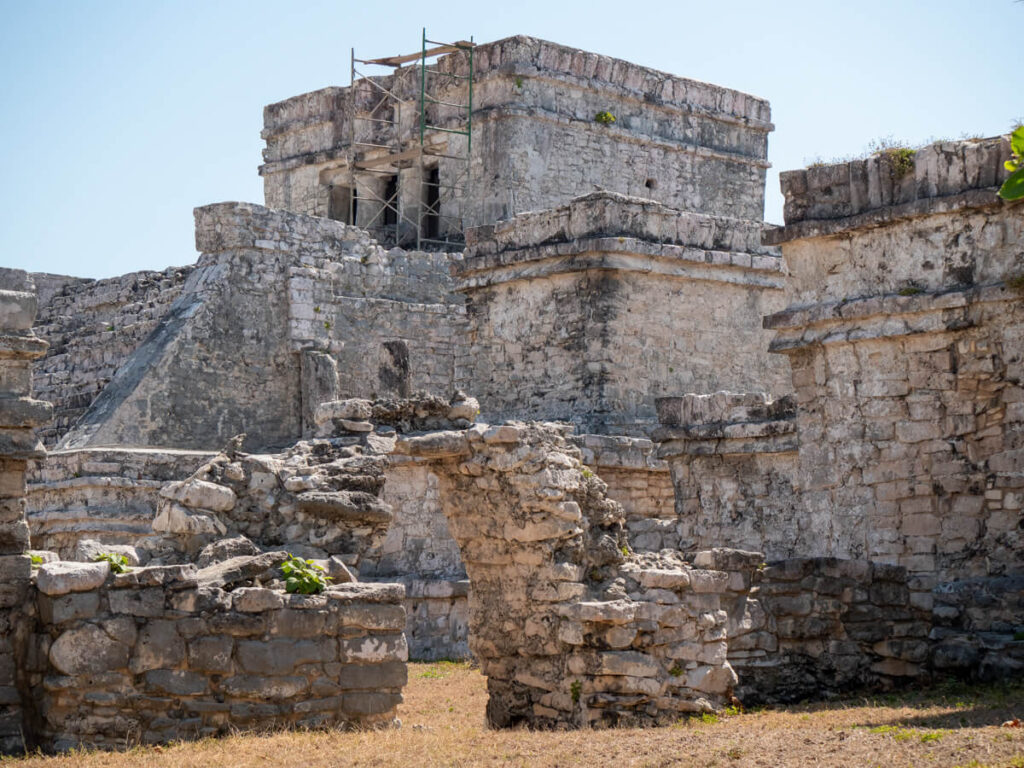
Tulum started as a Mayan port city between the 13th and 15th centuries, and is most famous for the Tulum Ruins perched on a cliff overlooking the sea. It was later abandoned and remained a sleepy fishing village for centuries, with locals relying on small-scale fishing and farming. Like many other parts of the Riveriea Maya, development has skyrocketed in the last few decades, but unlike Cancún or Playa del Carmen, the town hasn’t been overrun by high-rises.
Tulum’s appeal is partly the balance between history, nature, and beaches – all of which are a stone’s throw from the town – but also its modern wellness-and-hippie vibe. While some areas are heavily curated for tourists, others, especially Downtown, still feel like everyday life actually happens there.
Tulum has become a town that’s Bali-adjacent in feeling: low-rise, design-conscious, wellness-focused, and social-media friendly. It’s arguably lost a lot of its small-town character, but you can still find pockets of authenticity in jungle settings, cenote-side retreats, and eco-resorts built around sustainability (not just aesthetics).

Where is Tulum?
Tulum is located on the eastern coast of Mexico’s Yucatán Peninsula, about 80 miles (130 km) south of Cancún and 40 miles (65 km) south of Playa del Carmen. It’s about 130 miles (210 km) north of Bacalar.
Before you visit, you need to understand that Tulum isn’t one place, but a collection of neighbourhoods. The two main parts encompass:
They might look close together on a map, but these areas are actually a 25-minute car journey or a 45-minute bike ride apart! Choosing where to stay in Tulum will shape your whole trip.
Surrounding the town are small villages, cenotes, and protected areas like Sian Ka’an Biosphere Reserve. The nearest major airport is Cancún International Airport, although the town does have its own smaller Felipe Carrillo Puerto (Tulum) Airport, operational for limited flights.

Tulum Map
We’ve highlighted Tulum’s main areas and attractions on the map below.

Why visit Tulum?
Tulum draws visitors for a mix of history, nature, and beach life. It’s more relaxed and less built-up than other major cities in the region, has a long coastline of sandy beaches, and it’s closer to cenotes and Mayan ruins, too. The town even has its own ruins with stunning Caribbean views.
A big draw to Tulum for many is its yoga and wellness scene, with retreats catering to a slower pace of travel. It also offers boutique shopping and a variety of food-related and cultural experiences. It’s not a resort town in the traditional sense, where everything is in one place, so you can explore further than your accommodation, plan your own day, and find spots off the beaten path.

Location
Tulum’s location roughly halfway along the Riviera Maya means it’s not only bordered by the turquoise Caribbean Sea to the east, but also by the verdant jungle to the west. It’s easy to get to Tulum from the large airports in the region, but also overland if you’re backpacking around Mexico. The extensive Tren Maya network also connects the town to many nearby attractions. It’s also one of the easiest tropical destinations to reach from the US, Canada, and much of Western Europe, which is why it receives so many international visitors.
The town itself is long and narrow, split between the inland Downtown and the beachfront Hotel Zone. Getting around Tulum requires thinking about, as it’s so spread out, but public transport exists in the form of colectivos and buses, while renting a car or hiring a bike gives you more flexibility to explore at your own pace. Be aware that taxis tend to be super expensive, and there’s no Uber.

Vibe
One thing that really sets Tulum apart from other towns in the Yucatán Peninsula is its setting in nature. It’s surrounded by lush jungle, which attracts nature lovers and has led to quite a bohemian atmosphere. It feels more relaxed than other Riviera Maya towns.
Downtown is cheaper and more practical, but also has lots of trendy cafés, boutique stores, and local restaurants. The Hotel Zone, on the other hand, is more curated, photogenic, and tourist-focused. Many travellers come here for wellness, nature, and history, but there’s also decent nightlife – it’s just not as lively as you’ll find in Cancún.

Accommodation
Tulum has lots of accommodation options across the spectrum, from luxury resorts and boutique hotels to hostels, glamping sites, and Airbnbs. You won’t find many all-inclusive resorts, but rather aesthetic eco-resorts featuring wooden architecture, open-air designs, and jungle integration.
We won’t lie, the prices are much higher than in most other parts of Mexico. The Hotel Zone has some eye-watering nightly rates, but even in Downtown and neighbourhoods like La Veleta, which are more affordable, it can be hard to find something that’s genuinely affordable. Camping and glamping have grown in popularity for people looking for a jungle or cenote-centred experience, but even this isn’t always cheap.
Unfortunately, greenwashing is pretty common, especially when it comes to accommodation. Many places lean heavily into the “eco” aesthetic, though that doesn’t mean they’re low-impact. Most hotels, especially in the Hotel Zone, run off diesel generators, rely on imported materials, use single-use plastics, and simply charge a premium for the vibe. It’s best to check what the eco claim actually entails – look for initiatives like solar panels, water-saving systems, recycling programs, or support for local communities – rather than assuming the branding alone reflects responsible practices.
Top Tulum Hotels
Food and drink
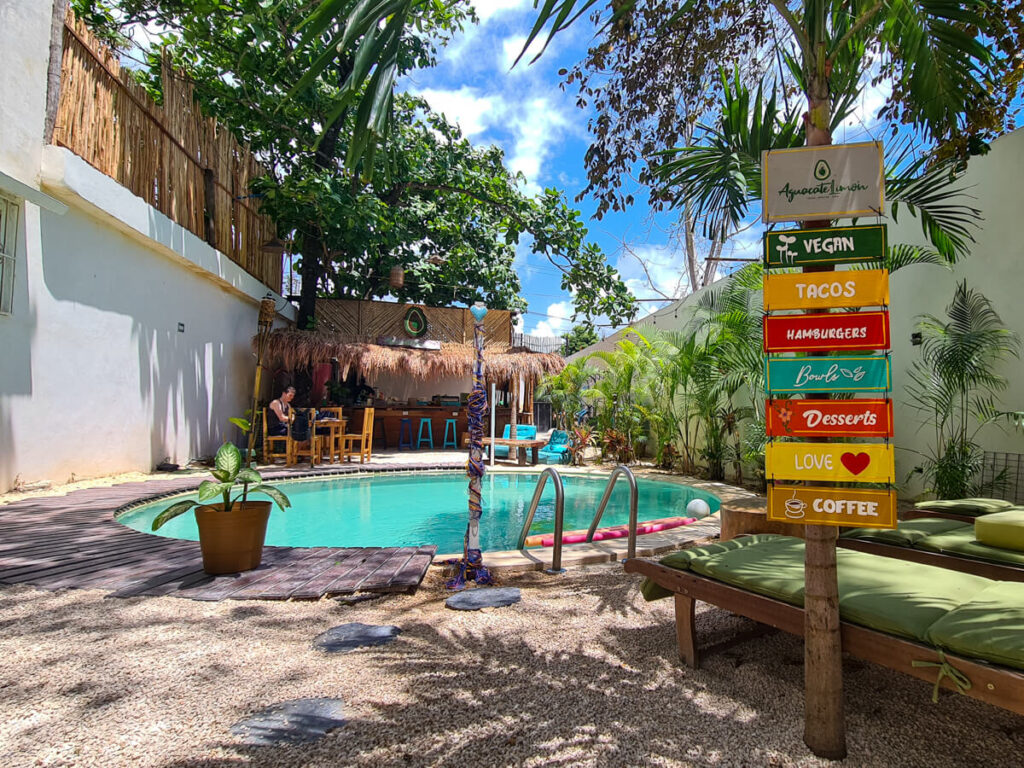
OMG, we found some incredible veggie and vegan restaurants in Tulum! We were so happy to find such a wide range of local and international cuisine. There’s also an amazing street food scene in Tulum (if you know where to go), so you don’t have to fork out hundreds of dollars in the Hotel Zone every night, either.
If you’re after something fancier, there are some world-class restaurants in the Hotel Zone, serving modern Mexican, seafood, and fusion dishes. You’ll also find boujee beach clubs with delightful cocktails and sea views here, too. Again, prices are generally higher than in most of Mexico, but street food is the way to go if you’re on a budget.

Activities
Tulum is activity-rich, but everything’s spread out, so you’ll need transportation, a tour, or to navigate public transport. You can easily visit the nearby Tulum Ruins, relax on the beaches, swim in cenotes (of which there are quite literally hundreds in the immediate area), float on the Muyil River, or wildlife watch in Sian Ka’an.
There are loads of fun things to do in Tulum, so there’s something for everyone. Wellness experiences are obviously abundant, including daily yoga classes, temazcal ceremonies, and cacao rituals.
Tours and transfers make it possible to reach day trips like Cobá or Akumal without a car, while you can easily visit a variety of cenotes, nature reserves, and Mayan ruins if you have a rental car.

When to visit Tulum
Tulum has warm weather year-round, but the best time to visit really depends on how you plan to spend your days and how much chaos you’re willing to tolerate. Unlike Cancún, Tulum is less of a sealed resort bubble, so weather, crowds, and infrastructure issues are more noticeable.
Most travellers (including us) visit during the dry season from December to April, when days are sunny, humidity is lower, and the sea is at its clearest. This is peak season, meaning higher hotel prices, heavier traffic between Downtown and the beach, and crowded cenotes and ruins from mid-morning onwards. Christmas, New Year, and Easter are particularly busy, so booking accommodation well in advance is essential.
The shoulder months of May and June can be a sweet spot, offering warm weather, fewer visitors, and slightly better value, though sargassum often starts to appear on the beaches around this time.
The summer months, from July to August, fall within the wet season and bring hotter temperatures, higher humidity, and occasional heavy downpours. That said, rain is often short-lived, and mornings are usually clear. Fewer crowds and lower accommodation prices make this a reasonable trade-off if you’re flexible and don’t mind sweating.
September and October sit within peak hurricane season and are the quietest months, with the lowest prices but the highest risk of storms, flooding, and tour cancellations. If you visit then, flexibility is key.

Tulum weather
Tulum has a tropical climate with consistently warm temperatures and distinct seasonal patterns:

Sargassum in Tulum
Sargassum is one of the biggest downsides of visiting Tulum and something you should factor into your timing and accommodation choices. It’s a type of brown seaweed that forms naturally in the Atlantic Ocean, but in recent years, massive blooms have been driven by warmer sea temperatures, agricultural runoff from the Amazon and West Africa, and shifting ocean currents.
These blooms drift across the Caribbean and pile up along Mexico’s east-facing coastline, particularly in Tulum’s Hotel Zone, where beaches are more exposed than sheltered areas like Isla Mujeres or Isla Cozumel. Not only does it mean the beaches just don’t look very pleasant, but it really (like really, really) stinks!
Sargassum season typically runs from April to October, peaking between May and August, though amounts vary wildly year to year and even week to week. We were shocked by how much was on the beaches in April when we visited, even though it was out of season.
When it’s heavy, it turns the water brown, makes swimming unpleasant, and smells strongly as it decomposes in the sun. Hotels and beach clubs attempt daily removal (we saw it being carried away in diggers), but during peak periods, it can be overwhelming, which is why many travellers choose to stay Downtown, Aldea Zama, or La Veleta instead.

What is the best month to go to Tulum?
March is often the sweet spot for most travellers. The weather is still dry, the sea is warm and clear, and humidity hasn’t hit its worst yet, while prices and crowds are slightly calmer than peak winter holidays.
January and February are also excellent for weather, with low humidity and bright days, but they’re also the busiest and most expensive months, especially around New Year and Valentine’s Day. April is still a good option, though it’s noticeably hotter and busier around Easter, and the sargassum will likely be washing in.
If you’re trying to avoid crowds and don’t mind some heat, May can be a solid compromise – just before the summer rains tend to kick in. June to August brings higher humidity, rain showers, and more seaweed, while September and October are the cheapest but least predictable due to hurricane season.

How long to spend in Tulum
For most travellers, 3 to 5 days in Tulum is perfect. It’s enough time to see the ruins, swim in a few cenotes, spend proper time on the beach, eat your way around town, and still have slow mornings without feeling rushed. With three days, you’ll be able to cover the highlights, whereas five is better for a more comprehensive visit at a more relaxed pace.
We planned 5 days in Tulum but ended up staying for 7, as our trip to Sian Ka’an Biosphere Reserve was delayed due to bad weather. Keep this in mind if you’re planning excursions, as it might be worth factoring in a few extra days into your Tulum itinerary.
Staying longer than a week only really makes sense if you’re planning a retreat, working remotely, or deliberately slowing things down.

Tulum itinerary
Planning a trip to Tulum can feel a bit overwhelming, especially if it’s your first time, because there’s so much to do. You don’t need to cram everything into one day. We’ve made a flexible Tulum itinerary to give you a clear idea of how to spend 5 days in Tulum, whether you want lazy beach mornings or easy adventures just outside the town.

Is Tulum worth visiting?
Whether Tulum is worth visiting really comes down to what kind of trip you’re looking for. Yes, it has beautiful beaches, warm Caribbean water, cenotes scattered through the jungle, and one of the most accessible Mayan ruins in Mexico. But it’s also expensive for what you get, logistically awkward, and far more curated than many people expect. Tulum sits somewhere between barefoot paradise and an Instagram set – and how much you enjoy it depends on which side you lean into.
Reasons to visit Tulum
Reasons to skip Tulum
Tulum is worth visiting if you’re drawn to nature, design-forward hotels, wellness culture, and a slower, more intentional style of travel, and if you’re prepared for the costs and compromises that come with that. It’s less rewarding if you arrive expecting pristine beaches, easy logistics, or traditional Mexican prices. Planned thoughtfully, Tulum can be a beautiful, memorable stop on a Riviera Maya itinerary, but it’s not a one-size-fits-all destination.

Is Tulum safe?
Tulum is generally safe for travellers, and most visits are trouble-free. While it’s seemingly widely reported on in the news, violent crime is rare and rarely affects tourists, but petty theft, scams, and opportunistic crime do happen, particularly late at night or in poorly lit areas. It’s best to follow normal safety precautions. Stick to well-reviewed accommodation, avoid unregulated tours or street vendors offering too-good-to-be-true deals, and don’t wander the Hotel Zone late at night without transport.
The biggest risks tend to come from road safety rather than crime – scooters, bikes, and pedestrians share chaotic roads, and accidents are common. Don’t rent a bike, scooter, or ATV if you don’t have experience riding one, and be sure to use a helmet.

Is Tulum expensive?
By Mexican standards, Tulum is expensive. Prices in the Hotel Zone often rival (or exceed) major European beach destinations, especially for accommodation, taxis, cocktails, and beach clubs. We got stuck there one day as we explored on foot and popped into a shop for snacks (there was no way we were going to fork out on a meal there), and three packets of crisps, a croissant, and two drinks cost us $27 USD! It’s not just the most expensive place we’ve been in Mexico, but in the entire world (and we lived in notoriously expensive New Zealand for over a year).
Downtown Tulum is more affordable, but costs have risen quickly over the last decade as tourism has boomed. What often catches travellers off guard is that high prices don’t always equal high quality, particularly when it comes to food and transport. You can travel Tulum on a budget, but it requires intention, planning in advance, and compromise.

Tulum costs
Here are some average costs in Tulum:
Tipping in Tulum
Tipping isn’t mandatory in Mexico, but in Tulum, it’s widely expected due to the tourism-driven economy. In restaurants, 10-15% is standard for good service, and sometimes a service charge is already included, so always check the bill. 10-20% on tours is also a good guideline, depending on how much fun you had. Rounding up for taxi drivers is common, but large tips aren’t expected. For hotel staff, small tips for housekeeping or porters are appreciated but optional – sometimes there will be an envelope in the room to leave a small daily tip in. Tipping is based on service, not pressure, so don’t feel obligated when it hasn’t been earned.

Useful information for visiting Tulum
To help you plan your trip to Tulum, here’s some quick-fire, helpful travel information.
Time Zone
Tulum operates on Eastern Standard Time (UTC-5) year-round and does not observe Daylight Saving Time. That means it aligns with the US East Coast in winter and is one hour behind during summer. It’s an easy adjustment for North American travellers and rarely causes jet lag issues.
Language
Spanish is the primary language in Mexico, but English is widely spoken in Tulum’s Hotel Zone, tour agencies, and most mid-range to high-end accommodations. Downtown Tulum is more Spanish-forward, and you’ll get much better service (and fewer misunderstandings) if you know a few basics. Even simple greetings or ordering in Spanish tend to be appreciated and can subtly change how you’re treated.
Currency
The Mexican peso (MXN) is the official currency, and paying in pesos almost always gets you a better deal than using US dollars. While many businesses accept USD, exchange rates are often unfavourable and quietly inflated. ATMs are easy to find around Downtown, Aldea Zama, and larger hotels, though machines do occasionally run out of cash. Credit cards are widely accepted, but always carry some pesos for taxis, cenotes, and smaller restaurants.
SIM Cards
Buying a local prepaid SIM is straightforward, with Telcel offering the most reliable coverage in and around Tulum, including nearby beaches and cenotes. SIMs are sold at airports, convenience stores, and phone shops, and plans are generally cheaper than roaming. Just make sure your phone is unlocked before you arrive.
If you don’t want the hassle, do what we do and get an Airalo eSIM. You can have it downloaded before you arrive, so you can get straight on with Google Maps, WhatsApp, and research.
Internet connectivity
Wi-Fi is standard in hotels, cafés, and restaurants, though speeds can be inconsistent, especially in eco-style accommodation. Mobile data is reliable across town and along the beach road, but drops off in remote jungle areas, cenotes, and reserves like Sian Ka’an.
If you’re working remotely or accessing sensitive information, a VPN is sensible when using public networks – we use Surfshark VPN.
Electric Plugs
Tulum uses the same plug types as the United States (Type A and B, 120V / 60Hz). Travellers from the US and Canada won’t need an adapter, while visitors from elsewhere should bring one. Power cuts do happen occasionally, particularly in the Hotel Zone, so charging devices when you can is a good habit.
What to wear in Tulum
Tulum is hot, humid, and casual almost all the time, so practicality matters more than trying to dress up. Lightweight, breathable fabrics will make a bigger difference than anything trendy, especially once you factor in walking, cycling, and the lack of air-conditioning in many places. The overall look leans beachy and bohemian, but you’ll also see plenty of normal travel clothes in Downtown. Plus, there are plenty of boutique stores if you want to pick up some new pieces.
Evenings are still warm, so you won’t need anything heavy. Casual but sophisticated works best – linen sets, maxi dresses, lightweight shirts, and sandals are standard, even at higher-end restaurants. Bring multiple swimsuits so you’re not stuck putting on a damp one. Yoga and wellness are a big part of Tulum’s culture, so bring some activewear if you want to join a class or try out the Jungle Gym.

What to pack for Tulum
To ensure a smooth and comfortable experience in Tulum, don’t forget to pack your:
Sustainability in Tulum
Sustainability is a huge part of Tulum’s image, but the reality is far more complicated. The issues with this are similar to the issues with tourism in Cancún. As exposed in the Dark Side of Tulum Documentary, a major issue is that large parts of Tulum, especially the Hotel Zone, still aren’t connected to a full municipal sewage system. Wastewater is often treated on-site, sometimes poorly, which has contributed to groundwater pollution and damage to cenotes and coral reefs. Rapid development has also meant mangrove clearing, habitat fragmentation, and heavy pressure on fragile ecosystems that were never designed to handle this volume of visitors. We were pretty devastated to see an iguana get run over in the Hotel Zone – a sad reminder of the pressure that this development and traffic can put on wildlife in the region’s natural areas.
Rapid development has also created gentrification, cultural appropriation, and a tourist bubble that can overshadow local Mexican culture. Some of the faux-spiritual, Western, bohemian hippie and yogi vibes – cacao ceremonies, temazcal, and wellness retreats – are extractive rather than authentic. In addition, the nightlife and partying have created a demand for a drug culture that’s attracted cartels.
But it’s not all doom and gloom. The town is initiating a plan to revitalise tourism in the area more sustainably and has promised to slow development down. Plus, you can do your bit, too.

Greenwashing in Tulum
The town built its reputation on eco-resorts, off-grid living, and a low-impact, back-to-nature ethos, long before mass tourism arrived. But the word “eco” gets used very loosely here. Sadly, greenwashing is common in Tulum, and it’s often hard to spot.
You need to look beyond the shiny branding to see what a place actually does – things like wastewater treatment, plastic reduction, and fair employment practices matter far more than décor. Wooden architecture, jungle aesthetics, and candlelit pathways don’t automatically equal sustainability, and many so-called eco-resorts use diesel generators and consume huge amounts of water and energy, while charging premium prices.
Choosing smaller independently owned hotels, eating in local restaurants, supporting street food vendors and boutique store owners, visiting cenotes that limit numbers, and avoiding attractions that damage the environment or negatively impact wildlife all make a difference. Using refillable water bottles, saying no to single-use plastics, and sticking to marked paths also help reduce daily impact in a place that’s already feeling the effects of overtourism.

Eco-tourism in Tulum
Another huge way you can make an impact is by choosing contributive tourism activities – experiences that actively support conservation, local communities, and cultural preservation. Responsible operators limit group sizes, follow wildlife ethics, employ local guides, and reinvest profits into conservation or community projects. This matters even more in fragile areas like Sian Ka’an Biosphere Reserve and Punta Laguna, where ecosystems were never designed to handle mass tourism.
We’ve discovered some amazing local companies in Tulum, some with great eco-conscious practices. Here are our top picks:

Our experience in Tulum
We visited Tulum on our first trip to Mexico, and it wasn’t a place we felt the need to revisit on any of our most recent Mexico trips. We were on a tight budget, and finding affordable accommodation, even in Downtown, was tricky. But we really enjoyed eating our way around the town, especially all the vegan-friendly cafés and street food vendors in Downtown.
Exploring the surrounding areas was a highlight for us, as we love nature, and we saw so much wildlife in Sian Ka’an in just one day – many animals we had never seen before. Among the many tour operators, there are local companies with great initiatives offering authentic experiences – it makes us want to return just to try out more day trips with local guides.
Tulum FAQs
To help you plan a smooth trip to Tulum, we’ve answered these frequently asked questions.
What is Tulum, Mexico, known for?
Tulum is best known for its clifftop Mayan ruins overlooking the Caribbean Sea, white-sand beaches, and a jungle-meets-boho aesthetic that blends eco-style hotels with wellness culture. Over the years, it’s built a reputation for boutique accommodation, yoga retreats, and design-forward beach clubs rather than big all-inclusive resorts and high-rises. It’s also perfectly positioned for a variety of day trips in the wider Yucatán region.
When to avoid Tulum?
You may want to avoid Tulum during peak season, especially late December, New Year, Easter, and Spring Break, when prices spike and crowds peak. Sargassum season, typically late spring through summer, can also impact beach conditions in the Hotel Zone. September and October are the quietest months, but they fall during hurricane season, which brings weather uncertainty and occasional closures.
Are Tulum beaches swimmable?
Tulum’s beaches are generally swimmable, with warm, clear Caribbean water and gentle waves for much of the year. However, conditions vary depending on weather, currents, and sargassum levels. During heavy sargassum periods, swimming can be unpleasant or limited, particularly along the Hotel Zone. Some hotels and beach clubs clear seaweed daily, but this isn’t guaranteed. When the sea isn’t ideal, cenotes offer a reliable alternative for swimming year-round.
Can I drink the water in Tulum?
Tap water in Tulum is not safe to drink. This applies across Mexico, including hotels and restaurants. Most accommodation provides filtered or bottled drinking water, and many places have large refill stations. We’d recommend bringing a filter water bottle with you. Ice in restaurants is generally safe, as it’s made with purified water. Using bottled or filtered water for brushing your teeth is also recommended if you have a sensitive stomach.
Can you not flush toilet paper in Tulum?
In most places in Tulum, you shouldn’t flush toilet paper. Much of the town still relies on septic systems rather than a full municipal sewage network, especially outside Downtown. Toilets will usually have a bin next to them for paper, which is standard practice in the region. Hotels with modern plumbing may allow flushing, but it’s best to follow the signage.
Do you fly to Tulum or Cancún?
You can fly to either Tulum or Cancún, but it depends on your priorities. Tulum now has its own international airport, which is closer but often more expensive and has limited transport options. Cancún International Airport offers far more flight choices and is often cheaper, though it’s further away. From Cancún, you’ll need a transfer, bus, or rental car to reach Tulum.
Is Tulum better than Cancún?
Cancún is an upscale, resort-heavy city with excellent infrastructure and easy logistics. Tulum is more spread out, less predictable, and more expensive for what you get, but it appeals to travellers drawn to nature, design, and independent travel. If you want easy beaches, nightlife, and all-inclusive comfort, Cancún makes sense. If you prefer boutique hotels, cenotes, and a more alternative vibe, Tulum may suit you better.

Read next:
25 Unique & Non-Touristy Things to Do in Tulum + 4 Activities to Avoid
How to Get to Tulum: The Easiest & Cheapest Ways
How to Get Around Tulum: 12 Transportation Methods
Where to Stay in Tulum: Neighbourhoods & Top Hotels For Every Budget
15 Best Vegan & Veggie Restaurants in Downtown Tulum
A Complete Guide to Visiting Sian Ka’an Biosphere Reserve
How to Visit Tulum Mayan Ruins: Worth it?
A Traveller’s Guide to Akumal Beach Town & Bay: 10 Things to Do + 5 to Avoid
