25 Unique & Non-Touristy Things to Do in Tulum + 4 Activities to Avoid

Discover the best activities and attractions in Tulum in this list of the best things to do, plus unethical things to avoid.

This post may contain affiliate links, which means we might earn a small commission on anything purchased through these links at no extra cost to you. Learn more on our disclaimer page.
With a mix of Mayan ruins, swimmable cenotes, beautiful beaches, and spiritual retreats, Tulum is one of the most diverse destinations in the Mexican Caribbean. The town has a reputation for its eco-resorts, luxurious restaurants and beach clubs, Instagram backdrops, and spiritual vibe, but figuring out what’s actually worth doing and what’s overpriced and overhyped can be tricky. Between expensive cenotes, crowded ruins, and activities that don’t live up to the photos, it’s easy to waste both time and money if you don’t know what to prioritise.
We visited Tulum towards the end of our 4-month Mexico backpacking trip and experienced everything from the must-see highlights to the activities people insist you have to do – but really you don’t. Some experiences were genuinely amazing, while others we wouldn’t repeat.
In this guide, we’re sharing the best things to do in Tulum (that are actually in Tulum, not hours of driving elsewhere), along with what not to do, so you can avoid the tourist traps.
More from Tulum
The best things to do in Tulum
With a variety of activities that encompass the jungle, beach, and culture, there are loads of things to do in Tulum. Some experiences are simple and low-key, while others are expensive and over-curated. Here are the best things to do in the town itself and its famous Hotel Zone.
Top 10 things to do in Tulum
Don’t have time to read the whole list? Here are the top 10 things to do in Cancún.
- Explore Tulum’s Downtown
- Find the Instagram photo spots in the Hotel Zone
- Visit Tulum Mayan Ruins
- Bask on beautiful beaches
- Unwind in a yoga class
- Swim in crystal-clear cenotes
- Visit Sian Ka’an Biosphere Reserve
- Float on the Muyil River
- Swim in Kaan Luum Lagoon
- Wildlife Watch in Punta Laguna Nature Reserve

Tulum Activities Map
We’ve pinned the top activities and attractions in Tulum on the interactive map below.
1. Explore Tulum Downtown
Tulum Town (also called Tulum Pueblo or Downtown) is a built-up area, home to the town’s main street, a whole host of shops and restaurants, cheaper accommodation than the more exclusive Hotel Zone, and public transportation links. It’s not particularly pretty, but it’s practical and far less curated than the coastal strip. It’s where you’ll likely arrive when you get to Tulum, unless you have booked a direct transfer to your accommodation.
This is where many locals live and work, so prices are lower (making it perfect for those travelling on a budget) and the atmosphere is more relaxed. We based ourselves here for a more authentic and affordable experience. The centre is pretty compact and walkable. Look out for the Tulum signs, which make for a great photo opportunity. You’ll find the sign pictured below on the corner of Parque Museo de la Cultura Maya, while the famous, multi-coloured sign is at the entrance to the ruins.

2. Find the Instagram photo spots
Tulum is full of aesthetic backdrops, with some places specifically designed to be shared on social media. You’ll find photo-friendly installations, murals, and sculptural signs all over, especially along the beach road, and getting a picture with them isn’t just one of the things to do in Tulum, but it’s basically a right of passage.
Here are the most popular spots:
What you don’t see, though, is that most of these come with a long queue unless you arrive early and an entry fee or a minimum spend.

3. Spot stunning street art
You don’t have to pay to see stunning art in Tulum. There’s plenty of street art dotting every corner of the town. Many murals reflect themes of nature, Mayan culture, and environmental awareness. You’re best off exploring on foot or by bike rather than chasing specific pieces, but dedicated art tours exist if you’d like to learn more.
If you’re an art lover, you can also join the Tulum Art Walk at Holistika, a short, self-guided loop through the grounds of the wellness retreat, featuring outdoor murals, sculptures, and installations. It’s free to enter, easy to explore in under an hour, and a calmer alternative to the more commercial art spots along the beach road.

4. Wander Tulum Ruins
The Tulum Ruins are one of the most accessible archaeological sites in the region and are easy to visit without a guide. Perched on a clifftop above the Caribbean Sea, they’re visually impressive, though historically less complex than larger inland sites like Uxmal.
Once a walled Mayan city built between the 13th and 15th centuries, the site functioned as an important coastal trading port. Unlike inland sites, its location by the ocean is totally distinctive, making it one of the most unique things to do in Tulum. The ruins can be toursity and extremely popular, especially late morning onward – arrive as early as possible to beat the crowds and the heat.
You can also easily combine a visit with a stop at the nearby beach, which is free to visit from the ruins. When we visited, there were a couple of vendors selling coconuts on the beach road, which was refreshing in the strong sun – if you return it once you’ve drunk the water, they’ll cut it open for you to eat the inside.

5. Bask on beautiful beaches
One of Tulum’s main appeals is its white-sand beaches. There are several long stretches of sand and secluded coves where you can spend the day basking in the sun and floating in the shallow, turquoise water.
But access isn’t always straightforward. While all beaches in Mexico are public (meaning they’re free), much of the coastline has been privatised and is controlled by hotels and beach clubs. In many places, you need to pay to access the beach through private property or to use loungers or facilities in specific sections.
Some stretches are quieter and more natural, while others are busy and loud. Here are the best beaches in Tulum:
You’ll also find a variety of beach clubs in the Hotel Zone, offering loungers and cocktails by the sea. They’re expensive and most operate on a minimum spend system, but fun for a day if you want to relax in comfort.
It’s also worth noting that sea conditions vary, and sargassum can affect swimming at certain times of year. Sargassum is a type of brown seaweed that washes up along Tulum’s beaches, especially between May and September. Its spikes in quantity are linked to warmer ocean temperatures, nutrient runoff from rivers, and changing currents, which have made it more frequent and dense in recent years. We were shocked by how much sargassum washed up on the beaches, even in March – Playa Las Ruinas was covered in it and they were taking it out in diggers – plus, it really stinks!

6. Spot iguanas basking in the sun
Iguanas are everywhere in Tulum, especially around ruins, beach paths, and hotel gardens. They’re completely wild but used to people, so sightings are very likely. As wildlife lovers who had never seen iguanas until Tulum, we loved spotting and photographing them. Black spiny-tailed iguanas are the largest and most common type, but you might also see green iguanas and occasional rock iguanas.
You’ll often see them sunning themselves on rocks, walls, or tree branches – they’re ectothermic (cold-blooded), so warmth is important for them. While they look slow, they’re quite fast when startled and shouldn’t be approached. Feeding or touching them isn’t allowed and isn’t responsible, as it can harm their health and encourage them to become dependent on humans or lose their natural fear of people. We were pretty devastated to see one be run over in the Hotel Zone – a sad reminder of the pressure that rapid development and traffic can put on wildlife in the region’s natural areas.

7. Unwind in a yoga class
Yoga is deeply woven into Tulum’s wellness scene, with classes offered at studios, hotels, and jungle spaces. Styles range from gentle and restorative to physically demanding flows, so there’s something for every level of skill.
Many yoga classes are drop-in, so you don’t need to commit in advance, but long-term plans are available for those staying for an extended time, perfect for digital nomads. Prices are higher than in most of Mexico, reflecting Tulum’s overall pricier cost of living.
Some of the best places for yoga in Tulum include:
Many hotels and resorts in Tulum also offer yoga, including:

8. Rent a bike or ATV
Cycling is one of the easiest ways to get around Tulum, especially between Downtown and nearby areas. The terrain is flat, and many roads have dedicated bike lanes. Just beware that some roads can be busy and poorly lit at night.
Ola Bike Tulum and iBike Tulum are two of the most popular bike rental places in Tulum. Daily rates start around 200 pesos ($12 USD), and discounts are often offered for longer-term rentals. Many hotels also offer bike rental in Tulum, sometimes including it in your stay for free. Bike tours in Tulum are also popular – we recommend Tulum Bike Tours, a low-impact company created and run by nature and archaeology guides. They also do bike rentals.
Scooters and ATVs are other popular options for getting around. ATV rentals start from around $80-120 USD per day, while scooter rentals typically range from $25-40 USD per day. Taking an ATV tour in Tulum is a great way to get out in nature and explore the jungle while also learning more about the local area.

9. Shop for sustainable souvenirs
Tulum markets itself heavily on sustainability, though not all shops live up to that image. You’ll find plenty of handmade jewellery, textiles, ceramics, and natural products, often at high prices, alongside the usual tourist tat. Woven goods like dream catchers and hammocks are especially popular.
Some stores genuinely support local artisans, while others use ‘eco’ branding loosely. Be sure to ask where items are made and who produces them before purchasing. Downtown tends to offer better value than the beach road, which is insanely expensive for shopping.
Some shops in Tulum to check out include:

10. Go ziplining in the jungle
Ziplining in Tulum is a popular way to spend the day, usually offered as part of larger adventure parks. Most courses are short and designed for first-timers rather than for adrenaline seekers, but that doesn’t mean you won’t have fun.
Safety standards vary depending on the operator, so checking reviews and booking with a reputable company matters. Selva Maya Eco Adventure Park is a reputable and eco-friendly option that also offers cenote snorkelling, rock climbing, and rappelling. Many organised tours will provide transport and stops at nearby cenotes or caves, too.

11. Cruise on a catamaran
Taking a boat tour in Tulum is the most popular way to see the beautiful coastline, often combining time on the water with stops for swimming and snorkelling. Most trips depart from Tulum’s Hotel Zone or nearby marinas and typically last 3-5 hours, with drinks and lunch included on many packages.
These tours give you access to quieter beaches and reefs that are hard to reach from shore, though they can get crowded if multiple boats anchor in the same spot. Snorkelling stops often include small coral patches or shallow reef areas, ideal for beginners or casual snorkellers, and you may see marine life like sea turtles. Catamaran cruises are particularly popular with couples, especially for sunset, typically including sailing, swimming, and drinks on board. Prices start around $50-70 USD per person, with private charters costing significantly more.

12. Party the night away
Tulum’s nightlife is low-key compared to larger cities like Cancún, but there are still plenty of bars and beach clubs where music, drinks, and dancing carry late into the night. Most venues are concentrated along the beach road and in Downtown, with a mix of open-air bars, live music, and DJ sets.
Entry to Tulum’s clubs usually requires a cover charge, while more exclusive beach clubs or events can charge a minimum spend of $50-100+ USD per person, and drinks can be pricey. The Full Moon Party at Papaya Playa Project is particularly popular, while Cervecería Tulum offers a more relaxed night out at Mexico’s first beer hotel. Transport can be tricky after dark, so taxis or rideshares are the easiest way to get back to your accommodation.

Culinary Experiences in Tulum
Tulum has more than Instagrammable beach clubs and expensive restaurants. You’ll also find local markets, casual eateries, small restaurants, and street food stalls that offer authentic flavours, reflecting Yucatán and broader Mexican cuisine. Here’s how to eat, learn, and taste like a local.
13. Eat in local restaurants
Downtown Tulum is where the locals eat, with everything from simple taco joints to hearty Yucatán specialities. Some of the foods you should try include:
Prices in town are lower than in the Hotel Zone, and we were thrilled to find an excellent variety of vegetarian and vegan restaurants in Tulum, too. You can take a food tour of Tulum to try a variety of flavours in the genuinely authentic spots, as well as learn about the history of the region’s cuisine.

14. Take part in a cooking class
Joining a cooking class in Tulum is a hands-on way to learn about local techniques and ingredients, often including tortillas, salsas, and Yucatán specialities. You can learn to prepare tacos, make mole (a traditional sauce), and wrap tamales (stuffed corn dough parcels wrapped in banana leaves).
Most classes run for 2-4 hours and include tasting what you make at the end. Some also take place in local homes or small studios, giving a more authentic perspective than touristy setups.

15. Taste tequila or mezcal
For a really unique culinary experience, you have to sample tequila or mezcal. Tasting sessions are easy to find, with bars and small distilleries offering flights and guided tastings, and are one of the best things to do in Tulum for foodies.
Mezcal tends to be smokier and less sweet, while tequila varies by region and age, from blanco to añejo – and it’s made for sipping, not shotting! Sessions often include explanations of production methods, history, and how to properly taste them. Craft cocktail-making classes are also popular, where you can learn how to use these classic Mexican spirits in your favourite drinks.

Cultural experiences in Tulum
Despite Tulum’s popularity and arguable gentrification, there’s still some local culture you can experience in the area, as well as some popular activities that are maybe not so authentic. Here are the best cultural activities on offer.
16. Visit ancient Mayan Ruins
Besides Tulum’s Ruins, there are a couple of interesting and more impressive Mayan sites in the nearby region that are worth exploring on a day trip, including:
If you’re looking for a tour, we recommend Viajes Conciencia (Conscious Travel), a local guide specialising in Mayan anthropology, tropical biodiversity, and indigenous spirituality, offering tours to Cobá, Ek Balam, Chichén Itzá, and beyond.

17. Take part in a temazcal ceremony
A temazcal is a traditional Mayan sweat lodge ritual, guided by a shaman. Sessions involve heat, steam, chanting, and sometimes herbal infusions, aimed at detoxification and spiritual reflection. Most are held in jungle settings near Tulum, often as part of wellness retreats.
Ceremonies can be physically intense, so they’re not for everyone. Booking in advance is usually required, as small group sizes are common. It’s an immersive cultural experience that’s totally unique.

18. Join a beachfront cacao ceremony
Beachfront cacao ceremonies combine sampling Mayan cacao with meditation or guided intention setting. They’re often led by local facilitators and take place at sunrise or sunset for a more dreamy atmosphere.
Many ceremonies are offered at wellness centres or eco-resorts along the beach, like Ahau. It’s a quiet, reflective experience that’s arguably a commodification of indigenous culture, but many visitors still find it meaningful, especially when approached respectfully and with a guide who explains the traditions and symbolism behind the cacao ritual.

Nature and outdoor activities in Tulum
Tulum’s main draw for us was actually its natural setting, and most visitors should spend at least part of their time outdoors. The area offers everything from freshwater cenotes and lagoons to protected biospheres and jungle reserves, perfect for exploring on a day trip from Tulum. Activities tend to be hands-on: swimming, kayaking, hiking, or spotting wildlife, so you get to interact directly with the environment.
19. Swim in crystal-clear cenotes
Cenotes are freshwater sinkholes unique to the Yucatán Peninsula, many surrounded by jungle foliage. The water is generally cool and incredibly clear, making it ideal for swimming, snorkelling, and photography.
Some of the best cenotes near Tulum include:

20. Visit Sian Ka’an Biosphere Reserve
Sian Ka’an Biosphere Reserve is a vast protected reserve encompassing wetlands, mangroves, and coastal ecosystems south of Tulum. A UNESCO World Heritage site, the reserve is incredibly biodiverse and home to unique ecosystems and a variety of wildlife.
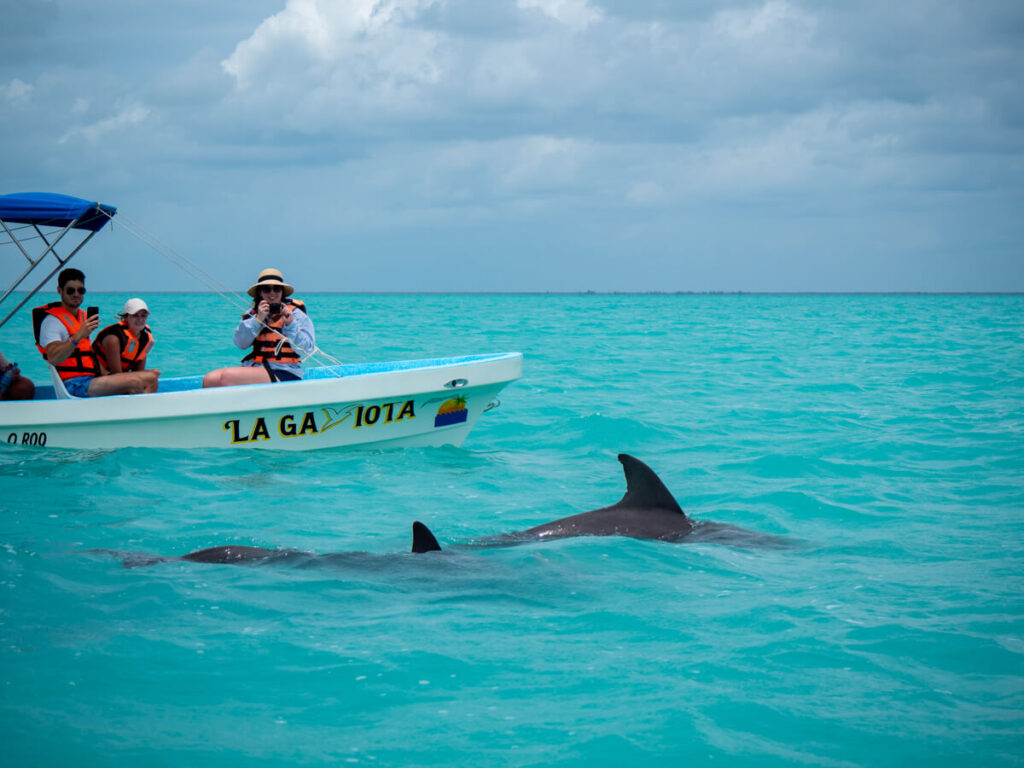
The reserve is mostly undeveloped, so guided tours of Sian Ka’an are essential for safe navigation and to minimise environmental impact. Boat tours give access to lagoons, birdwatching spots, and wildlife sightings. We saw manatees, a crocodile, dolphins, turtles, and an eagle ray in one visit with Mexico Kan Tours. For the Muyil side, which includes the Mayan ruins and famous canal float, Community Tours Sian Ka’an is also a good, local option.

21. Float on the Muyil River
The Muyil River is calm, shallow, and ideal for a relaxed paddle or float. Floating the Muyil River is one of the most unique experiences near Tulum and feels more like drifting through natural rapids (like Bacalar’s Los Rápidos) than a typical river swim. You can also rent kayaks. The best way to visit is to join a guided Muyil tour that includes walking boardwalks and the small Mayan ruins. Some tours to Sian Ka’an also include floating on the river.
You’ll drift effortlessly along ancient Mayan trade canals with a gentle current pushing you through mangroves and open water. The canals were engineered centuries ago and still function today. The river is surrounded by thick jungle and wildlife, offering a peaceful contrast to Tulum’s busy beaches.

22. Swim in Kaan Luum Lagoon
Like Bacalar’s lagoon cenotes, Kaan Luum is a large freshwater lagoon with vivid turquoise water surrounding a deep cenote in the centre that drops over 80 metres (260 ft). Swimming is possible via the long pier, but is restricted to the shallow outer areas for safety.
The lagoon is fed by underground freshwater systems, like much of the Yucatán, and has no surface rivers flowing into it. The colour contrast alone makes it worth visiting, plus, it’s less crowded than most cenotes near Tulum and feels more open and natural.

23. Wildlife Watch in Punta Laguna Nature Reserve
Punta Laguna Nature Reserve is a community-run reserve best known for its spider and howler monkey populations. You can walk through the jungle, where sightings are common but never guaranteed. A guide can help you spot animals and stop you from getting lost.
The reserve also has a cenote and traditional activities run by the local Maya community, making it educational, low-impact, and less extractive than many wildlife tours. We recommend Eco Mayan Adventures, a sustainable tour company founded by a Mayan-Mexican local guide, with a focus on nature-based attractions, wildlife watching, and conservation. It’s just north of Cobá, so it’s a longer day trip, but worth it if you love wildlife like we do and are looking for something non-touristy to do near Tulum.

24. Explore Río Secreto Underground River
Río Secreto is part of one of the largest underground river systems in the world, formed over millions of years as rainwater dissolved the limestone bedrock beneath the Yucatán Peninsula. It’s home to dramatic stalactites, stalagmites, and crystal-clear water.
The river itself is freshwater, filtered naturally through limestone, which gives it exceptional clarity and a slightly cooler temperature than the open air. On a tour of Río Secreto, you walk, wade, and swim through sections of the cave with a helmet and headlamp, making it accessible even if you’re not a strong swimmer (although being confident in the water is advisable).

25. See nesting turtles at Xcacel Beach
Xcacel is a protected nesting beach where loggerhead, green, and hawksbill turtles lay eggs between May and October. July to November is the best time to visit to see hatchlings. During this period, sections of the beach are roped off to protect nests, and access is sometimes limited or restricted to certain hours.
Located between Tulum and Akumal, the beach is managed by conservation groups, and access is limited to protect the turtles and their nests. There’s a small conservation fee to enter, which goes directly toward turtle protection and habitat maintenance. Even if you don’t spot a turtle, you might see the imprint one has left on the beach where it’s laid its eggs.
Outside nesting season, it’s still a quiet, undeveloped beach with a cenote just inland. This is one of the best places near Tulum to see conservation in action rather than exploitation.

What not to do in Tulum
Tulum has some really cool things to do, but it’s also a destination where glossy marketing can disguise some genuinely harmful practices. A lot of activities might look harmless on the surface, yet quietly contribute to animal suffering, environmental damage, or unnecessary safety risks.
1. Swim with turtles in Akumal
Akumal is famous for its resident green turtles, but mass tourism has turned what should be a sensitive wildlife experience into an overcrowded, tightly controlled operation. Countless tours funnel hundreds of people into a roped-off section in the bay, often with poor snorkelling etiquette, stressing the turtles and damaging seagrass beds. Even with new regulations (which we saw being broken on our visit), it still feels overcrowded and ethically uncomfortable. If wildlife encounters matter to you, there are better places to snorkel or dive with sea turtles (hello Cozumel!) without contributing to this pressure.
If you’re still keen to take an Akumal turtle tour, do so with a responsible operator like:

2. Support animal captivity
Sadly, there are quite a few attractions linked to captive wildlife, including the self-claimed “eco-friendly” Xcaret Group parks, Xel-Há, Xplor, and places like Akumal Monkey Sanctuary. These establishments rely heavily on animal performances, photo ops, or forced close-contact encounters, which are forms of unethical wildlife tourism. Seeing animals in captivity or being handled for photos isn’t educational, and it directly funds practices like the illegal wildlife trade that many travellers would rather avoid.
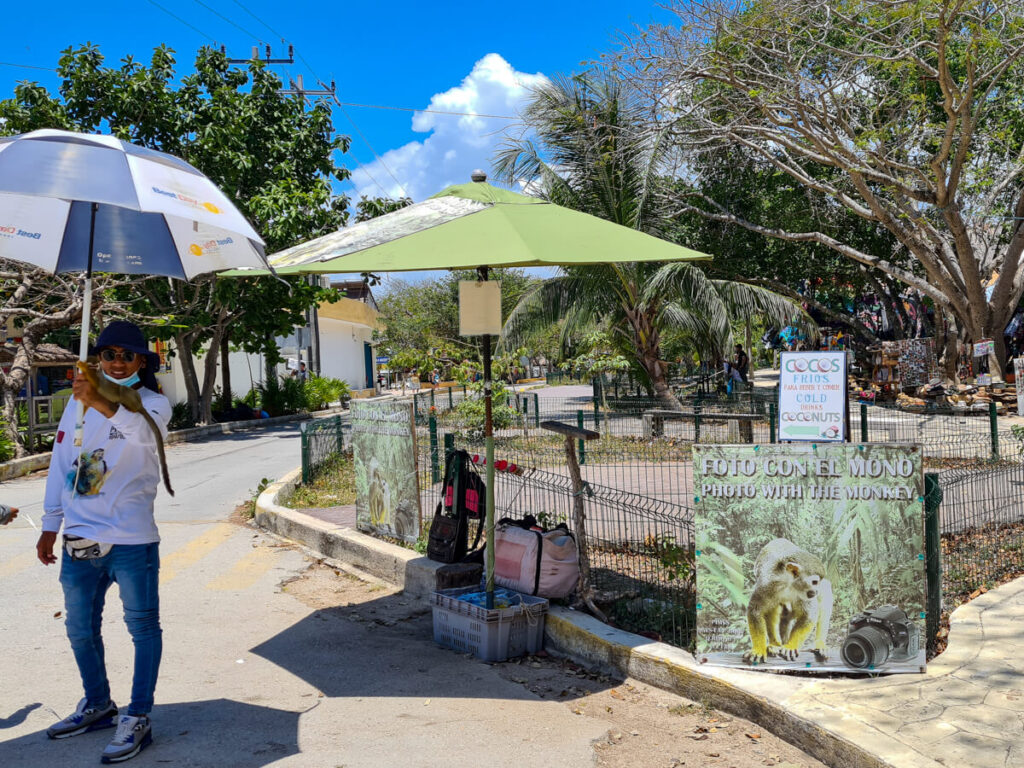
We even saw independent touts on the street in popular areas like outside Tulum Ruins, offering photos of animals like reptiles and monkeys. These animals are often kept in poor conditions, handled constantly, and put under immense stress as they are used purely as props for tourist photos. It’s best to avoid engaging with or paying for these encounters, as doing so directly supports wildlife exploitation rather than conservation.
3. Pay for Hotel Zone Beach Clubs
Tulum’s beach clubs are infamous for a reason. While they’re boujee, a great day out, and cater to those who like the finer things in life, minimum spends are extremely high, prices are inflated, and the experience often doesn’t justify the cost – especially when sargassum is present. Remember that all beaches in Mexico are public, even if access is deliberately made awkward by privatised sections. Unless you’re set on a party atmosphere, your money can be spent better elsewhere.

4. Day trips that are too far away
Some destinations are technically possible to visit from Tulum, but not enjoyable as day trips. We’ve seen some crazy suggestions of things to do in Tulum that are not only nowhere near the town, but not even practical to visit in a day.
Bacalar is around 2.5 hours each way, which means a long day in the car for a limited time at the lagoon. Chichén Itzá and Valladolid (around 2 hours each way) are feasible, but only if you leave very early to beat the crowds and heat. Isla Mujeres and Isla Holbox are not realistic day trips from Tulum at all – they both require ferry transfers, and Holbox in particular requires multiple changes and an overnight stay.
Whale shark tours don’t operate from Tulum, so you first need to get to Cancún or Isla Mujeres before setting out on the long and bumpy boat ride to the whale shark zone. Alternatively, we’d recommend skipping it here altogether and opting to swim with whale sharks in La Paz, on Mexico’s Pacific side, where whale shark encounters are generally less crowded and more strictly regulated.

Things to do in Tulum FAQs
To help you choose what to do in Tulum, we’ve answered these frequently asked questions.
What are popular activities in Tulum?
Tulum offers a mix of natural beauty, culture, and wellness. The best things to do include exploring the ruins, swimming in cenotes, relaxing on beaches, and checking out local art and street food. Yoga, wellness retreats, and sustainable shopping are also big appeals. Many people rent bikes or ATVs to get around and explore nearby lagoons, rivers, or lesser-known ruins, either by rental car or on tours. Adventure activities like ziplining or cenote diving are also popular.
What water activities are popular in Tulum?
Snorkelling, SCUBA diving, and cenote swimming are the main water-based activities in Tulum. Paddleboarding and kayaking on lagoons or along the coast are easy to do for beginners. Swimming with turtles is technically possible nearby in Akumal, but we don’t recommend it for ethical reasons. Some visitors also take catamaran or sailing trips along the coast.
What to do in Tulum for the first time?
Start with the Tulum Ruins and a quick beach stop nearby – they’re quintessentially Tulum and offer a feel for the area. Wander Downtown to get a sense of local life, street art, and small cafés, then take a swim in a popular cenote to cool off. Renting a bike to move between the main sights is practical and gives a more authentic perspective. Try some local street food, like tacos or marquesitas, rather than pricey beachside options. And aim for an early start each day, especially at popular spots, to beat the crowds and heat.
What to do in Tulum’s Hotel Zone?
The Hotel Zone is where most visitors spend time on the beaches. You’ll find beach clubs, boutique hotels, and resorts, many offering loungers, meals, and wellness classes. You’ll also find Tulum Jungle Gym here, an open-air, beachside workout spot built from wood, stone, and rope. It’s ideal for photography and for those who want convenience without travelling far. The coastline is narrow, so access can be controlled by hotels, but most stretches are public. Water is generally calm and shallow, good for casual swimming, too.
What to do in Downtown Tulum?
Downtown, or Tulum Pueblo, is built up but full of character. It’s the hub for affordable restaurants, local markets, and artisanal shops. Street art is everywhere, and the small streets are easy to explore on foot or by bike. You’ll find donation-based yoga classes, cafés, and nightlife with fewer tourists than on the beach road. Downtown is where locals live and work, so prices are lower and it feels less curated. It’s also a practical base with colectivo stops along the main road and an ADO bus terminal if you want to explore the surrounding jungle, ruins, or cenotes.
What to do in Tulum for free?
Many of Tulum’s highlights don’t cost anything. Public beaches are accessible to all, though some private sections may charge for loungers. You can walk around Downtown, browse street art, or visit donation-based yoga classes. The Tulum Ruins’ adjacent beach is free to access from the back entrance. Some cenotes, like Aldea Zama, also have no entrance fees or minimal donations. Renting a car lets you reach nearby rivers, lagoons, and ruins without paying for guided tours.
What to do in Tulum at night?
Evenings are calmer in Downtown, where casual bars and cafés stay open. Some beach clubs host sunset events or live music, often with a cover charge. Yoga or wellness workshops sometimes offer evening or moonlight sessions. Night markets appear occasionally with crafts and snacks. Fire dancers, live bands, or DJ sets also happen on select hotel rooftops or eco-resorts.
What to do in Tulum when it rains?
Many wellness centres, yoga studios, and spas are indoors or covered, so classes can continue, even when it rains. Museums, like SFER IK or small galleries, provide a cultural escape from the rain. Covered cafés and restaurants are abundant in Downtown – we spent a particularly wet afternoon hiding in Raw Love café. Cenotes remain accessible, though swimming in heavy rain may not be safe in all places. You can also use rainy periods to shop in local boutiques for textiles, jewellery, or sustainable souvenirs.
What to do in Tulum as a couple?
Tulum is super romantic with lots of activities for couples. Sunset walks on quieter beaches are a classic activity, while a couple’s yoga or wellness session works well for connection and relaxation. Cenote swims or private boat trips offer a peaceful escape, and many eco-resorts offer couples’ spa treatments and intimate dining options. Renting a bike or scooter to explore the ruins, Downtown, or jungle areas is great if you’re more adventurous.
What to do in Tulum with kids?
Family-friendly beaches like Playa Las Palmas or Playa Paraíso are shallow and calm, perfect for paddling. Cenotes with safe access, like Gran Cenote, are popular with older kids who want to make a splash and burn off some energy. Some eco-parks have adventure playgrounds, small ziplines, or guided tours for children, too. Renting bikes makes it easier to move around safely with kids, while local street food offers kid-friendly options like churros, fruit, or quesadillas.
Read next:
A Responsible Traveller’s Guide to Tulum: Worth Visiting or a Tourist Trap?
How to Get to Tulum: The Easiest & Cheapest Ways
How to Get Around Tulum: 12 Transportation Methods
Where to Stay in Tulum: Neighbourhoods & Top Hotels For Every Budget
15 Best Vegan & Veggie Restaurants in Downtown Tulum
A Complete Guide to Visiting Sian Ka’an Biosphere Reserve
How to Visit Tulum Mayan Ruins: Worth it?
A Traveller’s Guide to Akumal Beach Town & Bay: 10 Things to Do + 5 to Avoid
