A Traveller’s Guide to Cancún: What to Know as a First Timer

Everything you need to know about visiting Cancún, from useful travel information to how to spend your money and time.

This post may contain affiliate links, which means we might earn a small commission on anything purchased through these links at no extra cost to you. Learn more on our disclaimer page.
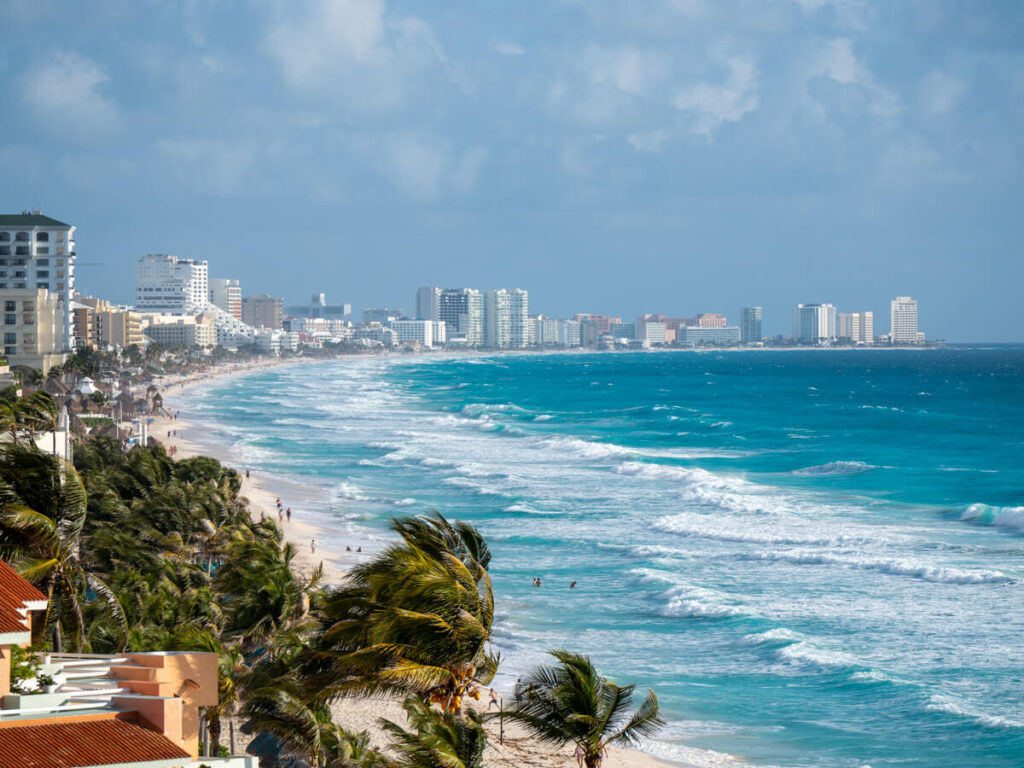
Cancún is one of Mexico’s most visited destinations, known for its turquoise water, white-sand beaches, and a long Hotel Zone built specifically for tourists between the Caribbean Sea and Nichupté Lagoon. It’s the gateway to the wider Yucatán Peninsula, with islands, cenotes, Mayan ruins, and biosphere reserves all within day-trip distance.
But the city, its various zones, and reputation for scams can be overwhelming if it’s your first time. From navigating the Hotel Zone and choosing the right resort to understanding transport, safety, tours, and the best times to visit, a little preparation goes a long way. In this guide, we break down everything you need to know about visiting Cancún, helping you set realistic expectations, avoid common mistakes, and make the most of your trip to the Caribbean coast.
Cancún at a glance

More from Cancún
About Cancún
Cancún is a practical base for travellers who want comfort, easy transport, and plenty of choices for activities. If you’re coming from further afield, like we have several times from the UK, Cancún is also a major gateway to the whole of Latin America, not just East Mexico, making it hard to avoid.
Cancún is a relatively young city. Development only began in the early 1970s, when the Mexican government chose this stretch of coast to develop a new, purpose-built tourism hub. Before that, the area was home to dense jungle, small fishing communities, and evidence of ancient Maya trade routes along the coast.
The city grew rapidly as international visitors arrived, and the Hotel Zone expanded along the barrier island as part of a tourism project to increase economic revenue in the region. Today, Cancún is filled with resorts, beaches, and entertainment venues. Despite its modern feel, the surrounding area is still rich in history and culture – you just need to know where to look.
Where is Cancún?
Cancún sits on the northeastern tip of the Yucatán Peninsula in the state of Quintana Roo. The city lies between the Caribbean Sea and the Nichupté Lagoon, a system of mangroves and waterways that supports much of the local wildlife.
Cancún Map
We’ve pinned Cancún’s main attractions on the interactive map below.
Why visit Cancún?
Cancún is an appealing destination for a plethora of reasons. With world-class beaches, fascinating Mayan sites, and countless all-inclusive resorts, it’s easy to see why so many tourists flock to the city each year. From its reliable transport network, countless day-trip options, and safe atmosphere, Cancún is super popular with first-timers in Mexico.

Location
Cancún’s position on Mexico’s east coast makes it one of the easiest tropical destinations to reach from the US, Canada, and much of Western Europe, with frequent nonstop flights and short travel times from major hubs.
Getting to Cancún is pretty easy. The main airport, Cancún International (CUN), is one of the busiest in Latin America, with direct flights from North America, Europe, and parts of South America. The extensive Tren Maya network also connects the city to many nearby towns and attractions.
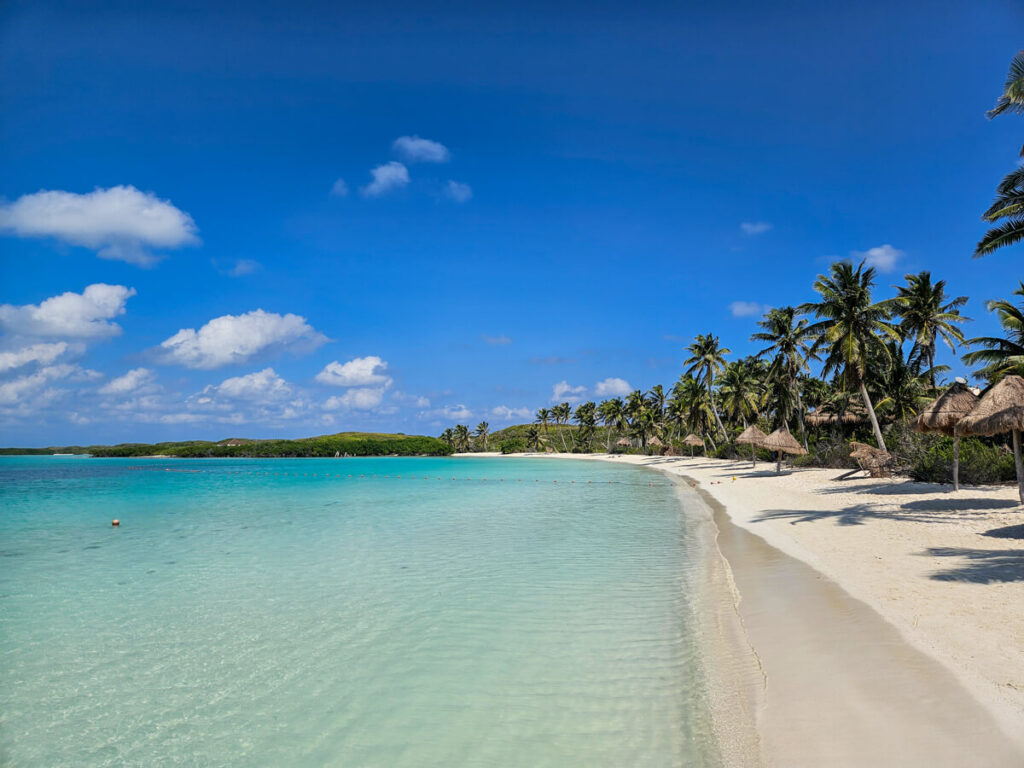
Its Caribbean-facing coastline gives you instant access to calm turquoise water, offshore reefs, and boat routes to nearby islands, while its spot at the top of the Riviera Maya puts countless cenotes, nature reserves, and archaeological sites within day-trip distance.

Layout
The city is split into two main areas: the Hotel Zone (Zona Hotelera), a long, beach-lined strip of resorts, restaurants, and nightlife, and Downtown Cancún (El Centro), where you’ll find local markets, parks, and everyday amenities.
A single road, Avenida Kukulcán, runs the length of the Hotel Zone, making it straightforward to navigate by bus, taxi, or car. Most attractions cluster along the coast or lagoon, so it’s easy to hop between beaches, marinas, and shopping areas in one day.
There’s a good local bus network, and countless taxis and shuttles, so getting around Cancún is super smooth.

Vibe
Cancún’s known for its lively resort energy with plenty of clubs and entertainment venues, making it a popular Spring Break destination. The Hotel Zone is the most polished, literally having been designed for tourists, while Downtown offers a more authentic atmosphere with taco stands, local cafés, and colourful street art.
Despite being world-famous, it’s surprisingly easy to slip away from the crowds and find pockets of calm along the lagoon or on quieter stretches of beach – if you know where to go.

Food
Despite its resort reputation, the city has a growing cultural and food scene, and there are some great local restaurants in Cancún. You’ll find a mix of Yucatecan flavours, seafood shacks, taco joints, and global restaurants catering to every budget. Popular dishes include cochinita pibil (slow-roasted pork marinated in achiote and citrus), panuchos (fried tortillas filled with black beans and salad), and freshly made tortillas. We particularly liked achiote (an earthy, brick-red spice made from annatto seeds), used in the coastal dish Tikin Xic, where fish is marinated in achiote and citrus, then grilled in banana leaves. Food tours in Cancún are worth joining if you want to learn more about local cuisine and its history.
Night markets like Parque de las Palapas and street stands sell treats like marquesitas, a crispy crepe-style, rolled street snack filled with sweet or savoury fillings. Get the classic – melted cheese and Nutella! Honestly, we thought it was a trick by locals when we heard about it, but the combo is so good!
In the Hotel Zone, you’ll find international dining like the Hard Rock Café and chains like Señor Frog’s. There’s nothing really authentic about them, but they’re super famous in Cancún, and many people visit for the experience.

Accommodation
Cancún has everything from all-inclusive beachfront resorts and boutique hotels to affordable hostels and family-run guesthouses. You’re never short of amazing places to stay in Cancún.
The Hotel Zone is ideal if you want beach access, pools, and a resort-style experience, while Downtown is perfect for travellers who prefer local restaurants, lower prices, and a more authentic feel.
First-timers will probably want to spend some time in the Hotel Zone, which feels safest and offers the classic, beachy Cancún experience. If you’re on a budget, like we were on our first visit before we backpacked Baja, you could split your time between the Hotel Zone and Downtown, which has cheaper hotel options.
Cancún Hotels
There are loads of hotels to choose from, but these are our top picks, thanks to their location, amenities, and overall value:

Activities
From snorkelling the Mesoamerican Reef to exploring ancient Mayan ruins, there are loads of fun things to do in Cancún. You can sail to nearby islands, swim in cenotes, paddle through mangroves, or spot wildlife in urban nature reserves. Food tours, markets, rooftop bars, cultural shows, and laidback beach days mean there’s always something that fits your mood, budget, or the weather. Here are our top picks:



When to visit Cancún
Cancún has warm, pleasant weather year-round, which is partly why it’s so popular, but the best time to visit depends on the kind of trip you’re after.
Most travellers aim for the dry season, between December and April, when the skies are clearer, humidity drops, and the Caribbean Sea looks the brightest turquoise. This is also peak season, so expect higher prices and busier beaches and attractions, especially around Christmas, New Year, and Spring Break. It’s important to book hotels and tours as far in advance as possible.
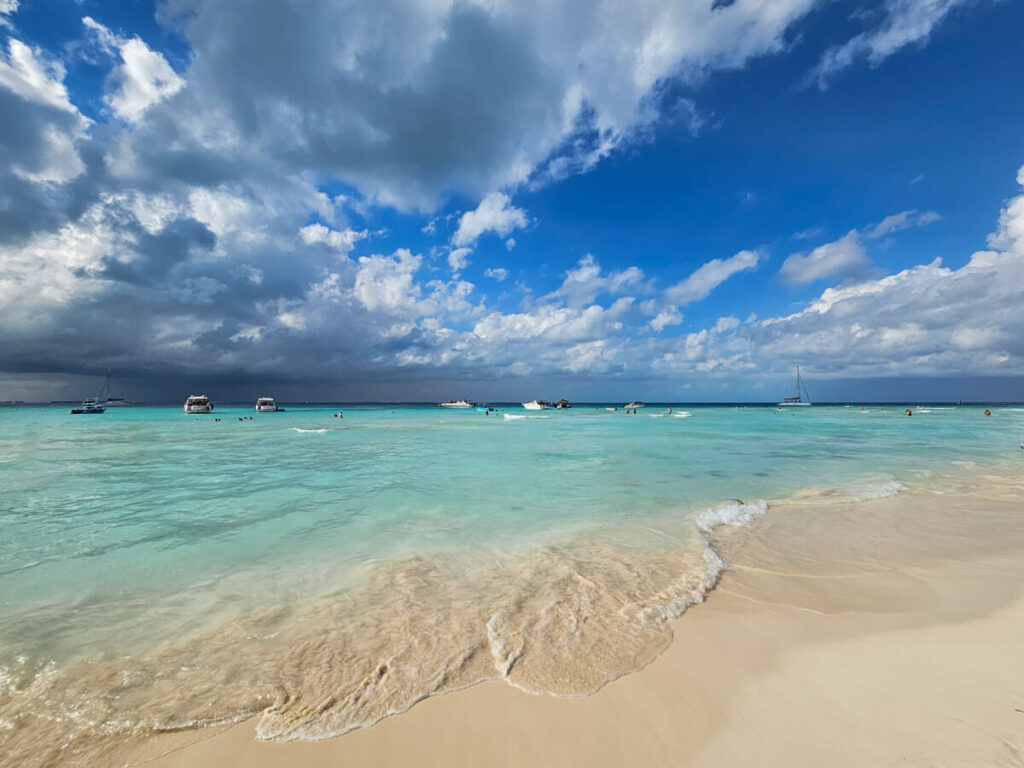
Summer is also the wet season, between July and August, bringing hotter days and a more relaxed vibe with fewer crowds, ideal if you don’t mind a bit of tropical unpredictability. Rain showers are more likely, but often pass quickly.
If you prefer quieter resorts and better deals, the shoulder months of May to June can be a sweet spot, offering warm weather without the full crowds. However, the shoulder months of September to October are hurricane season. While you’ll benefit from lower prices, it’s best to have flexible plans, as storms can cause cancellations.

Cancún weather
Cancún’s climate is tropical, with warm temperatures and distinct seasonal patterns:
We were surprised by how windy Cancún can be, and it’s not something you can see in photos. It’s because of the city’s position on a narrow barrier island that sits directly between the Caribbean Sea and Nichupté Lagoon, leaving it exposed to steady coastal trade winds.
During certain seasons, especially winter, passing cold fronts (called nortes) can strengthen winds even more, creating choppier seas.

What is the best month to go to Cancún?
The best month to go to Cancún is generally February, when the weather hits a sweet spot of warm, sunny days (around 28°C / 82°F), lower humidity, and calmer sea conditions. It’s still high season, but crowds are noticeably lighter than in late December and early January, and prices haven’t yet spiked for spring break.
We’ve visited Cancún twice in February, once with glorious sunshine and once with passing stormy weather that lasted three days. We’ve also been in April, which was also nice weather.

How long to spend in Cancún
We personally think that 3-5 days is the ideal amount of time to enjoy Cancún without feeling rushed. This gives you enough space to relax on the beach, explore the Hotel Zone, dip into Downtown for food and culture, and take at least one day trip if you want a change of scenery.
If you’re planning a more laidback trip focused on pools, spas, and all-inclusive downtime, you can easily stretch your stay to a week without running out of things to do. This would be more ideal if you’re not visiting anywhere else in eastern Mexico, as you can also up the number of day trips from Cancún to explore the region.
Adventure-focused travellers who want to visit multiple nearby destinations, like Isla Mujeres, Playa del Carmen, or cenotes, may prefer more than 7 days to avoid cramming everything in. It’s better to spend a few nights in each place than to feel like you’ve barely even scratched the surface.

Cancún itinerary
Planning a trip to Cancún can feel a bit overwhelming because there’s so much to do. You don’t need to cram everything into one day. We’ve made a flexible Cancún itinerary to give you a clear idea of how to spend a week in Cancún, whether you want lazy beach mornings, cultural stops, or easy adventures just outside the city.

Is Cancún worth visiting?
Whether Cancún is worth visiting will be entirely down to your personal preference. Yes, it has stunning beaches, bright turquoise waters, and a wide variety of activities for all types of travellers. But much of it is also crowded, noisy, American, and brash.
Reasons to visit Cancún
Reasons to skip Cancún
Overall, Cancún is definitely worth it if you’re after adventure, culture, relaxation, or foodie experiences – if you plan carefully to minimise your impact. Its accessibility and infrastructure make it a convenient base for exploring the Riviera Maya, and you might find stopping here a necessity since it’s such a transit hub.

Is Cancún safe?
Cancún is generally safe for travellers, especially in the Hotel Zone and main tourist areas. Many people (including us) are initially wary of travelling to Mexico due to hyperbolic reports in Western media of drug wars and kidnapping. We were terrified when we landed in Cancún on our first trip, believing we would encounter scammers and criminals on every corner, that we couldn’t walk around outside safely, and that we needed to be constantly vigilant.
In reality, Cancún is super safe, and much of the terrible crimes you hear about are rare and don’t target tourists. After spending months backpacking the country, it’s one of the places we’ve felt most safe travelling, with the friendliest and most welcoming locals.
Like any destination, it’s wise to take common-sense precautions: avoid poorly lit streets at night, keep an eye on personal belongings, and use official taxis or rideshare services. Downtown Cancún is safe for daytime exploration, especially around markets, parks, and restaurants, but always stay aware of your surroundings. We tried not to walk around in the dark. Following local guidance on swimming, boat trips, and excursions is important, too.

Is Cancún expensive?
There’s no getting around it – Cancún is expensive. But there are ways of saving money as you travel. The Hotel Zone and upscale resorts are high-end, with premium dining, beach clubs, and tours costing more. In contrast, Downtown Cancún and local eateries offer better budget options for accommodation, transportation, and food. Day trips, public transport, and street food can all keep costs low without sacrificing on experience.
Cancún costs
Expect to pay around $10-20 USD for a casual meal downtown, while resort restaurants can run $30-60+ per person.
Public buses along the Hotel Zone cost roughly $1 USD per ride. Taxis are more expensive but convenient, while Uber is often cheaper outside of rush hours. Journeys typically cost around 200-350 pesos (~$12-20 USD) for short trips within the Hotel Zone and 350-500 pesos (~$20-30 USD) to go between the Hotel Zone and Downtown.
Shuttles are the best way to get to and from the airport, at about $35-60 USD one-way. While rental cars start at around $25-40 USD per day, depending on the season and vehicle type. Be sure to check you’ve got full coverage insurance – if a price looks too good to be true, it probably is, and you might be surprised later with lots of hidden fees.
Day tours vary widely – cenote entry fees can be $5-15 USD, Mayan ruins $10-25 USD, and snorkelling in Cancún or island excursions $30-100+, depending on duration. If you’re booking an organised day tour, expect to pay around $100-150 USD.
Accommodation ranges from budget hostels at $15-30 USD per night to all-inclusive resorts exceeding $200 USD a night.

How to save money in Cancún
If you’re on a budget in Cancún, opt for public buses instead of taxis, eat at local taquerías or markets rather than resort restaurants, and visit beaches, street art, and public parks, which are free.
Booking tours online in advance or joining shared groups instead of private trips often lowers costs, too.
Avoid high-season travel if possible, and check for combo tickets to cenotes or ruins to save a few dollars.
Tipping in Cancún
Tipping is customary in Cancún, but it’s generally lower than in the US or Canada, and it depends on the service you receive. In restaurants, leaving 10-15% of the bill is standard, and some places may include a service charge, so check your receipt first. For bars, a couple of dollars per round or rounding up the tab is common.
Hotel staff, including bellhops and housekeeping, usually receive $1-2 USD per bag or per night. We found that some hotels have envelopes on the bedside tables, where you can leave a tip to show appreciation for housekeeping – $2-5 USD is standard.
Tour guides and drivers often get $5-10 USD per person for half-day trips or 10% for full-day tours. We’ve noticed a real decline in tipping by anyone who’s not American, but it’s a nice way to show appreciation, especially if you’ve had a good time. We try to tip at least $20 USD on a standard ~$100 USD boat tour.
For taxis, rounding up to the nearest peso is sufficient – tipping is appreciated but not mandatory.
Always carry small bills or coins to make tipping easy. Leaving pesos is better for locals, too, as it avoids extra currency exchange fees and ensures they receive the full value of your tip.

Useful information for visiting Cancún
To help you plan your trip to Cancún, here’s some quick-fire, helpful travel information.
Time Zone
Cancún is in the Eastern Time Zone (ET) and does not observe Daylight Saving Time, meaning it stays on Eastern Standard Time (UTC−5) year-round. It’s super convenient for travellers in the US Eastern Time Zone, as it matches in winter and is one hour behind during the summer months.
Language
Spanish is the official language, but English is widely spoken in the Hotel Zone, resorts, and tourist areas. Learning a few basic Spanish phrases like greetings, numbers, or asking for directions can go a long way, especially in Downtown Cancún and at local markets.
Currency
The Mexican Peso (MXN) is the official currency. US dollars are accepted in many hotels, shops, and tour operators, but paying in pesos usually gets you a better rate. ATMs are widely available throughout the city – some hotels even have their own in the lobby – and credit cards are accepted at most restaurants and larger stores. We always try and use a Santander machine, followed by Scotiabank.
SIM Cards
Local prepaid SIM cards are easy to buy at the airport, convenience stores, or mobile shops. Providers like Telcel and AT&T offer good coverage and data plans, which are usually cheaper than international roaming. Make sure your phone is unlocked before purchasing.
On our first trip, we bought SIM cards from an OXXO in the Hotel Zone. On our second trip, we used an Airalo eSIM, which was much easier and was perfect for looking at reviews of restaurants, using Google Maps, and researching things to do, without needing to take time out of our trip to set up a local SIM.
Internet connectivity
Wi-Fi is available in most hotels, cafés, and restaurants, especially in the Hotel Zone and Downtown. Mobile data is reliable across the city and most nearby beaches, but service can be spotty in remote cenotes or nature reserves. VPNs are recommended if you plan to use public Wi-Fi – we use Surfshark VPN.
Electric Plugs
Cancún uses the same electric plugs as the United States, Type A and Type B plugs with a 120V / 60Hz power supply, so most US travellers don’t need a plug adapter.

What to wear in Cancún
Cancún is hot and humid for most of the year, so lightweight, breathable clothing is key. Cotton or linen fabrics, shorts, t-shirts, sundresses, and swimwear are ideal for daytime. Evenings can be slightly cooler during the dry season, so a light sweater or long-sleeve shirt is handy. I always bring a shirt or cover-up for boats, too, so I don’t burn too badly.
Comfortable walking shoes are a must for exploring Downtown, ruins, or cenotes, while flip-flops or water shoes work well for beaches and boat trips.
A wide-brimmed hat or cap, sunglasses, and an eco-friendly, high-SPF sunscreen are essential to protect against the strong Caribbean sun.

What to pack for Cancún
To ensure a smooth and comfortable experience in Cancún, don’t forget to pack your:

Our experience in Cancún
We’ve visited Cancún several times, despite not expecting it to be our thing originally. There’s no denying it’s a super useful transit hub – since we’re from the UK, the city’s international airport is basically the gateway to the whole of Latin America for us. We’ve passed through several times, both heading to other parts of Mexico and heading home from parts of Central America. On our very first backpacking trip through Mexico and Central America, we started with a couple of days in a swanky resort in the Hotel Zone. We’ve also stayed here for a few weeks at a time on other trips, using Downtown as a base to catch up on work and life admin tasks like haircuts during slower periods of travel.
In all honesty, a lot of the city isn’t for us. We don’t like built-up places as much as natural areas, the nightlife and Americanised tourist-focused activities aren’t our vibe, and there are a lot of money-grabbing and unethical practices that you need to be aware of and avoid. It’s a harder place to travel sustainably.
However, we’ve been so surprised by a lot of things. For one, the city’s position on the Mesoamerican Reef offers incredible snorkelling and SCUBA diving in Cancún. Ok, it’s not as good as Cozumel, but it completely exceeded our expectations, both for its vivid reefs and marine life sightings. There are also lots of cool day trips, like to Isla Contoy, where you can escape the crowds. Among the many tour operators, there are local companies with great initiatives offering authentic experiences, so you can still support responsible tourism in Cancún. And Downtown is a cool area, with places like Parque de las Palapas, where you can try some of the amazing local street food. Plus, the Hotel Zone does offer some of the best sea views in Mexico – we’ve literally never seen the Cancún shade of blue anywhere else in the world.
Overall, it’s not a place we’d say you need to visit, especially if you prefer more local and authentic destinations. But if you’re passing through or keen to visit, there are plenty of ways to fill your day.

Cancún FAQs
To help you plan a smooth trip to Cancún, we’ve answered these frequently asked questions.
Why is Cancún famous?
Cancún is world-famous for its white-sand beaches, turquoise Caribbean waters, paradise vibes, and vibrant resort lifestyle. It’s also known as a gateway to the Riviera Maya, with easy access to Mayan ruins, cenotes, and islands like Isla Mujeres and Cozumel. The city’s nightlife, water activities, and international accessibility are the foundation of its global reputation.
What to know before you go to Cancún?
Before visiting Cancún, it helps to know that the city has two main areas: the Hotel Zone for beaches and resorts, and Downtown for local markets and authentic experiences. The weather is hot and humid year-round, so lightweight clothing, sun protection, and reef-safe sunscreen are essential. Understanding tipping customs, transport options, and basic Spanish phrases will also make your trip smoother.
How many days is enough in Cancún?
For most people, 3 full days is enough to get a proper feel for Cancún. If you’re visiting purely for sun and relaxation, 2 days can work, especially if you’re staying in the Hotel Zone and don’t plan to wander too far. Travellers who want nightlife, beach time, and off-resort activities will be happier with 4 to 5 days, as Cancún’s distances and traffic can make squeezing everything into a short trip feel hectic.
Is Cancún cheap or expensive?
Cancún is generally pricey, but you can still visit on a budget. The Hotel Zone and resorts are on the more expensive side, while Downtown and local markets offer more affordable meals, transport, and activities. Your overall cost depends on accommodation choice, dining preferences, and excursions.
Why is the water in Cancún so turquoise?
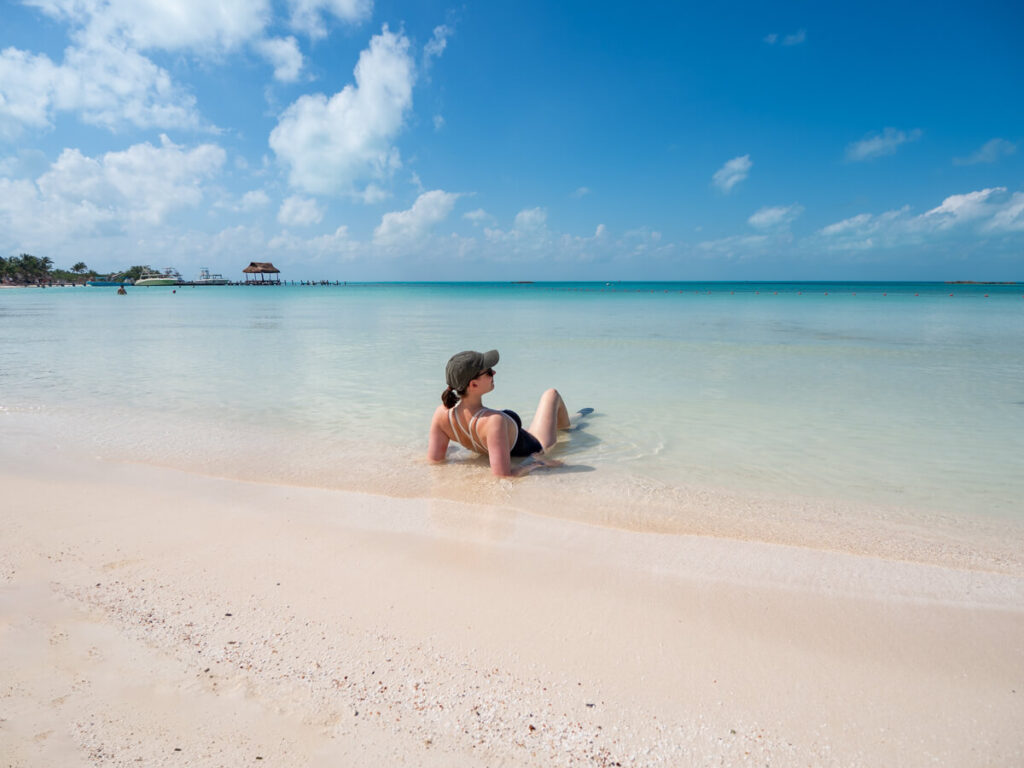
The water is a vivid turquoise due to its shallow, sandy seabed and clear Caribbean conditions. Light reflects off the white sand below the water, creating the signature bright blue-green colour that makes Cancún beaches so photogenic. We’ve never seen a shade like it anywhere else in the world.
What’s the cheapest month to go to Cancún?
The cheapest months to visit Cancún are typically May, June, and September, just outside peak winter and spring break seasons. Prices for flights and resorts drop, though be aware these months coincide with higher humidity and occasional rain.
Is it still safe to travel to Cancún right now?
Cancún remains a generally safe destination for travellers, especially in the Hotel Zone and main tourist areas. Standard precautions like using official taxis, staying aware of surroundings, and keeping valuables secure will help ensure a safe trip.
Can I drink water in Cancún?
Tap water in Cancún is not recommended for drinking. Bottled or filtered water is widely available, and most hotels and restaurants provide safe drinking water. Bring a reusable filter water bottle to reduce plastic pollution.
What food is Cancún famous for?
Cancún is known for Yucatecan specialities like cochinita pibil (slow-roasted pork), panuchos (stuffed tortillas with beans and toppings), fresh ceviche, handmade tortillas, and street foods like marquesitas (crispy rolled crepes). Seafood is fresh and plentiful, especially in beachfront restaurants, and you have to have a margarita!
Is $1000 enough for a week in Cancún?
$1000 USD can be enough spending money for a week in Cancún if you budget carefully, especially by staying in mid-range hotels or hostels, eating at local markets, using public transport, and prioritising free or low-cost activities. Luxury resorts, high-end dining, and private tours will require more.
What not to bring to Cancún?
Avoid overpacking, unnecessary valuables, and items that could be confiscated at the airport (certain drones or large electronics). High heels are impractical for beaches or ruins, and heavy winter clothing isn’t needed. Reef-harming sunscreen should also be left at home – choose reef-safe products instead.

Read next:
28 Unique Things to Do in Cancún + What NOT to Do
18 Best Day Trips from Cancún + 3 That Aren’t Worth It
A Conscious Guide to Visiting Cancún Sustainably
How to Get to Cancún: Transfers, Connections, Buses + More
How to Get Around Cancún: 10 Transportation Methods
Where to Stay in Cancún: Hotel & Area Guide
Ultimate Guide to Snorkelling in Cancún
Ultimate Guide to SCUBA Diving in Cancún
How to Visit the MUSA Underwater Museum
How to Visit Parque de las Palapas: Cancún’s Local Food Plaza
