How to Visit Isla Contoy National Park

How to visit Isla Contoy National Park from Cancún and beyond: a protected island paradise off Mexico’s east coast.

This post may contain affiliate links, which means we might earn a small commission on anything purchased through these links at no extra cost to you. Learn more on our disclaimer page.
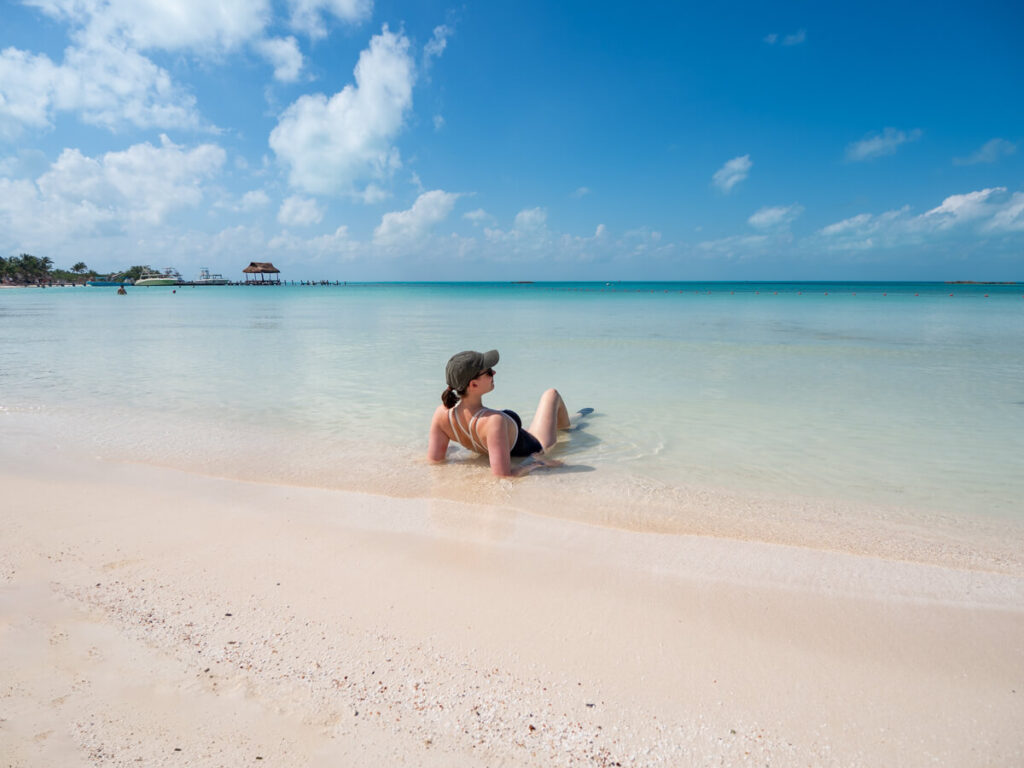
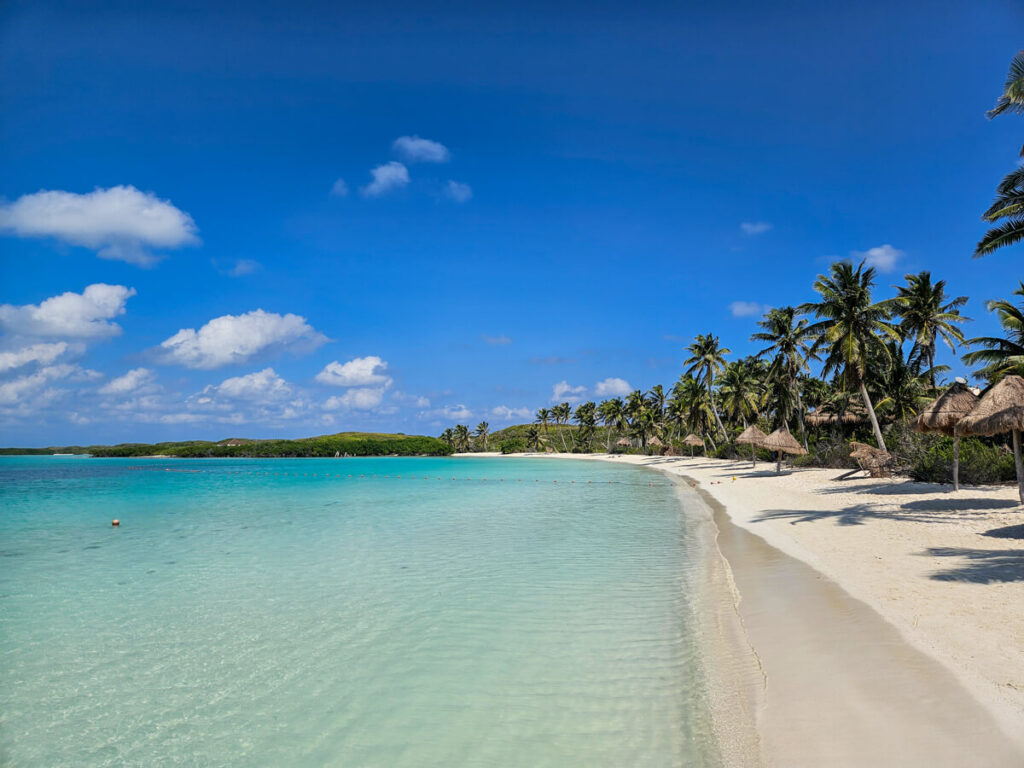
With palm-lined shores, vital mangrove systems, and some of the most stunning stretches of white sand beaches we’ve ever seen, Isla Contoy is a pristine island paradise just off the east coast of Mexico. It’s for sure one of Mexico’s most beautiful islands, but it’s also quite easy to visit if you know how.
Despite being super accessible, Isla Contoy National Park (Parque Nacional Isla Contoy) is perfect for a remote nature escape, thanks to its protected island with pelicans, frigatebirds, cormorants, and nesting sea turtles. We visited Isla Contoy with Ocean Tours Mexico and have compiled everything you need to know about visiting from Cancún or beyond in this guide.
Isla Contoy at a glance
More from Cancún
About Isla Contoy
Isla Contoy is a small, uninhabited island just off the coast of the Mexican Riviera, and visiting it is one of the best things to do in Cancún. Protected since 1961 and designated a National Park in 1998, it is a pristine ecological reserve jointly managed by the Mexican government and the non-profit ‘Amigos de Isla Contoy’.
The island is known for its pristine environment and diverse ecosystem, which includes white-sand beaches, mangroves, lagoons, and tropical forests, with over 95% of its vegetation untouched. Surrounding coral reefs and seagrass beds support an array of marine life.
Accessible only by guided day tours from Cancún or Isla Mujeres, Isla Contoy strictly limits visitors to 200 per day to preserve its delicate environment. Visitors can enjoy guided nature walks, snorkelling, birdwatching, and relaxing on the island’s beaches.
Isla Contoy Tour – Our Pick

Planning a trip to Cancún?
Mexico is a very popular destination, so be sure to book in advance as early as possible!
Top Experiences in Cancún
Top Hotels in Cancún
Transport in Cancún
Best eSIM for Cancún
Where is Isla Contoy?
Isla Contoy lies roughly 25 miles (40 km) northeast of Cancún and about 19 miles (30 km) north of Isla Mujeres. It sits north of the popular Riviera Maya region.
The island sits off the coast of Quintana Roo, in the Yucatán Peninsula, part of the Mexican Caribbean. Stretching around 5 miles (8 km) in length and covering about 3.17 km², it sits at the confluence of the Caribbean Sea and the Gulf of Mexico, nestled along the Mesoamerican Barrier Reef.

Isla Contoy Map
The map of Isla Contoy below shows how long and narrow it is, highlighting key points of interest, natural landmarks, and visitor facilities to help you get oriented before your trip.

Why visit Isla Contoy?
Visiting Isla Contoy offers a rare opportunity to experience one of Mexico’s most pristine and protected natural environments. The island is a haven for wildlife and has some of the most unspoiled beaches, clear turquoise waters, and colourful coral reefs in the country.
The island’s emphasis on conservation and sustainable tourism also makes it a model for eco-friendly travel. Some of the activities you can enjoy here include:

Isla Contoy Wildlife
Isla Contoy is a wildlife lover’s paradise, home to a whole host of different species. The island provides shelter to various seabirds and is a sanctuary for over 173 types of birds, including frigatebirds, pelicans, and cormorants.
The island also serves as an important nesting ground for endangered sea turtles like the hawksbill, green, leatherback, and loggerhead, which nest on the beaches, where they lay their eggs.
The waters around the island are abundant with marine life, including over 230 fish species, as well as larger and endangered species like manta rays and seasonal whale sharks.
14 species of reptiles can be found both on land and in the water. One of them, the Star Gecko, also known as the Saint George Island Gecko (Aristelliger georgeensis), is endemic to the Island.
Isla Contoy is home to 98 identified species of plants on the island, while the reef is home to 17 species of hard coral and 14 species of soft coral.
Due to the lack of fresh water on the island, no mammals inhabit Isla Contoy, but some types of bats occasionally roost in the area of the field station and at the southern tip of the island.

Isla Contoy Snorkelling
Isla Contoy lies at the start of the second-largest coral reef in the world (after Australia’s Great Barrier Reef), the Mesoamerican Reef. South of Isla Contoy, the Ixlaché Reef marks the start of this sprawling network. The Mesoamerican Reef extends 625 miles (1000 km), all the way from Mexico to Honduras.
One of the highlights of a trip to Isla Contoy is the opportunity to snorkel on the Ixlaché Reef at the start of the Mesoamerican Reef.
The water here is calm and shallow at around 3 metres (10 ft) deep, which is perfect for beginners and experienced snorkellers alike. You’ll likely see fan and brain corals and tropical fish like angelfish, parrotfish, and snapper, as well as occasional larger creatures like turtles, rays, sharks, and barracudas.
Swimming with whale sharks at Isla Contoy
Swimming with whale sharks near Isla Contoy is a once-in-a-lifetime experience, offering the chance to encounter the world’s largest fish in their natural habitat. These gentle giants are typically found in the waters north of Isla Mujeres, so many tours combine the trip with a stop on Isla Contoy.
Peak whale shark sightings occur from June to September. During this period, the area becomes a hotspot for whale shark activity, attracting numerous tour operators and eco-conscious travellers. It’s really important to choose an ethical operator that prioritises safety and the whale shark’s wellbeing.
Because Mexico’s Caribbean attracts swathes of tourists, multiple operators run whale shark tours daily in season. The waters (which are often very choppy) can become crowded with boats with snorkellers all trying to get up close to the whale sharks. This sometimes leads to a rushed experience, limited time in the water, and challenges in maintaining proper distance and minimal disturbance to the animals.
In contrast, La Paz, located in Baja California Sur, is considered a better alternative for whale shark encounters. The tours there are typically smaller and more tightly regulated by local authorities to ensure sustainability and animal welfare. The number of boats and swimmers per trip is limited, which means a quieter, more personal, and less stressful experience both for visitors and whale sharks. La Paz’s regulations also enforce stricter guidelines about how close boats and swimmers can get, helping protect the animals’ natural behaviour.

Isla Contoy History
Isla Contoy’s history began in pre-Columbian times, when the island may have been used by the Mayans as a temporary fishing and navigation stop due to its strategic location along coastal trade routes of the Yucatán Peninsula. Despite its proximity to more developed areas like Isla Mujeres and Cancún, Isla Contoy remained largely untouched and uninhabited for centuries, only occasionally visited by local fishers or passing mariners.
In 1961, the Mexican government recognised Isla Contoy’s ecological value and placed it under protection, primarily because of its significance as a sanctuary for nesting seabirds and marine wildlife. This commitment to conservation was further solidified in 1998, when the island was officially declared a National Park. A few years later, in 2003, it received international recognition as a Ramsar Site, designating it as a wetland of global importance under the Ramsar Convention.
Today, Isla Contoy is jointly managed by Mexico’s National Commission of Natural Protected Areas (CONANP) and the non-profit group Amigos de Isla Contoy. This partnership oversees ecological research, conservation efforts, and carefully controlled eco-tourism. The island remains uninhabited but hosts researchers, park rangers, and limited daily visitors.
Top things to do at Isla Contoy
Isla Contoy may be a peaceful nature escape, but that doesn’t mean there’s nothing to do. This island offers a range of eco-friendly activities to help you make the most of your visit.
1. Relax on the beach
The stunning beaches on Isla Contoy are the main appeal. They offer an unparalleled experience that not only rivals the beaches on the mainland and Isla Mujeres’ beaches but also blows them out of the water.
The soft white sand stretches beneath swaying palm trees and is untouched by commercial development. Artificial lounging areas are not set up, so rest is taken naturally on the sand or under natural shade. You can hear the gentle sound of the waves as the ocean laps on the shore – dreamy.

2. Bathe in the shallow waters
The island’s warm, shallow waters are perfect for bathing in by those seeking a refreshing swim. The water here is literally bright turquoise and crystal-clear, unlike anywhere else we’ve ever seen.
Two protected swimming areas are set up, on either side of the boat dock. The water is protected from strong currents, and marine life can sometimes be spotted near the shoreline, so keep a lookout while you’re swimming.

3. Take a guided tour
Many people visit Isla Contoy simply for the beaches, but there’s more to the island than just the eastern shore. You can walk further into the island, but only with a guide.
The island is usually explored through guided tours led by trained park rangers. Visitors are walked through designated trails and provided commentary and information about native flora, fauna, and conservation efforts. Birdwatching points and significant landmarks are pointed out during the tour, too.
Not all Isla Mujeres tours offer guided tours of the island, so check when booking.
4. Learn more about the island
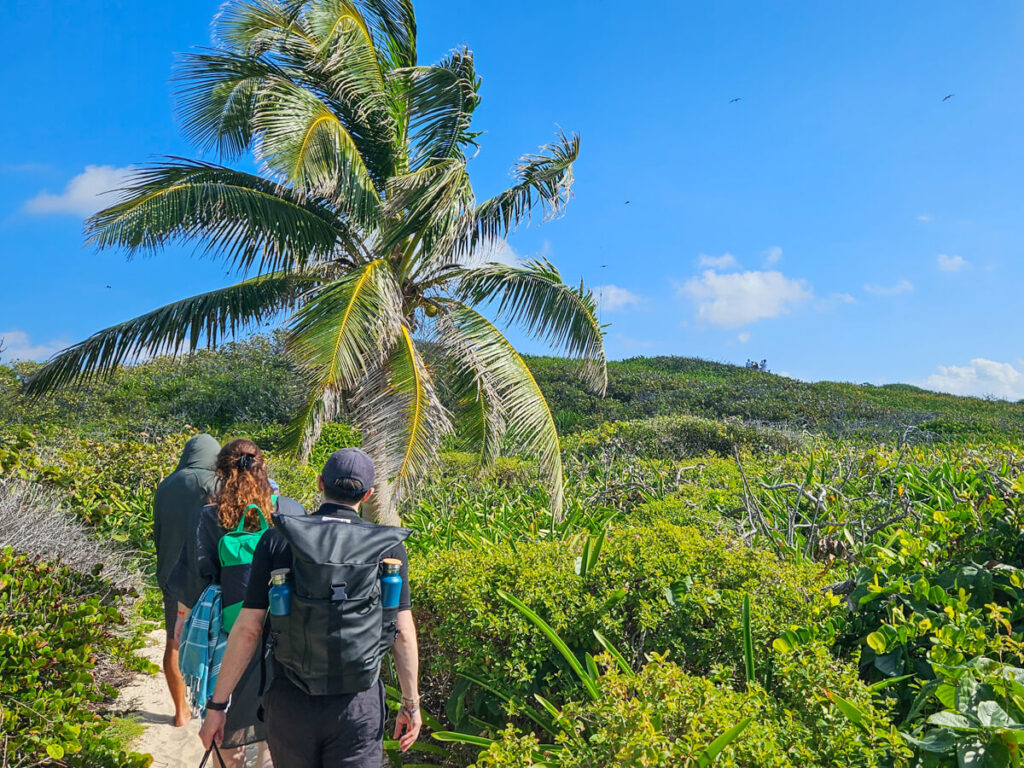
It’s easy to learn more about the island, rather than just stepping onto the island without knowing anything about it. There are two interpretive trails, a short 180 metre loop to the central lagoon and a 280 metre trail leading to the dunes, each marked and guided to ensure visitors stay on paths and habitats remain untouched. Ecological and historical knowledge is shared through signage, displays, and personal interpretation by guides. Questions are also encouraged and answered by the rangers on duty.

5. Stand in the middle of the island
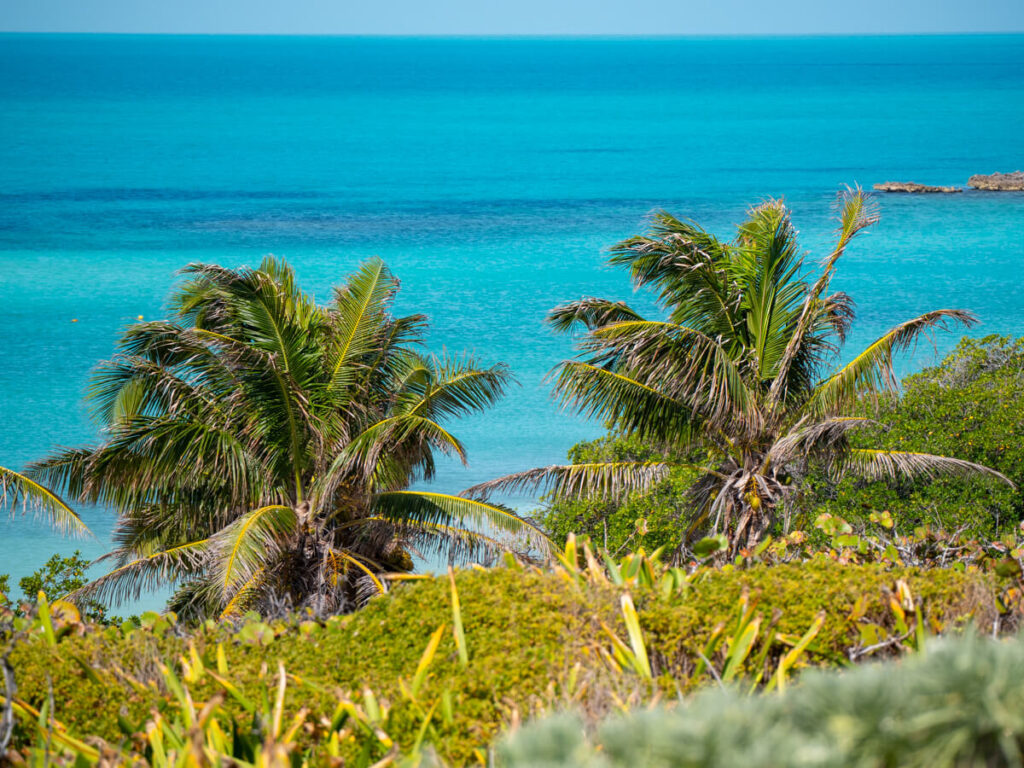
On a guided walk, you’ll reach the middle of the island, which offers stunning views back to the beach. From this spot, the Gulf of Mexico and the Caribbean Sea can both be seen, as well as both sides of the island. You can really appreciate its narrow width and the geographical uniqueness. While it may be narrow, the island is long, and you can see it stretch into the distance both north and south.

6. Take a picture on the viewing platform
At the top of the path, where the middle of the island is, you’re met with a viewpoint made of wooden decking. This offers panoramic views from the island’s highest point, perfect for a photo op. From this viewpoint, you can see the much more rugged eastern side of the island, as well as the calmer western side.
The surrounding mangroves, beaches, and turquoise waters are all worthy subjects, and you might see wildlife like frigatebirds (we saw hundreds circling the thermals to the north). The climb to the platform is only a couple of minutes up wooden steps that are well-maintained.

7. See remains from Mayan history
Archaeological remnants believed to be linked to the Maya are preserved near the viewpoint. Some evidence indicates a Mayan presence, including a shelling station with fragments of carved shells and pottery. These remains are not heavily marked, so ask your guide to point them out if you need help spotting them. Respect for the site is emphasised, and no handling is permitted.

8. Walk down to the eastern beach
The eastern shore of the island is reached by following a narrow trail through vegetation. Stronger waves are present on this side of the island, and the beach is shaped by ocean currents. Seabirds are frequently spotted resting on the rocks or circling in the air above. The remoteness of this area is felt as fewer visitors make the walk, and it’s a real contrast to the calm east side.

9. Visit the museum
A small ecological museum is maintained near the visitor centre and is visited by nearly all tour groups. You can also pop in yourself, as it sits near the beach area. Exhibits are displayed to explain the island’s wildlife, marine life, and conservation history, while educational materials and maps are provided in multiple languages.

10. See the lagoon
A large lagoon filled with birdlife and mangroves is found in the interior of Isla Contoy. It is possible to view it from a safe distance along boardwalks, which lead to a little platformed viewpoint. The water’s surface is often rippled by breezes, and birds can be seen resting or feeding. Conservation zones around the lagoon are strictly protected and may not be entered at all, but you can visit the lagoon with a guide.

11. Spot frigatebirds on the thermals
The island is a sanctuary for the magnificent frigatebird, a species which is in decline in other parts of the world. You can often see them circling the island, riding the thermals. They’re identifiable by their long wings and forked tails. During mating season, their red throat pouches inflate and are noticeable from a distance.

12. Enjoy local cuisine
A freshly cooked meal (often lunch) is normally served to guests as part of most tours to Isla Contoy. The food is prepared by local cooks and consists of a traditional feast of authentic Mexican foods, including fish, chicken, salsa, guacamole, totopos, and gallo de pico. We enjoyed a popular Yucatecan dish called tikin xic, composed of achiote-marinated fish wrapped in banana leaves and cooked over hot coals. The picnic tables are shaded by a palapa roof – the perfect spot for lunch.

13. Snorkel on the Mesoamerican reef
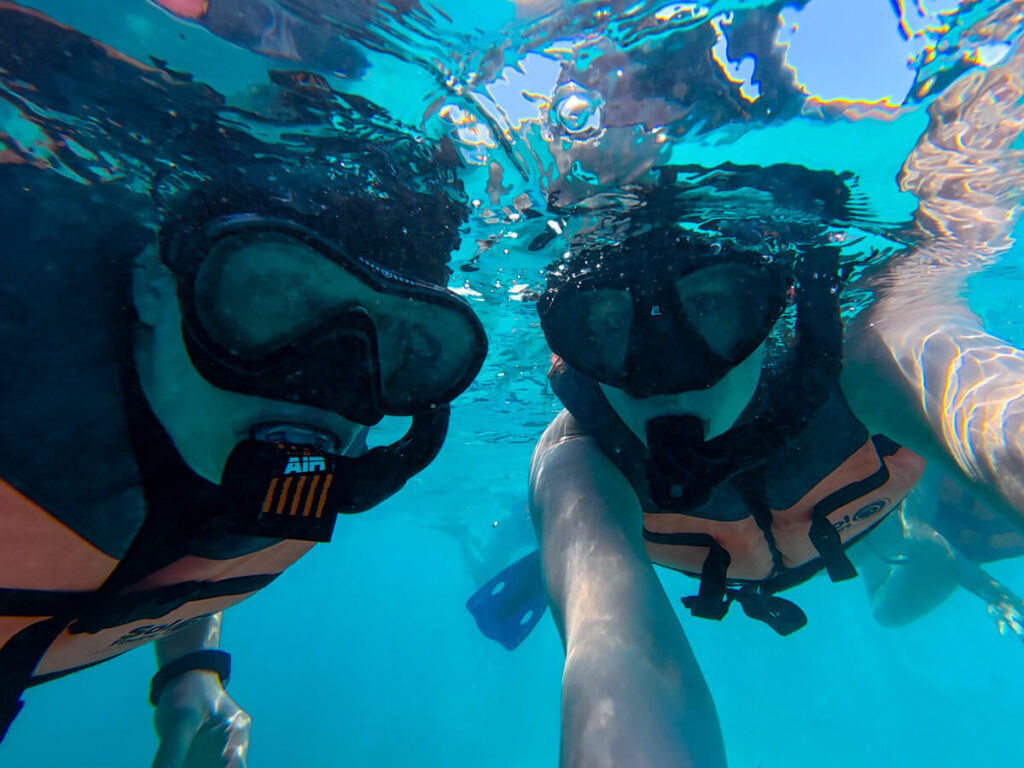
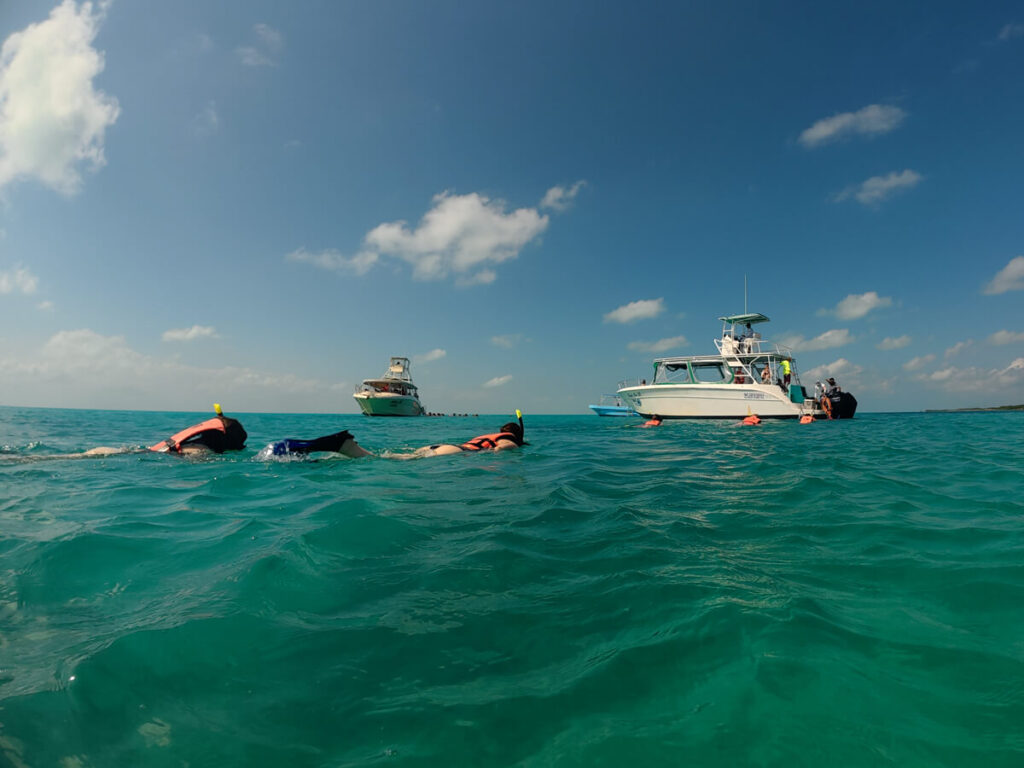
Snorkelling at Ixlaché Reef is included in most tours before or after reaching Isla Contoy. Masks, fins, and life vests are usually provided and fitted by the boat crew.
The water around Isla Contoy is very rich in nutrients, which is why it can seem a bit murky, depending on the season you visit. These nutrients are plankton, an organism that makes up the diet of hundreds of species of fish that have been identified in the area, including whale sharks and manta rays.
We spotted a variety of fish, including barracuda and a huge grouper, as well as starfish, corals, and the tip of a nurse shark’s tail (the shark was relaxing in a cave under the rocks).
14. See the mangroves
Dense mangrove forests are visible at the ends of the beaches, as well as around the island. These ecosystems are vital for marine nurseries and play an important role in coastal protection. Birds, fish, and small crabs are often seen amongst the roots in the shallow water.

15. Watch the pelicans
Pelicans are frequently spotted diving into the water or gliding low above the waves. Their graceful movements and coordinated fishing behaviour are really interesting to watch, as they dive headfirst at the surface.
Pelicans play an important role in Isla Contoy’s ecosystem as skilled predators and indicators of marine health. By feeding primarily on fish, they help regulate local fish populations, maintaining a balanced aquatic environment. Additionally, pelicans contribute to nutrient cycling when they feed at sea and rest on the island, depositing guano that enriches the soil and supports plant growth.

How to get to Isla Contoy
Isla Contoy is only accessible by boat with a licensed tour operator. The boat journey to Isla Contoy takes around 50 minutes, depending on your departure port and the sea conditions.
The crossing can be choppy, and although we had beautiful weather, our journey was rather rough and bumpy. It’s recommended to take seasickness pills (they were offered by the team before boarding our tour) if you’re prone to seasickness. Keep your eyes on the horizon and let your body go with the movements of the boat.
Most tours offer pick-ups from hotels in Cancún, anywhere in the city. Many operators also include pickup from further afield, like Playa del Carmen and Tulum.
Due to the daily visitor limit, it’s advisable to book your tour well in advance, especially during peak seasons.

How to choose an Isla Contoy Tour
While there are a variety of operators offering Isla Contoy tours, they don’t all offer the same experience.
Several reputable tour companies offer day trips from Cancún to Isla Contoy, typically departing around 9:00 AM and returning by 5:00 PM. These tours often include hotel pickup, a stop at the Ixlaché Reef for snorkelling, a guided nature walk on the island, and a buffet lunch.
Tours typically last between 6 and 9 hours, with around 3 hours of free time on Isla Contoy.
For a more personalised experience, a private boat tour to Isla Contoy can be arranged. These tours provide flexibility in scheduling and itinerary, including options to visit Isla Mujeres or focus solely on Isla Contoy.

Choosing a responsible tour operator
It’s important to ensure the tour company you choose is licensed to visit Isla Contoy, as only a select few have the necessary permits.
When we began researching Isla Contoy tours, we were taken aback at how huge some of the boats that run the trip are. Many of these tours simply shuttle a hundred or so visitors out to the beach on the island and back.
We were keen to experience the true beauty of the island without lots of crowds, so we researched small group tours, which provide a more personalised experience.
We had the best time with Ocean Tours Mexico, a local operator that offers small group tours focused on nature, wildlife, culture, and adventure. We’ve also heard good things about Contoy Adventures, Isla Adventures, and Mexico Divers.

How much does it cost to visit Isla Contoy?
Prices for tours to Isla Contoy generally range from $100 to $150 USD per person, depending on group size and inclusions. There are often additional fees for dock access (around $20 USD).
To enter Isla Contoy National Park, visitors are required to purchase a conservation pass, which costs 108.66 Mexican pesos (~$6-7 USD) per person per day. This fee is typically included in the price of most guided tours, and in return, visitors receive a coloured conservation bracelet that serves as proof of entry and supports ongoing environmental protection efforts.
Private tours typically cost between $1,500 and $6,500 USD, depending on group size and boat type.

Sustainability at Isla Contoy
Isla Contoy is one of Mexico’s biggest sustainability success stories, and the island stands as a model of marine conservation and sustainable tourism in Cancún and the Caribbean.
A strict visitor capacity and zero-waste philosophy govern the island’s operations. Its strict protections, untouched landscapes, and rich biodiversity make it a symbol of what responsible environmental stewardship can achieve and prove how human visits can harmonise with ecological preservation.
Active conservation programs play a key role in preserving the island’s unique biodiversity. These efforts include mangrove and reef restoration, seabird monitoring, and reforestation projects. Isla Contoy is also a designated sanctuary for several endangered species, including nesting sea turtles and migratory birds.

Isla Contoy Restrictions
To maintain Isla Contoy’s pristine habitats, strict rules are enforced, including:
You’re welcome to take your own camera on the tour, but professional photography for commercial purposes is also not allowed, and drones are forbidden.
If turtles have nested, their nest will be clearly marked with caution tape, and you must avoid these areas.
You get about 3 hours on the island, which is plenty of time to enjoy sunbathing, a tour, and lunch.

Isla Contoy Facilities
Isla Contoy offers only essential, eco-conscious facilities designed to support a day visit while maintaining the island’s pristine state. Apart from minimal structures, the island remains largely undeveloped – you won’t find shops, restaurants, or accommodation here, and only park rangers and scientists stay overnight.
Small but functional restrooms with composting toilets are available near the docking area and visitor centre. They are basic, with no running water or flush system, though hand sanitiser is usually provided (we’d recommend bringing your own too, as well as tissue and biodegradable baby wipes).
A simple visitor centre and museum serve as interpretive hubs, offering educational exhibits on the island’s ecology, wildlife, and conservation efforts. Adjacent to the centre, a wooden viewing tower climbs above the vegetation, providing panoramic views of the island and surrounding waters.
Designated picnic tables are set under a large palapa (thatched roof) near the beach for enjoying inclusive meals provided by tour operators.
You can’t hang anything on the foliage by the beach, but handy palapas line the sandy shore, providing a convenient place to leave your belongings.

When to visit Isla Contoy
Peak season, between December and April, is Isla Contoy’s driest period, with sunny skies, low humidity, calm seas, and average temperatures around 29 °C (~80 °F). As this is the most popular season, daily visitor limits fill quickly, so booking tours 6-8 weeks in advance is recommended to secure your spot. This period aligns with peak bird nesting season, offering excellent opportunities to observe frigatebirds in full mating display.
Shoulder season from May to November provides a balance of mostly dry weather with some rain possible, warm waters, and fewer crowds. Tour prices can be lower than in the peak season, and booking is more flexible, but 3-4 weeks in advance is still recommended. Turtle nesting begins in May, and reefs are colourful, making it ideal for snorkelling.
Low Season, between June and October, brings higher temperatures of up to 32 °C (~90 °F), increased humidity, and afternoon showers, especially in June and September-October. Hurricane risks peak between June and November, so flexible travel plans for cancellations and rescheduling and travel insurance are recommended during this time. On the upside, there are fewer tourists, more affordable rates, and potential sightings of seasonal visitors like whale sharks during this period.

What is the best time of day to visit Isla Contoy?
The best time of day to visit Isla Contoy is early morning. Tours typically depart from Cancun or Isla Mujeres in the early morning, around 8-9:00 AM, arriving at Isla Contoy before the heat of the day intensifies and crowds begin to form. This allows for a more peaceful and enjoyable experience exploring the island’s natural beauty and wildlife.
Some of the larger tours leave later after breakfast, arriving on the island for midday or in the afternoon. These boats tend to bring more visitors, and you’ll be on the island with larger crowds. While they’re popular for people wanting a lazy beach day, they come at a disadvantage when it comes to a peaceful, less crowded trip.
Our small group tour arrived on the island at around 10:00 AM, and there were only a few other small boat tours there too. There was plenty of space and, after lunch, we went back onto the beach early and had it entirely to ourselves. When we were leaving around 1:00 PM, a huge catamaran pulled up with loads more visitors – we were glad to have visited beforehand.

Where to stay to visit Isla Contoy
No accommodation is available on the island itself, so it’s best to stay near Cancún or Isla Mujeres to visit Isla Contoy. Staying in Cancún gives you easy access to Punta Sam or Puerto Juárez marina, where most Isla Contoy tours depart. Most operators will include hotel pickup from the Hotel Zone and Downtown, as well as from Isla Mujeres. Some will also pick up from along the Mexican Riviera, down to Playa del Carmen and Tulum.
Best Cancún Hotels

Our experience at Isla Contoy
We had an excellent day exploring Isla Contoy on a combined trip that also included a trip to Isla Mujeres. We found the guided tour of Isla Contoy so interesting and couldn’t believe how beautiful the island and its beaches are.
The lunch we were provided was delicious and very filling, and snorkelling on the reef was such a fun experience (we just love any opportunity to get in the water).
We were also so glad to be able to spend time exploring some of the best things to do on Isla Mujeres and see the contrast between the two islands while enjoying the town and its beaches.

Is it worth going to Isla Contoy?
Yes, Isla Contoy is SO worth it. It’s easily one of the best things to do in the Riviera Maya, although not everyone’s heard of it. Unlike more crowded destinations in the Mexican Caribbean, Isla Contoy is peaceful, beautifully preserved, and full of nature and wildlife. It’s uninhabited, totally underdeveloped, and it’s so hard to think you’re just off the coast of Cancún.
Snorkelling near the Mesoamerican Reef is a bucket list opportunity, while you can observe nesting sea turtles and watch seabirds like frigatebirds on the island. Plus, guided tours provide insight into the island’s ecology and Mayan history.
With one of the most stunning beaches in the world, diverse ecosystems, and rich biodiversity, a trip to Isla Contoy is a unique and meaningful eco-experience.

What to pack for Isla Contoy
For a comfortable day trip to Isla Contoy, here are some things not to forget to pack:

Isla Contoy Video
Check out our video of Isla Contoy and be sure to follow us on Instagram for similar destinations!
Combining Isla Contoy with Isla Mujeres
A popular way to see more than just Isla Contoy is to combine it with the nearby island of Isla Mujeres. It’s only a 40-minute journey between the islands, so it’s easy to visit both in one day.
A large island off the coast, the town of Isla Mujeres is actually more than three times older than the popular tourist city of Cancún, which sits opposite. It’s a much larger and more developed island, but it is still considerably more relaxed than Cancún.
Combined tours to Isla Mujeres after Isla Contoy typically include either a snorkel stop on the reef near the island or free time to explore the town centre, lounge on Playa Centro or Playa Norte, shop for souvenirs, or drink in beachside bars.

Isla Contoy FAQs
Now you know how to visit Isla Contoy, we’ll finish with these frequently asked questions.
What is the beautiful island off Cancún?
While Isla Mujeres is the more famous nearby island, many travellers consider Isla Contoy even more beautiful due to its untouched natural beauty, pristine beaches, and protected status as a national park.
What is Isla Contoy known for?
Isla Contoy is known for its incredible biodiversity, including a large seabird sanctuary, colourful coral reefs at the start of the Mesoamerican Reef, and being one of the few remaining untouched natural islands in Mexico’s Caribbean. It’s a protected national park that prioritises conservation and focuses on sustainable tourism.
What is there to do in Isla Contoy?
Visitors can relax on white sand beaches, snorkel on the reef, take guided nature tours, spot seabird species like frigatebirds and pelicans, visit the small museum, and enjoy the peaceful natural surroundings.
How do I get from Cancún to Isla Contoy?
The only way to reach Isla Contoy is by boat. Most visitors take organised tours or private charters departing from Cancún’s marina, the Punta Sam ferry terminal, or nearby Isla Mujeres.
How long does it take to get to Isla Contoy from Cancún?
The boat ride from Cancún to Isla Contoy typically takes about 45 minutes to 1 hour, depending on the vessel and sea conditions.
How do I get to Isla Contoy from Tulum?
From Tulum, you would travel north by road (about 2 to 2.5 hours) to Cancún or Isla Mujeres and then take a boat to Isla Contoy. Some operators pick up from locations like Playa del Carmen, so it’s worth arranging a pickup directly, either from Tulum or a closer destination.
How long is it from Isla Mujeres to Isla Contoy?
Isla Contoy is roughly 11 miles (18 km) north of Isla Mujeres. By boat, this trip usually takes around 30 to 40 minutes.

Read next:
Our Isla Contoy & Isla Mujeres Ocean Tours Mexico Review
Where to Stay in Cancún: Hotel & Area Guide
28 Unique Things to Do in Cancún + What NOT to Do
18 Best Day Trips from Cancún + 3 That Aren’t Worth It
A Conscious Guide to Visiting Cancún Sustainably
How to Get to Cancún: Transfers, Connections, Buses + More
