Cancún’s Historical Hidden Gem: San Miguelito Mayan Museum

Everything you need to know about visiting Cancún’s Mayan Museum, Museo Maya de Cancún y Zona Arqueológica de San Miguelito.

This post may contain affiliate links, which means we might earn a small commission on anything purchased through these links at no extra cost to you. Learn more on our disclaimer page.
Ok, so maybe it’s not totally hidden, but since most tourists to Cancún don’t leave their resort, we thought Museo Maya de Cancún y Zona Arqueológica de San Miguelito was worth at least mentioning! While not as big as the classic day trips from Cancún, like Chichén Itzá, the Mayan Museum is still one of the top things to do in the city, and the whole of the Riviera Maya if you like history.
Cancún’s Mayan Museum offers a fascinating glimpse into the region’s ancient past, right in the heart of the city’s Hotel Zone. Many travellers skip it entirely in favour of beaches, cenotes, or full-day trips to more famous ruins, but it was one of our favourite activities we did in Cancún. If you’re wondering if it’s worth it, how to get there, and what to see, discover everything you need to know before you go in this guide.
Museo Maya de Cancún at a glance
More from Cancún
Can you visit Mayan ruins from Cancún?
With sites ranging from small coastal temples to vast inland cities, the wider Yucatán Peninsula is scattered with the remnants of ancient civilisations. You might be surprised to learn that not only is Cancún one of the easiest bases in Mexico for visiting Mayan ruins, but the city itself is home to several archaeological sites, including:
Some ruins, like the ones listed above, are actually within the city limits, while major archaeological sites like Chichén Itzá, Tulum Ruins, Cobá, and Ek Balam can all be visited as a day trip.
What is the Museo Maya de Cancún?
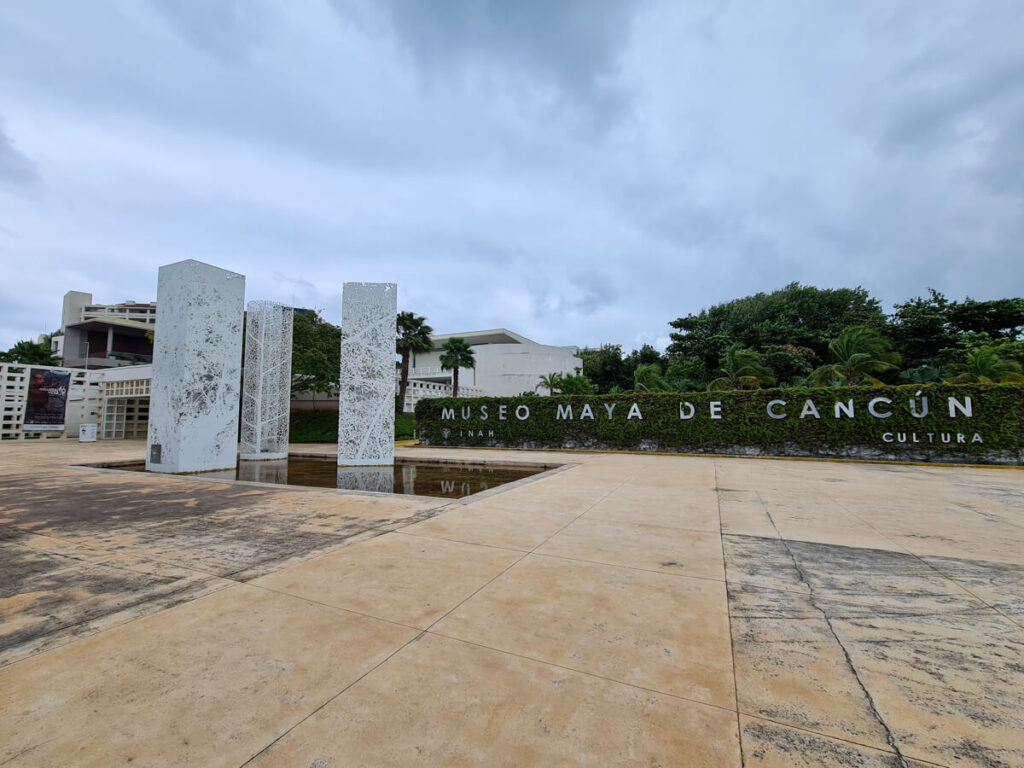
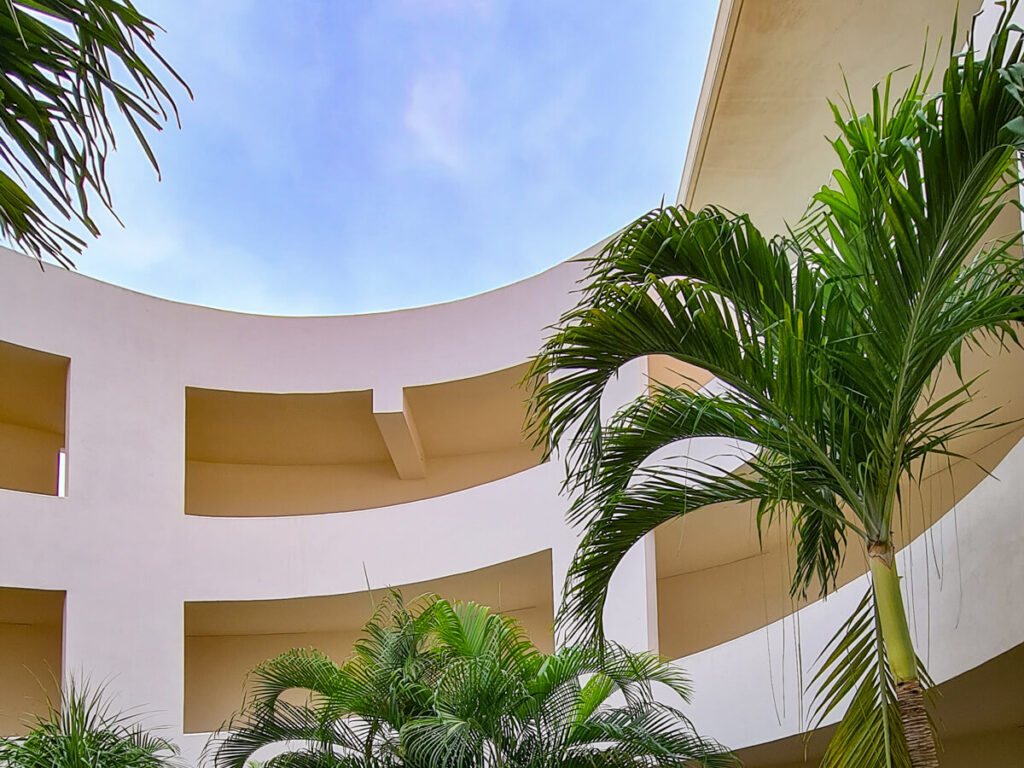
Cancún’s Mayan Museum and Archaeological Zone of San Miguelito (Museo Maya de Cancún y Zona Arqueológica de San Miguelito) is an archaeological Mayan museum nestled in the heart of the Hotel Zone.
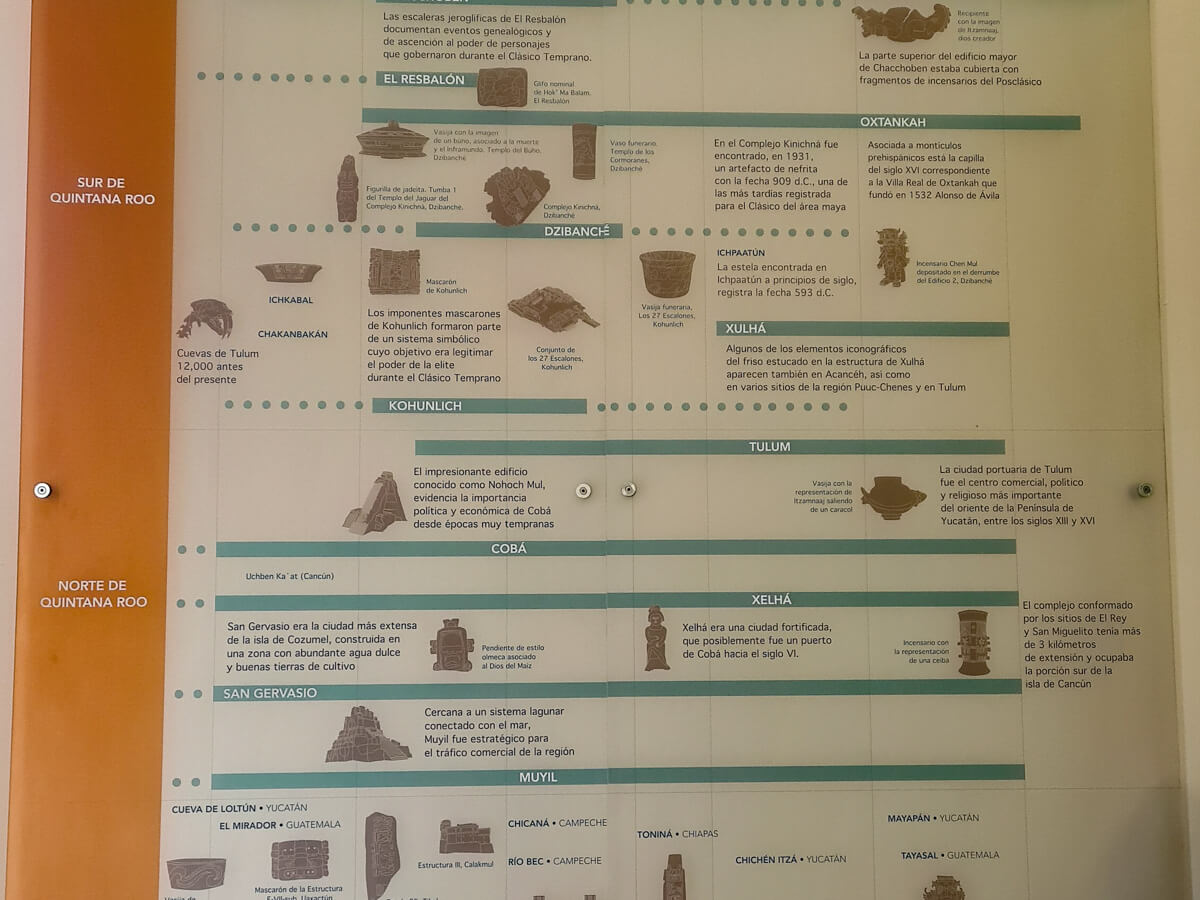
A visit starts with an exhibition of Mayan artefacts, taking you through the timeline of the Mayan era (which spanned hundreds of years). You can see artefacts from major Mayan cities, including Chichén Itzá, Cobá, and Palenque, in its displays. There are numerous information boards, which have been translated into English, as well as informative signs about artefacts which are only in Spanish.
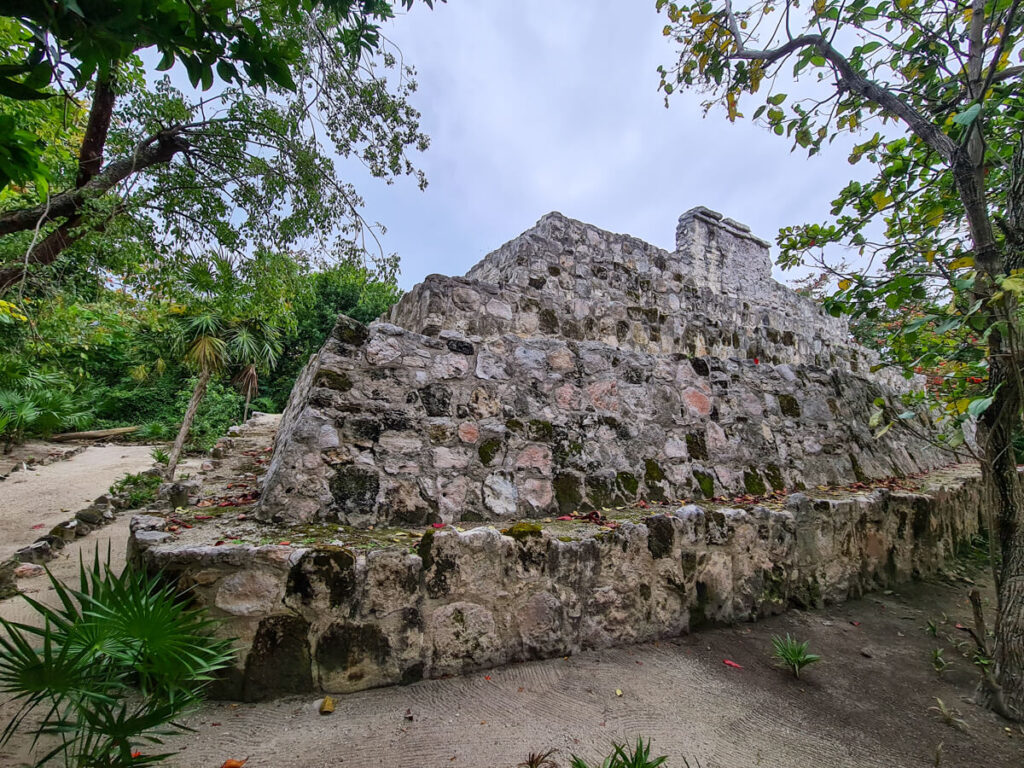
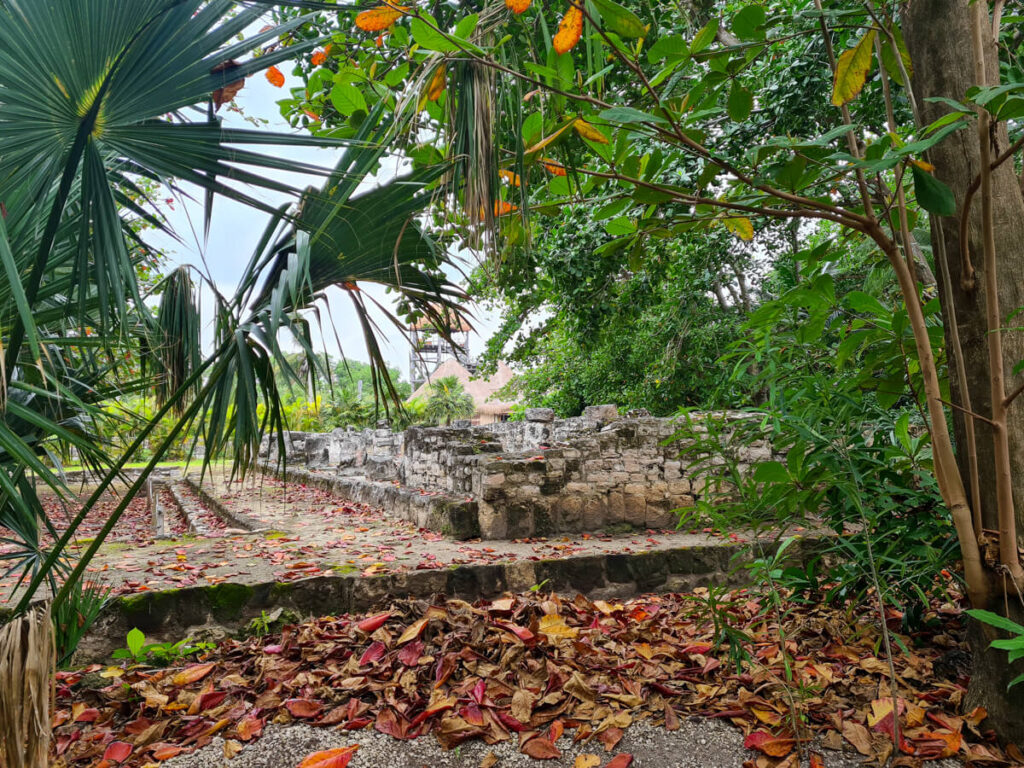
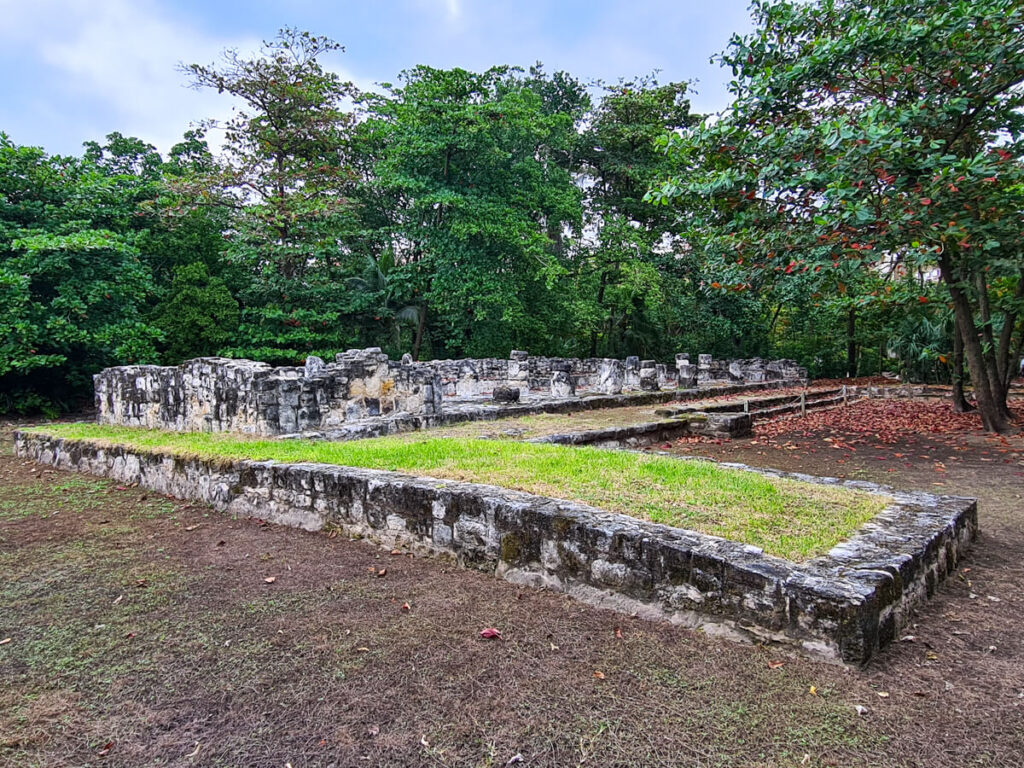
Then, you can walk through the adjacent lush jungle to the ruined pyramids of the San Miguelito community, who used to live in what is now the archaeological site.
Where is Cancún’s Mayan Museum?
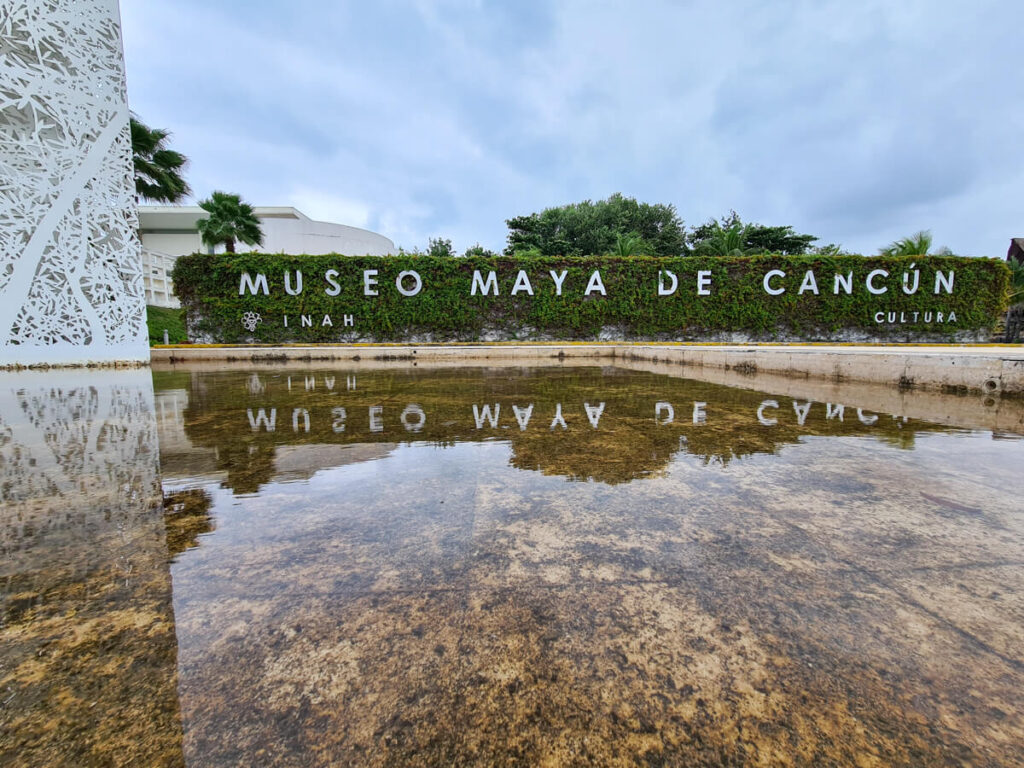
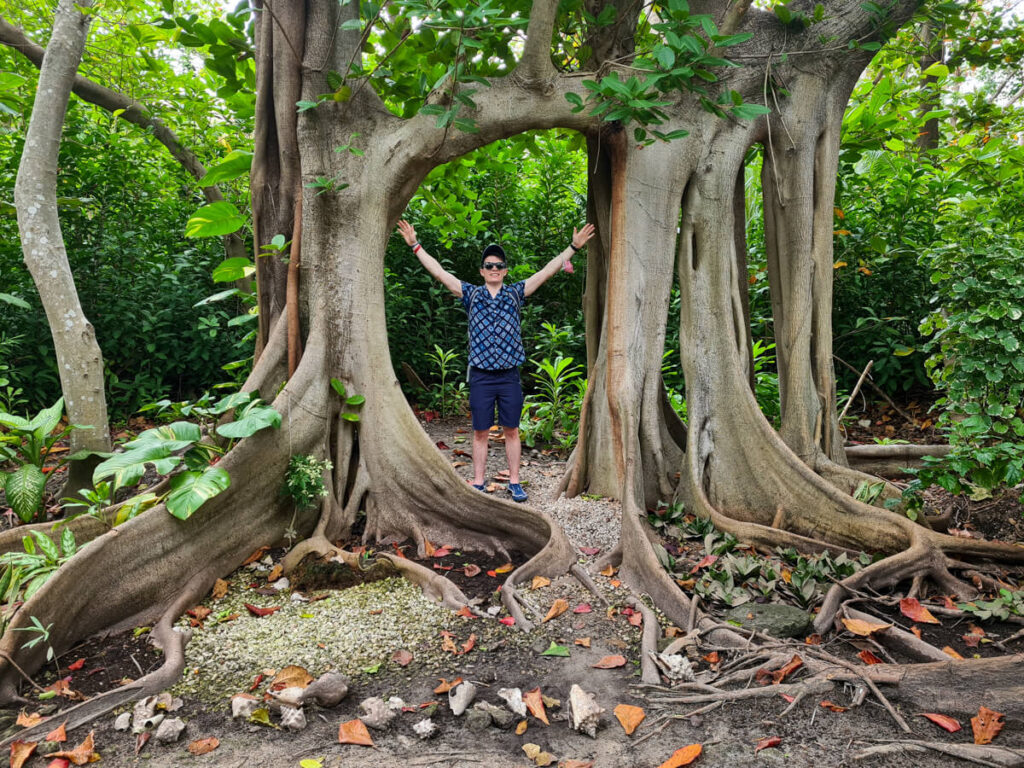
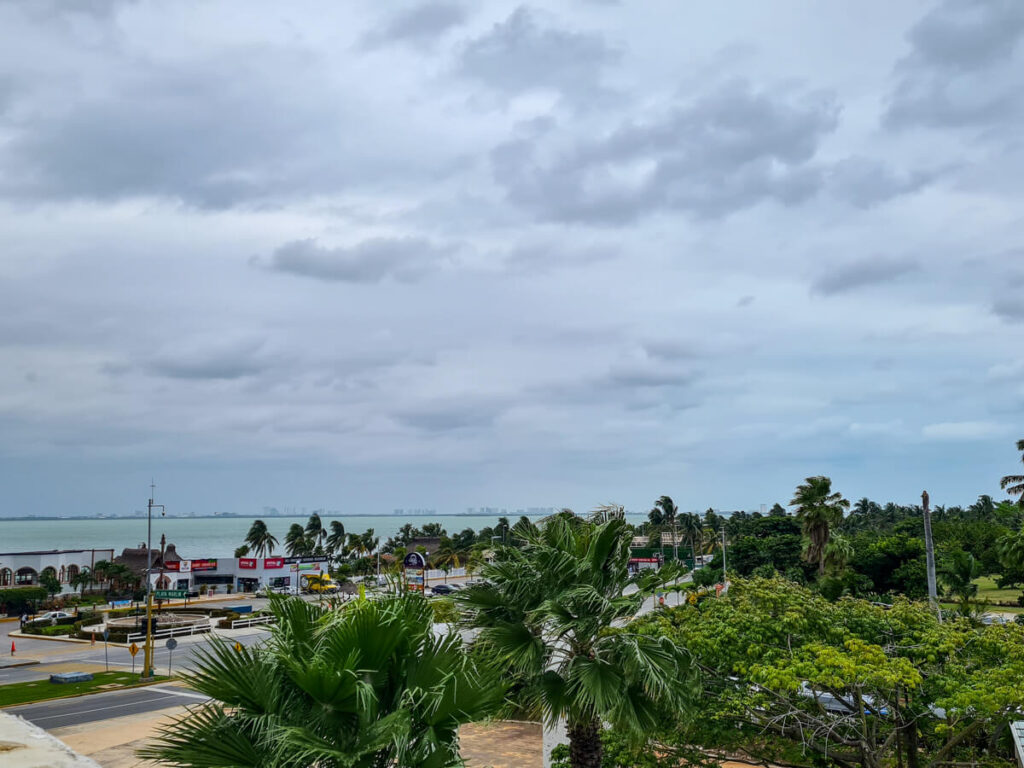
Museo Maya de Cancún is located in the Hotel Zone (Zona Hotelera), set within a protected mangrove area along Kukulcán Boulevard. It sits right next to the San Miguelito archaeological site, allowing you to combine a museum visit with exploring real Mayan ruins in one stop. Despite being close to the main road, the site feels surprisingly calm and green.
Museo Maya de Cancún Map
We’ve pinned Cancún’s Mayan Museum on the interactive map below.

Why Visit Cancún’s Mayan Museum?
There are several reasons why you need to visit the Museum of Mayan History in Cancún. It’s easy to get to, it’s cheap to enter, and it contains some really interesting information on Mayan life, as well as historical artefacts and art. It doesn’t take very long to explore, the air conditioning is refreshing on hot days, and the museum is indoors, perfect for rainy days.
Visiting Cancún’s Mayan Museum can also give you the historical context that you might miss if you jump straight from the beach to the famous pyramids around the region. Seeing artefacts from major sites across the Yucatán helps you better appreciate ruins like Chichén Itzá or Tulum when you visit them later.

Cancún Mayan history
Before Cancún became a resort city in the 1970s, the area was part of a vast Mayan trading and coastal settlement network. The region around modern-day Cancún was inhabited by Maya communities who used the coast for fishing, salt production, and maritime trade, with canoe routes linking the mainland to Isla Mujeres and beyond.
Nearby sites like El Rey, San Miguelito, and El Meco still remain, preserved for visitors to explore. While Cancún doesn’t have towering pyramids like inland cities, its history is deeply tied to everyday Mayan life, coastal commerce, and ritual travel.
Topics addressed in the Maya Museum of Cancún cover the traditional day-to-day life of the Mayan people, their architecture, politics, communities and relationships, as well as their beliefs, rituals and religions.
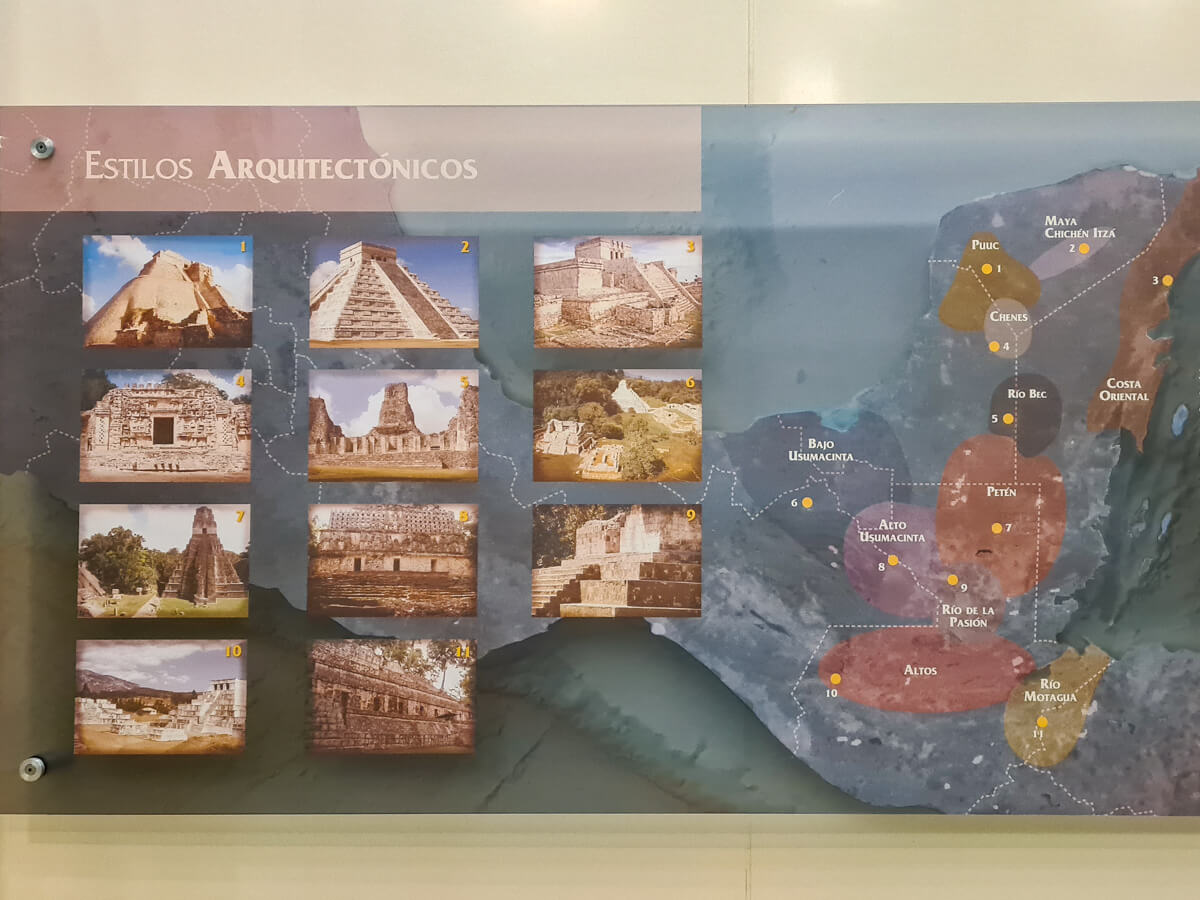
Between 200 and 600 CE, the Maya culture in Quintana Roo reached enormous complexity. Great cities were built, with monumental structures in El Petén style like mighty Tikal, meaning they featured prominent staircases, stepped terraces, gently curving corners and tall, slender pyramids – some nearing 75 metres (250 ft) in height! These cities were not isolated; there is evidence that they were linked politically and commercially over networks that spanned hundreds of miles.
The Mayans created a precise calendar, based on their observations of meteorological and astronomical cycles, the Mayan Calendar. Mayan astronomers and scientists determined 2 cycles:
- Tzolk’in – 260 days divided into 20 months, each with 13 days. Each of these 13 days corresponded to a divine being who determined the fate and character of anyone born on that day, as well as the activity that should be carried out (such as sowing or harvesting crops).
- Ha’ab – the regular calendar had 360 days with 18 periods of 20 days, plus 5 unnamed days on which disastrous events could occur.
Priests in charge of the Mayan Calendar (aj k’inob) organised ceremonies to preserve harmony between humans and forces of nature. It is also believed that Mayan buildings were designed to incorporate the passage of the sun during a solstice.
The ruined Mayan temples of San Miguelito
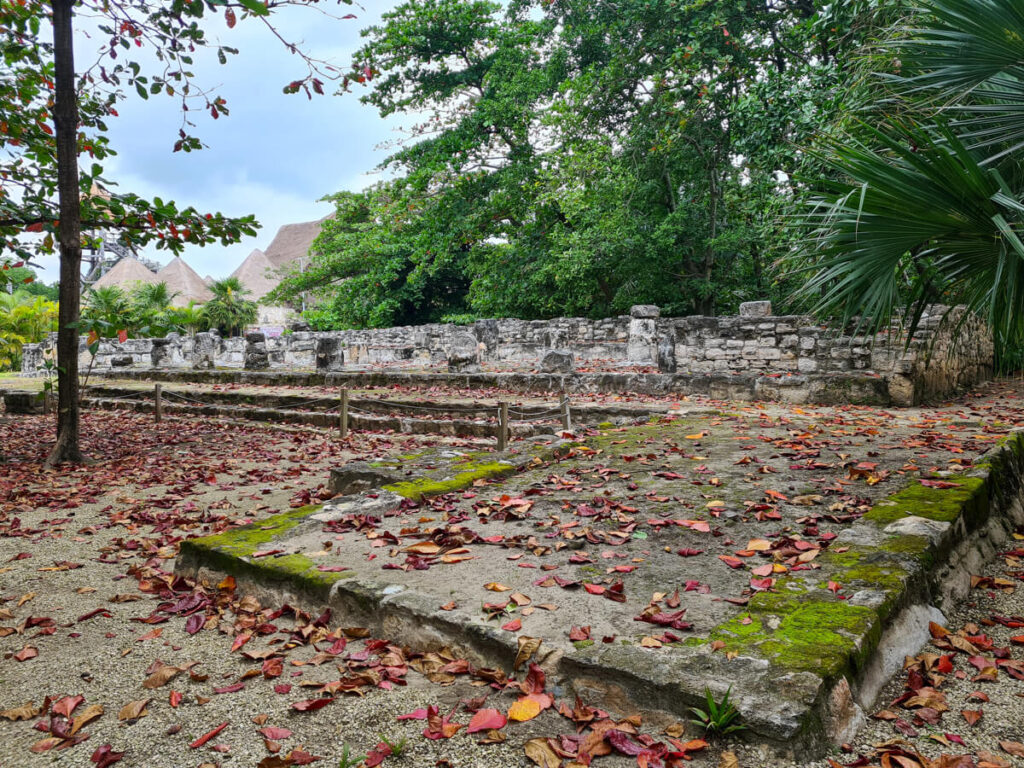
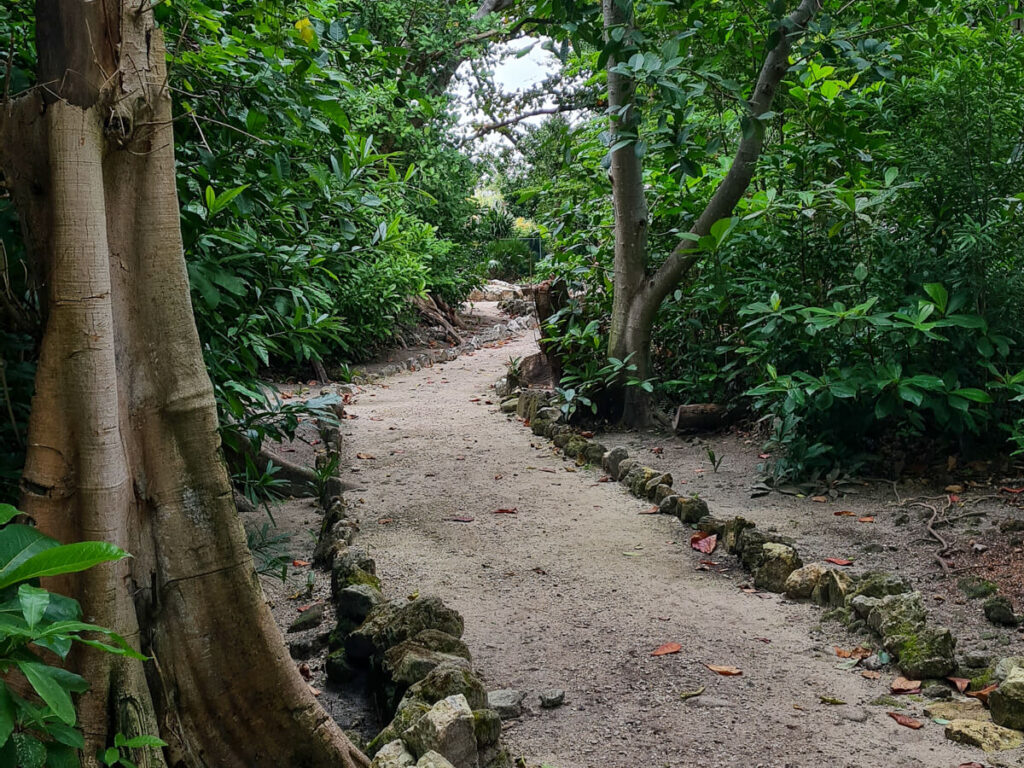
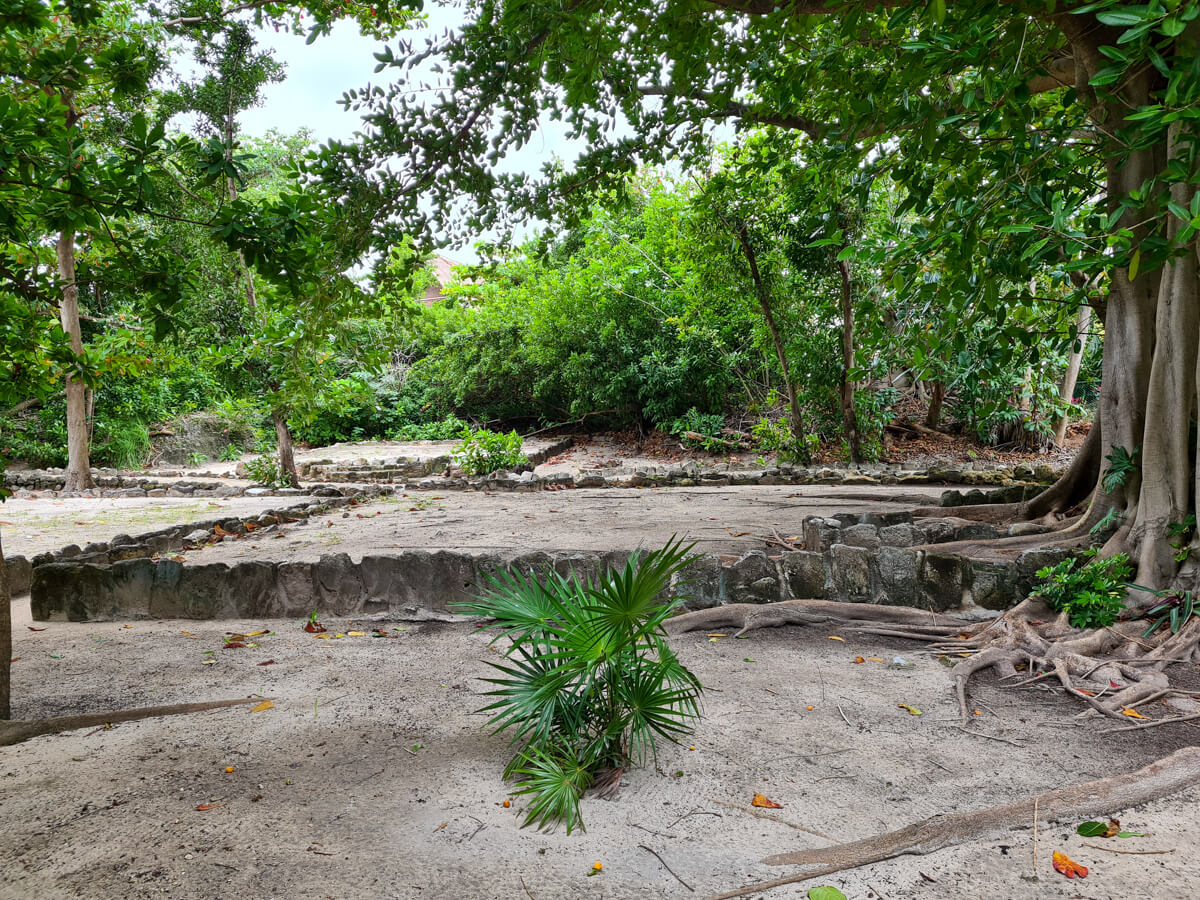
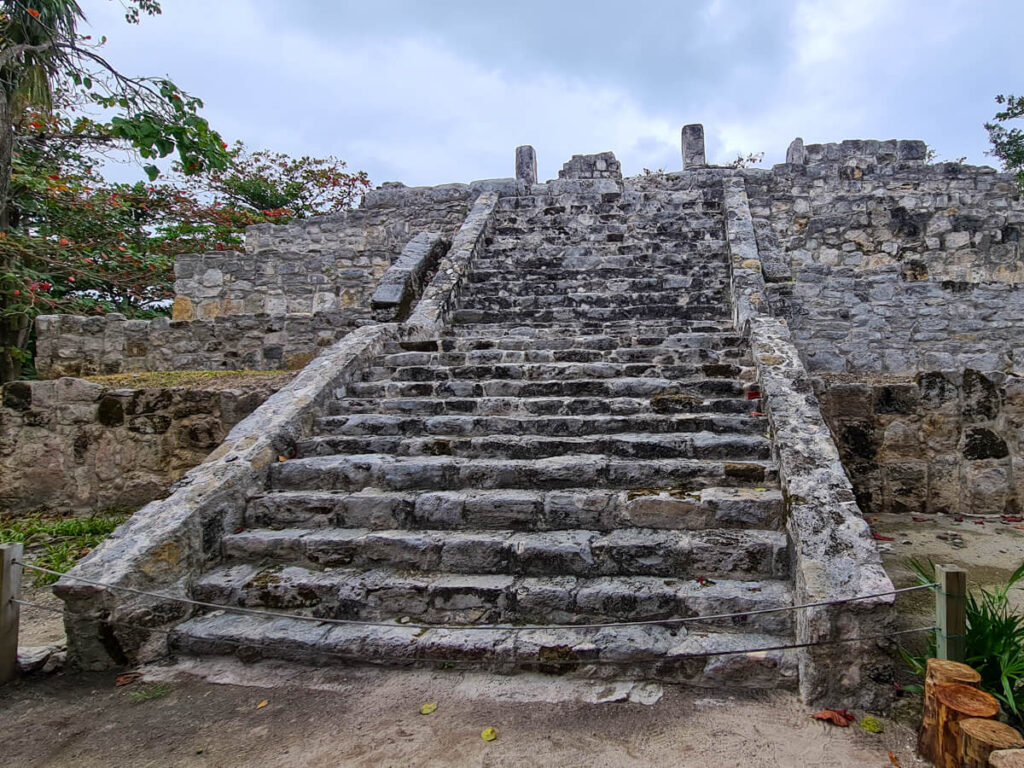
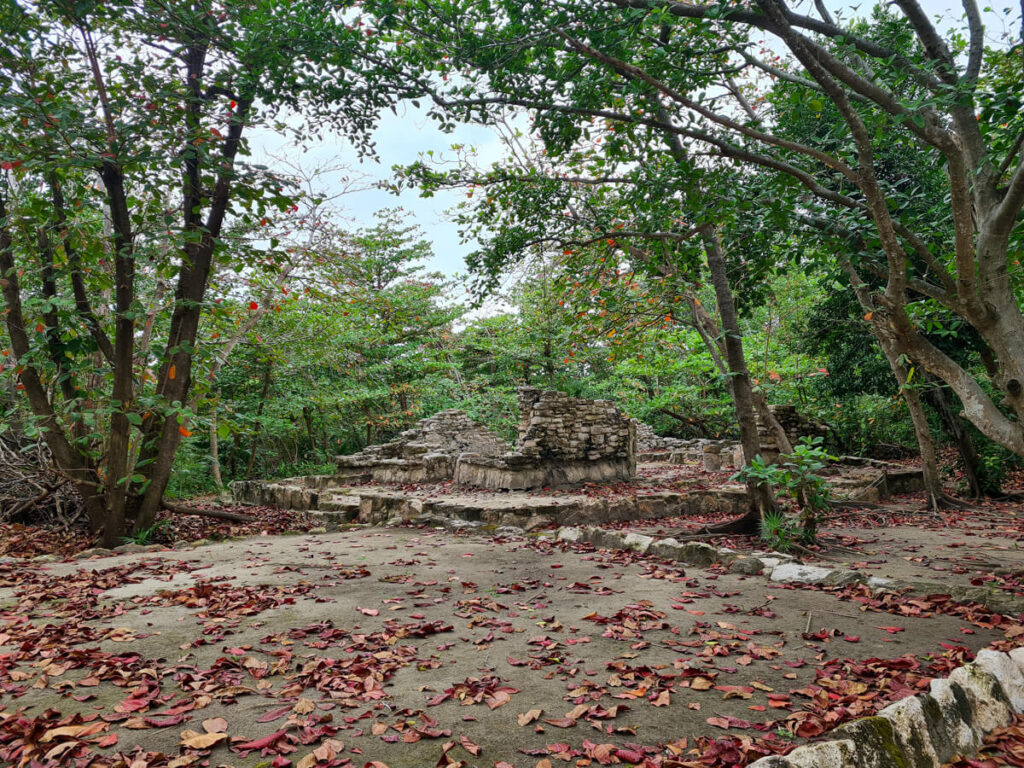
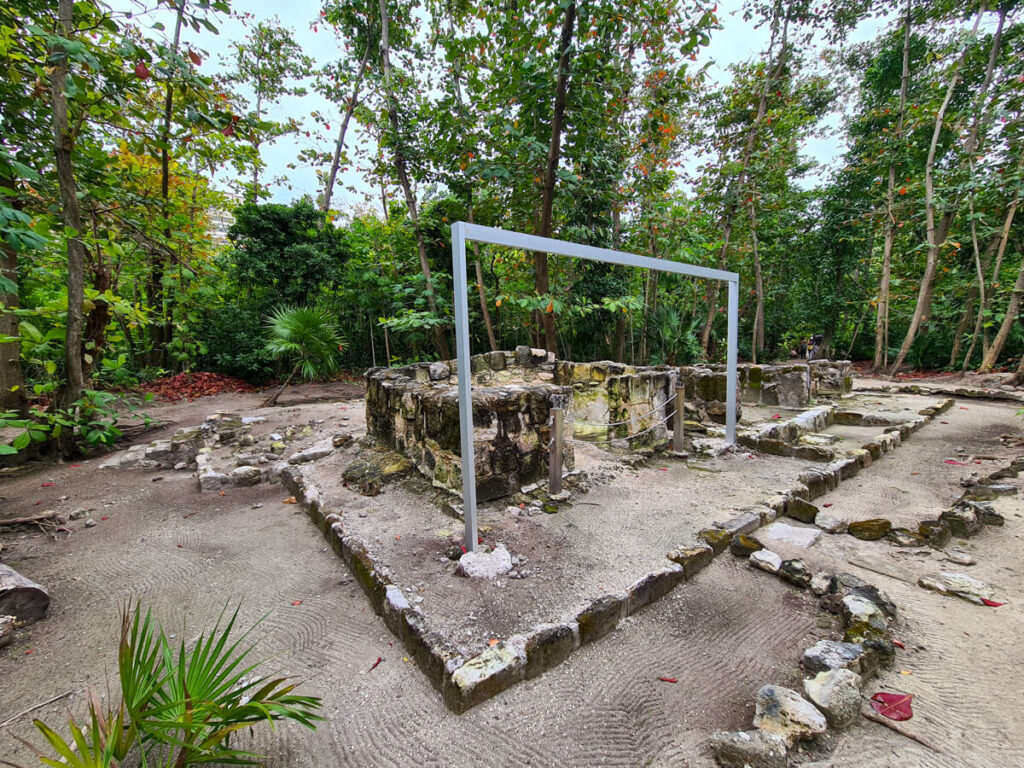
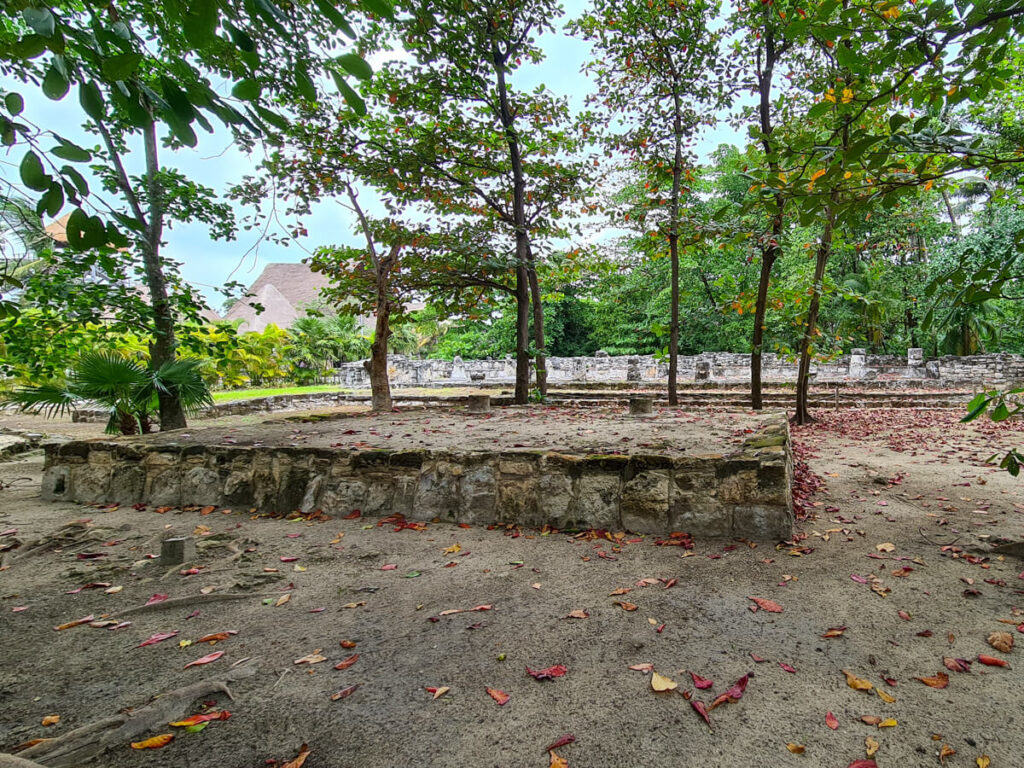
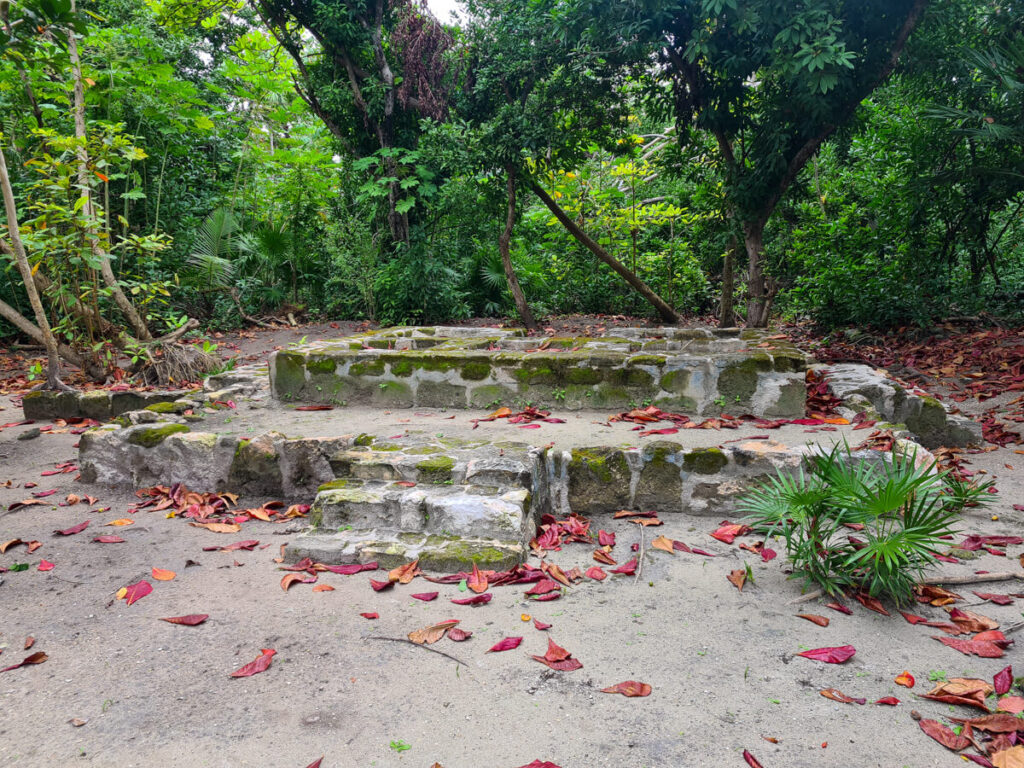
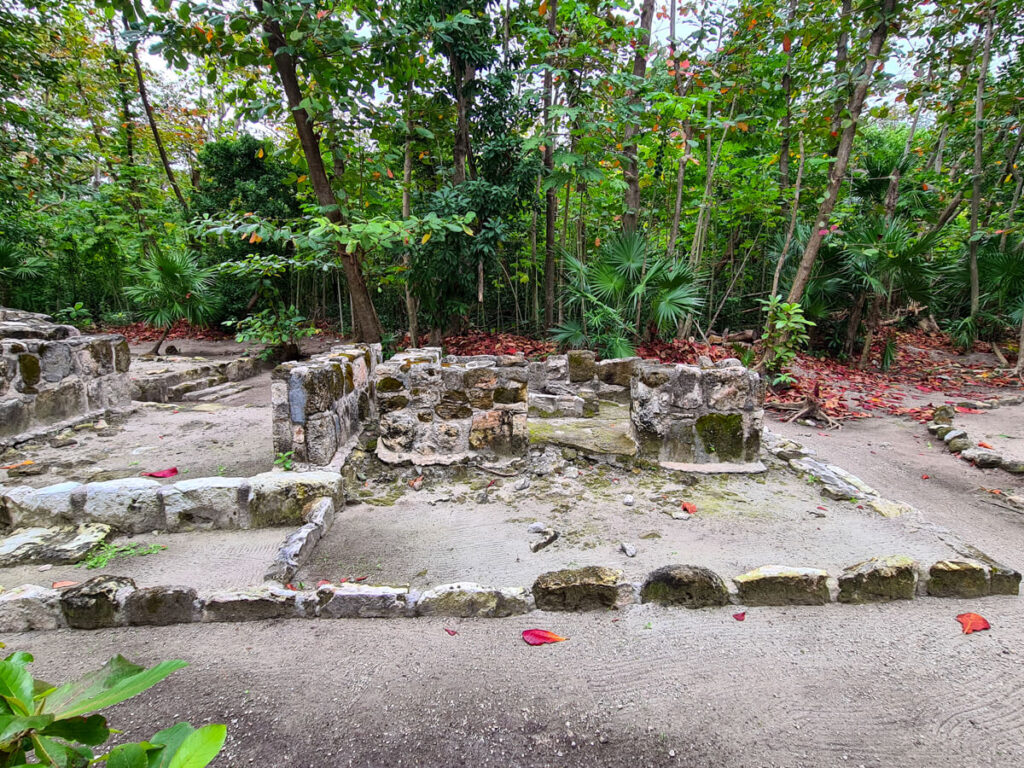
After time in the exhibition, you can walk the winding jungle path, which takes you past ruined Mayan temples which were once part of the San Miguelito community. The largest ruin is 8 metres (26 ft) tall and still retains its classic pyramid shape. Placards are located along the path and describe the importance and function of the site’s main structures, in Spanish and English.
It is believed that San Miguelito peaked between 1200 and 1350 CE, when it was one of the most powerful settlements in Cancún. It grew to include the nearby site of El Rey but, for unknown reasons, rapidly declined in the 14th century.
It was abandoned after the arrival of the Spanish in the mid-1500s, and those who remained succumbed to European diseases. The site remained virtually untouched until the early 1900s, when American archaeologists Thomas Gann and Samuel Lothrop visited Cancún. They created the first modern-day descriptions and site maps of San Miguelito, and the Mexican government began excavating and restoring the site in the 1970s.
How much is entry to Museo Maya de Cancún?
Entry to Museo Maya de Cancún costs 100 pesos (~$5 USD) per person. Tickets include entry to both the Mayan museum and the archaeological zone.
Buying Museo Maya de Cancún Tickets
You can buy tickets for the Museo Maya de Cancún and San Miguelito Archaeological Site in person at the entrance. It’s not normally super busy, so you shouldn’t have any problem getting them when you arrive.
Alternatively, you can buy them online in advance, which allows you to skip the line. This is a good option if you’re visiting in the peak season, between December and April.

Museo Maya de Cancún Opening Hours
The museum and ruins are open 9:00 AM-6:00 PM, from Tuesday to Sunday, year-round.
How to get to Museo Maya de Cancún
The easiest way to get to Museo Maya de Cancún if you’re staying in a nearby hotel is to walk. It is situated opposite the Hotel Emporio, one of the best places to stay in Cancún, and close to Omni Cancun Hotel & Villas, Royal Uno All Inclusive Resort & Spa and The Royal Islander. The entrance is on the west side, off Punta Nizuc road.
Getting around Cancún is easy, with a solid transportation network. You can take the bus all over the city, including to Museo Maya de Cancún. The R-1, R-2 and R-27 buses stop in front of the museum and cost 12 pesos.
Taxis are easy to flag down in Cancún, but you should agree upon a price before getting in. Or use the Uber app, which tends to be cheaper than a local taxi.
Parking at the museum is free but usually fills up by mid-morning, so try to arrive early if you’re planning to drive. If there are no spots left, try the free car park at Playa Delfines, which is about 1 mile (1.6km) south of the museum.
If you’d like transfers to and from your hotel, you can book onto a San Miguelito Archaeological Site tour. A local guide will pick you up and transport you to the museum, then give you a guided tour of the ruins inside, explaining how the Mayans used to live here and showing you the exhibits and artefacts that have been preserved from that time.
How long to spend at Museo Maya de Cancún?
A visit will typically take 1-2 hours, depending on how much of the information you’d like to read in the museum and on the walk. This is enough time to see the main exhibits without rushing.
The San Miguelito archaeological site itself only takes around another 30-45 minutes to explore at a leisurely pace, and then it’s up to you how long you spend in the museum.
When to visit Museo Maya de Cancún
The best time to visit the Museo Maya de Cancún is in the morning, when it’s quieter and the air is cooler, especially if you plan to explore the San Miguelito ruins next door, which are outside.
Weekdays tend to be calmer than weekends, especially outside Mexican school holidays and peak travel periods like Christmas and Easter. The dry season, between December and April, is generally busier.
If you’re visiting in the hotter months (July and August), the museum’s air-conditioned galleries make it a comfortable midday stop. Rainy days are also ideal, as half of the experience is indoors.
What to expect at Museo Maya de Cancún
The museum itself is fairly compact and easy to navigate. For signs that aren’t in English, you can use the Google Translate app.
The outdoor portion of the site is divided into four sections: the North Complex, the Chaak Palace Grouping, the Dragon Complex and the South Complex. The route follows a figure of eight. You can either turn right (north) to the North Complex, then double-back to see the Chaak Palace Grouping, Dragon Complex and South Complex, or follow it the other way as we did.
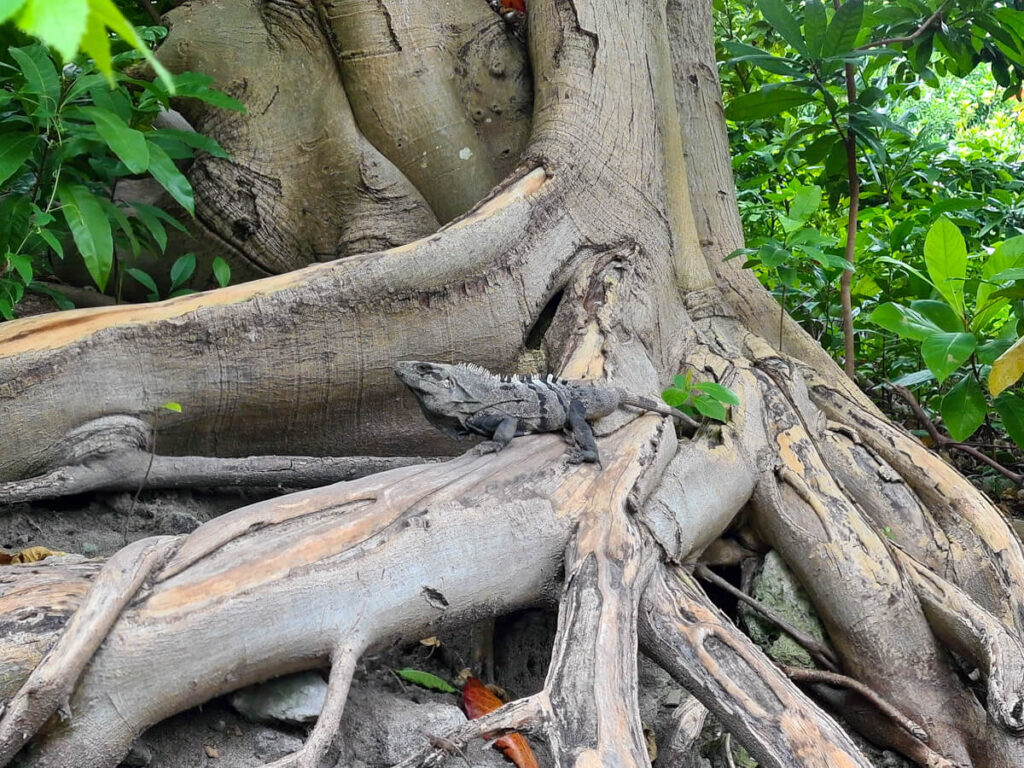
On the jungle path, you should keep an eye out for wildlife, as we saw an iguana and a small brown lizard, as well as countless birds.
What to know before you go to Museo Maya de Cancún
No bags bigger than a clutch bag (12” x 12”) are allowed into the site. There is a sign that also says tripods, umbrellas and selfie sticks are not permitted, and food, alcohol and bottles bigger than 600ml are also prohibited. However, we had just done a grocery shop and were admitted with a small backpack each, which happened to have alcohol and food in it, and we weren’t checked.
You’re allowed to take photos, but filming requires a permit, which comes at a small fee.
Climbing on and entering San Miguelito’s structures is not permitted, although we did see a lot of tourists doing this on our visit. It’s important not to touch or stand on the ruins to help prevent further erosion of the buildings.
It’s advisable to bring eco-friendly insect repellent, especially if you’re visiting in the late afternoon, when mosquitoes are most active.
Is Museo Maya de Cancún worth visiting?
We totally think the Museo Maya de Cancún is worth visiting, but you need to know what to expect. It’s a good stop if you want context for the ruins you’ll see around the Yucatán Peninsula, and it doesn’t take very long to visit, but it’s not as grand or impressive as many sites in the surrounding region.
The museum does a good job of explaining Maya history, beliefs, and daily life, rather than just displaying artefacts without explanation. Wandering the ruined temples in the middle of the jungles feels like being transported miles away from the Hotel Zone.
If you’re only in Cancún for beaches and nightlife, or are taking several Mayan Ruins day tours to more famous sites, the Mayan Museum is probably skippable. But if you don’t mind the tiny entrance fee, are looking for a way to spend a few hours in the Hotel Zone, and are interested in history, it’s a genuinely worthwhile stop.
Where to stay to visit Museo Maya de Cancún
The easiest place to stay for visiting the Museo Maya de Cancún is Cancún’s Hotel Zone, particularly the central section. The museum sits right along Avienda Kukulcán, the main road, near Km 16, so staying in this area puts you within a short bus or taxi ride, and in some cases, an easy walk, from the entrance. We stayed in Hotel Emporio on our first trip to Cancún, which is literally opposite the museum, so it couldn’t be better located.
If you’re staying Downtown (El Centro), the museum is still very accessible, but you’ll need to factor in a 20 to 30-minute bus ride to the Hotel Zone. Staying near the airport or the southern Hotel Zone can also work if you’re planning a relaxed itinerary, but it’s less practical if the museum is a main focus, as you’ll rely on taxis or longer bus rides.
Cancún Hotels
There are loads of hotels in Cancún to choose from, but these are our top picks:
What to pack to visit Museo Maya de Cancún
To ensure an enjoyable and safe experience in Museo Maya de Cancún, it’s important to pack the right things. Don’t forget to pack your:
Cancún Mayan Ruins Tours
Cancún Mayan ruins tours are one of the easiest ways to explore the region’s archaeology without worrying about transport, logistics, or long-distance driving. Tours typically include round-trip transport from your hotel, a licensed guide who explains the history and symbolism behind the ruins, and often a stop at a cenote or nearby town to round out the day.
Good highways, frequent buses, organised tours, and the Tren Maya make access straightforward even without a rental car. That said, distances in the Yucatán are bigger than they look on a map, so early starts are often required to get the most out of your day.

Museo Maya de Cancún FAQs
To help you plan your trip to Cancún’s Mayan Museum and San Miguelito Archaeological Site, we have answered some frequently asked questions below.
Is Cancún Aztec or Maya?
Cancún and the surrounding Yucatán Peninsula are part of the ancient Maya civilisation, not the Aztecs. While Aztec culture was centred further west in central Mexico, the Maya built elaborate cities, pyramids, and ceremonial sites throughout the peninsula.
How far is Cancún to Mayan ruins?
Many of the major Mayan ruins are within a 1 to 2.5-hour drive from Cancún, making them very accessible for day trips. For example, Tulum is around 80 miles (130 km) south, Coba roughly 68 miles (110 km) southwest, and Chichén Itzá about 125 miles (200 km) inland.
What is the closest Mayan ruin to Cancún?
The El Rey and San Miguelito Ruins sit right within the Hotel Zone, making them the most accessible for visitors staying in Cancún. They’re small but historically interesting, with some preserved structures and native wildlife around the site.
Which pyramid is close to Cancún?
While Cancún itself doesn’t have large pyramids, the closest notable pyramid is the main temple at El Meco near the northern Hotel Zone, or the towering pyramids of Tulum and Coba, a bit further afield.
Is Chichén Itza a day trip from Cancún?
Chichén Itzá is one of the most popular day trips from Cancún. Guided tours typically include transport, entry fees, and a knowledgeable guide, often combined with a visit to nearby cenotes or towns.
Read next:
28 Unique Things to Do in Cancún + What NOT to Do
18 Best Day Trips from Cancún + 3 That Aren’t Worth It
A Conscious Guide to Visiting Cancún Sustainably
How to Get to Cancún: Transfers, Connections, Buses + More
How to Get Around Cancún: 10 Transportation Methods
Where to Stay in Cancún: Hotel & Area Guide
Ultimate Guide to Snorkelling in Cancún
