Where to Stay in Tulum: Neighbourhoods & Top Hotels For Every Budget

Discover the best hotels in Tulum, from budget hostels to boutique hotels and high-end eco-resorts, plus the nicest and safest areas to stay in.

This post may contain affiliate links, which means we might earn a small commission on anything purchased through these links at no extra cost to you. Learn more on our disclaimer page.
Tulum is famous for its dreamy beaches, boutique hotels, and boujee eco-resorts, but figuring out where to stay can be tricky, especially if it’s your first time visiting. Between the Hotel Zone along the coast, Downtown (Pueblo), and the growing neighbourhoods like Aldea Zama and La Veleta, each area has a completely different vibe, price point, and access to restaurants, nightlife, and attractions.
We explored all over Tulum and have seen the wide difference between accommodation, from budget hostels and mid-range hotels to luxury beachfront resorts. We know which areas are best for first-timers, couples, families, or those on a shoestring budget, and which spots aren’t worth the hype. In this guide, we break down the main neighbourhoods in Tulum and highlight the top hotels for every budget, so you can pick the right place for your trip. Whether you’re chasing the beach, nightlife, or a quiet retreat, this accommodation guide will make it easy to plan your stay without the stress.
Best Tulum Hotels – Our Top Picks
More from Tulum
Tulum’s neighbourhoods
Despite being described as a beach town, Tulum’s main centre isn’t actually on the coast. There are two main areas in Tulum: the Town (Downtown) and the Hotel Zone. It’s important to know that they’re actually a 25-minute drive or a 45-minute bike ride apart, which makes choosing the right area to stay in even more crucial.
The main neighbourhoods in Tulum include:
Downtown is pretty compact and walkable, but once you leave the centre, things get pretty spread out. Since the areas are so far apart, most visitors choose to rent a car or hire a bicycle to get around Tulum. Where you stay will directly affect how much time you spend in taxis, on bikes, or stuck in traffic.

Tulum Hotels Map
We’ve pinned the best places to stay in Tulum on the interactive map below.
Which part of Tulum is best to stay in?
Where you choose to stay in Tulum will depend on what you value most, your budget, and what you’re willing to put up with. If you want convenience and lower prices, you’ll trade off aesthetics and proximity to the beach. If you want jungle aesthetics and beach access, you’ll pay for it in both money and transport time. Many first-time visitors underestimate how far apart the neighbourhoods are and how expensive taxis can be (it’s not nicknamed the taxi mafia for nothing). Here’s a rundown of the best areas in Tulum to stay in.
1. Tulum Town
The Town (Tulum Centro, Downtown Tulum, or Tulum Pueblo) is the most practical and affordable place to stay in Tulum, and where many locals actually live. It has the widest range of budget accommodation, supermarkets, street food, and everyday services. You’ll find everything from sociable hostels to boutique hotels and self-catering apartments within walking distance of shops and the main transportation hubs.
This is where we stayed on our first trip and where you’ll likely arrive when you get to Tulum, unless you pre-arrange a direct transfer. The town isn’t especially pretty (although there’s some nice street art), but it’s functional and far less curated than the beach road. Getting around on foot or by bike is easy within the centre, though you’ll still need to take buses, colectivos, taxis, or tours to reach the beach or ruins.
Nights are lively but generally low-key, centred around restaurants and food markets rather than clubs. Having said that, some areas can be noisy at night, especially on weekends, so reading accommodation reviews is important. If you’re travelling on a budget or staying longer-term, this is the most straightforward base.

2. The Hotel Zone
Tulum’s Hotel Zone runs along the beach road, which lines the long and sandy Tulum Beach, and is what most people picture when they think of Tulum. The zone is actually split into two portions: the exclusive southern area home to private hotels and the public northern stretch above Avienda Coba.
Unlike Cancún’s Hotel Zone, which is home to all-inclusive resorts and luxury hotels, Tulum’s strip is carefully curated with beachfront eco-resorts, boujee beach clubs, trendy restaurants, yoga studios, and nightlife, all wrapped in a carefully styled jungle aesthetic.
This is categorically the most expensive area to stay in Tulum, with high accommodation prices and constant minimum spends. Some of Tulum’s most famous hotels are located here, like the Instagrammable Azulik Resort with its on-site art museum. Traffic can also be brutal, especially in the evenings, and walking isn’t always pleasant or safe due to narrow or missing sidewalks and intense heat with little shade.
The upside is it’s aesthetic, exclusive, and you’re close to the beach, but everyday essentials like supermarkets and public transport links are limited. Power outages, limited water pressure, and generators are still common in the Hotel zone, despite its luxury marketing.

3. Holistika
Holistika is a small, wellness-focused enclave on the edge of town, centred around the Holistika Hotel itself. It’s quieter than most areas and popular with digital nomads and long-stay travellers.
Accommodation here is mostly mid-range apartments and boutique stays rather than traditional hotels. You’ll find yoga studios, cafés, and coworking spaces nearby, but not much nightlife. Getting to the beach or central town requires your own form of transport, usually a bike or taxi, unless you’re happy to go into town to catch a colectivo.

4. La Veleta
La Veleta is a rapidly developing neighbourhood south of Downtown, known for its modern apartments and trendy cafés. It attracts longer-term travellers and remote workers thanks to newer accommodation and quieter streets. We predict it’s going to be super trendy.
That said, infrastructure is still catching up, with unpaved roads, flooding during the rainy season, and ongoing construction (which can be noisy). Restaurants and bars are improving, but it’s not a complete neighbourhood yet. You’ll still need transport for almost everything, including getting to the beach and the main town area.

5. Aldea Zama
Aldea Zama is a residential area that sits between Downtown and the Hotel Zone. It looks sophisticated on paper, with gated complexes, cafés, and wide roads, but in reality, it’s still a work in progress, with the project expected to continue at least until 2030. Because it’s more out of the way, it’s a good option for groups or families that want a bit of privacy.
Prices are higher than Downtown, and many areas feel half-finished. You’re closer to the beach than Tulum Town, but it’s still not walkable, so transport costs can add up. Dining and shopping options exist, but are limited compared with both Downtown’s street food scene and the Hotel Zone’s restaurants.
6. Jaguar Park
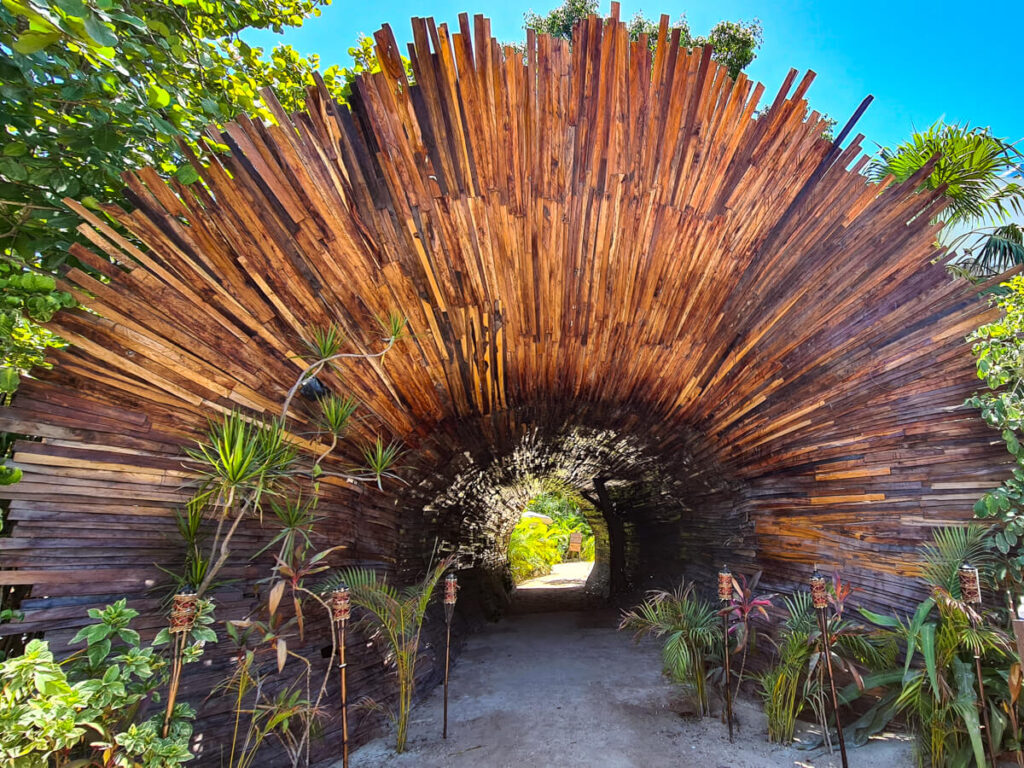
Jaguar Park (Parque del Jaguar) is a protected area that includes the Tulum Ruins, the surrounding jungle, and Playa Ruinas. It’s not really a residential neighbourhood, but some accommodation sits just outside its boundaries.
Staying nearby gives you early access to the ruins and a quieter, more natural setting. However, services are limited, and strict regulations apply due to conservation rules. Transport options are fewer, especially at night, so it works best for short stays focused on nature rather than a base for your trip.

7. Sian Ka’an Biosphere Reserve
Sian Ka’an is a vast protected reserve south of Tulum, known for its diverse wildlife, lagoons, and lack of development. Accommodation here is limited to eco-lodges and small, remote properties in little towns and villages like Punta Allen.
The roads are rough, access can be difficult, and electricity and internet aren’t always reliable. You’ll be far from shops, restaurants, and nightlife, which is the appeal to some, so staying here requires planning and flexibility. In return, you get isolation, nature, and a very different experience from the rest of Tulum.
The best hotels in Tulum
Accommodation in Tulum ranges from ultra-luxury jungle resorts to bare-bones hostels and everything in between. Where you stay will shape your experience just as much as what you do, especially given how spread out the town actually is.
Here are the common accommodation types you’ll find in Tulum:

The best places to stay in Tulum’s Hotel Zone
For beachfront access, design-focused accommodation, and personalised service, properties in Tulum’s Hotel Zone cater to those who like nice things, with open-air architecture, boho vibes, and premium pricing. Here are our top picks.
Tulum Hotel Prices
Hotel prices fluctuate due to seasonal demand, occupancy levels, current events, and other external factors. To provide a general idea of costs, we’ve categorised the average room price per night using the following price ranges in USD:
$ – less than $100
$$ – between $100 and $300
$$$ – between $300 and $600
$$$$ – between $600 and $1000
$$$$$ – over $1000
1. Our Habitas
Our Habitas is a design-forward, adults-focused eco-luxury hotel set on the beach but surrounded by jungle. The rooms are freestanding bungalows featuring minimalist interiors, private terraces, and outdoor showers, with ocean view options.
The hotel leans heavily into wellness, offering yoga, treatments, sound healing, and a strong community feel centred around shared spaces. Its beach club is relaxed rather than party-heavy, appealing to travellers who want calm without total isolation. It is also home to a central jungle pool and on-site spa and temazcal.
Sustainability is a visible part of the operation, though pricing reflects the exclusive global brand more than the footprint. They also have a hotel on Bacalar Lagoon, which is one of the best hotels in Bacalar.

2. Nômade
Nômade is a refined, bohemian luxury hotel with a strong wellness and slow-living focus, set directly on the beach. Accommodation ranges from elegant suites and rustic jungle-style rooms to tented bungalows and even treehouses, many with outdoor bathtubs and natural materials throughout. The design is intentional and earthy, but some rooms can feel dark and open to the elements, which isn’t for everyone.
The property is known for its wellness events like breathwork classes, ice baths, stargazing sessions, meditation, and holistic workshops, alongside Japanese and Mediterranean restaurants. The atmosphere is calm and curated rather than social or loud, with a beautiful oceanfront pool with loungers, an on-site spa, sauna, and ice bath facilities, and a boutique concept store.
3. Papaya Playa Project
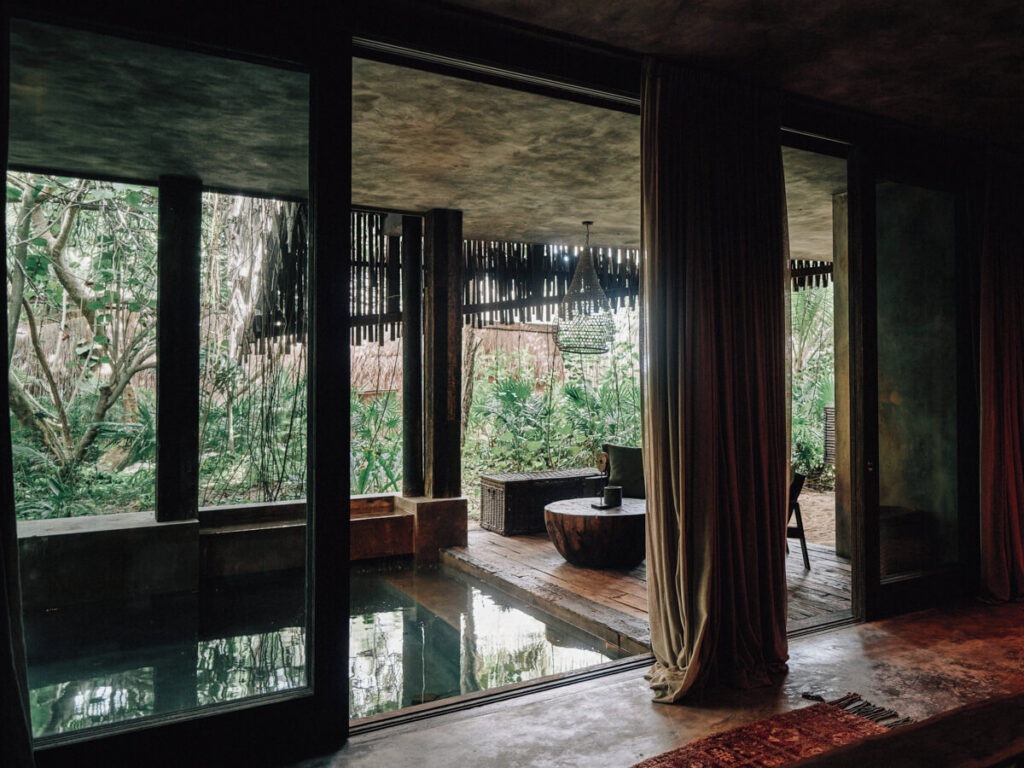
Papaya Playa Project is one of the town’s original eco-resorts and one of the most popular hotels in the Tulum Hotel Zone. Combining rustic beachfront cabañas and more private villas with private pools in a natural setting, it has a strong party and music identity. The property is famous for its weekend electronic music events, which are among the best things to do in Tulum, but can be a highlight or a drawback depending on your tolerance for noise.
Outside of party nights, the hotel offers wellness programming, yoga, and a laidback beach atmosphere. It’s not for everyone, as some rooms don’t have air-conditioning or full soundproofing, but the design feels raw and intentionally unfinished, staying true to its early Tulum roots.

4. Ahau
Ahau is a beachfront eco-hotel best known for its iconic Ven a la Luz sculpture and strong yoga and wellness offerings. Its rooms are simple but stylish, with natural materials, open layouts, and a clear focus on communal spaces rather than in-room luxury. You can choose from suites of various sizes, beach houses, and even Bali-style huts.
The hotel hosts regular yoga classes, cacao ceremonies, and workshops, drawing a wellness-oriented crowd. Its beach club and restaurant are popular with non-guests, so privacy can be limited during the day, but it’s a testament to the quality. You’ll also find a beachfront pool and a spa and healing centre on-site.

5. Casa Malca
Casa Malca is a high-end boutique hotel set in a former mansion of Pablo Escobar, the famous Colombian drug lord and billionaire criminal mastermind who founded the Medellin Cartel, making it one of the most unique hotels in Tulum. The rooms are spacious and enclosed, offering more privacy, air-conditioning, and comfort than many Hotel Zone properties, with a blend of brutalist architecture and contemporary art.
The interiors feature curated artworks, polished concrete, and a distinctly gallery-like feel, as it was bought by an art collector and turned into a hotel long after Pablo was shot dead in Medellin in 1993. It has direct beach access, a large pool, and an upscale restaurant and cocktail bar, but the atmosphere is quieter and more self-contained. Its pricing reflects its distinctiveness and exclusivity.

The best places to stay in Tulum Downtown
Downtown is the most practical, affordable, and connected place to stay in Tulum. Hotels here are closer to local restaurants, shops, and transport, with fewer beach views but better value. Here are our top picks.
6. Mayan Monkey
Mayan Monkey is a lively hostel-meets-hotel aimed at social travellers who want comfort without formality. Accommodation ranges from shared dorms to private rooms, all modern, air-conditioned, and well-maintained, and it’s for sure one of the cheapest hostels in Tulum.
It’s a chain, so you’ll find others in Isla Mujeres, Cancún, and Los Cabos, too. The property centres around a large pool, bar, and co-working spaces, making it easy to meet like-minded travellers. It regularly hosts events and social activities, so it’s not a quiet stay, but perfect for backpackers and solo travellers.
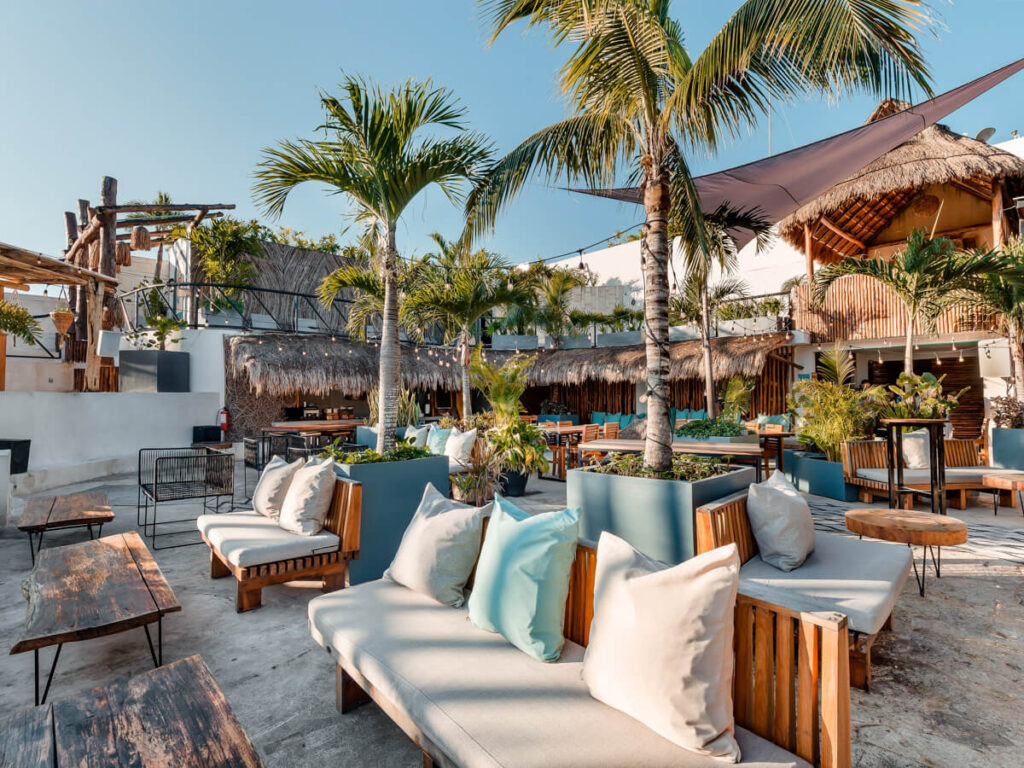
7. Casa Agape Boutique Hotel
Casa Agape is a small, understated boutique hotel offering a quieter alternative in Downtown Tulum. Its rooms, which include garden and balcony suites, are clean, comfortable, and thoughtfully designed, with natural light and simple furnishings rather than heavy décor.
The hotel has a calm, residential feel, appealing to travellers who want quality rest over nightlife. Amenities are limited but intentional, with a small outdoor pool and garden courtyard. Its central location makes it easy to access local eateries and transport routes to major attractions in the region.

8. Layla Boutique Hotel & Restaurant
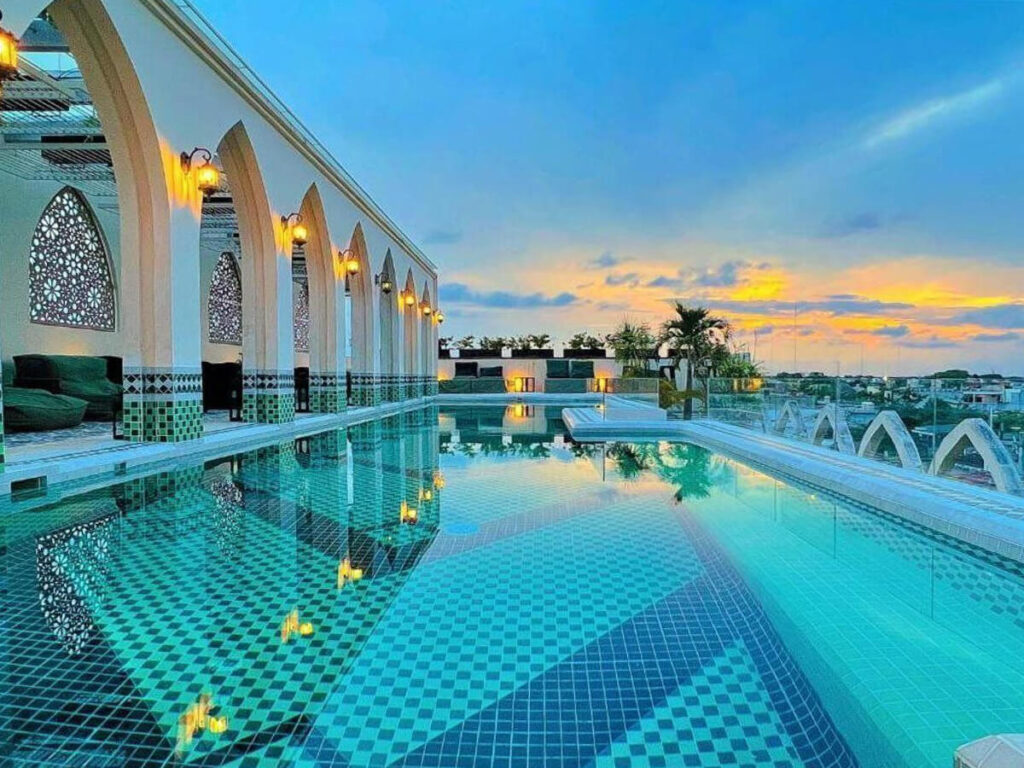
Layla Boutique Hotel combines stylish accommodation with a well-rated Middle Eastern restaurant, which is one of the best places to eat in Tulum. It’s designed like a riad, with a mosaicked courtyard that features a deep pool and fountains. The rooms feature Moroccan architecture, with air-conditioning, strong Wi-Fi, and beautiful interiors.
The hotel is small, but the rooftop pool and mezcal bar are super alluring. Being attached to a popular restaurant means it can feel busy at times, especially in the evenings, but its downtown location is practical for exploring without relying on taxis.
Camping and glamping in Tulum
If you’re looking for unique accommodation in Tulum, consider camping. Staying in the jungle allows you to really immerse in nature, with fewer distractions. Camping is also a great budget-friendly accommodation option in Tulum, but prices for some places aren’t always lower than hotels, especially during high season, so double-check before booking.
Here are our top picks:

Yoga retreats in Tulum
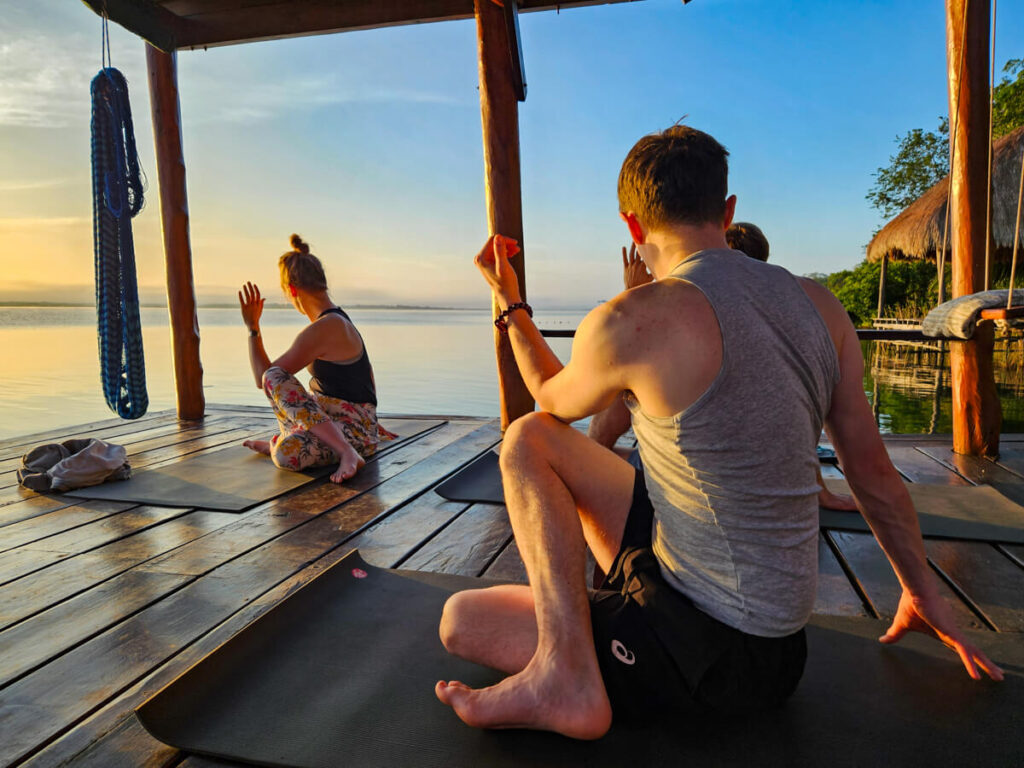
Yoga is everywhere in Tulum, but the best way to hone your practice is by staying in an accommodation with daily classes. Some places focus on serious, multi-day retreat programmes rooted in traditional practice, while others offer drop-in beach classes that are more about atmosphere than alignment. Prices range from donation-based sessions to luxury retreat packages costing thousands, so there’s something for every yogi. Here are our top picks:
Where to stay in Tulum by traveller type
Choosing where to stay in Tulum matters more than most people expect, because the town is spread out and transport is expensive and inconsistent. There’s no perfect base, but there are smarter choices depending on your preferences, travel style, and interests.
What is the most popular part of Tulum to stay in?
The Hotel Zone is the most popular place to stay in Tulum, especially for first-time visitors drawn in by beachfront hotels, beach clubs, and nightlife. It’s where you’ll find places like Our Habitas, Nômade, Papaya Playa Project, Ahau, and Casa Malca, all clustered along the beach road. That popularity comes at a cost, though – high room rates, traffic, expensive taxis, and limited food options outside hotel restaurants.
If you’re visiting in sargassum season (April to October), we’d simply recommend skipping the Hotel Zone altogether. Even hotels that invest heavily in daily beach clean-ups can’t fully control conditions, and access to swimmable water can change day to day. Opt for the exclusive Aldea Zama or trendy La Veleta instead. Downtown has also grown quickly as a budget-friendly alternative, particularly for longer stays and repeat visitors.
Where to stay in Tulum all-inclusive?
All-inclusive resorts aren’t Tulum’s strength, and options here are limited compared with Cancún or Playa del Carmen. Most properties focus on boutique or wellness-style stays rather than traditional all-inclusive packages. Some Hotel Zone resorts offer meal plans or curated experiences, but they’re not true all-inclusives. If a classic all-inclusive is a priority, you may be better off staying elsewhere in the Riviera Maya and visiting Tulum as a day trip.
Where to stay in Tulum for couples?
Couples tend to gravitate toward the Hotel Zone for its atmosphere, design-led hotels, and beachfront dining. Places like Our Habitas, Nômade, Casa Malca, and Papaya Playa Project are popular for romantic trips, anniversaries, and honeymoons. That said, Aldea Zama and La Veleta offer quieter, more private stays with better value and easier access to cenotes. You can also easily visit Tulum as a couple on a budget by staying in Downtown, which is what we did on our first trip.
Where to stay in Tulum for first-timers?
First-time visitors to Tulum usually choose either the Hotel Zone or Downtown, depending on their budget. The Hotel Zone delivers the Tulum look people expect from social media, but it can be overwhelming, expensive, and frustrating to navigate. Downtown is far more practical and affordable, with walkable streets, street food, and easier transport – places like Layla Boutique Hotel and Casa Agape are good accommodation options.
Where to stay in Tulum with kids?
Tulum isn’t especially child-focused, but families usually prefer outside the Hotel Zone. Aldea Zama and Downtown offer larger rooms, apartments, and quieter streets, plus easier access to supermarkets and casual restaurants. Beachfront hotels tend to prioritise couples, wellness retreats, or nightlife, which doesn’t always mix well with kids, although Soliman Bay and Akumal, north of Tulum, are popular beachfront family-friendly spots. Staying inland also makes day trips to cenotes, ruins, and nature reserves simpler.
Where to stay in Tulum without a car?
If you’re not renting a car (and we didn’t on our trip), Downtown Tulum is the easiest place to stay. You’ll be close to colectivos, the ADO bus station, shops, and restaurants, which keeps transport costs down. The Hotel Zone technically works without a car, but you’ll rely heavily on taxis, which add up fast. Aldea Zama and La Veleta can work car-free, but only if you’re comfortable walking or cycling longer distances.

Tulum Hotel FAQs
To help you choose where to stay in Tulum, we’ve answered these frequently asked questions.
What’s the best area to stay in Tulum?
The best area to stay in Tuluum depends on what you want to do, your budget, and your preferences. The Hotel Zone is great for beachfront access, but expensive and spread out. Downtown, La Veleta, and Aldea Zama are more practical for daily life, local food, and transport, and prices are lower. For first-timers, Downtown or Aldea Zama usually hit the sweet spot between convenience and vibe.
Is it better to stay on the beach or downtown in Tulum?
The Hotel Zone is scenic, Instagram-ready, and carefully curated for tourism, but it comes with high prices, nighttime noise, and long walks between places. Downtown is cheaper, compact, and more authentic, with shops, markets, and colectivos nearby. Choose the Hotel Zone if you don’t mind spending more for a classic vacation experience, and choose Downtown if you’re on a budget or would rather spend your money on experiences.
What part of Tulum is safest to stay?
Tulum is generally safe for tourists all over. Downtown, Aldea Zama, and the central Hotel Zone are well-patrolled and well-lit. La Veleta and some outer areas feel quieter at night, so stick to main roads, avoid poorly lit streets, and agree on taxi fares beforehand.
What are the best resorts in Tulum?
Tulum doesn’t do traditional mega-resorts like other places in East Mexico, but it has a wide range of beautiful accommodation. The best options are boutique, design-led properties, like Our Habitas, Nômade, Papaya Playa Project, Casa Malca, and Ahau in the Hotel Zone, or Layla and Casa Agape in Downtown.
Where do celebs stay in Tulum?
Celebrities stick to discreet, high-end Hotel Zone hotels with privacy. Casa Malca is the most famous thanks to its art collection and Pablo Escobar history. Our Habitas, Nômade, and Papaya Playa Project also attract high-profile visitors.
Where is the main area in Tulum?
Tulum doesn’t have a central hub, but Downtown is the practical centre, with shops, restaurants, and transport links. The Hotel Zone is the beachfront strip where most tourist activity happens, but it’s a 25-minute drive from Downtown. Everything else, like La Veleta and Aldea Zama, sits between those two and requires transport.
What is the party zone in Tulum?
The Hotel Zone is where nightlife happens — mainly beach clubs and late-night events. Downtown has bars, but it’s low-key. Most weekend or high-season parties are concentrated along the beach road.
Did Pablo Escobar live in Tulum?
There’s no way to know for sure if Pablo Escobar lived in Tulum. It could be a myth that Casa Malca was once owned by the famous Colombian trafficker. It’s allegedly one of his many real estate investments used to launder money, but there’s no evidence he visited it himself.
Is it better to stay in Tulum or Playa del Carmen?
Playa del Carmen is more convenient, cheaper, and better connected, while Tulum is more hippie, spread out, and pricier, but it’s worth it if beaches, cenotes, and wellness are your priority. They’re two very different experiences, so choosing your base is important.
How many days in Tulum is enough?
Three to four days in Tulum is enough time to cover the main highlights without feeling rushed. A week is better if you want a slower pace with cenotes, ruins, and beach days. More than that only makes sense if you’re settled in one neighbourhood and not moving around constantly.
Can you walk from Tulum to the beach?
You can technically walk from Downtown to the Hotel Zone, but it’s long, hot, mostly without shade, and highly inadvisable. Most people use a bike (45 minutes), colectivo, or taxi (25 minutes) instead.
Read next:
A Responsible Traveller’s Guide to Tulum: Worth Visiting or a Tourist Trap?
25 Unique & Non-Touristy Things to Do in Tulum + 4 Activities to Avoid
How to Get to Tulum: The Easiest & Cheapest Ways
How to Get Around Tulum: 12 Transportation Methods
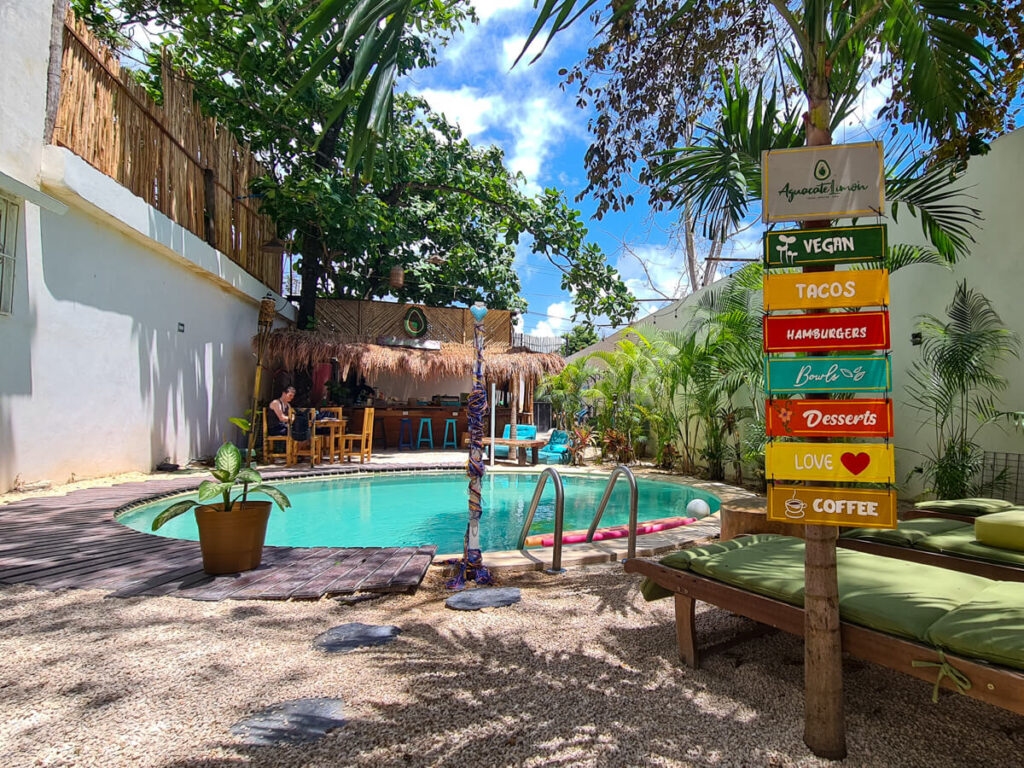
15 Best Vegan & Veggie Restaurants in Downtown Tulum
A Complete Guide to Visiting Sian Ka’an Biosphere Reserve
How to Visit Tulum Mayan Ruins: Worth it?
A Traveller’s Guide to Akumal Beach Town & Bay: 10 Things to Do + 5 to Avoid
