A Traveller’s Guide to Cozumel: Mexico’s Caribbean Island Paradise

Discover everything you need to know about visiting Isla Cozumel, from useful travel information to how to spend your money and time.
This post may contain affiliate links, which means we might earn a small commission on anything purchased through these links at no extra cost to you. Learn more on our disclaimer page.
Cozumel is one of the most popular islands in Mexico’s Caribbean, best known for its incredible coral reefs, clear turquoise water, and world-class SCUBA diving. But there’s more to the island than what’s beneath the surface, with quiet beaches, Mayan ruins, jungle roads, beach clubs, and plenty of places to escape the busiest parts of the island.
We visited Cozumel as part of our time exploring the Yucatán Peninsula, and it quickly became one of our favourite places in Mexico – so much so that we tripled our time here. But the island isn’t without its downside, namely large cruise ship crowds, busy tourist areas, and limited public transport, making it important to plan where you stay and how you explore. In this travel guide, we’ll cover everything you need to know about visiting Isla Cozumel, including where to stay, how long to visit, when to go, how to get around, and our practical tips for planning your trip.
Isla Cozumel at a glance

More from Cozumel
About Cozumel
Isla Cozumel is a Caribbean island off the coast of Mexico’s Yucatán Peninsula, best known for its coral reefs, clear water, and world-class SCUBA diving.
The island is about 30 miles (48 km) long and 9 miles (15 km) wide at its broadest point, with San Miguel de Cozumel, the main town, on the western side facing the mainland.
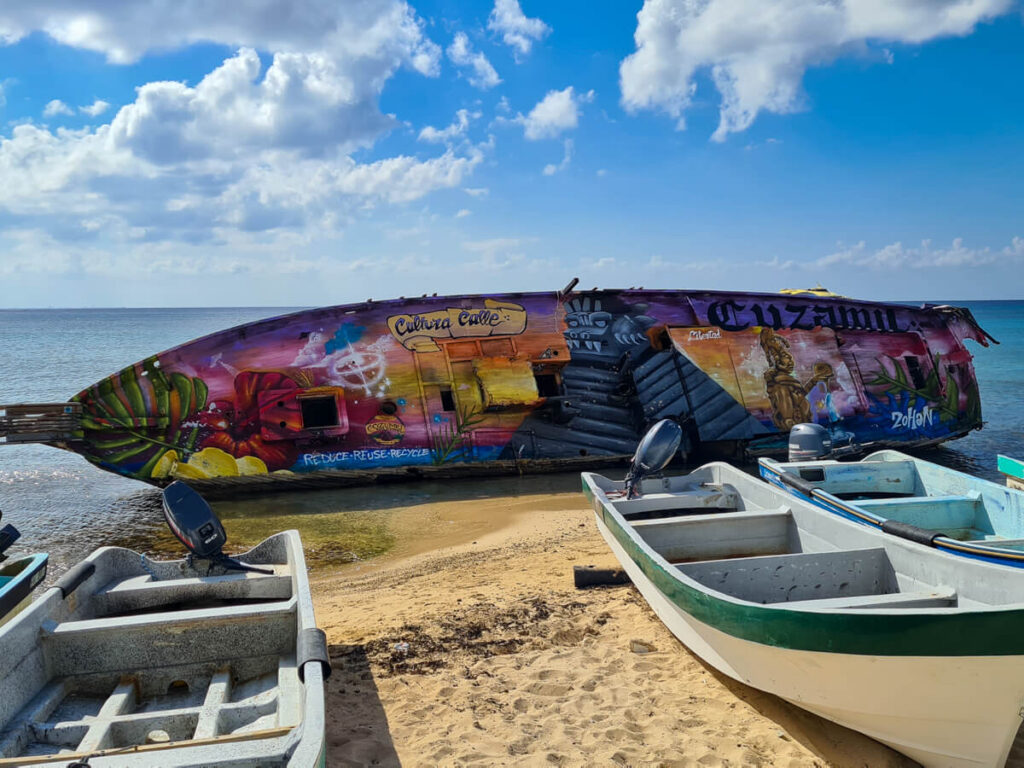
Long before Cozumel became a vacation destination, it was an important island for the Maya, who called it Cuzamil, meaning “Island of the Swallows“. It was an important pilgrimage site dedicated to Ixchel, the Maya goddess associated with fertility and childbirth. San Gervasio, in the centre of the island, was the main Mayan settlement and a significant religious and trading centre.
Cozumel’s history changed dramatically after the arrival of the Spanish in the 16th century, and the island was later affected by the Caste War in the Yucatán in the 19th century. The present-day town of San Miguel was formally established in 1849, and tourism eventually became the island’s main industry.
Cozumel welcomed its first cruise ship in 1960, and cruise tourism has since become a huge part of the local economy. Today, Cozumel is a much more developed tourist destination than its relatively remote location might suggest. There are large resorts, beach clubs, and dive shops, alongside local restaurants, Mayan ruins, jungle, and quieter stretches of coastline.
Where is Cozumel?
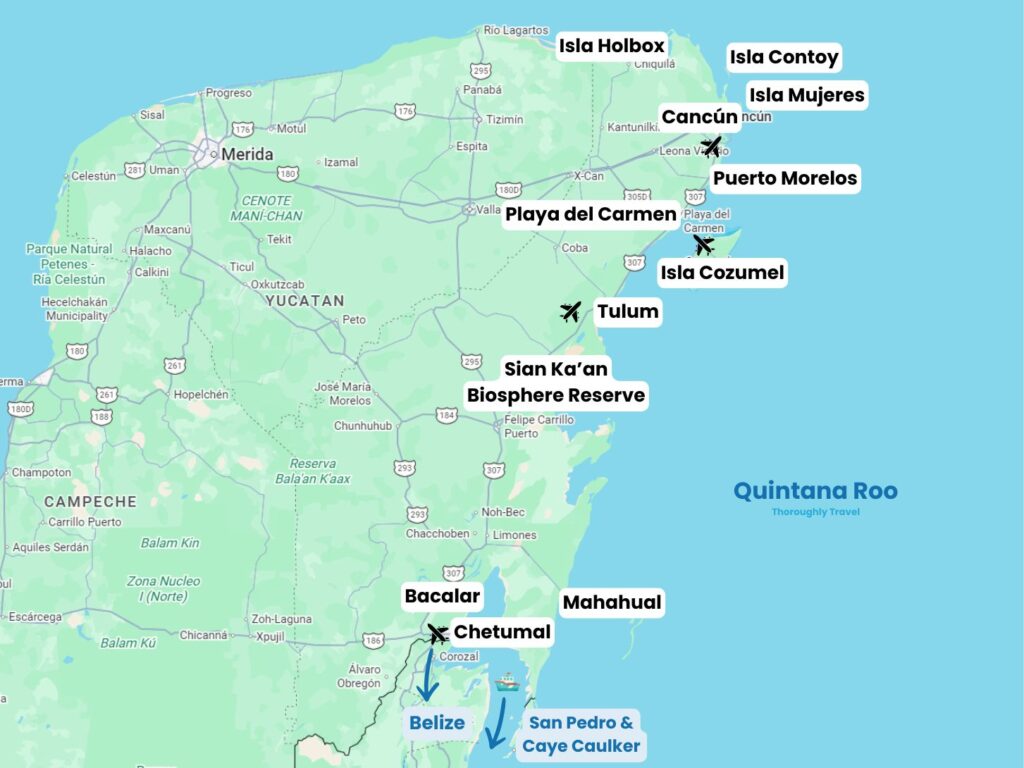
Isla Cozumel lies in the Caribbean Sea just off the eastern coast of Mexico’s Yucatán Peninsula, roughly 11 miles (18 km) from the mainland at its closest point. The island sits opposite Playa del Carmen, which is where the ferries depart for Cozumel.
San Miguel is on the western coast and is the island’s main town, where you’ll find the passenger ferry terminal, restaurants, shops, and most of the everyday facilities. The western side is also where you’ll find most of the developed beaches, resorts, and dive operators, while the eastern coast is considerably more rugged and less developed.
Cozumel Island is part of the state of Quintana Roo and is easy to combine with a trip to Playa del Carmen, Cancún, Tulum, or the Riviera Maya. You can visit for the day from the mainland, but staying on the island gives you much more time to explore beyond the main tourist areas.

Cozumel Map
We’ve highlighted Isla Cozumel on the map below.
Why visit Cozumel?
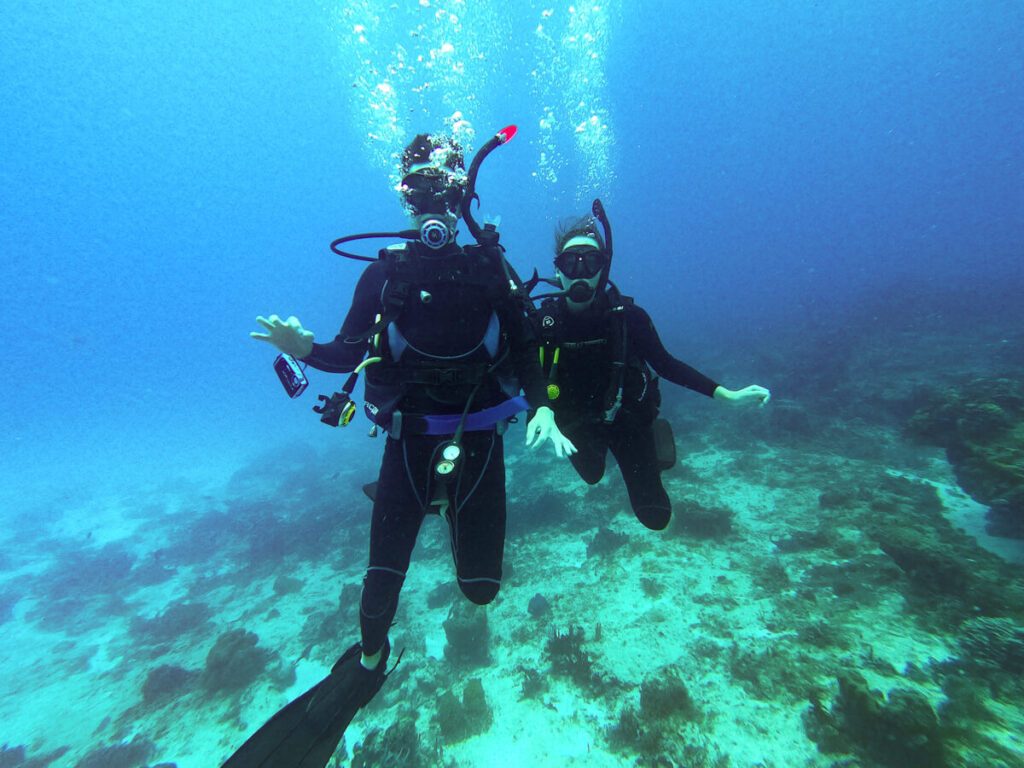
The obvious reason to visit Cozumel is its crystal-clear and delightfully warm water. The island sits alongside the Mesoamerican Reef, with turquoise sea, vibrant coral reefs, and a huge variety of marine life, making it particularly popular with SCUBA divers and snorkellers. There are also plenty of opportunities for kayaking, boat trips, swimming, and other watersports, as well as your general vacation activities like lounging on the beach, shopping, and eating out.
There’s more to Cozumel than diving, too. There are also lots of other fun things to do in Cozumel, including visiting Mayan ruins, exploring the jungle, driving around the island, sampling Yucatecan food, and spending a day doing very little at a beach club.
For us, the biggest appeal is the island’s combination of proper diving and snorkelling with enough other things to do on land. We visited towards the end of our first Mexico backpacking trip, after 3 months exploring the country from west to east. We fell in love with Cozumel immediately and kept extending our stay – originally we were only going to spend a week on the island, but we ended up staying 3 weeks, and we could easily have made that longer. We know we’ll be back soon too.
Where to stay in Cozumel?
Where you stay on Isla Cozumel makes quite a difference because the island is much more spread out than it looks on a map. If you don’t stay in the main town and rely on public transport or a rental car, you might end up stuck in the resort unless you fork out for expensive taxi journeys.
The best areas to stay on Isla Cozumel
Most people choose between staying in San Miguel, north of town, or along the southern hotel zone. Here’s what each area is like and who we’d recommend it for.
San Miguel
San Miguel is the downtown part of Cozumel, also known as Centro, and the most convenient option if you want to eat out, walk around town, and have easy access to the ferry. It’s also a good choice for divers who want to be close to dive shops and boat departures.
This is the island’s main town, with a mix of residential streets, local shops, restaurants, cafés, bars, and hotels spread out behind the waterfront. The ferry terminal is right in the centre, so arriving here without a car is particularly straightforward, and exactly what we did, walking to our accommodation with our backpacks.
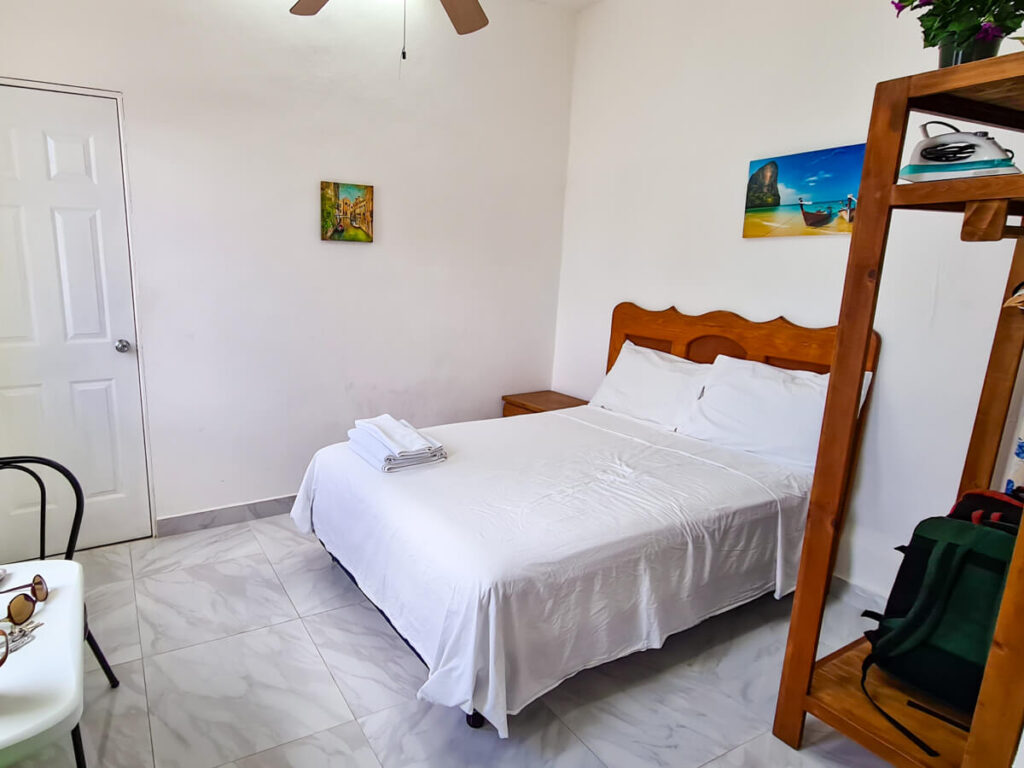
Accommodation in town ranges from simple guesthouses and hostels to smart boutique hotels, with plenty of independently operated options. Coralia Hotel & Spa and Illa Boutique Hotel (both by MAO Hotels) are just a couple of blocks from the ferry terminal, Hotel Kiin is a nearby budget option, and Amigos Hostel is a good option for budget travellers and solo travellers.
The trade-off is that you’re staying in the town rather than at a secluded beach resort, so it’s busier and less relaxed, and the waterfront can get busy when cruise ships are in. It’s also the most touristy part of the island.

North Hotel Zone
The hotels north of San Miguel are quieter and more resort-like, with waterfront properties, pools, and access to the coast. This can work well if you want somewhere peaceful but don’t want to be as far from town as some of the southern resorts.
You’ll generally need a taxi or rental car to get into San Miguel, so it’s less convenient if you want to walk out for dinner every evening, but it’s a great option if you want a more peaceful base. One thing to bear in mind is that much of this coastline is rocky rather than a classic sandy beach, although several hotels have direct access to the sea for swimming and snorkelling.
The Westin is one of the best-known hotels in this area, but we’d opt for Hotel B Unique, a smaller, Certified B Corporation, more intimate option with snorkelling possible in front of the hotel.

South Hotel Zone
The southern hotel zone is particularly popular with divers and people looking for a traditional Caribbean resort stay. There are larger hotels, all-inclusive resorts, beach clubs, and easier access to many of the island’s marine attractions.
The downside is that you’re more dependent on taxis or a car for restaurants and trips into San Miguel. Plus, being further away from town, your journeys are going to be slightly longer and more expensive. You’ll also be locked into a meal plan at your accommodation, unless you can be bothered to travel into town every day to go to restaurants. The food in the hotels on the island doesn’t get the best reviews, whereas town has an abundance of places to eat.
The InterContinental Presidente is one of the most popular resorts on the island, while the Iberostar Waves is the most popular hotel on Cozumel for those who want to be able to snorkel from the shore and has an on-site dive centre – it’s just a shame they’re both chain hotels and contribute to tourism leakage. That’s also one of the downsides of the resort-heavy end of Cozumel for us: you can have a very comfortable stay without interacting much with the local businesses or culture.

The best Cozumel hotels
We’ve shortlisted these independently operated budget and boutique hotels in Cozumel:
Where to eat in Cozumel?
Cozumel has a much better food scene than you might expect from an island dominated by cruise ships and all-inclusive resorts. San Miguel has everything from inexpensive local eateries to waterfront restaurants, while the resort areas have plenty of places aimed at visitors.
The local food is heavily influenced by Yucatecan cuisine, so this is a good place to try dishes like cochinita pibil, sopa de lima, panuchos, salbutes, and poc-chuc. Seafood is another obvious choice, with fish, ceviche, lobster, and other Caribbean dishes widely available.
Even as veggie/vegans, we were never short of places to eat out, although we were really sad to see that five of the bars and restaurants we loved on our first trip closed within a few years. This may partly reflect the pressures created by growing cruise tourism, which can increase demand, prices, and competition for space while potentially making it harder for smaller, locally focused businesses to survive.
If you’re self-catering, there are supermarkets and grocery stores like Oxxo all around San Miguel, including Soriana Supermarket, Soriana Híper, and Nirvana Foods (which is great for vegan foods).
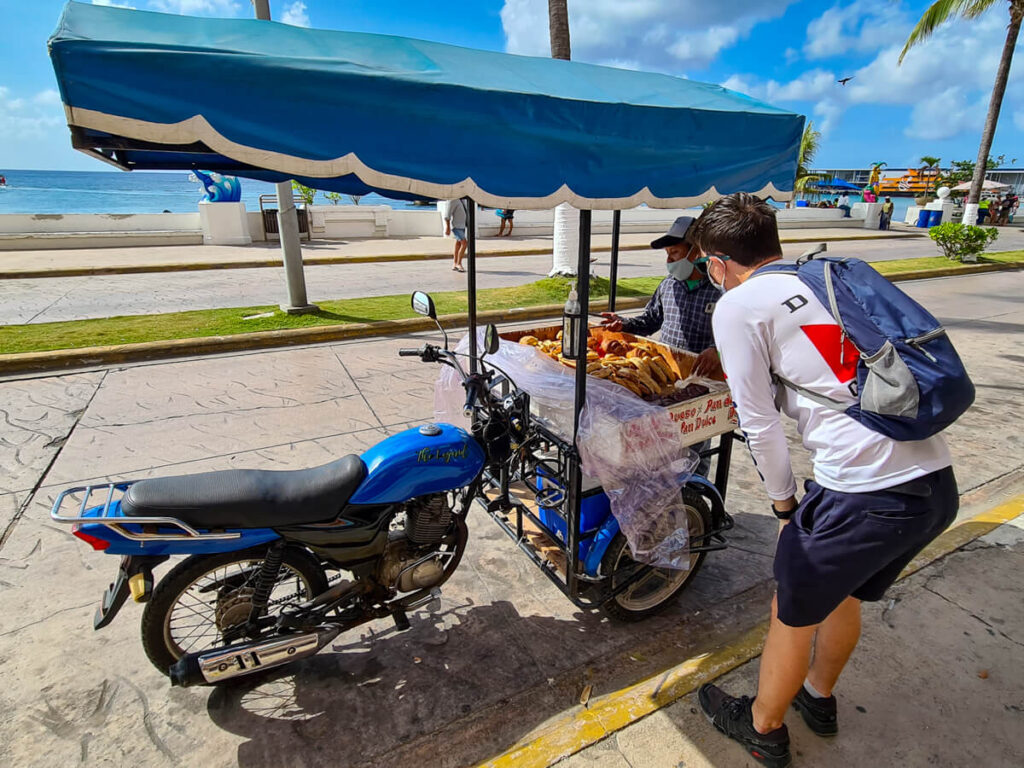
Keep an eye out for the pan dulce bikes around San Miguel, where local vendors cycle through the streets selling freshly baked Mexican sweet breads. There are also plenty of traditional bakeries (panaderías) around town if you’d rather pick up an affordable bite to eat.



Top Cozumel Restaurants

When to visit Cozumel?
Isla Cozumel is warm throughout the year, so there isn’t really a bad month for a beach vacation. The bigger question is whether you want the best combination of weather, diving conditions, and lower visitor numbers, or whether you’re happy to deal with peak-season crowds.
December to March is generally the most popular time to visit Cozumel, with drier weather and comfortable temperatures.
June to November also overlaps with the Atlantic hurricane season, so there’s a greater chance of tropical storms and unsettled weather. That doesn’t mean it will rain throughout your holiday -showers usually occur in bursts – but it’s something we’d take into account when booking a trip centred around diving and boat excursions, which can be cancelled in bad weather.
April to May can be a good shoulder season after the main peak season crowds but before the wet season. We visited in April and found it a really great period with nice weather, good diving, but fewer crowds than the peak season. But April can still be busy around Easter and spring break, particularly when Mexican school holidays and international spring-break travel overlap, so we’d try to avoid holidays. Christmas and New Year are also very busy.
Cozumel can also become very busy on cruise-ship days. If you’re visiting during peak season, it’s worth checking the cruise ship schedule before booking your trip so you can get an idea of how busy the island is likely to be.
Cozumel Weather
Cozumel has a hot, humid tropical climate, with relatively small changes in temperature throughout the year. Rainfall is much higher during the summer and autumn, while winter and early spring tend to be drier.
Sargassum in Cozumel
One thing to bear in mind when visiting Cozumel is sargassum, a type of brown floating seaweed that grows naturally in the Atlantic and Caribbean. It’s actually an important marine habitat, providing food and shelter for fish, turtles, crabs, and other species while it’s floating offshore. The problem comes when large quantities wash up on the beaches, where it starts to decompose.
Rotting sargassum isn’t exactly what you have in mind when you book a trip to a Caribbean island, and it really does stink! Sargassum season in Cozumel generally runs from April to September, although the amount that arrives can vary considerably from year to year.
It’s generally more of a problem on the eastern and southeastern side of the island, but we saw them taking it off the beaches along San Miguel by the truckload, so it’s hard to avoid. Hotels and resorts generally clear their beaches.
It also takes a lot of work to remove, and Cozumel’s local authorities carry out regular beach-cleaning operations when large amounts arrive.

How long to stay in Cozumel?
3 days is enough for a good introduction to Isla Cozumel, giving you time for a diving or snorkelling trip, a day exploring the island, and some time in San Miguel.
We’d recommend at least 4-5 days if you’re particularly interested in diving, as you can fit in several boat dives without feeling like you’re spending the entire trip underwater. It also gives you time to explore places like San Gervasio, Punta Sur, the beaches, and a proper evening or two in town.
1 week works well if you want a slower beach holiday or are combining diving with plenty of time at your hotel or beach club. We originally planned to stay a week, but loving the island and diving so much, we kept extending to 3 weeks. You could easily stay longer if you’re a digital nomad.
If you’re flying in and out and planning on diving, we’d recommend adding an extra few days, so you can have buffer days at the beginning and end of your trip – remember, you can’t fly within at least 24 hours of diving.
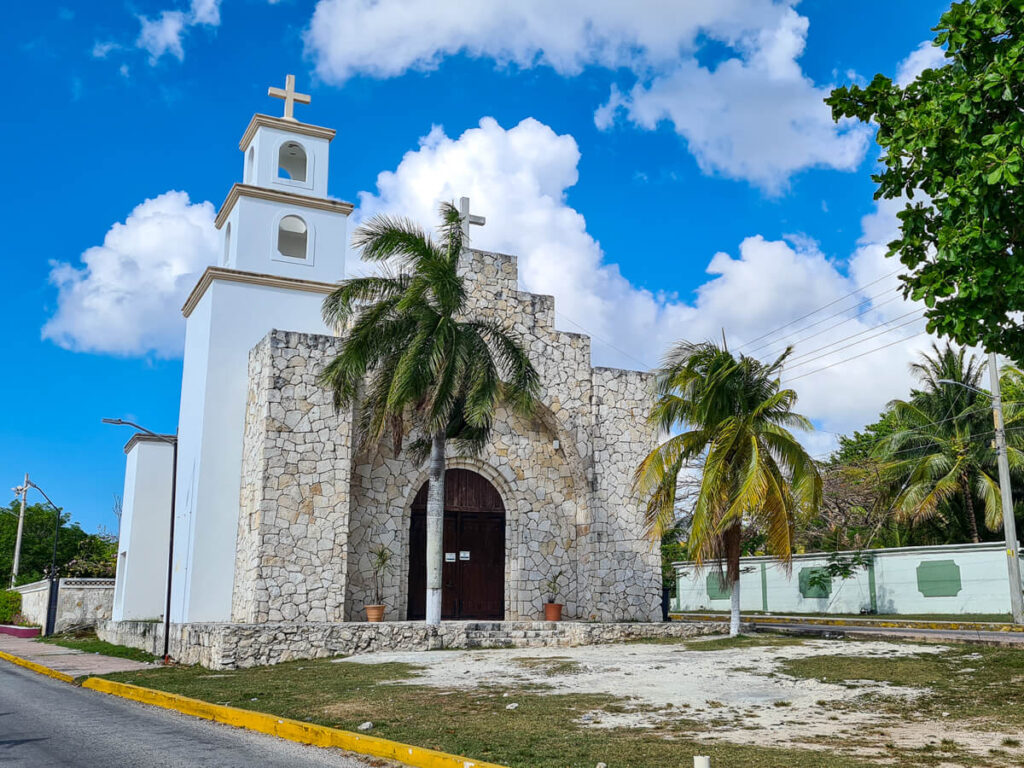
Is Cozumel worth visiting?
Cozumel is so worth visiting if you want excellent diving and snorkelling alongside beaches, good Mexican food, and a few interesting cultural attractions. The underwater scenery is the main reason many people come, but places like San Gervasio, Punta Sur, and the quieter parts of the island give you reasons to get out of the water too.
The biggest downside is that Cozumel is not particularly undiscovered. Cruise tourism is huge here, San Miguel can become busy, and some parts of the western coast are lined with resorts and beach clubs. Some parts can feel more American than Mexican, and tourist demand has led to a few unethical attractions.
The island is also quite spread out, so staying somewhere remote can mean spending more money and time on taxis, plus it’s hard to see the island outside San Miguel without a car or paying for tours.
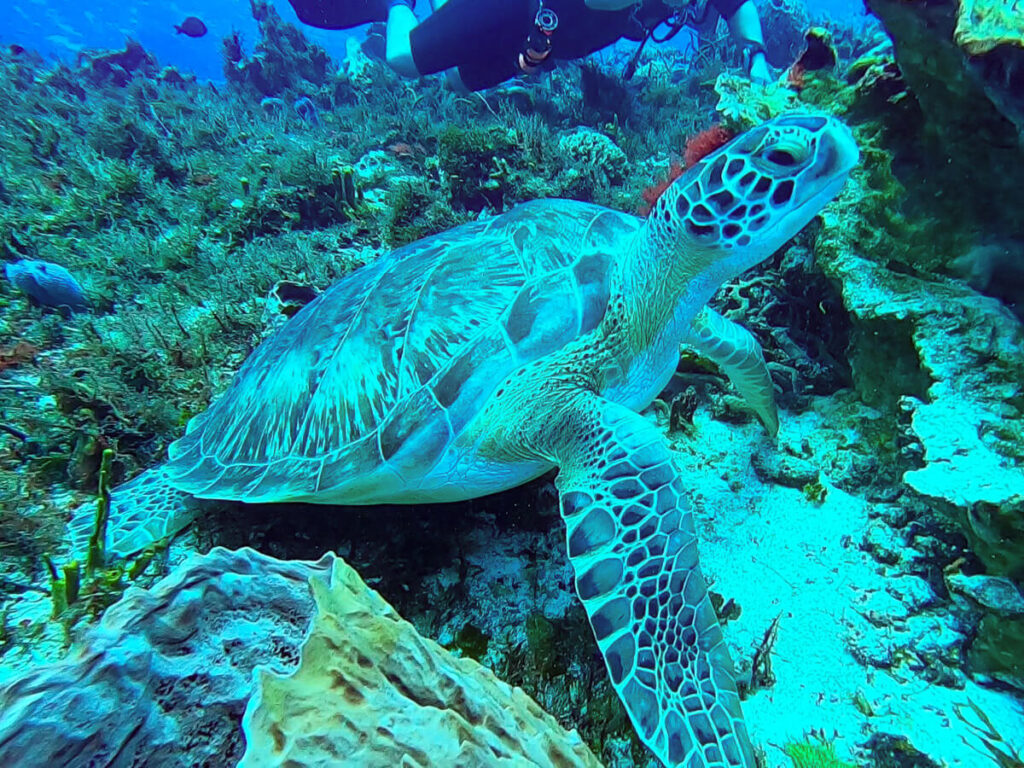
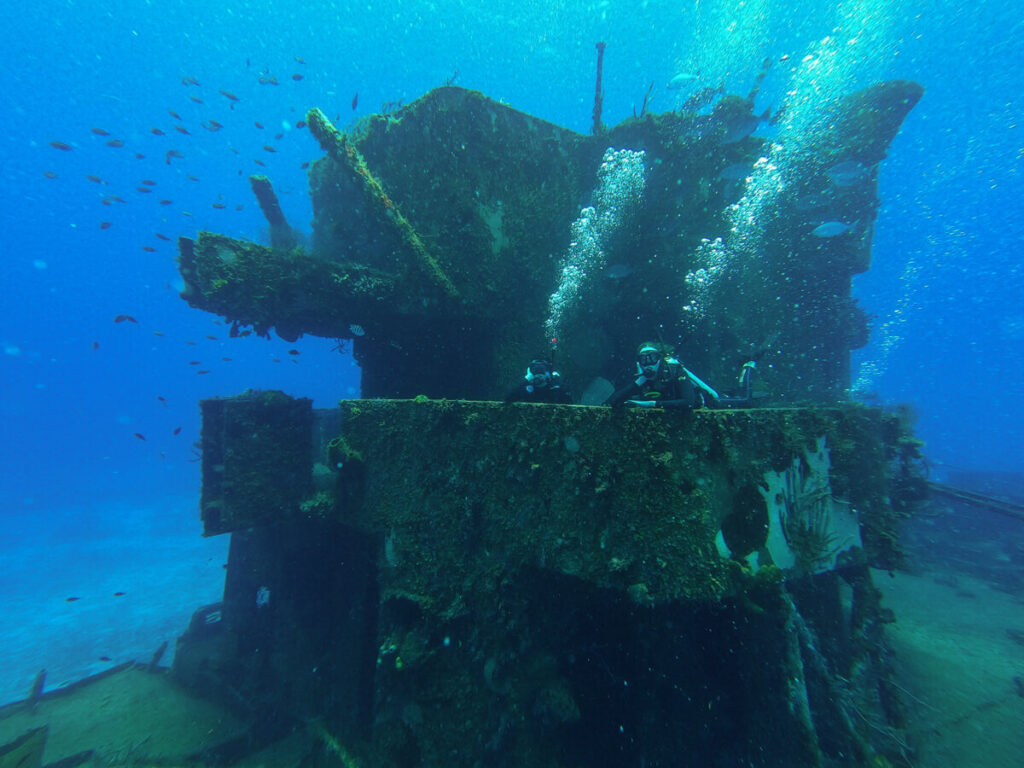
We’d also say that Cozumel makes more sense for some travellers than others. If you’re a keen diver or snorkeller, we couldn’t recommend it more. It’s still one of the best places we’ve ever dived, and whenever we meet other divers around the world, they’ve consistently agreed how amazing Cozumel is for diving. But if you don’t enjoy watersports and are mainly looking for long sandy beaches, a lively town, and lots of sightseeing, there are other destinations around the Yucatán Peninsula that may suit you better.
What to pack to visit Cozumel?
It’s best to be prepared when you visit Isla Cozumel. Don’t forget to pack your:
Sustainability in Cozumel
Sustainable tourism is a complicated issue in Cozumel. The island depends heavily on visitors for its economy, but the sheer number of tourists – particularly cruise passengers arriving during the winter and peak periods – puts considerable pressure on a small island and its natural environment.
Isla Cozumel is Mexico’s leading cruise destination and one of the world’s major cruise destinations. But cruise passengers account for roughly 90% of total visitors but generate under 50% of the island’s tourism revenue. Cruise ships are one of the worst causes of tourism leakage, where the local community doesn’t benefit.
The pressure isn’t only about how busy San Miguel can become, though. Cozumel’s coral reefs and marine ecosystems are a huge part of what attracts visitors in the first place, but are placed under pressure by mass tourism, which can cause overcrowding and pressure on infrastructure among the negative effects.
At the same time, the Mexican government is working on agreements with cruise ships to change a few things for the better, including extending port hours to 10:00 PM to encourage dinner spending in town and a per-passenger fee of $10 per person through July 2027 and then $15 per person in 2027-2028. As of November 2028, it will increase to $21 per passenger. With millions of cruise passengers visiting places such as Cozumel each year, the aim is to capture more value from this huge tourism industry while generating additional revenue that can support local infrastructure and services.
To travel more responsibly around Cozumel, don’t touch or stand on coral, don’t take marine life or pieces of reef as souvenirs, use refillable water bottles where possible to cut down on plastic pollution, and follow the rules when snorkelling or diving in protected areas. Staying for several nights rather than visiting for a few hours, travelling outside the busiest periods, using local businesses, taking taxis or public transport where practical, and choosing locally owned accommodation and restaurants all help keep more of your money within the island’s economy.

Tips for visiting Cozumel
Here are our top tips for visiting Cozumel:
Isla Cozumel FAQs
To help you plan your trip to Isla Cozumel, we’ve answered these frequently asked questions.
What’s so special about Cozumel?
Cozumel shares similarities with other islands like Isla Mujeres and Isla Holbox, but has the edge when it comes to the underwater world. It’s best known for its SCUBA diving and snorkelling, with clear water, colourful reefs and plenty of marine life just offshore. You can also take boat trips to places like El Cielo, explore the island’s quieter eastern coast, visit the Mayan ruins at San Gervasio, or spend time in San Miguel.
Which part of Cozumel is the best to stay in?
San Miguel is the most convenient base if you want to walk to restaurants, shops, dive centres, and the passenger ferry. The North Hotel Zone is quieter, with waterfront hotels and easy access to the sea, while the South Hotel Zone is better suited to divers and travellers looking for larger resorts or all-inclusive stays.
Where not to go in Cozumel?
There isn’t a particular part of Cozumel that visitors need to avoid altogether, but we’d be careful about heading to isolated beaches or remote stretches of the eastern coast without checking conditions first. The east side is more exposed, with stronger waves and currents in places, and fewer facilities than the west coast. If you’re staying in a resort south of San Miguel, remember that restaurants and other attractions may be a taxi ride away rather than within walking distance.
What should I be careful of in Cozumel?
Take normal precautions with your belongings, particularly around busy cruise ports, ATMs, and crowded streets. Use authorised taxis, agree the fare before setting off, and be cautious when swimming or snorkelling because currents and sea conditions can change. If you’re hiring a scooter or car, check the insurance carefully and take extra care on unfamiliar roads. For diving and boat trips, use reputable operators and make sure your travel insurance covers the activities you’re planning.
Is it better to stay in Playa del Carmen or Cozumel?
Playa del Carmen is better for nightlife, shopping, easy access to mainland attractions and a wider choice of accommodation. Cozumel is the stronger choice if you’re interested in diving, snorkelling, and spending time on an island. It has a more laidback feel away from the cruise ports, although getting around outside San Miguel often means using taxis or hiring transport.
Can you walk around Cozumel from a cruise port?
Yes, if your ship docks at Punta Langosta, which is close to downtown San Miguel and its waterfront, shops, and restaurants. If you’re at the International Cruise Terminal or Puerta Maya, you’ll generally need a taxi to reach central San Miguel. Check which port your ship uses before planning a day on foot, as the three terminals aren’t all within easy walking distance of town.
Is it safe to visit Cozumel right now?
Cozumel is a well-established tourist destination, but no destination is completely risk-free. Check the latest official travel advice before you leave, pay attention to local guidance, use reputable transport and tour operators, and take extra care after dark. We never felt unsafe, even in San Miguel after dark.
Is Cozumel, Mexico safer than Cancún?
It’s difficult to say that one is definitively safer than the other. Both are popular tourist destinations, and risks depend on where you’re staying, what you’re doing, and the conditions at the time. Cozumel is smaller and has a different layout from Cancún, but that doesn’t mean you can ignore the usual precautions. Keep an eye on your belongings, stick to well-used areas when out at night, use authorised transport, and check current travel advice for both destinations before deciding.
Is Cozumel nicer than Cancún?
We’d choose Cozumel for diving, snorkelling, and a slower-paced island stay. Its reefs, boat trips, and quieter stretches of coastline are a big part of the appeal. Cancún has more large resorts, nightlife, shopping, and a wider choice of activities on the mainland, so it suits a different kind of holiday. It also has some good diving, but it’s more shallow and sandy than the reefs and walls off Cozumel.
When not to go to Cozumel?
There’s no month you need to rule out completely, but September and October can be less predictable, with higher rainfall and a greater chance of tropical storms during the Atlantic hurricane season. That can affect boat trips, diving, and flights, so we’d be cautious about planning a short trip around non-refundable activities at this time.

Read next:
11 Cool Things to Do on Isla Cozumel + 4 NOT to Do
The Ultimate Guide to SCUBA Diving in Cozumel
9 Best Cozumel Dive Shops Compared + Who We Chose
How to Get to Isla Cozumel: Ferry vs Flying + Getting Around
