The Ultimate Guide to Snorkelling in Belize

Discover the best snorkelling in Belize, from top spots and best tours to animals you might see underwater.

This post may contain affiliate links, which means we might earn a small commission on anything purchased through these links at no extra cost to you. Learn more on our disclaimer page.
Exploring the underwater world is one of the best things to do in Belize, and the country is often considered one of the world’s top destinations for snorkelling. Due to its position along the expansive Mesoamerican Reef (the second-largest on the planet), the waters here are teeming with marine life, from turtles, sharks and stingrays to manatees, whale sharks, and fish, as well as unique topography, including colourful coral reefs, seagrass beds, and conch graveyards.
Whether you’re a first-time snorkeller or an experienced freediver, Belize offers underwater sites to match every experience level, from shallow reefs and turquoise lagoons to famous sites like the Great Blue Hole. But, not all tours or snorkelling tours are the same – some are overcrowded, poorly managed, actively encourage unethical practices, and visit areas where the reef is already damaged.
Snorkelling is one of our favourite activities, and we found some amazing companies offering some super fun tours. We’ve collated everything you need to know about snorkelling in Belize, from the best spots and ethical tour operators to animals you might see underwater, in this complete guide to help you plan your trip.
Belize snorkelling at a glance

More from the Belize Barrier Reef
Does Belize have good snorkelling?
Thanks to its location along the Belize Barrier Reef, Belize offers some of the best snorkelling in Central America – and arguably in the world.
The Belize Barrier Reef is part of the Mesoamerican Reef, the second-largest barrier reef system in the world, after Australia’s Great Barrier Reef, spanning 625 miles (1000 km), all the way from Mexico to Honduras. It stretches 180 miles (290 km) along the east coast and acts as a natural barrier, protecting the country’s islands and mainland from storms and coastal erosion. It’s a UNESCO World Heritage site and a global hotspot for marine biodiversity, making it the perfect destination for snorkellers.
With warm waters averaging 26-29°C (78-84°F) year-round, visibility can often reach 30 metres (100 ft) and over.
Belize’s marine parks and reserves are well-protected and carefully managed, helping to maintain healthy reefs, abundant marine life, and some of the most pristine underwater environments in the Caribbean.
Snorkelling can be done right off the shore or from boats visiting nearby cayes and atolls in Belize. Full-day and half-day trips are popular, with a range of eco-conscious tour operators. Daytime excursions often combine multiple snorkel sites, giving you a chance to explore coral gardens, seagrass beds, and channels where larger marine life passes through. For something completely different, night snorkelling offers a glimpse of the reef after dark, when nocturnal species like lobsters, octopuses, and bioluminescent plankton bring the underwater world to life in a whole new way.

The best Belize snorkelling tours
Belize snorkelling tours typically range from half-day trips to full-day excursions, often combining multiple reef stops. Many leave from Ambergris Caye, Caye Caulker, and Placencia, visiting sites like Hol Chan Marine Reserve, Shark Ray Alley, and Coral Gardens.
Tours usually include gear, guides, and sometimes lunch, drinks, or stops on tropical islands. Many tours are beginner-friendly, providing life jackets and instructions, while others are suitable for more confident swimmers who enjoy a bit more independence.
Group sizes vary, but smaller boats often provide a more relaxed and personalised experience. Some operators also offer eco-focused trips with marine biology briefings for a deeper understanding of the reef. Operators that don’t engage in unethical behaviour, like touching or feeding marine life, are preferred to conserve the reef and its inhabitants.
We’ve shortlisted the top snorkelling tours in Belize:
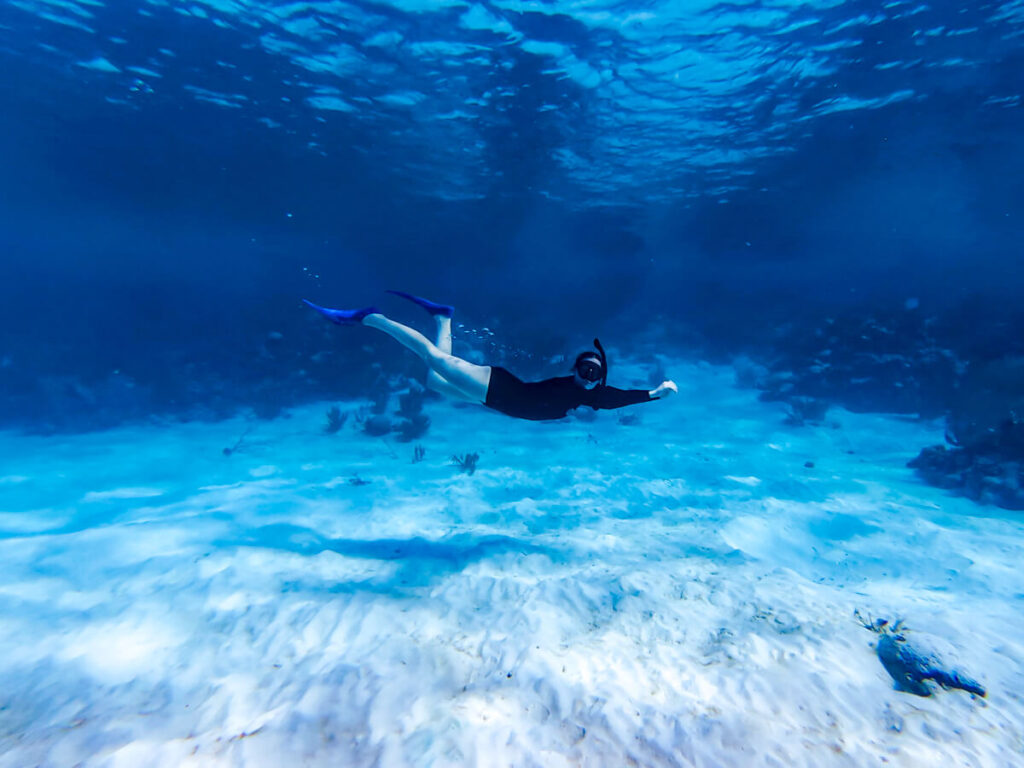
The best snorkelling sites in Belize
Belize’s vast network of coral reefs, atolls, and marine reserves is one of the best places to snorkel in the world. Many of these spots lie within Belize’s protected marine parks and reserves, ensuring their ecosystems remain healthy and teeming with life.
Belize is geologically and ecologically unique because it is home to three of only four true coral atolls in the Western Hemisphere. These ring-shaped reef formations surround a central lagoon, typically formed on submerged volcanic or limestone foundations. They encompass some of the best snorkelling locations in the country. They’re more remote, so require a long boat journey or a stay on a nearby island, but are worth visiting if you’re a keen underwater explorer. Belize’s three atolls are:
You don’t have to go far out to experience the best of Belize’s Barrier Reef, though. Some of the best snorkelling sites are located a short boat ride away from the country’s most popular islands and coastal towns. We’ve listed the best places for snorkelling on the Belize Barrier Reef below.

Belize snorkelling sites map
We’ve pinned the top snorkel sites in Belize on the interactive map below.
1. Hol Chan Marine Reserve
With everything from shallow coral gardens and protected lagoons that are perfect for snorkellers to admire marine life just below the surface, Hol Chan Marine Reserve is one of the best places to snorkel in Belize.
This large protected area is famous for its shallow, snorkel-friendly reefs but also hosts deeper snorkel sites in an area known as the Hol Chan Cut, with impressive swim-throughs and diverse topography perfect for freediving. We saw a few eagle rays swimming through the channel, far below. It’s also home to the famous Shark Ray Alley, a hotspot for stingrays and nurse sharks. This is a much gentler, shallower area, where we saw so many gentle nurse sharks, huge southern stingrays, and even a few sea turtles.

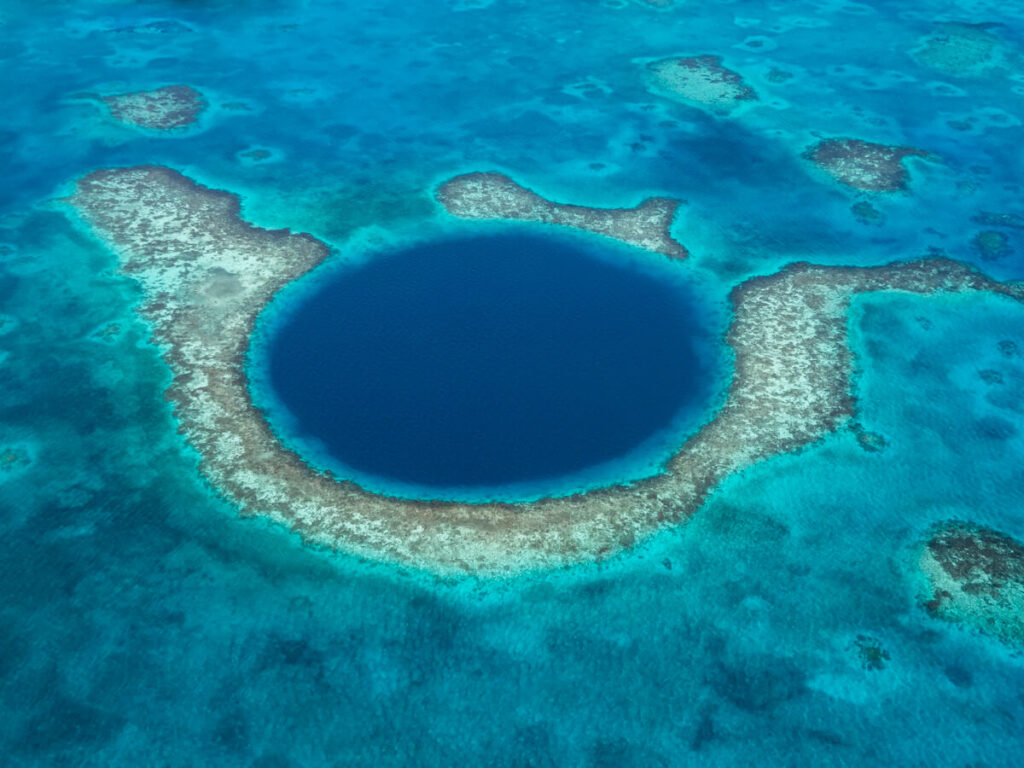
2. The Great Blue Hole
While it’s possible to snorkel in the Great Blue Hole, it’s not really a recommended experience, as the trip is expensive, the day is long, and there’s really nothing to see in the hole from the surface. But we needed to mention it, as it’s so iconic and some snorkellers think it’s worth the trip.
Blue Hole snorkelling tours are often combined with diving tours, so you’ll likely be on the same boat as advanced divers. Most leave from San Pedro on Ambergris Caye and take around 2.5-3 hours by boat, while some go from Caye Caulker at around 2-2.5 hours one way. It’s possible to make the trip from the mainland, too, but it’s a much longer journey with far fewer tour options. The ride can be rough, so it’s best to prepare if you’re prone to seasickness.
Many operators drop divers off first, then allow snorkellers to jump in around the edge of the hole, where it’s shallower. You might also stop at the nearby Half Moon Caye, which is more of a coral reef with more reef life to see.
3. Caye Caulker Marine Reserve
A marine reserve just off Caye Caulker, this protected area offers excellent snorkelling opportunities in relatively shallow waters, making it accessible to beginners and casual snorkellers alike. Its calm waters and close proximity to the island mean that many tours operate daily, often combined with visits to other nearby snorkel spots.
With fewer operators than nearby Ambergris Caye, snorkelling in Caye Caulker is less crowded, with a variety of animals frequently spotted. Caye Caulker also has access to Hol Chan Marine Reserve and Shark Ray Alley, only an extra 15 minutes or so by boat from Ambergris Caye, as well as seagrass beds that are favoured by manatees.
Caye Caulker was our favourite place to snorkel in Belize. We enjoyed Salt Life Eco Tours’ 7-Stop Snorkelling Tour, where we saw manatees, sharks, stingrays, sea turtles, dolphins, and more all in one day!

4. Ambergris Caye
Ambergris Caye is a base for many snorkel trips, being such a popular vacation island. The Barrier Reef is just a short boat ride away, and the island is also home to its own local reef, so there are plenty of options, including:

5. South Water Caye Marine Reserve
The largest marine reserve in Belize, South Water Caye Marine Reserve covers over 130,000 acres of coral reefs, seagrass beds, and mangroves. The reserve is known for its colourful reefs, which are perfect for snorkelling. Due to its more remote location and protected status, South Water Caye offers a less crowded, more untouched experience compared to other, more accessible sites.
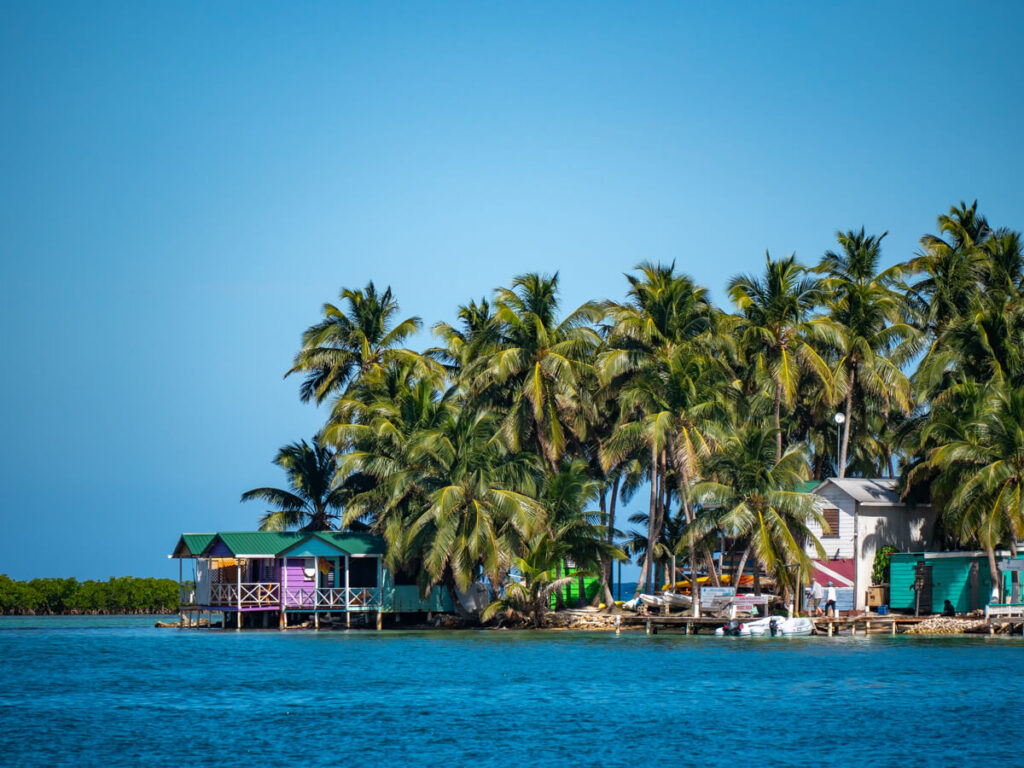
We visited on Ragga Sailing Adventures’ 3-day, 2-night sailing tour, which was perfect for snorkelling in a variety of lesser-visited locations along the Barrier Reef. The island of the same name is a great base, too, or you can visit from the nearby Tobacco Caye, a tiny island inside the reserve, known for its budget-friendly, colourful overwater cabañas and great shore snorkelling.

6. Laughing Bird Caye National Park
A UNESCO World Heritage site, Laughing Bird Caye National Park is famous for its biodiversity. Located near Placencia, it’s a protected area ideal for guided reef tours, whether it’s snorkelling or diving. It’s named after the laughing gulls that once nested on the island, which is now a popular day trip destination.
The shallow reefs are home to colourful corals, tropical fish, and occasional sightings of sea turtles and rays. It’s one of the best places in Belize for a leisurely day out on the water.

The best snorkelling spots in Belize from shore
While most of Belize’s best reefs are a short boat ride away, there are still a few places you can snorkel directly from the beach.
Some resorts on Ambergris Caye and Caye Caulker have piers and docks leading to coral heads and seagrass beds teeming with life. On the mainland, the Placencia Peninsula and Hopkins have calm areas along beaches where you might spot starfish, small rays, and tropical fish.
Some of the best shore snorkelling is located around islands rather than from the mainland. Tobacco Caye, Rendezvous Caye, The Split on Caye Caulker by the Lazy Lizard, and Secret Beach on Ambergris Caye are good snorkel spots where you can access the water from the shore for free.
Water clarity can vary depending on the weather and tide, so mornings often offer the best conditions when DIY snorkelling. Make sure to be aware of any boat traffic.
While shore snorkelling can be rewarding, we’d still recommend taking a boat tour, as it’s where you’ll find the brightest corals and most marine life.
Belize sailing and snorkelling tours
Combining sailing with snorkelling offers a relaxed way to explore multiple reef sites in one day or a range of locations over multiple days.
Catamaran tours are popular from major hubs like San Pedro, Caye Caulker, and Placencia, providing shaded decks and food and drinks, while cruising along the coast or between cayes. Vibes vary greatly depending on the tour you book, with some operators bringing out rum punch and banging reggae tunes for a party and others focusing more on nature with an education focus. Sunset cruises are particularly popular, especially with couples, allowing you to take in epic views from the water as the sun dips behind the horizon.
Sailing trips aren’t just eco-friendly, but they also often include stops at snorkel spots not accessible to motorboats, as well as beach time on uninhabited islands.
Multi-day sailing tours and charters are also available, giving you the chance to snorkel in remote parts of the reef system. We had the best time on Ragga Sailing Adventures’ multi-day sailing tour of the Belize Barrier Reef, which included numerous snorkel sites in marine reserves and off remote islands.

Choosing a responsible snorkelling operator
A responsible snorkelling operator should follow sustainable tourism practices and comply with local marine park regulations. Look for guides who brief guests on reef etiquette, like not touching coral, feeding animals, or chasing wildlife.
Small group tours reduce environmental impact and provide a more personal experience, while operators certified by the Belize Tourism Board or partnered with conservation groups often contribute directly to reef protection. Reading recent reviews and asking about their sustainability policies is a good way to ensure your choice supports marine health.
Here are our top picks for eco-conscious snorkel operators in Belize:

What can you see snorkelling in Belize?
Belize’s reefs are home to over 500 species of fish and over 100 types of coral. Here are some of the animals you might see when snorkelling in Belize:
1. Sea turtles
Sea turtles are commonly seen when snorkelling in Belize, often grazing on seagrass or cruising over the coral reef.
Many of the best places to see turtles fall within protected zones, which help keep the turtle populations healthy and relatively unafraid of snorkellers, making for relaxed observational encounters.
Green turtles are the most commonly spotted species, especially around Hol Chan Marine Reserve, Caye Caulker Marine Reserve, and South Water Caye, while hawksbill turtles are often seen along the outer reef walls and near Turneffe Atoll, and larger loggerhead turtles occasionally appear in deeper channels and around Glovers Reef.

2. Sharks
Both nurse sharks and Caribbean reef sharks are regularly encountered while snorkelling in Belize, although they’re rarely found in the same areas.
Nurse sharks are super common, especially in hotspots like Shark Ray Alley, where they are accustomed to human presence. Reef sharks and even occasional hammerheads can be spotted on outer reef dives, although conditions can be challenging, so it’s better for experienced SCUBA divers.
Despite their fearsome reputation, sharks in Belize are generally docile and pose no threat to humans. They’re really curious and may approach you, but they’re really more like sea-puppies than the scary images you’ve probably seen in films.

3. Manatees
Belize is home to the largest population of West Indian manatees in the Caribbean. They are often seen near seagrass beds or in calm lagoon areas, like the Swallow Caye Wildlife Sanctuary. Caye Caulker is one of the best places to swim with manatees in Belize, as the encounters are managed from a respectful distance with eco-conscious operators to avoid disturbing these gentle mammals.
Manatees can be seen at any time of year, but the best time to see manatees in Belize is typically during the dry season, which runs from December to April, when the weather is more predictable, the waters are calmer, and visibility for swimming is ideal.
Manatees tend to be more active in the morning, as they feed and move around before the hotter midday sun, so an early morning snorkelling tour is best to try and see them.

4. Rays
Southern and Caribbean stingrays are often seen gliding along sandy bottoms in shallow waters, while the more elusive spotted eagle rays can be seen swimming gracefully in deeper reef zones.
Protected areas like Hol Chan Marine Reserve and South Water Caye Marine Reserve are great locations to spot stingrays, but you have a high chance of seeing them all over. Eagle rays are more elusive, but can be found in places like the Hol Chan Cut, Turneffe Atoll, and Lighthouse Reef Atoll, where the waters are clearer and currents stronger. Even occasional manta ray sightings have been reported around Glovers Reef and the outer edges of the barrier reef, especially during the warmer months.
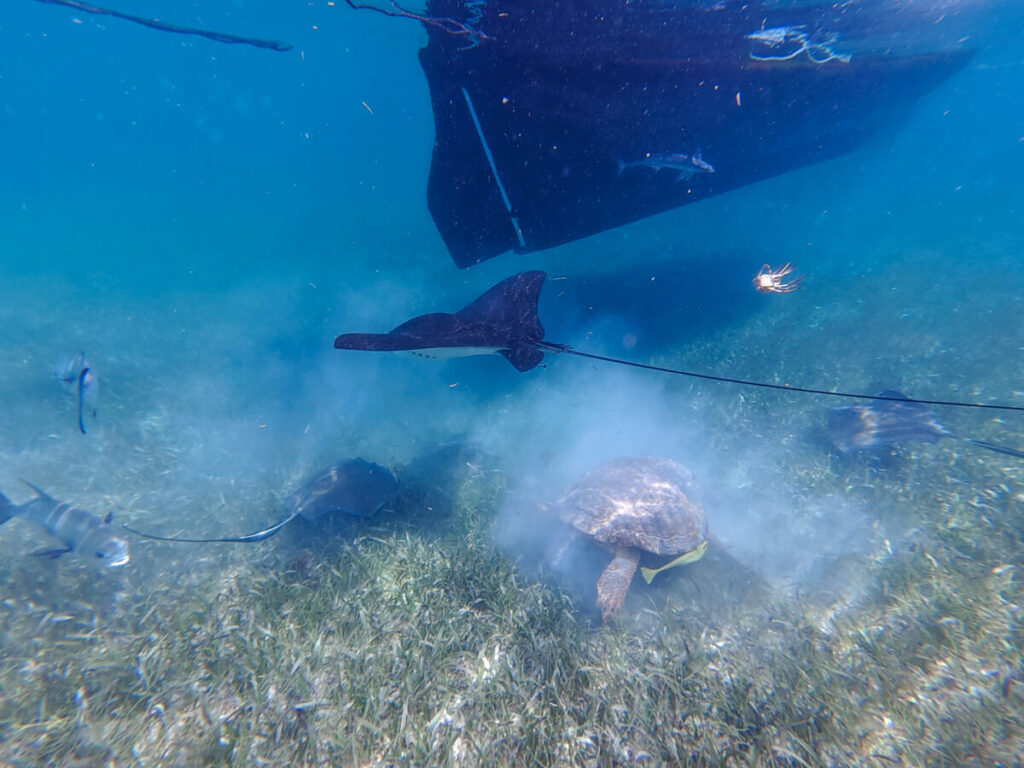
Some places, like Stingray Beach in Caye Caulker, offer visitors the chance to see stingrays up close in the shallow waters. While you can’t swim with them here, petting them is encouraged as they’re drawn to the beach and fed every day. However, this is actually unethical and can lead to behavioural changes, injury to you or the stingray (they have venomous, sharp spines located on their tails, called a barb, which they use if they feel threatened, like being crowded or stepped on). If you’d like to see stingrays in Belize, it’s best to take a snorkelling tour and observe them in their natural habitat, from a safe distance.

5. Whale sharks
Whale sharks have been known to visit Gladden Spit and Silk Cayes Marine Reserve seasonally, between March and June, when they congregate in the waters off Placencia to feed on the fish spawn produced by thousands of mating snapper. However, whale sharks are an endangered species and, due to unknown reasons (probably climate change, overfishing, and human interference with their migration routes), sightings have been declining year-on-year.
You may get really lucky and spot one when snorkelling, especially around two days before the full moon until ten days after. Snorkelling with whale sharks in Belize is permitted with licensed operators and regulated to protect the species. But, there has been such little activity in the area that whale shark tours in Belize barely run anymore.

6. Eels
Moray eels, including green, spotted, and occasionally golden and chain morays, are often found peeking out from crevices within the coral reefs. They are usually nocturnal but can be seen hunting during the day in deeper areas. They blend in quite well with the coral, so they are hard to spot.
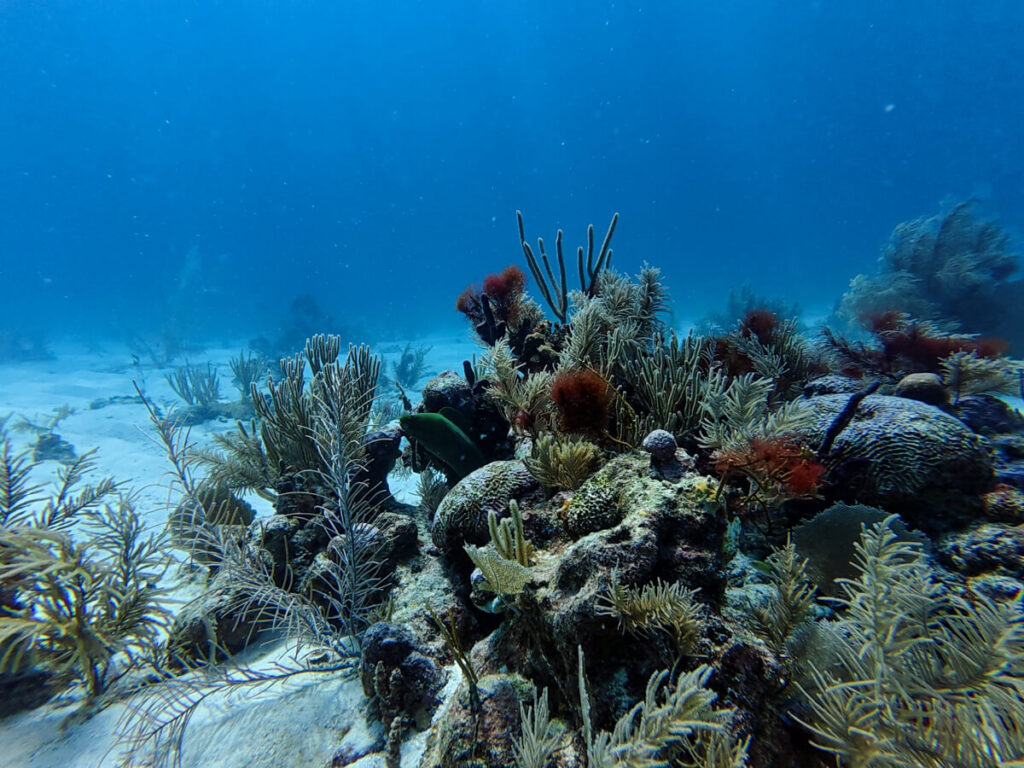
Other animals you can see
Other species you can see when snorkelling in Belize include:
SCUBA diving vs snorkelling in Belize
Both SCUBA diving and snorkelling offer incredible ways to experience Belize’s underwater world, but they differ in depth, skill level, and the kind of encounters you’ll have.
Snorkelling is accessible to nearly everyone and lets you explore shallow reefs, seagrass beds, and lagoons from the surface, perfect for spotting colourful fish, turtles, and rays without specialised training. If you’re a confident swimmer, there’s also plenty of opportunity to explore deeper or more challenging areas or to snorkel more independently on a tour, too.
Yet, while snorkellers often stay close to shore or in calm, protected areas, divers can explore a wider range of habitats and get closer to larger or more elusive species. You can go deeper, stay underwater for longer, and get closer to the reef and marine life, as diving is less disruptive than the kicking of fins at the surface. But diving does require certification, especially in deeper spots like the Great Blue Hole, and can be much more expensive than taking a snorkelling tour.
Generally, there are a lot of sites that you can snorkel, where you won’t see much more if you dive. In places like the Hol Chan Cut, we saw the same animals as SCUBA divers for a lot less money. We’d recommend booking a snorkelling excursion, and only opting to SCUBA dive in Belize if you’re going to the outer atolls or keen to go beyond the Barrier Reef for deeper sites.

How much does it cost to snorkel in Belize?
Snorkelling in Belize typically starts at around $50-100 USD / $100-200 BZD for a half-day tour, depending on location and inclusions. Full-day trips with multiple stops, lunch, and gear rental can start from $100-150 USD / $200-300 BZD per person. These prices are the average for areas like Ambergris Caye, Caye Caulker, and the mainland, but could be more in remote areas like out in the atolls.
Entrance fees to marine reserves (usually around $15 USD / $30 BZD a day) are often included, but can be added to the tour price. Also, some tours may not include the 12.5% Belizean sales tax, so be sure to check this.
Some resorts offer complimentary snorkelling gear and access to nearby reefs or snorkelling offshore, which can make snorkelling completely free. Some of the best places to DIY snorkel for free in Belize include off Tobacco Caye, South Water Caye, and the Split at Caye Caulker.
Private charters are available for a premium, offering a customised experience. These tours usually start at around $300-$500+ USD / $660-1000+ BZD.
The best time to visit Belize for snorkelling
Belize offers good snorkelling year-round, but conditions are best from late November to May, during the dry season. This is peak season in Belize, so booking with your preferred operator in advance is recommended, but it’s worth it for calmer seas, excellent visibility, and warm water temperatures.
June to October is the wet season, with more rainfall and the possibility of tropical storms. It’s best to leave some flexibility in your Belize itinerary during this time in case your tour is postponed or cancelled, but you can enjoy fewer crowds and lower prices.
Whale shark season runs from March to June, although they’re very rarely sighted any more.
Snorkelling in Belize sustainably
Sustainable snorkelling in Belize means minimising your impact on the barrier reef’s fragile marine ecosystems. Here are some top tips to follow on your underwater adventures:

The ethical impacts of feeding marine life in Belize
Historically, local fishermen have cleaned their catches in the ocean, a practice that naturally attracted sea creatures to feed on the discarded parts. Over time, however, this natural attraction became a reliable way to make money through tourism, and the feeding practices have intensified.
Feeding of sharks within Shark Ray Alley is allowed by tour guides from within the boat. But feeding marine wildlife, especially on a regular and large scale, raises several severe ethical and ecological concerns, including behavioural changes, health risks, ecosystem disruption, and human and animal safety.
To snorkel with sharks in Belize, it’s best to go with hands-off operators that prioritise genuine animal welfare and long-term conservation over guaranteed interactions fuelled by artificial feeding. By supporting sustainable tourism operators, visitors send a clear message to the industry and the government that there is a demand for ethical wildlife encounters. The less demand there is for animal-baited tours, the less financially viable those businesses become, forcing them to pivot towards more sustainable ways to make their money and protect the very resources that draw tourists in the first place.
The direct impact of irresponsible snorkelling and social media
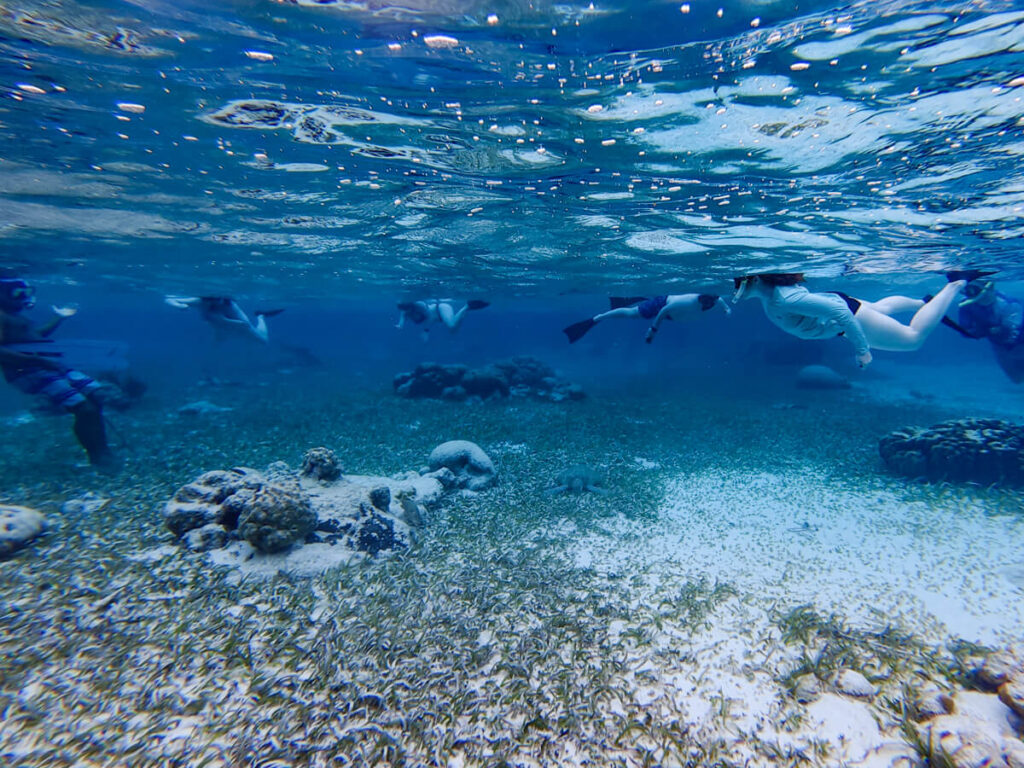
Another issue arises in regards to little snorkelling experience, like when swimmers lack proper training, struggle with buoyancy, or are unaware of how to behave around marine life. On guided tours, most participants are vacationers rather than experienced snorkellers, which means many enter the water without the skills needed to move safely around fragile ecosystems.
Inexperienced snorkellers are more likely to panic or lose control, accidentally kicking delicate corals, stirring up sediment, or bumping into fish and other creatures. Social media fuels this issue by encouraging tourists to get close to wildlife for photos, sometimes even touching turtles or coral to emulate what they’ve seen online and capture the “perfect shot”.
While these actions may feel harmless in the moment, they can be extremely damaging, causing stress to marine animals, damaging fragile reef ecosystems, and even endangering the snorkeller.
For less experienced snorkellers, choosing a responsible operator makes a big difference. Good tour companies provide safety briefings, explain how to interact respectfully with marine life, and assist with equipment to help you feel more confident in the water.
What to pack to snorkel in Belize
To ensure a smooth and comfortable experience while snorkelling in Belize, don’t forget to pack your:
Our experience snorkelling in Belize
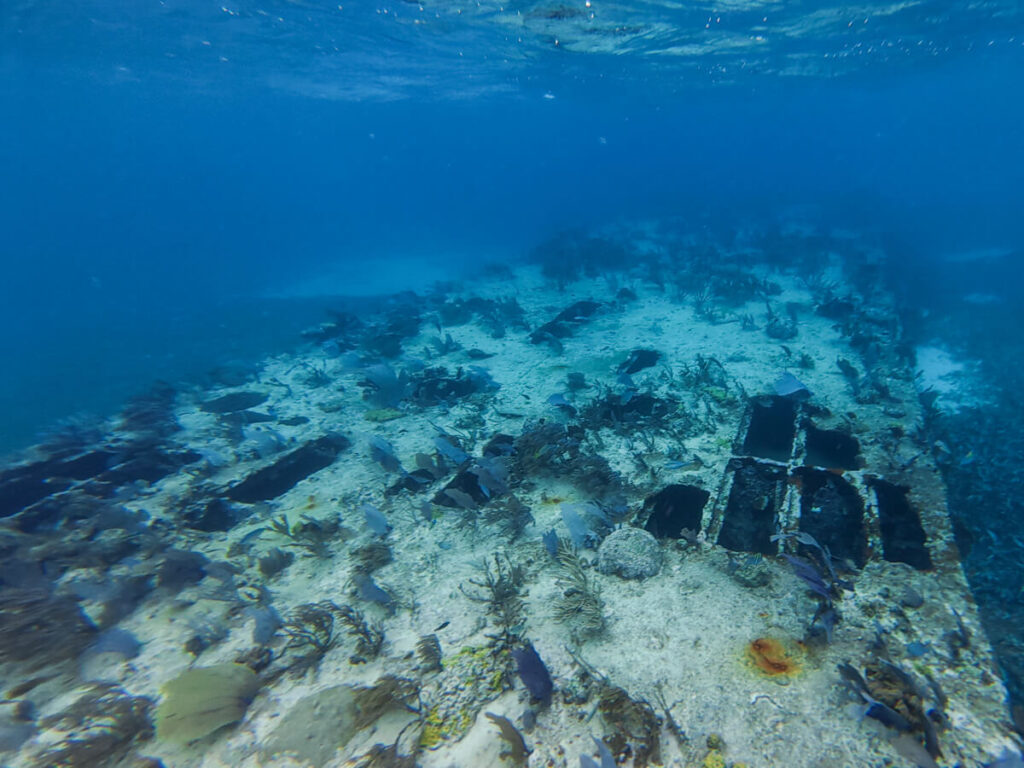
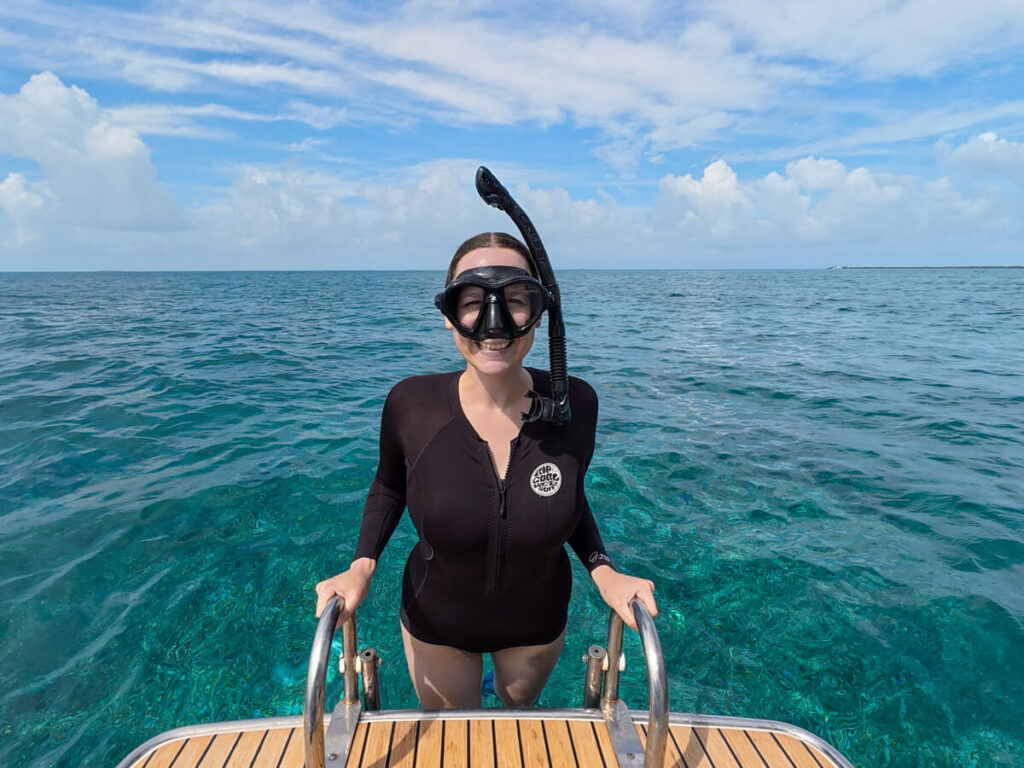
We did some of the best snorkelling of our lives in Belize. Hol Chan Marine Reserve with Salt Life Eco Tours was a real highlight, where we saw a green turtle, 4 eagle rays, 3 stingrays, a lobster, and a moray eel at the Hol Chan Cut alone. We got so lucky with a pair of manatees gracefully floating in the water together, lots of nurse sharks, a few stingrays, a loggerhead turtle, conch shells, colourful corals, and a shipwreck at our other stops.
We also enjoyed a blissful 3 days sailing along the Belize Barrier Reef with Ragga Sailing Adventures. We enjoyed multiple stops at some of the best snorkel sites on the reef, getting to experience a multitude of locations in one trip. We stopped at Spanish Bay, Colson, Caye Glory, the tiny Rendezvous Caye, the gorgeous Tobacco Caye, and the stunning South Water Caye Marine Reserve.
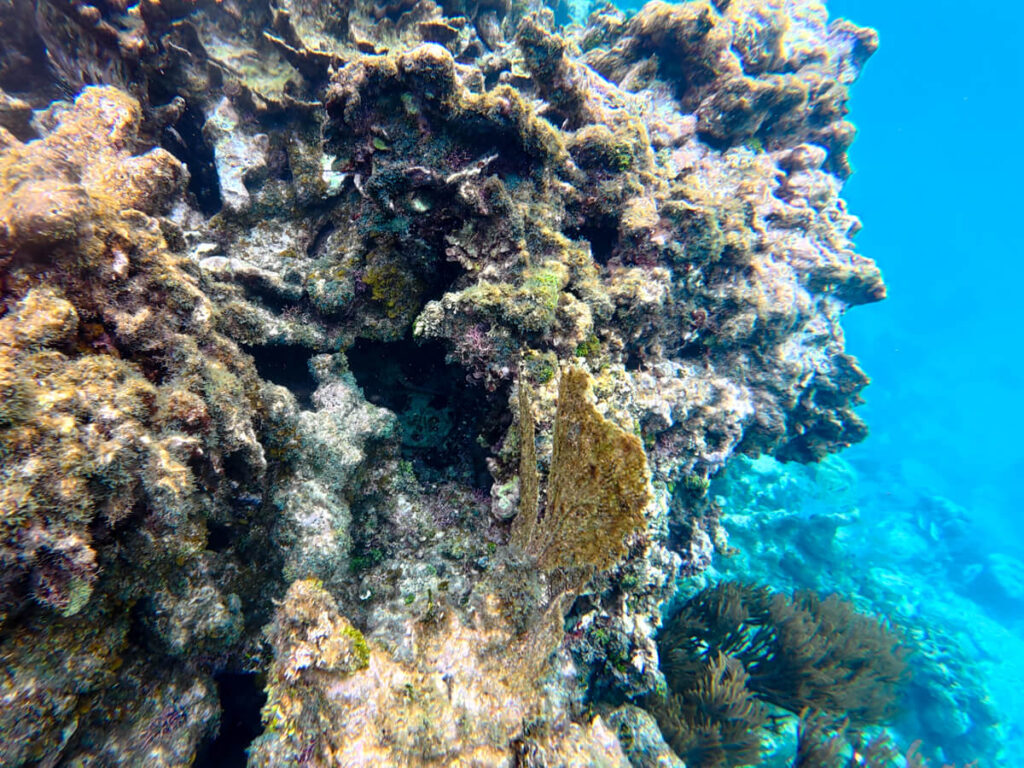
Having said all that, some portions of the Belize Barrier Reef were very underwhelming. Sometimes we stopped in areas with poor visibility, some of the coral seemed to be suffering from bleaching and wasn’t as vibrant as other parts of the Mesoamerican Reef we experienced in Mexico and Honduras. And we don’t like how commonplace feeding and touching the marine life is in Belize. It did seem like the most abundant areas for marine life were where unethical practices were incentivising the animals to congregate.
For a country that’s known for its incredible marine life, it could be doing more to protect it. Yes, it has lots of marine zones and regulates encounters in areas like Hol Chan, but feeding is still legal, and touching is still normalised by many operators.
The argument is that, without feeding the animals, they wouldn’t hang around in these areas in the first place, so tourism would dry up. But, there are some operators running hands-off tours where you can experience animals in their natural habitat; you just aren’t guaranteed to see them. The Southern Environmental Association (SEA Belize) collaborates with local communities to promote responsible marine interactions, and we’re hoping that the more visitors choose responsible options, the more tourism can move towards a model that showcases the beauty of the barrier reef sustainably.
Overall, we totally rate snorkelling in Belize – if you choose a responsible operator that prioritises animal welfare and environmental conservation. We hope that as more people support these businesses, the reef and marine life will be able to flourish.

Snorkelling in Belize FAQS
Now you know all about snorkelling in Belize, we’ve answered these frequently asked questions to finish off.
What is special about the Belize Barrier Reef?
The Belize Barrier Reef is part of the second-largest reef system in the world, is a UNESCO World Heritage site, and provides some of the best snorkelling in Belize. It’s home to a huge diversity of marine life, from colourful coral to hundreds of species of fish, sharks, stingrays and sea turtles.
How was the Belize Barrier Reef formed?
The reef was formed over thousands of years through the gradual accumulation of coral skeletons, algae and marine organisms. Corals grow in shallow, warm waters and, as older layers die, new ones form on top, creating vast limestone structures that provide habitats for marine life.
Can you visit the Belize Barrier Reef?
The Belize Barrier Reef is accessible from many Belizean coastal towns and islands, including Ambergris Caye, Caye Caulker, and Placencia. Visitors can join guided snorkelling tours, or take boat excursions to protected areas like Hol Chan Marine Reserve and Shark Ray Alley.
Is it safe to swim in the ocean in Belize?
Swimming in Belize is generally safe in designated areas near the cayes and along the coast. Snorkelling with licensed and responsible operators should be safe if you follow instructions. However, currents and boat traffic can pose risks, so it’s advisable to swim in supervised areas, use flotation devices if needed, and follow local advice.
Is there good snorkelling in Belize?
Belize is considered one of the best snorkelling destinations in the Caribbean. Shallow reefs provide excellent visibility, and snorkellers can see colourful coral reefs and marine animals in their natural environment.
Can you snorkel off the beach in Belize?
At some locations, like islands, it’s possible to snorkel directly from the shore. However, the most rewarding sites, like Hol Chan Marine Reserve, are a short boat ride away, where coral and marine life are more abundant.
Can you snorkel with sea turtles in Belize?
Green and hawksbill turtles are commonly seen while snorkelling around Hol Chan Marine Reserve, Glover’s Reef and Silk Cayes. They are protected species, and snorkellers are encouraged to observe them without disturbing their natural behaviour.
Can you snorkel the Great Blue Hole in Belize?
While you can snorkel the Blue Hole, it’s not really considered to be worth it. It’s so deep and vast, you’ll barely know you’re in it, and there’s really not much to see without diving down deeper. Half Moon Caye, however, is a better option in Lighthouse Reef, with coral and marine life in shallower sites.
What is the problem with the coral reef in Belize?
The Belize Barrier Reef faces threats from climate change, coral bleaching, unsustainable fishing, pollution and coastal development. While Belize has established marine reserves and banned offshore oil exploration, the reef remains vulnerable to environmental pressures.

Read next:
A Complete Guide to Snorkelling in Caye Caulker
The Ultimate Guide to SCUBA Diving in Belize
Ethically Visiting Hol Chan Marine Reserve & Shark Ray Alley
How to See and Swim with Manatees in Belize
How to Visit the Great Blue Hole by Air and Sea
3-Day Belize Barrier Reef Sailing Trip Review
Our Belize Destination Guides:
Our Belize Travel Guides:
