Ultimate Guide to Visiting Durmitor National Park

Discover everything you need to know about visiting Durmitor National Park, Montenegro’s most popular mountain destination.
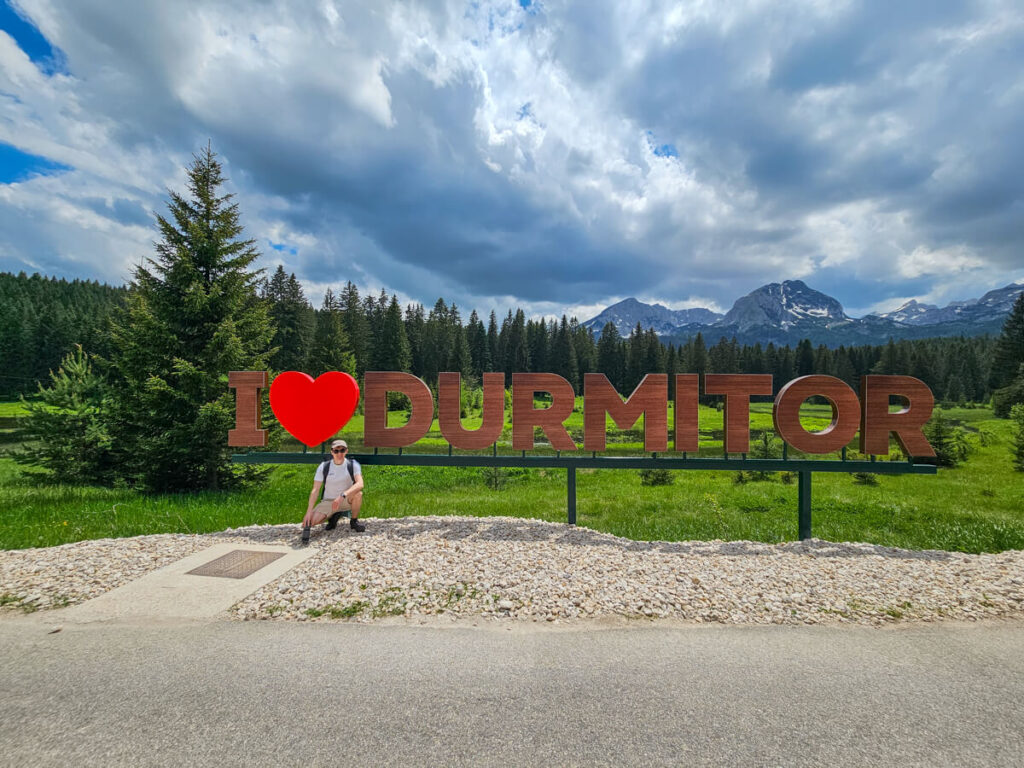
This post may contain affiliate links, which means we might earn a small commission on anything purchased through these links at no extra cost to you. Learn more on our disclaimer page.
Durmitor National Park is one of the most famous national parks in Montenegro, and for good reason. Home to glacial lakes, towering limestone peaks, dramatic canyons, and some of Montenegro’s best hiking, it’s one of the most scenic parts of the country.
Tourists come here for the iconic Black Lake or the Tara River Canyon, but there’s far more to the park than its most photographed sights. While many visitors only spend a day or two in the region, we were keen to thoroughly explore every inch of Durmitor National Park and spent over a week here. We spent our days hiking to mountain viewpoints, driving scenic roads, and discovering just how much Durmitor has to offer beyond the obvious highlights.
In this visitor’s guide, we’ll cover everything you need to know about Durmitor National Park, including when to go, how to get there, where to stay, the best things to do, our favourite hikes, and practical tips to help you plan your trip.
Durmitor National Park at a glance
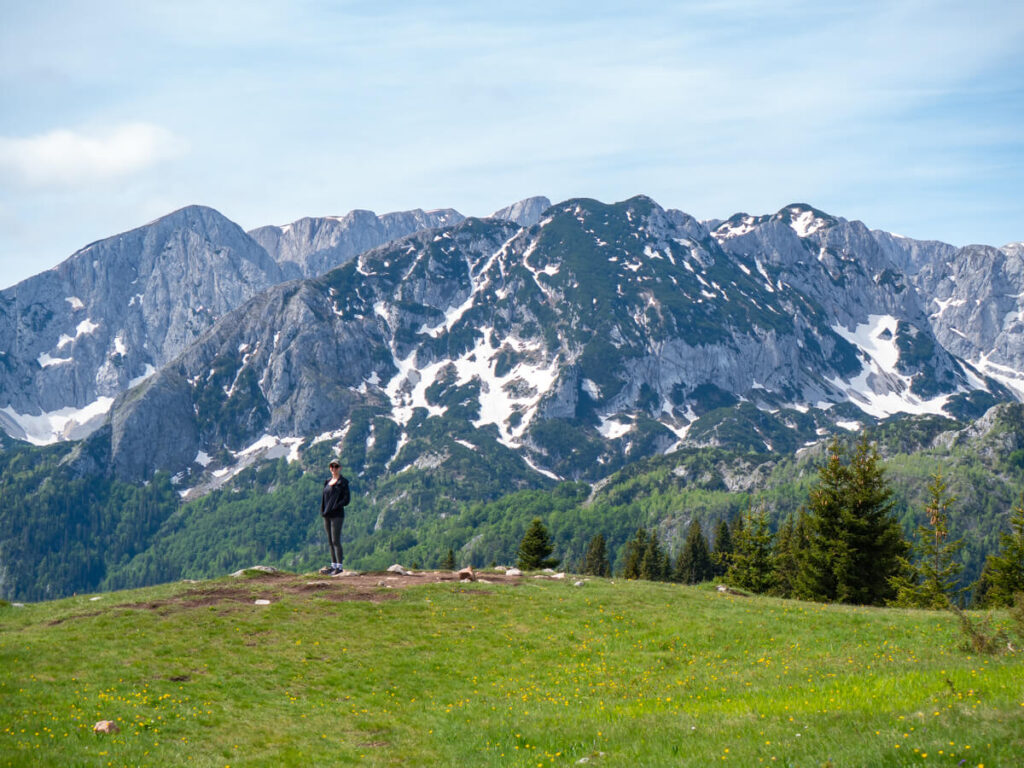
More from Durmitor National Park
About Durmitor National Park
Durmitor National Park (Nacionalni Park Durmitor) is a large protected area, home to soaring limestone peaks, glacier-carved valleys, crystal-clear lakes, and ancient forests. Covering around 151 square miles (390 sq km), Durmitor National Park was designated a UNESCO World Heritage site in 1980 in recognition of its outstanding natural beauty and geological significance.
Within the boundaries of Durmitor National Park are:
Although being home to some of Montenegro’s best hiking is what draws many visitors to Durmitor, there’s plenty to enjoy even if you never lace up your boots. Scenic drives, lakes, rafting, traditional mountain villages, and stunning viewpoints make it one of the most beautiful destinations in Montenegro to visit for every type of traveller.
We fell hard for Durmitor National Park and got stuck deep into research and exploration. Strap in – this is going to be a thorough guide to one of Montenegro’s best national parks.
Where is Durmitor National Park?
Durmitor National Park is located in northwestern Montenegro, close to the borders with Bosnia and Herzegovina and Serbia.
Durmitor National Park is centred around the mountain town of Žabljak, which serves as the main base for visitors thanks to its accommodation, restaurants, supermarkets, and easy access to many of the park’s best attractions.
Despite feeling remote, Durmitor is still easily accessible by road. It’s around 2.5 hours (105 miles / 170 km) from Podgorica, approximately 3 hours (112 miles / 180 km) from the Bay of Kotor, and around 2 hours (78 miles / 125 km) from Plužine, making it an easy addition to any Montenegro road trip.
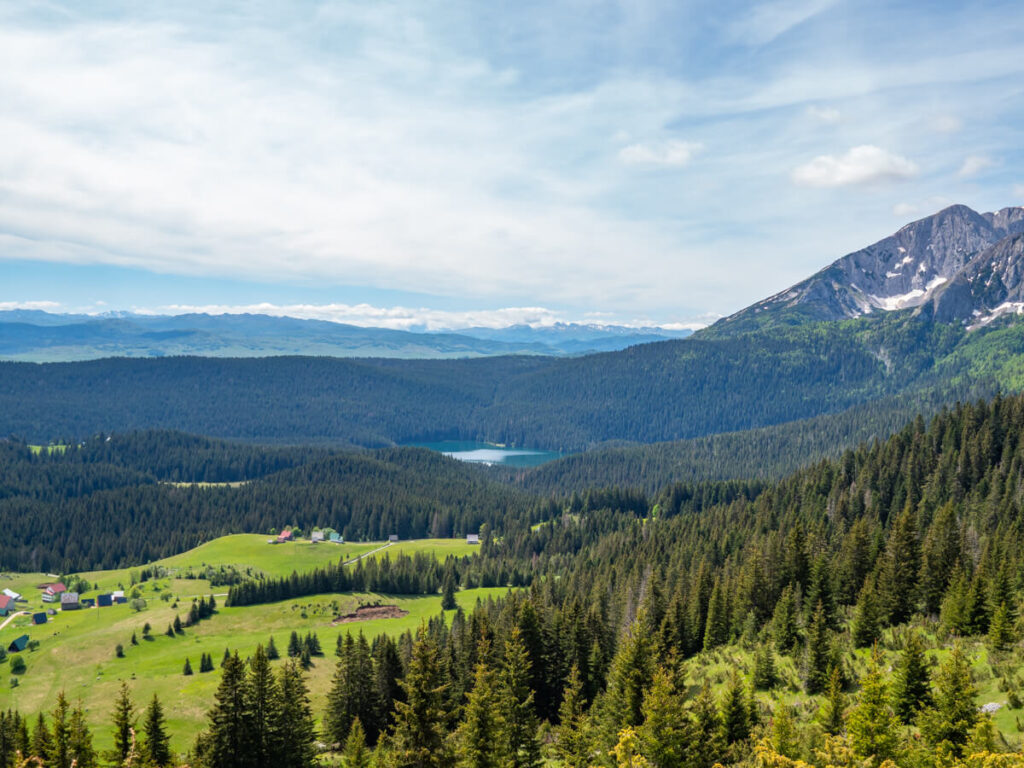
Its location in the heart of the Dinaric Alps means the scenery changes dramatically within a relatively small area.
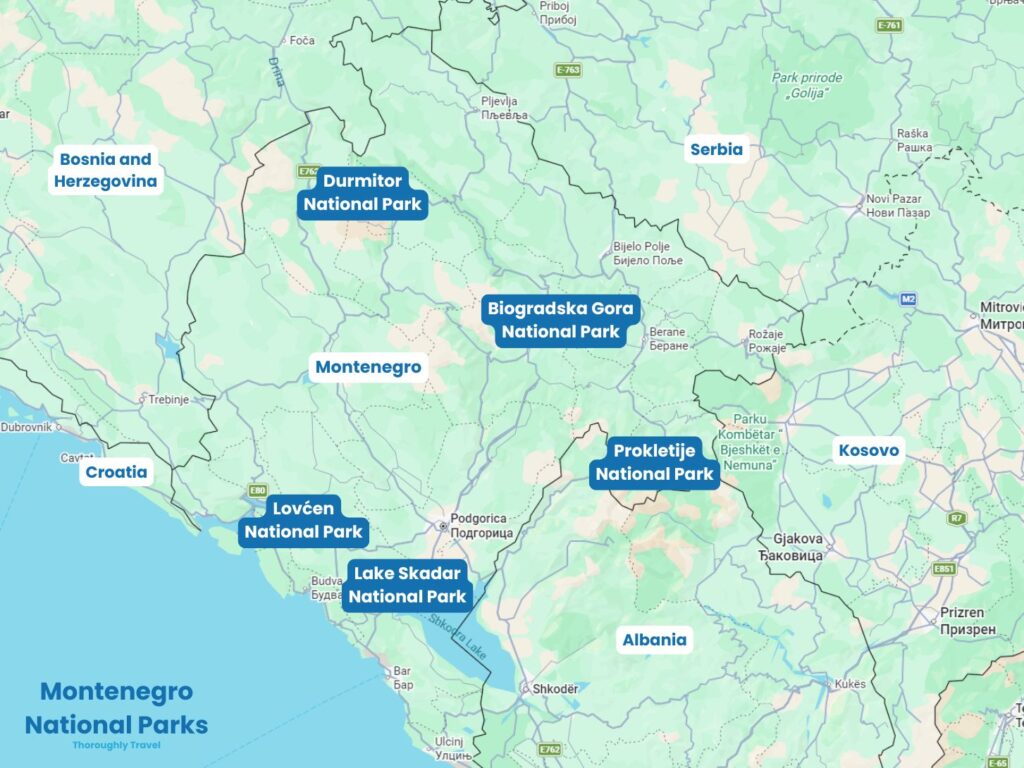
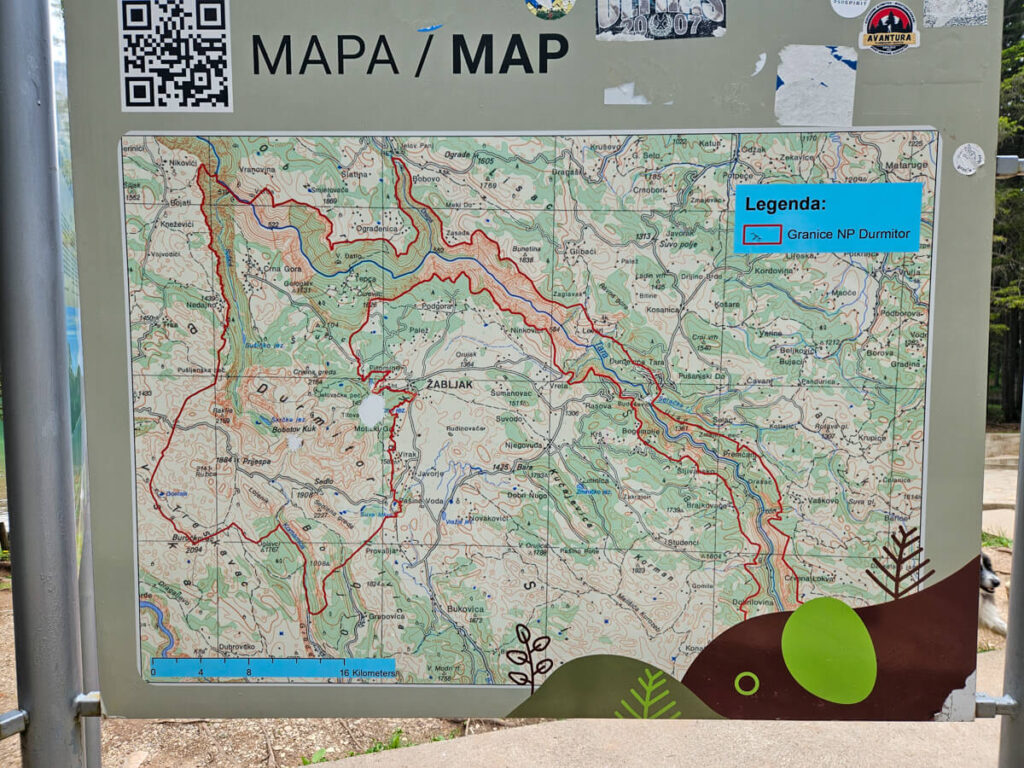
Durmitor National Park Map
You can see the boundary of Durmitor National Park on the map below.
Why visit Durmitor National Park?
If you only have time to visit one national park in Montenegro, we’d make a strong case for Durmitor. Few places pack so much variety into such a compact area. While we absolutely adore Prokletije National Park, Durmitor is more easily accessible, with more to do for non-hikers, so it gets our vote if you have limited time or are keen to spend some time in the mountains without sacrificing time on the coast during your trip.
The landscapes here are some of the most unique we’ve seen in Europe and a total contrast to the sparkling Adriatic coastline that Montenegro’s known for. There are also lots of fun things to do in Durmitor National Park.
In a single day, you can walk around a glacial lake, drive one of Europe’s most scenic mountain roads, look into one of the continent’s deepest canyons, and finish with a traditional meal in an authentic guesthouse overlooking the peaks.
Landscapes in Durmitor National Park
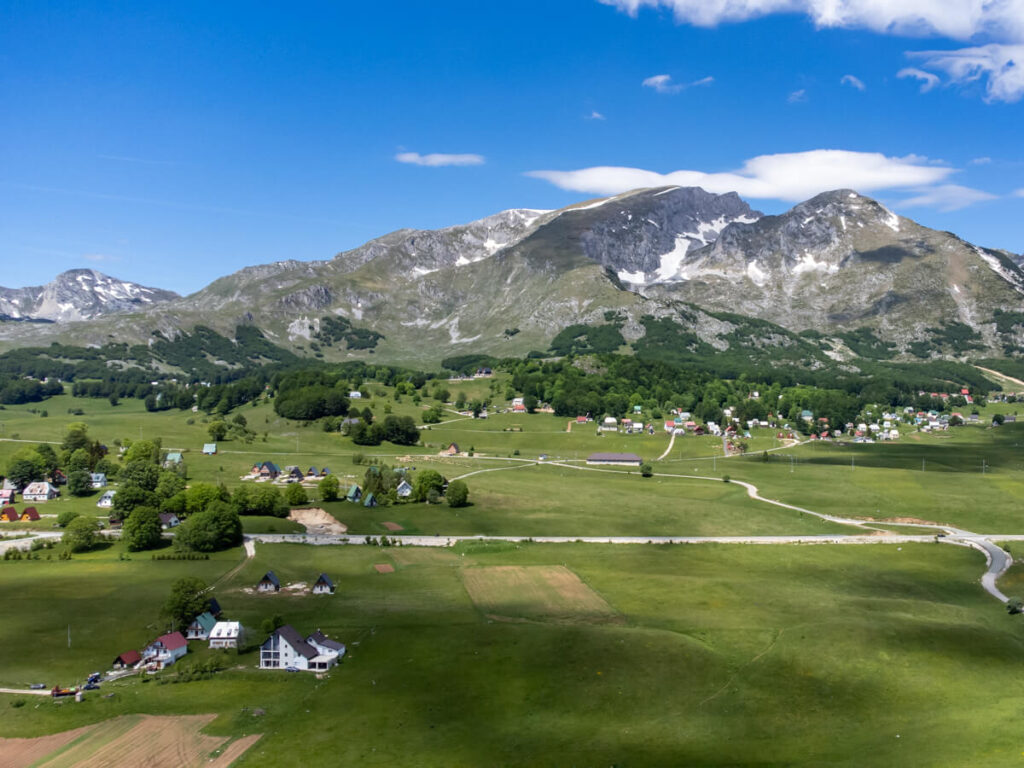
Durmitor National Park protects a remarkably diverse landscape that has been shaped by glaciers, rivers, and millions of years of karst erosion.
If you’re learning a little Montenegrin as you travel, you’ll notice many place names describe exactly what you’ll find there:
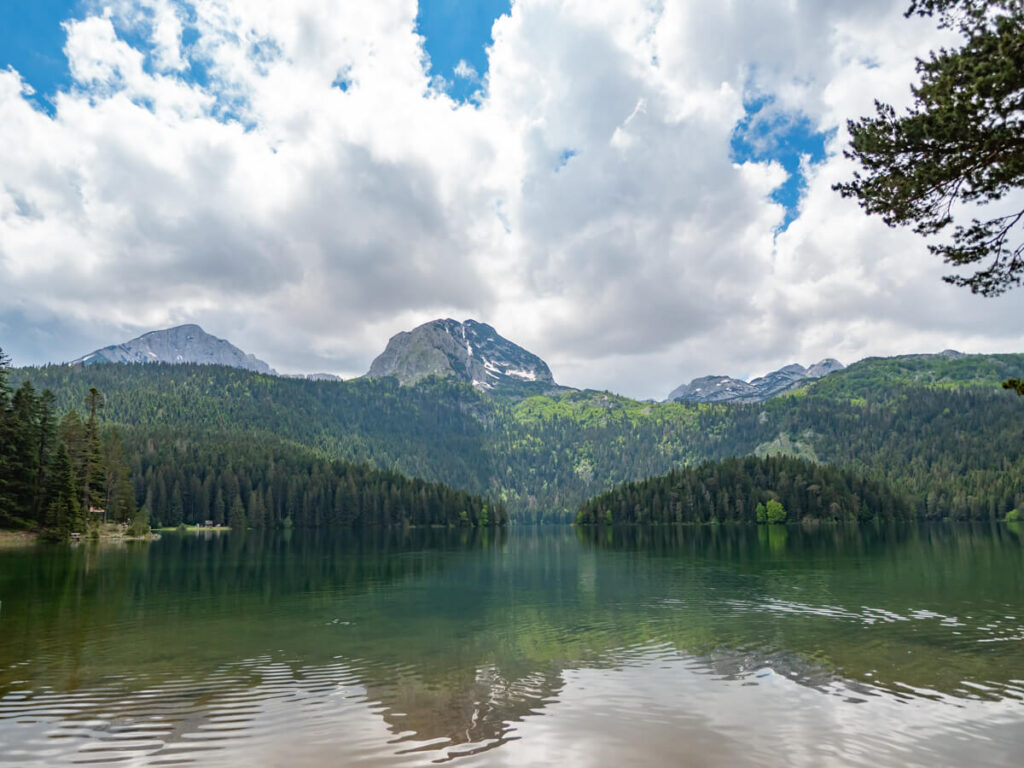
Scattered across the park are 18 glacial lakes, collectively known as ‘Gorske Oči’, or ‘Mountain Eyes‘. The nickname comes from their remarkably clear water, which appears as bright blue and emerald eyes dotted across the mountain plateau when viewed from above.
Some are large enough to walk around, others require a full day’s hike to reach, while a handful are seasonal and may disappear completely during dry summers.
The most famous lakes in Durmitor National Park include:
Activities in Durmitor National Park
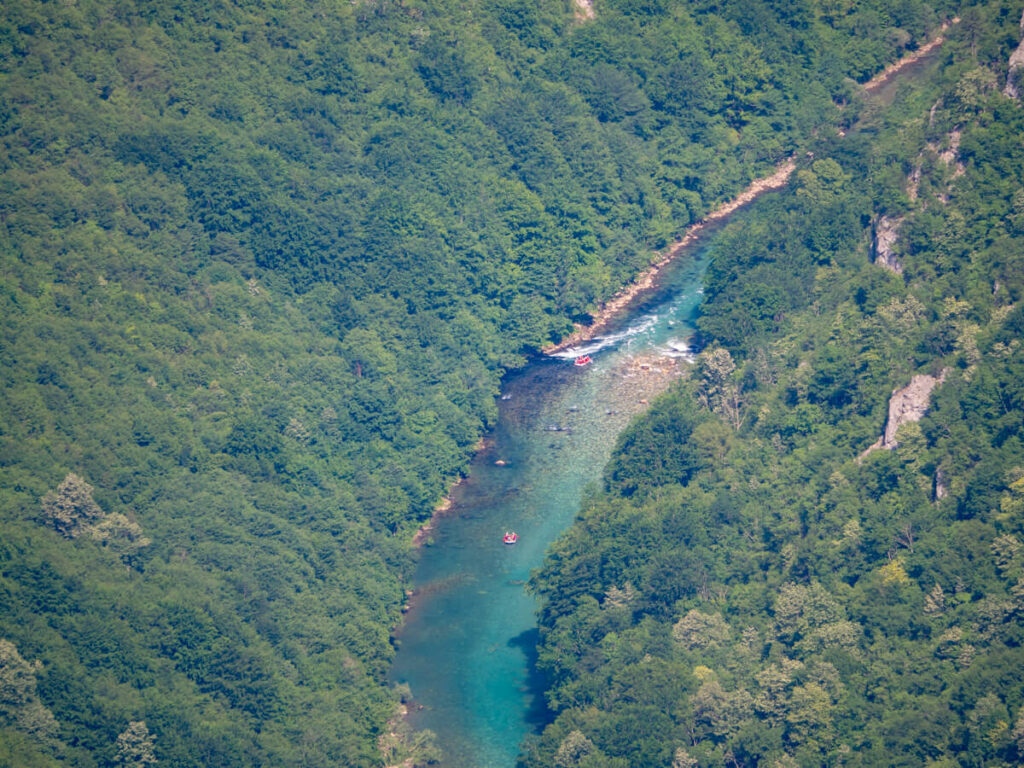
For somewhere so wild, Durmitor National Park offers an impressive range of outdoor activities, including your classic tourist tours. Whether you want a challenging mountain adventure or a slower day spent soaking up the scenery, there’s plenty to keep you busy:
Hiking in Durmitor National Park
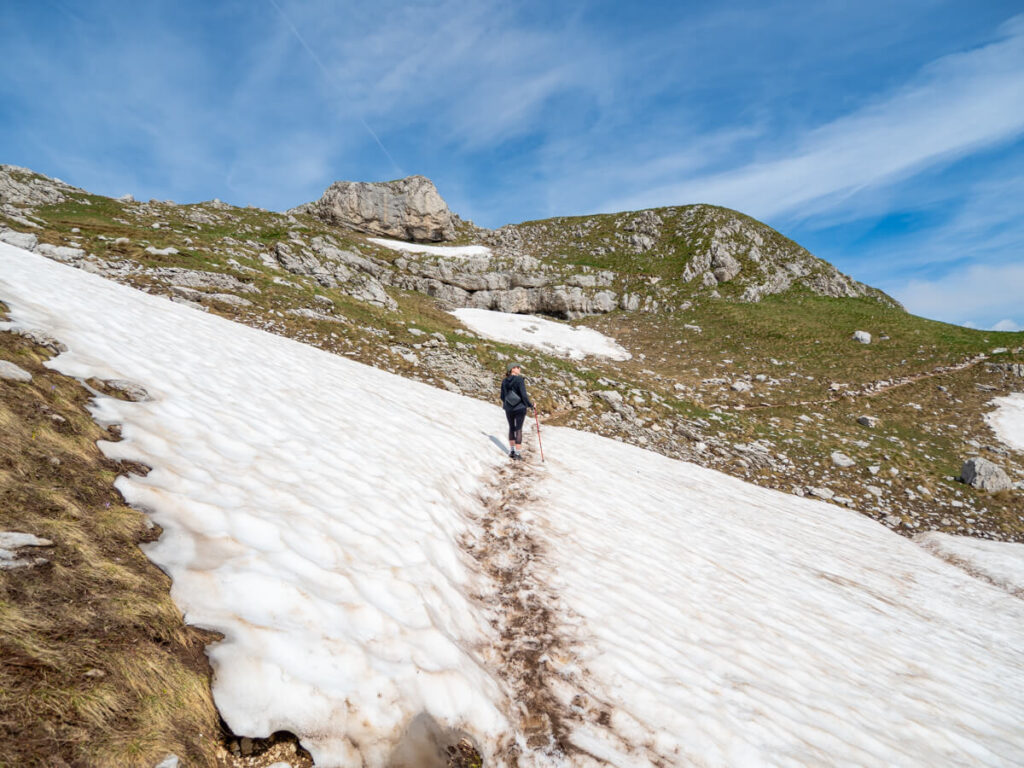
Hiking is undoubtedly the best way to experience Durmitor. With more than 30 marked trails, you can spend anything from an hour wandering around a lake to tackling a summit climb above 2,000 metres (6,562 ft).
Most routes are well marked with the familiar red-and-white trail markers, although we’d always recommend carrying an offline map. Mobile signal is unreliable away from Žabljak, and mountain weather can change quickly.
Some of the park’s most popular hikes include:
If you’re planning on hiking in Durmitor National Park beyond the easier walks, start early, check the forecast, wear proper hiking footwear, and carry more water than you think you’ll need.
Animals in Durmitor National Park
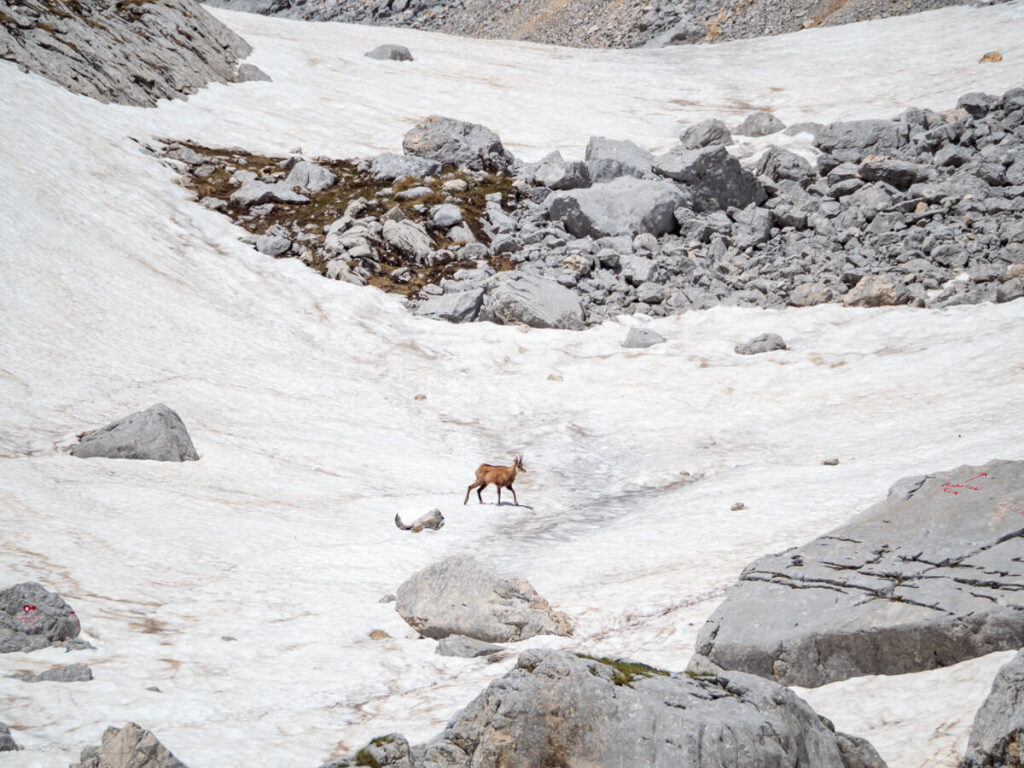
Durmitor is one of Montenegro’s most important wildlife refuges, with its forests, cliffs, rivers, and alpine meadows supporting an impressive variety of species.
Keep an eye out for chamois balancing effortlessly across rocky slopes, golden eagles soaring overhead, and marmots whistling from rocky outcrops. The park is also home to brown bears, wolves, wild boar, red deer, and otters, although these are elusive and very rarely seen by visitors.
Early mornings and evenings offer the best chance of spotting wildlife. As always, observe animals from a distance, stay on marked trails, and never feed wild animals.
Accommodation in Durmitor National Park
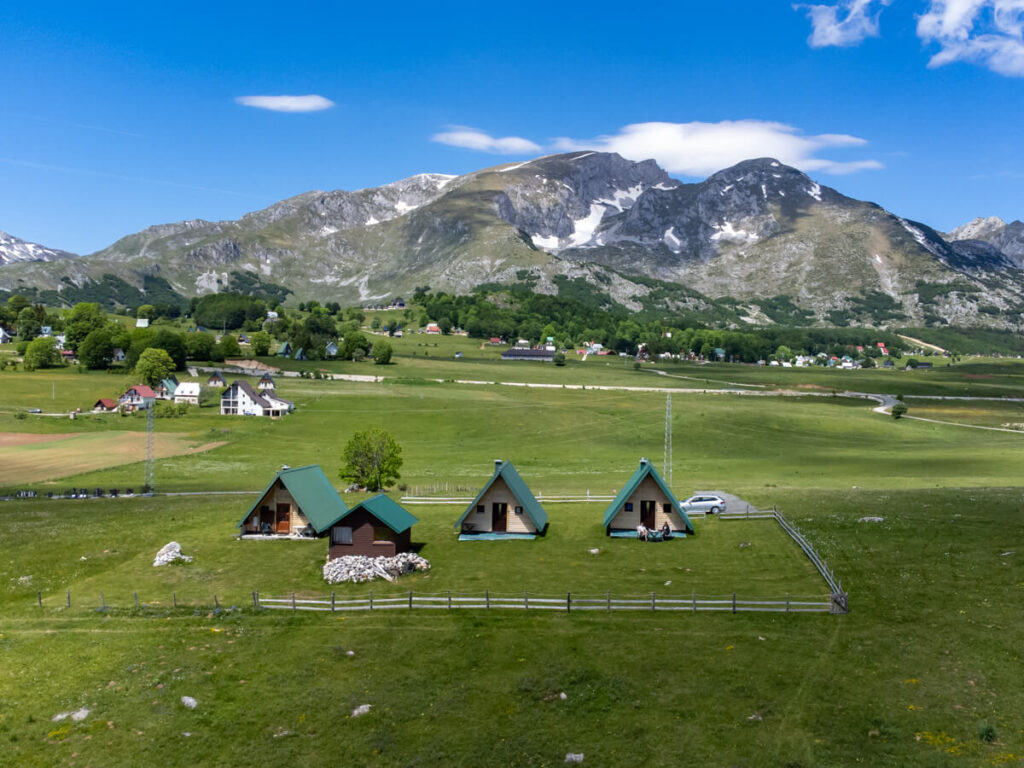
Most visitors to Durmitor National Park base themselves in or around Žabljak, where you’ll find everything from hostels and apartments to cosy cabins and boutique hotels within minutes of the Black Lake and the park’s main hiking trails.
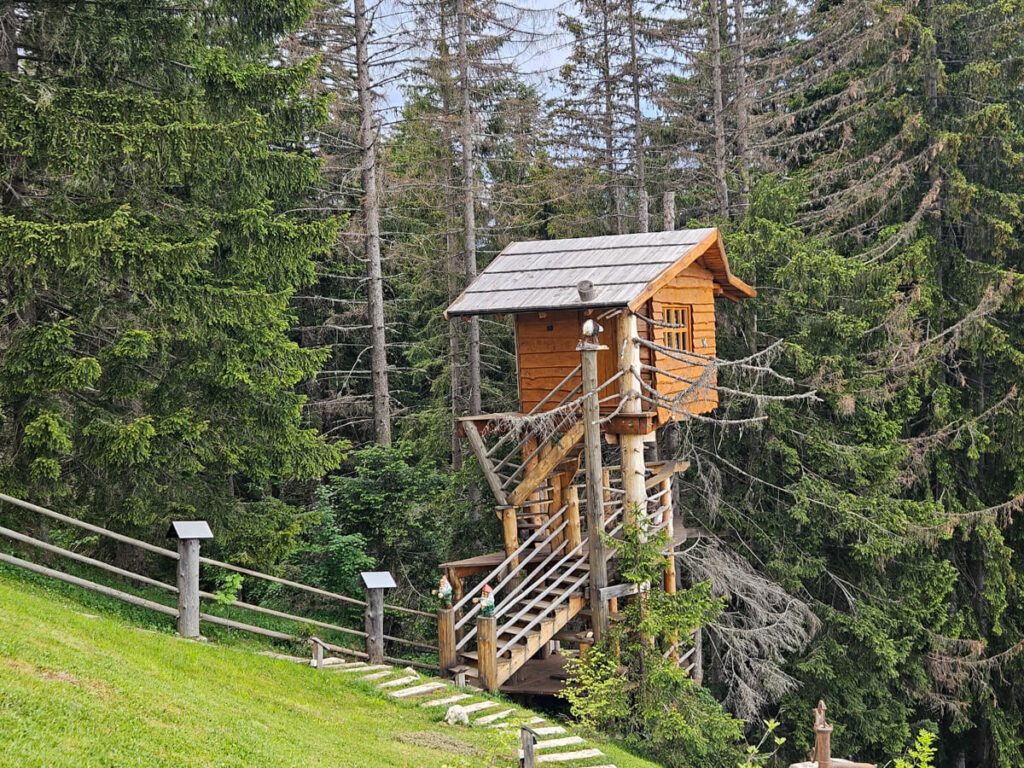
For something more memorable, consider staying in a traditional mountain katun or a family-run guesthouse. These smaller properties often offer homemade meals, quieter surroundings, and a much more personal experience than larger hotels.
Choosing the right base when deciding where to stay in Durmitor National Park will shape your whole experience, so it’s worth weighing up each area and accommodation type before booking.
Accommodation books up quickly, sometimes months in advance, especially in peak summer between July and August. We recommend booking as soon as possible to secure the best rate.
Top Durmitor National Park Hotels


Food and drink in Durmitor National Park
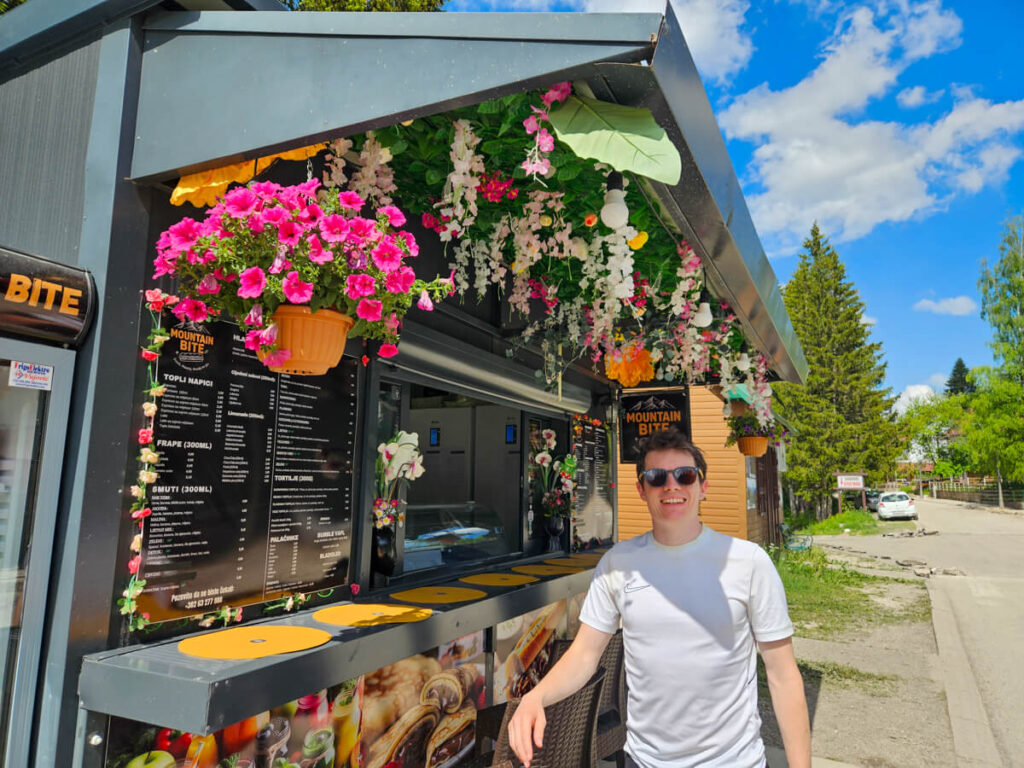
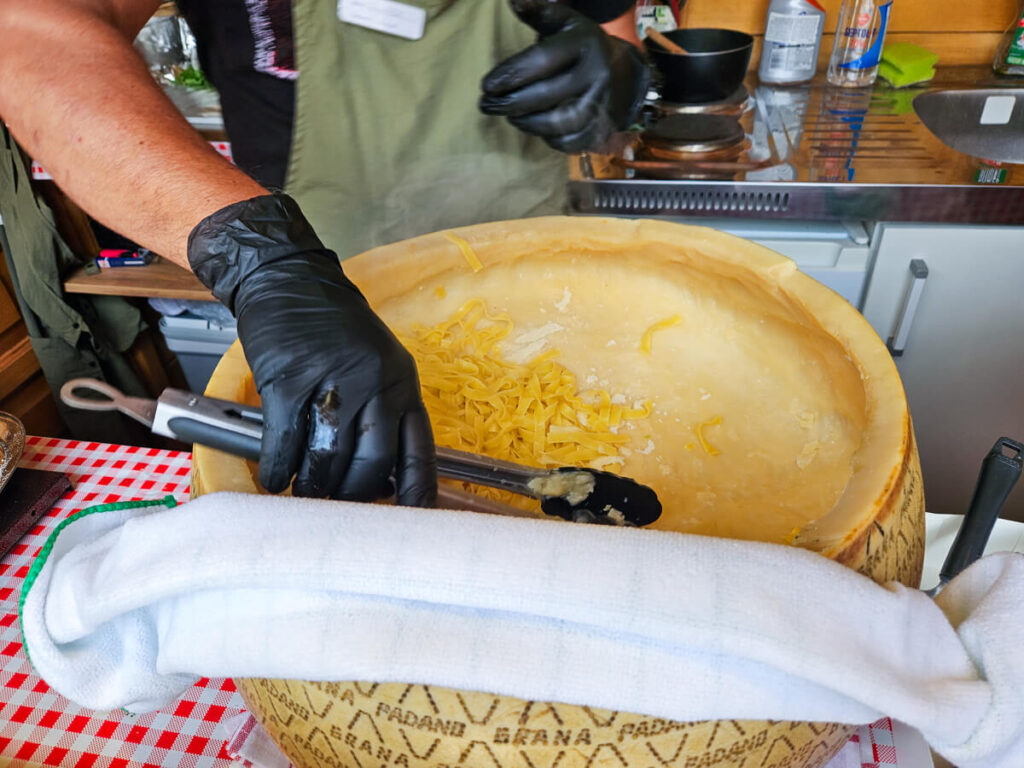
Durmitor National Park has very limited amenities, so you’ll most likely eat in Žabljak or self-cater. The town has a surprisingly good food scene, with everything from traditional Montenegrin restaurants to bakeries, cafés, and casual takeaway spots.
Some of our favourites include:
Make sure to try some of Montenegro’s traditional mountain dishes, including kačamak (a hearty cornmeal and potato dish often served with cheese and kajmak), cicvara (a rich porridge made with flour, dairy, and butter), jagnjetina (slow-roasted lamb), njeguški pršut (smoked ham), homemade cheeses, and local rakija.
For self-catering, you’ll find the usual supermarkets including VOLI, IDEA, and Aroma, all within a few minutes’ drive of the town centre.


Durmitor National Park Entrance Fee
As with all of Montenegro’s national parks, there is an entrance fee to enter Durmitor National Park.
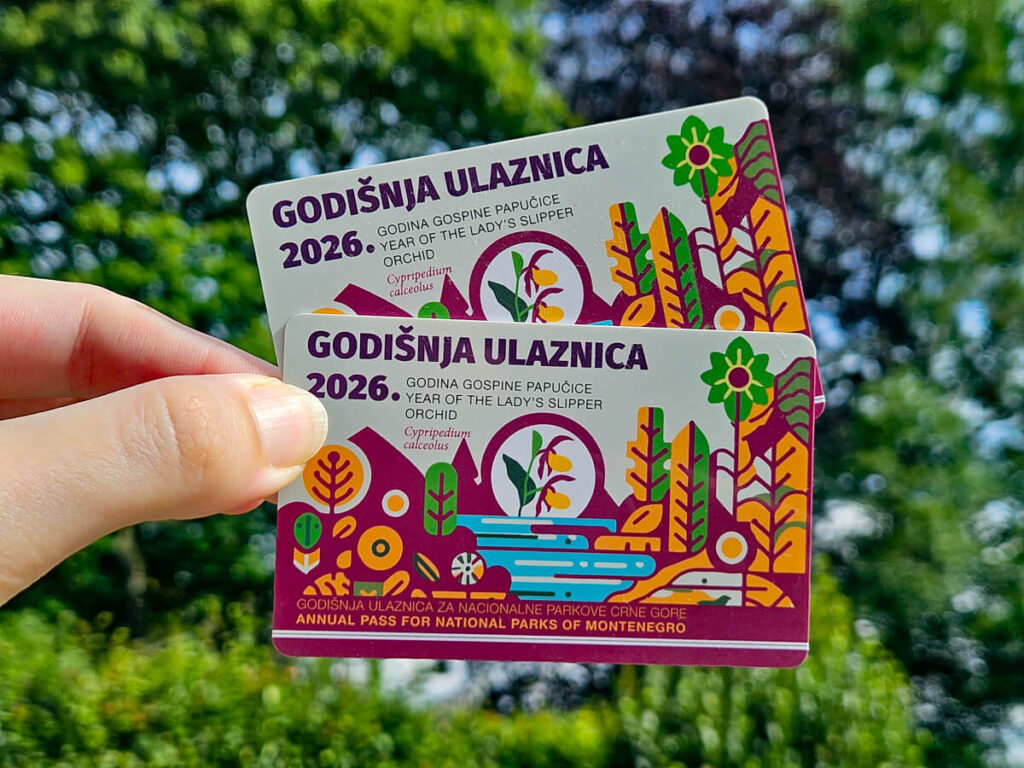
It’s €5 per person per day, but we’d highly recommend getting the annual pass for €13.50 if you plan to visit the other national parks too. You can also buy it online in advance.
Bring cash in case the card terminal isn’t working. Then keep your ticket with you if you’re planning to spend the day exploring, as you may encounter checks elsewhere in the park.
It’s payable upon entering the park’s boundaries, with ticket booths set up by the Black Lake, Škrčko Lake, and Ćurevac Peak.
How to get to Durmitor National Park
Getting to Durmitor National Park is pretty easy despite being remote. The park is well connected to the rest of Montenegro by road, with Žabljak serving as the main gateway for visitors.
The nearest airports to Durmitor National Park are Tivat Airport (TIV) and Podgorica Airport (TGD). From Podgorica Airport, it’s around 80 miles (130 km) to Žabljak and approximately 2.5-3 hours by car, while Tivat Airport is around 105 miles (175 km) and takes roughly 3-4 hours, depending on traffic.
Dubrovnik Airport (DBV) is also an option if you’re coming from Croatia, but travel times will be longer as they include the border crossing.
By car
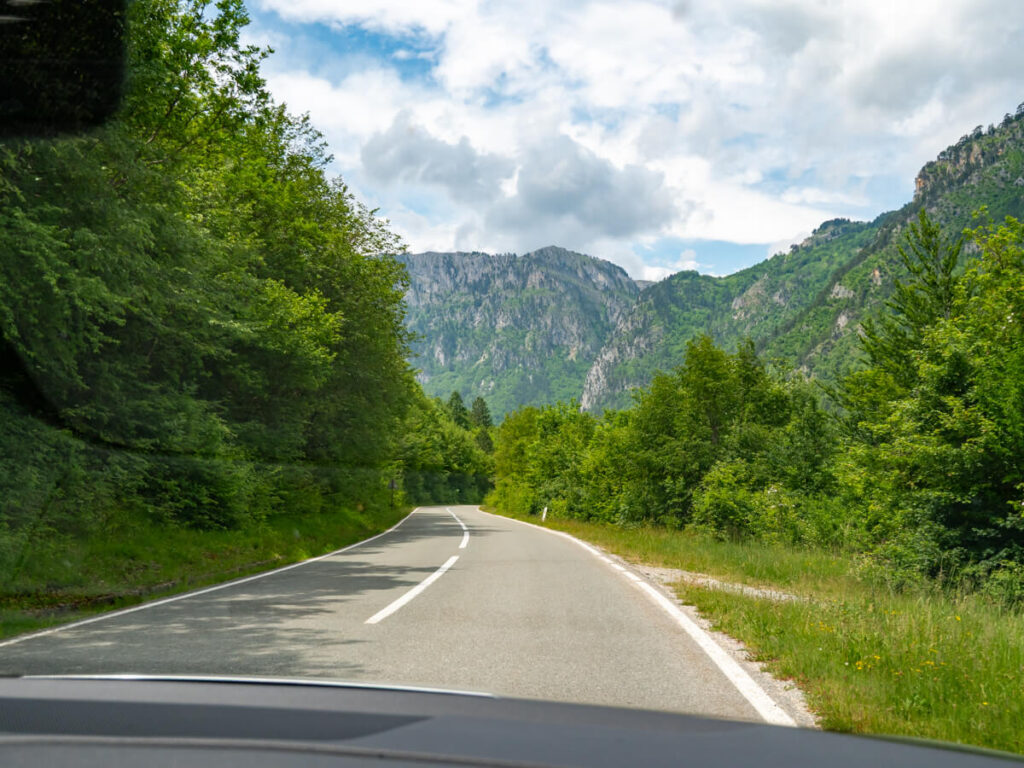
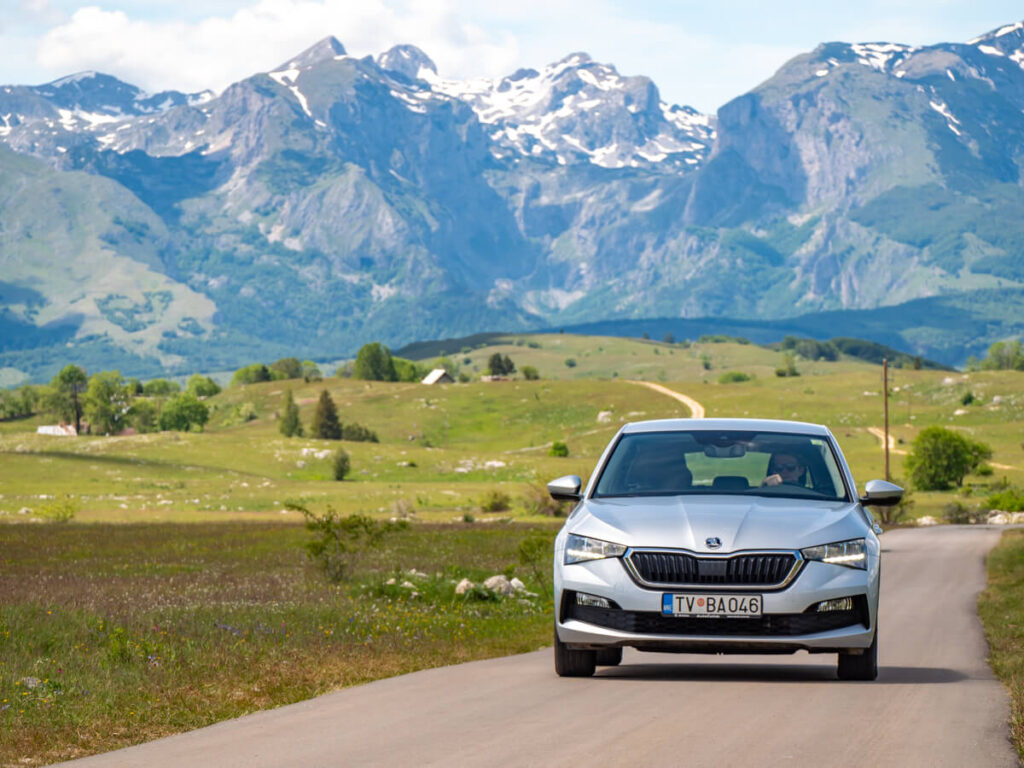
Renting a car in Montenegro and driving is by far the easiest and most flexible way to visit Durmitor National Park. Having your own rental car means you can reach trailheads, scenic viewpoints, and attractions like the Black Lake, the Durmitor Ring, and the Tara River Canyon without relying on limited public transport schedules or expensive taxis.
Here are some approximate driving times:
We drove to Durmitor National Park from Biogradska Gora National Park, via Mojkovac, which took about 2 hours.
Parking in Žabljak is a bit of a nightmare. There’s endless roadside parking, but you need a Montenegrin SIM to text and pay for it – an eSIM doesn’t work. There are a couple of privately owned car parks, too.
There are two car parks at the Black Lake, but they’re privately owned and pretty expensive. It’s worth checking if your accommodation includes free parking. Further into the park, there are free parking areas at trailheads and natural attractions (often grassy areas or gravel laybys), but they can fill up in summer, so aim to arrive early.
The roads are generally in good condition, although they become narrower and more winding as you approach the park. If it’s your first time driving in Montenegro, we’d recommend checking up on local regulations, driving habits, and safety tips, all of which we cover in our guide.
By bus
Žabljak is connected by long-distance buses to several towns and cities across Montenegro, including Podgorica, Nikšić, Kotor, and Budva.
Bus journeys to Žabljak tend to take around 2.5-3.5 hours and cost €10-15, depending on where you start.
There are several companies operating buses to and from Žabljak, with the main operators including Stanišić DOO, R Line Company, Radulović Prevoz, In Turist, and Rio Travel.
We like to use Bookaway whenever we’re travelling by bus, and booked our journey from Mostar to Kotor through them without any issues. It’s a handy way to compare routes, operators, and prices before you travel. They have various routes to Žabljak, including:
Buses are an affordable option if you’re only planning to explore around Žabljak and the Black Lake, but they do have their limitations. Services are relatively infrequent, especially outside summer, and reaching places like the Durmitor Ring, trailheads, or more remote parts of the national park will require taxis, which can be expensive, or hitchhiking, which is unreliable.
We’d recommend checking the latest timetables in advance, as routes and departure times change throughout the year. You can check schedules on BusTicket4.me.

By tour
If you don’t want to drive yourself, joining a guided Durmitor National Park tour is the easiest alternative. Day trips from Kotor, Budva, Tivat, and Podgorica typically combine several highlights, including the Black Lake, the Tara River Canyon, the Đurđevića Tara Bridge, and scenic sections of the wider region.
Tours are ideal if you’re short on time or not confident driving mountain roads. The trade-off is flexibility, as you’ll be following a fixed itinerary rather than stopping wherever you like.
Top Tours in Durmitor National Park
How to get around Durmitor National Park
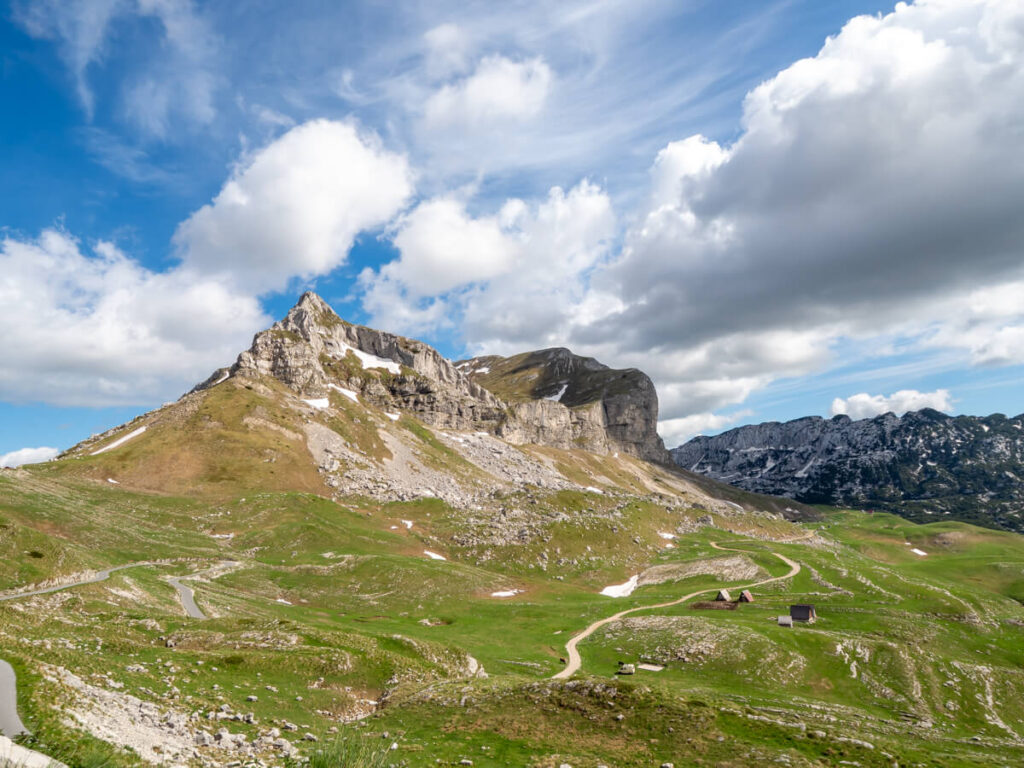
The best way to get around Durmitor National Park depends on how much of the region you want to explore. While some of the most popular sights are easily accessible from Žabljak, many of Durmitor’s best viewpoints, hiking trailheads, and remote valleys are spread across the mountains, making your own transport a huge advantage.
Having your own rental car is the easiest way to explore Durmitor National Park. It gives you the freedom to visit places at your own pace, reach early morning trailheads, and stop at viewpoints that aren’t served by public transport.
For many visitors, walking is a good option. The park has a complex network of trails that criss-cross throughout the region. Many of Durmitor’s best hikes have options to start in Žabljak or near the Black Lake. It does mean you need to factor in a few extra hours of hiking time, but it’s worth it if you’re keen to get around without a car.
Taxis are available in Žabljak and can be useful for reaching specific trailheads or viewpoints if you don’t have your own vehicle. However, they are not readily available in the more remote parts of the park, and relying on taxis for a full day of exploring can become expensive. Expect to pay €15-20 for a ride, depending on distance and season.
Cycling is also possible in Durmitor National Park, with quiet mountain roads and challenging climbs. However, the terrain is demanding, with significant elevation changes and long stretches without services, so it is best suited to confident riders. If you’d like to cycle recreationally, we’d recommend a Durmitor cycling tour with a local guide in some of the park’s quieter areas.

When to visit Durmitor National Park
The best time to visit Durmitor National Park depends on what you want to do. Summer offers the widest range of activities, autumn brings incredible colours and quieter trails, spring sees waterfalls and lakes filled by snowmelt, and winter transforms the mountains into a snowy landscape.
For hiking, scenic drives, and exploring the park’s attractions, the most popular season is July to September. July and August offer the most reliable weather, but they are also the busiest months. Popular places like the Black Lake and the Durmitor Ring can become much busier during peak summer.
However, we personally think the shoulder seasons in mid-June and late September are the sweet spots, with pleasant temperatures, fewer crowds, and more comfortable conditions for outdoor activities. We visited in early June, and it was perfect – quiet, with some snow lingering on the mountains in a super aesthetic way but not enough to stop us from driving or hiking anywhere. Any earlier and snow or the weather might cancel your plans; later and it gets busier, and accommodation becomes more expensive.
Durmitor National Park Weather
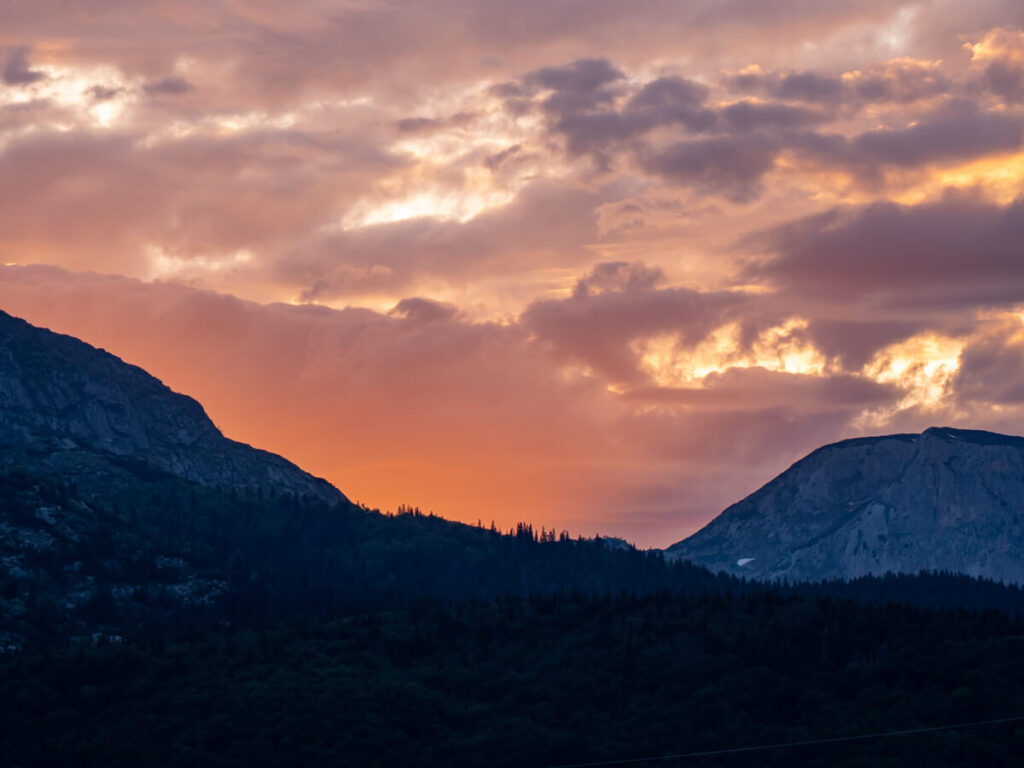
Durmitor National Park’s mountain climate means the weather can change quickly, even during summer. Temperatures vary significantly depending on altitude, with warm conditions around Žabljak and much cooler weather on exposed peaks and passes.
Always check the forecast before hiking. Mountain weather can change rapidly, and clear skies in Žabljak do not guarantee good conditions higher up.
Travel insurance can save you $$$ if things go wrong
Don’t forget to buy travel insurance! From lost luggage to emergency medical care abroad, travel insurance gives you peace of mind so you can solely focus on the adventure. It might not be exciting, but you’ll be very glad you have it if something goes wrong. A few of our favourite companies are:
Get 8 weeks of electronic theft coverage free with SafetyWing Travel Insurance with our code: THOROUGHLY8 (new members only). Simply click the pink camera and laptop icon on the Nomad Essential page to redeem the reward before creating a new account.
Find out more: 6 Best Travel Insurance Companies for Every Kind of Trip

How long to spend in Durmitor National Park
We’d recommend spending at least 3 days in Durmitor National Park to experience more than just the highlights. This gives you time to explore the Black Lake, drive the Durmitor Ring, complete a hike, and enjoy the mountain scenery without constantly rushing from one place to another.
If you enjoy hiking, photography, or simply prefer slower travel, 4 to 5 days would allow you to explore deeper. You could tackle some of the longer trails, visit remote lakes, take a rafting trip, and include nearby detours such as Piva Lake.
We stayed a full week, which we actually think is perfect for thoroughly exploring the park beyond its highlights, doing a mixture of short and long hikes, and having some chill time to simply enjoy your accommodation too.
A quick visit is still worthwhile, but only if you’re already in the area. Even with just one day, you can see some of Durmitor’s most iconic landscapes, but you’ll only scratch the surface of what this mountain region has to offer. We’d recommend taking an organised tour of Durmitor National Park if you have limited time, as it allows you to see several highlights without spending valuable time figuring out transport, routes, and logistics.

Is Durmitor National Park worth visiting?
We think Durmitor National Park is absolutely worth visiting, especially if you enjoy mountains, nature, and outdoor adventures. It is a great destination for sustainable travel, with its protected landscapes, local communities and focus on preserving its unique mountain environment. The combination of dramatic scenery, epic hikes, and comfortable accommodation makes it a must-visit location.
That said, Durmitor is not for everyone. If you’re looking for beaches, nightlife, luxury resorts, or an easy sightseeing destination where everything is close together, you might prefer to stay on the coast.
Plus, the park requires planning. The weather can be unpredictable, getting around requires coordination and forethought, and some of the best experiences involve effort, hiking, or spending time outdoors.
But what makes Durmitor National Park special is that it still feels wild without being inaccessible. You can challenge yourself with a summit hike, but you can also enjoy the scenery from the road, visit the Black Lake with minimal effort, or simply sit in a mountain village and watch the views change around you. It’s underrated and relatively uncrowded compared with famous mountain destinations like the Dolomites or the Alps.
Practical tips for visiting Durmitor National Park
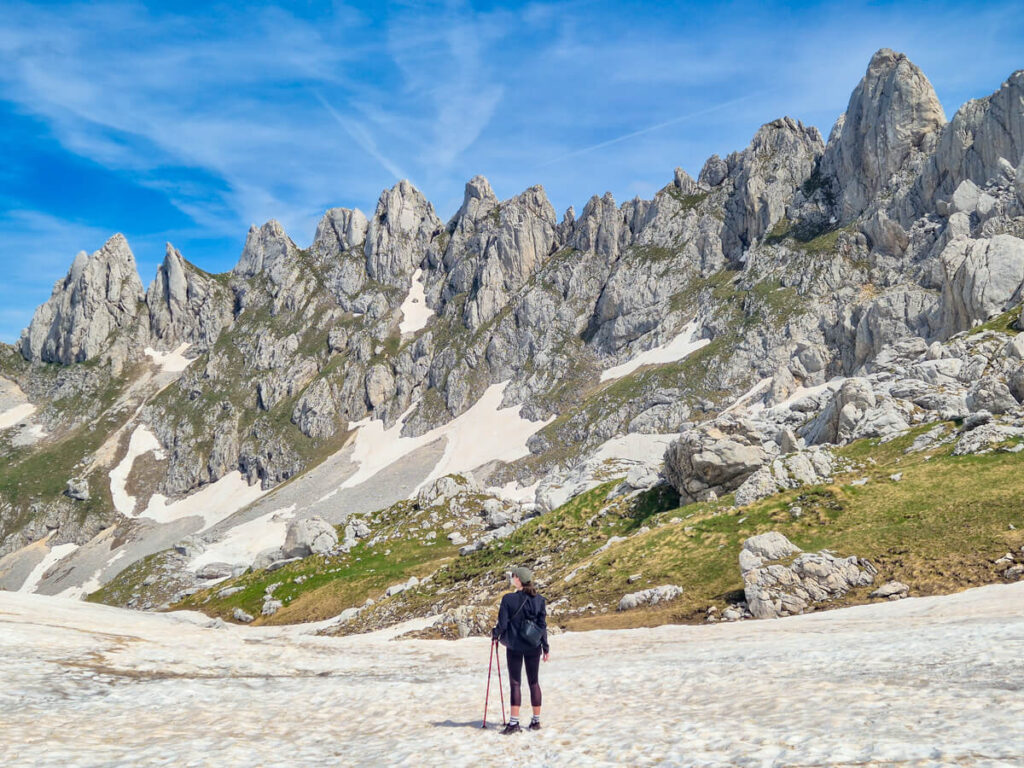
Visiting Durmitor National Park does require a little more preparation than visiting the coast. Here are our top tips:
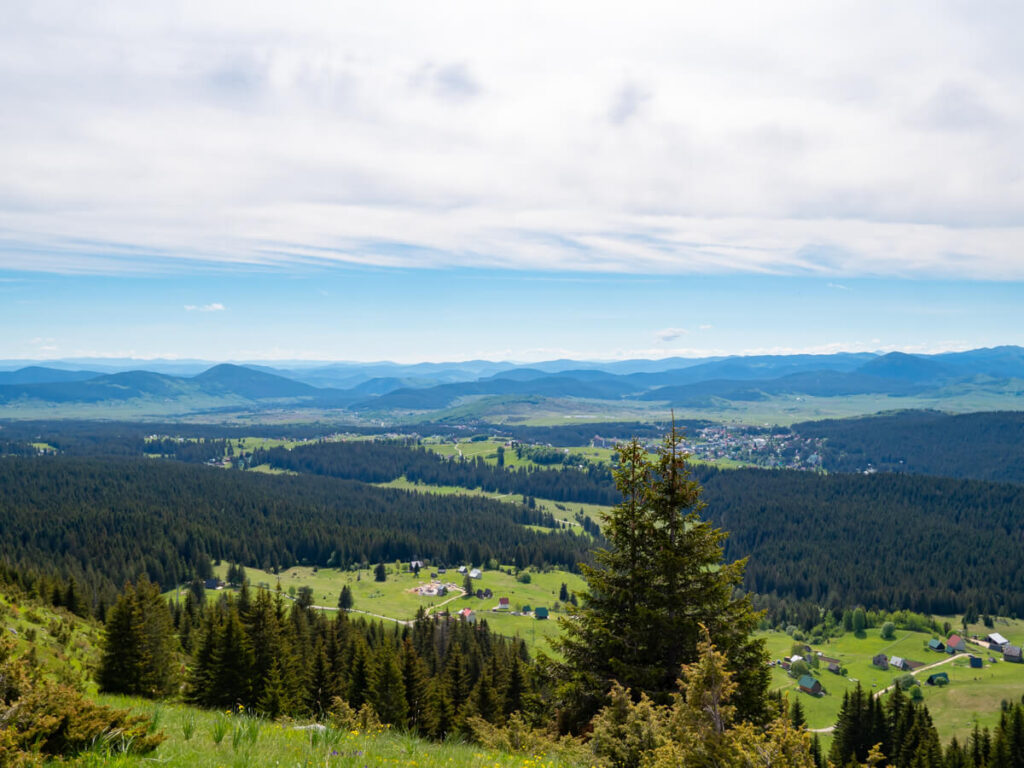
What to pack to visit Durmitor National Park
It’s best to be prepared when you visit Durmitor National Park. Don’t forget to pack your:
Leave your drone in your accommodation, as it’s illegal to fly in the national park (be aware that you need to apply for a permit before importing it into Montenegro anyway).
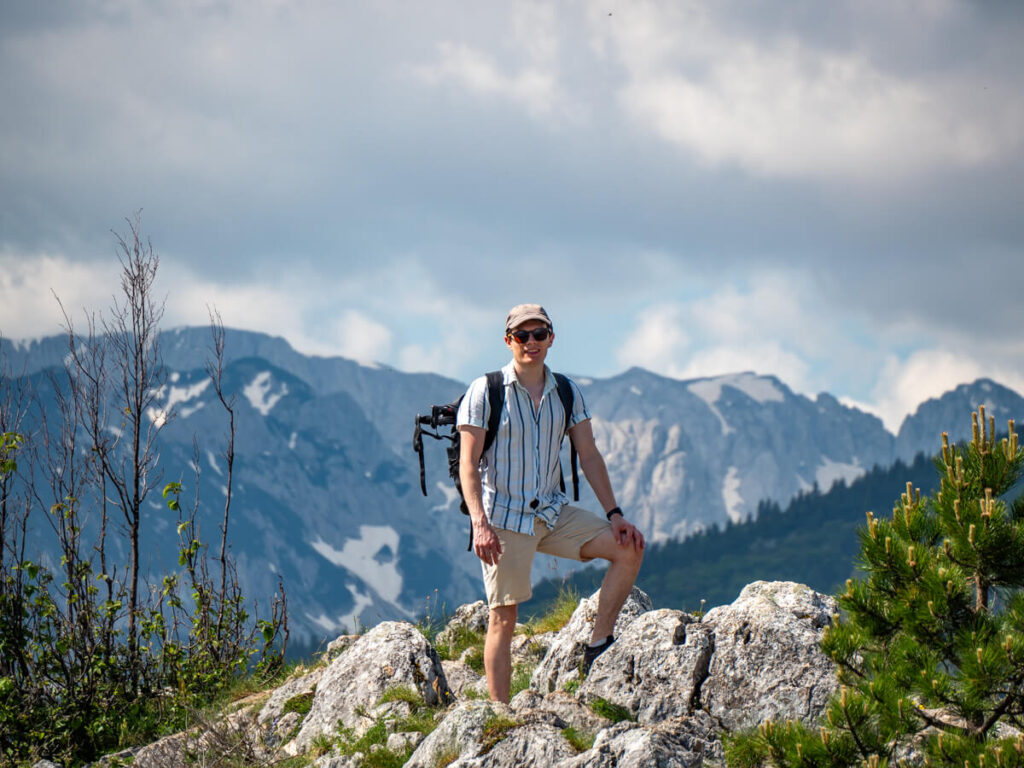
Durmitor National Park FAQs
To help you plan your trip to Durmitor National Park, we’ve answered these frequently asked questions.
Is Durmitor the best national park in Montenegro?
Whether Durmitor is the best national park in Montenegro depends on what you are looking for. If you love dramatic mountain scenery, hiking, scenic drives, and outdoor adventures, Durmitor is hard to beat. However, Montenegro’s other national parks offer something completely different, from the epic views from Lovćen National Park to the remote alpine landscapes of Prokletije.
Durmitor National Park vs Prokletije National Park?
Durmitor and Prokletije are Montenegro’s two most impressive mountain destinations, but they offer very different experiences. Durmitor is easier to access, better developed for tourism, and has a wider range of activities that don’t require serious hiking. Prokletije feels wilder and more remote, with sharper peaks, fewer visitors, and a stronger sense of untouched wilderness. For first-time visitors to Montenegro, Durmitor is usually the easier choice. For experienced hikers or travellers looking for a more rugged adventure, Prokletije may be the more rewarding destination.
Durmitor National Park vs Lake Skadar?
Durmitor National Park and Lake Skadar could not be more different. Durmitor is all about mountains, alpine lakes, hiking, and dramatic landscapes, while Lake Skadar is a warmer lowland environment famous for wetlands, birdlife, vineyards, and traditional villages.
How big is Durmitor National Park?
Durmitor National Park covers approximately 151 square miles (390 sq km). Despite its relatively compact size, it contains an incredible variety of landscapes, including 48 peaks above 2,000 metres (6,562 ft), 18 glacial lakes, dense forests, and the Tara River Canyon.
Is Durmitor a mountain?
Durmitor is both a mountain massif and a national park. The Durmitor massif forms part of the Dinaric Alps and contains some of Montenegro’s highest peaks, including Bobotov Kuk at 2,523 metres (8,278 ft).
Do you have to pay to enter Durmitor National Park?
Yes, visitors need to pay an entrance fee to access Durmitor National Park. Fees help support the maintenance and protection of the park, including trails, facilities, and conservation work.
How much does it cost to enter Durmitor?
The entrance fee for Durmitor National Park is generally around €5 per person per day, although prices can change, so it’s worth checking locally before visiting. We’d recommend getting the annual pass for €13.50 per person.
How to explore Durmitor National Park?
The best way to explore Durmitor depends on your interests. Many visitors combine a scenic drive along the Durmitor Ring, easy walks around the Black Lake, and one or two hikes to experience the park’s highlights. Having your own vehicle gives you the most flexibility, but you can also base yourself in Žabljak and explore nearby attractions on foot, by taxi, or through organised tours.
Do you need a car for Durmitor National Park?
A car is not essential, but it makes exploring Durmitor much easier. Many of the best viewpoints, hiking trailheads, and remote areas are spread throughout the park and are not connected by regular public transport. If you only plan to visit the Black Lake and stay around Žabljak, you can manage without one. For exploring the Durmitor Ring or reaching more remote trails, we would strongly recommend having your own vehicle.
Can you visit Durmitor National Park without a car?
Yes, you can visit Durmitor without a car, especially if you stay in Žabljak. The Black Lake is within walking distance of town, and several hiking trails start nearby. However, without a car you will have fewer options for exploring the wider park. You may need to rely on taxis, tours, or organised transfers to reach more distant viewpoints and trailheads.
Are there any guided tours of Durmitor?
Yes, there are guided tours available, including day trips from coastal towns such as Kotor, Budva, and Tivat. These often combine highlights like the Black Lake, the Tara River Canyon, and the Đurđevića Tara Bridge. Guided hiking tours are also available and can be a good option for longer or more challenging routes, particularly if you are unfamiliar with mountain navigation.
Are there restaurants in Durmitor?
Yes, most restaurants are concentrated in Žabljak rather than inside the national park itself. You’ll find traditional Montenegrin mountain dishes, bakeries, cafés, and supermarkets in town. For a more authentic experience, look for family-run restaurants or katuns serving homemade specialities such as local cheese, grilled meats, and traditional mountain dishes.
How many days do you need in Durmitor National Park?
We’d recommend at least 3 days to experience Durmitor properly. This gives you time to visit the Black Lake, drive the Durmitor Ring, complete a hike, and enjoy the mountain atmosphere without rushing. Personally, we think 5-7 days is perfect.
Is Durmitor National Park safe to visit?
Yes, Durmitor is generally very safe to visit. The biggest risks come from the mountain environment rather than crime, including rapidly changing weather, difficult terrain, and getting caught unprepared on longer trails. Good preparation goes a long way: check the forecast, carry enough water, wear appropriate footwear, and avoid taking on hikes beyond your experience level.
What wildlife lives in Durmitor?
Durmitor is home to a wide range of wildlife, including chamois, brown bears, wolves, red deer, wild boar, marmots, golden eagles, and many smaller species. Most visitors are more likely to spot birds, butterflies, and smaller animals than larger mammals, as many species are shy and avoid busy areas.
Are there bears in Durmitor National Park?
Yes, brown bears live in and around Durmitor National Park, although sightings are rare. Bears generally avoid people, and most visitors will never encounter one.
Are there wolves in Durmitor National Park?
Yes, wolves are present in the wider Durmitor region. Like bears, they are elusive animals and rarely seen by visitors. They play an important role in the mountain ecosystem by helping maintain natural wildlife populations.

Read next:
All 5 Montenegro National Parks Compared + Our Favourites
A Handy Guide to Hiking in Montenegro & Our Top 10 Trails
Where to Stay for Durmitor National Park: Cool Cabins + Top Hotels
15 Best Things to Do in Durmitor National Park + Our Itinerary
Driving the Durmitor Ring Road Route Guide
12 Best Hikes in Durmitor National Park From Easy to Expert
What It’s Really Like Hiking Bobotov Kuk
A Complete Guide to Hiking Ćurevac Peak
A Comprehensive Guide to Visiting the Black Lake
