27 Cool Things to Do in Kotor + What Not to Do

Discover the best activities and attractions in Kotor, from exploring the Old Town to unique things to do in the surrounding bay.
This post may contain affiliate links, which means we might earn a small commission on anything purchased through these links at no extra cost to you. Learn more on our disclaimer page.
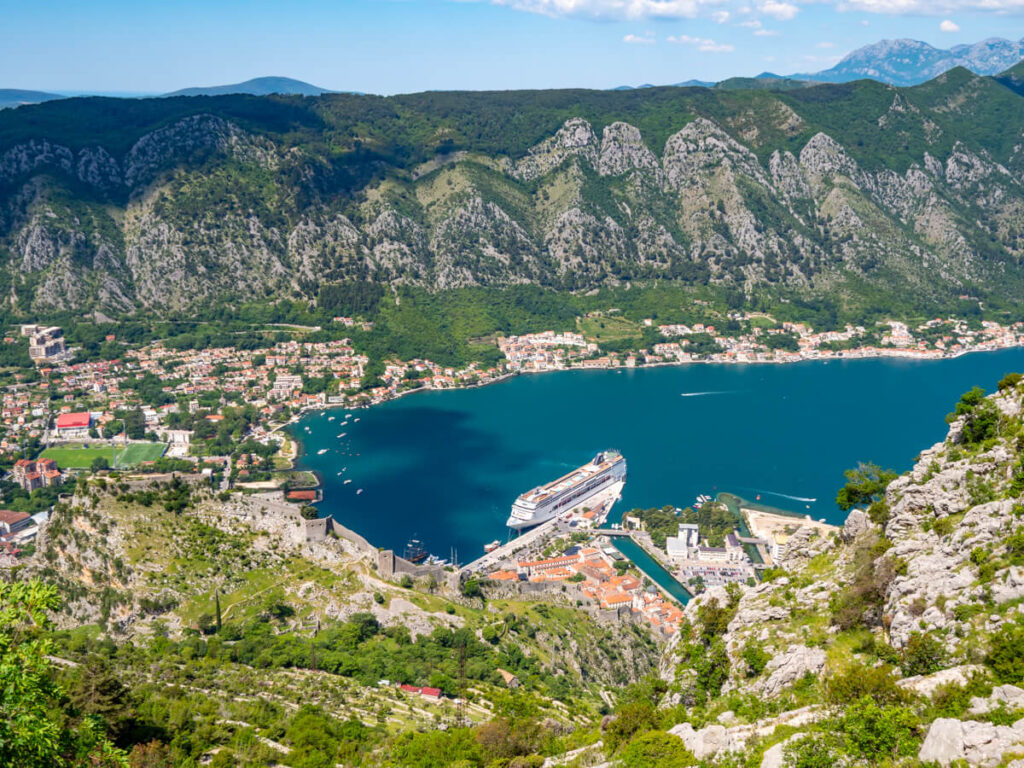
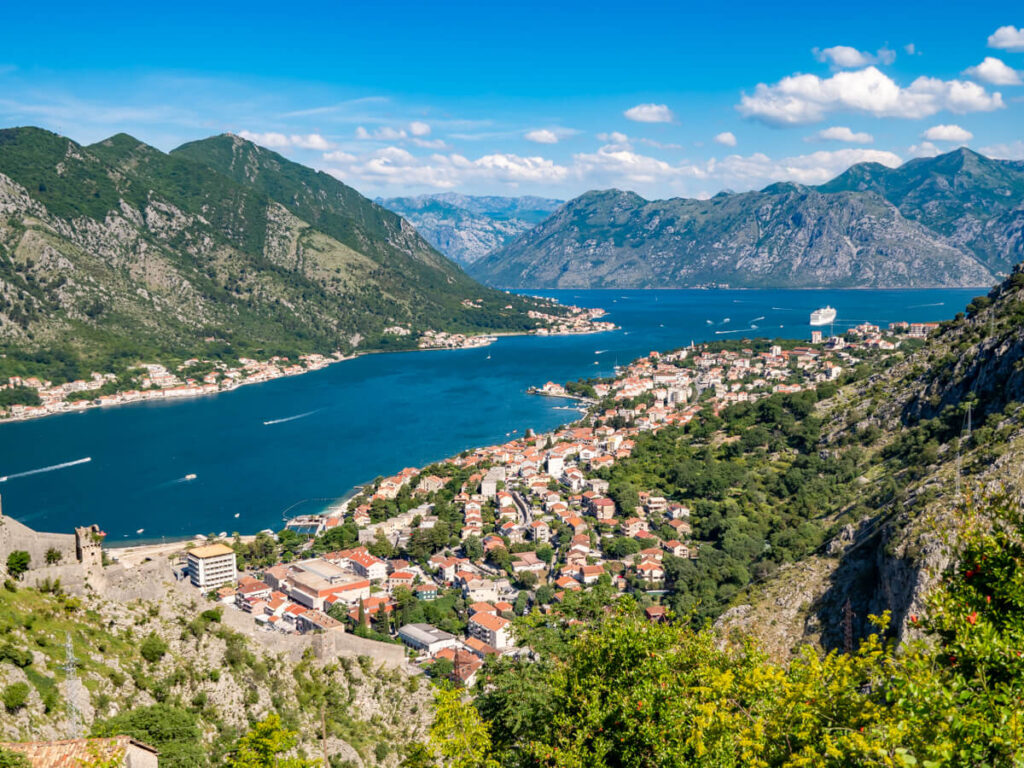
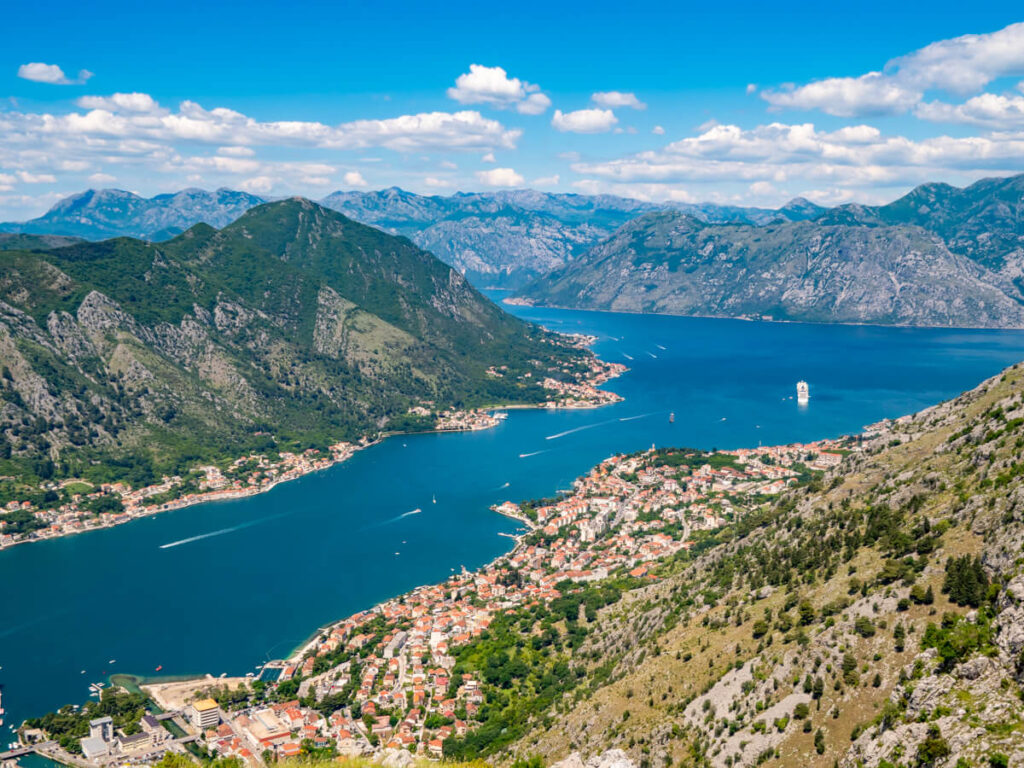
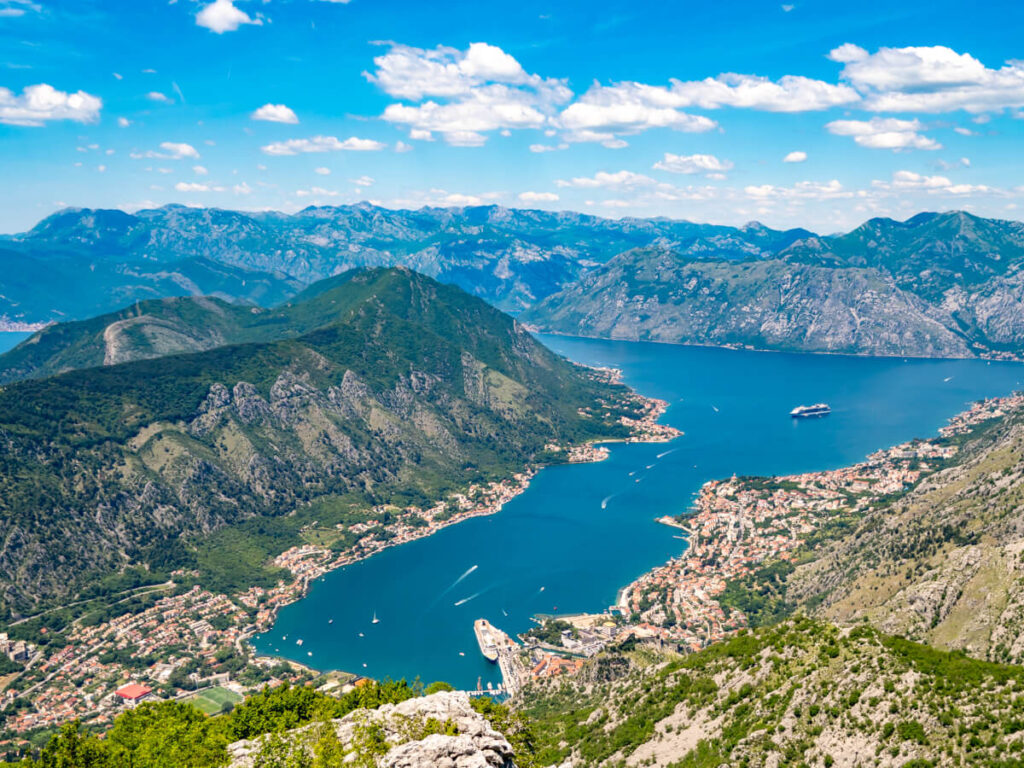
Kotor is one of the most popular places in Montenegro, with a medieval Old Town surrounded by towering mountains and the dramatic blue waters of the Bay of Kotor. While wandering the narrow streets and historic squares of the Old Town on a walking tour is reason enough to visit, there’s actually far more to see and do around the bay, from hiking and viewpoints to boat trips, beaches, historic towns, and scenic drives.
We spent plenty of time exploring Kotor and Boka Bay during our Montenegro road trip, spending 5 days in the Old Town itself at the start of our trip and a week on the nearby Luštica Peninsula at the end, and one of the things we liked most was how easy it is to combine completely different experiences in a relatively small area. You can spend the morning hiking high above the bay, get lost in the Old Town in the afternoon, then finish the day with a swim, sunset viewpoint, or dinner overlooking the water.
But working out what is actually worth your time can be surprisingly difficult. There are plenty of lists of things to do in Kotor online, but they often either focus almost entirely on the Old Town or include attractions that are quite a distance away (no, we don’t consider Budva – an entirely different town – something to do in Kotor). Some experiences also take considerably longer than you’d expect, while others are easy to combine into the same day.
In this guide, we’ll cover the best things to do in Kotor Old Town and around Boka Bay, including the top historic sights, hikes, viewpoints, boat trips, beaches, nearby towns, and some of our favourite places to relax. We’ll also explain how to fit the best experiences into your itinerary and which ones we think are actually worth prioritising – and which aren’t.
Top Tours in Kotor
More from Kotor
What is there to do in Kotor?
Kotor’s really unique because it has a huge amount of history packed into a small, compact area. The town developed into an important trading and maritime centre during the Middle Ages and has been shaped by Byzantine, Serbian, Venetian, Austrian, and other influences over the centuries.
Part of a 14,600-hectare UNESCO World Heritage site, Kotor is an attraction in its own right, so it’s no surprise that tourism has boomed in the region, with countless cruise ships descending on the town daily in summer. The historic Old Town sits at the innermost end of the Bay of Kotor, surrounded by steep limestone mountains, while its maze of medieval streets is packed with churches, palaces, museums, cafés, and centuries-old fortifications.
But there’s more in Kotor for you to enjoy than just history. You can wander aimlessly through the Old Town’s quaint alleyways, climb high into the mountains, eat your way through Montenegrin specialities, visit a museum when the weather turns, or jump on a boat and explore the beauty of Boka Bay.
The best things to do in Kotor Old Town
Kotor’s Old Town is compact enough to explore on foot, but there’s far more to it than simply wandering around the main squares. Once you start looking beyond the obvious sights, you’ll find layers of history, tiny lanes, old fortifications, unusual museums, and plenty of places to stop for food or a drink. Here’s what we’d recommend finding in its network of narrow streets.
Planning a trip to Kotor?
Montenegro is gaining popularity quickly, so be sure to book in advance as early as possible!
Top Experiences in Kotor
Top Hotels in Kotor
Rent a Car in Montenegro
Best eSIM for Montenegro
1. Explore the streets of Old Town
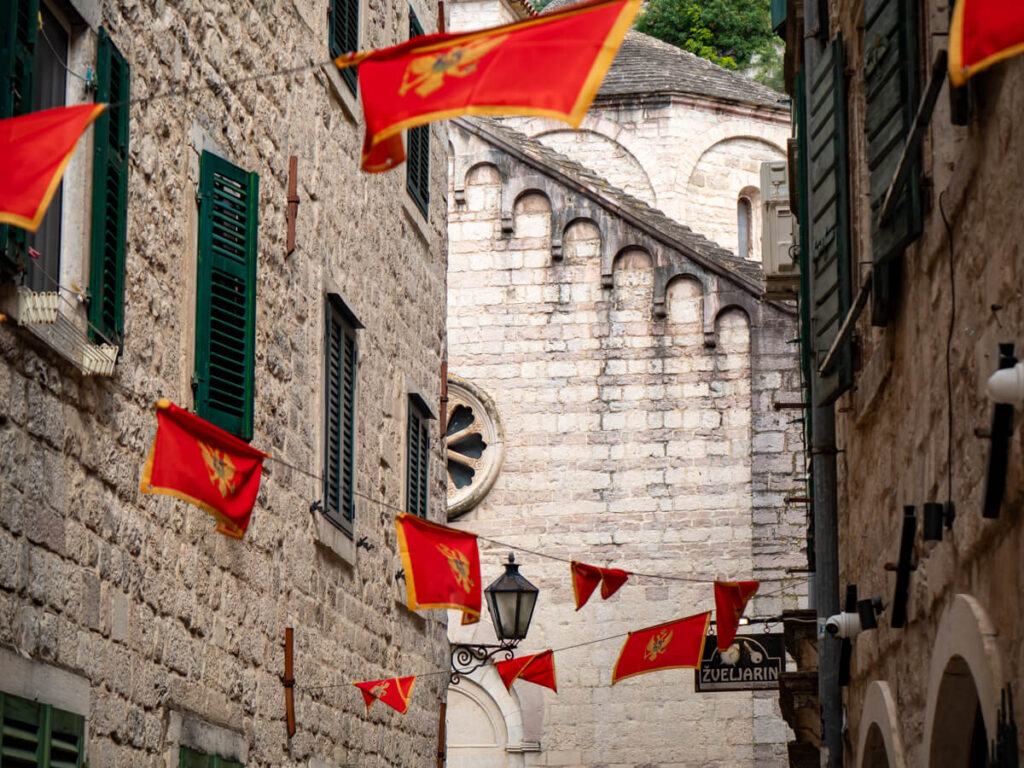
One of the best things to do in Kotor is simply walk without a plan. The Old Town is a labyrinth of narrow stone lanes and small squares, with buildings packed tightly together and little passages leading off in all directions. You’ll pass a mixture of Romanesque, Byzantine, Venetian, and Gothic architecture, almost perfectly preserved, despite being rebuilt after a devastating earthquake in 1979.
We’ve written a detailed DIY Kotor Old Town walking tour route guide, but the landmarks you should look out for include:
2. Walk the Walls
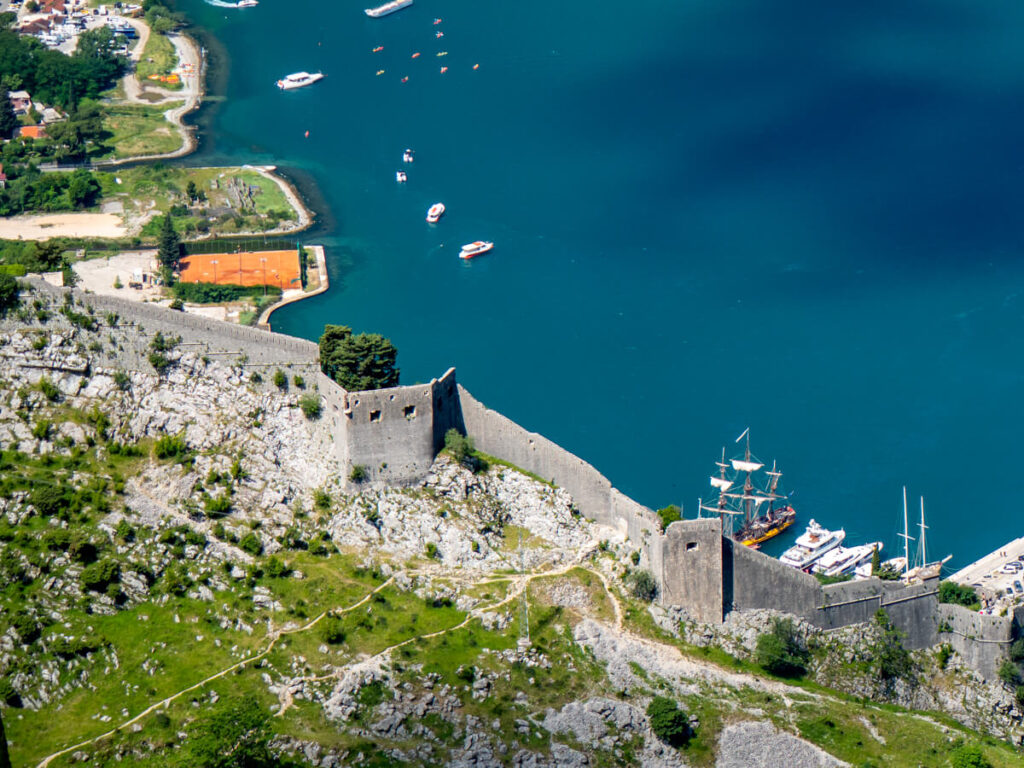
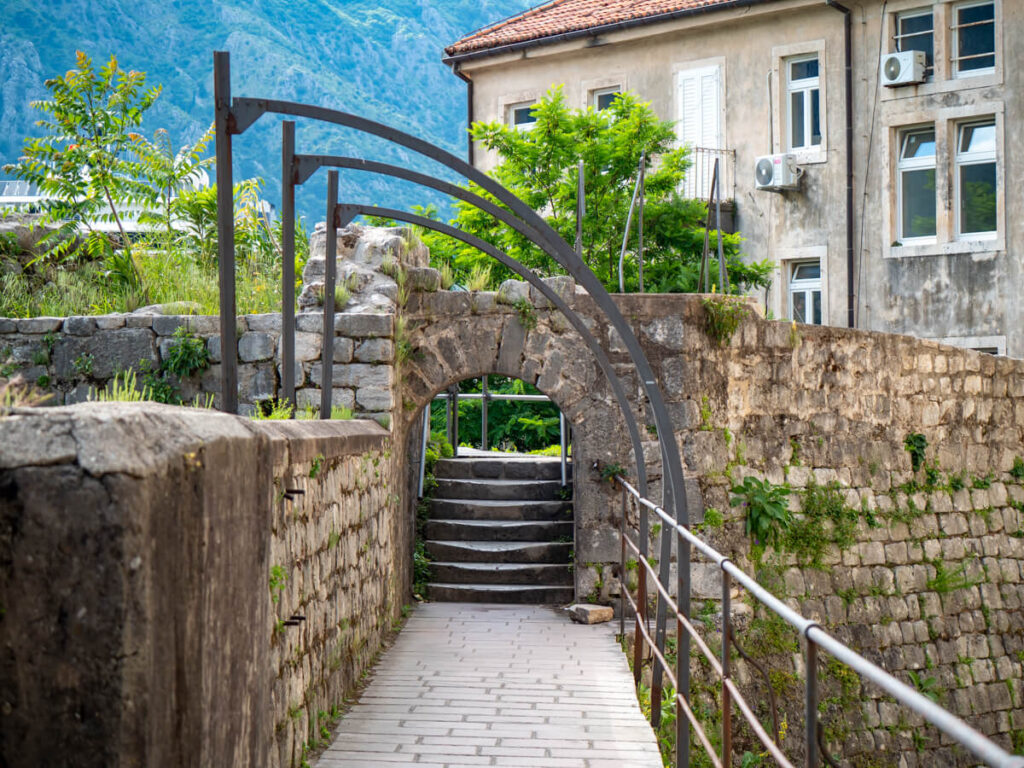
Kotor’s fortified walls are enormous, completely encircling the Old Town and climbing from the waterfront up the mountainside towards the hillside San Giovanni Fortress. The walls were constructed and expanded over several centuries, with the surviving system stretching for around 2.8 miles (4.5 km) and reaching up to roughly 20 metres (65 ft) high in places.
We recommend entering the city through the Gurdić Gate and walking the walls along the waterfront to either Kampana Tower or Bemo Bastion. It’s one of the best free things to do in Kotor, and you’ll be rewarded with views over the harbour, up to the fort, and over the red roofs of the Old Town.
3. Admire San Giovanni Fortress
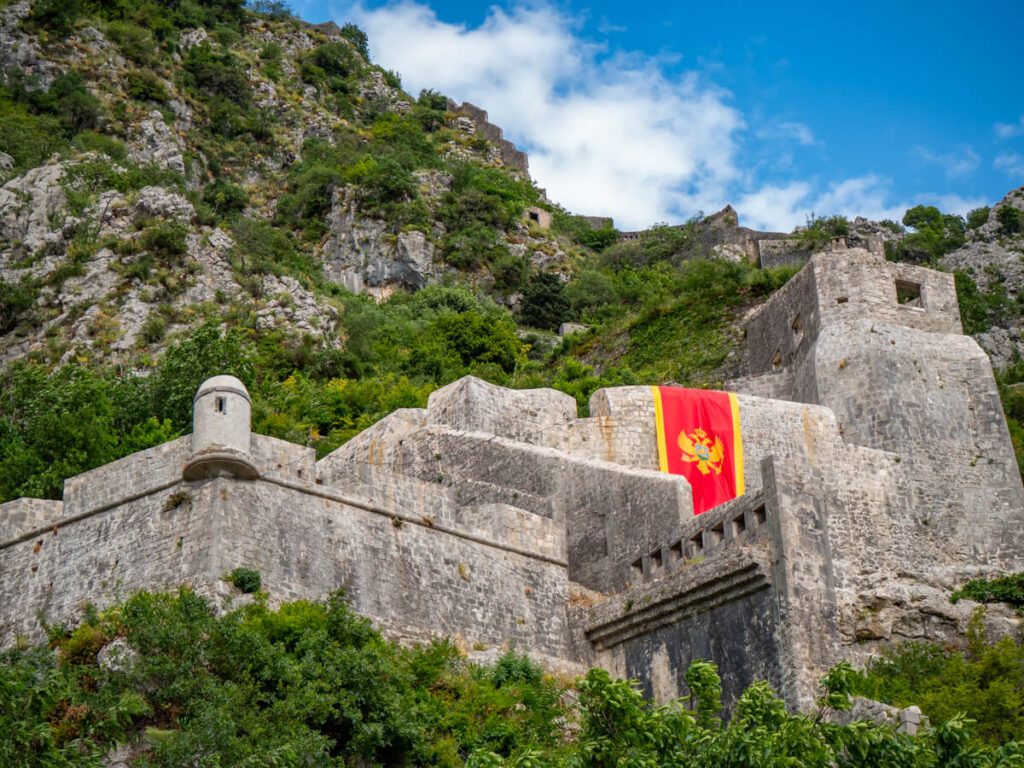
If you’d like to get a closer look at San Giovanni Fortress (St. John’s Fortress or Castle), you can climb roughly 1,350 steps to the fort itself. The preserved ruins sit on Mount San Giovanni (hence its name) at around 260 metres (853 ft) above sea level, and give some of the best views of the Old Town. On the way up, you’ll pass the Church of Our Lady of Remedy.
The fort’s foundations date back to Illyrian times, around 100 BCE, with major 6th-century reconstructions by Byzantine Emperor Justinian I and much of what you see today was expanded by the Venetians between the 15th and 17th centuries.
You can admire the fortress from pretty much anywhere in the town, but if you’re keen to go up to it, the climb takes around 45 to 60 minutes to hike up and 25 to 30 minutes to hike down, so we’d recommend 2 hours to see it. The entrance fee is €15 per person, which we think is pretty steep (pun intended), so we skipped going up in favour of a free hike with better views that we’ve put later in this list.
4. Pet the kitties in Cat Park
Kotor’s cats are the iconic unofficial symbol of the town and practically part of the local scenery. As animal lovers, we’d definitely make time to meet some of the city’s furry residents. You’ll find them sleeping on steps, wandering through alleyways, and lounging in sunny spots, generally behaving as though the entire Old Town belongs to them – which, judging by how many bowls of food appear around the town, they may have a point.
The best place to find them in abundance is at Cat Park, a small square near the River gate in the north of the Old Town.
There are plenty of stories about how cats became so closely associated with Kotor, particularly tales linking them to sailors who brought cats aboard ships to control rodents. But we were pleased to see they’re well looked after, with locals leaving out food and water for them and a city-wide spay and neuter programme.
Please remember that just because they’re cute doesn’t mean they’re props for photographs. Some cats will happily accept attention, while others would clearly prefer you to admire them from a respectful distance.
If you love seeing the cats in Kotor, you can support Kotor Kitties’ widespread spay and neuter programme by donating on their official website.

5. Browse the Museums
If the heat, rain, or crowds become too much, popping into one of the small local museums is a great way to get off the streets and learn a little about the town’s history. The top museums in Kotor are:
They’re all small, so they won’t take more than an hour or so, but they’re also pretty affordable at only a few euros per person.

6. Hike the Ladder of Kotor
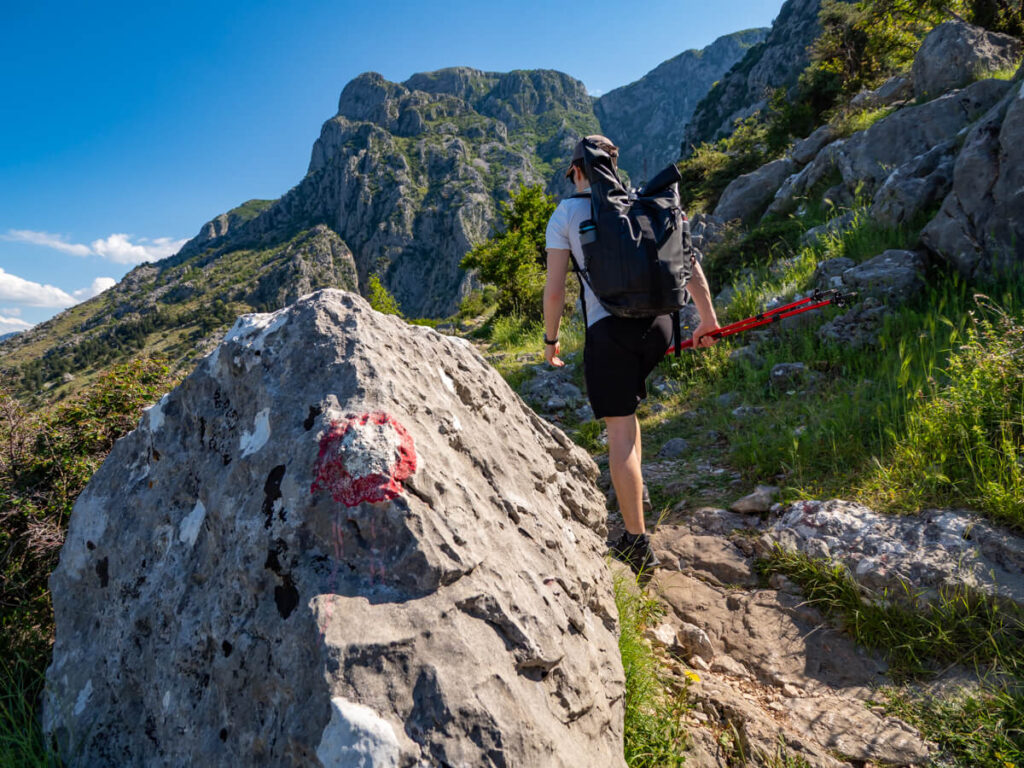
If you’re up for an adventure and keen to see Kotor from a different perspective, we can’t recommend the Ladder of Kotor hike enough. It’s one of our favourite things we did in Kotor.
The trail leaves from just outside the Old Town and climbs towards Krstac Pass, covering nearly 1,000 meters (3,280 ft) of elevation over a series of around 65 fairly gentle switchbacks.
Despite the name, there isn’t actually a ladder involved, although there’s a lot of confusion online about the hike. It used to be easily combined with a back entrance into the fortress, but it’s now been closed up. The name actually refers to the old military route that was once an important trading route between the coast and the mountain towns of Njeguši and Cetinje.
Today it’s one of the best hikes near Kotor, giving you epic panoramic views over the Bay of Kotor. It’s longer than the climb to the fortress, but arguably more rewarding and free. Don’t miss the iconic Cheese Shop on your way back down for a snack and refreshing drink with a view.
7. Shop for souvenirs
Kotor’s boom in popularity has also led to an increase in souvenir shops, and you’ll find lots dotted throughout the city, most notably around Arm’s Square and the town’s main entrance, the Sea Gate.
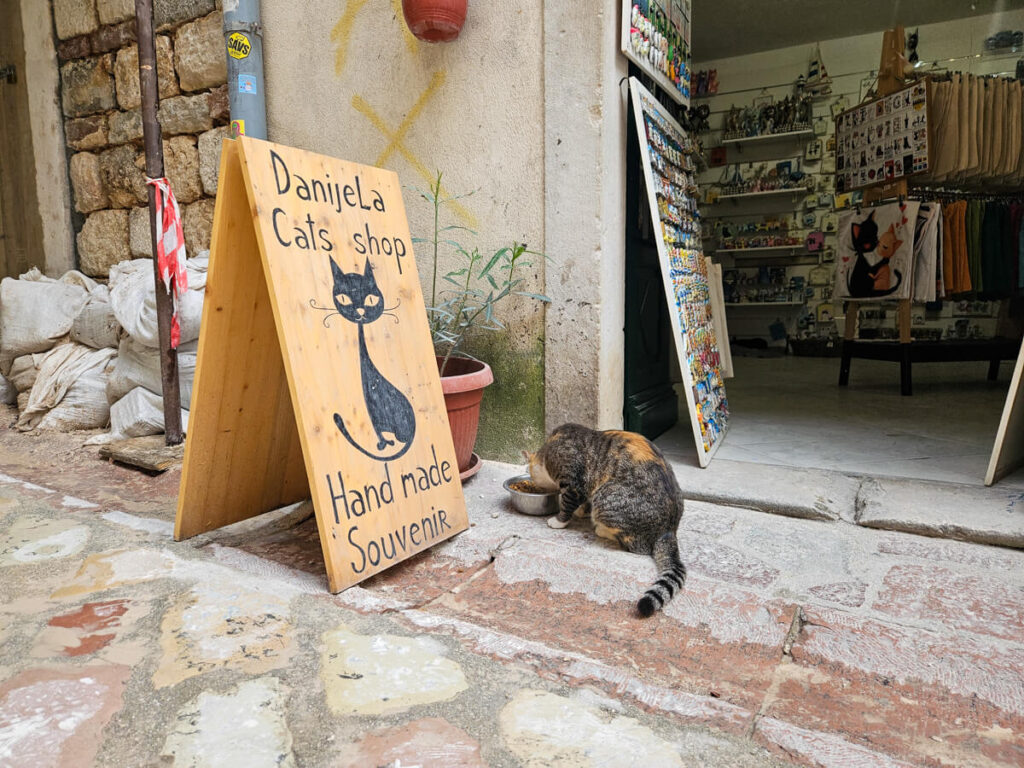
The Old Town is full of small stores selling everything from handmade jewellery and artwork to magnets, postcards, local food products, and the inevitable collection of cat-themed merchandise. We’d recommend heading to Danijela’s Gift Shop, as a portion of the proceeds go towards caring for the town’s street cats.
There’s also the hidden Kotor Bazaar that many tourists miss, tucked down a tiny street between two churches.
For something really unique, look out for Anastasia Dukic, who you might see around town painting on her easel. She does really beautiful oil on canvas pieces, including paintings of the town’s cats. We met her in Cat Park and asked if she would do a commission of a picture we’d taken of a ginger cat above the Bay of Kotor, and she completed it in an hour for €40. It’s one of our most special souvenirs to date.
8. See the ancient Roman settlement
Kotor’s history goes back much further than the medieval buildings you see today. The ancient Roman settlement in Kotor was once known as Ascrivium (Acruvium), but no one’s really sure where it stood, because its ruins are likely underneath the current town.
There are, however, archaeological layers on display just down the road from the main bus terminal, and most people walk right past them. It’s worth having a peep over the fence to see the remains of what once could have been part of an ancient city.

9. Eat your way around town
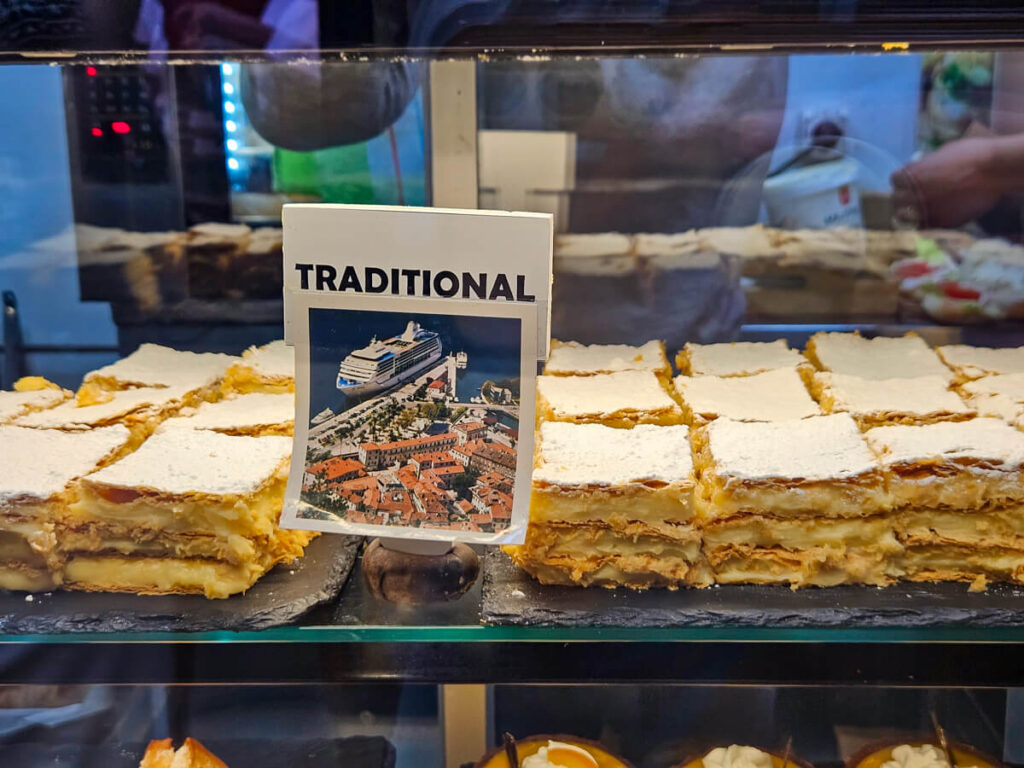
You can’t properly experience Kotor without making time for local food. There are some incredible cafés, bakeries, and restaurants in Kotor, perfect for breakfast, lunch, and dinner. Cuisine here has been shaped by centuries of contact between different cultures, so you’re just as likely to find Montenegrin dishes alongside Italian-influenced pizzas and pastas.
For something distinctly local, look out for Njeguški pršut, local cheeses, seafood, and grilled meats or vegetables. You’ll also find local wines from the wine region and beers like the famous Nikšićko Pivo, alongside cocktail classics like Aperol Spritzes.
If you like to get hands-on, you can join a Kotor cooking class, while a Kotor food tour is a great way to try some Montenegrin dishes and get some local recommendations.
Unique things to do in Kotor
If you’ve ticked off the main sights in the Old Town, here are some unique things to do in Kotor that are quintessentially Montenegrin, famous on social media, or non-touristy things we discovered that the average tourist has never heard of. These activities are things that take place outside the old town walls, but still in the immediate Kotor area, so you’ll need to rent a car, arrange taxis, or hop on the local bus to get to them.

10. Ride the Kotor Cable Car
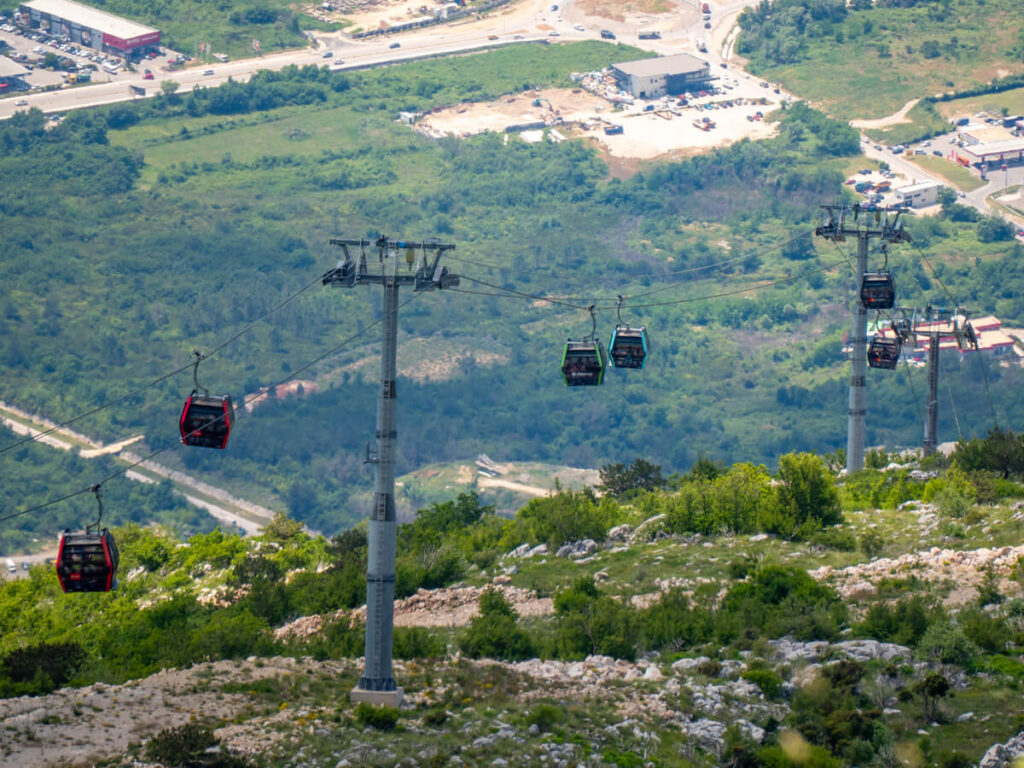
The Kotor Cable Car is one of the newest ways to get up into the mountains above the Old Town, taking you from the coast near Kotor up towards Kuk on Mt. Lovćen in around 11 minutes. The journey climbs from roughly sea level to around 1,348 metres (4,423 ft), so the views get increasingly impressive as you leave the bay behind.
There are 40 multi-coloured gondolas, each carrying up to 10 passengers. On a clear day, you’ll get brilliant views over the Bay of Kotor, the surrounding mountains, and the Adriatic as you climb.
At the cable car’s top station, you’ll find a wealth of fun things to do, from mini theme-park-style rides to scenic bars and restaurants with expansive bay views. The Monte 1350 bar is especially popular for sunset.
11. Go on the Alpine Mountain Coaster
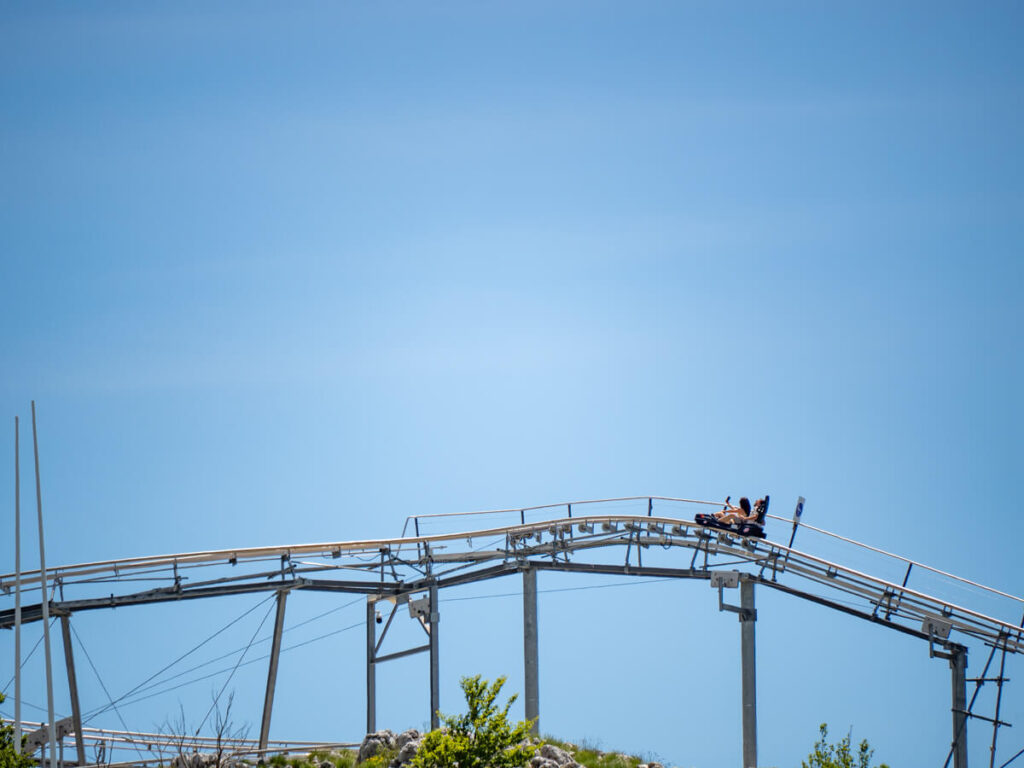
The highlight at the cable car’s top station is the iconic alpine coaster, a toboggan-style ride where you race down a 1,056-metre (3,465 ft) track for 3-5 minutes before returning to the upper station.
You’ve probably seen it on Instagram, as it’s hugely popular with backpackers and families, and many people make the trip to the top for the ride alone. At €12 (€20 for the fast track), it’s quite expensive for what’s a pretty short ride, but for some people, it’s a highlight of a visit to Kotor.
12. Drive the Serpentine Road
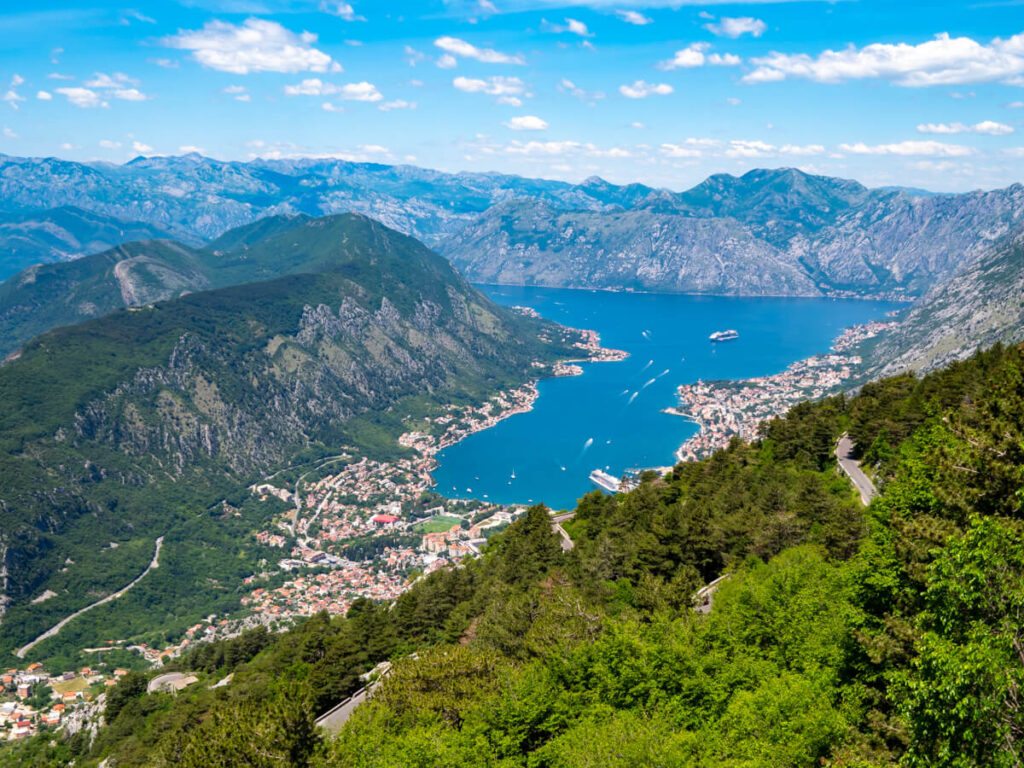
If you prefer four wheels to cable cars, take a drive up the Kotor Serpentine, one of Montenegro’s most famous mountain roads. The historic road climbs steeply out of Kotor towards Njeguši, with a series of 25 hairpin bends that gradually carry you high above the bay.
There’s a series of viewpoints on the route, with the panoramic Horizont Bar at the top, so the views are the obvious attraction, but the road itself is quite an experience. Some of the bends are extremely tight, and you’ll need to keep an eye out for oncoming traffic, coaches, and other drivers who may not be quite as cautious as you are. If you’re not used to driving in Montenegro, you might prefer to take a taxi up it or to take the cable car instead.
13. Hike to Vrmac Fortress
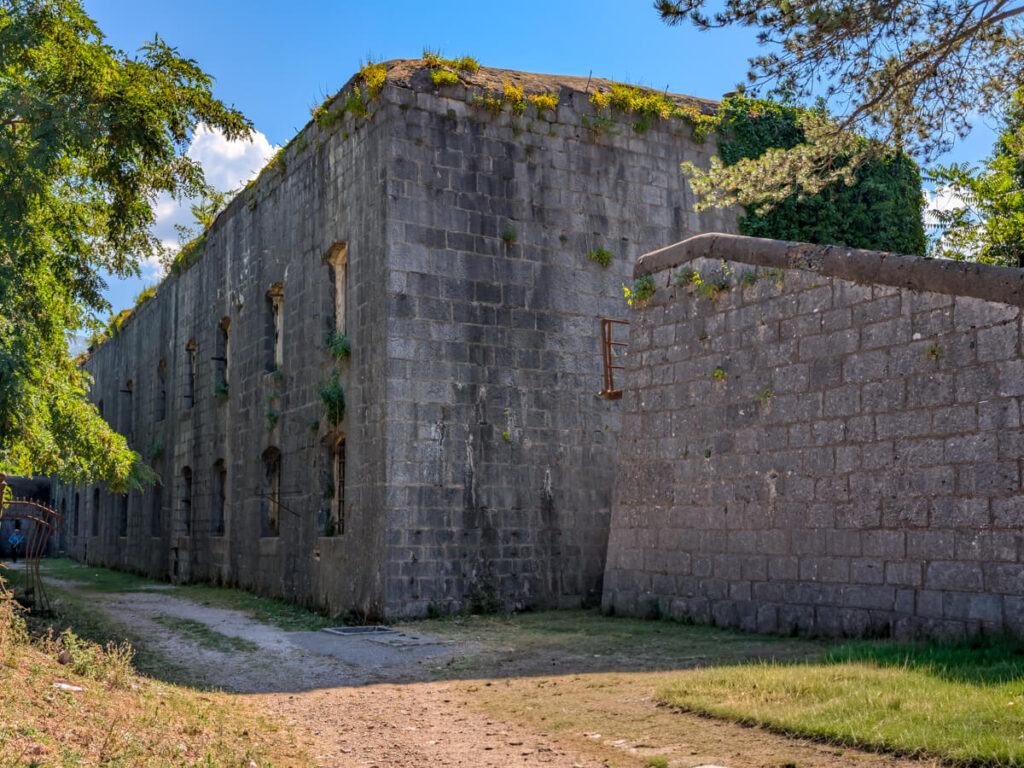
For a quiet hike away from Kotor’s busiest attractions, head across the bay to the Vrmac Peninsula. Nestled between Kotor and Tivat, you’ll find the abandoned Austro-Hungarian Vrmac Fortress sitting high on Vrmac Ridge, overlooking both sides of the peninsula.
The fortress was constructed in the late 19th century as part of Austria-Hungary’s extensive defensive system around the Bay of Kotor. It was later expanded and reinforced, but today the building is largely abandoned, with nature gradually reclaiming the site. Hiking to it is fairly simple, with options for shorter and longer routes depending on where you park. It’s a great stop if you’re into military history.
Not too far away, you’ll also find the abandoned Gorazda Fortress, but we didn’t think it was as impressive. You can park right outside it, so it’s easier to visit, but the hike along the Vrmac Ridge trail is an activity in its own right.
14. Explore old submarine tunnels
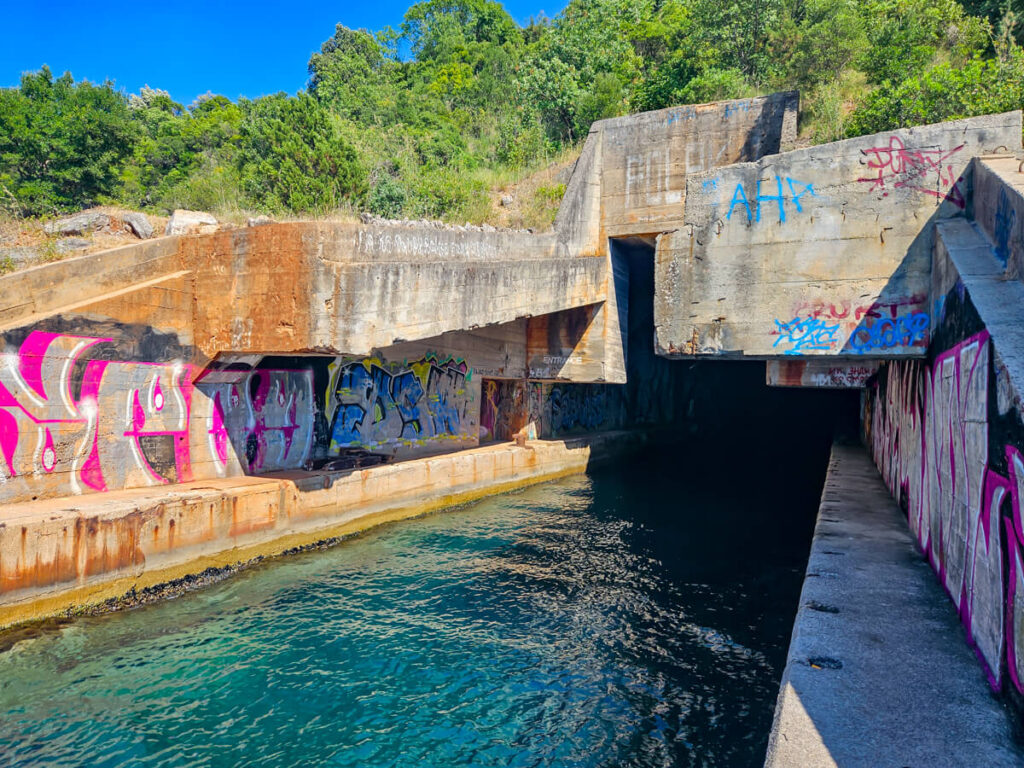
One of the strangest reminders of Boka Bay’s military past is hidden along the coastline in a series of old submarine tunnels. During the Yugoslav era, these camouflaged naval facilities were built into the mountainside so submarines could shelter from enemy observation and potential attack.
Finding them was one of the most unique things we did in Kotor, and fairly easy when we stayed on the Luštica Peninsula, where most of the tunnels are found. There are a few you can reach on foot, while you’re most likely to see them if you take a Blue Cave boat tour.
The tunnels are surprisingly difficult to spot from the water, which was the point. Once inside, they open into long concrete chambers cut directly into the rock, giving you a sense of just how heavily militarised the Bay of Kotor once was.
15. Walk a dog at Azil
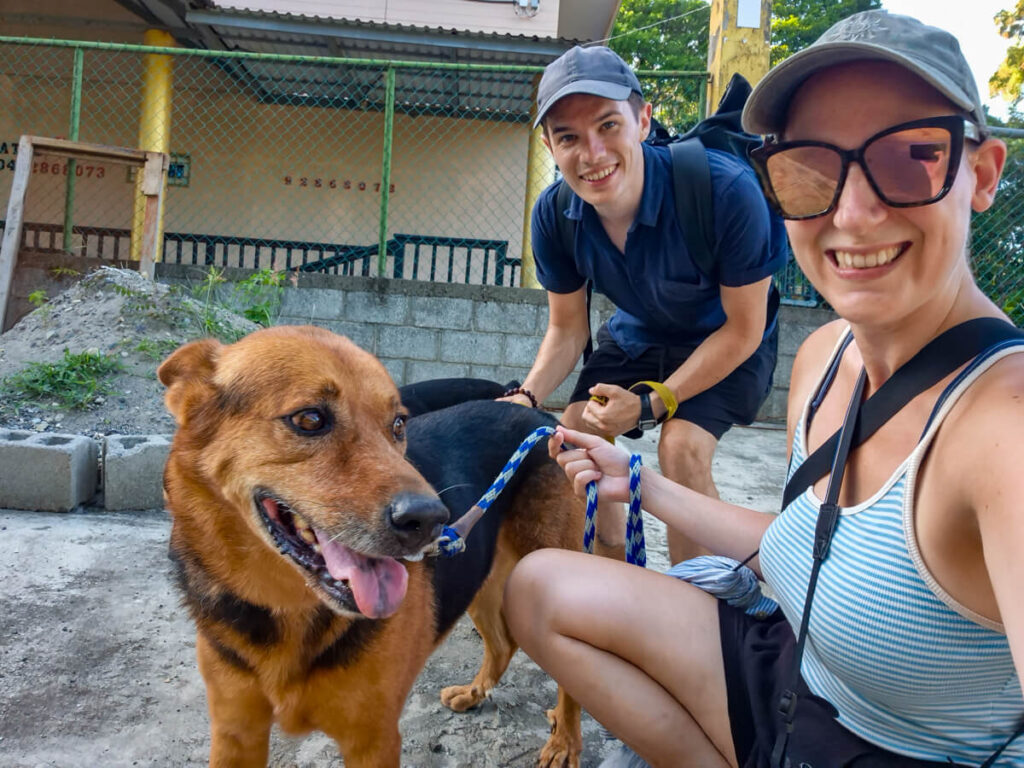
If you’re an animal lover, one of the most wholesome things you can do around Kotor is volunteer to walk a rescue dog at Azil, a local animal shelter that rescues and cares for dogs in the region around Kotor and Tivat.
Taking a dog out for a walk might sound like a small gesture, but it gives them a break from the shelter environment and some valuable one-on-one interaction. We saw quite a few stray dogs in Montenegro over the 5 weeks we road-tripped the country and it absolutely broke our hearts. So the fact that there’s an organisation trying to better the lives of strays in the bay makes us so happy.
Volunteering with rescue shelters is something we try to do whenever we travel now, but sadly, this was the one thing we didn’t have time for and regretted not doing when we left. So if you’re in the area and have some free time, get in touch with Azil and arrange a time to go and help out if you can – they are open for visitors on Monday, Wednesday, and Friday mornings, by appointment in advance.
The best things to do around the Bay of Kotor
Once you’ve explored Kotor itself, the real fun starts when you venture further around the bay. There are several beautiful little towns, mountain hikes, hidden military sites, beaches, and caves to explore, plus plenty of opportunities to get out on or in the water. Here’s how to spend your days exploring the wider Boka Bay.
16. Take a Blue Cave boat trip
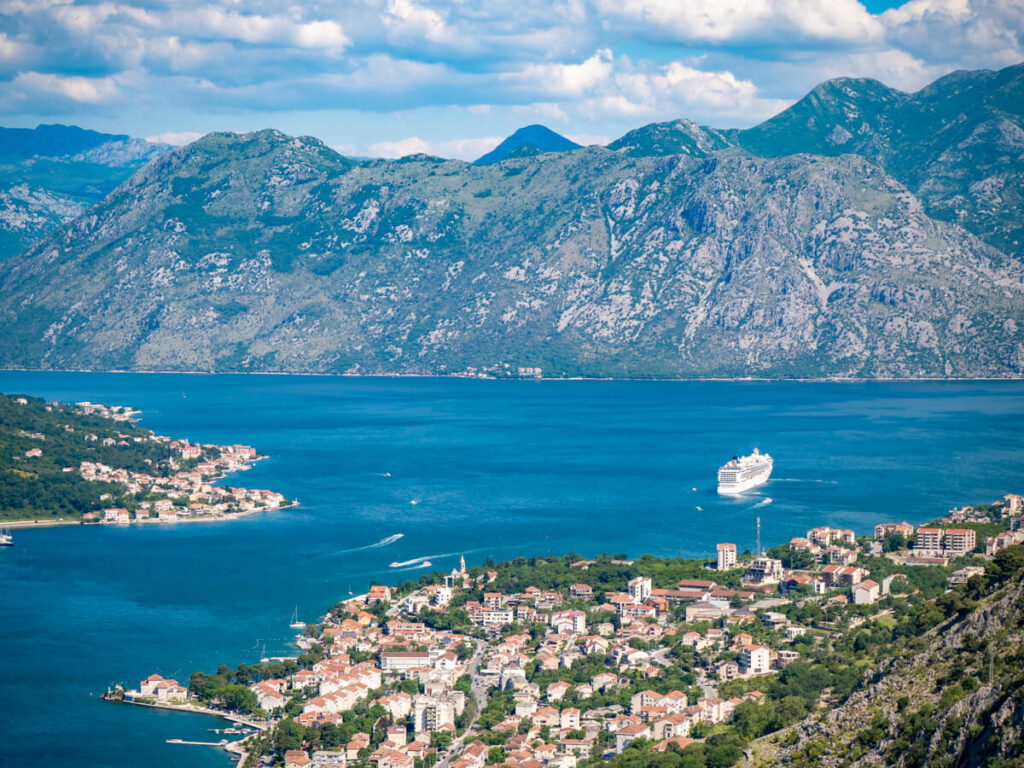
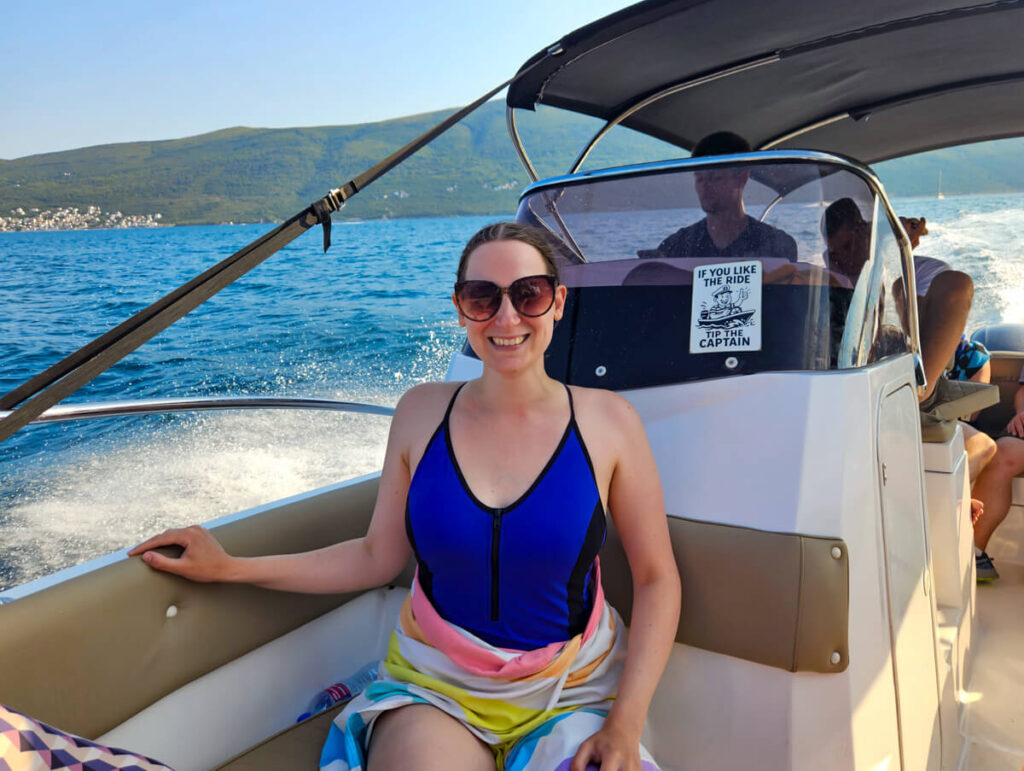
A Blue Cave boat trip is one of our favourite ways to experience the Bay of Kotor because you get to see a completely different side of the coastline. Most trips head out towards the mouth of the bay and the Luštica Peninsula, where the sea caves, rocky coastline, and clear water feel a world away from the busy streets of Kotor.
The Blue Cave itself is the main attraction, with sunlight entering through the underwater opening and turning the water an incredible shade of turquoise. Depending on the tour you choose, you’ll usually combine it with other stops like the old submarine tunnels, Mamula Island and Our Lady of the Rocks near Perast.
This is the most popular tour in Kotor, so it’s worth booking in advance. It can be hard to choose between Blue Cave boat tour operators, but a typical speedboat trip takes around 3 hours, although private tours can be longer.
17. Visit Lovćen National Park
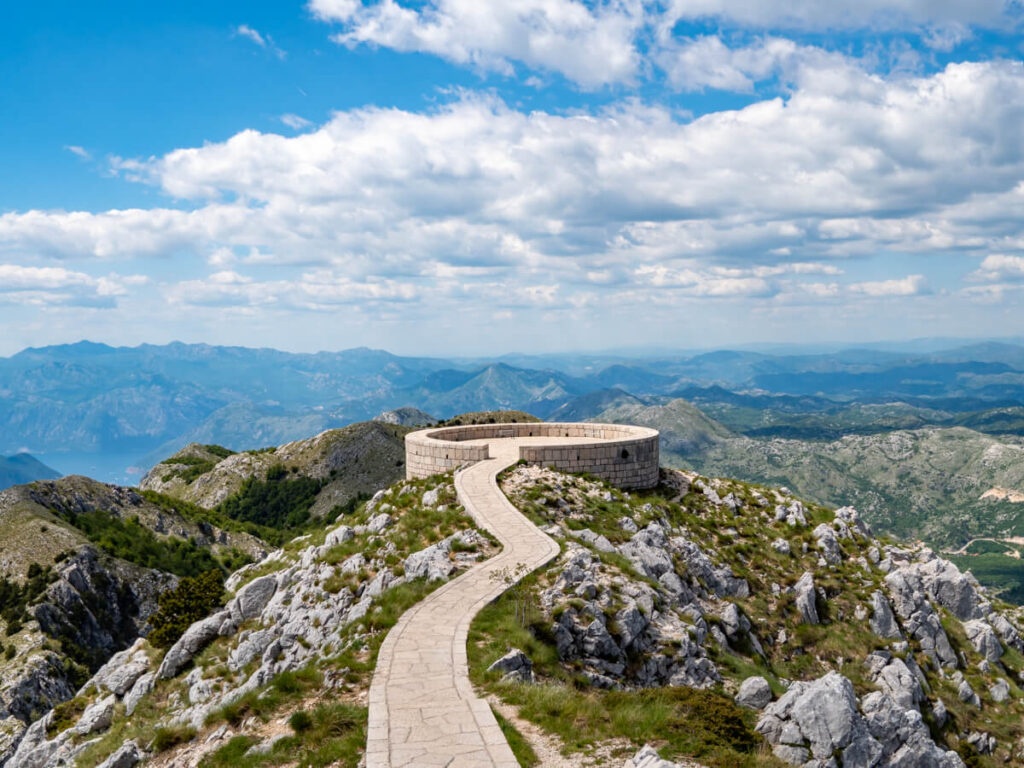
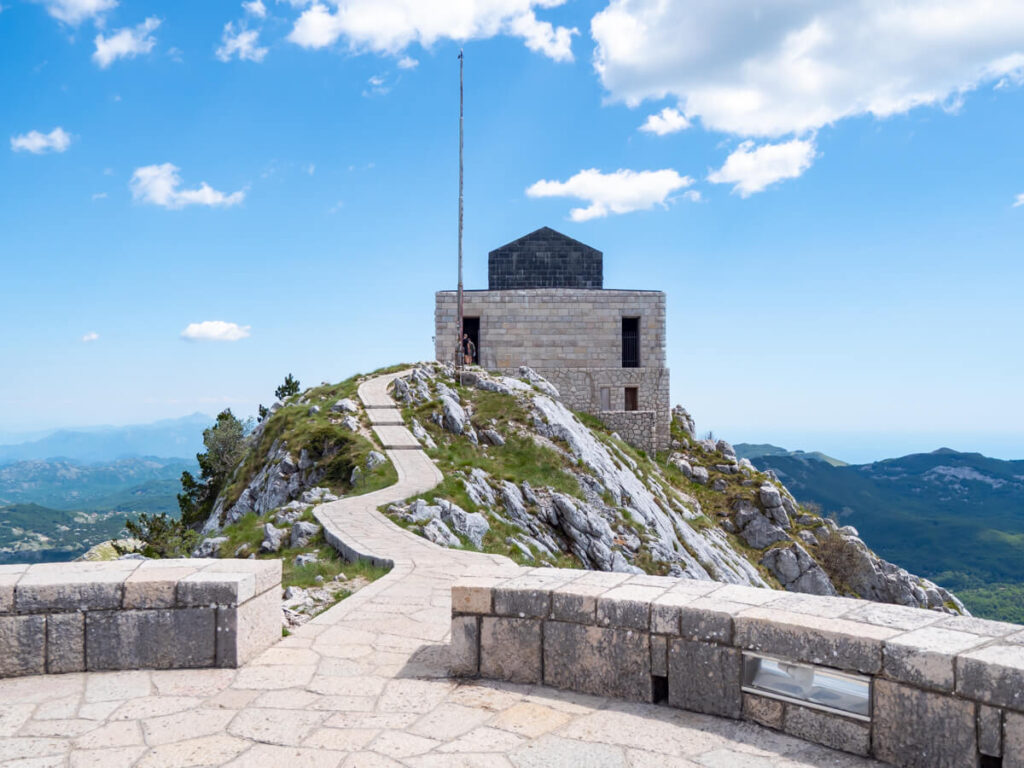
One of the best ways to escape the heat and cruise ship crowds of the coast is to head into Lovćen National Park. The highlight is Njegoš Mausoleum, claimed to be the highest mausoleum in the world and offering incredible views over half the countryside of Montenegro. There are also hiking trails and scenic drives to enjoy too.
Lovćen National Park is a great option for a day trip from Kotor, as it’s fairly close to the town, but gives you a taste of the mountains without having to spend too long in the car. If you don’t have your own transport, we’d recommend booking a Lovćen day tour, as it’s not feasible to hike to it in a day, it can’t be reached by the cable car, and there’s practically no public transport.
18. Day trip to Perast
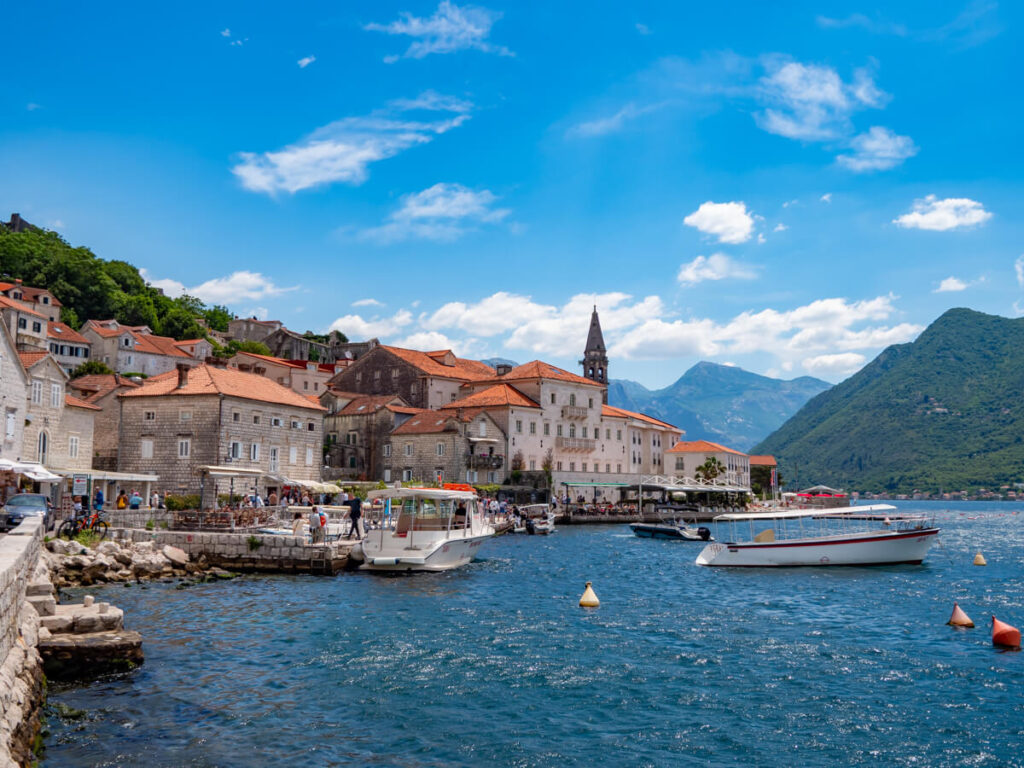
Visiting Perast is one of the easiest and most worthwhile things to do on the Bay of Kotor. The tiny waterfront town is packed with old stone palaces and churches, despite being small enough that you can walk around it in an hour or so.
The real highlight is the view across the bay towards the two islands, Our Lady of the Rocks and St George. Our Lady of the Rocks is an artificial island built up over centuries, with a church and museum that you can visit by boat from Perast if you’ve not included it in the Blue Cave tour.
We’d suggest wandering along the waterfront, climbing the 55-metre (180 ft) bell tower for the views, taking a boat across to Our Lady of the Rocks, and eating lunch in Bocalibre for the best pizza.
Perast is only around 7.5 miles (12 km) from Kotor, so it’s incredibly easy to add to your itinerary. It’s about 20 minutes by road, and public buses to Perast are easy to catch from Kotor and around the bay. Parking is a nightmare, though, with incredibly limited free spaces at either side of the town and limited and expensive car parks. We’d recommend arriving early and avoiding weekends.
19. Take a tour to Škurda Canyon
If you’re looking for something considerably more adventurous than wandering around Kotor’s Old Town or mooching around the bay, head deep into Škurda Canyon. The canyon starts surprisingly close to Kotor, but once you’re inside it feels like you’ve travelled much further into the mountains.
The canyon itself is around 0.7 miles (1.2 km) long and reaches an entrance elevation of around 900 metres (2,953 ft). This isn’t a casual independent trip, though. You’ll need to join a Škurda canyoning tour that involves scrambling, swimming, climbing, and using ropes, with the full route taking around 6-7 hours depending on the group and conditions. It’s an adventure for sure.
20. Hike Pestingrad Peak
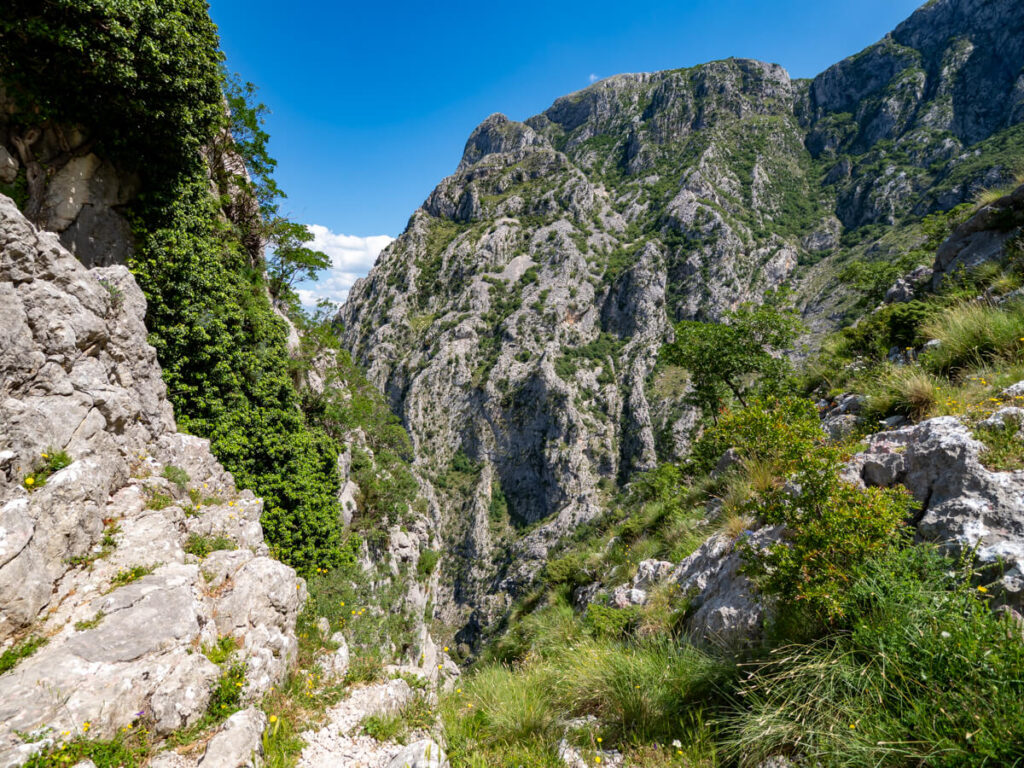
For a mountain hike without committing to something as demanding as a full-day summit, Pestingrad is a great option. The peak sits above the Bay of Kotor and gives you fantastic views across the mountains, coastline, and surrounding villages.
The most popular route starts around Krstac Pass, with the trailhead sitting outside Njeguši, then climbing through the forest before opening up towards Pestingrad Peak at around 1,027 metres (3,369 ft). If you’ve done the Ladder of Kotor and are looking for a challenging route without heading into the country’s northern national parks, this is a great option for keen hikers looking for the best hiking in Montenegro.
21. Try prosciutto in Njeguši
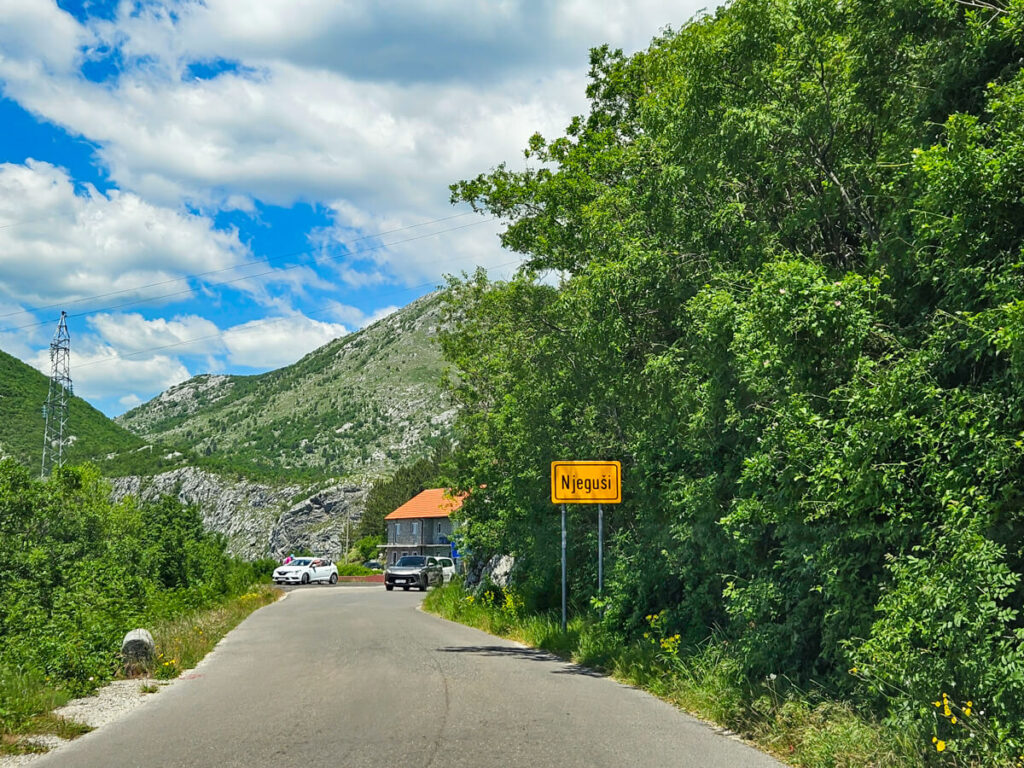
If you’re driving through the mountains above Kotor, or have hiked there, you may want to stop in the tiny town of Njeguši. It’s the birthplace of Petar II Petrović-Njegoš, with a small house-turned museum dedicated to the famous Montenegrin leader.
This little mountain village is primarily famous for its traditional Njeguški pršut, a smoked and air-dried ham that’s one of Montenegro’s most recognisable local specialities. Don’t worry if you’re veggie, they also make a cheese too (Njeguški sir).
You’ll find it served alongside local cheese, bread and other homemade produce in restaurants and family-run establishments around the village. We recommend stopping at Kod Pera na Bukovicu, which is considered the oldest running eatery in Montenegro.
22. Relax in Herceg Novi
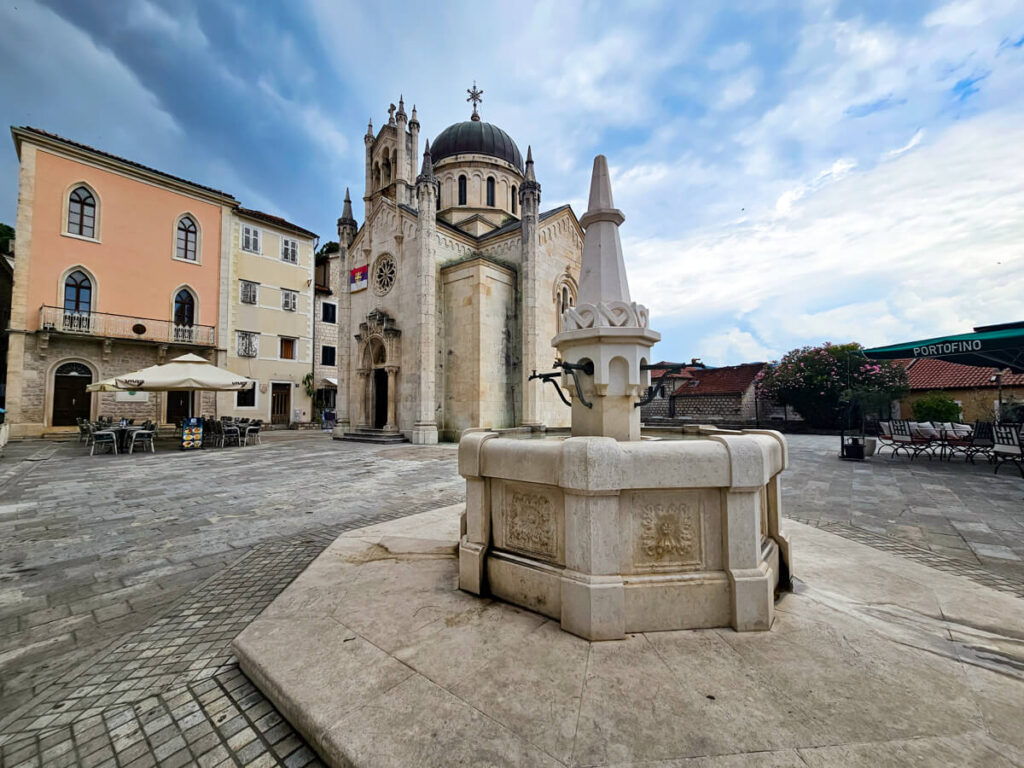
At the opposite end of the bay near the Croatian border, Herceg Novi makes a great change of pace from Kotor. It’s larger and more spread out, with plenty of steps, squares, gardens, beaches, and waterfront cafés to explore.
The town has more than 3.7 miles (6 km) of seafront promenade and a long history stretching back around six centuries, with fortresses and historic buildings scattered throughout the Old Town. It’s not as quaint or scenic as Kotor’s Old Town, but it makes for a great day trip.
Herceg Novi itself is a popular alternative place to stay on the Bay of Kotor, with boutique hotels and lots of vacation rentals.
23. Find the prehistoric paintings in Lipci
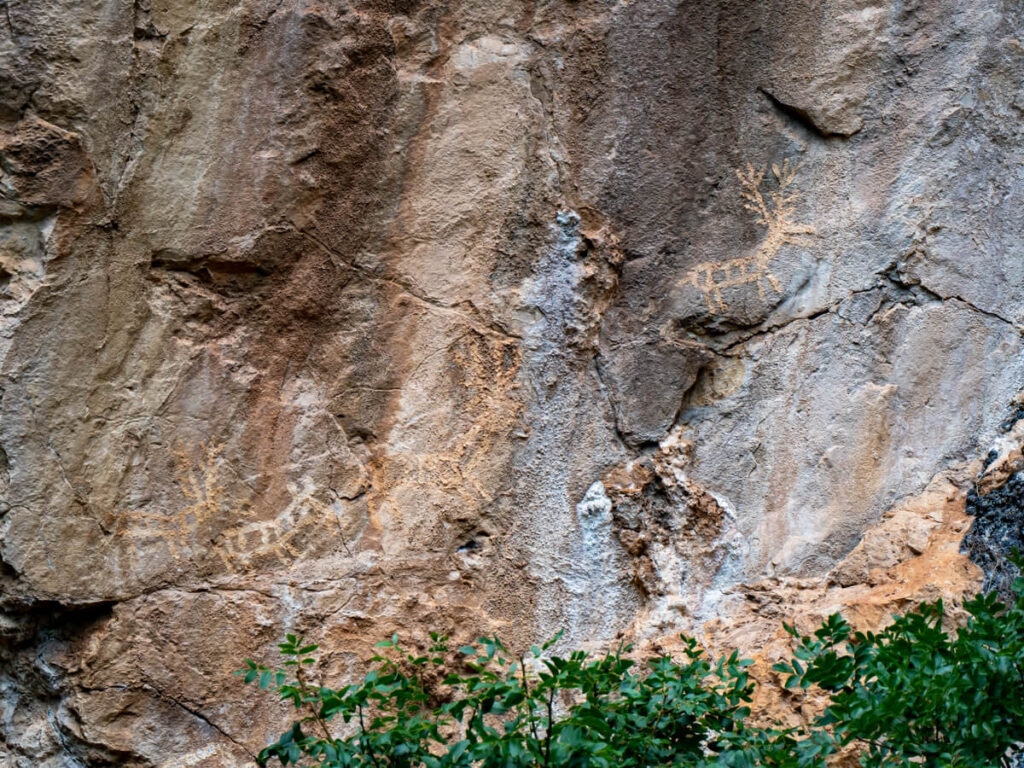
One of the more unusual things that we did on the Bay of Kotor was to visit the tiny village of Lipci, where you can find prehistoric rock art carved into the limestone above the coast.
The drawings depict animals including deer and horses, along with human figures and geometric shapes, and are thought to date from the Bronze Age, roughly 1500-1000 BCE. They’re remarkably easy to miss, which is probably why relatively few visitors make the effort to find them.
In all honesty, the trail isn’t that well maintained, and it’s a hotspot for snakes – we saw a huge brown one slither off from the side of the path – so it’s not an adventure everyone will be up for. But it’s a relatively short walk through the forest, we were the only people there, and it’s really cool to see remnants of history preserved in this way.
24. See the Roman mosaic in Risan
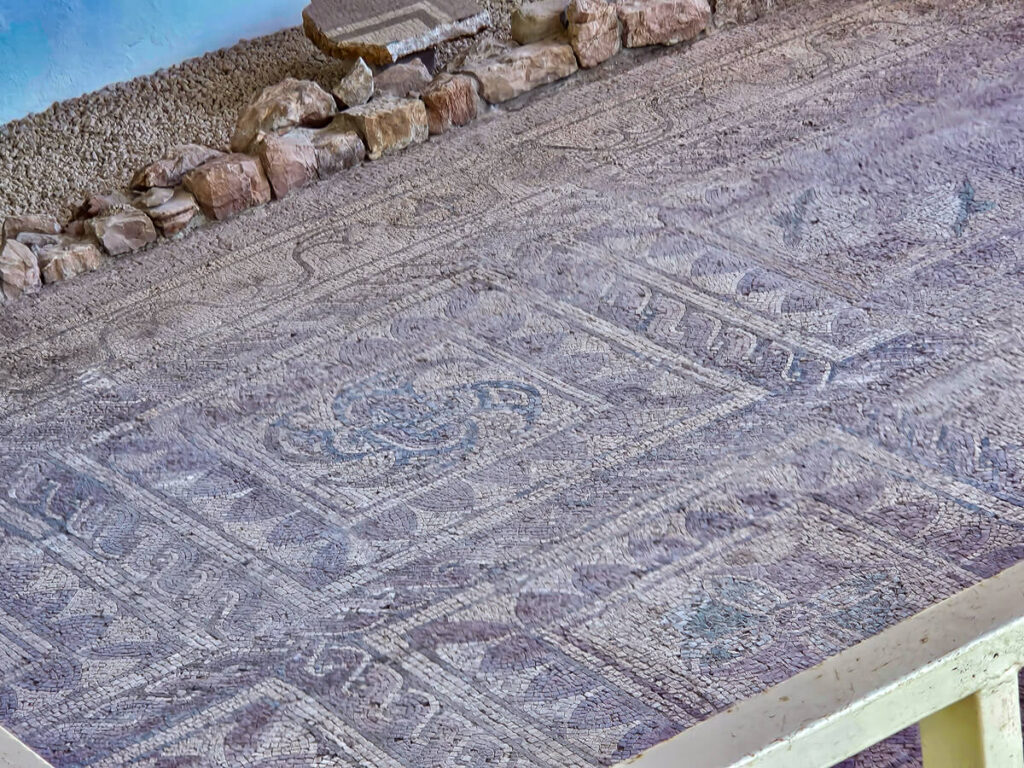
Just along the coast, Risan is another little town that’s worth a stop if you like history. Hidden inside the remains of a Roman villa is one of Montenegro’s most important Roman mosaics, including the famous image of Hypnos, the sleeping god.
The villa dates from around the 2nd or 3rd century ACE, and the mosaic is remarkably well preserved. The archaeological site is relatively small, so you only need around 30-45 minutes to see it, and it’s €6 per person.
It’s easy to get to from Kotor via the Kamenari-Lepetane Ferry, but it’s closed on Mondays. We annoyingly missed it, but we saw a similar mosaic in Petrovac.
25. Explore the Luštica Peninsula
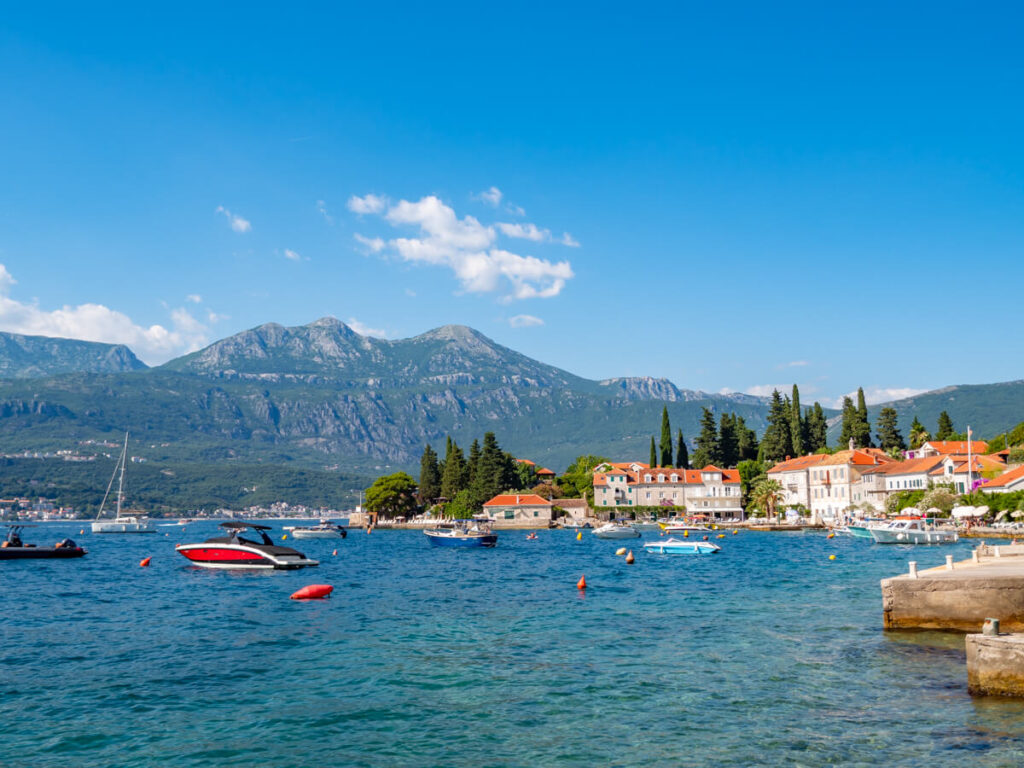
The Luštica Peninsula is where we’d recommend you stay if you’re in Kotor for around a week’s holiday and want a quieter part of the Montenegrin coast. It stretches across the entrance to the Bay of Kotor, with old stone villages, olive groves, quiet coves, and some wonderfully clear water.
You can explore the peninsula by car, stopping at places like the cute fishing village of Rose, or take to the water and visit the coastline by boat.
The peninsula has also started to develop a more luxurious side around Luštica Bay, making an interesting contrast between traditional villages with colourful fishing boats bobbing in the waters and new private resorts with shiny yachts in the harbour.
26. Take in panoramic views while paragliding
For the ultimate view of Kotor, why not leave the ground altogether? Tandem paragliding gives you the chance to fly high above the Bay of Kotor, with views stretching across the water towards the Old Town and surrounding mountains.
The main launch area sits near Lovćen at around 1,380 metres (4,528 ft), with flights descending towards Kotor. It’s one of the more unusual ways to see the bay, particularly because you get a bird’s-eye perspective that’s impossible to replicate from a viewpoint or mountain trail.
Obviously, this is very weather-dependent, so don’t plan your entire day around it without some flexibility. We’d also book in advance with an experienced tandem operator rather than simply turning up hoping to fly, as wind and flying conditions ultimately decide whether you’re going anywhere.

27. Dive deep and learn to freedive
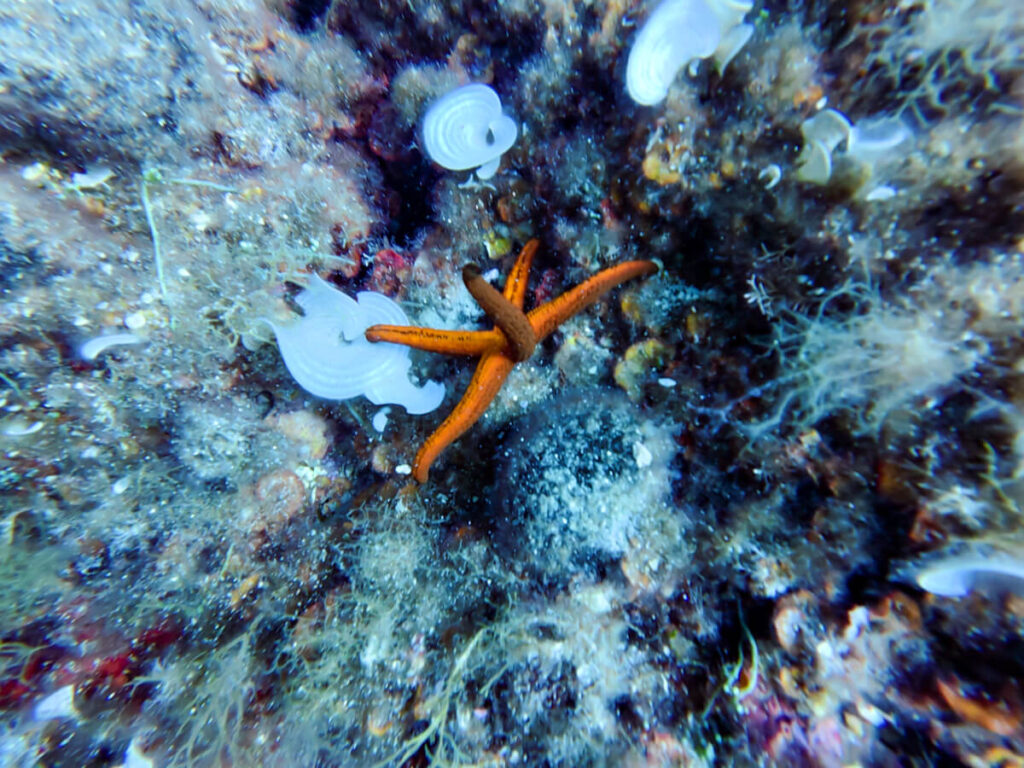
If you’ve ever fancied learning to freedive, Boka Bay is a pretty spectacular place to give it a go. Instead of carrying a tank, like we did SCUBA diving in Budva, freediving teaches you to control your breathing and descend underwater on a single breath, making the experience feel surprisingly peaceful once you get past the initial nerves.
There are freediving schools around the bay like SeaSpace, offering structured courses for beginners if you’re interested in giving it a go.
What not to do in Kotor
Kotor is one of those places where a little planning can make a huge difference to your trip. Some of the biggest mistakes are fairly easy to avoid, whether that’s paying for an attraction we don’t think is worth the money, attempting a mountain hike in the midday heat, or getting caught up in the chaos around the cruise terminal. Here’s what you should avoid.
There are things that we just don’t consider to be in the Kotor region whatsoever, but if you’re using the town as a base and are looking for reasonable day trips from Kotor, we’ve written a dedicated guide especially focused on trips and tours outside the Kotor region.
Top things to do in Kotor FAQs
To help you choose what to do in Kotor, we’ve answered these frequently asked questions.
What is a must-see in Kotor, Montenegro?
For us, Kotor’s Old Town is the absolute must-see, with its maze of medieval streets, historic churches, palaces, and squares. If you have time for something more active, we’d also recommend climbing into the mountains for the views over the Bay of Kotor or taking a boat trip to Perast and the Blue Cave.
What not to miss in Kotor?
Don’t miss St. Tryphon’s Cathedral, the old city walls, Cat Park, and the views from the surrounding mountains. If you’re staying for more than a day, we’d also make time for the Bay of Kotor and nearby places like Perast and Lovćen.
What are the top 5 things to do in Kotor, Montenegro?
Our top five would be exploring the Old Town, walking the city walls, hiking the Ladder of Kotor, visiting the museums, and eating your way around town. If you’re visiting during summer, we’d do the outdoor activities early before the heat and crowds build up.
What to do in Kotor off a cruise ship?
If you’re only in Kotor for a cruise stop, we’d stick to the Old Town and its immediate surroundings rather than attempting a complicated day trip. The port is only around 100 metres (328 ft) from the Old Town, so you can be exploring the historic centre almost immediately after leaving the ship.
Read next:
A Traveller’s Guide to the Bay of Kotor: Europe’s Southernmost Fjord
Where to Stay in Kotor Bay: Top Towns + Best Hotels From Budget to Boutique
How to Spend One Day in Kotor & Our Free DIY Old Town Walking Tour Route + Map
8 Fun Day Trips from Kotor + 2 Tours Not to Book
11 Best Montenegro Blue Cave Boat Tours + Is It Even Worth It?
How to Visit Lovćen National Park & Mausoleum of Petar II Petrović-Njegoš
Driving the Kotor Serpentine vs Taking the Kotor Cable Car
Our 15 Favourite Cafés, Bars & Restaurants in Kotor + Veggie/Vegan Options
What It’s Really Like to Hike the Ladder of Kotor
How to See & Support Kotor’s Cats
A Quick Guide to Taking the Kamenari-Lepetane Ferry in the Bay of Kotor
A Traveller’s Guide to the Luštica Peninsula
How to Find the Lipci Rock Art: Prehistoric Petroglyphs in the Bay of Kotor
