A Day Trip Guide to Herceg Novi: Old Town, Beaches & Medieval Forts

Discover the best things to do in Herceg Novi, where to stay, what to eat, highlights not to miss, and hidden gems we discovered in this guide.
This post may contain affiliate links, which means we might earn a small commission on anything purchased through these links at no extra cost to you. Learn more on our disclaimer page.
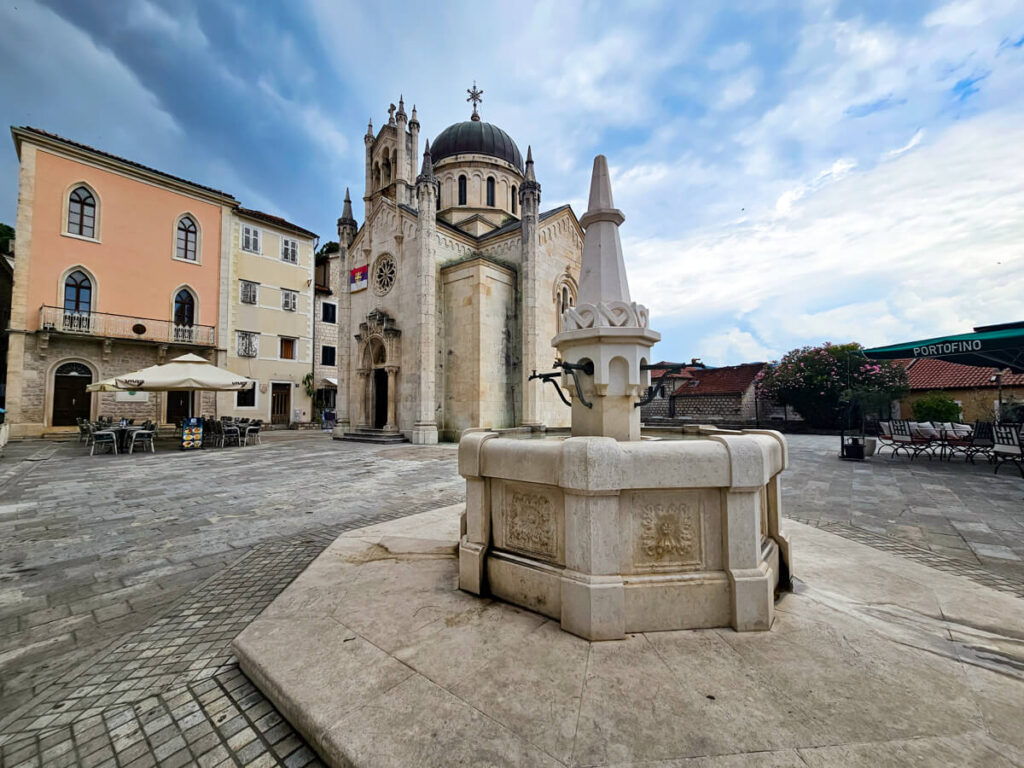
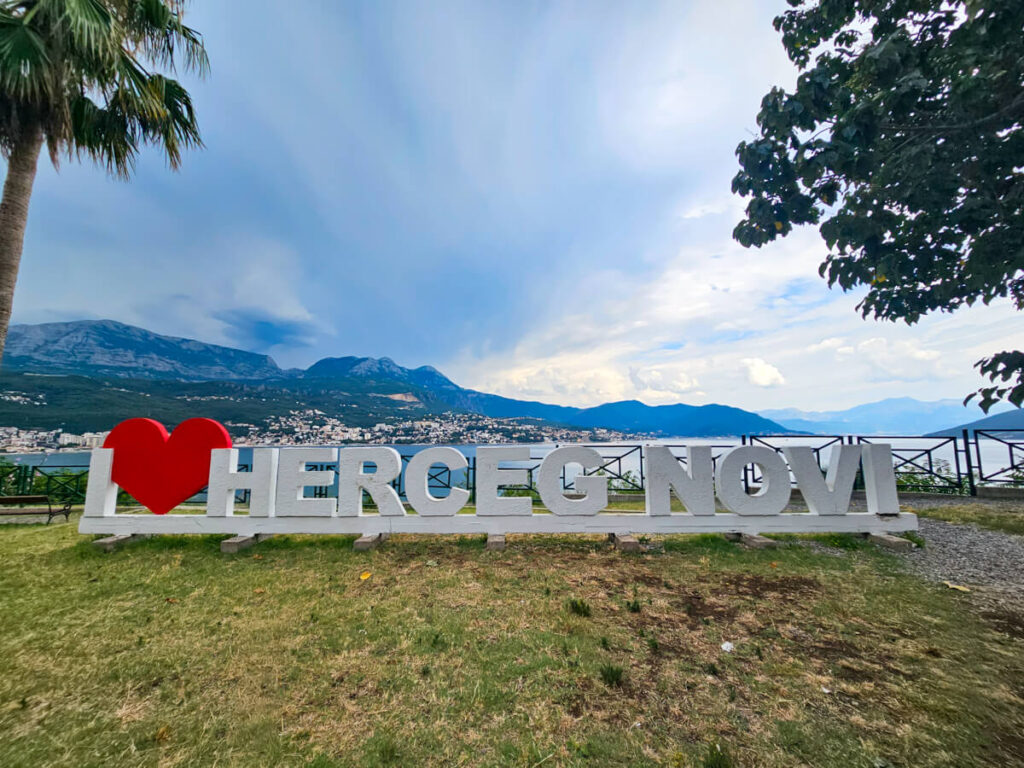
Herceg Novi is one of the largest towns around the Bay of Kotor, known for its historic Old Town, stone stairways, seaside promenades, and mountain views. It’s noticeably different from Kotor and Perast, with a more lived-in feel, plenty of traffic, actual sandy beaches, and plenty of places to explore beyond the main historic centre.
We visited Herceg Novi during our Montenegro road trip and were surprised it had so much to see, particularly if you want to explore the old fortresses, swim in the bay, or use the town as a base for exploring the surrounding coastline. In this guide, we’ll cover the best things to do in Herceg Novi, how to get there, how long to spend, where to stay and eat, and our practical tips for visiting, whether you just want to see the Old Town in a matter of hours or stay in a boutique resort for a few days.
Herceg Novi at a glance
More from the Bay of Kotor
About Herceg Novi
Herceg Novi is a historic coastal town known for its stone Old Town, imposing fortresses, and long waterfront promenade. Rather than being a compact historic settlement like Kotor’s Old Town where most of the sights are packed into one small area, Herceg Novi stretches along the coast, with the Old Town climbing up the hillside and newer neighbourhoods, beaches, and hotels extending in either direction. It also has a surprising amount of greenery, with gardens, subtropical plants, palms, and flowers scattered throughout the town.
The town’s history is interesting because it has changed hands several times over the centuries. Herceg Novi was founded in 1382 by the Bosnian king Tvrtko I, before coming under Venetian, Ottoman, Austro-Hungarian, and Yugoslav rule at various points.
In the 15th century, the town came under the control of the Bosnian nobleman Stjepan Vukčić Kosača, who was known by the title herceg, meaning duke. The town was subsequently named Herceg Novi, while Stjepan’s title also gave the nearby region of Herzegovina its name.
The different periods have influenced the architecture, fortifications, churches, and layout of the town. Today, it’s a popular town and a good base for vacationers visiting the bay, although it’s easy enough to see in a day, too.
Where is Herceg Novi?
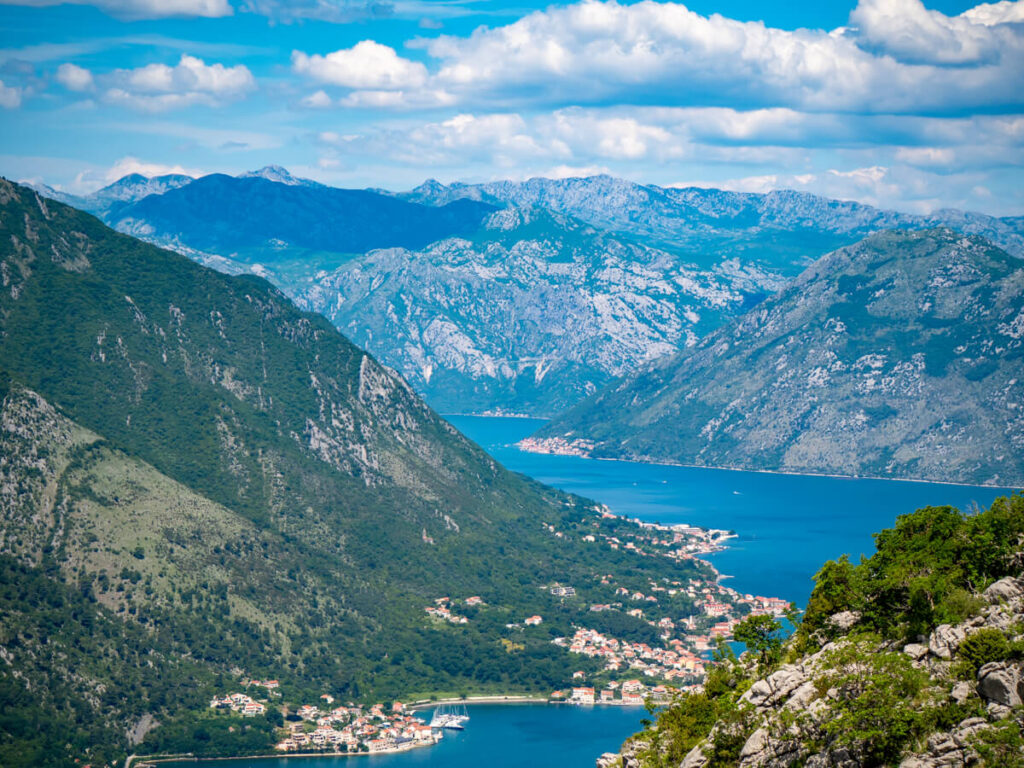
Herceg Novi sits at the entrance to the Bay of Kotor in western Montenegro, close to the Croatian border. The town is backed by Mount Orjen and faces the Adriatic Sea at the point where the bay opens towards the sea.
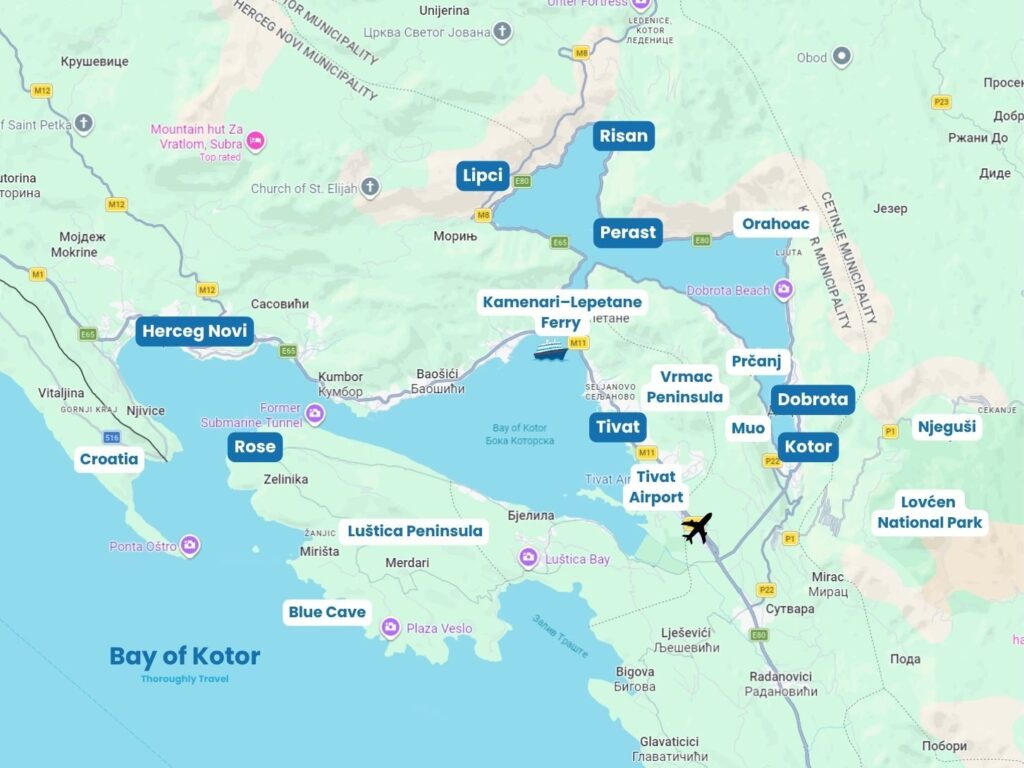
Kotor is around 30 miles (50 km) away by road, although the journey can take considerably longer in summer traffic as the road follows the winding coastline. It’s much quicker to take the Kamenari-Lepetane Ferry to reach Kotor, the coast, and towns like Budva. Nearby, Perast, a smaller Baroque town, lies roughly 20 miles (30 km) away.
Herceg Novi Map
We’ve highlighted Herceg Novi’s location on the Bay of Kotor on the map below.
Planning a trip to Montenegro?
Montenegro is gaining popularity quickly, so be sure to book in advance as early as possible!
Top Experiences in Montenegro
Top Hotels in Kotor
Rent a Car in Montenegro
Best eSIM for Montenegro
Why visit Herceg Novi?
Herceg Novi is worth visiting if you want a mixture of history, swimming, waterfront walks, and a more lived-in coastal town rather than somewhere that feels entirely geared towards sightseeing. In truth, we nearly missed it. We’d fallen so in love with the other, smaller towns on the bay that we weren’t sure it was going to have the same level of charm. It was the last day we spent in Montenegro.
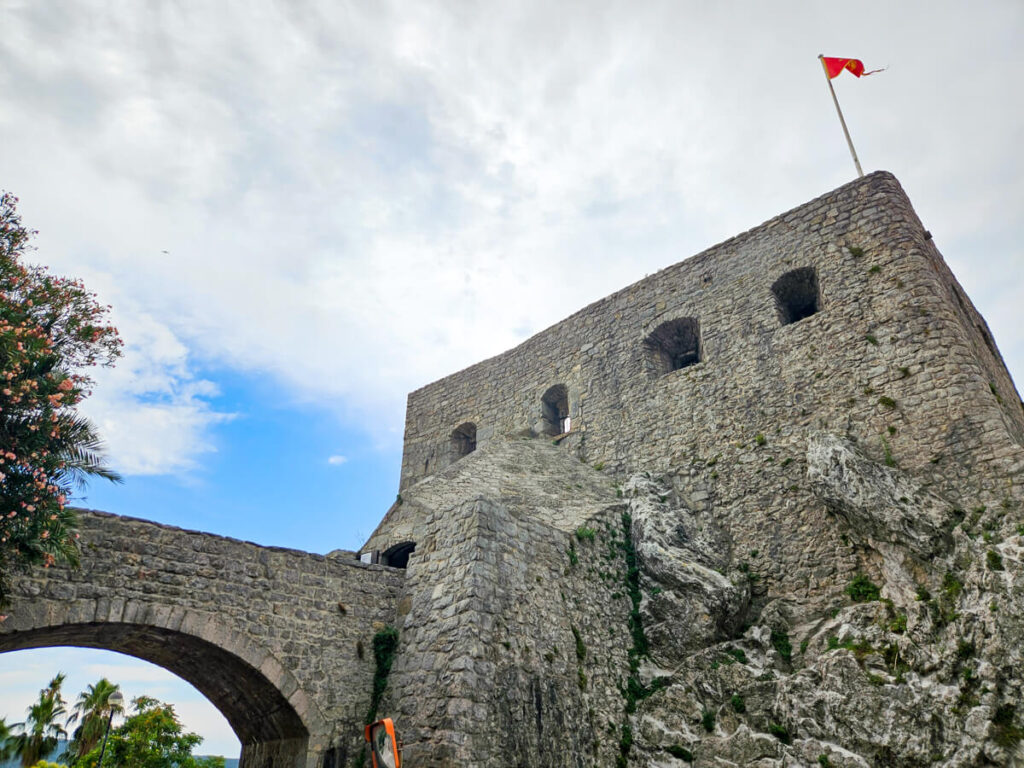
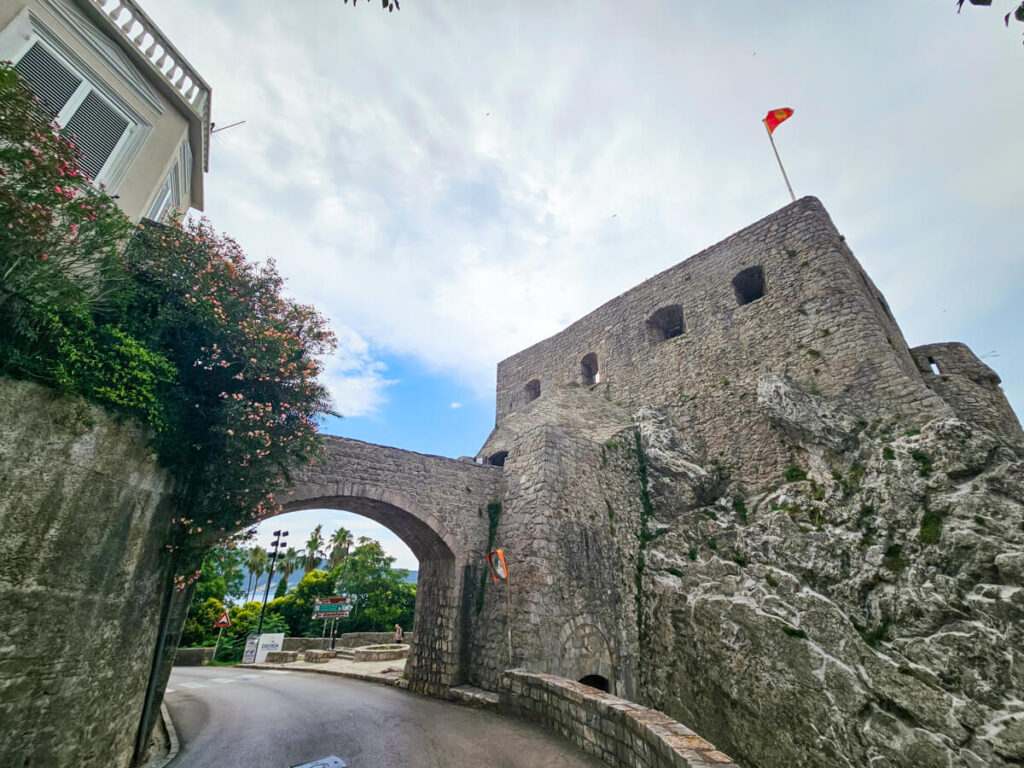
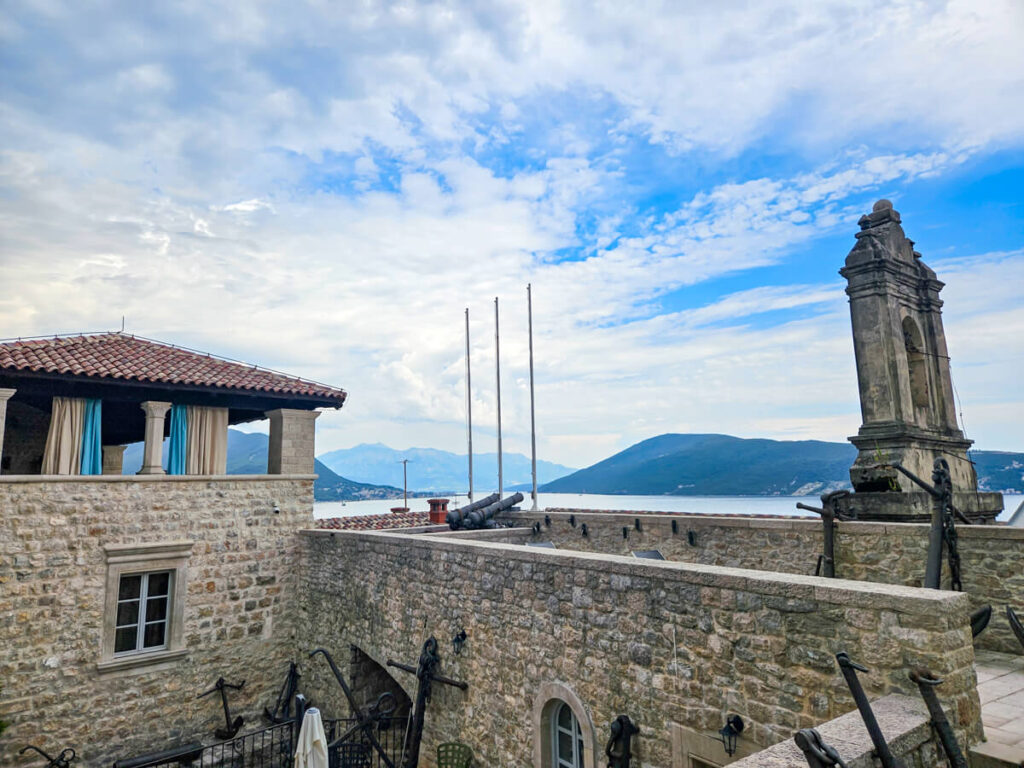
But in the end, Herceg Novi won us over. It has a really beautiful Old Town, which is the historic heart of Herceg Novi, with narrow stone lanes, staircases, small squares, and landmarks including the historic fortresses Kanli Kula (Bloody Tower) and Forte Mare (Sea Fortress). Kanli Kula sits above the Old Town and was built by the Ottomans in the 16th century, while Forte Mare stands directly beside the sea and once formed part of the town’s coastal defences. There are also remnants of the Citadel by the sea and Španjola Fortress higher up the hill.
Unlike Kotor, where the historic centre is almost completely enclosed by its medieval walls, Herceg Novi’s old streets spill down the hillside towards the sea. It’s hillier, but no less impressive.
Its position also makes it a useful base for exploring both the Bay of Kotor and the Montenegrin coast, especially if you’re also keen to day-trip to places like Lake Skadar that are further away. Equally, it’s easy to head out into the bay to the Luštica Peninsula, or towards the Blue Cave and Mamula Island. It’s also close to the border with Croatia, making a day trip to Dubrovnik possible, which is a real highlight.
The best things to do in Herceg Novi
Herceg Novi’s Old Town is compact enough that you can see it in an hour or so, but there’s loads more to see and do in and around the town, and definitely enough to keep you occupied for a couple of days. Here are the best things to do in Herceg Novi that we’d add to an itinerary.
1. Explore the Old Town
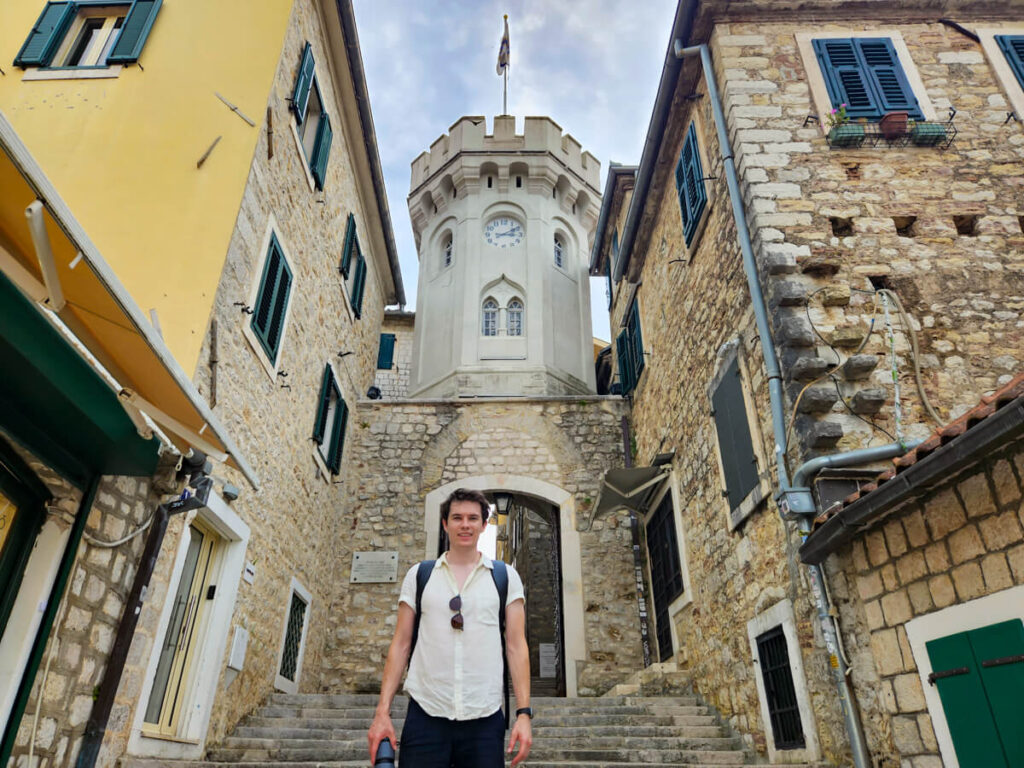
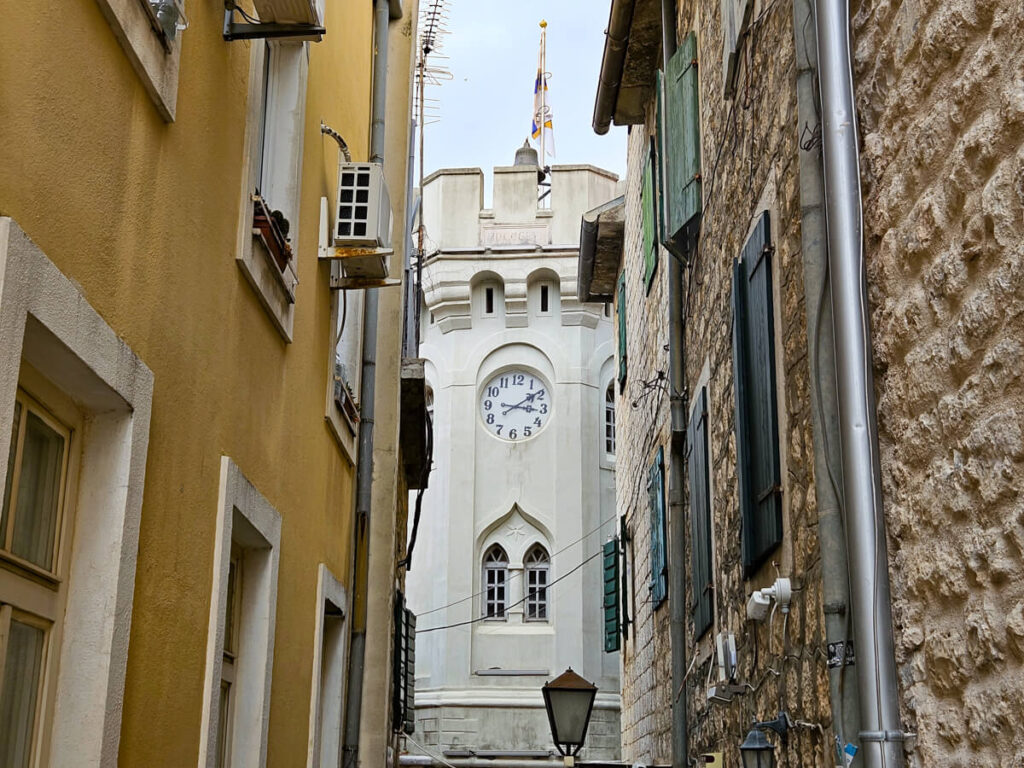
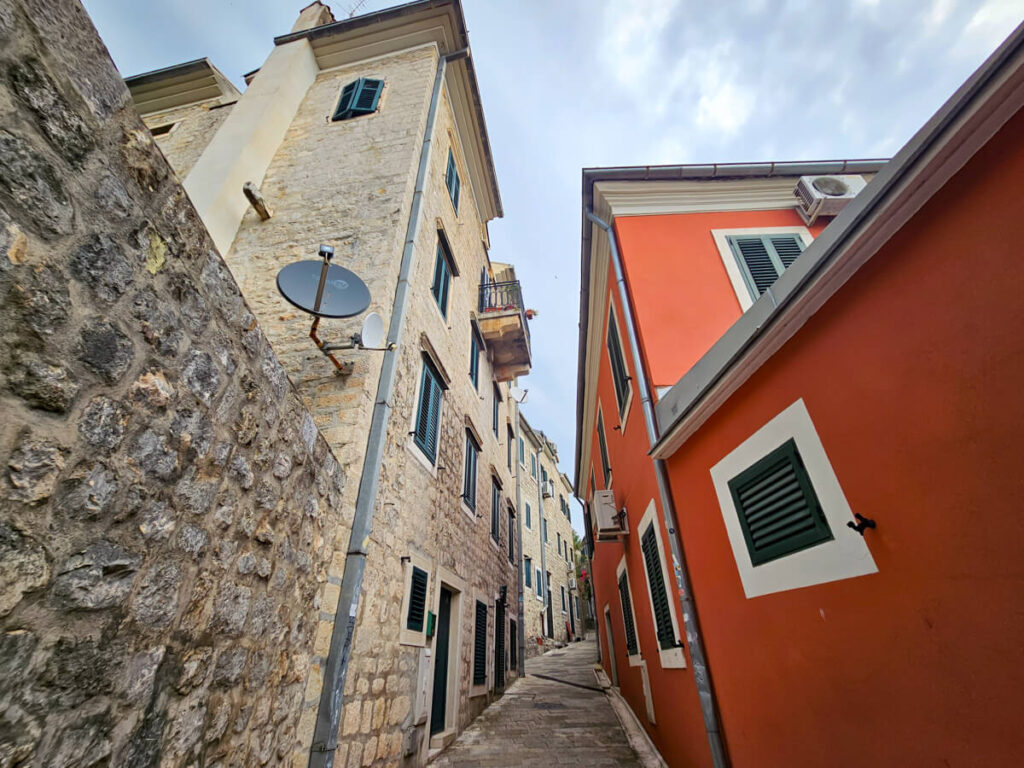
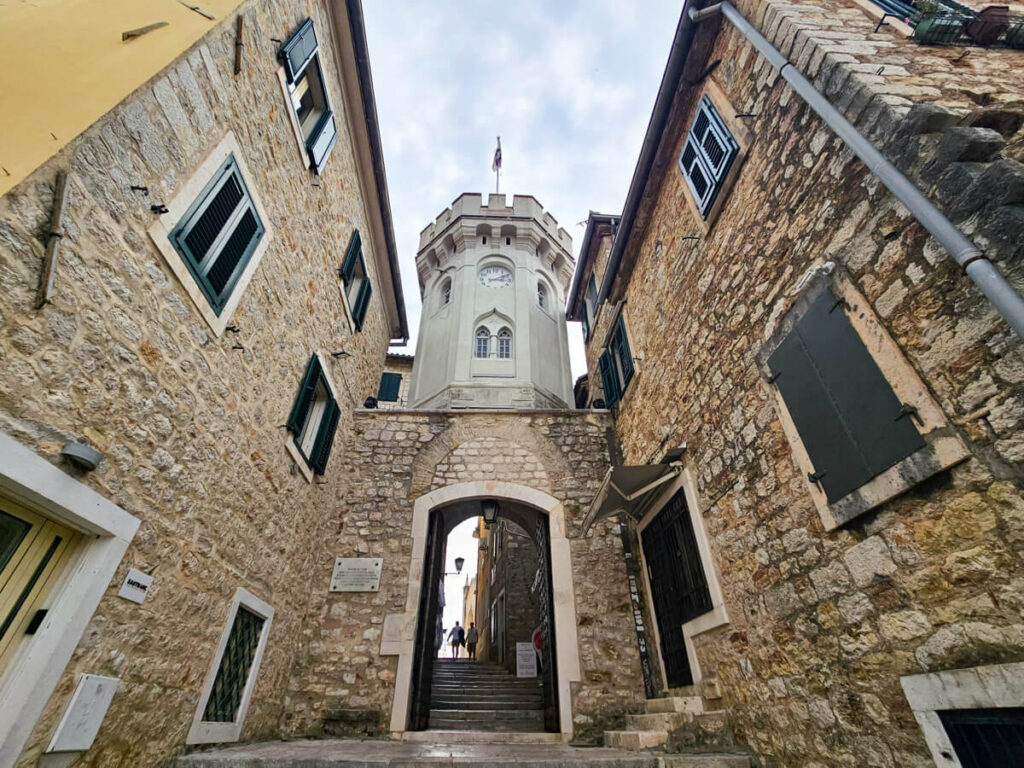
Herceg Novi’s Old Town is much smaller than Kotor’s, but it’s still the historic heart of the city and the best place to get a feel for its long and complicated history. It’s built into the hillside, so exploring it involves plenty of steps, narrow lanes, and little squares, but wandering the maze of streets is part of the fun.
Don’t miss:
2. Relax on the beaches
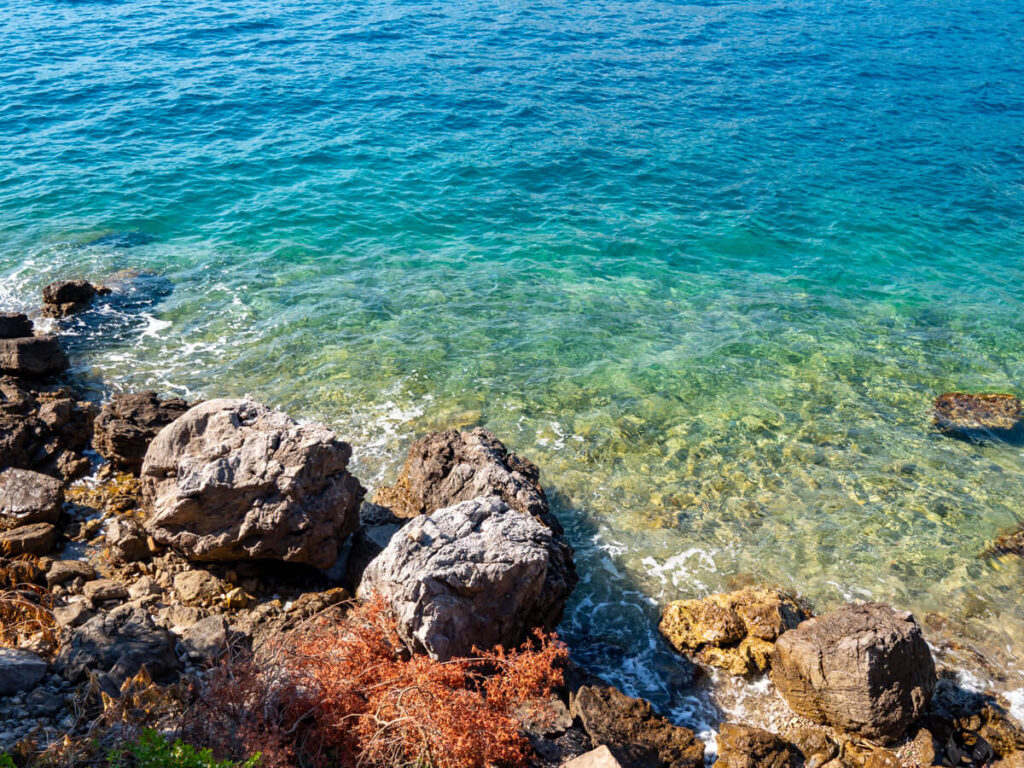
Herceg Novi has a surprisingly long coastline, but like many of the towns around the Bay of Kotor, you won’t find miles of golden sand here. Most of the city’s beaches are small, pebbly, or simply just concrete platforms built along the rocky shoreline, with ladders providing access to the clear water.
Many are backed by beach bars playing banging tunes or covered in sun loungers. Being crammed on a beach with more people than grains of sand isn’t really our vibe, but if you’re after a swim spot, there are plenty of concrete platforms and several coves to spread out on the shore. Check out:
3. Explore the fortresses
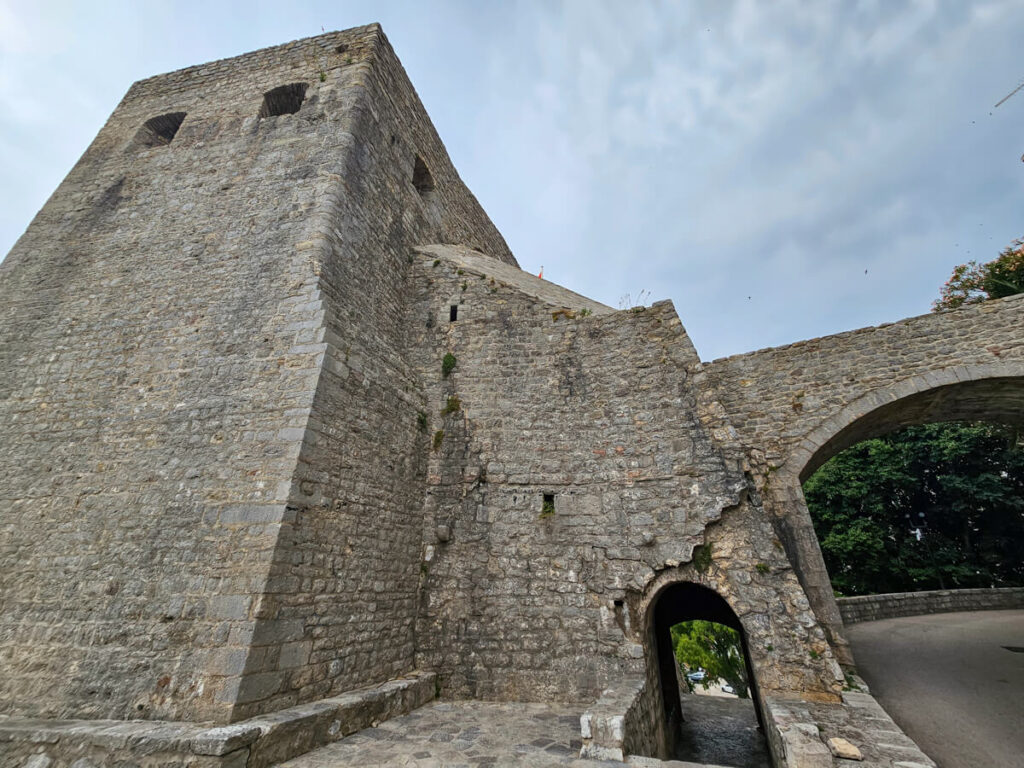
Herceg Novi has an unusually large collection of fortifications because of its strategic position at the entrance to the Bay of Kotor. Controlling the town meant controlling an important approach to the bay, so successive rulers repeatedly strengthened and rebuilt its defences. The result is a collection of fortresses from different periods throughout history. Some are relatively well preserved and easy to visit, while others are pretty dilapidated and not worth the trip.
Tip: If you plan to visit both Kanli Kula and Forte Mare, keep your ticket from the first fort and ask for the little-known but legit half-price discount at the second.
4. Stroll along Pet Danica
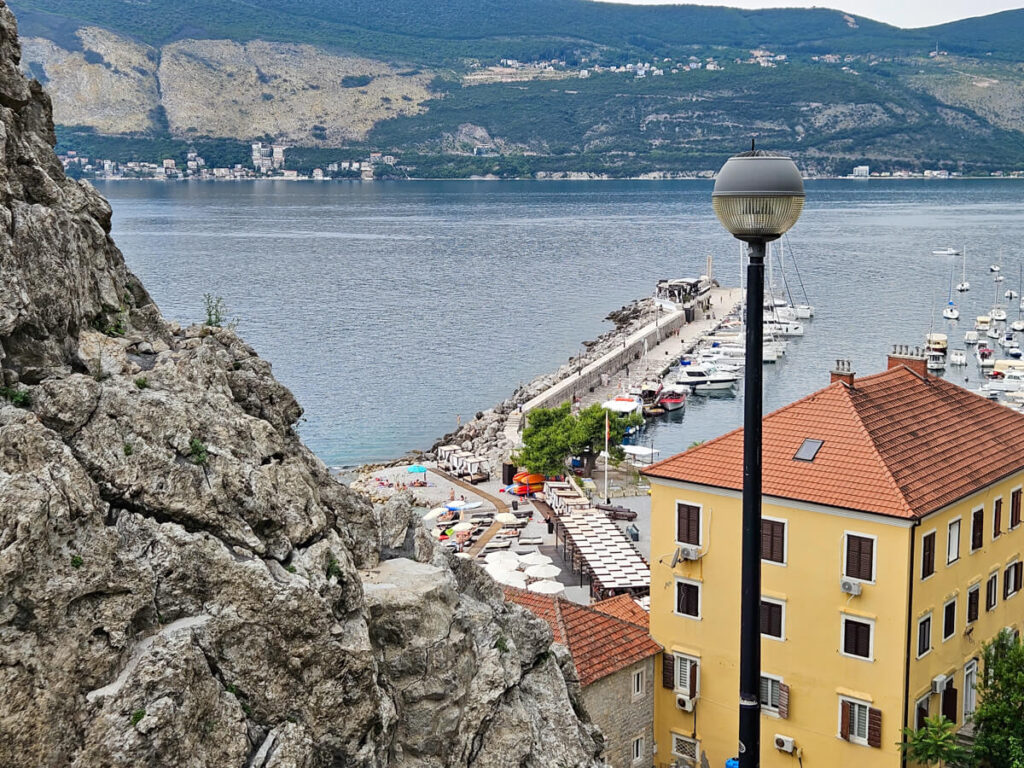
Outside the centre, the Šetalište Pet Danica promenade follows the waterfront for around 4 miles (6 km), linking the town with beaches, restaurants, cafés, and quieter coastal areas. It’s one of the easiest ways to see a different side of Herceg Novi because you can simply follow the water without having to navigate the Old Town’s endless staircases. Plus, it’s entirely free.
The stretch from the Old Town to Meljine is most scenic, while the part west of the Beach Tunnel to Igalo is more built up.
5. Take a boat tour to the Blue Cave
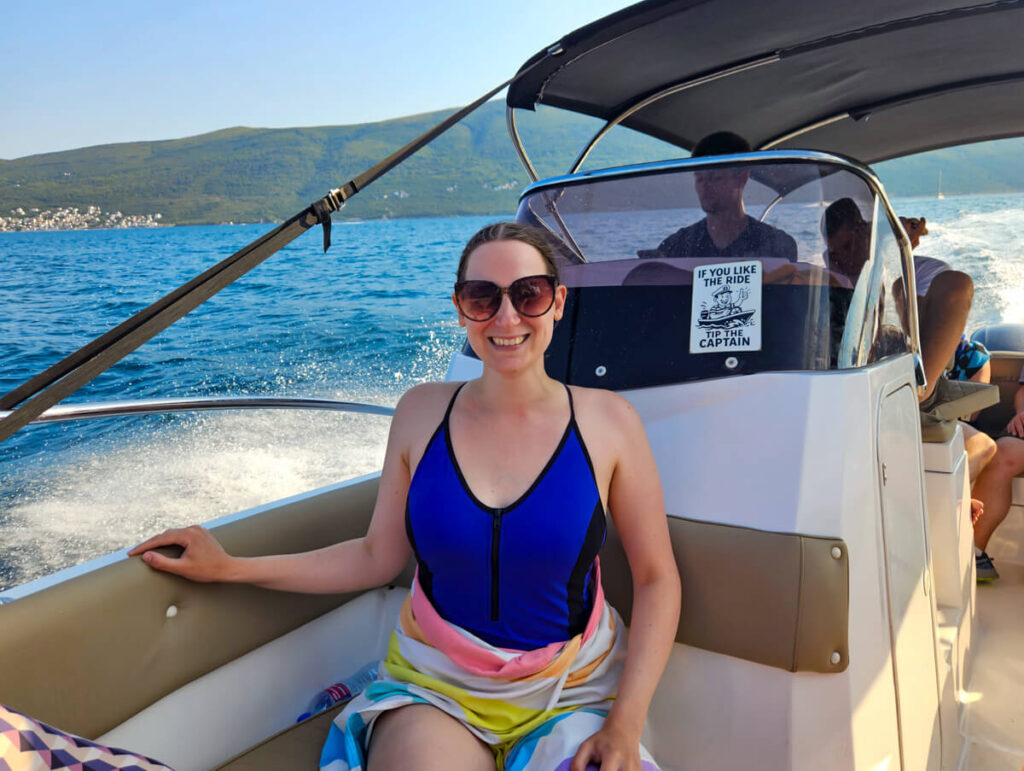
A boat trip to the Blue Cave is one of the easiest ways to get out onto the water during your trip to Herceg Novi. Tours typically head out towards the Luštica Peninsula, with time to swim in the Blue Cave and stops at other bays and swimming spots along the coast, like Žanjice Beach.
You’ll also pass iconic sights like Mamula Island, a circular Austro-Hungarian fortress-turned-luxury-hotel, Arza Fortress, another Austro-Hungarian coastal fortification on the Luštica Peninsula, and submarine tunnels carved into the cliffs and left over from the Cold War.
You can book trips from the waterfront or arrange a private boat (which is what we did as a family) if you’d rather have more control over the itinerary. Choosing your Blue Cave boat operator makes all the difference, as tours range from quick 1.5-hour speedboat trips around the bay to 8-hour cruises on large boats.
Tours cost €25-40 per person, depending on how long you go for and the included stops. We’d recommend booking ahead, especially in summer when the trip is in high demand.
6. Take the water taxi to Rose
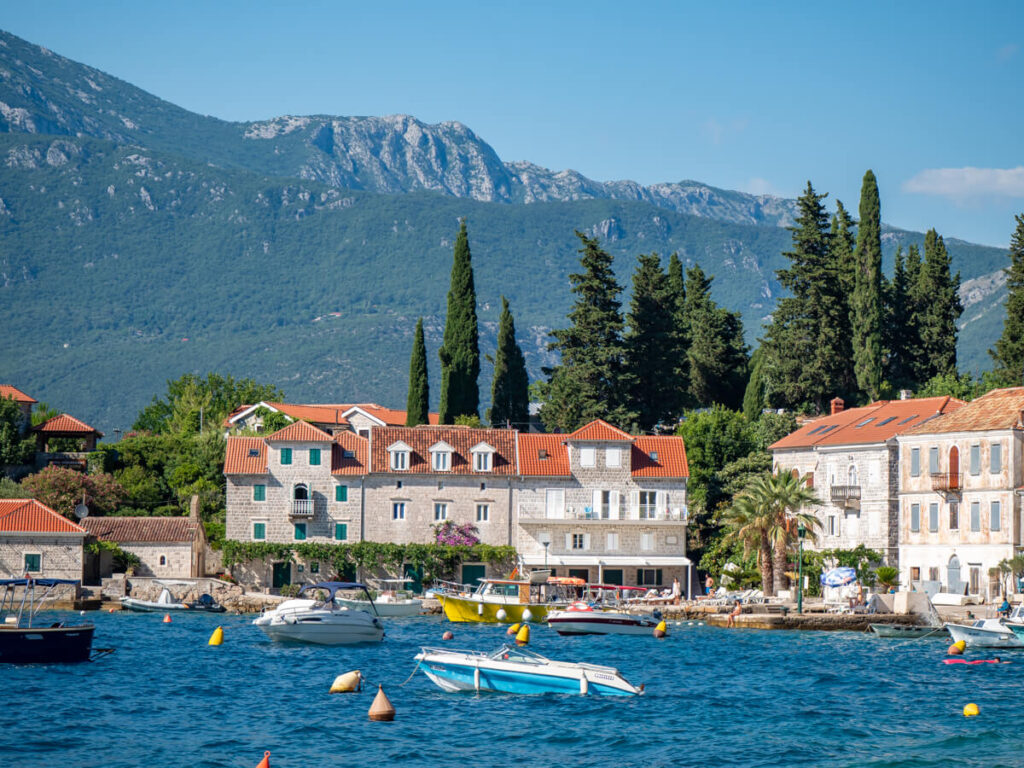
If you don’t want to do the full Blue Cave tour, you can just take the water taxi over to Rose for lunch or dinner. Rose is a tiny fishing village on the tip of the Luštica Peninsula, directly across the entrance to the bay from Herceg Novi.
The village itself is small, with stone houses, waterfront restaurants and bars, and refreshing swimming spots. We turned up, had a wander around, and enjoyed an ice cream by the water.
You can also walk uphill away from the village and explore historic sights, including a submarine bunker you can walk inside and an abandoned war tunnel with gun emplacements, which we’ve covered in our Luštica Peninsula Guide.
Getting there is possible by boat from the marina in Skyver and is much faster, easier, and more fun than driving around the peninsula. Water taxis run primarily during the summer season, running every hour or so (check the up-to-date schedule at the marina) and cost €7 one-way or €12 return.
7. Visit the House of Ivo Andrić
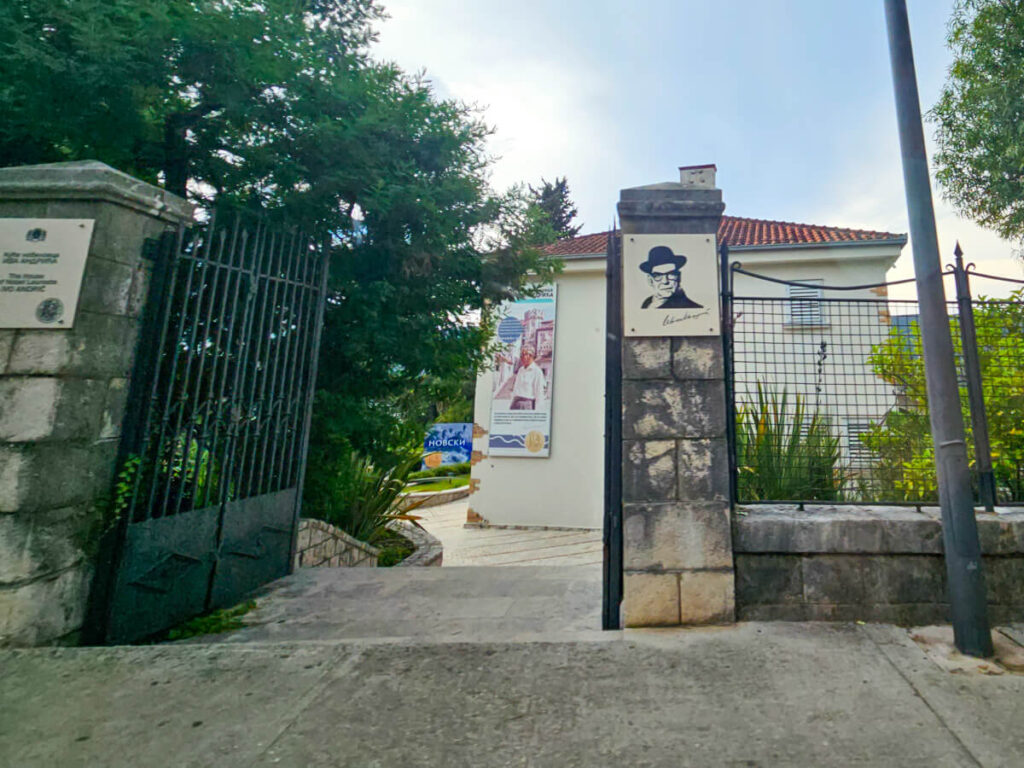
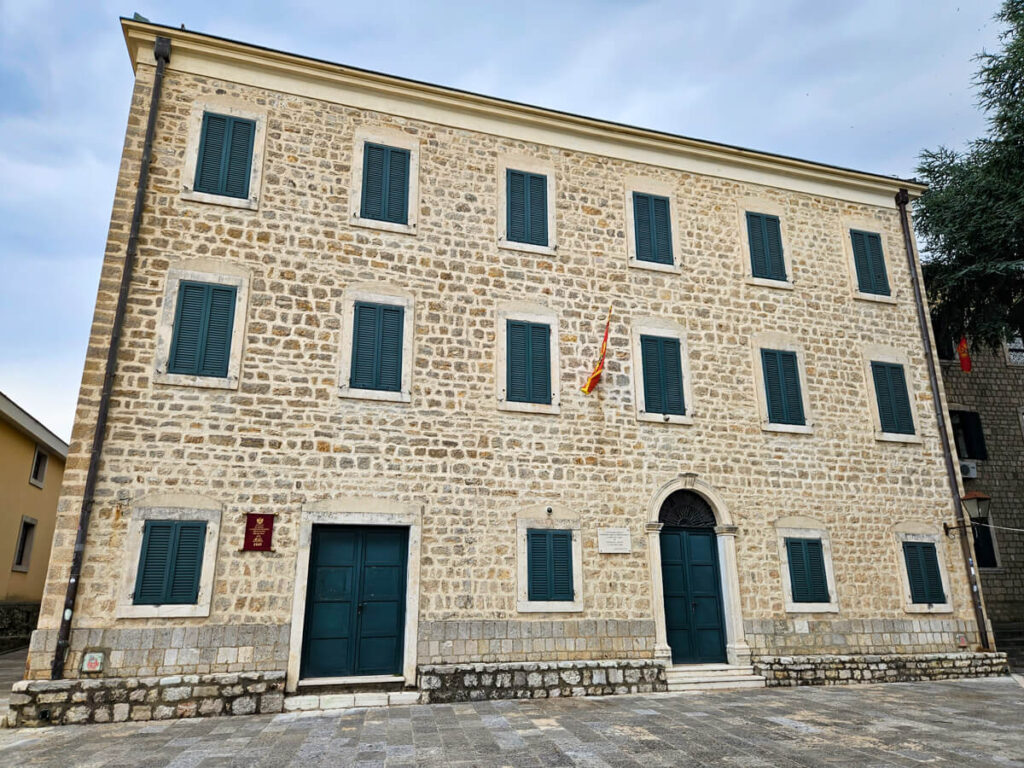
The House of Ivo Andrić is a small museum dedicated to the Yugoslav novelist and Nobel Prize winner who lived in Herceg Novi with his wife Milica Babić from 1963 to 1968. The house was built specifically for the couple in 1962-63 and has since been restored as a museum and cultural space.
Having seen his birthplace in Travnik in Bosnia and Herzegovina a few weeks before, we passed by to send a picture to my book-obsessed sister. But if you’re interested in literature, it is a worthwhile stop. The house contains photographs and exhibits about his life in the city, along with replicas of his Nobel diploma and medal. The garden has also been restored using a list of plants Andrić himself compiled, while the courtyard is now used for literary and cultural events.
8. Tour the Savina Monastery
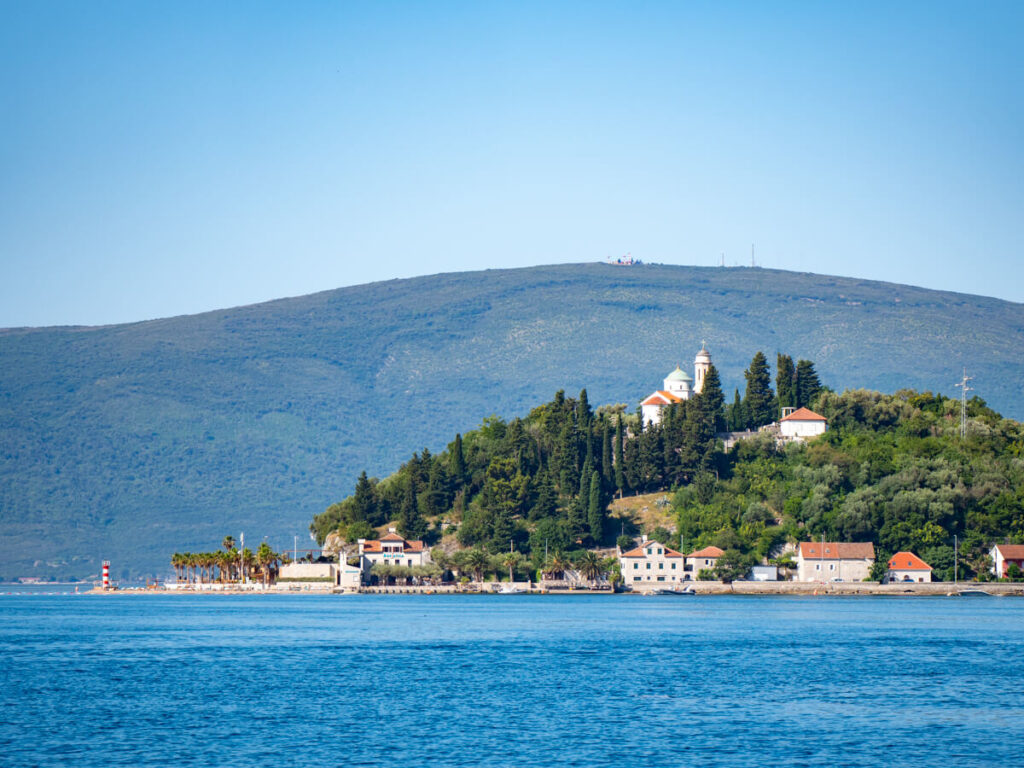
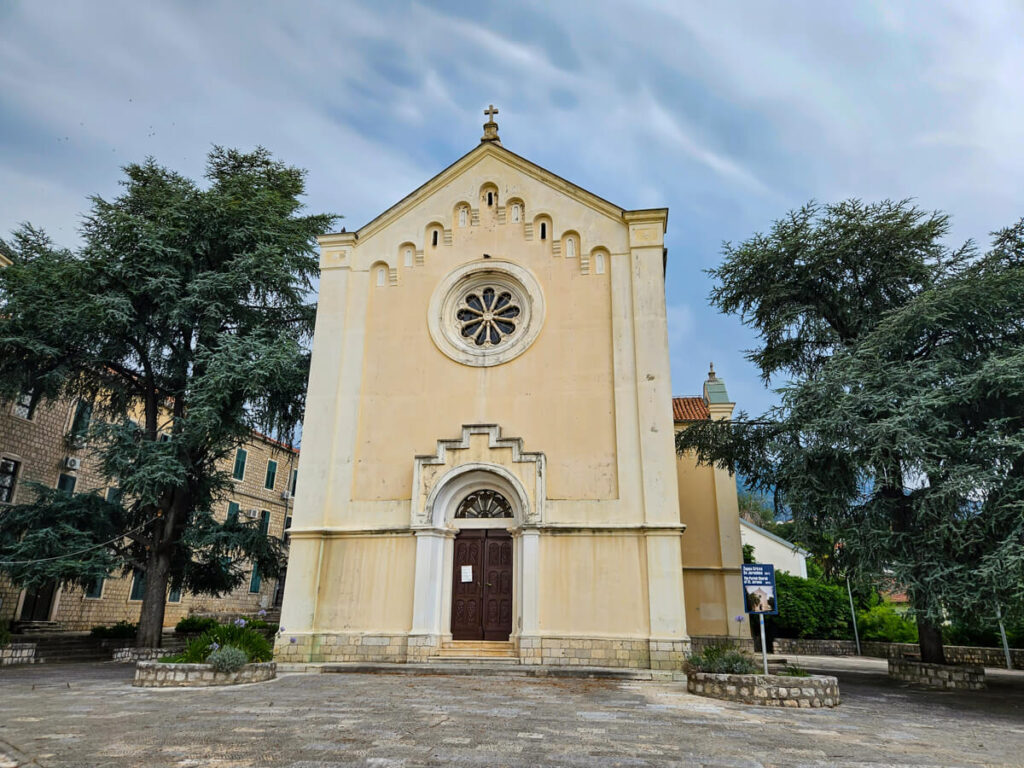
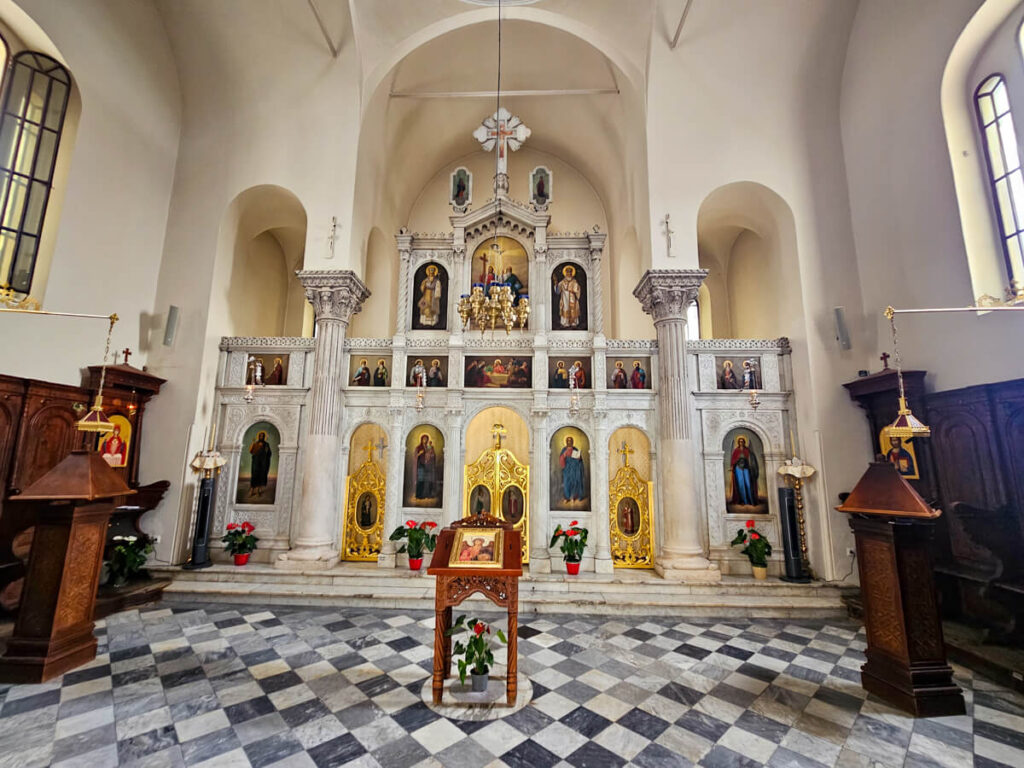
Savina Monastery sits on a wooded hillside east of the Old Town, surrounded by Mediterranean vegetation and overlooking the bay. The monastery complex is home to two churches dedicated to the Dormition of the Mother of God, a monastery residence with a treasury, and the smaller Church of St Sava on a hill above the main complex.
The larger Church of the Dormition was built between 1777 and 1799 by the Korčula master Nikola Foretić. Its architecture combines Byzantine, Romano-Greek, and Baroque influences, while the interior contains an elaborate iconostasis created in 1795 by the icon painter Simeon Lazović and his son Aleksej.
The monastery is also popularly combined with the nearby Savina Winery, which sits roughly 200 metres away on the hillside and is our next point.
9. Do a tasting at Savina Winery
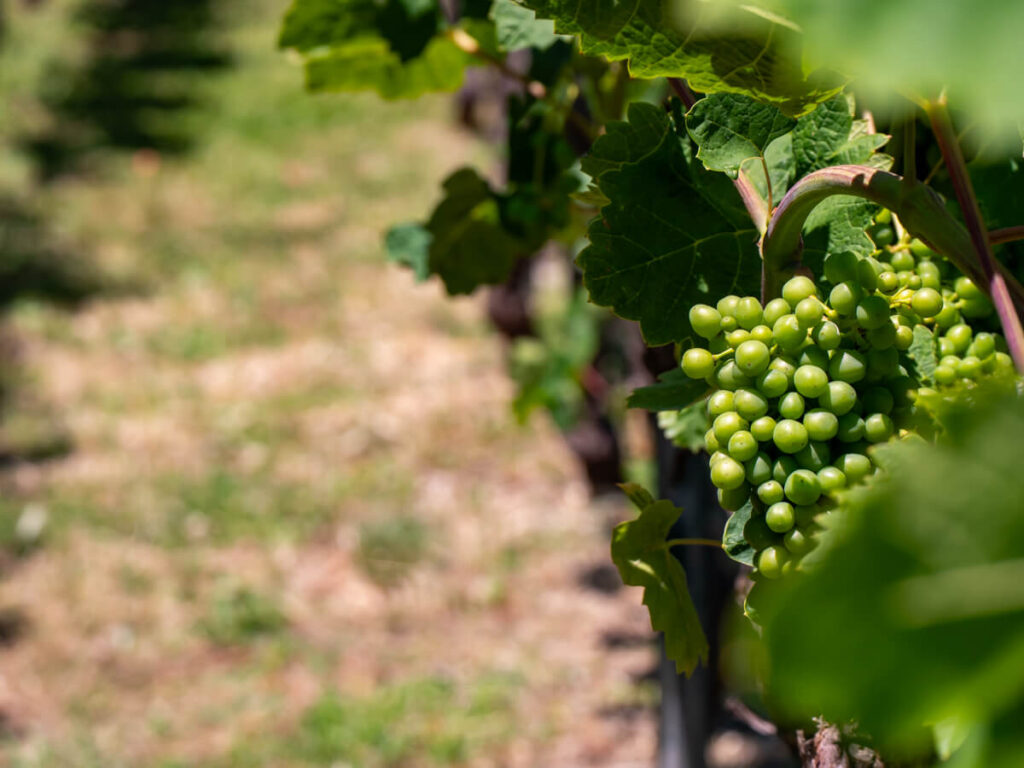
Savina Winery is a small family-run winery on the hillside near the monastery, surrounded by vineyards and Mediterranean vegetation. The estate has around 2 hectares of vines, growing varieties including Shiraz, Merlot, Cabernet Sauvignon, Grenache, Chardonnay, and the local Žižak grape.
The winery’s story is relatively recent, with the first wines appearing on the market in 2014 after the family returned to Herceg Novi and began restoring the vineyard. It now produces a relatively small quantity of wine rather than operating as a large commercial winery, which is partly what appeals to us.
You can arrange visits and tastings, making this a good option if you want to try some local wines without having to trek all the way to Montenegro’s wine region.
10. Go SCUBA diving
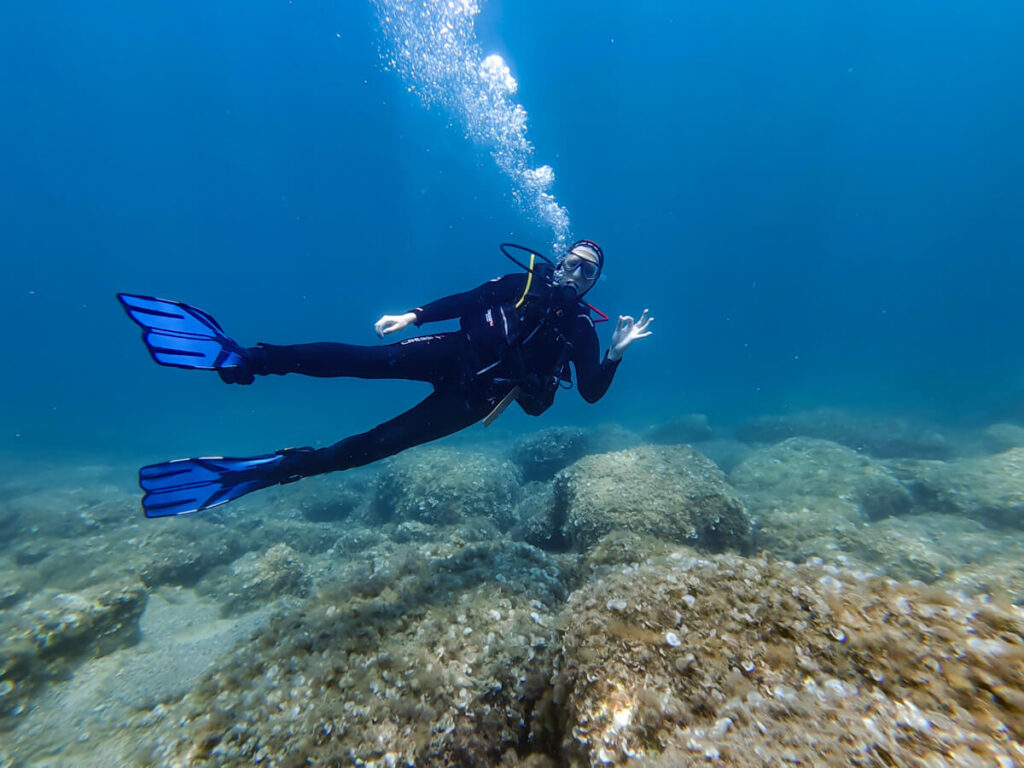
The waters around Herceg Novi are warm, clear, and perfect for snorkelling and SCUBA diving. You won’t get tropical coral reefs, but you can enjoy a mix of rocky underwater topography, caves, and even shipwrecks.
There are a couple of local diving operators that offer everything from introductory experiences for beginners and training courses to organised excursions for qualified divers (we’re the latter). If you’re staying in Herceg Novi and looking for unique things to do, we couldn’t recommend getting in the water more.
We didn’t go SCUBA diving in Herceg Novi because we’d already been SCUBA diving in Budva. We can’t vouch for anyone in Herceg Novi specifically, but we did have a fantastic experience with Budva Diving Center.
Where to stay in Herceg Novi?
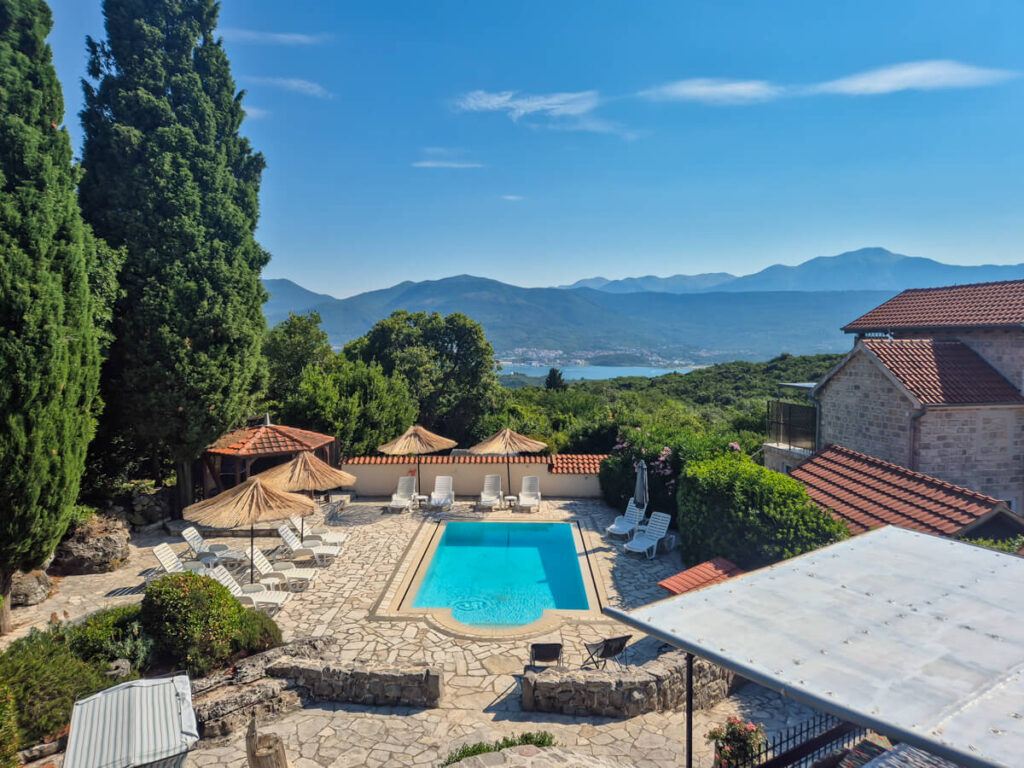
Herceg Novi has a much wider choice of accommodation than smaller towns around the bay, ranging from apartments and small guesthouses in and around the Old Town to larger waterfront hotels and luxury resorts. It’s got a better choice of classic resorts than Kotor, so you can have a more all-inclusive experience without needing to go as far as Budva.
If you only want to day-trip to Herceg Novi, you could consider staying around the Bay of Kotor instead of in the town. Kotor, Perast, Tivat, or one of the smaller waterfront villages all offer different advantages depending on what else you want to see, with a huge choice of accommodation from budget hostels to boujee resorts.
If you are staying overnight, it’s worth bearing in mind that Herceg Novi is fairly spread out, so you won’t be able to walk its entire length. If you want to be close to the historic sights, look around the Old Town and Škver. For a quieter waterfront stay, look towards Savina and Meljine on the eastern edge of town. If you’re after a resort-style holiday rather than a city break, there are larger hotels and resorts further along the coast, including around Kumbor and Portonovi.
Top Herceg Novi Hotels
Where to eat in Herceg Novi?
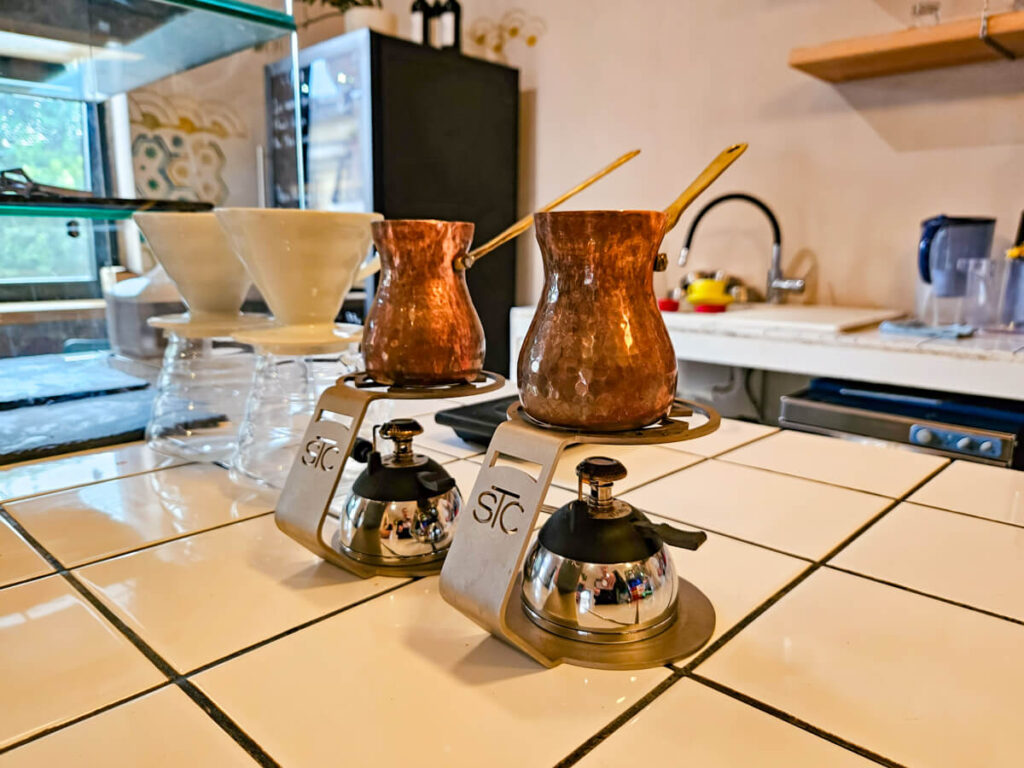
Herceg Novi has a good mix of traditional Montenegrin restaurants, seafood restaurants, cafés, pizzerias, and more modern places, so you aren’t limited to tourist restaurants around the Old Town. We were also pleased to find a range of good veggie/vegan options rivalling Kotor’s restaurants.
As you’d expect from a coastal town, seafood is a big part of the local food scene. Look out for grilled fish, prawns, mussels, and other Adriatic dishes, alongside Mediterranean-style salads, pasta, and risotto. Local olive oil, vegetables, herbs, and Montenegrin wine also feature heavily on menus around the town.
If you’re self-catering, Herceg Novi has plenty of supermarkets for picking up everyday groceries, while the Herceg Novi City Market is a good place to look for fresh fruit, vegetables, and other local produce. This can be a useful option if you’re staying somewhere with a kitchen, particularly if you’re planning a longer stay, and can save you money as opposed to eating out every day.
Herceg Novi Restaurants
How to get to Herceg Novi?
Herceg Novi is relatively easy to reach from elsewhere in Montenegro, and even from across the Balkans, although its position means journey times can be much longer than the distance on the map suggests, particularly in summer.
By plane
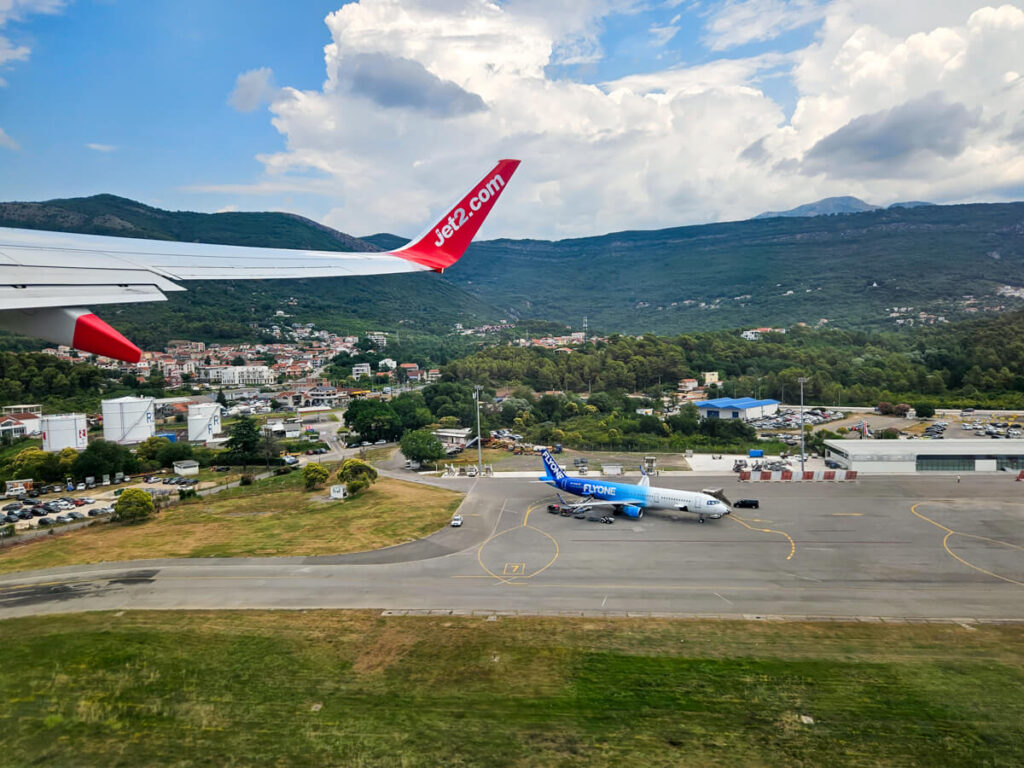
The nearest airports to Herceg Novi are Tivat Airport (TIV) in Montenegro and Dubrovnik Airport (DBV) in Croatia, both of which are less than 25 miles (40 km) from the town centre. Podgorica Airport (TGD) is another option, although it’s considerably further away. Tivat is usually the most straightforward option if you’re staying entirely within Montenegro.
From any airport, you can rent a car, take a taxi, or arrange a private transfer. Public transport is possible from Tivat, but it involves travelling into Tivat and then continuing by Blue Line public bus, so it’s not convenient with luggage (and the buses are fairly unreliable outside the airport anyway).
By car
If you’re planning to explore Montenegro beyond Herceg Novi, we’d recommend hiring a car when you arrive. It gives you much more flexibility for visiting places along the Bay of Kotor, the Luštica Peninsula, and further inland.
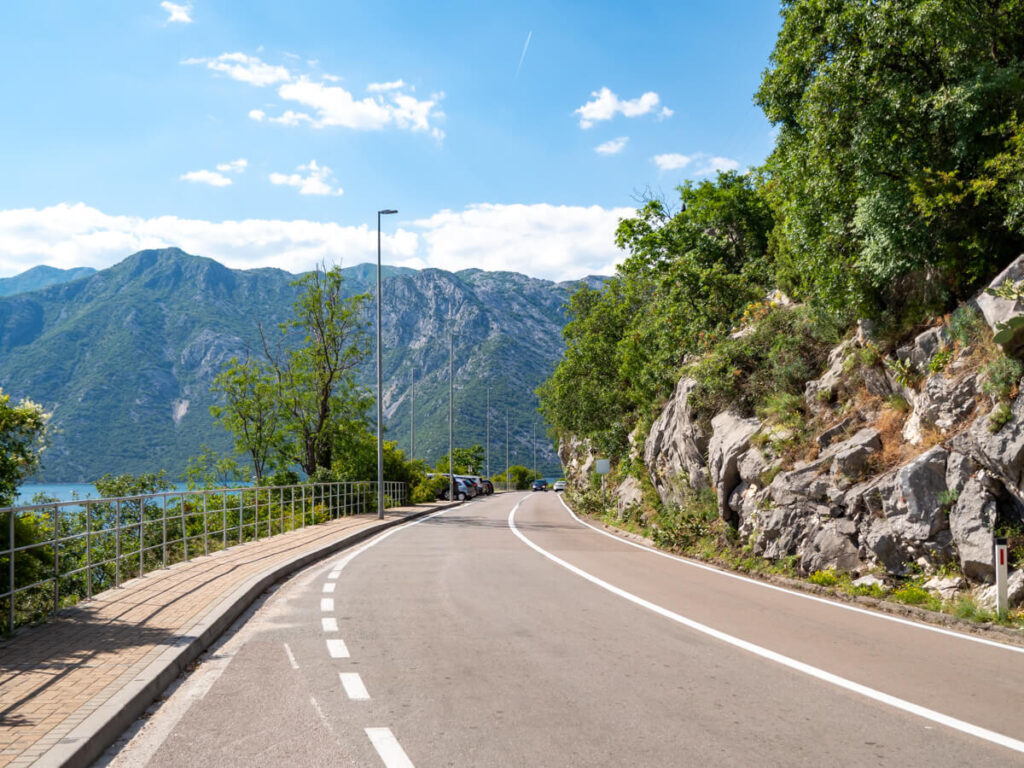
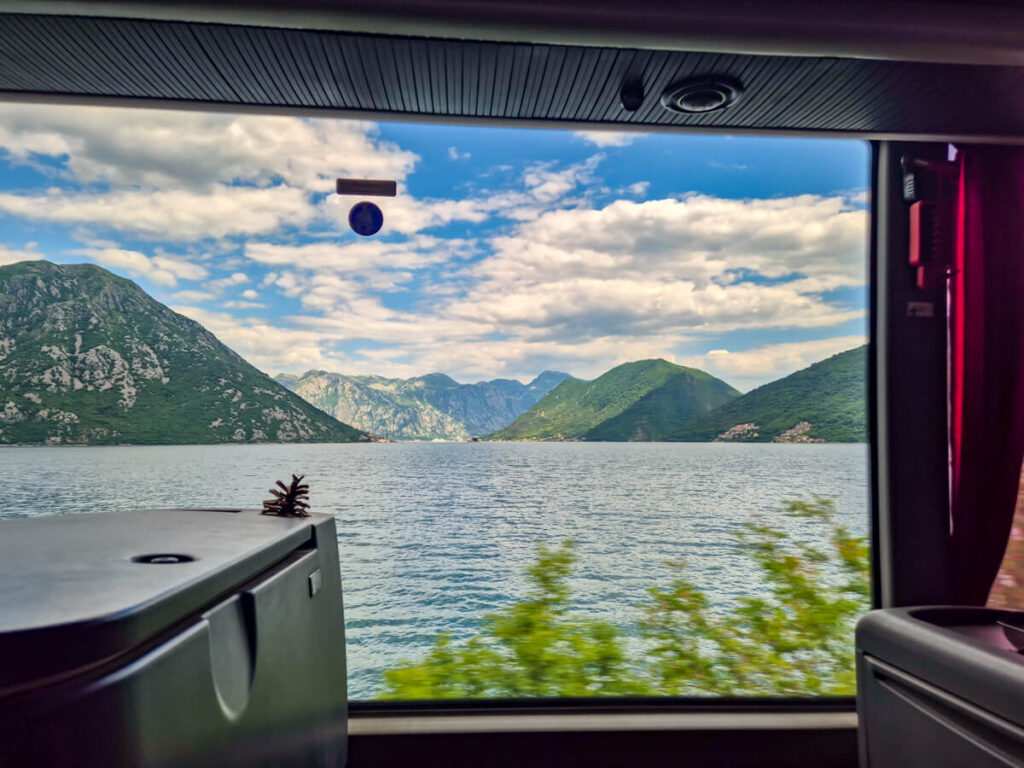
From Kotor and the rest of the bay, the M1/E65/E80 road follows the coastline towards Herceg Novi, passing through Perast, Risan, and the Verige Strait area before continuing around the outer part of the bay.
If you’re coming from the direction of Budva or Tivat, you can also use the Kamenari-Lepetane Ferry to cross the Bay of Kotor rather than driving all the way around it. The ferry operates 24 hours a day, and the current fee per car is €5 one-way.
If you’re driving from Croatia, you’ll cross the border at one of the road crossings near Herceg Novi, with Debeli Brijeg being the main route from Dubrovnik, but we found the queues moved faster at the smaller Vitaljina border. Allow extra time for border queues, especially during the summer when they can take anywhere from 1-5 hours.
Driving through Herceg Novi was interesting in itself. It’s quite built up and has some interesting one-way roads. They’re quite intuitive but tend to have parked cars along the sides of them and pedestrians crossing that you need to be careful of. Additionally, the old town has some tight bends and narrow streets. If in doubt, do as the locals do.
Parking in Herceg Novi
Parking in Herceg Novi is available in public car parks and marked spaces along the main roads between Igalo and Meljine, but finding a space can become much more difficult during the busiest summer months.
We parked in Zone III parking just after passing Forte Mare here. It’s street-side parking, and we paid in person at the Pic Nic restaurant a few minutes’ walk down the road (not having a Montenegrin SIM to pay by text, and the app is notoriously unreliable and didn’t work for us).
It was a bit of a faff, but central and cheaper than most local parking lots, which charge anything from €1.20-€3.00 an hour. We also liked the look of Parking Opština, an affordable garage near the beaches with protection from the strong sun, but didn’t try it.
By taxi
A taxi is the easiest option if you’re flying into Tivat or Dubrovnik and don’t want to hire a car. It’s particularly convenient if you’re travelling with luggage or as a group, as you can go directly from the airport to your accommodation without changing buses. Taxis are also useful for getting around the wider Herceg Novi area.
There isn’t a standard nationwide taxi fare, so we’d agree the price before getting in, particularly for airport journeys. As a rough guide, expect to pay around €50-75 from Tivat Airport, €70-100 from Dubrovnik Airport, €50-85 from Kotor, €55-80 from Budva, and €95-130 from Podgorica Airport. Prices are generally per car rather than per person, although they can vary considerably between taxi companies, particularly in summer.
By transfer
A private airport transfer is another straightforward option, particularly if you’re arriving late, travelling with several people, or staying somewhere that’s awkward to reach by public transport. You can arrange a transfer from Tivat or Dubrovnik Airport directly to your hotel or apartment, avoiding the hassle of finding a taxi when you land.
By bus
Herceg Novi Bus Station has services connecting to towns and cities throughout Montenegro and further afield in the Balkans. Our bus from Mostar to Kotor stopped here. Buses are useful if you’re travelling to Kotor, Budva, Podgorica, or other Montenegrin destinations. They’re coach-style rather than public buses.
How to get around Herceg Novi?
Once you’re in Herceg Novi, you can explore much of the historic centre on foot, but the town is quite spread out and very hilly, with some stairs.
The Old Town is pretty pedestrianised and best explored by walking, with narrow lanes, staircases, squares, churches, and fortresses packed into the hillside. The Pet Danica promenade is also great for a scenic walk along the coast.
For longer journeys, local Blue Line public buses connect parts of the wider Herceg Novi Riviera, connecting Igalo, Herceg Novi, Zelenika, and the Kamenari ferry port.
Taxis are useful if you’re staying further from the centre or don’t fancy tackling the hills on foot, but getting a rental car and driving in Montenegro really is the best way to explore outside the town with the most flexibility.
You can also use boats to reach some of the coastal attractions and beaches around the Bay of Kotor, including the Luštica Peninsula, with the city port at Škver providing a water taxi to the traditional fishing village of Rose.
When to visit Herceg Novi?
The best time to visit Herceg Novi depends on whether you’re mainly interested in swimming and beach days or exploring the town without the summer heat.
May, June, September, and early October are when we’d recommend visiting, with warm weather, plenty of sunshine, and a more manageable atmosphere than the busiest part of summer. The sea can still be a little cool in May, but it warms up considerably through June and remains pleasant into October.
July and August are the hottest and busiest months. These are the best months if your priority is hot weather and swimming, but you’ll need to put up with larger crowds, higher accommodation prices, and the possibility of very hot afternoons. We visited in July and got a muggy and overcast day, but we’d been travelling around the bay since May and thought May and June were much nicer months.
Herceg Novi Weather
Herceg Novi has a Mediterranean climate, with hot, mostly dry summers and mild winters. Rain is much more common from autumn through winter, while summer is generally sunny and dry.
How long to stay in Herceg Novi?
1 full day is enough to see the main sights of Herceg Novi, particularly if you concentrate on the Old Town, fortresses, waterfront, and a few of the nearby churches and viewpoints.
We’d stay 2-3 days if you want to take things more slowly and have time for the promenade, beaches, restaurants, and some of the attractions outside the historic centre. This also gives you time to explore areas like Savina and the quieter eastern side of town rather than rushing between sights.
If you’re using Herceg Novi as a base for exploring the wider area, 3-4 days+ is great. You can combine the town with boat trips around the Bay of Kotor, the Luštica Peninsula, Mamula Island, and nearby beaches, or head inland towards Mount Orjen or Cetinje.
Is Herceg Novi worth visiting?
We nearly didn’t visit Herceg Novi, as we were worried its size meant it would be a soulless beach resort town rather than the quaint villages we’d found elsewhere in the bay. But we were surprised by how quiet and charming it is, especially the Old Town.
The town has plenty to see, particularly the old fortresses and hillside streets, and we like that it feels like a proper working town rather than simply a collection of historic buildings surrounded by tourist businesses.
It has history, beaches, sea views, and surrounding mountains – check, check, check! It’s a great vacation base if you don’t mind being further away from other parts of the country, with some lovely hotels and good restaurants.
But don’t let anyone tell you Herceg Novi is a quieter alternative to the other towns on the bay. It’s a large coastal town, particularly around the beaches and waterfront, and while it feels more local and less overtly touristy than somewhere like Kotor, that doesn’t mean it’s quieter. It’s still big, busy, and built up.
It’s also not quite as charming as Kotor Old Town or Perast. Outside the small historic Old Town, Herceg Novi is more of a sprawling modern town. It’s also much hillier than other towns, and its spread-out layout means you may need to rely on taxis or a car if you’re staying away from the centre.
So overall, would we recommend visiting? Yes. We loved our day trip to Herceg Novi, but didn’t have the desire to stay any longer. But if you’re looking for a base on the Bay of Kotor with more amenities and don’t plan to do a whole lot of travelling further than around the bay, we can see why it’d be perfect.
What to pack to visit Herceg Novi?
It’s best to be prepared when you visit Herceg Novi. Don’t forget to pack your:
Herceg Novi FAQs
To help you plan your trip to Herceg Novi, we’ve answered these frequently asked questions.
Is there an old town in Herceg Novi?
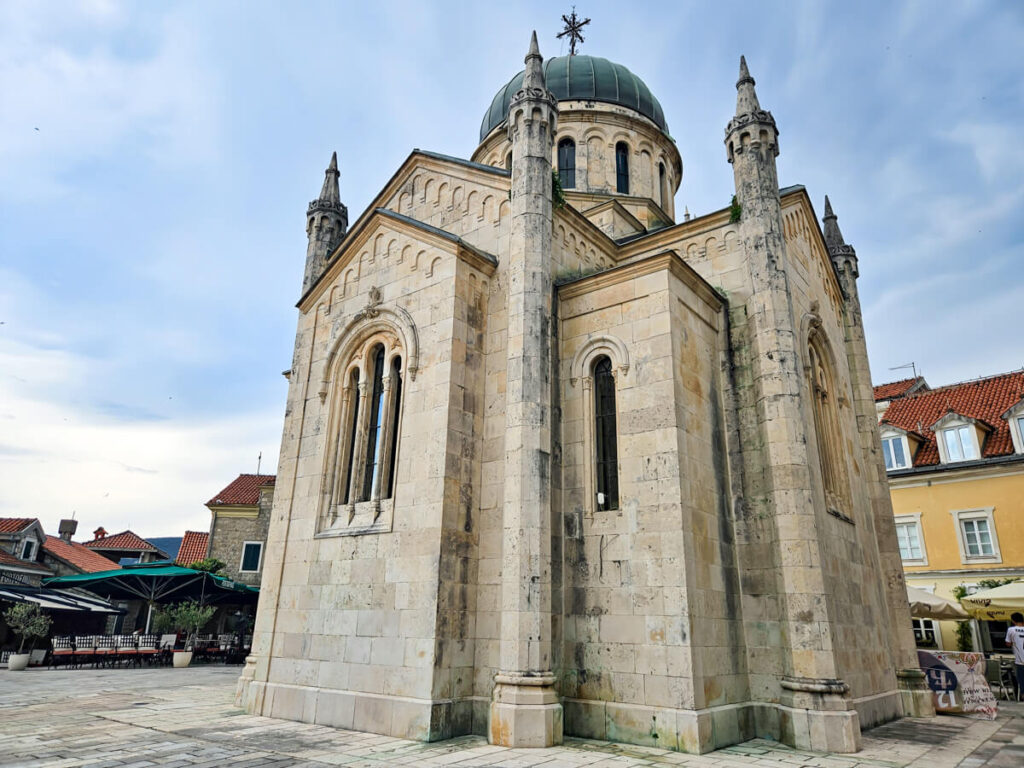
Herceg Novi has a historic Old Town built around steep stone steps, small squares, churches, and old fortifications. Some of the main sights include the Clock Tower, Forte Mare, and Kanli Kula, with the Old Town sitting just above the waterfront. It’s one of the main reasons we’d recommend spending some time exploring the town rather than treating Herceg Novi as purely a beach destination.
Is there much to do in Herceg Novi?
There’s quite a bit to see and do in Herceg Novi, especially if you enjoy a mixture of sightseeing and outdoor activities. You can explore the Old Town and its fortresses, walk along the coastal promenade, visit beaches, take boat trips, and explore the surrounding area. Mount Orjen also gives you plenty of options for hiking and other outdoor activities if you want a break from the coast.
Are there beaches in Herceg Novi?
There are beaches in Herceg Novi, but they’re not long stretches of golden sand. Herceg Novi has more than 70 beaches and bathing spots along its coastline, ranging from small concrete platforms and pebbly stretches to more organised beaches. The shallow beaches around nearby Igalo are particularly suited to families, while the town’s waterfront is better for swimming than traditional beach days.
What are the best places to eat in Herceg Novi?
You’ll find plenty of restaurants in Herceg Novi along the waterfront and around the Old Town, with seafood, Mediterranean food, and Montenegrin dishes all on the menu.
What is the best time to visit Herceg Novi?
For warm weather and swimming, we’d choose May to September, with July and August being the hottest and busiest months. Summer in Herceg Novi is generally dry and sunny, while most of the town’s rainfall comes in late autumn. Spring and early autumn are a good compromise if you want pleasant weather without the full intensity of the summer season.
Is Herceg Novi expensive?
Herceg Novi isn’t one of Montenegro’s cheapest destinations, especially during the summer, but we’d say it’s reasonably priced compared with some of the more heavily resort-focused parts of the Adriatic coast. You can still find inexpensive cafés and restaurants alongside more expensive waterfront options.
Is Herceg Novi safe?
Yes, Herceg Novi is generally a safe destination to visit. It’s one of Montenegro’s safest towns, and the centre is easy to explore on foot, but as with anywhere busy and touristy, we’d still take normal precautions with valuables, particularly around crowded areas and during the summer.
Read next:
A Traveller’s Guide to the Bay of Kotor: Europe’s Southernmost Fjord
Where to Stay in Kotor Bay: Top Towns + Best Hotels From Budget to Boutique
27 Cool Things to Do in Kotor + What Not to Do
8 Fun Day Trips from Kotor + 2 Tours Not to Book
How to Spend One Day in Kotor & Our Free DIY Old Town Walking Tour Route + Map
11 Best Montenegro Blue Cave Boat Tours + Is It Even Worth It?
How to Visit Lovćen National Park & Mausoleum of Petar II Petrović-Njegoš
A Quick Guide to Taking the Kamenari-Lepetane Ferry in the Bay of Kotor
A Perfect Day in Perast: Travel Guide to Montenegro’s Prettiest Town
How to Find the Lipci Rock Art: Prehistoric Petroglyphs in the Bay of Kotor
