22 Magnificent Things to Do in Montenegro Beyond the Tourist Trail

Discover the best attractions and activities in Montenegro, from boat trips and beaches to hiking and historic towns.
This post may contain affiliate links, which means we might earn a small commission on anything purchased through these links at no extra cost to you. Learn more on our disclaimer page.
There’s no shortage of fun things to do in Montenegro, from exploring abandoned fortifications, mountain hikes, and boat trips around the Bay of Kotor to rafting on the Tara River, wine tasting, and even SCUBA diving. We spent five weeks travelling around Montenegro, and some of our favourite experiences came from doing things a little differently from the standard tourist itinerary.
This isn’t a list of places to visit in Montenegro – we’ve covered that extensively, including highlights, hidden gems, our favourite spots, and who each location is best for in a separate post. This also isn’t a list that’s going to primarily focus on specific locations, like things to do in Kotor or things to do in Budva (we have loads of destination-specific guides that cover the top things to do in each place). In this guide, we’ll share the best things to do in Montenegro beyond the usual tourist activities, including attractions worth day tripping to, and tours that are actually worth booking, local experiences, lesser-known activities, and alternative ways to explore the country, with honest advice on what we’d recommend and what we’d skip.
More from Montenegro
The best things to do in Montenegro
Montenegro is a small country with a lot of activities on offer, whether you’re looking for a beach holiday, a road trip through the mountains, or a mix of history, nature, and outdoor adventures. Along the Adriatic coast, you’ll find historic towns, pretty beaches, and lively seaside resorts, while inland there are national parks, glacial lakes, deep canyons, and traditional mountain villages to explore.
Add in historic monasteries, local food and wine, and plenty of opportunities to get outdoors, and it’s easy to see why a trip to Montenegro appeals to such a wide range of travellers. We’ve rounded up the best things to do in Montenegro to help you plan your trip, from attractions that are quintessentially Montenegrin to fun activities that will be the highlight of your holiday.
Top Montenegro Tours

Water activities in Montenegro
Montenegro’s Adriatic coastline stretches for 182 miles (293 km), from the Bay of Kotor to the Albanian border, with sheltered bays, rocky coves, sandy beaches, and clear water to explore. Whether you want to take a boat trip, spot wildlife, or spend a day on the water, there are plenty of ways to see more of the coast beyond its historic towns.
Planning a trip to Montenegro?
Montenegro is gaining popularity quickly, so be sure to book in advance as early as possible!
Top Experiences in Montenegro
Top Hotels in Kotor
Rent a Car in Montenegro
Best eSIM for Montenegro
1. Book a Blue Cave boat trip
Montenegro’s Blue Cave lies on the south side of the Luštica Peninsula, a large spit of land that shelters the Bay of Kotor from the Adriatic Sea. It’s known for its vivid blue glow, which is created when sunlight reflects through the water and onto the cave’s limestone walls.
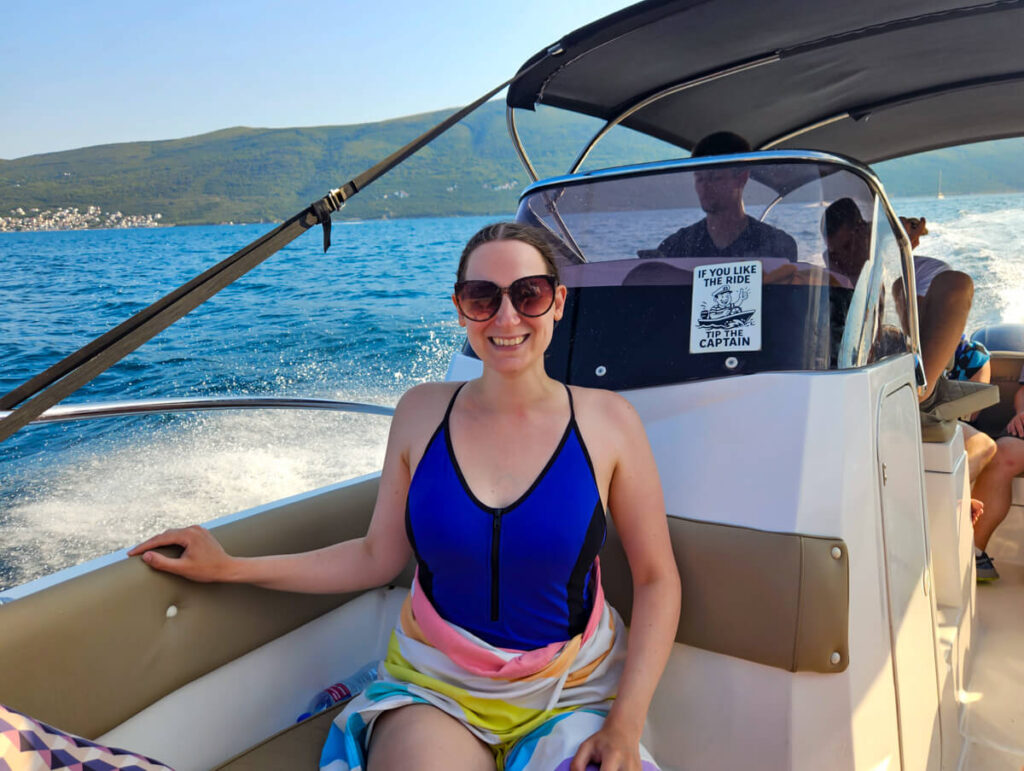
You can only reach the Blue Cave by boat, and many Blue Cave boat tours are on offer from Kotor, Tivat, and Herceg Novi. They typically take place in small speedboats and combine the cave with other stops, including Perast, Mamula Island, and the former submarine tunnels along the peninsula.
The cave is particularly bright when the sun is high, often around midday, although the colour depends on the weather and water conditions. If conditions allow, boats may stop so you can swim or snorkel inside, but it can get incredibly busy, so boats have been banned from going inside.
Trips usually run most frequently during the summer season. The tour is one of the most popular in Montenegro and only takes around 3 hours, with shared and private options available. It’s really fun to spend a few hours on the water and to get a different perspective of the bay, but the journey can be bumpy, so it’s not the best option if you’re prone to seasickness or have a bad back.
We visited the Blue Cave with my family on a private boat tour for the 10 of us, and everyone collectively agrees it was one of our favourite days of the holiday. Here are the top tours from the companies we researched and recommend:
2. Visit Our Lady of the Rocks
Our Lady of the Rocks is a small artificial island just a short boat ride from the waterfront at Perast. According to local tradition, the island began to form after sailors found an icon of the Madonna and Child on a reef in 1452, and generations of seafarers added stones to create the island that stands there today.
The church is the main attraction, with Baroque paintings by Tripo Kokolja, silver votive plaques donated by sailors, and a small museum displaying objects connected with the area’s maritime history. One of its most unusual exhibits is a tapestry embroidered by Jacinta Kunić over 25 years while she waited for her sailor husband to return – supposedly she incorporated her own hair into the work.
The boat crossing from Perast takes only a few minutes, and you can find a variety of local captains offering the trip from the waterfront promenade, but as we mentioned, it’s also a popular stop on most Blue Cave boat trips, too. All the details about getting to the island are in our Perast guide.

3. Cruise and birdwatch on Lake Skadar
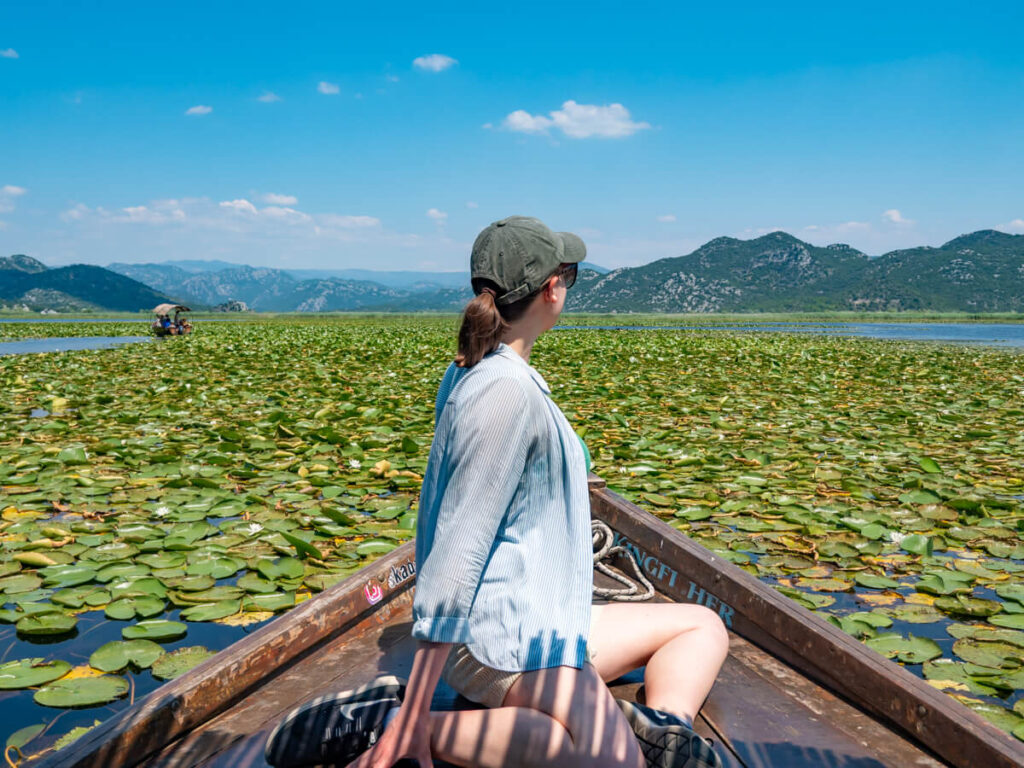
Sticking with boats, but changing the scenery, taking a boat trip on Lake Skadar is one of the best things to do in Montenegro, and the option we’d recommend if you’re after a more relaxed cruise. Swap speedboats for traditional wooden boats and glide over the still surface of the Balkans’ largest lake, Lake Skadar.
Straddling the Albanian border, the lake is one of Europe’s most important bird habitats, home to around 280 bird species – we saw loads of birds on Lake Skadar, including Dalmatian pelicans and pygmy cormorants.
Lake Skadar boat tours typically depart from Virpazar, the main tourism gateway and take you through reed beds and channels lined with water lilies, past small islands, old fishing settlements, and hills rising above the water. But some also depart from Rijeka Crnojevića, a small historic settlement an hour’s drive from Virpazar, which allows you to explore the lush channels on the lake’s northern shore. Rijeka Crnojevića is also where you’ll find the iconic horseshoe bend viewpoint, Pavlova Strana.
There is a whole variety of tours on offer, from large shared boats for the cruise crowds to traditional wooden boats and private options, with departures at sunrise for birdwatching and sunset for a more romantic vibe. These are the tours by operators we recommend:

4. Go kayaking or paddleboarding
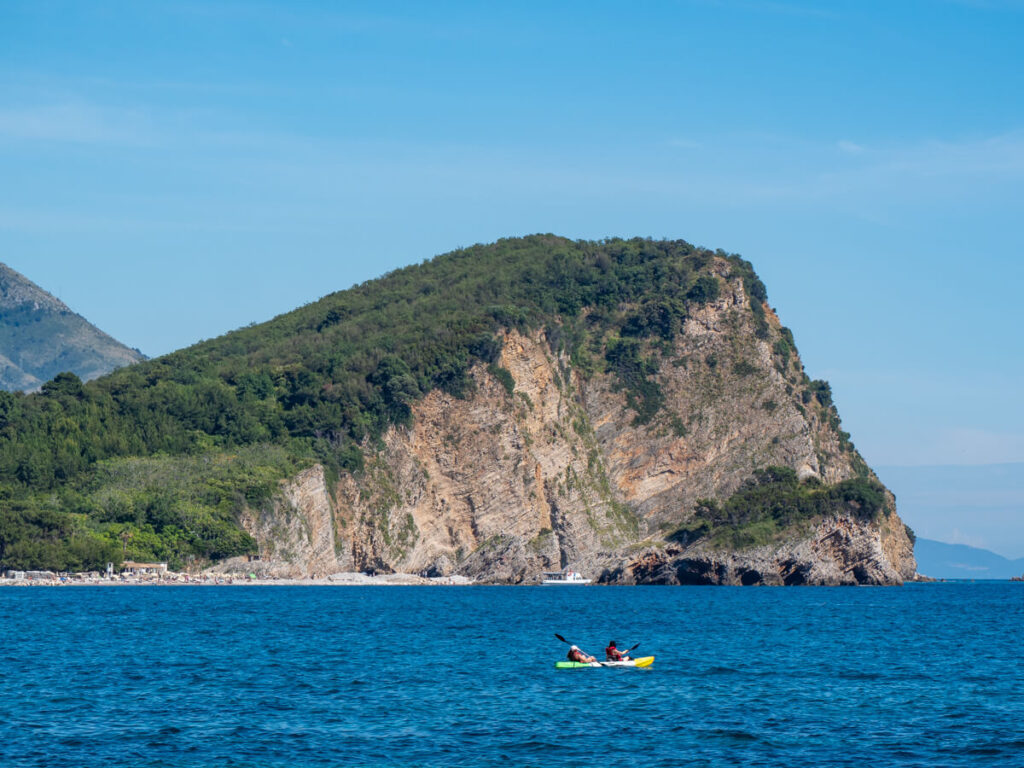
Kayaking and stand-up paddleboarding let you explore Montenegro’s coastline at a slower pace, getting closer to rocky coves and stretches of shore that are difficult to appreciate from the road. In the Bay of Kotor, the more sheltered water can be suitable for beginners when conditions are calm, while the open Adriatic is more exposed to wind and waves.
Hiring a kayak in Budva or other towns like Sveti Stefan is a good idea for a fun few hours on the water, with beach operators and watersports centres offering rentals from the main waterfronts.
If you’re inland, you can take a Lake Skadar kayaking tour to explore more of the lake up close.
Early mornings are often the best time to head out before the water becomes busier and the afternoon breeze picks up. Check the forecast and ask the rental operator about currents, wind, and the safest route before setting off.
5. Try snorkelling or SCUBA diving
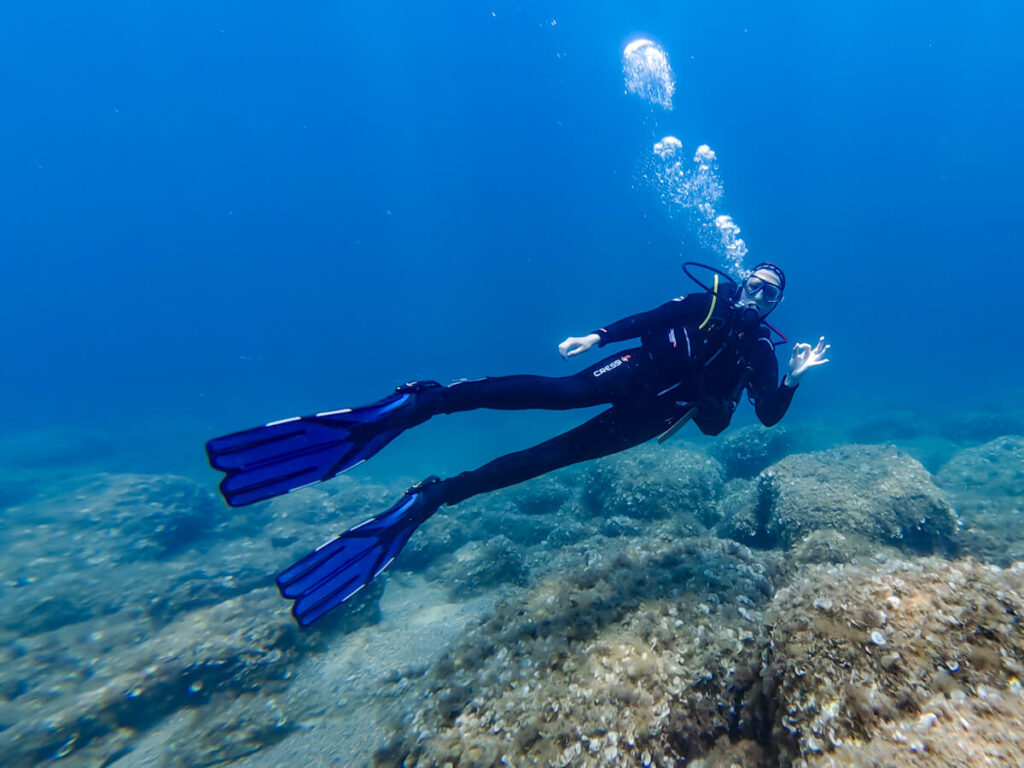
It’s not very well-known that you can SCUBA dive in Budva, but it was none of our favourite things we did in Montenegro. There are also operators in Petrovac and Herceg Novi, but Budva has some of the best conditions. The rocky Adriatic shoreline has plenty of places to explore with a mask and snorkel, especially where clear water meets submerged rocks and small reefs.
You won’t find tropical coral reefs here, but you may spot small fish, sea urchins, crabs, and other marine life among the rocks. SCUBA diving tours leave from the main pier, and the boat journey is pretty short – the iconic Sveti Nikola Island was one of our favourite sites to explore, just offshore.
We had a great experience with Budva Diving Center, which offers snorkel tours, as well as diving trips for certified and beginner experiences for newbies.
6. Relax on beautiful beaches
Montenegro has over 100 beaches along its coastline, ranging from small pebble coves beneath steep cliffs to long sandy stretches backed by beach bars and restaurants.
Around the Budva Riviera, beaches like Mogren, Jaz, and Bečići are hailed as the best, popular for swimming and summer facilities, but they can become crowded in July and August. For more space to spread out, head south to quieter beach resorts like Petrovac and Velika Plaža near Ulcinj.
Many beaches are pebbly rather than sandy, especially around the Bay of Kotor, and even in Herceg Novi, which is known for its swim spots, so water shoes can be useful if you prefer not to walk over stones.
Sun loungers and umbrellas are available at many organised beaches (for a fee), but you can usually find stretches of public shoreline to spread out on for free. If you’re visiting in peak season, arrive earlier in the day for easier parking and a better choice of spots.

7. Go paragliding or parasailing
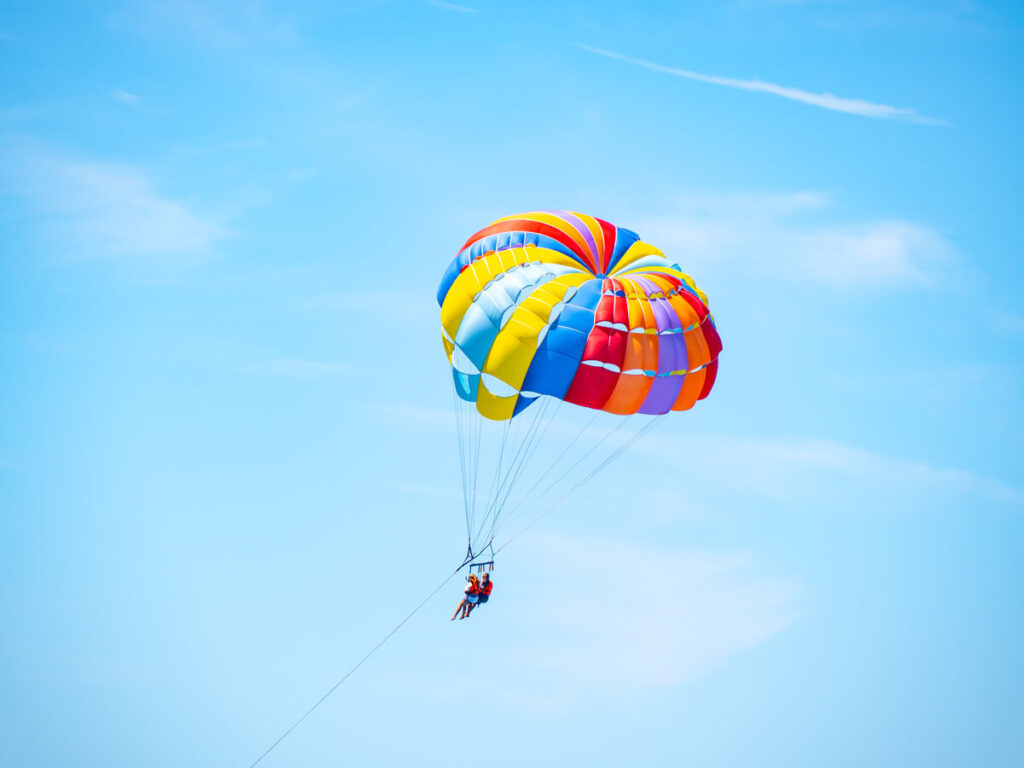
If you’d like a different perspective of Montenegro’s coast, paragliding launches you from a hillside, with an instructor guiding the flight over the coast and surrounding mountains. Budva and the surrounding area are where flights may be available, and we saw lots of tiny colourful parachutes flying over the city.
If you don’t want to go as high, parasailing can be arranged from beach-based watersports centres, where you’re lifted behind a boat and get a bird’s-eye view of the shoreline.
Both activities depend on suitable weather, and paragliding in particular requires the right wind conditions, so it’s worth booking ahead and being flexible with your Montenegro itinerary, as bookings can be moved or cancelled at short notice.
Mountain activities in Montenegro
It only takes a few hours to drive from the coast to the border of the country, but Montenegro’s mountains are a world away from its beach resorts, with glacial lakes, forested trails, deep river canyons, and remote highland villages. Whether you’re after a challenging hike or a few outdoor activities between sightseeing stops, there’s plenty to do beyond the coast.
8. Hike in a national park
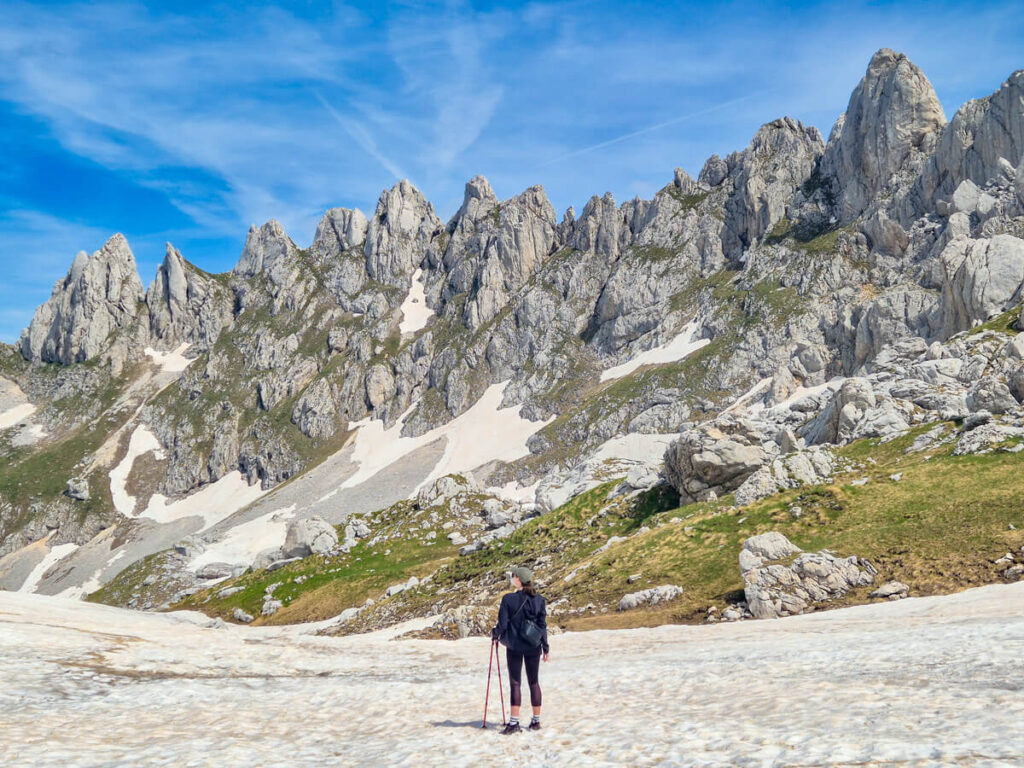
Montenegro has five national parks, several of which offer excellent hiking, from easy lakeside walks to demanding mountain ascents. This was actually the reason we visited Montenegro originally, as we road-tripped between the five parks in five weeks.
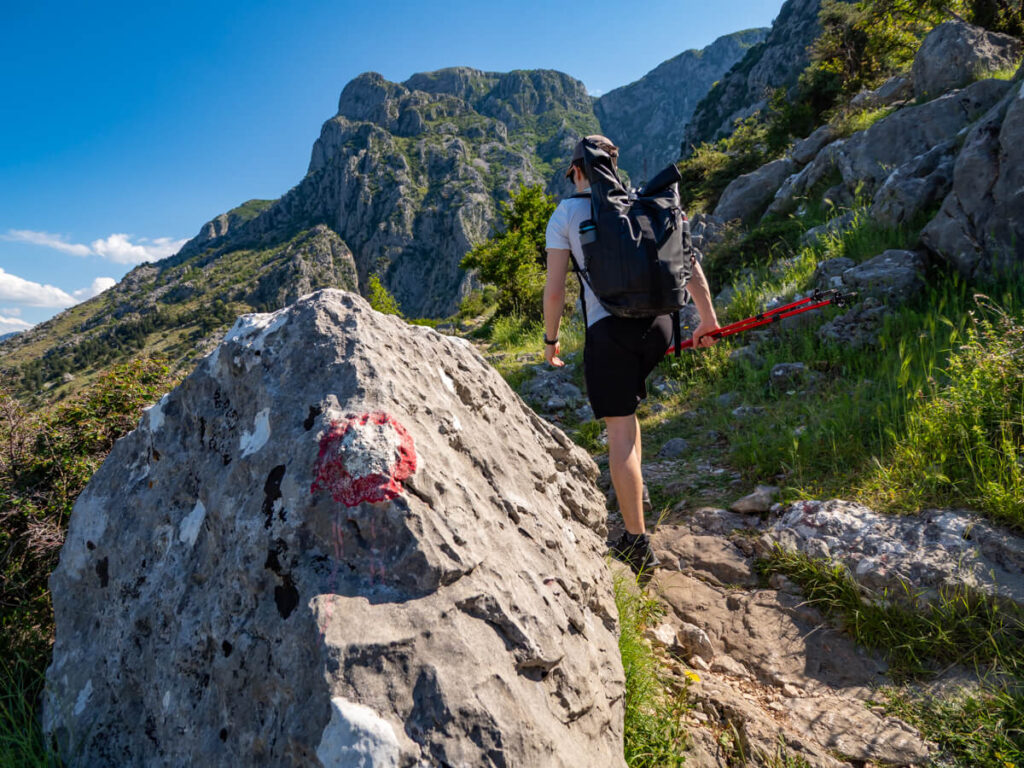
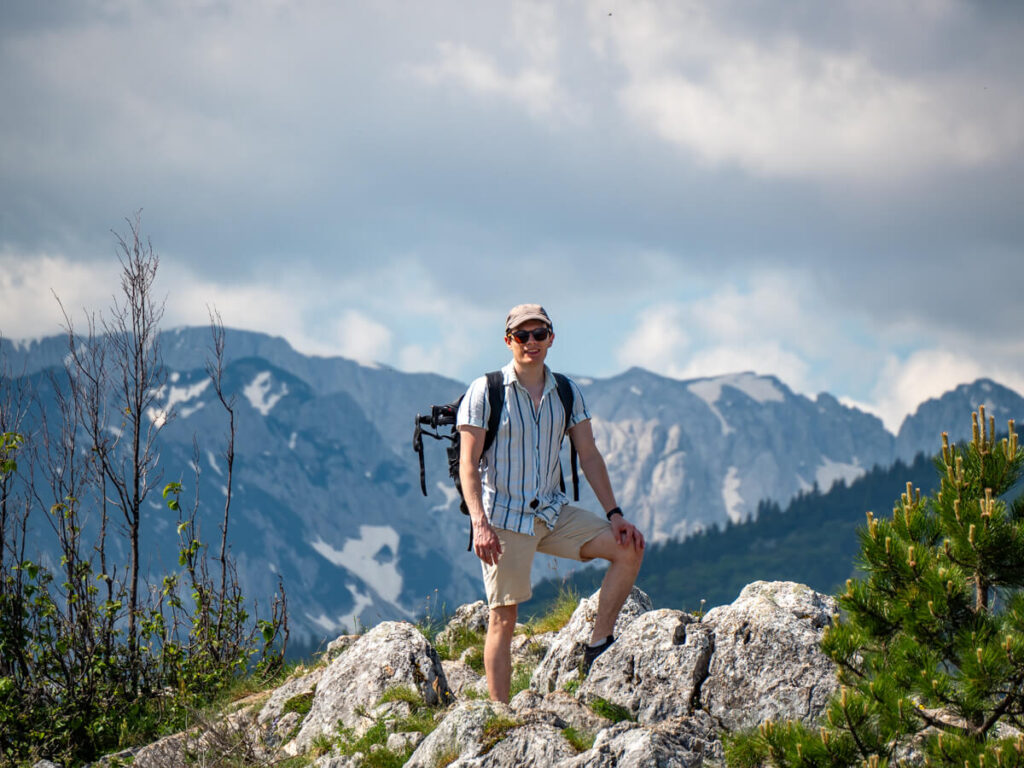
Durmitor National Park is a good place to start if you’re interested in hiking in Montenegro, with routes ranging from easy to hard. The loop around the Black Lake (Crno Jezero) is a classic 1-hour route, while more challenging trails like the one towards Bobotov Kuk reach 2,523 metres (8,278 ft). We also enjoyed the climb to Ćurevac Peak, which offered epic views of the Tara River.
Prokletije National Park is one of our favourite places in Montenegro and is excellent for serious hikers. It sits near the Albanian border, has rugged peaks and remote valleys, and some of the best hiking views we’ve ever seen, particularly from the Three Peaks trail. When you’re not hiking, you can relax in the Grebajae Valley or Ropojana Valley, stay in local katuns, and enjoy the views.
Biogradska Gora National Park is another option with walks through one of Europe’s last remaining primeval forests. It’s mostly known for its 1-hour loop around Lake Biograd, but there are more challenging routes into the mountains, too.
Closer to the coast, Lovćen National Park has forest trails and viewpoints with panoramic views over the Bay of Kotor and the famous Njegoš Mausoleum. It’s much more accessible than the more remote parks, so it’s no wonder it’s one of the best day trips from Kotor. The best trail for mountain hiking near Kotor is the moderate Ladder of Kotor hike, which was the first hike we did and offers amazing views back over the bay.
9. Go whitewater rafting on the Tara River
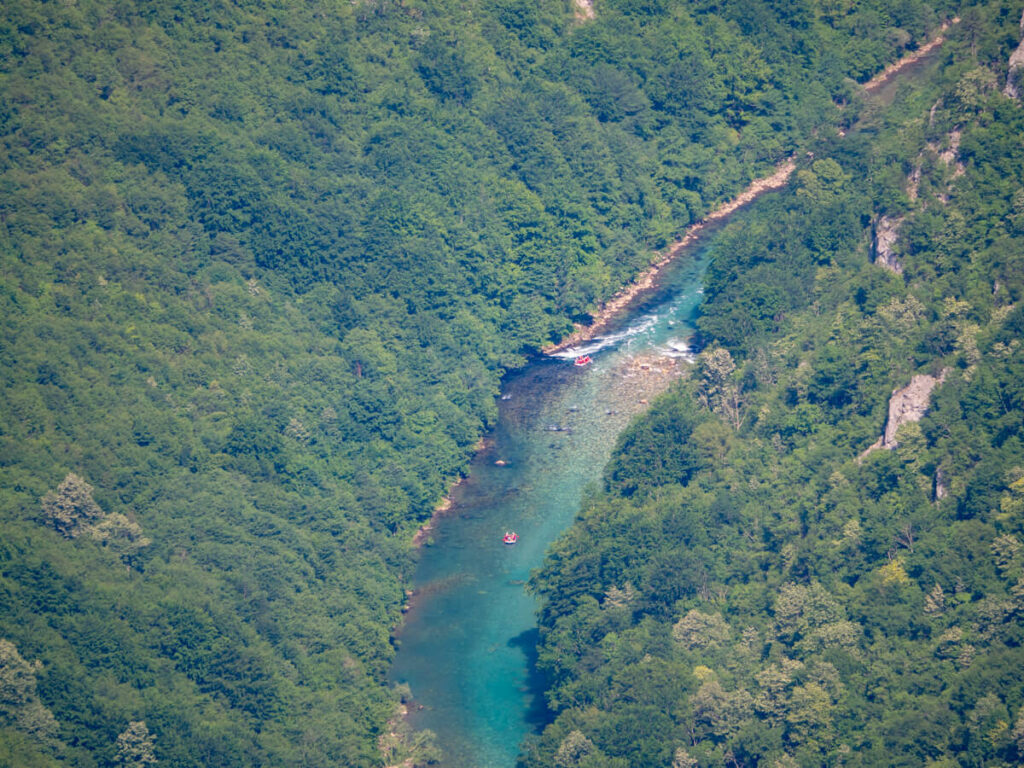
Rafting on the Tara River is one of Montenegro’s best-known adventure activities, taking you through the dramatic Tara River Canyon, which reaches around 1,333 metres (4,373 feet) deep at its deepest point and is said to be Europe’s largest.
The river passes through a landscape of steep limestone cliffs, thick forest, and clear turquoise water, with rapids providing the excitement along the way. Most trips run between spring and autumn, with the strongest rapids often occurring during the spring snowmelt, while summer generally brings more manageable conditions.
One-day excursions commonly use the section near Brštanovica, while longer trips can start near the famous Đurđevića Tara Bridge.
10. Try canyoning
Montenegro is mountainous, so it’s no surprise that one of the best things to do if you love adrenaline is canyoning. You navigate narrow river gorges, where the route may involve scrambling over rocks, wading through pools, swimming, abseiling, and sliding down natural rock chutes.
Montenegro has several options, but Kotor’s Škurda Canyon and the Nevidio Canyon in the Durmitor region are two of the best known for their confined passages and challenging terrain.
This is not an activity to attempt independently, so make sure to book an excursion with a guide in advance.
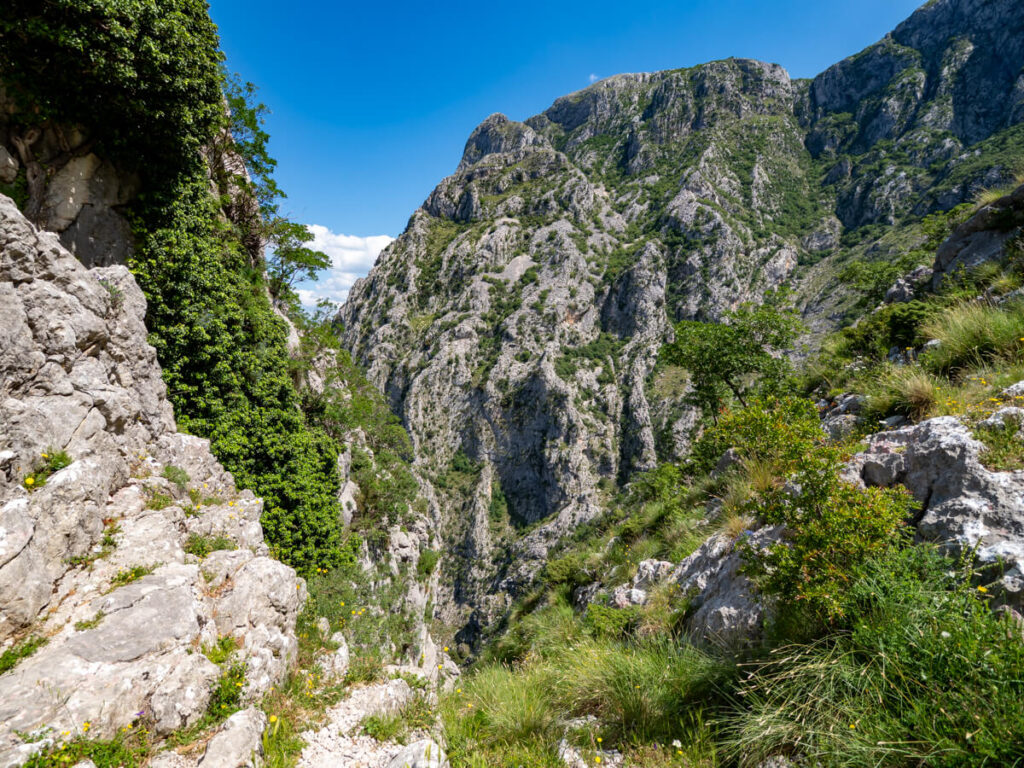
11. Visit Lipa Cave
Near Cetinje, the former historic capital of Montenegro, Lipa Cave offers a change of pace from mountain hikes, with an underground network of passages, chambers, stalactites, and stalagmites.
Guided visits take you through part of the cave system, where the temperature stays much cooler than outside, making it a welcome stop on a hot summer day. The cave is one of Montenegro’s better-known show caves, and its underground formations have developed over thousands of years.
Visits are organised around scheduled tours, so check dates and times and book ahead. When you’re there, wear shoes with a good grip, as underground paths can be damp, and bring a light layer even when the weather is warm outside.

12. Zipline over a river canyon
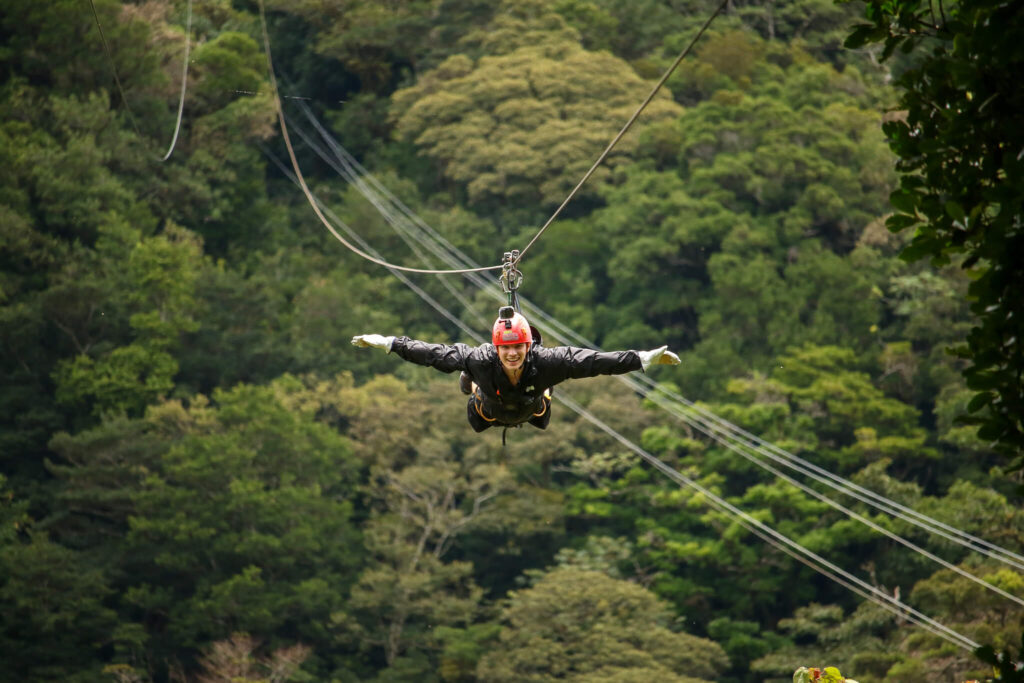
For a different view of Montenegro’s dramatic landscapes, try a zipline across the Tara Canyon near the Đurđevića Tara Bridge. The lines carry you high above the river, with the canyon’s forested slopes and turquoise water far below.
It’s not a very extensive course, so we wouldn’t say it’s worth going out of your way for, but it’s a popular stop on Durmitor tours and worth it if you like a bit of adrenaline or are driving past.
Other zipline experiences are available around the country, including near Piva Lake, Njeguši near the Bay of Kotor, and Budva.
13. Stay in a traditional mountain katun
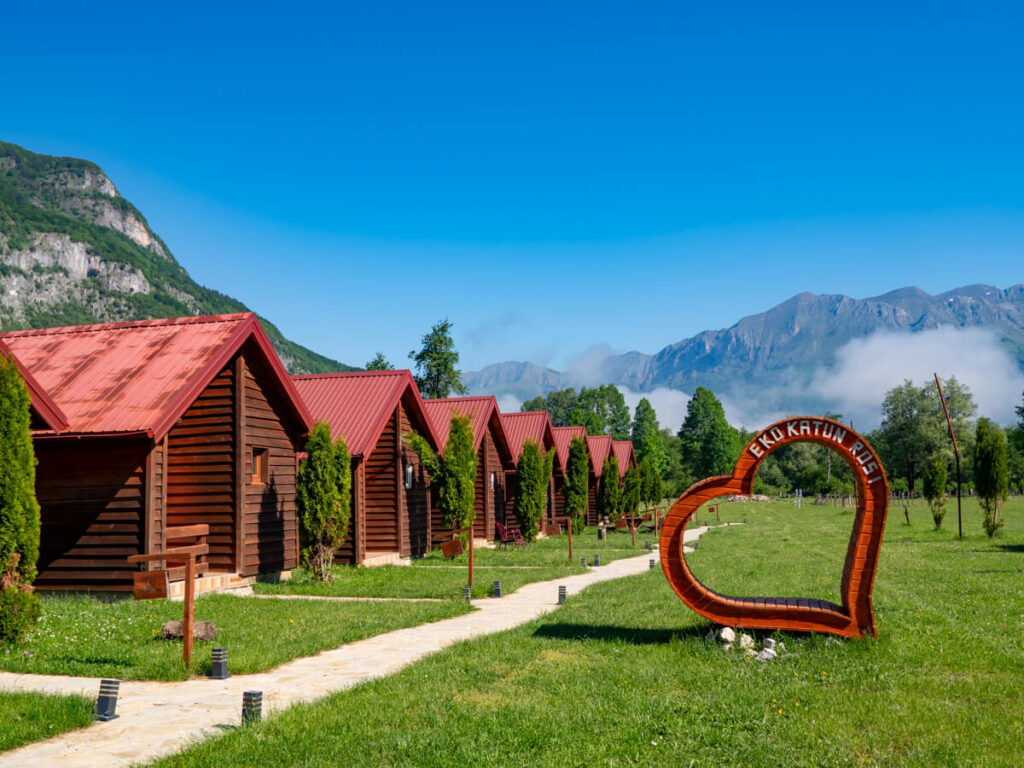
A katun is a traditional seasonal settlement used by herders who take their livestock to high mountain pastures during the warmer months. Some are still working pastoral settlements, while most have been converted and opened as simple guesthouses or serve homemade meals to visitors wanting a taste of rural Montenegro.
They’re some of the most unique accommodations in Montenegro, and staying in one is a great way to support locals and get a more authentic glimpse into Montenegro’s heritage. It’s also a chance to try local products such as cheese, yoghurt, and kačamak, a hearty dish made with potatoes, cornmeal, and dairy.
The setting of these katuns, which often feature wooden cabins, is often remote, with mountain views and walking routes nearby. Facilities can be basic and mobile reception unreliable, but that’s part of the appeal. Staying in these off-grid feeling cabins was one of our favourite parts of our trip.
14. Take a scenic drive
Durmitor Ring Road
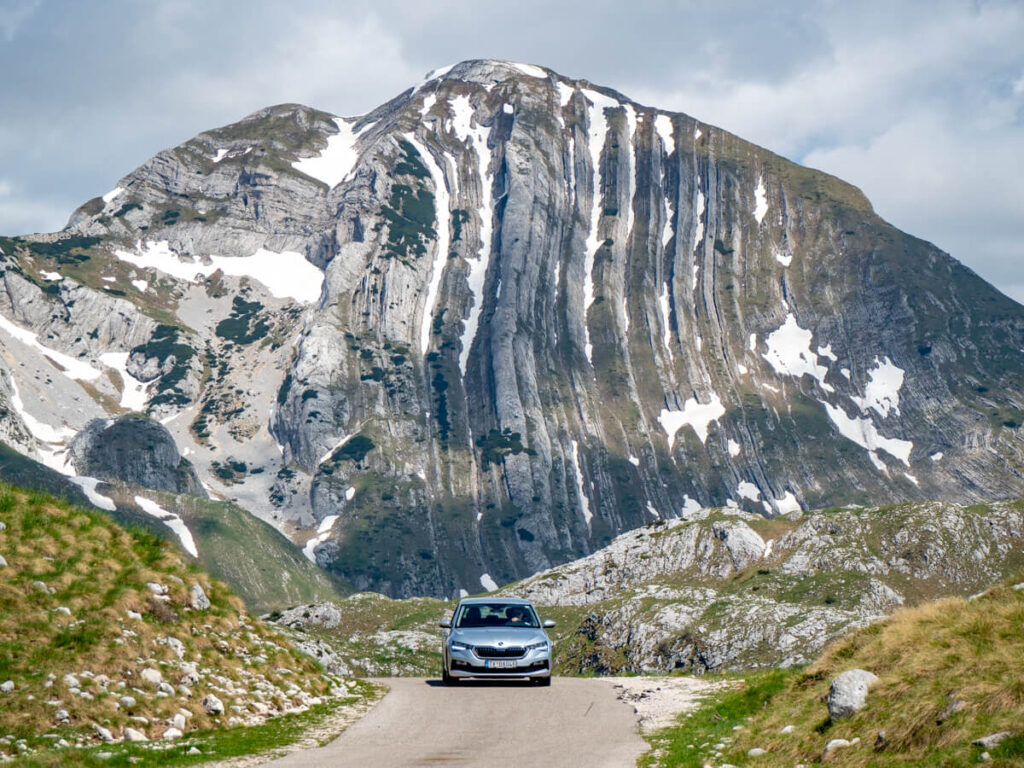
Driving in Montenegro is one of the easiest ways to experience Montenegro’s changing landscapes, from the mountains above the Bay of Kotor to the high plateaus and glacial lakes of the north. The Durmitor Ring is an unmissable route if you love a road trip, passing open mountain scenery, traditional villages, and viewpoints around Durmitor National Park.
The roads can be narrow, winding, and slow, so allow time for stops and don’t judge distances by the map alone. Some high mountain roads may be affected by snow or seasonal closures, so late spring to early Autumn is the best time to go, and conditions can change after bad weather at any time, so check the forecast.
If you’re worried about the driving, you can take a Ring Road Jeep tour and allow your local guide to handle navigating the narrow roads while you enjoy the views of glacial lakes, alpine forests, and the Tara River Canyon.
15. Spot local wildlife
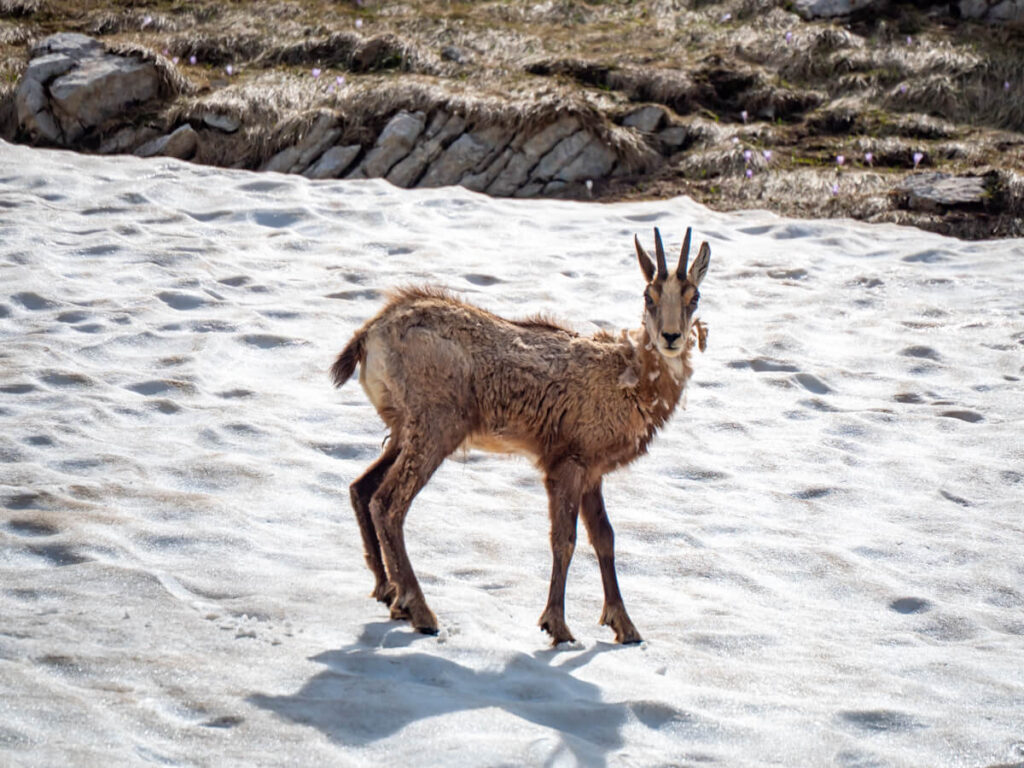
Montenegro’s mountains and forests support a wide range of wildlife, although seeing larger animals takes patience and a lot of luck. Brown bears, wolves, chamois, foxes, and wild boar live in parts of the country’s mountainous interior, while eagles and other birds of prey can be seen soaring above remote valleys and ridgelines.
Durmitor and Prokletije are good areas to appreciate the country’s wild landscapes, but wildlife sightings are never guaranteed, particularly on busy trails. Since most animals are elusive, there aren’t really any dedicated wildlife watching tours like you’d find in countries like Romania, but you might notice smaller signs of animal life if you slow down, look for tracks, and listen for birds.
History and culture experiences in Montenegro
Montenegro has a long and varied history, shaped by Roman rule, medieval kingdoms, Venetian influence, and centuries of Orthodox Christian tradition. You can explore this heritage in its walled Old Towns, hilltop monasteries, archaeological sites, and museums, many of which offer a glimpse into the country’s past beyond the coast and mountain scenery.
16. Explore old town centres
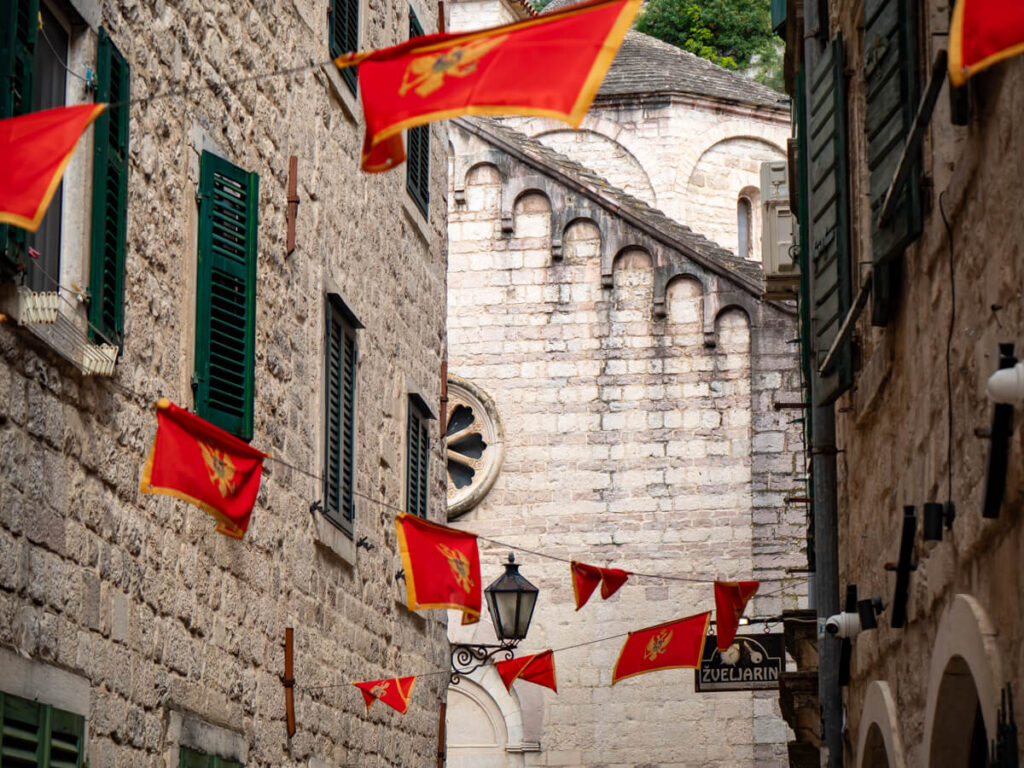
Montenegro’s historic towns are among the best places to see how different cultures have shaped the country. Wander the narrow stone streets of Kotor Old Town, visit the Old Town in Budva, or explore hilly Herceg Novi, where medieval walls, churches, small squares, and Venetian-era buildings reflect centuries of changing rule. Perast is also a great place to day trip to, with its many palaces and beautiful waterfront setting.
Inland, Cetinje has former royal residences and historic embassies that trace the story of Montenegro’s time as an independent principality and kingdom.
Each town has its own character, so it’s worth allowing time to explore beyond the main squares and popular photo spots. If you need help deciding which to visit and where to skip, check out our guide to the best places in Montenegro.
17. Visit historic monasteries
Monasteries are an important part of Montenegro’s Orthodox Christian heritage, and several are set in striking locations. Ostrog Monastery is the best known, built into a sheer cliff face and visited by pilgrims from across the region, while the monasteries at Cetinje and Morača are notable for their history, architecture, and religious art.
There are also smaller monasteries dotted around Lake Skadar, like Kom Monastery, while others can be found near the coastal towns, like Savina.
Some contain historic frescoes, relics, and richly decorated churches, although access to particular areas can be restricted during services. Dress modestly, keep your voice down, and check visiting arrangements before travelling, especially if you’re visiting a remote monastery.

18. Find Roman ruins
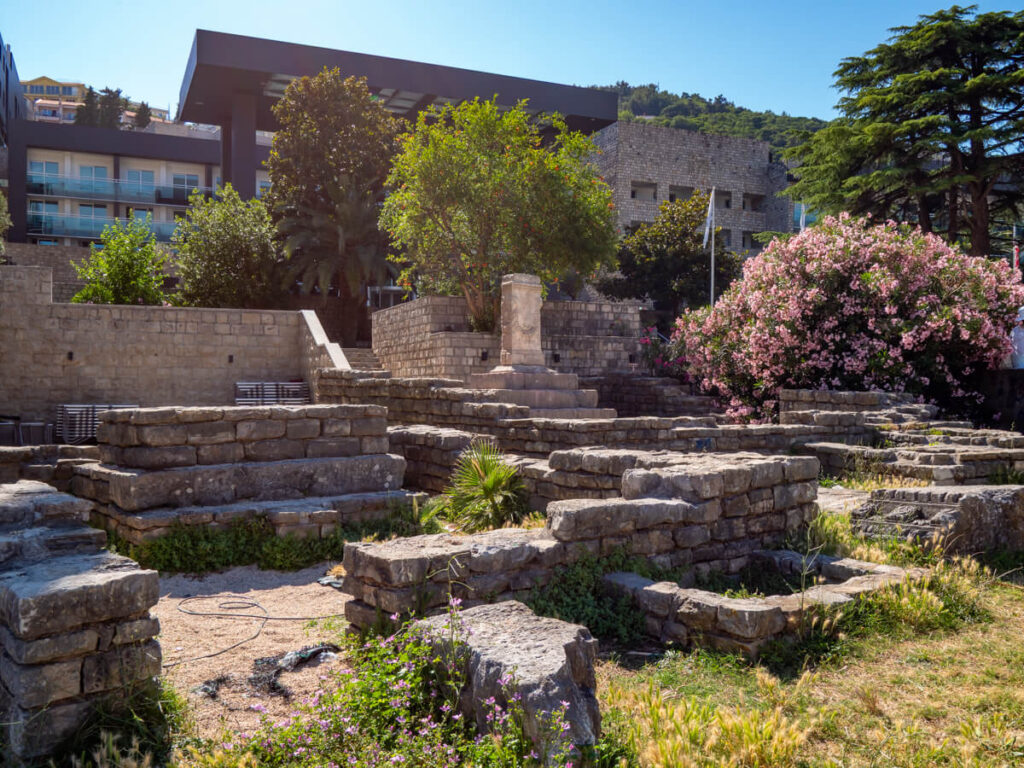
Roman remains can be found in several parts of Montenegro, although many sites are relatively modest rather than large, fully excavated attractions. Near Petrovac, you can see the remains of a Roman villa and mosaic, Budva is home to several ruins and Duklja, close to Podgorica, contains the ruins of an ancient city that developed into an important regional centre.
Risan, in the Bay of Kotor, is another place where you can see Roman-era remains, including a mosaic. It’s also easily combinable with the Lipci rock art – not Roman, it’s much older, but a nice stop to combine with the mosaic if you’re interested in history.
These sites are worth adding to a road trip if you’re interested in archaeology, but check opening arrangements in advance, as facilities and access vary. Not everyone will be interested in them, but having a sister who studied history, I’m always trying to find these kinds of sites on our trips.
19. Learn more in local museums
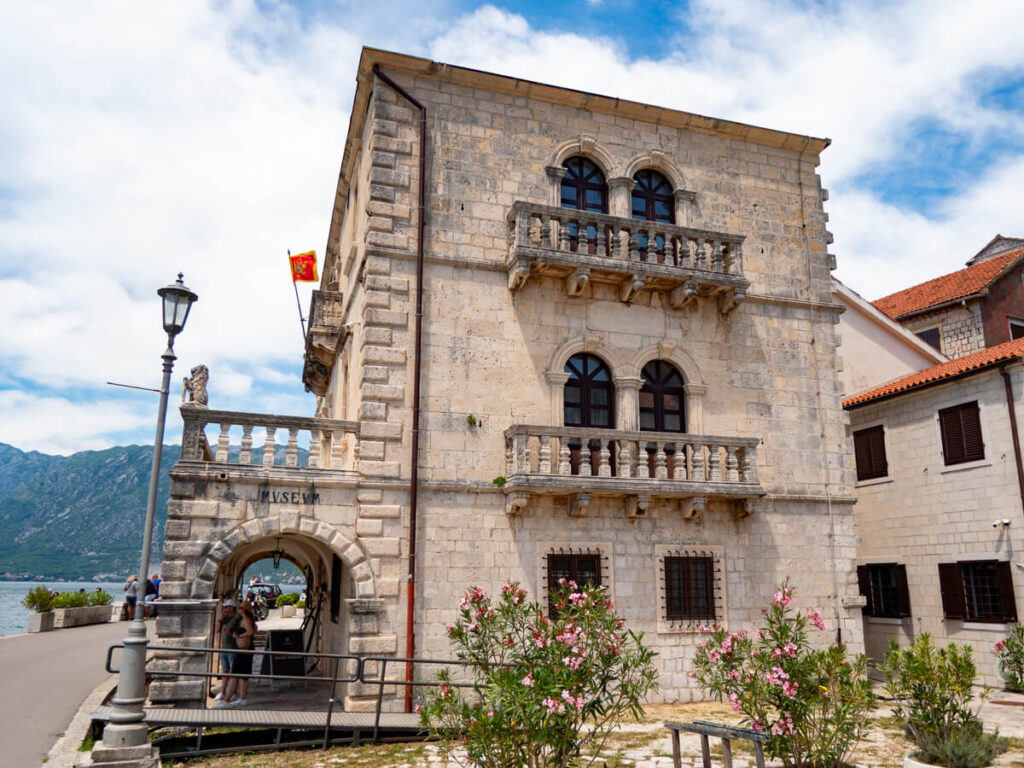
Montenegro’s museums cover everything from royal history and traditional life to art, maritime heritage, and the country’s more recent past. In Cetinje, the former royal capital, you can visit museums dedicated to King Nikola, the country’s national history, and its art collections.
Kotor’s Maritime Museum explores the seafaring traditions of the Bay of Kotor, while smaller local museums like the Cat Museum, which is dedicated to Kotor’s cats, offer insight into regional customs and everyday life.
Collections and opening hours vary, and some museums close on certain days or outside the main tourist season, so check ahead if there’s somewhere specific you want to visit.
Culinary experiences in Montenegro
Montenegrin food reflects the country’s varied landscapes, from fresh seafood and olive oil along the Adriatic to smoked ham, local cheeses, and hearty meat dishes inland. Here’s how best to experience it.
20. Taste wine in a local vineyard
Montenegro has a long winemaking tradition, with several vineyard areas around Podgorica and Lake Skadar, as well as smaller estates near the coast. One of the best things to do in Montenegro if you love wine is to head to the wine region, book a tasting at a local vineyard, and even stay overnight.
Start with Vranac, a full-bodied red made from a native grape variety, or try Krstač, a local white wine. For a larger-scale visit, Plantaže’s vineyards near Podgorica offer tastings and tours inside a former underground military aircraft hangar. But we loved family-run wineries, which provide a more intimate alternative, often pairing their wines with local cheese, pršut, and other regional produce. Check out these producers:
Book ahead, as many tastings need to be arranged in advance.

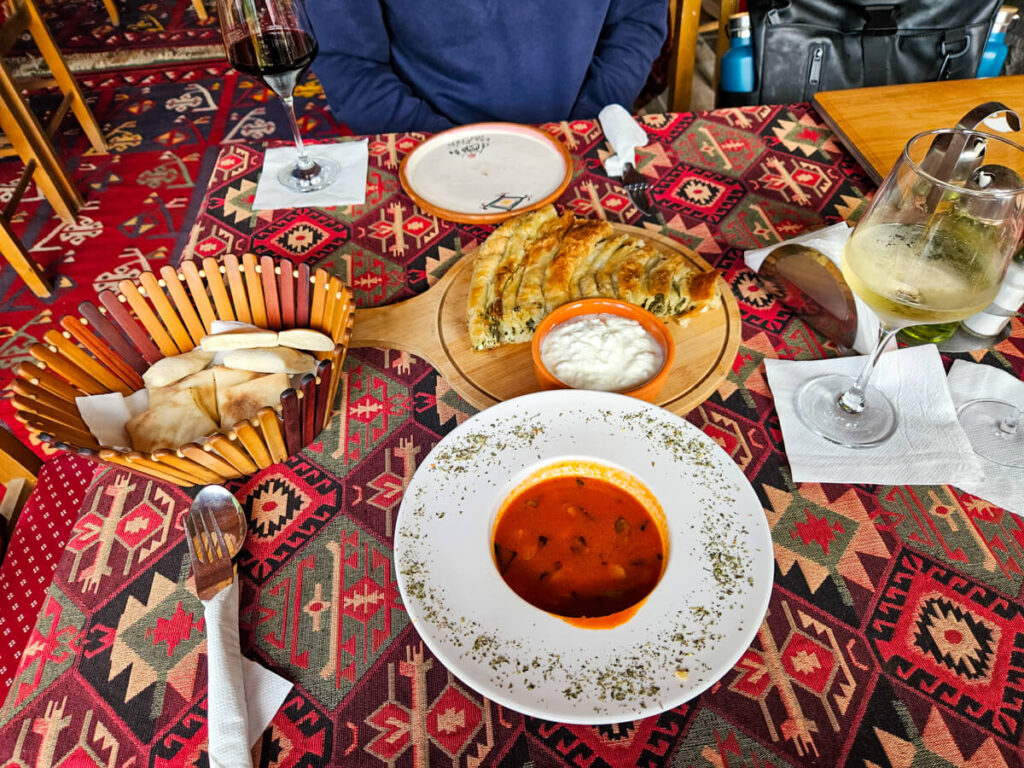
21. Sample traditional Montenegrin cuisine
Montenegrin food varies between the coast and the mountains. Along the Adriatic, look for grilled fish, seafood risotto, and dishes flavoured with olive oil and herbs. Inland, meals tend to be heartier, with grilled meat, lamb, slow-cooked dishes, and dairy products featuring more prominently.
Try Njeguški pršut, a smoked and air-dried ham from the village of Njeguši, alongside local cheese, or order kačamak, a filling dish made with potatoes or cornmeal and served with cheese and kajmak. Traditional konobas (taverns) are often a good place to sample these regional dishes, but joining a local food tour is the best way to sample local dishes and learn more about Montenegro’s culinary heritage.
We love trying new foods when travelling, and even though Balkan delicacies are quite meat- and cheese-heavy, we were never short of things to eat as veggie/vegans. There’s a great variety of restaurants in Kotor that we loved, so you don’t need to go far to sample local dishes.

22. Get hands-on in a cooking class
Take your interest in local food one step further and get hands-on in a Montenegrin cooking class. It’s a great way to learn how authentic dishes are prepared, rather than just ordering them in a restaurant.
Depending on the location and host, you might make filled pastries, prepare a traditional meat or vegetable dish, or learn how local ingredients such as cheese, herbs, and seasonal produce are used. Some food experiences take place in family homes or rural households, where the meal is part of the visit.
Seasonal activities in Montenegro
Montenegro’s activities and events change considerably throughout the year, from skiing in the northern mountains during winter to coastal festivals, carnivals, and outdoor events in the warmer months. If your travel dates are flexible, it’s worth planning around a seasonal activity or local celebration, although weather and event schedules can affect what’s available.
Montenegro activities FAQs
To help you choose what to do in Montenegro, we’ve answered these frequently asked questions.
What’s in Montenegro?
Montenegro has a mix of Adriatic coast beaches, historic towns, mountain scenery, national parks, lakes, and traditional villages. You can explore the medieval streets of Kotor, take a boat trip on the Bay of Kotor or Lake Skadar, visit Ostrog Monastery, or head north for hiking and rafting around Durmitor National Park. There are also wineries, local food experiences, and ski resorts in the mountains during winter.
What are the top 10 things to do in Montenegro?
If it’s your first visit to Montenegro, we’d put these experiences near the top of the list:
- Explore Kotor Old Town and its historic fortifications.
- Take a boat trip around the Bay of Kotor.
- Visit Perast and Our Lady of the Rocks.
- Relax on the beaches around Budva or Sveti Stefan.
- Take a boat trip or go kayaking on Lake Skadar.
- Explore Durmitor National Park and the Black Lake.
- Go rafting on the Tara River.
- Visit Ostrog Monastery, built into a cliff face.
- Visit Cetinje and the Njegoš Mausoleum in Lovćen National Park.
- Sample Montenegrin food and wine at a local restaurant or vineyard.
What is a must-do in Montenegro?
For a first trip, we’d recommend exploring Kotor and the Bay of Kotor. The Old Town has historic streets and squares to wander, while a boat trip gives you a different perspective on the surrounding mountains and coastal villages. If you have time to travel inland, add Durmitor National Park for a very different side of the country.
What are some unique things to do in Montenegro?
For something a little different, spend a night in a traditional mountain katun, a seasonal herders’ settlement, or visit a family-run vineyard for a wine tasting. You could also explore the underground passages of Lipa Cave, take a boat through Lake Skadar’s waterways to look for birdlife, or visit Ostrog Monastery, which is built directly into a steep cliff face.
What are some unusual things to do in Montenegro?
Look beyond the best-known coastal towns for experiences you might not immediately associate with Montenegro. Visit the old royal capital of Cetinje, go SCUBA diving in Budva, try traditional food in a rural household, explore the old submarine tunnels on the Luštica Peninsula, or take a scenic drive through the mountain villages and high plateaux. If you’re visiting in winter, you could also swap the coast for a day on the ski slopes.
What are the best things to do in Montenegro with family?
Families can enjoy the beaches around Budva, short walks around the Black Lake in Durmitor National Park, boat trips on the Bay of Kotor, and kayaking or gentle boat excursions on Lake Skadar. The Kotor-Lovćen cable car is another option for mountain views without a long hike. For more active families, rafting and ziplining may also be possible, but check minimum ages, height restrictions, and conditions with the operator before booking.
What are the best things to do in Montenegro as a couple?
A boat trip around the Bay of Kotor, an evening wandering Kotor or Perast, and a wine tasting near Lake Skadar are all good options for couples. You could also spend a day exploring quiet coastal coves, drive into the mountains for a change of scenery, or book a stay in a rural guesthouse. If you prefer a more active trip, hiking in Durmitor or kayaking on Lake Skadar offers plenty of time outdoors together.
What can you see in Montenegro in one day?
With just one day, it’s best to focus on one area rather than trying to cross the country. Around the Bay of Kotor, you could explore Kotor Old Town in the morning, visit Perast and Our Lady of the Rocks, and finish with a scenic drive or boat trip. If you’re staying around Budva, spend the day exploring its Old Town and beaches, with a stop at Sveti Stefan if time allows. Durmitor and the northern mountains need a longer journey, so they’re better saved for another visit unless you’re already staying nearby.
What are the best adventure activities in Montenegro?
Montenegro has plenty of options for an active holiday. You can go whitewater rafting on the Tara River, hike in Durmitor or Prokletije National Park, try canyoning, or zipline above Tara Canyon. Along the coast, kayaking, paddleboarding, SCUBA diving, and paragliding are popular options, while winter brings skiing and snowboarding in the north.

Read next:
Ultimate Montenegro Travel Guide: Bays, Beaches & Black Mountains
2-3 Week Montenegro Road Trip Itinerary: From Adriatic Coast to Alpine Altitudes
12+ Authentic Places in Montenegro We Love: Which to Visit + Where Not to Go
5 Local Accommodations in Montenegro Reviewed: Cool Katuns + Eco Hotels
Traditional Foods in Montenegro to Try & Meat-Free Options for Local Dishes
All 5 Montenegro National Parks Compared + Our Favourites
A Handy Guide to Hiking in Montenegro & Our Top 10 Trails
A Detailed Guide to Driving in Montenegro + Our Top Tips
Renting a Car in Montenegro: Complete Guide + Kombo Rent a Car Review
Our Montenegro Destination Guides:
