Traditional Foods in Montenegro to Try & Meat-Free Options for Local Dishes

A complete list of what to eat in Montenegro, from traditional Balkan dishes to local delicacies, and what we ate as veggie/vegans seeking authentic Montenegrin cuisine.

This post may contain affiliate links, which means we might earn a small commission on anything purchased through these links at no extra cost to you. Learn more on our disclaimer page.
We love food. But the food we find when we travel doesn’t always love us. Montenegrin food is a mix of hearty Balkan comfort food, fresh Adriatic seafood, grilled meats, local cheeses, and traditional dishes shaped by centuries of Mediterranean and Ottoman influence. What you eat locally can vary quite a bit depending on where you are, and is made even harder if you don’t eat meat.
We spent five weeks travelling around Montenegro and quickly realised that eating locally isn’t always as straightforward as it sounds, especially as veggie/vegans. Meat features heavily on many traditional menus, and some dishes that sound meat-free can contain hidden ingredients. Plus, we didn’t want to miss out on trying the best local specialities, but had to do a lot of digging to find non-meat versions. But you don’t have to miss out, though – we found plenty of traditional foods worth trying.
In this guide, we’ll cover the best foods to try in Montenegro, explain what traditional dishes are made from, where to go for local cuisine, and share the meat-free options to look out for, including vegetarian-friendly local specialities and tips for ordering when you’re eating out during your Montenegro itinerary.
Montenegro must-try foods at a glance
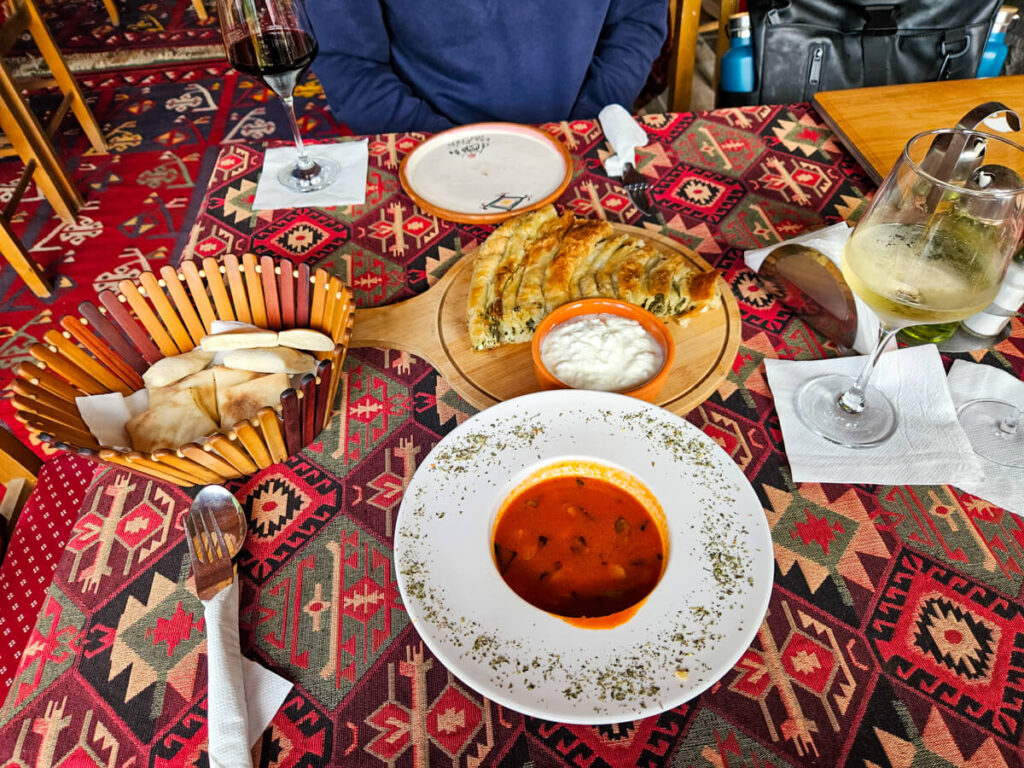
More from Montenegro
What is Montenegrin cuisine?
Montenegrin cuisine varies quite a bit by region, thanks to the country’s varied mix of landscapes:
Like much of the Balkans, Montenegrin food has been shaped by centuries of cultural influences, including Ottoman and Byzantine traditions. It varies in different places in Montenegro, but we particularly noticed a divide between hearty mountain meals and Italian influences along the coast, especially in towns that were once under Venetian rule.
One thing worth knowing if you’re vegetarian or vegan is that traditional Montenegrin cuisine can be quite meat- and dairy-heavy, particularly away from the coast. That said, there are still local specialities worth seeking out if you know what to look for.
And refreshingly, Montenegro has no international fast-food chains like McDonald’s, so you’re more likely to find traditional restaurants, local bakeries, and family-run eateries.
Want to try more than just the food on the menu? Join a culinary tour in Montenegro to sample local specialities, discover regional wines, and learn about the country’s food traditions from local guides.

Planning a trip to Montenegro?
Montenegro is gaining popularity quickly, so be sure to book in advance as early as possible!
Top Experiences in Montenegro
Top Hotels in Kotor
Rent a Car in Montenegro
Best eSIM for Montenegro
The best food destinations in Montenegro
Montenegrin cuisine changes quite a bit depending on where you are, so it’s worth trying local specialities as you travel around the country.
There are some incredible restaurants in Kotor, especially in the Old Town, but the surrounding Bay of Kotor area is also a great place to try coastal Montenegrin cuisine. You’ll also find Italian influences on many menus, alongside local cheeses, cured meats, and traditional taverns tucked down the historic streets. Being touristy, it’s also one of the better places for non-meat eaters.
Lake Skadar is one of Montenegro’s best-known wine regions, with vineyards producing local varieties such as Vranac and Krstač. The area is also famous for freshwater fish, so it’s a good place to combine a wine tasting with a traditional meal.
An hour’s drive away, we also had some great meals in Rijeka Crnojevića, a small riverside settlement. Fish is a major draw, but we got to try traditional sides and accompaniments that were veggie.
With its busy restaurant scene, waterfront dining, and international influences, Budva was one of the best places we ate out in, with actually vegan-dedicated cafés. We also enjoyed pizza in Petrovac, but skipped dining in Sveti Stefan, as it’s fairly pricey.
The remote mountain villages around Prokletije National Park were some of our favourite places, but hard to eat vegan in. Expect hearty dishes, homemade dairy products, local cheeses, bread, and seasonal ingredients. Our cool accommodations were pretty accommodating, though.
Durmitor National Park was a lot better, with restaurants in Žabljak and a series of vegetarian-friendly food huts on the road to the Black Lake.
You can find all our restaurant recommendations for each place in our dedicated travel guides:
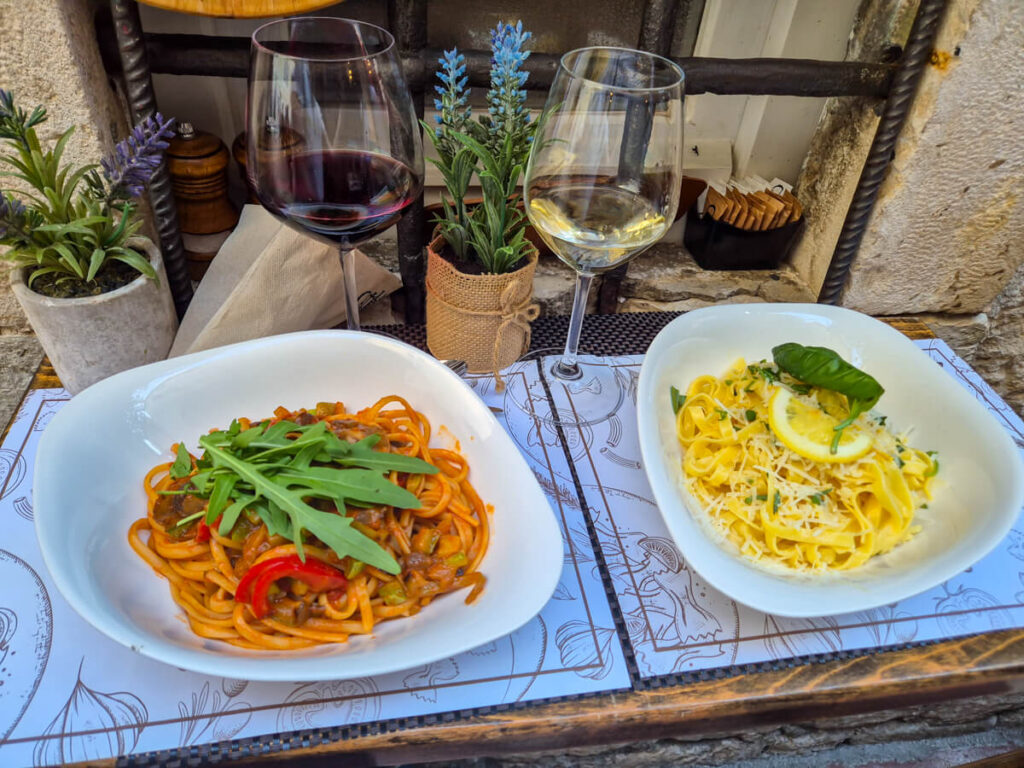
Traditional food in Montenegro: what to eat
These are the traditional dishes and local ingredients worth looking out for as you travel around the country.
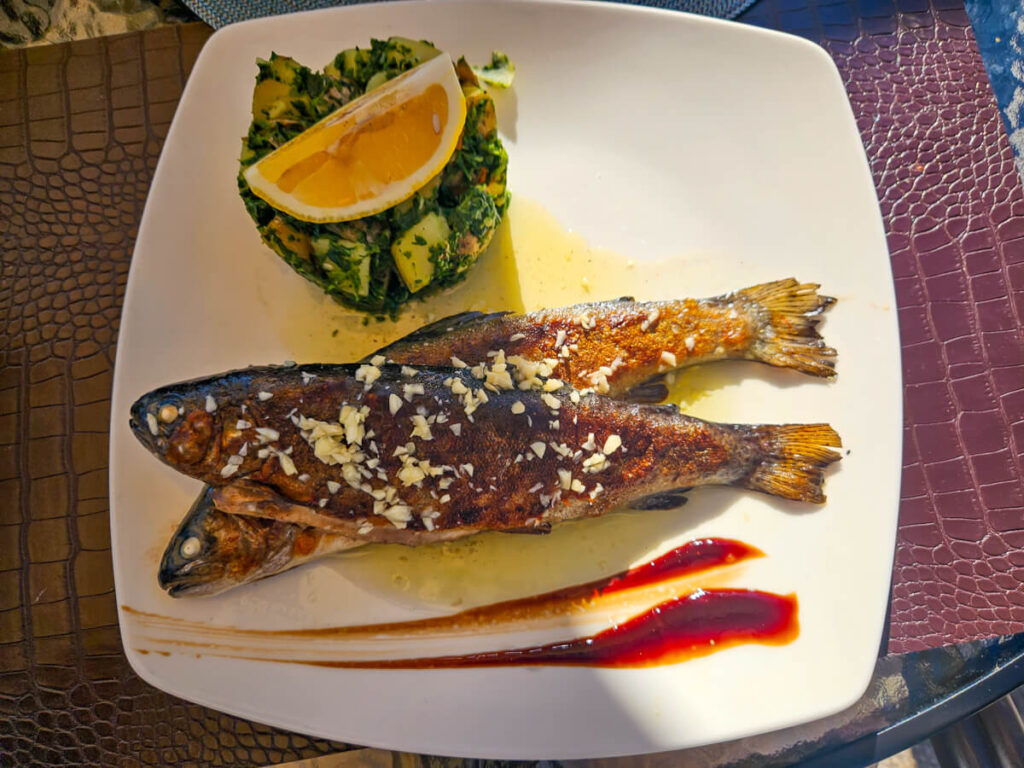
1. Fish and seafood
With 183 miles (293 km) of Adriatic coastline, as well as numerous rivers and lakes inland, Montenegro has a long tradition of fishing and cooking with the local catch. Along the coast, you’ll find Mediterranean-style seafood dishes, from simply grilled fish to mussels cooked in wine, while the Lake Skadar region is known for its freshwater fish.
Here’s the most notable fish eaten in Montenegro:
Fish is often served with potatoes, chard, or raštan (collard greens), keeping things relatively simple and letting the fresh ingredients do the work.
2. Meat dishes
Meat has traditionally played an important role in Montenegrin cuisine, particularly in the mountainous interior, where livestock farming and preserving meat helped communities make the most of local produce. Lamb, veal, pork, and mutton feature heavily, from slow-roasted meat cooked over hot coals to air-dried specialities made in the mountain air.
Here are some popular meat dishes in Montenegro:
We’re not meat-eaters, so we don’t have much to say or show about Montenegro’s meat scene.

3. Cheese and dairy
Dairy is a huge part of traditional Montenegrin cooking, particularly in the north, where generations of families have raised sheep, goats, and cattle in the mountain pastures. Local cheeses, thick cream, sour milk, and other homemade dairy products appear everywhere, both as dishes in their own right and as accompaniments to bread, potatoes, and meat.
Here are some popular dairy foods in Montenegro:
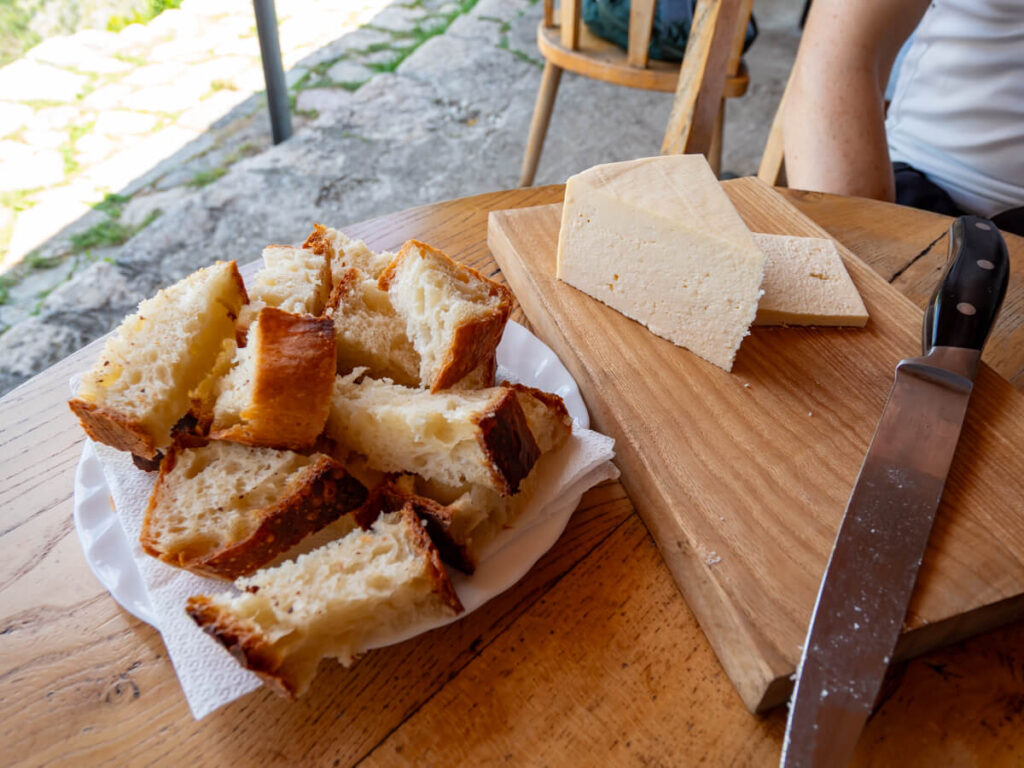
As vegetarians, we found ourselves eating a lot of dairy in the mountains. Cheese, kajmak, and kačamak were some of the main traditional options available to us, as vegan choices were much harder to come by.
If you don’t eat dairy, it’s worth planning ahead and checking how dishes are prepared, as even vegetable-based sides may be cooked with butter or served with cheese.
Vegetarian and vegan food in Montenegro
Traditional Montenegrin cuisine is pretty heavy on meat and dairy, so finding vegetarian food is usually easier than eating fully vegan.
Vegetarian food in Montenegro
There are plenty of naturally meat-free dishes to look out for, from cheese-filled pastries and hearty potato dishes to fresh salads and grilled vegetables, although it’s always worth checking how they’re prepared.
Kačamak, kajmak, and cicvara are also naturally vegetarian. In Kotor, we loved La Catedral Pasta Bar and Resto Bar Taraca.
Vegan food in Montenegro
Vegan options can take a little more planning, but these are worth looking for. Bear in mind that traditional recipes vary, and dishes that sound plant-based may contain butter, cheese, meat stock, or animal fat.
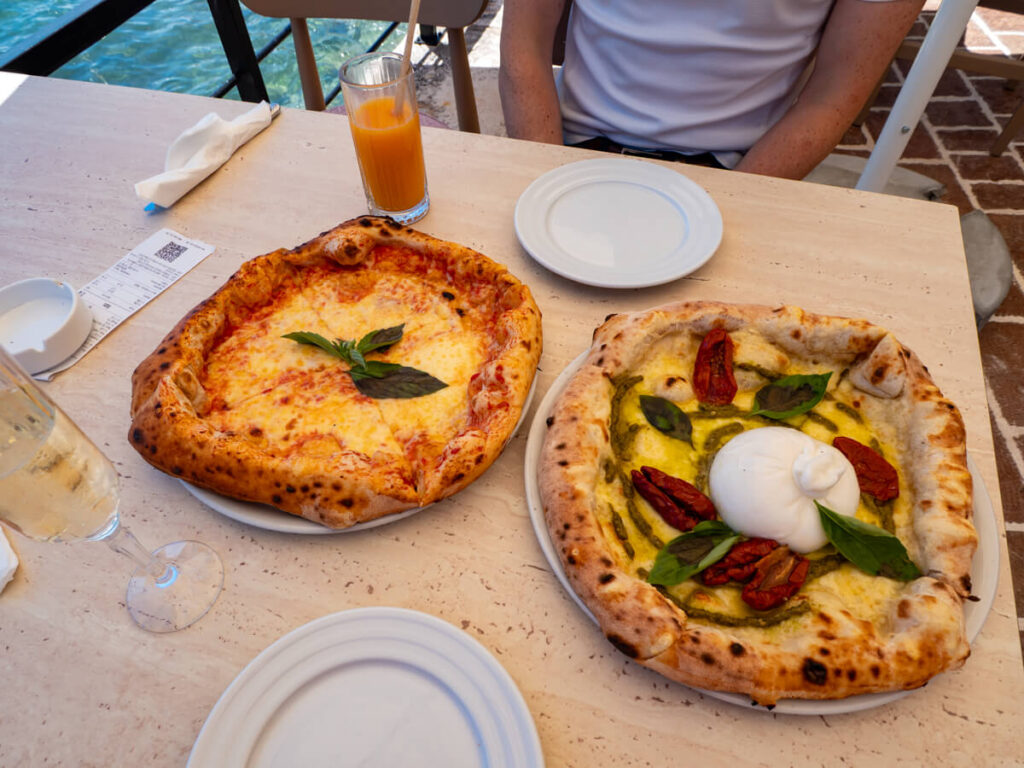
Of course, you’ll also fin popular items like pizza and pasta (veggie and vegan) on many menus, especially in the coastal towns and around the Bay of Kotor.
Breakfast food in Montenegro
Breakfast in Montenegro is usually fairly simple, with local bakeries serving up fresh pastries like kiflice and homemade bread, while traditional mountain breakfasts tend to be heartier, with local cheese, eggs, and yoghurt. We were also served fruit, fresh juices, and pancakes, but one food I loved the most was priganice, little balls of fried dough, traditionally served with honey, jam, or cheese.
Burek and other types of pita are popular options for a quick breakfast on the go (we had quite a few on our trip) and are very affordable.
Even in remote and traditional accommodations, like when we stayed in Eko Katun Rosi, the breakfast was organically vegetarian, made from locally-sourced, seasonal ingredients.

Montenegrin sweet treats
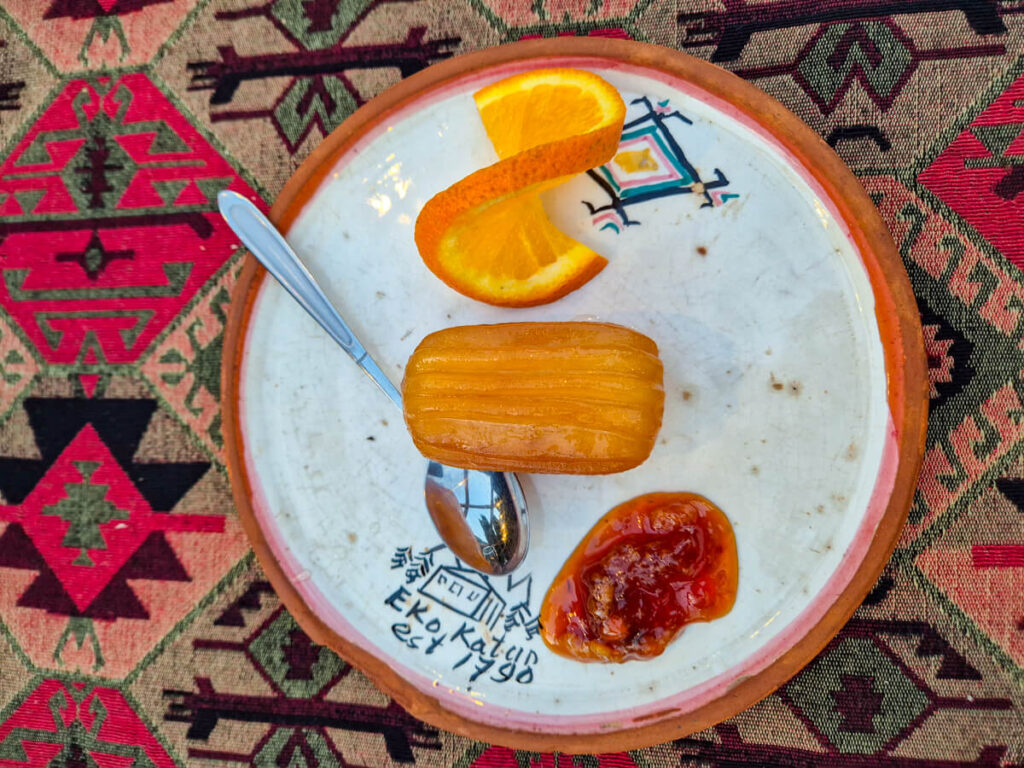
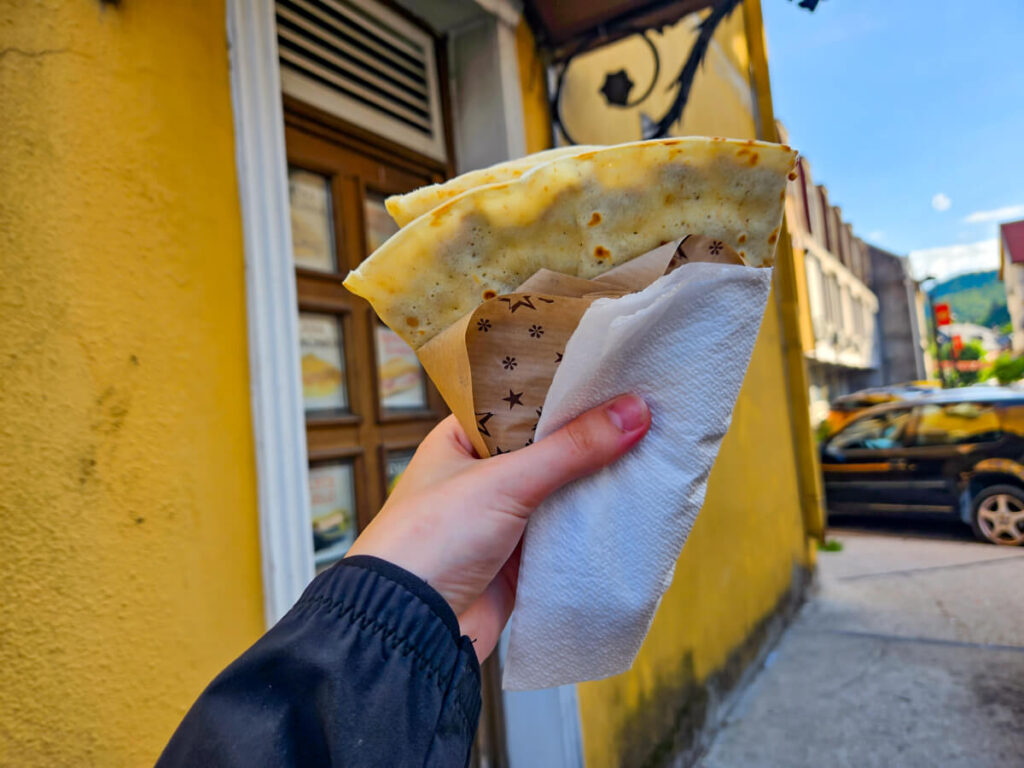
Montenegro’s desserts reflect the country’s mix of Balkan, Ottoman, and Mediterranean influences, from syrup-soaked pastries to freshly made crêpes and little balls of fried dough. If you’ve got a sweet tooth like us, there are plenty of local desserts worth leaving room for:
What to drink in Montenegro
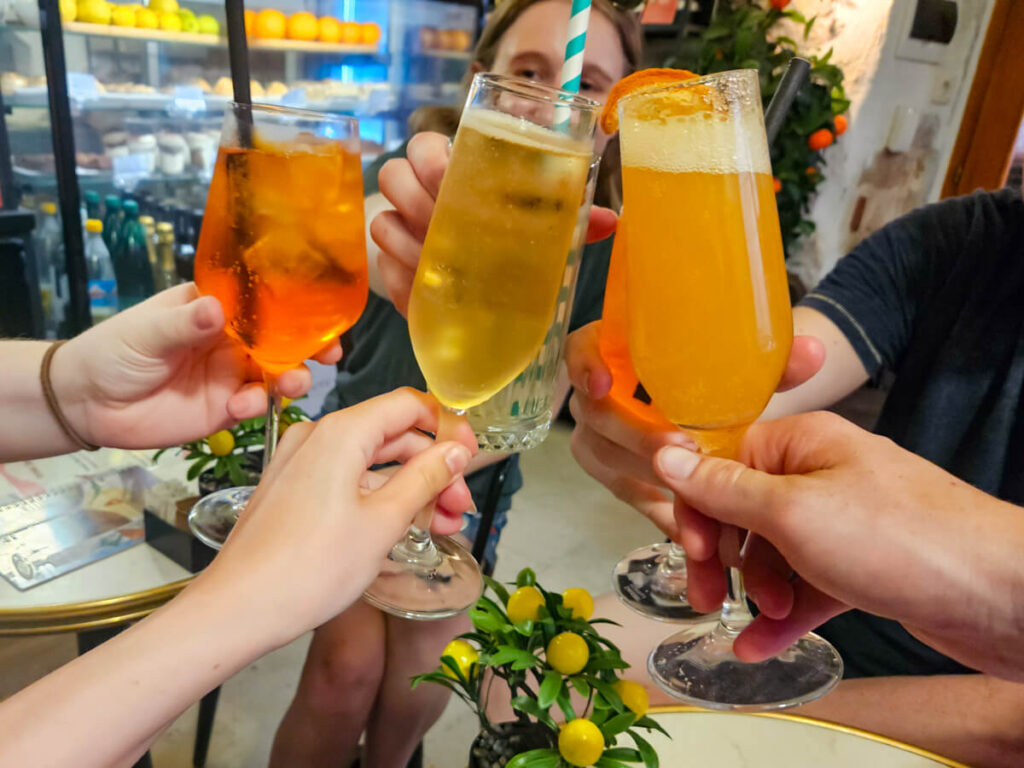
From coffees in local cafés to homemade rakija and wine from the country’s vineyards, drinks are a big part of Montenegro’s culinary culture. Whether you’re after your morning caffeine fix or something spritzy to sip with dinner, these are the drinks worth trying.
Coffee
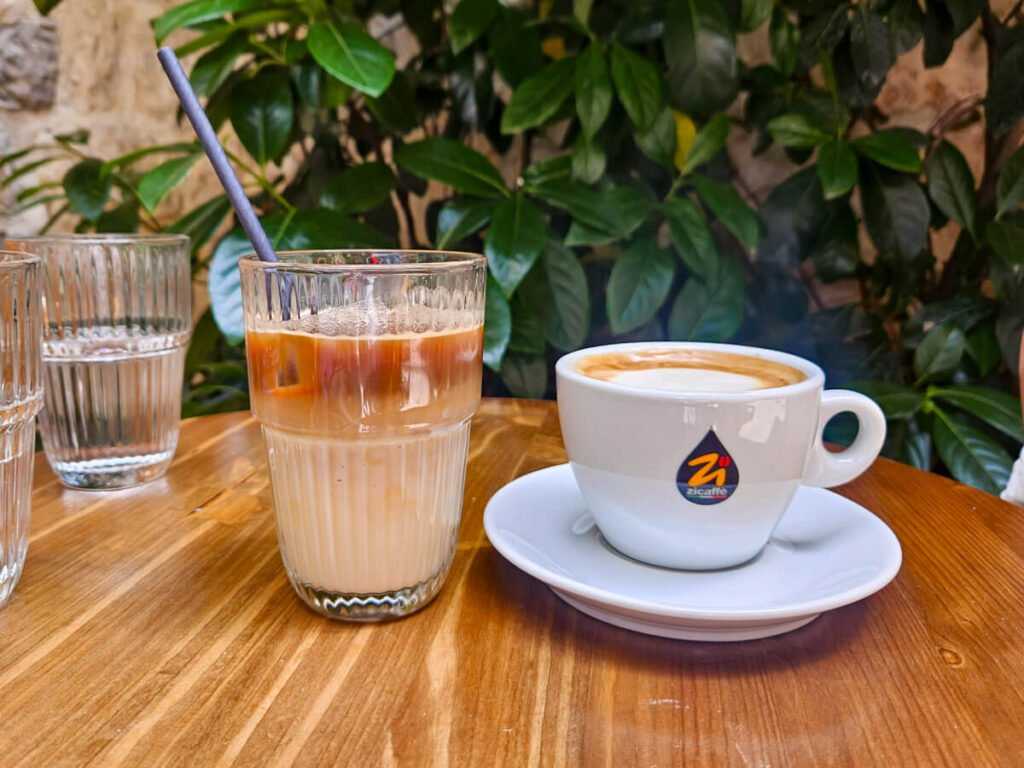
Coffee is practically a daily ritual in Montenegro, with traditional Turkish-style coffee (domaća kafa or kuvana kafa) served alongside espresso-based drinks like lattes, cappuccinos, and other café favourites.
We found some great barista cafés, too, most of which stocked plant-based milks like oat milk. We especially loved CAVE Coffee Speciality in Kotor. We’re coffee snobs and also travelled with our Wacaco espresso maker, which was perfect for making our morning brew in the mountains before heading out on a hike.
Nikšićko Beer
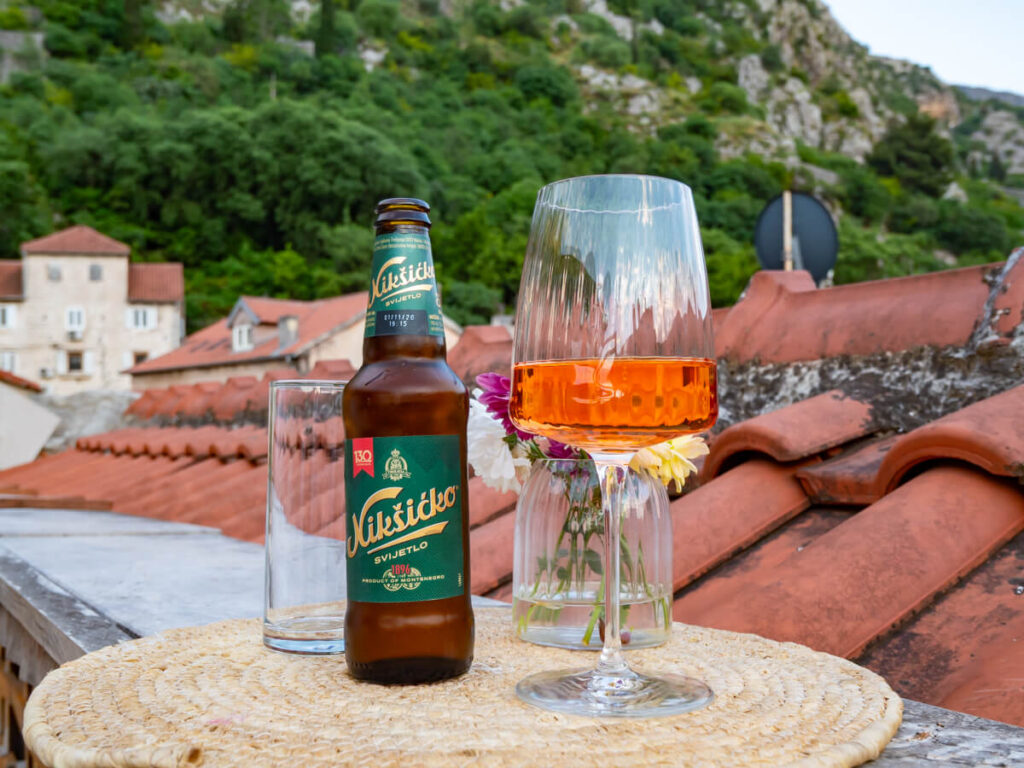
Montenegro’s best-known beer is a pale lager brewed by Trebjesa Brewery in the city of Nikšić. The brewery dates back to 1896, and the classic Nikšićko Pivo is a familiar sight in bars and restaurants across the country. Our favourite places to drink in Kotor were Patisserie by Wine House and the Hotel Hippocampus rooftop bar.
Rakija
This strong fruit brandy is a traditional Balkan drink and a familiar part of Montenegrin hospitality, often offered to guests as a welcome drink or served before a meal. Grape rakija, known as lozova rakija or lozovača, is considered Montenegro’s national drink, although you’ll also come across varieties made from other fruits. It’s potent stuff (I found it way too strong, but Dan liked it), so sip slowly if you’re not used to spirits!

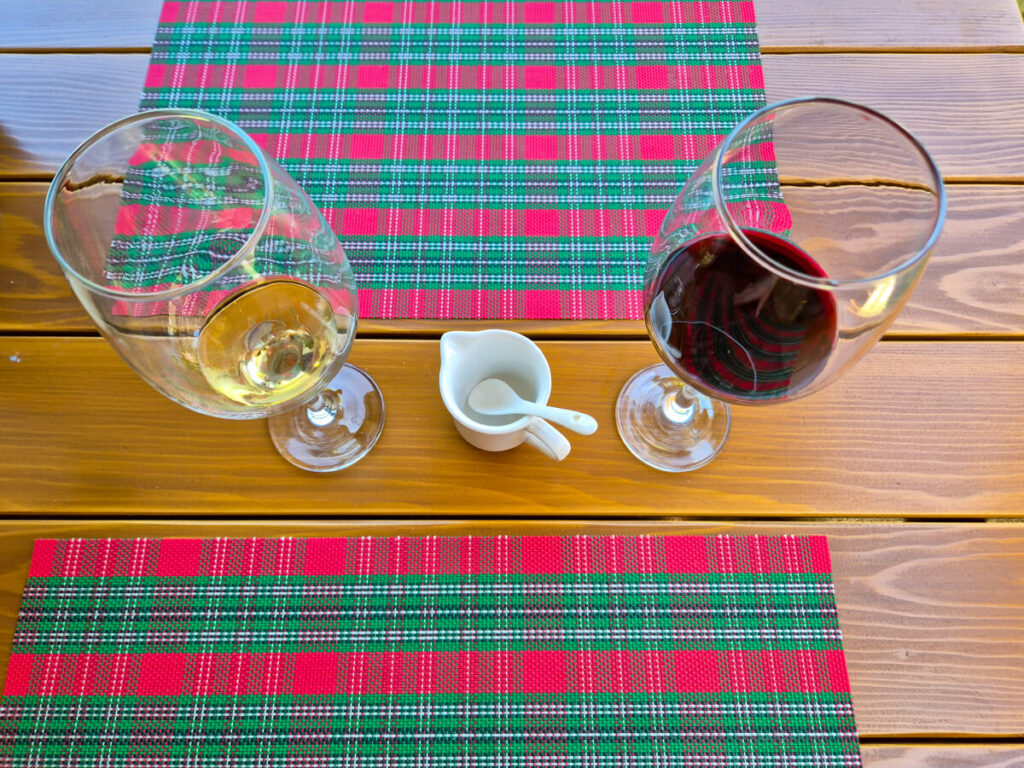
Wine
Montenegro has a long winemaking tradition, with the wine region centring around Lake Skadar and the Crnaica region.
Look out for Vranac, a full-bodied red made from a local grape variety, and Krstač, a native white that’s a good option with fish and lighter dishes.
The village of Godinje, in the Crmnica wine region, is a lovely place to explore this side of Montenegrin food culture, while there are some amazing vineyards you can stay at near Virpazar that put you close to Lake Skadar.
How to experience local food in Montenegro
One of the best ways to get a feel for Montenegro’s food culture is to go beyond restaurant menus and try traditional dishes where they’re still part of everyday life.
For a taste of authentic Montenegrin cooking, look out for konobas (traditional taverns), family-run restaurants, and mountain katuns serving regional dishes made with local ingredients. A few traditional restaurants in Montenegro to look into include:
A food tour can be a good way to learn about Montenegrin ingredients and regional specialities, particularly if you’re short on time or want a local guide to explain what you’re eating. If you’d rather get hands-on, a Montenegrin cooking class is a fun way to learn how traditional dishes are made.
Some traditional restaurants and rural stays offer set meals built around local and seasonal ingredients. These might include homemade bread, cheese, cured meats, hearty cooked dishes, salads, and dessert, giving you a chance to try several specialities in one sitting. They’re usually priced for 2 people.

Supermarkets and self-catering in Montenegro
Self-catering is a good way to keep costs down and make sure you’ve always got something to eat, particularly when travelling through Montenegro’s more remote mountain regions. We cooked for ourselves quite a bit (well, Dan did) over the weeks we spent in Montenegro, like at our cabin near Biogradska Gora, stocking up on groceries in nearby towns before heading into the countryside.
The good news is that supermarkets in Montenegro are generally easy to find and well stocked. These are some of the main supermarket chains to look out for when stocking up on groceries:
Everyday staples like pasta, noodles, rice, bread, and potatoes are easy to come by, while local markets can be a good place to find fresh produce. Canned foods are also particularly useful if you’re staying somewhere remote – we stocked up on kidney beans, chickpeas, sweetcorn, lentils, and chopped tomatoes for easy veggie meals. Most supermarkets are well stocked with fruits and vegetables, including bananas, apples, melons, salads, carrots, cucumber, peppers, courgette, mushrooms.
Vegan groceries in Montenegro
Podgorica’s supermarkets have the widest choice, and we even detoured to Zdrava Hrana Vodenica, a local health foods shop, but sadly couldn’t find any vegan foods, just supplements and snacks.
We managed to find plant-based products like alternative milks (Joya), but finding any kind of tofu or meat substitutes was almost impossible. Houmous was easy to find, and we even found quite a few different kinds of vegan cheeses (Violife and own brands).
We were saved by Paradise Foods in Budva, which is not only a great vegan café, but also sells its own tofu and sausages. When we met my family after a month of road-tripping, we also had my mum bring some vegan staples we were missing from home in her checked luggage.
Tips for eating out in Montenegro
Here are our top tips:

Montenegro food and drink FAQs
To help you plan what to eat and drink in Montenegro, we’ve answered these frequently asked questions.
What are some popular foods and drinks in Montenegro?
Popular foods in Montenegro include kačamak (a hearty potato and cheese dish), Njeguški pršut (smoked ham), local cheeses, grilled seafood, and ćevapi (grilled minced-meat rolls). For something sweet, try priganice (little fried dough balls) or palačinke (crêpes). Popular drinks include Turkish-style coffee, Nikšićko beer, local wine, and rakija, a strong fruit brandy.
What is the national food of Montenegro?
Montenegro doesn’t have one universally agreed national dish, but kačamak is often considered one of its signature traditional foods. Made with potatoes or cornmeal, flour, local cheese, and kajmak, it’s a hearty, comforting dish particularly associated with the mountain regions and is naturally vegetarian.
What is the national drink of Montenegro?
Rakija is widely regarded as Montenegro’s traditional national drink. This strong fruit brandy is often made from grapes, known locally as lozova rakija or lozovača, and is commonly offered to guests as a welcome drink. Montenegro is also known for its local wines, particularly Vranac red wine, and Nikšićko beer.
What fruit is Montenegro famous for?
Montenegro is known for its figs, grapes, plums, cherries, and wild berries, including blueberries, raspberries, and blackberries. Fresh figs are particularly popular in the warmer coastal regions during summer, while berries are associated with the country’s mountainous areas. You’ll find dried figs, homemade jams, and fruit preserves in local markets.
What is typical food in Montenegro?
Typical Montenegrin food varies by region. Along the Adriatic coast, expect grilled fish, seafood, risotto, and Mediterranean-style dishes, while the central region around Lake Skadar is known for freshwater fish and local wine. In the north, meals tend to be heartier, with kačamak, homemade cheeses, kajmak, lamb, and other slow-cooked meats.
What do they eat for breakfast in Montenegro?
Breakfast in Montenegro is often simple, with fresh bread, pastries, cheese, yoghurt, eggs, and coffee. Bakeries sell burek and other types of pita (filled filo pastry pies), which make a popular breakfast on the go. In mountain guesthouses, you’ll often find a more substantial spread of local dairy products, eggs, bread, fruit, and homemade preserves.
What’s the most popular street food in Montenegro?
Burek and other types of pita are among the most popular quick foods in Montenegro, sold in bakeries and takeaway shops throughout the country. These flaky pastry pies come with different fillings, including meat, cheese, and spinach.
Do you tip at restaurants in Montenegro?
Tipping isn’t compulsory in Montenegro, but it’s appreciated for good service. In casual cafés and restaurants, you can round up the bill or leave a couple of euros, while around 10% is a reasonable tip for good service at a sit-down restaurant. Check your bill first to see whether a service charge has already been included, and keep some cash handy for smaller establishments.
What time do people eat dinner in Montenegro?
Dinner in Montenegro is generally eaten from around 7:00 PM to 9:00 PM, although times vary by region and season. Along the coast, restaurants can stay busy much later during the summer, while smaller mountain restaurants may have more limited opening hours. We liked to have dinner around 5:– PM-6:00 PM to avoid the crowds and snag a table in busy restaurants.
Can you drink tap water in Kotor?
Tap water in Kotor is generally treated as drinking water, but check local water-quality notices during your visit. We never had to worry, as we were travelling with our filter water bottles.
Read next:
Ultimate Montenegro Travel Guide: Bays, Beaches & Black Mountains
2-3 Week Montenegro Road Trip Itinerary: From Adriatic Coast to Alpine Altitudes
12+ Authentic Places in Montenegro We Love: Which to Visit + Where Not to Go
5 Local Accommodations in Montenegro Reviewed: Cool Katuns + Eco Hotels
22 Magnificent Things to Do in Montenegro Beyond the Tourist Trail
All 5 Montenegro National Parks Compared + Our Favourites
A Handy Guide to Hiking in Montenegro & Our Top 10 Trails
A Detailed Guide to Driving in Montenegro + Our Top Tips
Renting a Car in Montenegro: Complete Guide + Kombo Rent a Car Review
Our Montenegro Destination Guides:
