2-3 Week Montenegro Road Trip Itinerary: From Adriatic Coast to Alpine Altitudes

Steal our Montenegro road trip itinerary for an epic route to experience the best of the beaches and black mountains.
This post may contain affiliate links, which means we might earn a small commission on anything purchased through these links at no extra cost to you. Learn more on our disclaimer page.
Montenegro might be a small country, but there’s a surprising amount to fit into a road trip. You can trade salt spray and Adriatic beaches for fresh mountain air, glacial lakes, winding alpine roads, and remote villages in just a few hours. We spent weeks driving around Montenegro, first on a couple’s road trip and then as part of a holiday with my family. We experienced everything from the historic towns and popular tourist spots to remote national parks and breathtaking viewpoints, and as so often happens when we really immerse somewhere, Montenegro quickly became one of our favourite places we’ve travelled.
But squeezing everything into a short trip can mean spending more time in the car than actually enjoying the places you came to see – sometimes it’s better to choose fewer destinations and see them properly. We also found that it was quite easy to fit in multiple places in one day, saving you time on day trips rather than needing to pack up every day and stay in every town we passed.
In this post, we’ll share our 2-3 week Montenegro road trip itinerary, with a practical route covering the country’s best coastal and inland highlights, where to stay, how long to spend in each area, and what to cut if you have fewer days. We’ve tweaked it based on our first-hand experience, what we loved, and what we’d do differently, as well as including recommendations to make it shorter (1 to 2 weeks) or longer (3 to 4 weeks+), depending on your interests and budget, so you can see the coast and mountains without spending the whole holiday in the car.
Our Montenegro itinerary at a glance
We think 2-3 weeks is the perfect amount of time to truly experience Montenegro, so our core itinerary follows this route:
*Remove these locations and knock a night off Budva for a 2-week itinerary.
We know not everyone has 3 weeks to explore Montenegro, so we’ve offered plenty of variations to shorten or lengthen the route, so it’s easily adaptable to 1 week, 2 weeks, or longer.

More from Montenegro
Creating a Montenegro itinerary
When planning a trip to Montenegro, one of the biggest questions asked is how long to spend there. Some people whiz through in a matter of days, while we chose to spend longer than the average 1-2 week holiday, slowly travelling the country from top to bottom.
This 2-3 week Montenegro road trip itinerary is for anyone who wants to see more of the country than just the coast. It’s designed for people who:
We’ve covered lots of incredible places in Montenegro, including the Bay of Kotor, Lake Skadar, and Durmitor National Park, as well as more remote mountain destinations and lesser-known towns if you have longer and can venture further.
We’ve also built our itinerary around some of Montenegro’s best hiking, so we’ve included hiking-specific advice and things to consider at various points, but it’s easy to take the challenging trails out and still follow this exact route if you’re not a keen hiker.
This isn’t a generic itinerary that strings together every popular attraction on a map. We’ve considered how the different regions fit together, which places are worth spending more time in, and where it makes sense to stay overnight rather than drive back and forth. We’ve also included practical advice on where to base yourself, which stops are worth combining, and where we’d spend less time if we were planning the trip again.
You can also adapt the route to suit your own interests, whether that means spending longer on the coast, adding extra hikes, or taking a slower approach to the mountain regions. Check out our adaptations further down for 1-, 2-, 3-, and 4-week options.
Planning a trip to Montenegro?
Montenegro is gaining popularity quickly, so be sure to book in advance as early as possible!
Top Experiences in Montenegro
Top Hotels in Kotor
Rent a Car in Montenegro
Best eSIM for Montenegro
Arriving in Montenegro
There are quite a few different ways to get to Montenegro. How you arrive will depend on where you’re coming from, and where the best place to end up will also depend partly on your mode of transport and route of travel.
By air
There are two main airports in Montenegro:
Flying into Tivat
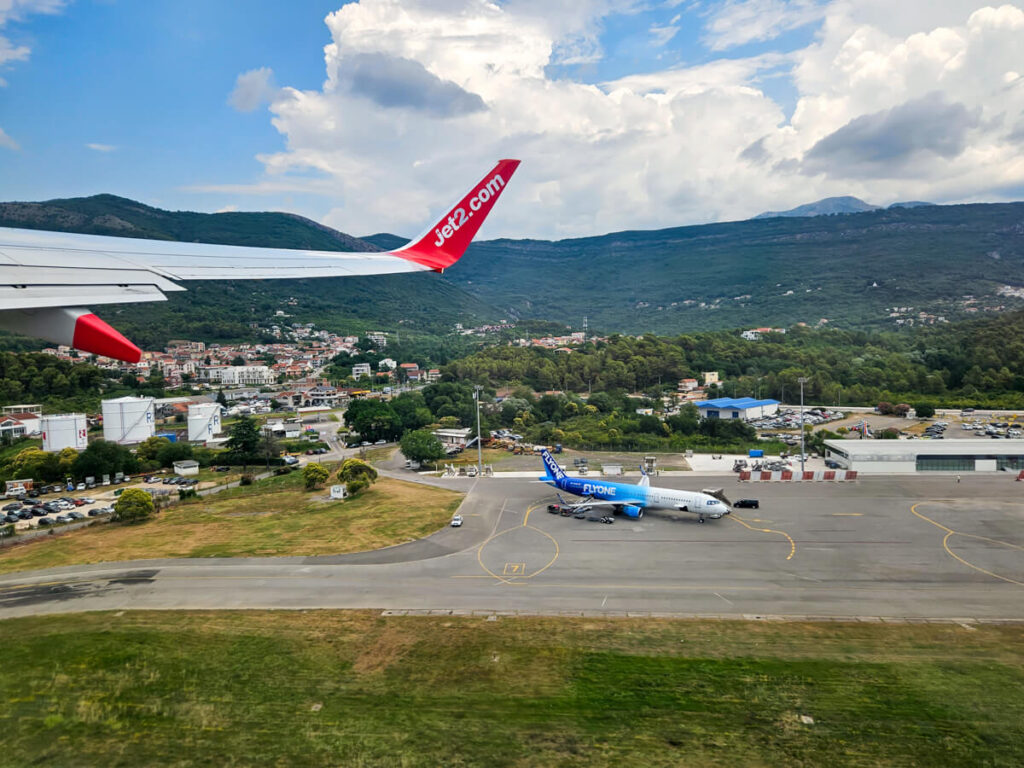
Tivat Airport is the most convenient arrival point for the Bay of Kotor. The airport is being upgraded, but is still pretty small. We picked up our car from Tivat and dropped it off at the airport before our flight home. If you want to explore Kotor before picking up a car, you can take a transfer from Tivat to Kotor.
Flying into Podgorica
You have more options if you fly into Podgorica, as the capital is well placed for reaching central Montenegro or the coast. The airport is larger, but the city itself isn’t very interesting, and isn’t even on our itinerary.
Both airports have a range of rental car agencies, including well-known chains like Hertz, Europcar, and Sixt, as well as local independent operators. You could also transfer to Kotor from Podgorica before picking up a car from there.
Flying into Dubrovnik
Dubrovnik Airport (DBV) is also a good option if you’re combining Croatia and Montenegro in one trip. My family did this, picking up a car at the airport and driving to Kotor to meet us. You just have to bear in mind that there can be long queues at the border crossings in July and August.
Overland
Montenegro is a popular stop on many overland itineraries, whether you’re backpacking or doing a wider Balkans road trip. You can find long-distance buses on FlixBus and Bookaway, while Busticket4.Me is handy for checking local domestic routes.
From Croatia
Travelling from Dubrovnik is very popular with those coming from the north, or from further along the coast like Split (although most longer routes will go via Dubrovnik). Most buses stop in Herceg Novi and Kotor Old Town.
From Bosnia and Herzegovina
Most routes to Montenegro from here go from Mostar, Sarajevo, or Trebinje near the border. Again, most buses stop in Herceg Novi and Kotor. We took the bus from Mostar to Kotor, which was a perfectly manageable journey.
From Albania
If you’re travelling from Tirana, it’s easy to get bus connections to Podgorica. From there, you can head inland or connect to Kotor. You could also follow the coastal route through Ulcinj, Bar, and the Budva Riviera before continuing towards Kotor.
From Serbia
If you’re coming from Serbia, the most common route is from Belgrade, via Podgorica (you can take the Belgrade-Bar Railway, which stops in the capital and on the coast) or straight to Kotor by bus. You also have the option to get off and start your itinerary in Žabljak.
Where to start your Montenegro itinerary
No matter where you’re coming from or where you arrive into, we’d strongly recommend starting your trip in Kotor, for a couple of reasons. It gives you a chance to explore Montenegro’s most famous stretch of coastline before heading inland to the mountains, national parks, and quieter parts of the country. It also makes sense geographically, as you’ll be working your way around the country rather than doubling back on yourself.
Starting in Kotor
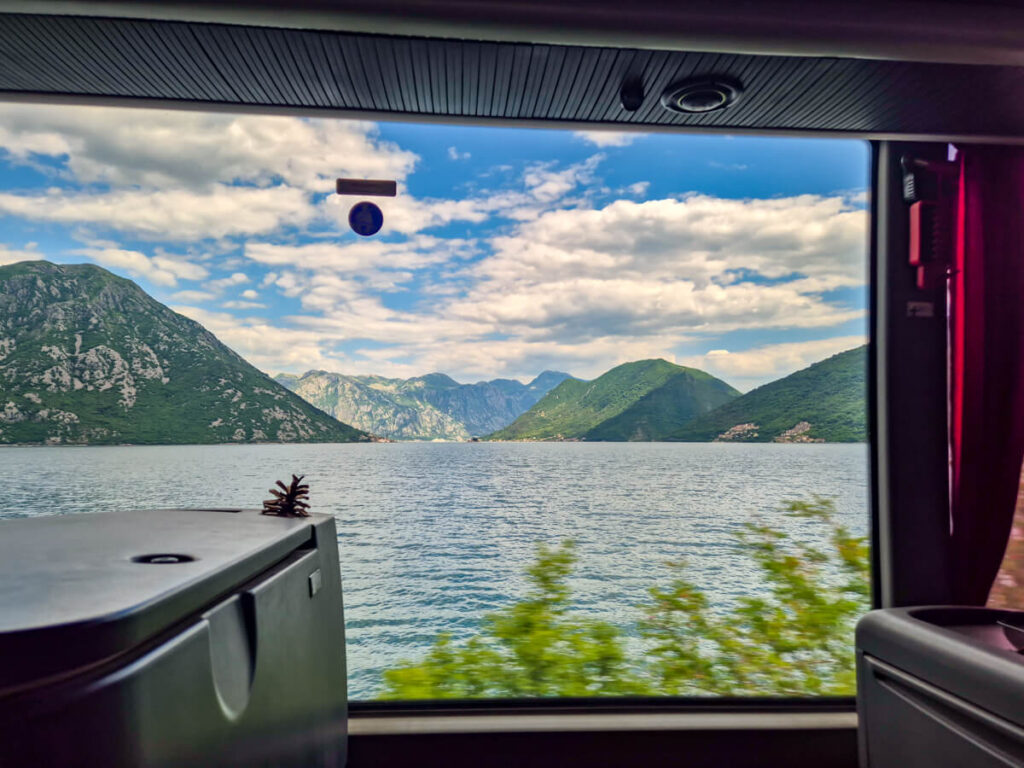
The Bay of Kotor is one of Montenegro’s best-known destinations, and it’s a great introduction to the country. You’ve got historic towns, dramatic mountain scenery, waterfront villages, and plenty of places to stop along the way.
Spending your first few days here also gives you time to settle in after travelling before taking on the longer drives through the mountains. It’s also super easy to get to from Tivat Airport, is well-connected to neighbouring countries, and is even easy to reach from Podgorica Airport.
Also, the joy of starting in Kotor first is that it’s actually really easy to get around the bay and see the main sights without a car, so you can hire the rental at the end of a few days in Kotor, which can save you a bit of money.
If you pick up your rental car as soon as you arrive, you’ll have a better selection of where to stay around the Bay of Kotor, but it’s worth checking that free on-site parking is included in your booking.
Starting in Podgorica
Even if you’re flying into Podgorica Airport, we’d recommend heading straight to Kotor rather than spending the first few days in the capital. Podgorica is useful as a transport hub, but we found it pretty chaotic to drive, and there’s not much to see and do there (it’s considered one of Europe’s most boring capital cities).
There are a couple of exceptions, though. If you’re arriving late at night, it may be more practical to spend the first night near the airport and drive to Kotor the following morning. We’d also consider starting in Podgorica if your main priority is hiking in the north, you’re planning to skip Kotor completely, or if your flights and car hire arrangements make it significantly more convenient to begin there.
Montenegro Road Trip Itinerary Maps
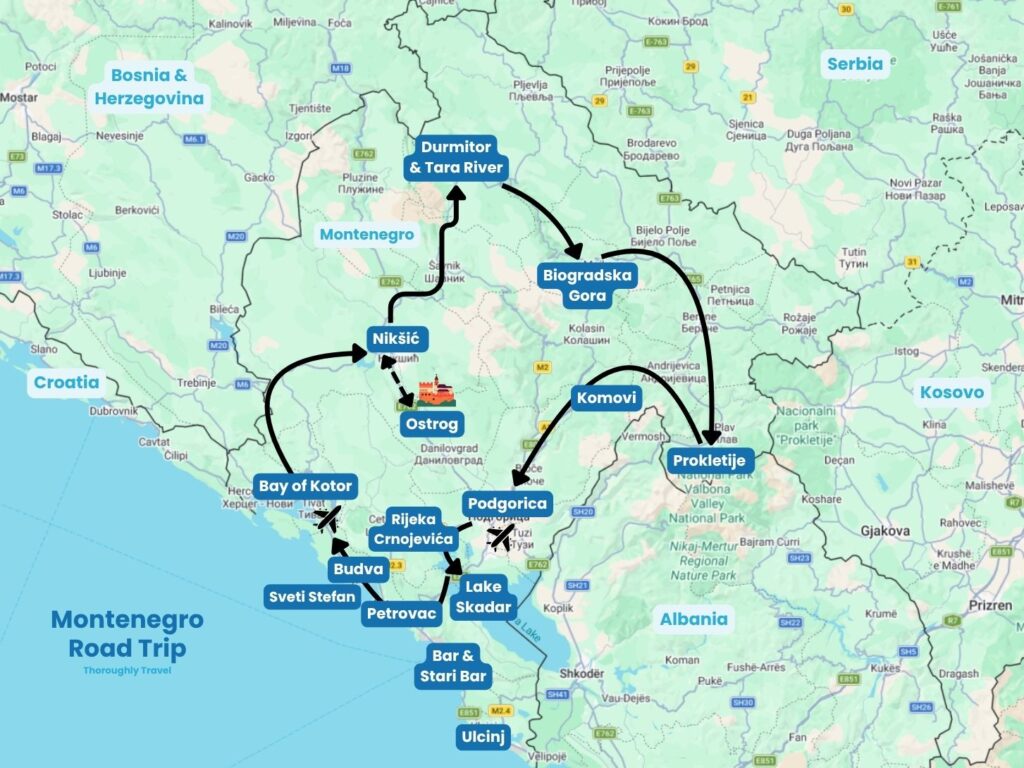
Use the interactive map below to see more details of our Montenegro road trip route.
Should you drive Montenegro clockwise or anticlockwise?
There are two ways to approach this Montenegro road trip: clockwise, starting with the Bay of Kotor and heading inland towards the northern mountains before finishing on the southern coast, or anticlockwise, tackling the route in the opposite direction.
Ok, so there is a third option, which is to drive a figure-of-eight around the country, which is what we did, but it’s not the most practical route, which is why we’ve adapted this itinerary into a nice, neat loop. If you are interested in our exact day-by-day itinerary, you can skip to the end.
Both clockwise and anticlockwise have their pros and cons, and the direction we’d recommend you travel depends on the time of year you’re travelling and how you want to pace your trip.
Travelling clockwise
The main advantage of travelling clockwise is that you get the more adventure-focused part of the itinerary out of the way earlier. You’ll tackle Durmitor’s hiking trails, rafting opportunities, and mountain scenery before gradually slowing down as you head towards the more remote Prokletije and peaceful Lake Skadar. This gives you a chance to finish the trip at a more relaxed pace, with time for lakeside villages, boat trips, and coastal stops.
If you’re travelling inside the hiking season (July-August), this would be our preferred direction. You can start with the Bay of Kotor, head into the mountains while you’re fresh, and finish with some time to unwind around lakes and coastal towns.
The main drawback is that you’ll be tackling some of the more demanding hikes early in the trip, like Bobotov Kuk, so you’ll want to be prepared for it before arrival.
Travelling anticlockwise
The biggest advantage of travelling anticlockwise is that you can build up to the more challenging hikes. That was our thinking when we planned our own route, which was anticlockwise, but we were primarily affected by the fact we arrived in May, which is right at the start of the hiking season.
The reason we went anti-clockwise was to allow the snow and ice in Durmitor National Park to thaw enough that we could tackle some of the hikes we’d travelled to attempt. We found the conditions in Prokletije clearer, so started there. The two and a half weeks that we travelled around the country before arriving in Durmitor were enough to make a big difference – we were able to do hikes in early June that would have been too dangerous to do if we’d headed straight there.
Travelling anticlockwise from Kotor also lets you experience the coast first, then move into the mountains without needing to return to the coast at the end. If you’re flying into Podgorica, you might also prefer to head towards the mountains first and finish with a few days relaxing around the Bay of Kotor or Budva at the end, depending on how you arrange the route.
Not got long?
A great way to maximise your time is to pick a base and explore multiple locations on combined day trips. The top tours we recommend are:
3-Week Montenegro road trip itinerary
This three-week Montenegro road trip covers all five national parks, the highlights of the Bay of Kotor, and some quieter places that many tourists miss. We’ll break down each stop, including what to see, how long to spend there, and how to fit everything together into a manageable route.
We’ve also worked on the basis that most accommodations won’t let you check in before 2:00 PM or 3:00 PM and that check-out is usually around 10:00 AM or 11:00 AM (although some mornings you’ll want to leave earlier to make the most of sightseeing).
If you have less time, or want to spend longer exploring, we’ll also cover how to adapt the itinerary later in the guide.
Itinerary by day
Number of nights
3-Week Montenegro road trip itinerary route
At a glance, this is how we’d recommend spending each day, but you’ll likely want to adapt it to your own interests and, more importantly, the weather!
Stop 1: The Bay of Kotor
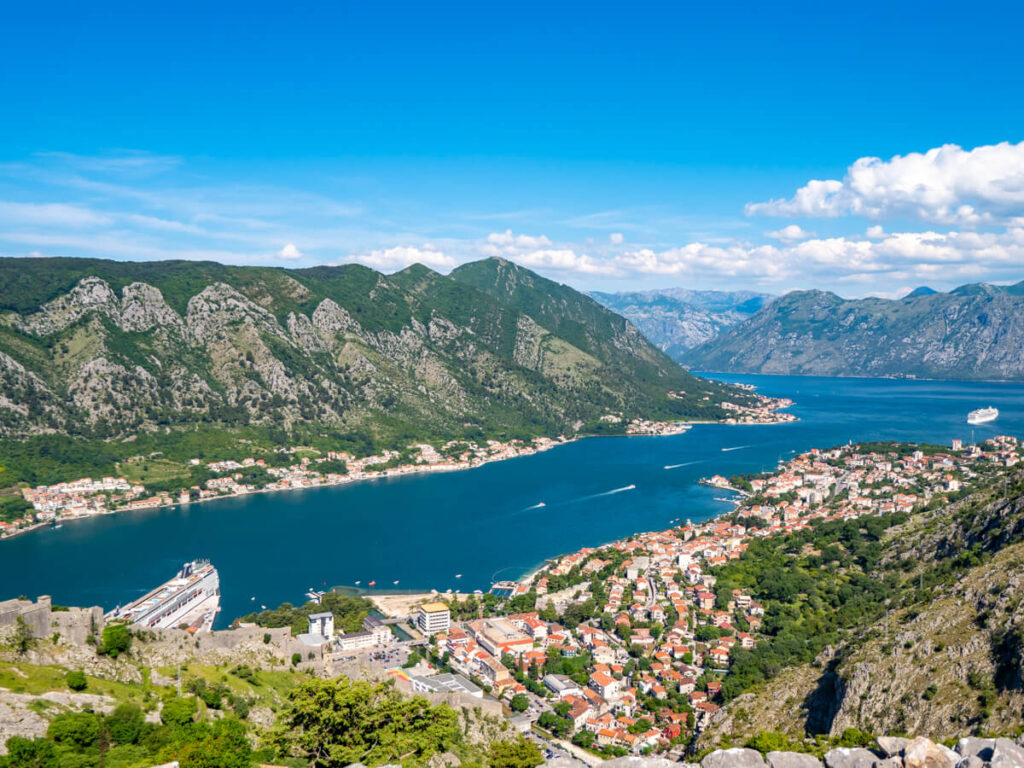
The Bay of Kotor is a winding inlet on Montenegro’s Adriatic coast, surrounded by steep mountains and dotted with historic towns and small waterfront villages. It’s the picture-postcard bay you probably saw when planning your trip and that you’ll be met with when you arrive.
We stayed in Kotor Old Town when we arrived, which is the main town on the bay. It’s encircled by fortified walls and home to narrow stone streets, plazas, and churches. There’s a lot to see and do in Kotor, from walking the walls and small museums to admiring the local cats, but it’s also worth leaving time to just wander around and enjoy the unique architecture and scenic setting.
It’s also worth visiting other towns on the bay, as each has a different character. Perast is known for its palaces and beautiful waterfront setting, and is a quieter alternative to Kotor. Herceg Novi is another historic town and a popular vacation base with swim spots and a long seafront promenade. It’s closer to the Croatian border, but further from other sights inland and along the coast.
Since you’ve got a car, you don’t need to be restricted to staying in the towns (and to be honest, that might be preferable, as parking in them can be a nightmare). The beautiful Luštica Peninsula lies off Tivat and offers villas and guesthouses in a more rural area with lovely beaches, but is still a short drive from the bay’s towns.
We recommend around 4 nights in Kotor, but we did spend longer – 5 nights when we first visited the Old Town and hopped around the bay, and a further week on the Luštica Peninsula with family. It’s a great base for a holiday, and it’s a great place to road trip, as there are so many fun day trips from Kotor that are easily reached by car.
Stop 2: Nikšić (Ostrog Monastery)
Nikšić is Montenegro’s second-largest city. It lies in the centre of the country and is pretty un-touristy – in all honesty, the main reason to visit is actually its proximity to one of Montenegro’s most famous religious sites: Ostrog Monastery.
An Orthodox Christian pilgrimage site, the monastery is built into a near-vertical cliff face with an instantly recognisable whitewashed façade. It’s also home to two unique cave churches, colourful frescoes, and the relics of Saint Basil of Ostrog.
To get there from Kotor, it’s faster to take the Kamenari-Lepetane Ferry than it is to drive around the entire bay, and then you can easily join the M8 and M7 highways. We highly recommend stopping at the viewpoints of the beautiful Slano Lake as you drive by just before Nikšić.
If you’re not particularly religious and have limited time, you could shave a day off your itinerary here and drive straight to Durmitor National Park, the next stop on your Montenegro road trip itinerary.

Stop 3: Durmitor National Park
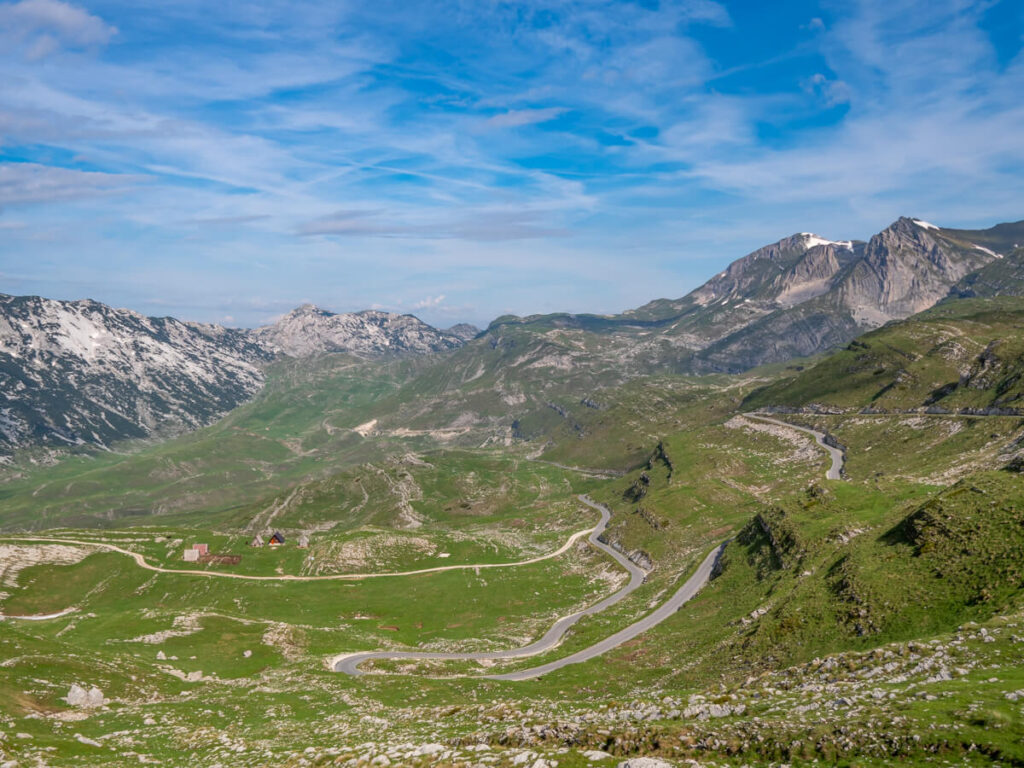
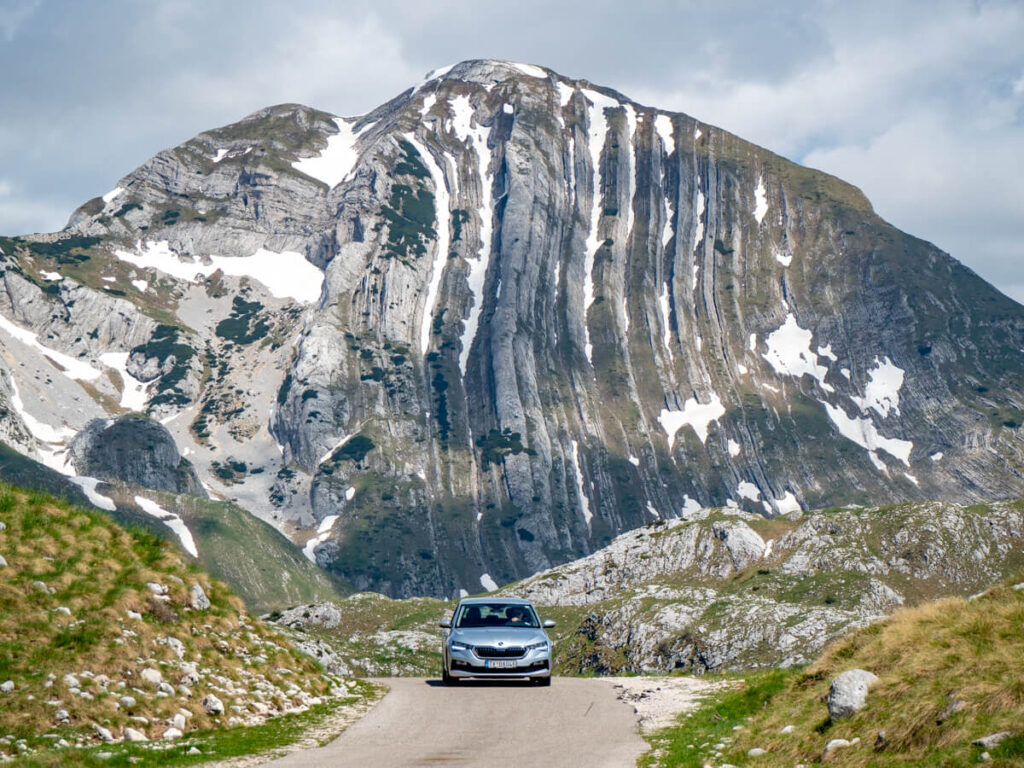
In northern Montenegro, Durmitor National Park is a mountainous national park famous for its stunning landscape of limestone peaks, glacial lakes, alpine forests, and the Tara River Canyon, Europe’s largest.
The park covers a huge area and is home to 18 glacial lakes, with plenty of hiking trails, from the challenging Bobotov Kuk, which reaches 2,523 metres (8,278 ft), to the much easier Black Lake loop.
Žabljak is the park’s main gateway town, but we’d recommend staying near Durmitor National Park in a wooden cabin, chalet, or local guesthouse for a more interesting experience. The area is easy to reach along the M6.
We actually spent a few weeks just enjoying all the activities on offer in Durmitor, but you can cut it down to around 4 days if you prioritise your interests. It’s also worth being a little flexible with your itinerary here, and rearranging days so outdoor adventures and long hikes fall on the days with the best weather.
Stop 4: Biogradska Gora National Park
Biogradska Gora National Park lies in central-northern Montenegro, between Durmitor and Prokletije, Montenegro’s two most mountainous national parks. It’s an easy but winding journey along the P4, following the Tara River. But it’s not mountain hiking that’s the appeal here – it’s the forest.
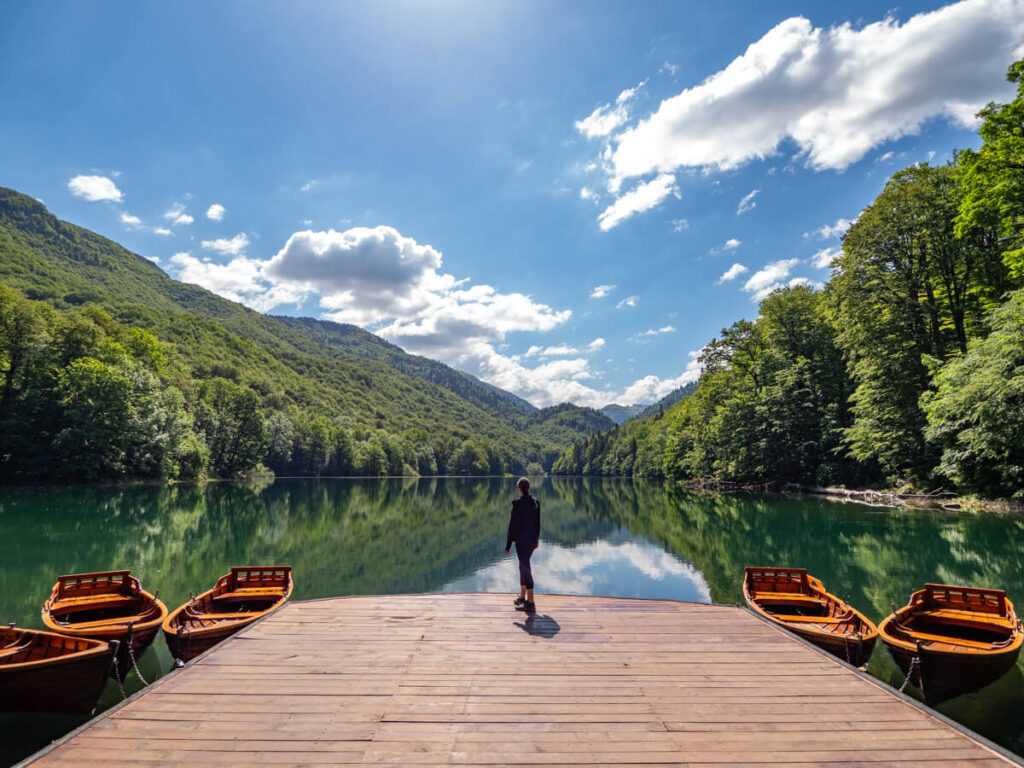
Biogradska Gora is known for its old-growth forest and is one of Europe’s last remaining primeval forests, with trees that can be several centuries old. Lake Biograd is the main attraction, with an easy walking trail that follows the wooded shoreline and boat trips on the lake in summer.
Biogradska Gora National Park is a stop on this Montenegro road trip itinerary that you could skip if you’re more into beaches or mountain hiking. But it’s particularly worthwhile for nature lovers and anyone who wants a quieter day between longer drives and hikes. We liked slowing down for a few days here.
Kolašin and Mojkovac are the two closest places to stay near Biogradska Gora, with hotels, shops, and restaurants. But we’d recommend choosing a locally-owned etno village or wooden cabin. Our stay in a cabin in the countryside here was one of the most unique places we stayed in Montenegro.
Stop 5: Prokletije National Park
Right in the east of Montenegro, close to the borders with Albania and Kosovo, Prokletije National Park protects some of the country’s most rugged mountain scenery. Its jagged limestone peaks, deep valleys, alpine lakes, and remote trails have earned it a reputation among hikers looking for a more challenging alternative to the busier routes in Durmitor. It’s also conveniently located on the famous multi-day Peaks of the Balkans trail.
The real highlight of Prokletije is the Three Peaks trail, which straddles the Albanian border and offers the most incredible views over the Karanfilli massif. Its trailhead lies in the Grebaje Valley, which is one of the most popular places to stay near Prokletije. The park is also home to challenging trails like Zla Kolata – at 2,534 metres (8,314 ft), it’s Montenegro’s highest mountain.
We actually chose to stay in the neighbouring Ropojana Valley, which is home to more relaxed attractions like waterfalls and natural springs. Your accommodation really is part of the experience in Prokletije, with local katuns offering wooden cabins and homemade Montenegrin dishes. We stayed in Eko Katun Rosi, and it was the perfect base for slowing down, immersing in nature, and experiencing some authentic local culture, while still being close to Prokletije’s best hikes.
You can also stay in nearby towns like Gusinje and Plav (home to a lake of the same name), but you won’t have the amazing mountain views and will be a longer drive from attractions and trails.
We can see why a lot of people skip Prokletije National Park – it’s more remote and quite hiking-focused – but it was one of our absolute favourite stops, even off the trails. It’s easy enough to get to on the M5 via Berane (stop to shop here in the big Voli!), then the M9 towards Plav, before turning off onto country roads to Gusinje. It’s worth staying a few nights, since it’s one of the harder places to get to on this itinerary, although we found all the roads were paved, just pretty narrow.

Stop 6: Rijeka Crnojevića
Rijeka Crnojevića is a small historic settlement on a river of the same name, just north of Lake Skadar National Park and within easy reach of Cetinje, Montenegro’s former royal capital.
From the north, you’ll travel along one of Montenegro’s few true motorways, the A1, which includes a toll. After passing through Podgorica (which is an experience in itself), you can turn off before Cetinje. Check out our detailed guide to driving in Montenegro for more info.
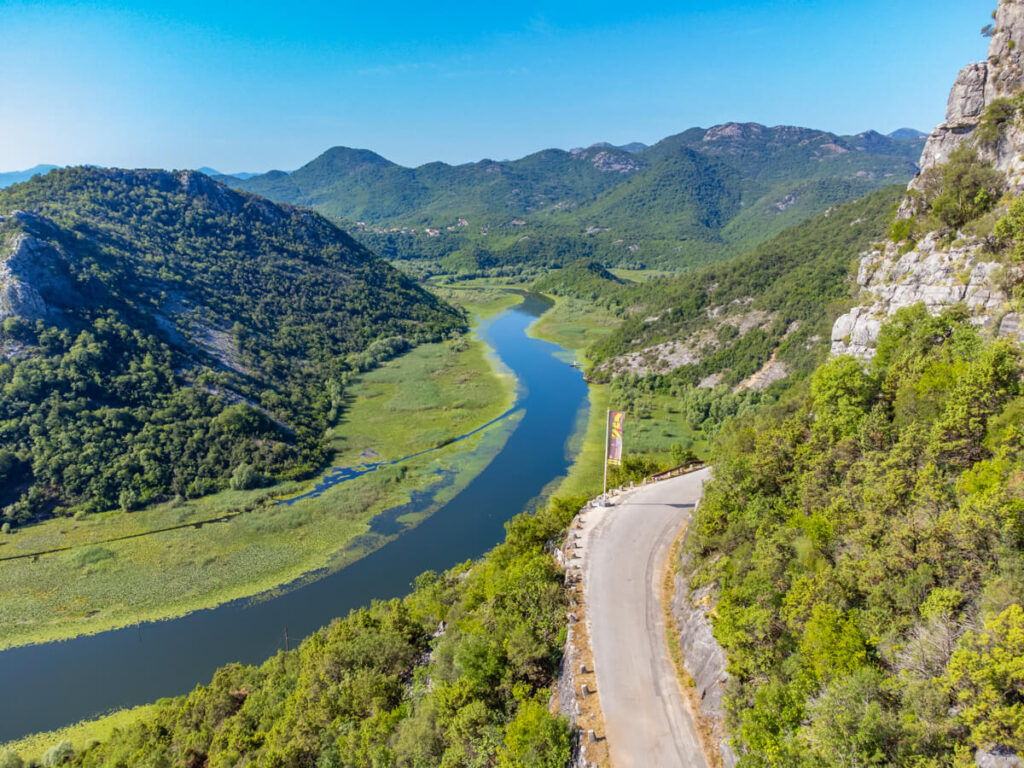
It’s known for its stone bridge, traditional houses, and riverfront setting, and it’s a worthwhile stop for lunch in a waterfront restaurant, but the main attraction is the scenery around the river. You can take a boat tour from Rijeka Crnojevića, where you’ll wind through narrow channels in a lush area known as the ‘Amazon’.
The town is also notable as it’s near the picture-postcard Pavlova Strana viewpoint, a horseshoe bend in the river with epic views across the mountains to Lake Skadar.
Realistically, you’ll probably not want to do two Lake Skadar boat trips (although we did), so we’d recommend picking either Rijeka Crnojevića or Virpazar (the next stop on this itinerary and the main gateway to the lake).
Rijeka Crnojevića is a nice spot to stay for a night or two, putting you close to Pavlova Strana, Cetinje, and Lipa Cave, but if you’re short on time, you could cut it or simply drive through, stopping at the viewpoint on the way to our next spot.
Stop 7: Virpazar/wine region
Virpazar is a small lakeside village and the main tourism hub for Lake Skadar National Park, the largest lake in the Balkans. It’s about an hour’s drive from Rijeka Crnojevića on scenic winding roads.
Boat trips leave from the village to explore the lake’s reed beds, island monasteries like Kom Monastery, and traditional fishing villages. It’s also an important bird habitat and popular for birdwatching, with over 280 species, including the rare Dalmatian pelican.
There are quite a few things to do around Lake Skadar, from kayaking and local swimming spots to exploring historic forts. It’s a lovely area to slow down.
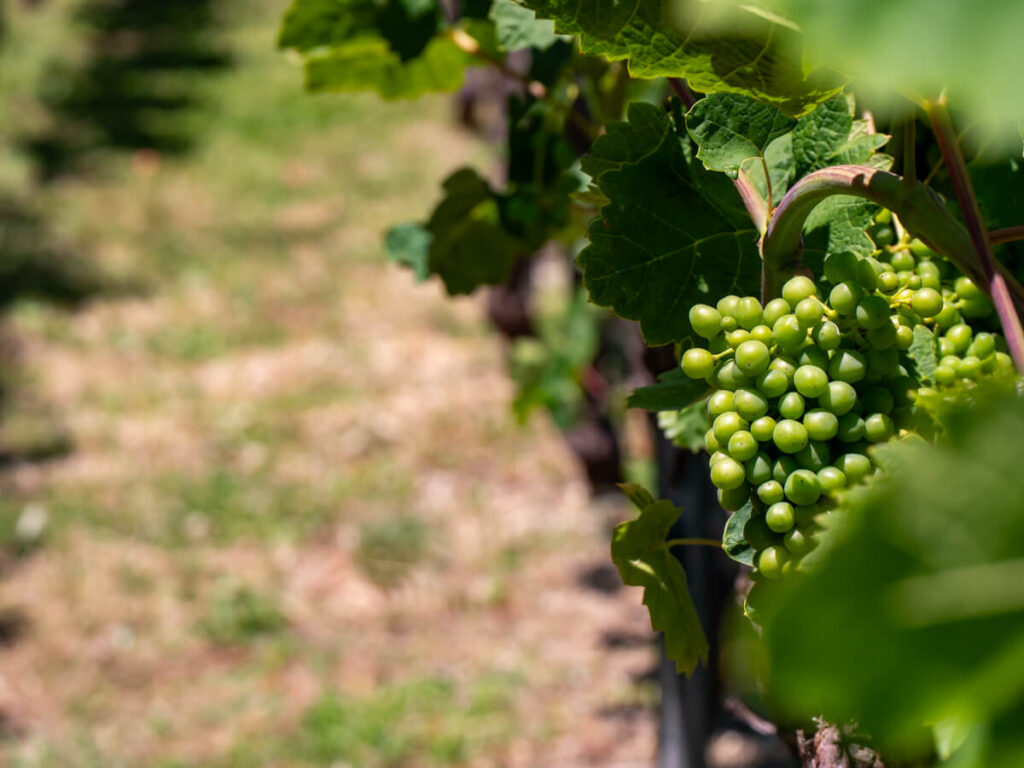
It’s also right by Montenegro’s wine region. The surrounding Crmnica region is known for its wine, particularly Vranac, a red grape variety native to the Balkans, and there are family-run wineries where you can arrange tastings.
Being on a road trip, drinking and driving is a no-no, but we got around it by choosing to stay in wine region in a locally run vineyard, just a short drive from the lake. We’d allow at least one night here if you want time for both a lake excursion and a vineyard visit, but a couple of nights is best to really relax after a few weeks of hiking.
Stop 8: Budva
Back on the Adriatic coast, you can hop between beach resorts and spend your final few days soaking up the sun. It’s a quick journey from Virpazar back to the M2.4 main Adriatic Highway, via the Sozina Tunnel (which charges a small fee), where you can head up north.
Stop at Petrovac on the way if you didn’t visit from Lake Skadar, like we did, and the viewpoints of the iconic Sveti Stefan with its fortified island (sadly now a luxury hotel closed to visitors) are not to be missed.
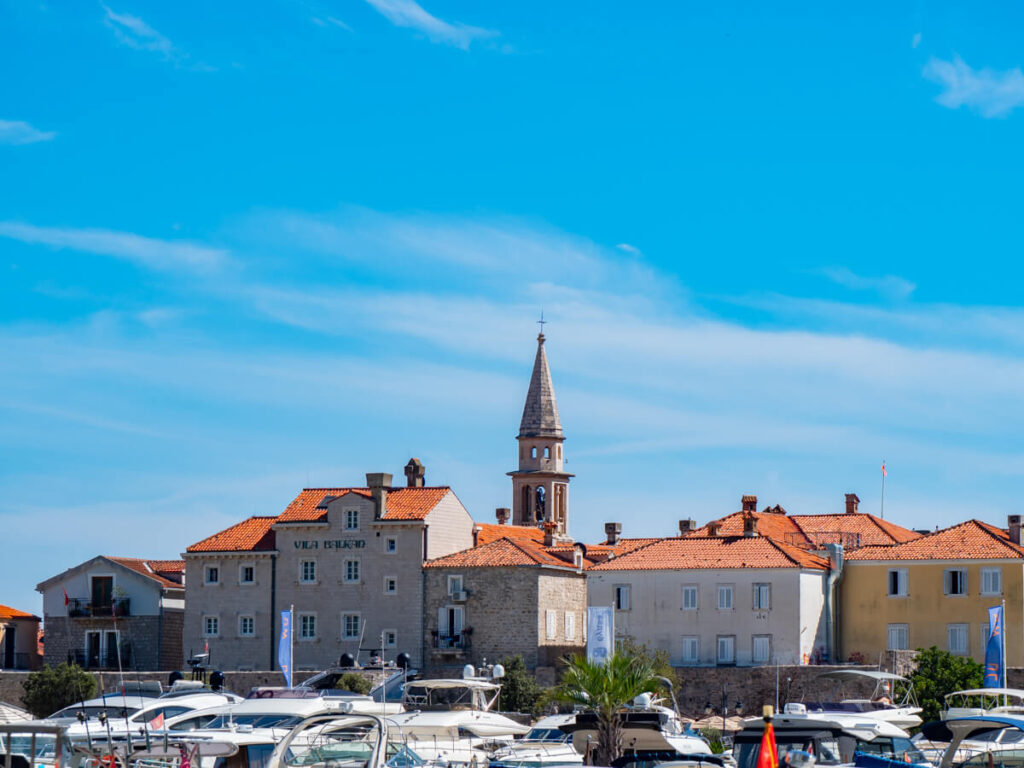
Budva is probably Montenegro’s busiest beach town and one of its most popular holiday destinations. It’s home to several beaches and a walled Old Town, plus waterfront restaurants and a lively summer nightlife scene.
There are plenty of fun things to do in Budva, from relaxing on Mogren Beach and enjoying a boujee hotel to taking a boat trip and even paragliding, but our favourite activity was SCUBA diving in Budva.
In all honesty, if we hadn’t been enticed by the diving, we might have skipped Budva, as it’s not really our scene. It’s big, busy, the traffic is chaotic, and we’re not big on partying. The Old Town isn’t dissimilar from Kotor’s either, so you can sort of pick one or the other if you need to make your itinerary shorter.
What about Bar and Ulcinj?
Bar and Ulcinj are probably two of the places in Montenegro that are relatively well known that we didn’t visit, mainly because they’re quite far south and we couldn’t fit them comfortably into our itinerary.
Stari Bar looks interesting, but we’d had our fill of historic Old Towns in Kotor and Budva, while Ulcinj is known for its beaches and seaside resort atmosphere, which we’d already experienced in Budva and Petrovac.
Both could be handy additions if you’re travelling to or from Albania, although they’re less convenient if you’re collecting and returning a hire car in one of the main tourist hubs, such as Podgorica or Tivat.
Bar has also traditionally had ferry connections to Italy, although they don’t always operate, so check for confirmed sailings before planning a route around them.
If you have enough time, or would rather visit Bar and Ulcinj than some of the other stops in this itinerary, we’d fit them into the southern section of the route between Budva and Lake Skadar.
Adapting your Montenegro itinerary
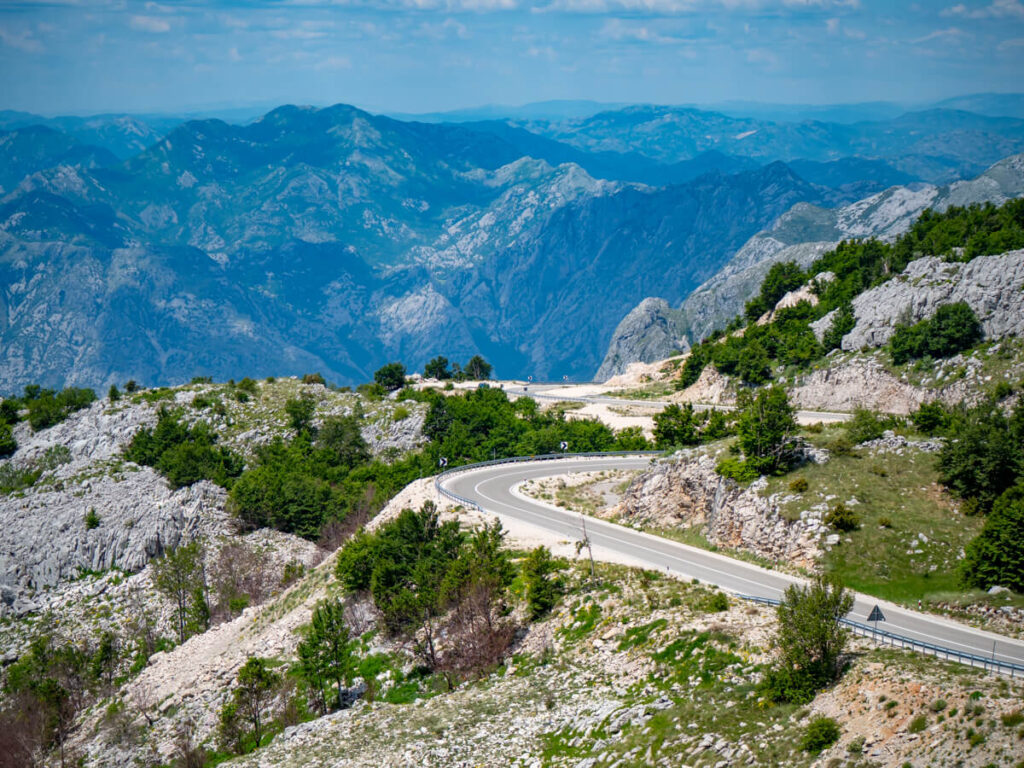
We’d say that when planning a road trip around Montenegro, the main thing to keep flexible is the order of your days, even if you’ve rigidly planned your stops, especially if you’re planning to hike. The weather can change quickly, so we’d keep a few days movable and plan your bigger hikes around the best forecast.
We’d also recommend tailoring the itinerary to your interests, as there are loads of fun things to do in Montenegro besides hiking.
Make your Montenegro itinerary longer
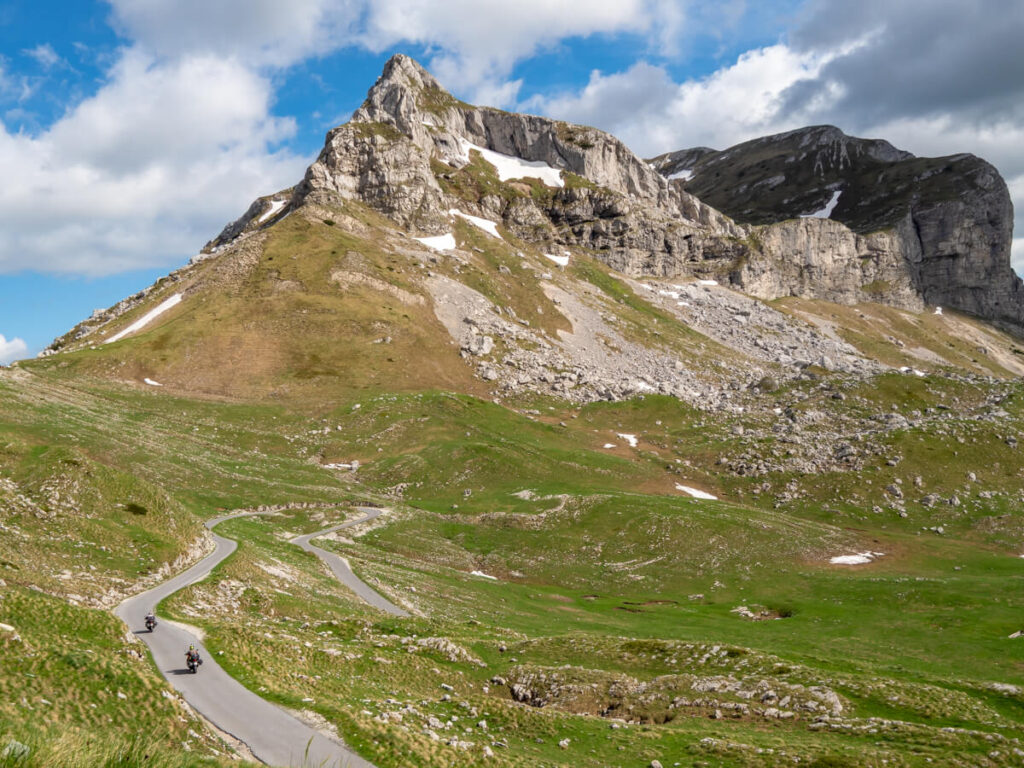
Although you can cover this route in three weeks, it’s still fairly fast-paced, particularly if you enjoy hiking and outdoor activities. We actually followed a similar route over around four weeks, leaving extra days for bad weather, work, and the occasional rest day.
If you have longer, we’d highly recommend adding at least one more day to each stop – we didn’t spend less than 3 nights in each location, with the exception of a couple of odd nights on transit days (Cetinje at the start and Niksic to visit Ostrog Monastery).
If you’re extending the trip, there are a few places we’d prioritise:
Make your Montenegro itinerary shorter
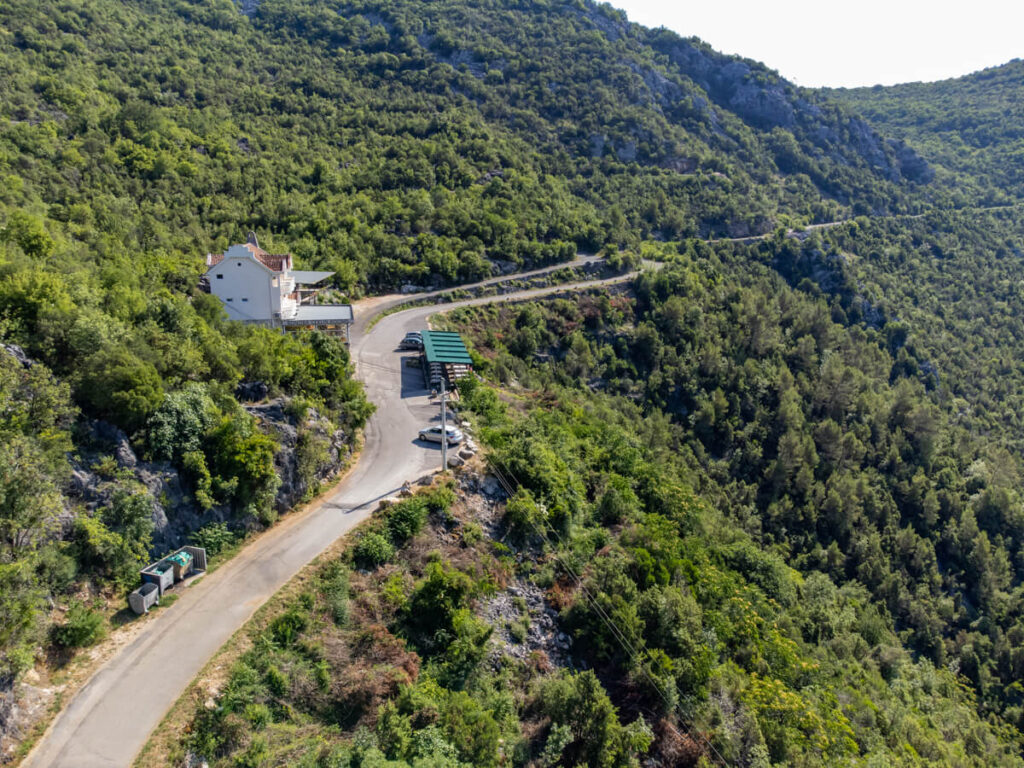
If you have less than three weeks, you’ll need to be selective about where you visit.
The biggest time-saver is choosing either Durmitor or Prokletije rather than trying to visit both, as they’re in different parts of the country and involve a fair amount of driving.
Quite a few of the smaller towns, like Perast and Cetinje, can be visited as day trips. You can also visit Lake Skadar on a day trip from the surrounding area, and even as far as Kotor, rather than staying overnight in both Rijeka Crnojevića and Virpazar.
If you’re keen to experience a whole variety of landscapes in a short amount of time, combined day trips like the following are a great option:
We’d avoid cutting too much time from the Bay of Kotor, as there are several towns and sights to explore around the bay.
10 days in Montenegro
With 10 days in Montenegro, we’d focus on the Bay of Kotor, one mountain region, and Lake Skadar, rather than trying to squeeze in all eight stops. You could spend three nights around Kotor, three nights in Durmitor, and finish with a few nights around Virpazar and Budva. If you’d rather prioritise hiking, swap the coast for Prokletije, although you’ll need to account for the longer drives.
7 days in Montenegro
If it’s your first visit to Montenegro and you have a week, we’d spend a few days around the Bay of Kotor, allowing time for Kotor Old Town, Perast, and a boat trip. You could then visit Lovćen National Park and Cetinje before heading towards Lake Skadar, finishing with a night or two in Budva.
Alternatively, head north to Durmitor National Park for hiking, rafting, and mountain scenery, after visiting the Bay of Kotor if you’re happy to spend a little more time driving and would like a balance of beaches and outdoors.
5 days in Montenegro
Honestly, I think if you’ve got less than a week in Montenegro, don’t even bother trying to road trip the whole country. I’m baffled by itineraries I see for 4 and 5 days because you’re going to spend most of your time rushing about in the car from A to B, and you won’t have much time left over to actually experience Montenegro.
But a car is handy for seeing more than you would on public transport. Pick one or two areas and explore them properly. The Bay of Kotor is an easy choice for a first visit, base yourself around Žabljak for a few days in Durmitor National Park, or choose Budva if you’d rather concentrate on beaches and coastal sightseeing.
Tips for planning a Montenegro road trip itinerary
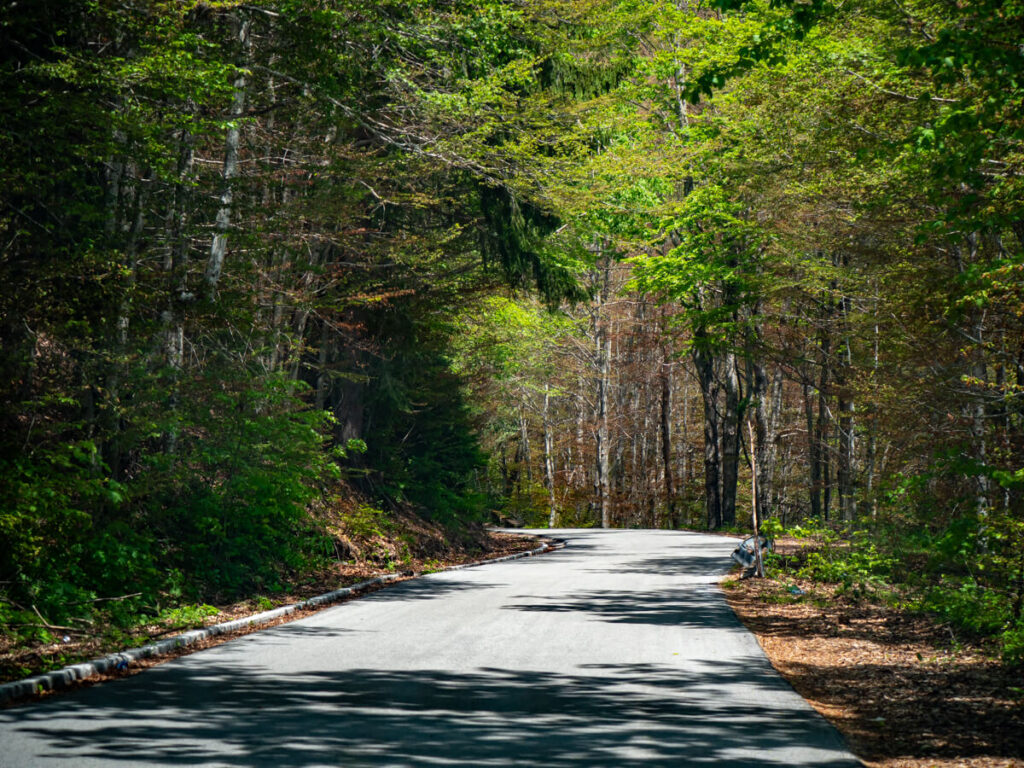
Here are a few things we learned along the way and a few things we wish we’d known before we went:

How we made this Montenegro itinerary
If you’re interested in our exact Montenegro itinerary, we’ve listed it by day below. But for full transparency, there are a couple of reasons we wouldn’t suggest that you follow this exactly, including:
Our exact route over a month in Montenegro was:
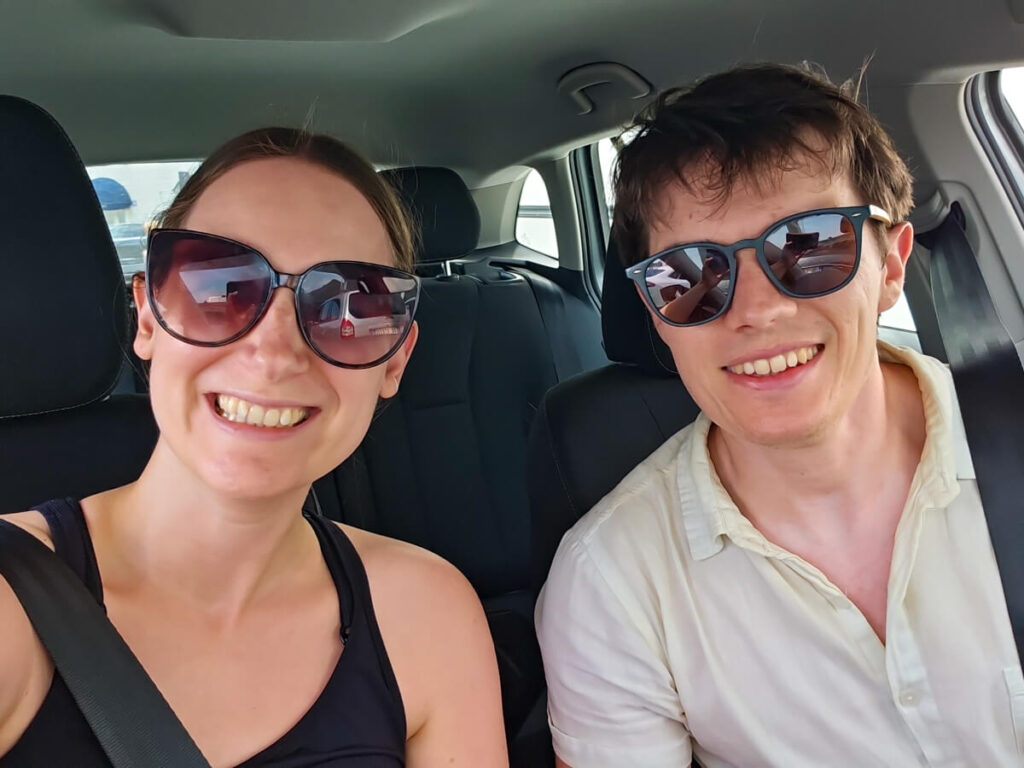
We loved our time in Montenegro, and we hope our tweaked and improved version of our itinerary above helps you plan an epic road trip.
Montenegro road trip itinerary FAQs
To help you plan a road trip around Montenegro, we’ve answered these frequently asked questions.
Can you provide a detailed trip plan for Montenegro?
Our suggested Montenegro road trip takes around three weeks and covers eight main stops, starting around the Bay of Kotor and heading inland to the northern national parks before looping back towards Lake Skadar and the coast. We’ve broken the route down stop by stop, with suggestions for how long to spend in each place and what to see along the way. You can follow it as it is or adapt the order and number of nights to suit your interests, especially if you’re planning longer hikes or travelling outside the summer season.
How many days in Montenegro is enough?
We’d recommend at least two weeks, although three weeks is better if you want to explore both the coast and the mountains without rushing. A week is enough to see a couple of the main areas, but you’ll need to leave out some of the longer drives and more remote national parks. We spent around four weeks following a similar route, which gave us time for hiking, bad-weather days, work, and rest days. If you enjoy travelling slowly, there’s easily enough to keep you occupied for longer.
What can you see and do in Montenegro in 7 days?
With one week, we’d concentrate on the Bay of Kotor, the coast around Budva, and either Lake Skadar or Durmitor National Park. You could spend three nights around Kotor exploring the Old Town, Perast, and the surrounding bay, then visit Lovćen National Park and Cetinje before heading south towards Budva. If you’d rather spend your week in the mountains, swap the southern coast for a few nights around Žabljak and Durmitor. We’d avoid trying to squeeze in both northern national parks, as the driving would leave you with very little time to explore.
Can you do Croatia and Montenegro together?
The easiest combination is Dubrovnik and the Bay of Kotor, as they’re relatively close by road and make a natural pairing for an Adriatic trip. You could spend a few days exploring Dubrovnik before crossing into Montenegro for Kotor, Perast, and Budva, or continue further inland if you have two weeks or more. We did a day trip to Dubrovnik, and besides an hour’s wait at the border, it went very smoothly. We also spent a week in the Dalmatian Hinterlands with our rental car before driving back to Montenegro, which was a lovely part of Croatia. Check that your rental company permits cross-border travel, and you’ll need the correct insurance documents and written permission to take the car into Montenegro or Croatia.
Can you road trip Montenegro without hiking?
Hiking is one of the main reasons to visit the national parks, but there’s plenty to do if you’d rather not spend your holiday on the trails. You can explore historic towns, visit monasteries and museums, take boat trips on the Bay of Kotor and Lake Skadar, visit wineries, and spend time on the beaches. We’d still recommend including at least one of the national parks, as the mountain scenery is such a big part of what makes Montenegro different from other Adriatic destinations.
Read next:
Ultimate Montenegro Travel Guide: Bays, Beaches & Black Mountains
12+ Authentic Places in Montenegro We Love: Which to Visit + Where Not to Go
5 Local Accommodations in Montenegro Reviewed: Cool Katuns + Eco Hotels
22 Magnificent Things to Do in Montenegro Beyond the Tourist Trail
Traditional Foods in Montenegro to Try & Meat-Free Options for Local Dishes
All 5 Montenegro National Parks Compared + Our Favourites
A Handy Guide to Hiking in Montenegro & Our Top 10 Trails
A Detailed Guide to Driving in Montenegro + Our Top Tips
Renting a Car in Montenegro: Complete Guide + Kombo Rent a Car Review
Our Montenegro Destination Guides:
