28 Best Things to Do in Budva Beyond the Beach + Top Day Trips & Tours

Discover the best activities and attractions in Budva, from beach activities and exploring the Old Town to unusual attractions and the best day tours.
This post may contain affiliate links, which means we might earn a small commission on anything purchased through these links at no extra cost to you. Learn more on our disclaimer page.
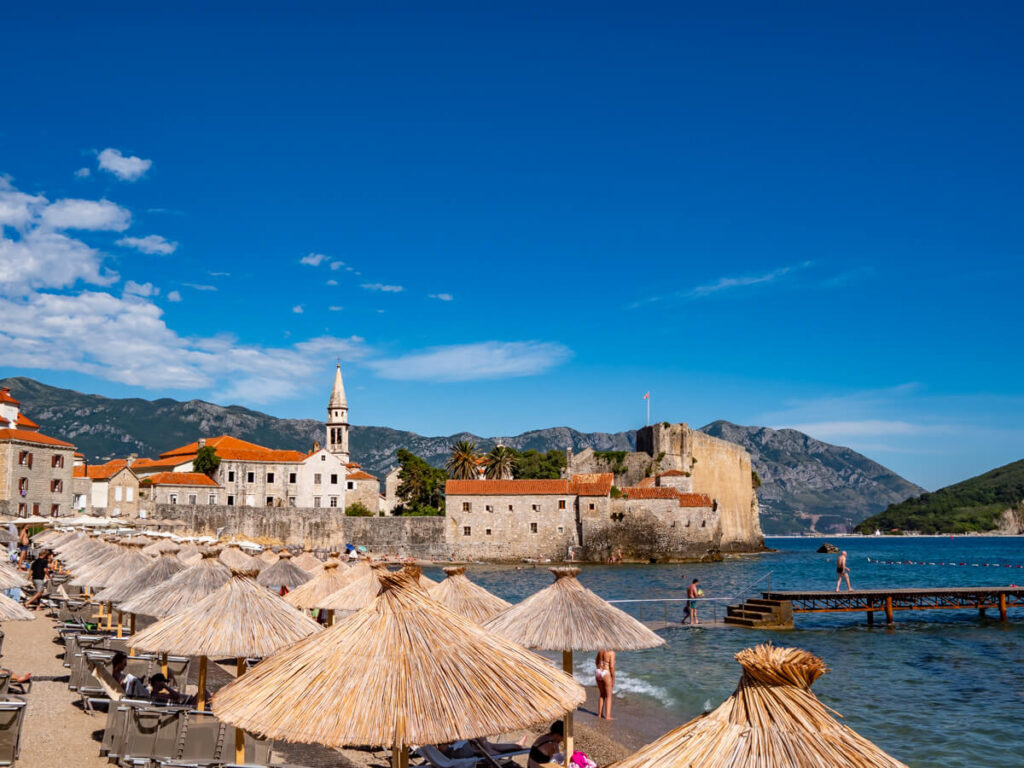
Budva is best known for its beaches, but there’s much more to this popular Montenegrin coastal town than spending the day on the sand. From wandering the medieval Old Town to exploring historic fortresses, scenic viewpoints, coastal trails, and nearby villages, there are plenty of ways to experience Budva without staying by the water.
We spent some time exploring Budva during our Montenegro road trip and found that it’s easy to overlook some of the area’s best spots if you stick to the main tourist areas. The beaches are a sun-soaked sea of loungers, backed by banging beach bars and buzzing with holidaymakers. But some of our favourite parts were actually away from the beach, particularly when we wanted a break from the summer crowds.
In this guide, we’ll share the best things to do in Budva beyond the beach, including historic sights, viewpoints, walks, cultural attractions, and some of the best places to explore nearby, as well as some day trips that are actually doable (not long day slogs) and the top tours we’d recommend booking.
More from Budva
The best things to do in Budva
A big part of Budva’s appeal is beach days and boozy bar crawls aimed at sunseekers and sun lounger lovers, but beyond the shoreline, there are loads of fun things to do. There are beaches and swimming spots for when you want to do very little, a long waterfront for a scenic stroll, plenty of cafés and restaurants for breaks along the way, and a historic Old Town when you fancy some sightseeing. Here are the top attractions and activities in Budva we’d recommend adding to your itinerary.
Top Tours in Budva
Planning a trip to Budva?
Montenegro is gaining popularity quickly, so be sure to book in advance as early as possible!
Top Experiences in Budva
Top Hotels in Budva
Rent a Car in Montenegro
Best eSIM for Montenegro
1. Relax on beautiful beaches
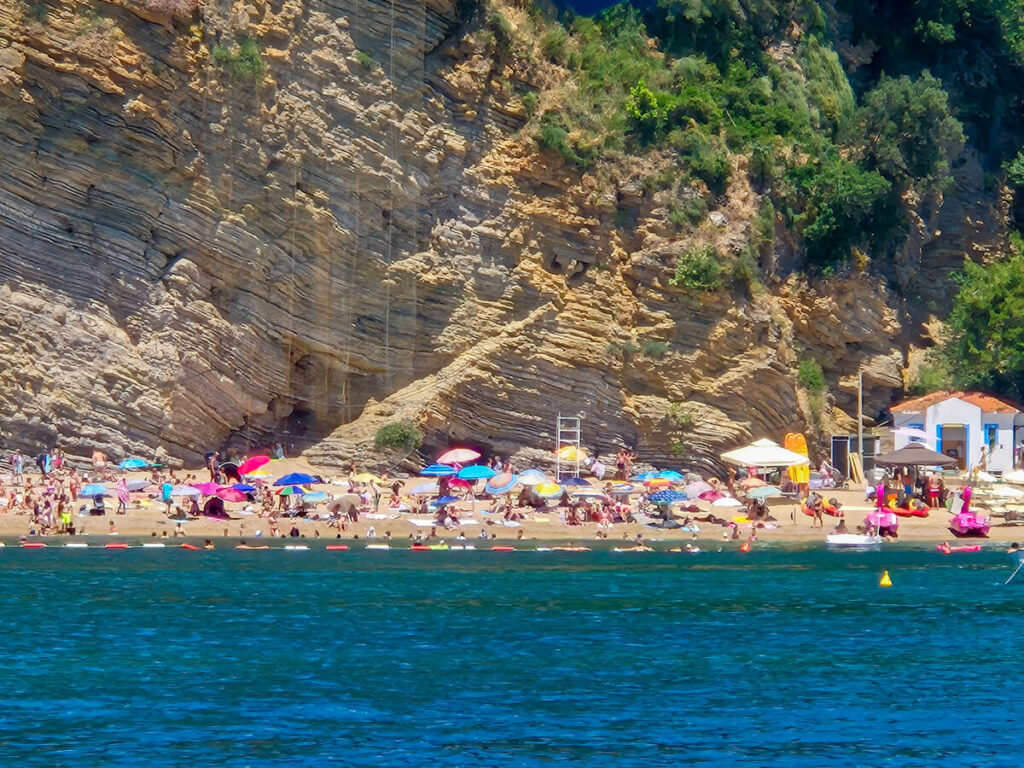
Budva has more beaches (plaže)than most other coastal places in Montenegro, with a number of beaches within easy reach of the town. You’ll find everything from small pebbly coves to large, organised beaches covered with sun loungers and lined by restaurants and beach bars.
Here are our top picks:
2. Wander along the waterfront
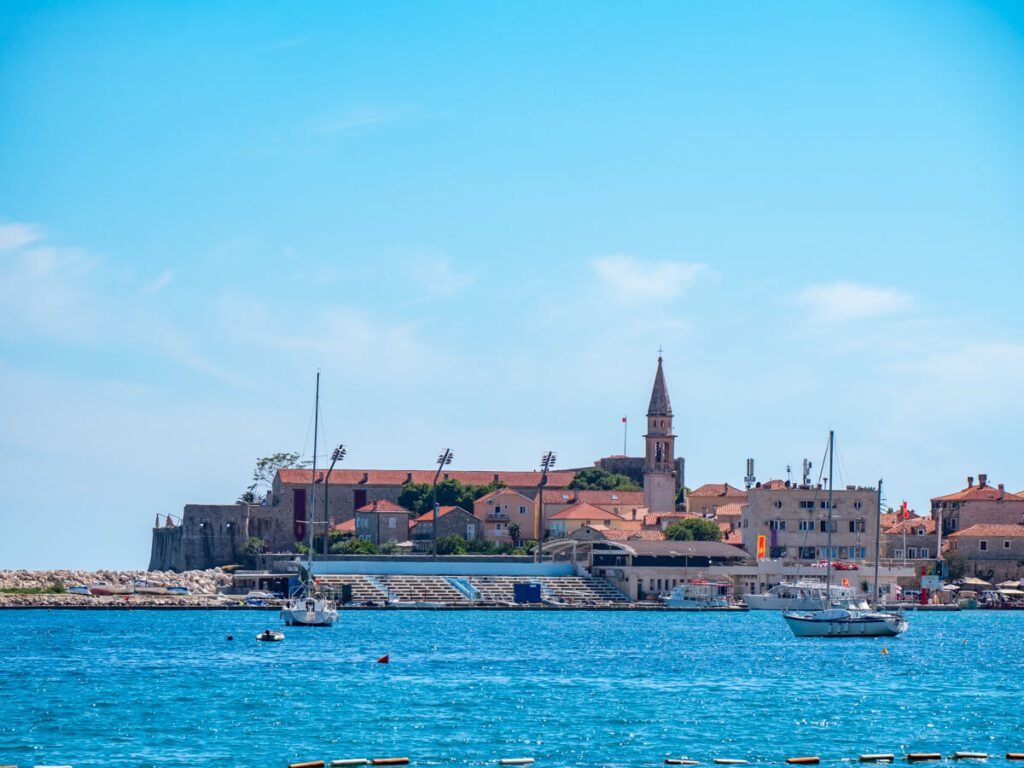
Budva’s waterfront is a good place to escape the narrow streets of the Old Town and get a feel for the modern resort that has grown around it. The promenade starts beside the historic centre and runs past the marina, beaches, restaurants, cafés, and hotels, so there’s plenty to look at without needing a particular destination.
We did this as soon as we arrived, and it was a great introduction to the town. We’d recommend walking from east to west, so you’re walking towards the views of the Old Town. We’d also suggest doing it in the early morning or towards sunset, when the temperature is less intense.
3. Snap a picture of the ballerina
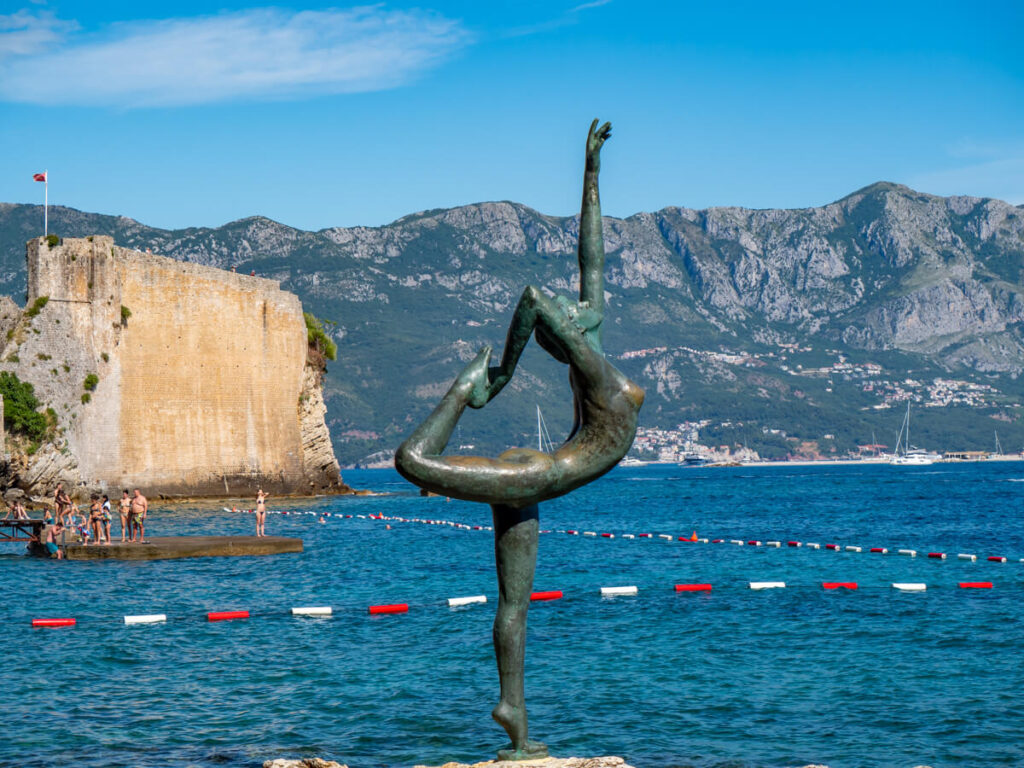
One of Budva’s most photographed landmarks is a bronze statue of a young dancer standing on the rocks overlooking the sea, just beyond the Old Town. It has become something of an unofficial symbol of the city, and you’ll see people milling about on the narrow coastal path behind the Old Town to get a photograph of it.
There is a romantic local story attached to the statue that says the girl depicted was a young woman who fell in love with a sailor from Budva. She would apparently come to these rocks each day to wait for him to return from sea, but he never did, and she continued coming back to the same spot.
It’s known as the Budva Ballerina statue, although locals refer to it as the Dancer from Budva or Gymnast. It was created by Belgrade sculptor Gradimir Aleksić and installed on the rocks in 1965.
4. Explore Budva Old Town
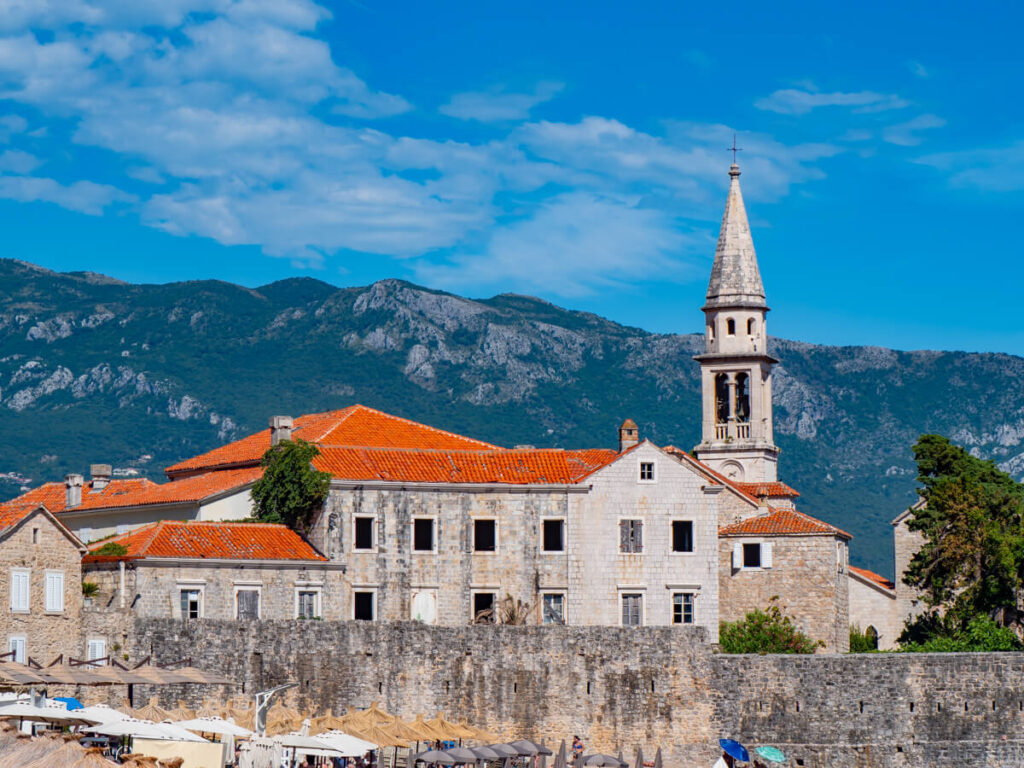
Budva’s Old Town (Stari Grad) is more than 2,500 years old, although what you see today is a mixture of surviving and reconstructed buildings from different periods thanks to centuries of occupation and a devastating earthquake in 1979.
Inside the Medieval defensive walls, you’ll find narrow lanes, small squares, churches, cafés, restaurants, bars, and historic sites, ranging from the iconic Citadel to Roman ruins. It’s such an interesting part of the city with so much to see that we thought we’d give it its own section.
The best things to do in Budva Old Town
Budva’s Old Town is small enough to explore in an hour or two, but there’s quite a lot packed inside its medieval walls. You can spend an hour simply wandering the lanes and squares, or slow things down by visiting the churches, museums, and historic fortifications.
5. Enter through a gate
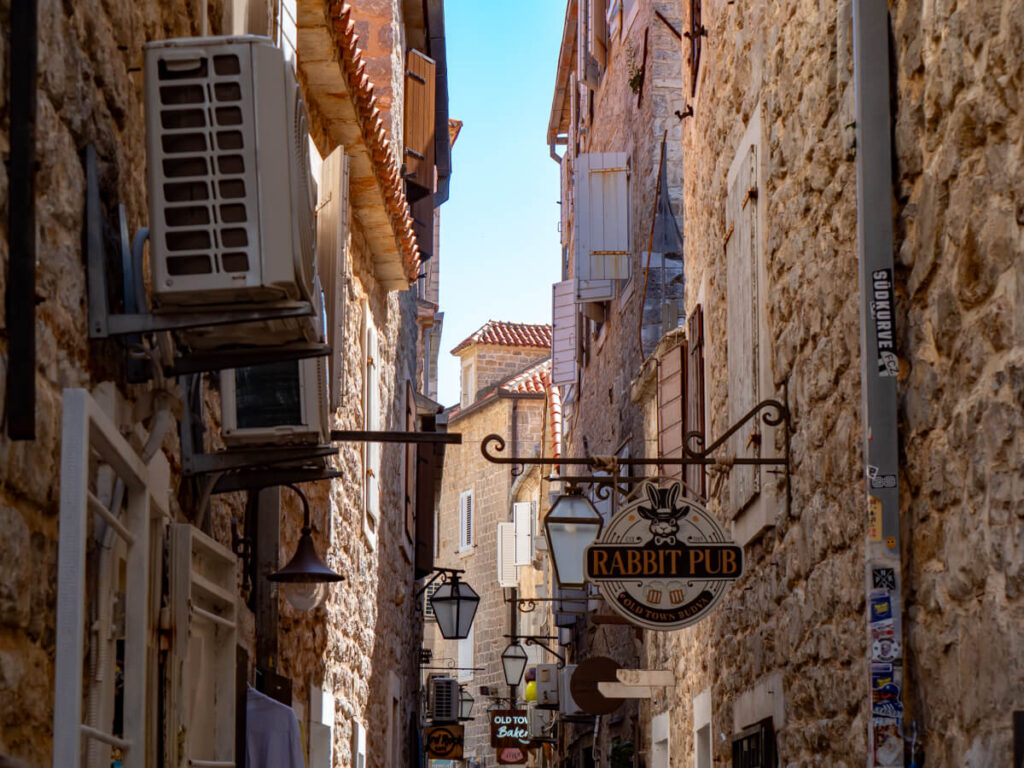
There are several entrances into Budva Old Town, and it’s worth taking a moment to admire them before walking through. The gates formed part of the town’s defensive system and were designed to control access through the thick stone walls.
The present form of the fortifications was completed during the Venetian period in the 15th century, while a much older defensive wall formed part of the settlement as far back as the 9th century.
The main gates in Budva’s Old Town are:
Once you’re inside the walls, you’ll quickly realise how compact the historic centre is, with most of the main sights only a few minutes apart.
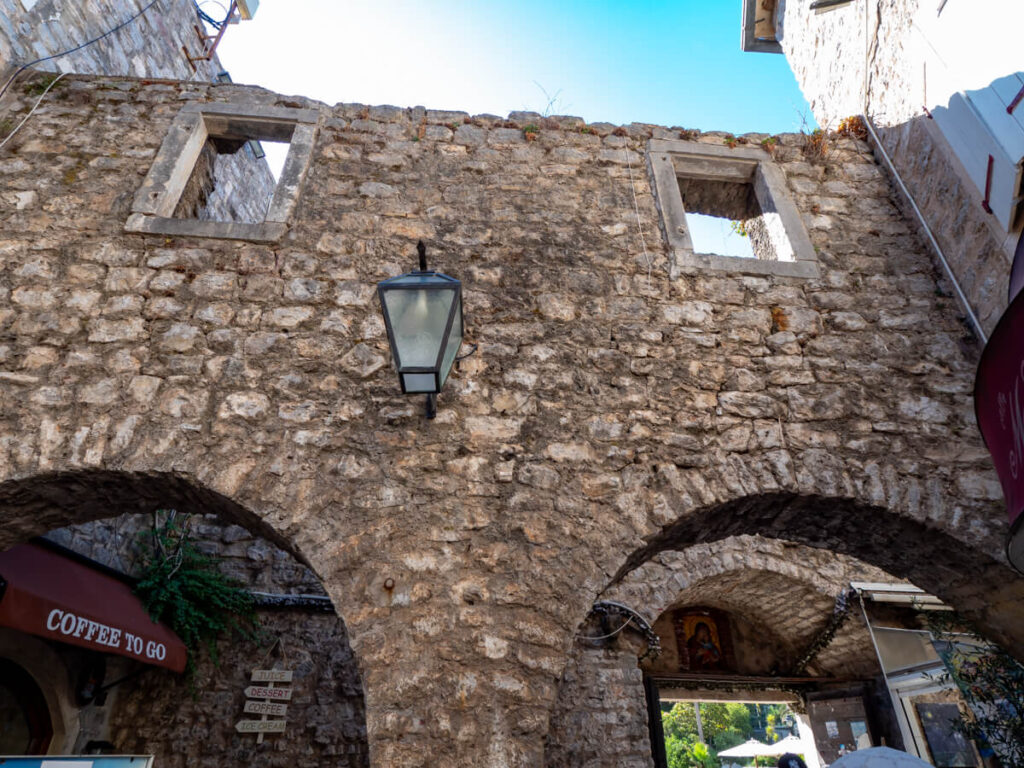
6. Wander between squares
One of the best things to do in Budva’s Old Town is to simply wander between its little squares, as each one is slightly different. They’re connected by narrow stone lanes and passages that twist around the old buildings, so you can easily lose your bearings for a few minutes before emerging somewhere completely different.
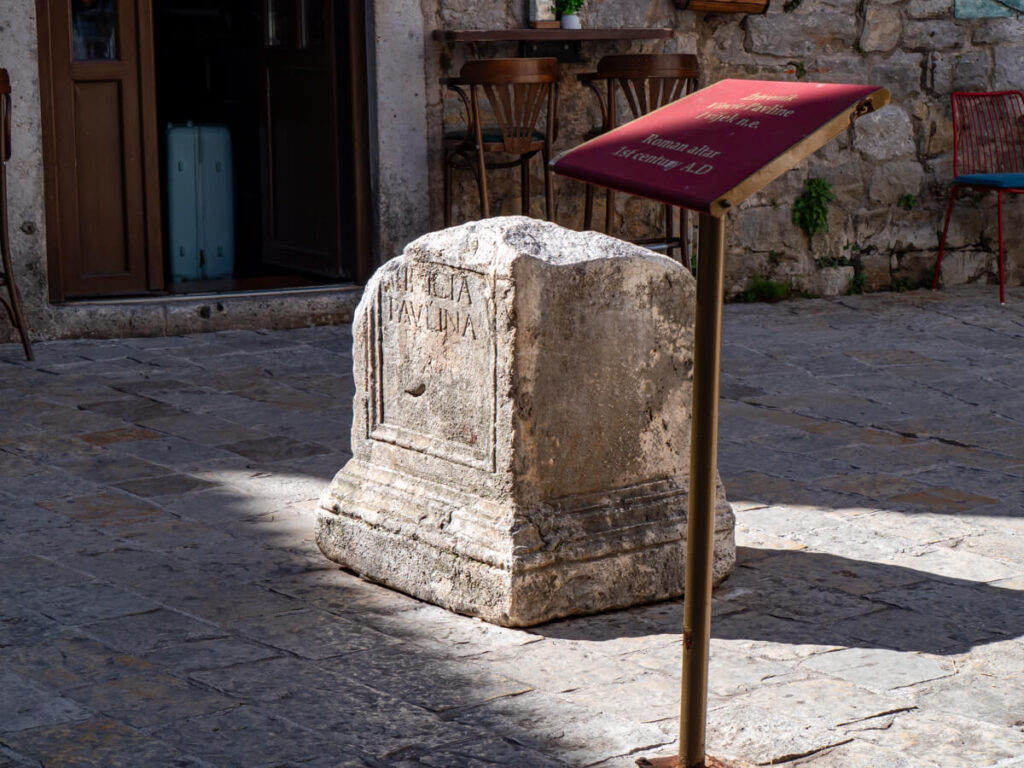
Some squares are surrounded by cafés and restaurants, while others are home to random Roman relics or a street musician serenading passers-by. In summer, several become outdoor stages for the Grad Teatar festival, which has been bringing theatre, music, and other performances into the Old Town since 1987.
Here are the main squares in Budva:
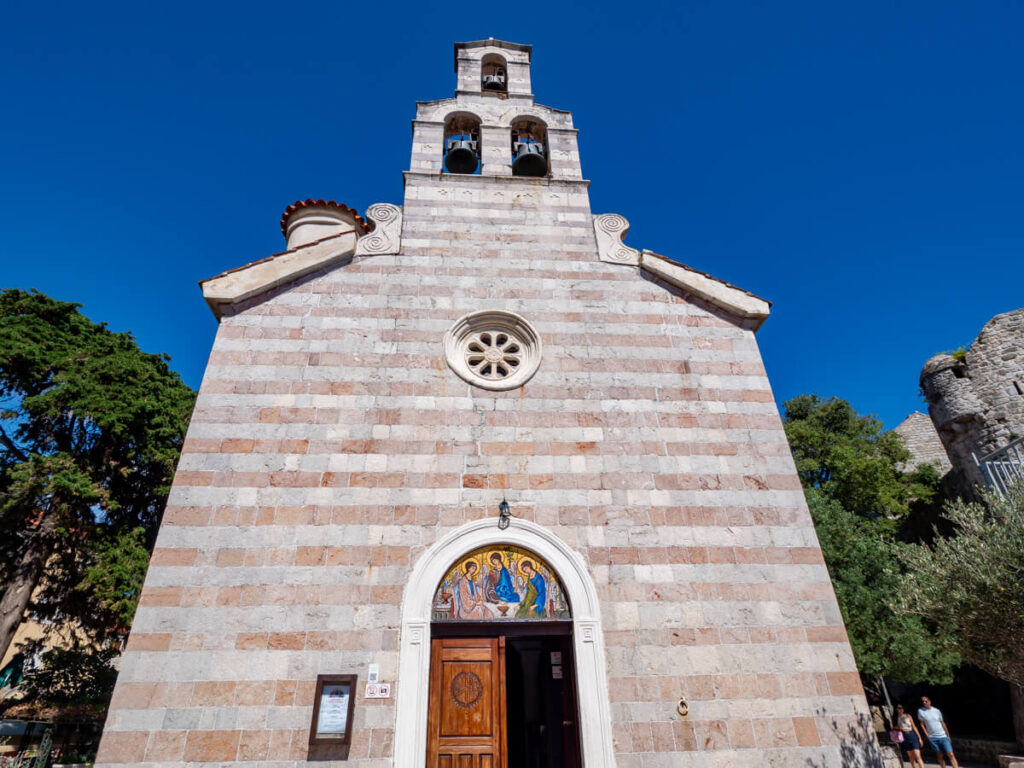
7. See the many churches
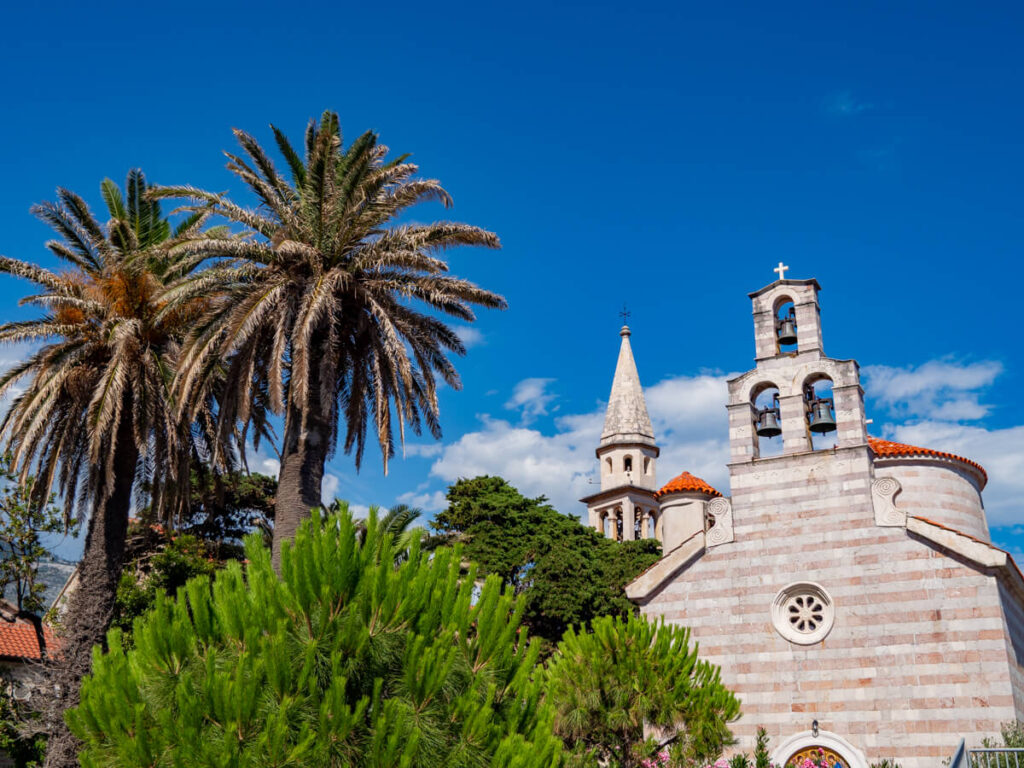
There are four historic churches within the Old Town, representing both the Catholic and Orthodox traditions that have shaped Budva over the centuries:
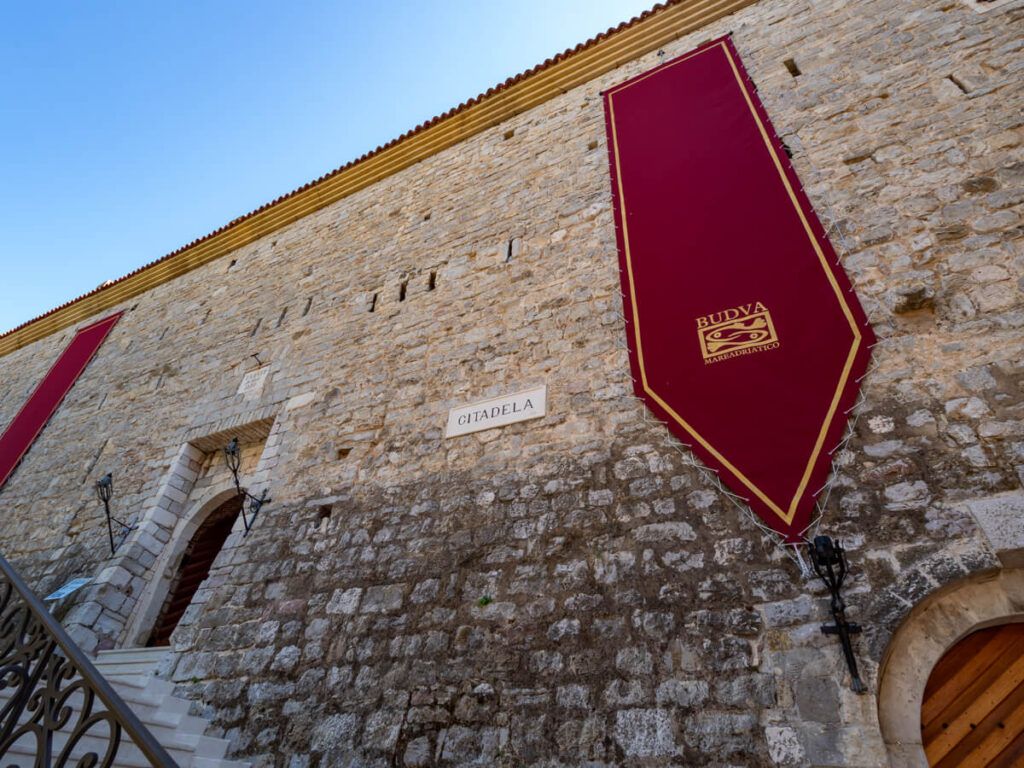
8. Visit the Citadel
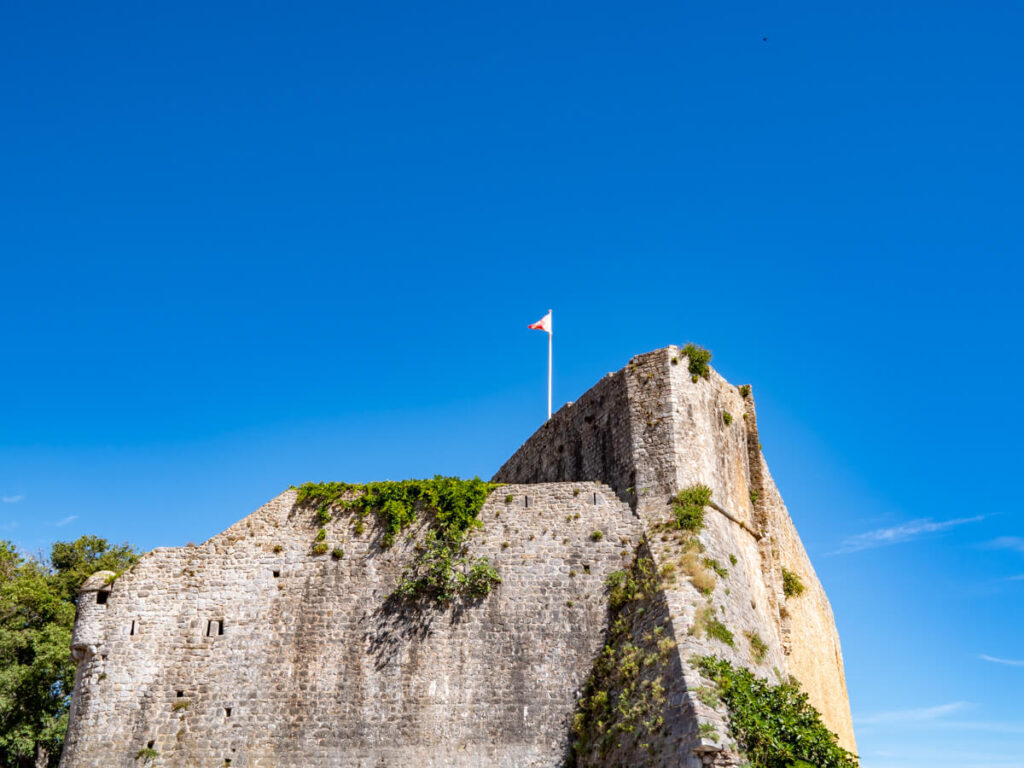
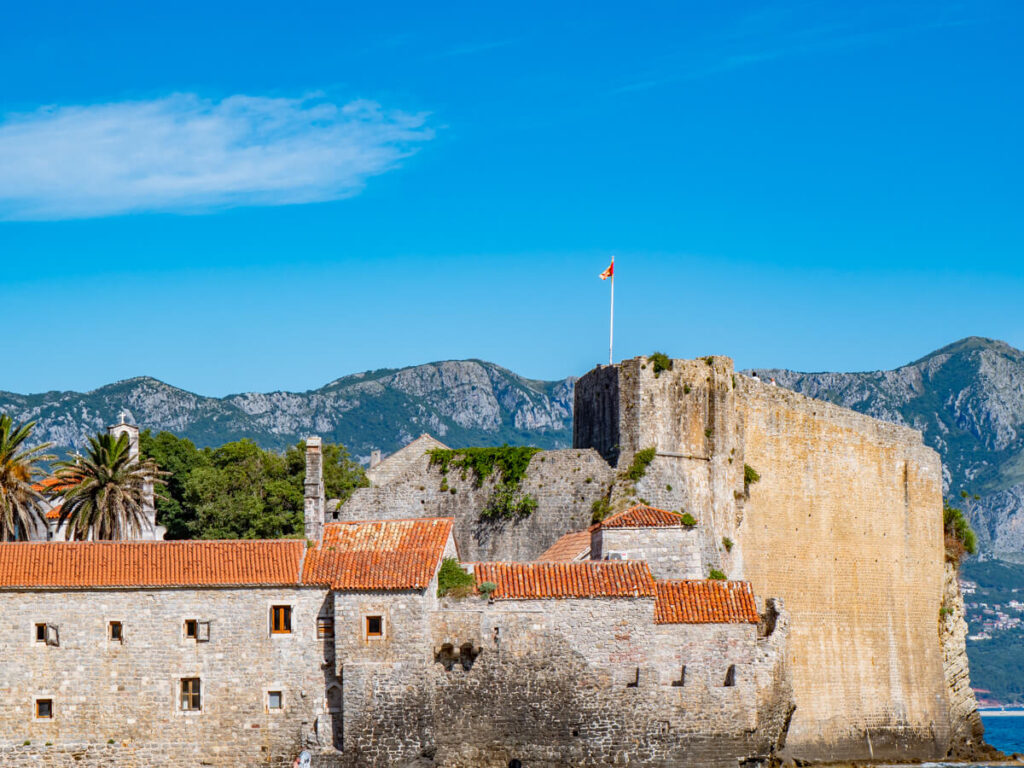
The Budva Citadel occupies the highest point on the southern side of the Old Town, so it’s difficult to miss as you’re wandering around. The fortress was first mentioned in historical records in 1425, although the site has a much longer defensive history, and it was expanded and altered considerably over the following centuries.
There was once a small church dedicated to Santa Maria de Castello within the fortress, although it was demolished during 19th-century reconstruction. Today, you can explore the remaining fortifications and enjoy views across the Adriatic and back towards the Old Town. There’s also a museum inside, with exhibitions showcasing local artefacts like models of ships, as well as a beautiful library.
Entry is €7 per person, paid in cash only.
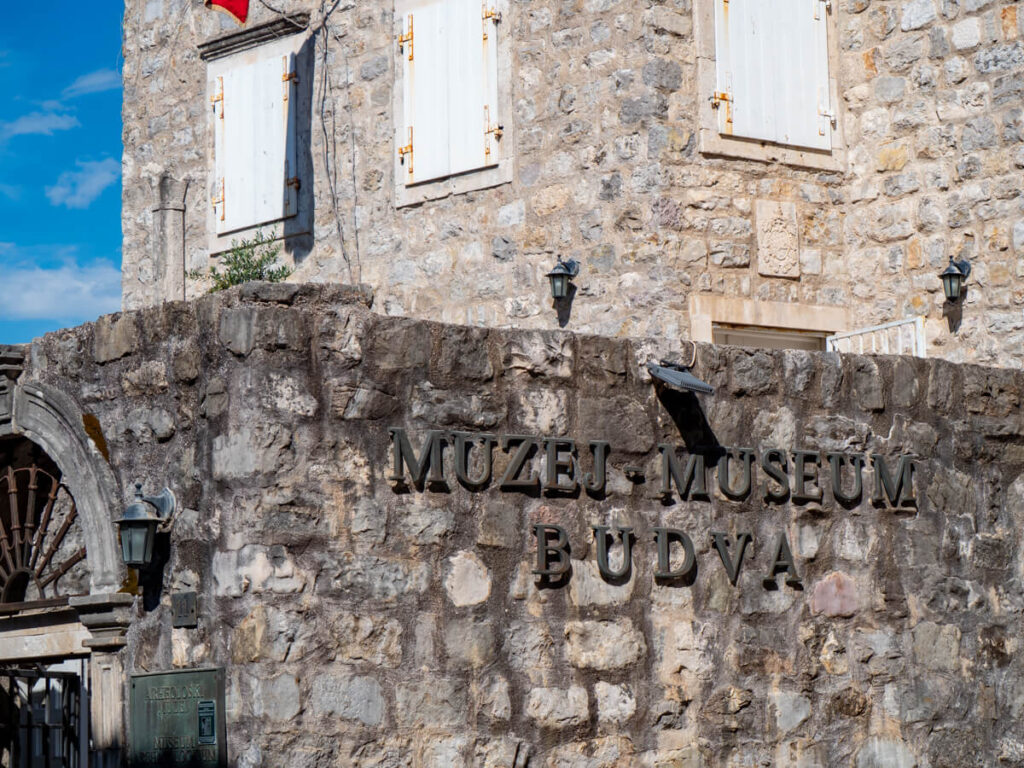
9. Browse the museums
If you’re interested in finding out what Budva was like before it became a major holiday resort, the Old Town’s museums are well worth a look. Even if you’re not a history buff, it’s a good rainy-day activity in Budva’s Old Town.
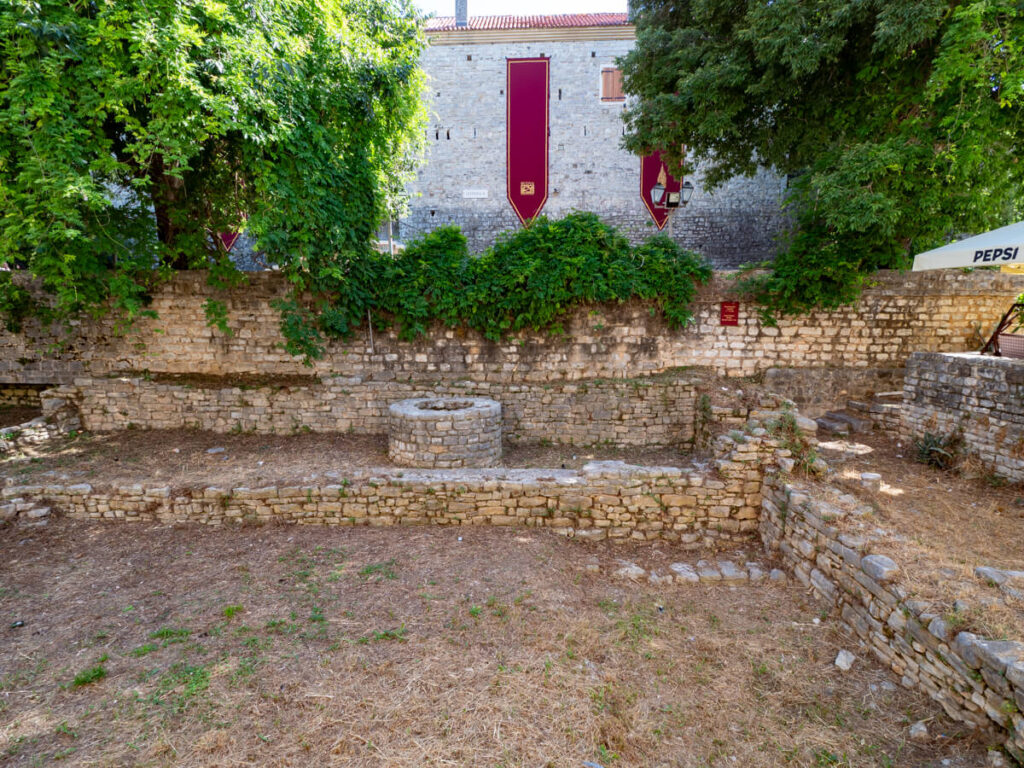
10. Find Roman relics
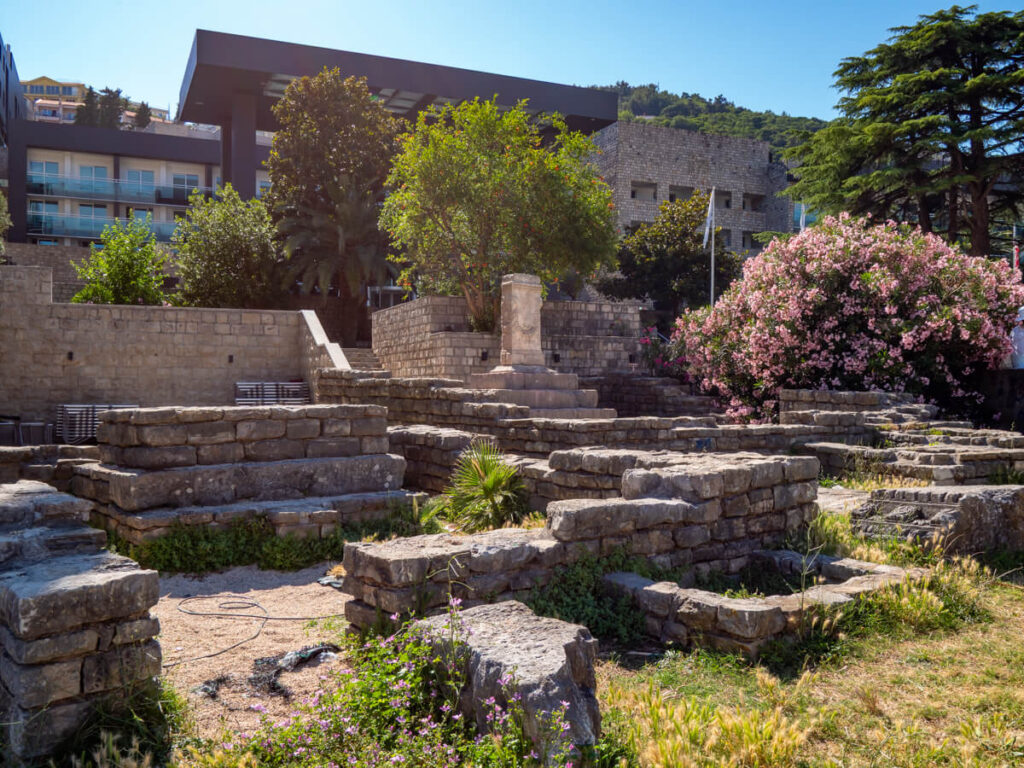
Budva’s ancient history isn’t confined to the museum, and you’ll come across remnants of the Roman period while walking around the Old Town. My mum is obsessed with history and has drilled into me on many holidays to go out of my way to see relics, and there are a surprising number scattered around Budva:
11. Walk the Old Town walls
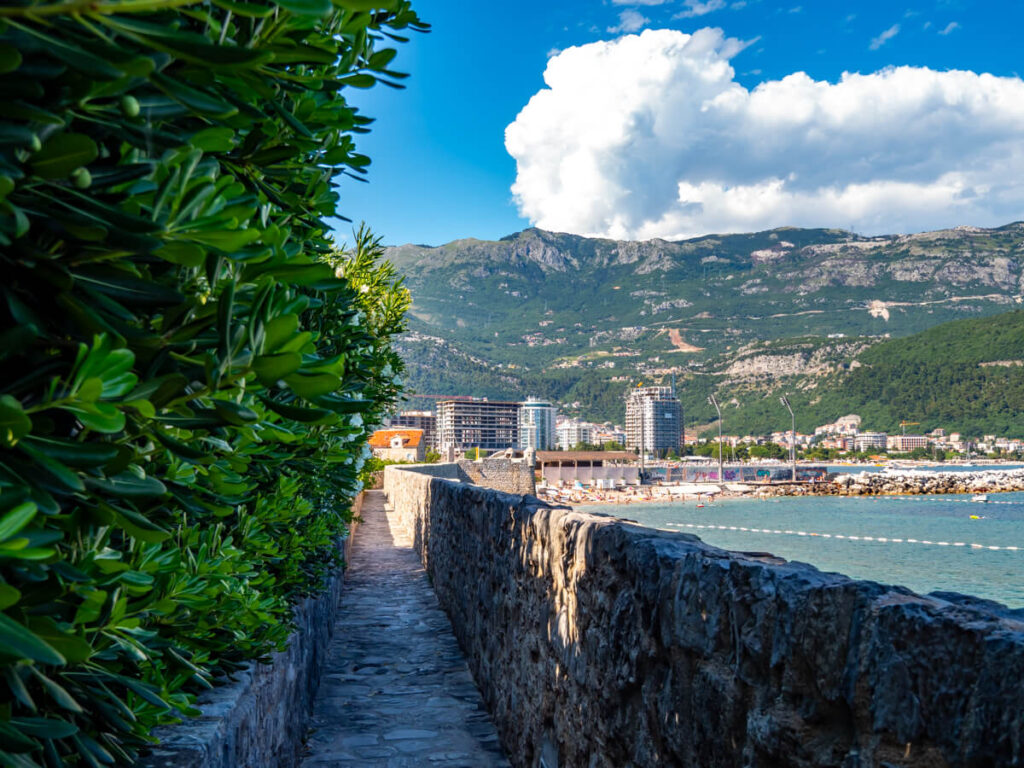
You can walk along sections of Budva’s medieval defensive walls for a completely different perspective of the Old Town. The fortifications contain several layers of construction, with parts dating back to the medieval period and earlier defensive structures incorporated into the town.
The walls were badly damaged by the 1667 earthquake and have been rebuilt and altered numerous times since, with the present form largely taking shape during the Venetian period.
From the higher sections, you get views over the terracotta rooftops, the Adriatic Sea, and the surrounding coastline.
It’s €4 per person, payable at the gate by the Citadel.
12. Admire the Budva Bell
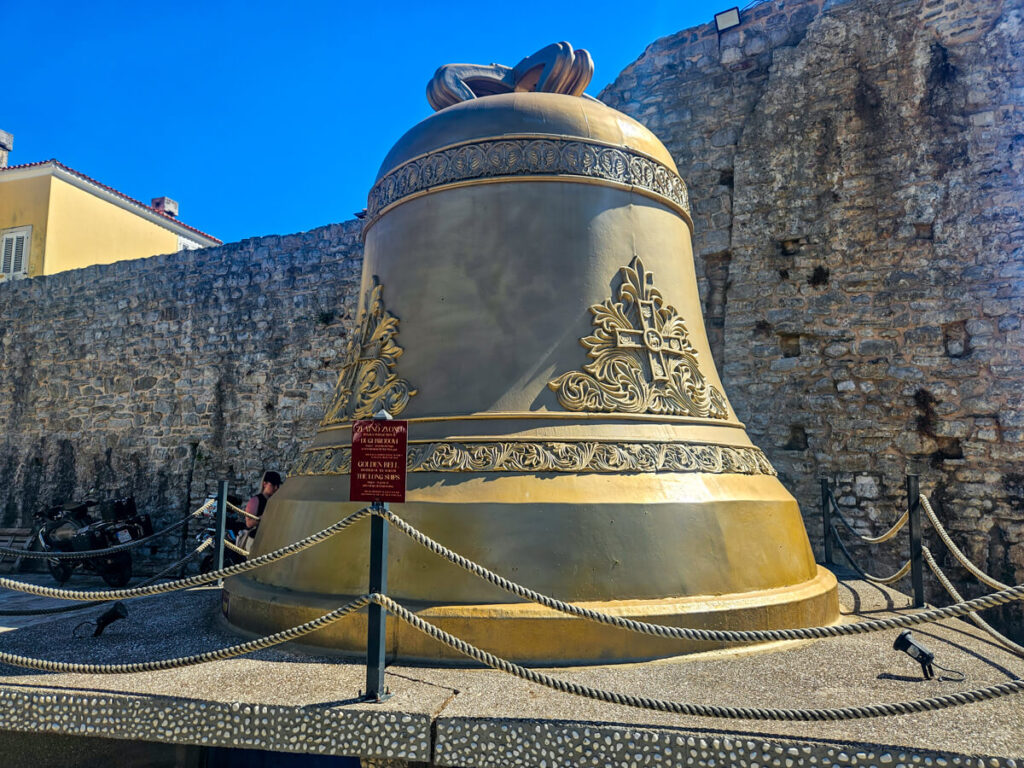
Just outside the town walls, on the eastern edge, you’ll spot a rather unusual object among the historic sights: a large golden bell displayed by the marina. It looks historic, but it’s actually a prop left from a film set.
The bell was made for the 1964 film The Long Ships, which was partly filmed around Budva, and was modelled on Moscow’s famous Tsar Bell. After filming finished, the bell and an anchor were left behind and became an unusual local landmark.
The bell is around 4 metres (13 ft) tall and has a distinctive crack, although it has never been used as a working church bell.
13. Eat in local restaurants
Eating out is part of the experience in Budva Old Town, particularly if you find one of the restaurants tucked into a small stone square. Menus tend to focus on seafood, Mediterranean dishes, and Montenegrin specialities, alongside the usual pizza, pasta, and international options aimed at holidaymakers.
We’d recommend Casper Bar for coffee, Pastabar for lunch, Fluffy Pancakes for a sweet treat, and Restoran Mlin, but part of the joy is stumbling on your own favourites just by walking past and liking the vibe.
Prices are generally higher than in the wider town, especially at restaurants with prime outdoor tables, so we’d have a look at the menu before sitting down. We also found that the Old Town is a nice place to stop for a drink, especially in a bar by the sea near the Square of Poets, when you need a break from sightseeing.
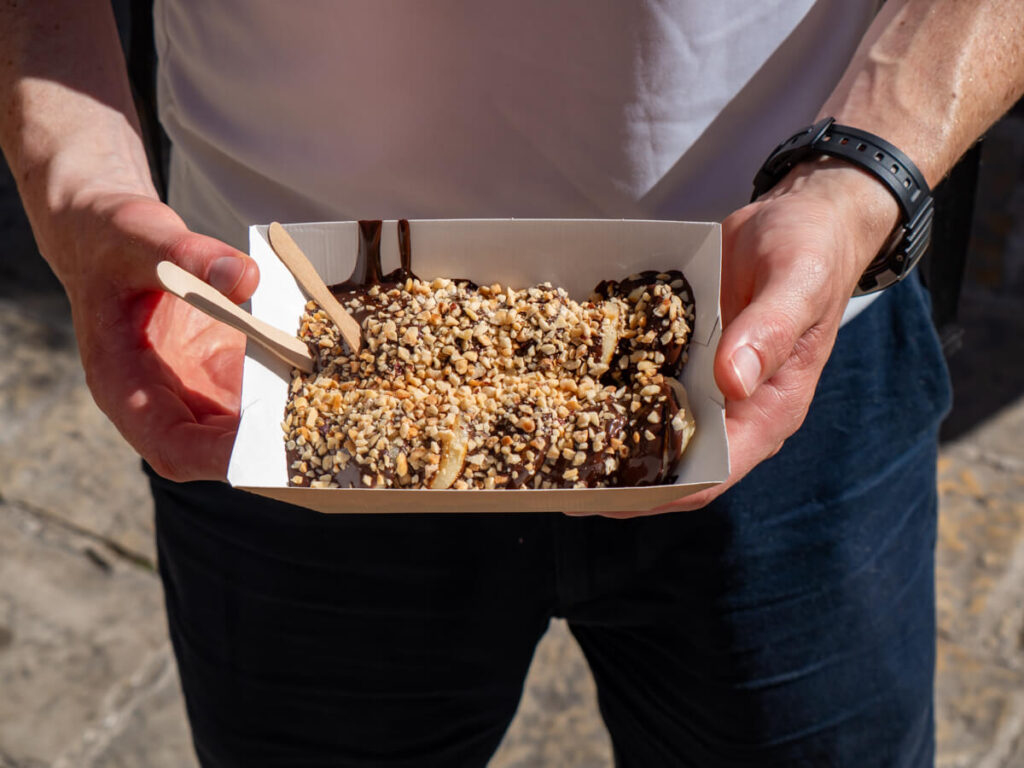
The best activities in Budva
If you’ve had enough of sightseeing and sunbathing, there are plenty of ways to get out on the water or into the hills around Budva. As a popular holiday destination, there are countless operators offering everything from adventure activities to watersports.
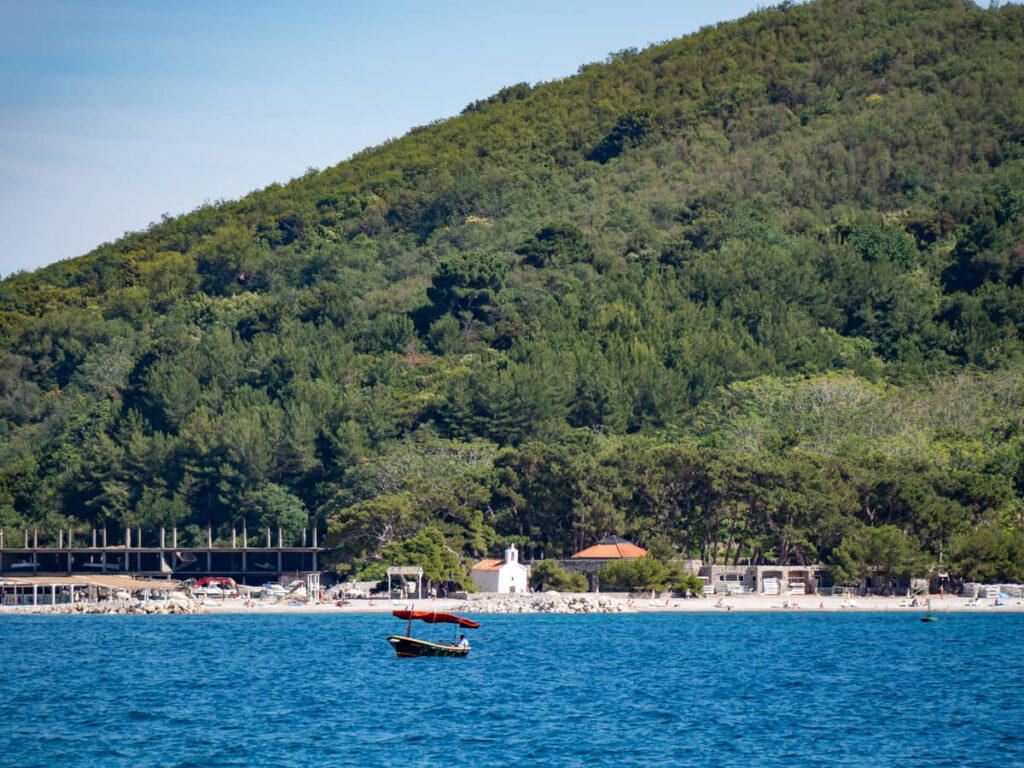
14. Take a boat to Sveti Nikola Island
Sveti Nikola Island sits just offshore from Budva and is close enough to reach by one of the small boats running from the waterfront. Once you’re there, you can spend the day swimming, relaxing on the beaches, or exploring the island’s walking trail, which takes you away from the busiest parts of the coast.
The island has several beaches and secluded coves – Hawaii is the most popular, named after the beautiful beaches in Hawaiʻi, USA – although some of the smaller beaches on the southern side can only be reached by boat. There’s also a small church dedicated to Saint Nicholas on the island, which gives it its name.
You can simply walk along the marina and you’ll be met with countless people offering you a boat to the island. Water taxis also leave from Slovenska Plaza. It’s only a 10-minute journey, and a return trip costs around €7 per person.
15. Kayak in the bay
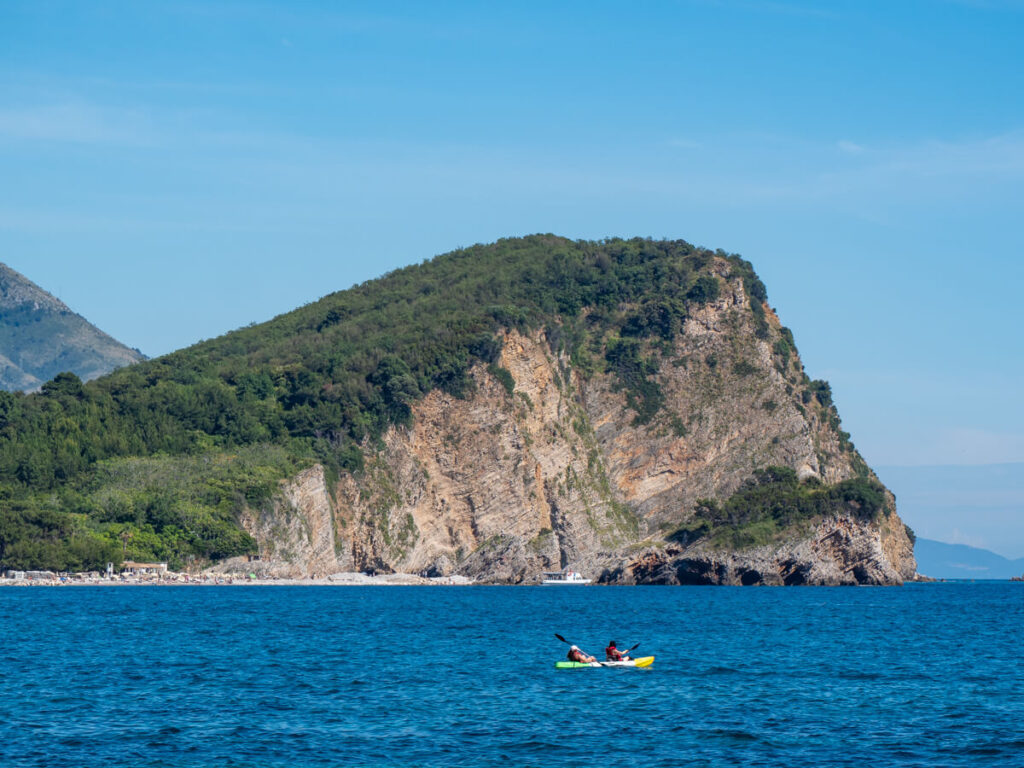
Hiring a kayak is a good way to explore Budva’s coastline at your own pace, particularly if you fancy getting away from the busy beaches for a while. You can paddle around the coast near the Old Town, head towards Mogren, or make your way out towards Sveti Nikola Island, depending on the conditions and how energetic you’re feeling.
The water is generally calmest earlier in the day, so we’d aim to go in the morning rather than battling afternoon winds and boat traffic. It was pretty rough on the afternoon we arrived, but lovely and flat the next few days, so we’d recommend timing this activity with a nice calm day.
16. Go SCUBA diving or snorkelling
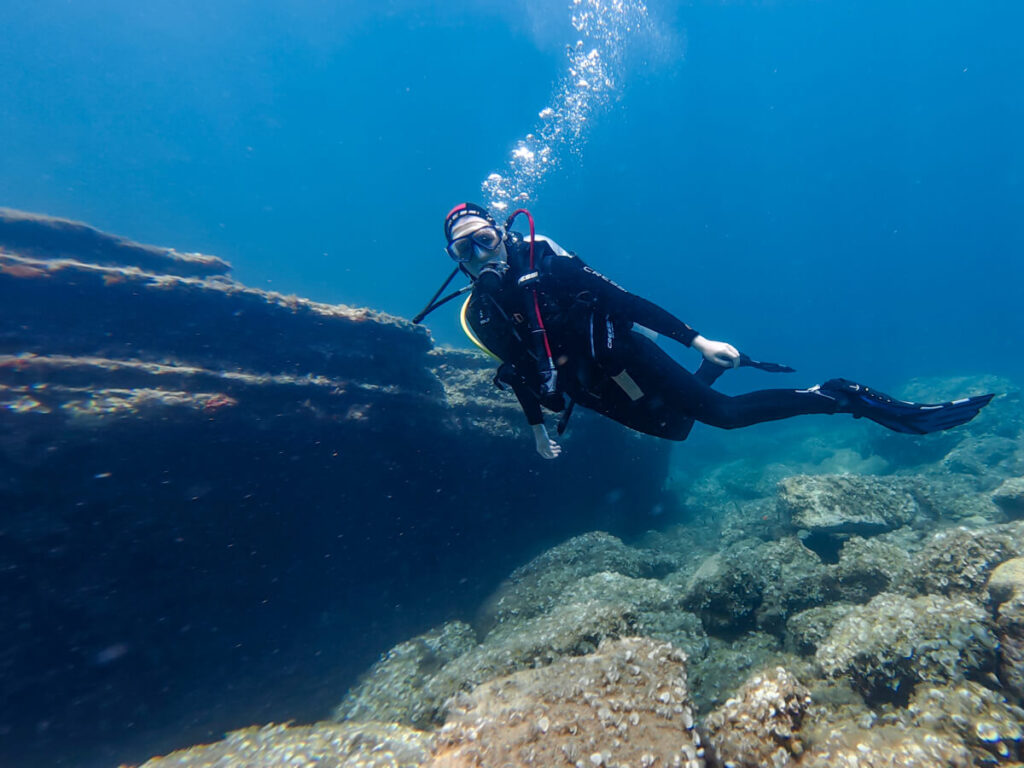
Budva’s clear Adriatic water makes it a good place to see what’s going on beneath the surface, with SCUBA Diving tours and snorkelling available along the coast. We try to dive every 6 months or so and made the detour to Budva purely to get underwater, and it was so worth it.
We went SCUBA diving in Budva with Budva Diving Center, who were super professional and fun. We did two dives, one off Sveti Nikola Island and one off the coast along from Mogren.
On good days, visibility can reach around 15-35 metres (49-115 ft), while the seabed has rocky areas, seagrass, and marine life including grouper, moray eels, rays, and lobsters. We saw countless starfish and fireworms, and did some cool swim-throughs.
17. Parasail over the bay
Parasailing in Budva is one of those fun activities where you get a completely different view of the coast, as you’re lifted high above the water with the coastline spread out below you. Operators run trips from several beaches around Budva, including Slovenska Plaža and Bečići, so it’s easy to arrange while you’re spending the day by the sea.
It’s not the cheapest way to spend an hour at the beach, but if you’re after something more exciting than another afternoon on a sunbed, it’s a fun option.
If you’re an adrenaline junkie, this one’s for you, and if you’re really adventurous, you can even go paragliding over Budva.

18. Climb up to Fort Mogren
Fort Mogren sits on the hill west of Budva and was built by the Austro-Hungarians in the 19th century to defend the approach to the town. The climb takes you away from the beaches and the Old Town and up into the hills, with views back over Budva and the Adriatic Sea as you gain height.
The fortress itself is now largely ruined, so you’re coming more for the walk and the views than a perfectly preserved historic building. But that means it’s one of the best free things to do in Budva, and the walk is nice and scenic. Take care around the ruins, and bring water and snacks, as there isn’t much infrastructure once you reach the fort.
The best day trips from Budva
Budva’s position on the coast makes it a great base for exploring more of Montenegro. You can head along the Adriatic coastline for old towns and beaches, or turn inland towards mountains, historic cities, and Lake Skadar. Here are the day trips from Budva that are fun and don’t require spending all day in the car just to get there.
19. Sveti Stefan
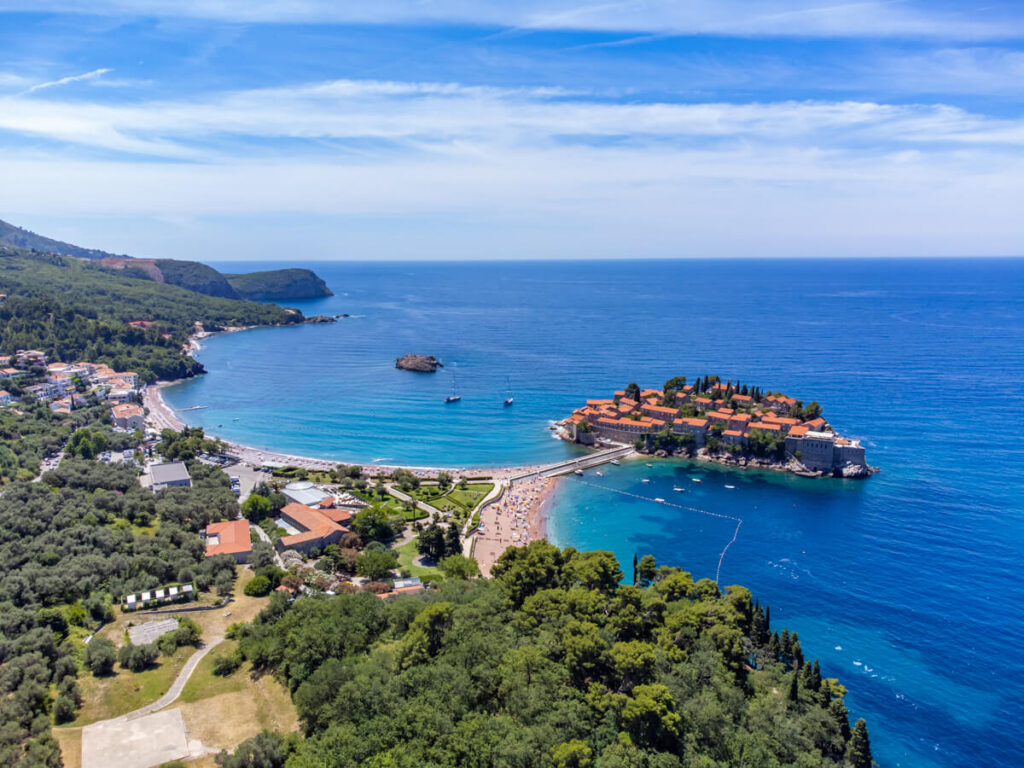
Sveti Stefan is one of Montenegro’s most recognisable picture-postcard views, with a tiny fortified island covered in terracotta-roofed stone houses and connected to the mainland by a narrow causeway.
The settlement began as a fortified fishing village in the 15th century before being converted into a luxury hotel in the 20th century. Today, the island itself is not open to visitors unless you’re staying at the resort, so most people come for the views, the beaches, and a walk around nearby Miločer Park.
From Budva, it’s only around 5 miles (8 km) south along the coast and takes around 20 minutes to drive (buses go from here), so it’s an easy half-day trip that you could combine with another nearby town or another stop along the Budva Riviera.
20. The Blue Cave
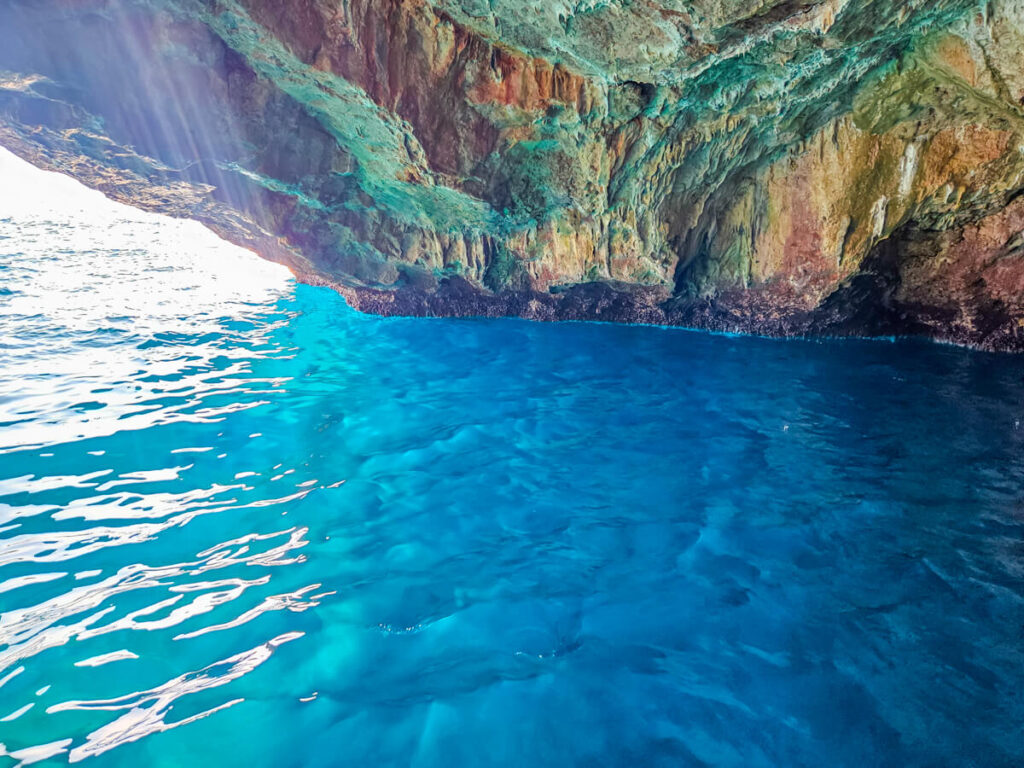
The Blue Cave is a sea cave on the Luštica Peninsula where sunlight enters through an underwater opening, creating the blue glow that gives the cave its name. Most Blue Cave boat tours combine a swim stop at the cave with other highlights around the Bay of Kotor, including:
You can join organised boat trips from Budva, but they’re a fairly long day on the water compared with tours departing from Kotor, so we’d recommend the 30-minute drive to Kotor Marina and pick up a tour from there instead.
21. Petrovac
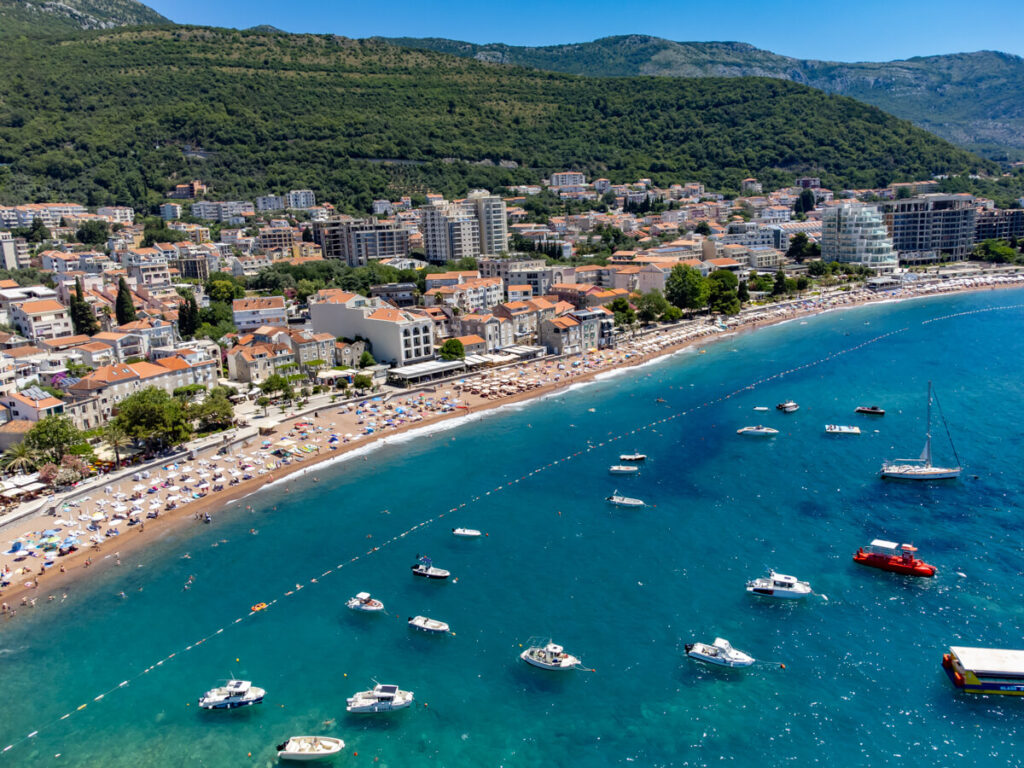
Petrovac is a small coastal town south of Budva, with a long waterfront promenade, a sheltered bay and a Venetian-era fortress overlooking the sea. It’s pretty underrated, as tourists usually prefer Budva and Sveti Stefan, but we really loved it and definitely think it’s one of the best day trips from Budva.
The town developed around an older settlement and was known historically as Lastva before being renamed Petrovac in the early 20th century. There’s not a huge amount to see, but you can walk the promenade, explore the remains of the fortress, relax on the beach, enjoy the sea views, and stop for lunch overlooking the water.
It’s only around 11 miles (18 km) from Budva by road – a half-hour drive on the scenic M1/E65/E80 – so it’s an easy option if you want a quieter coastal day without travelling far. Buses also go from this stop here, so it’s easy to reach without a car, too.
22. Kotor
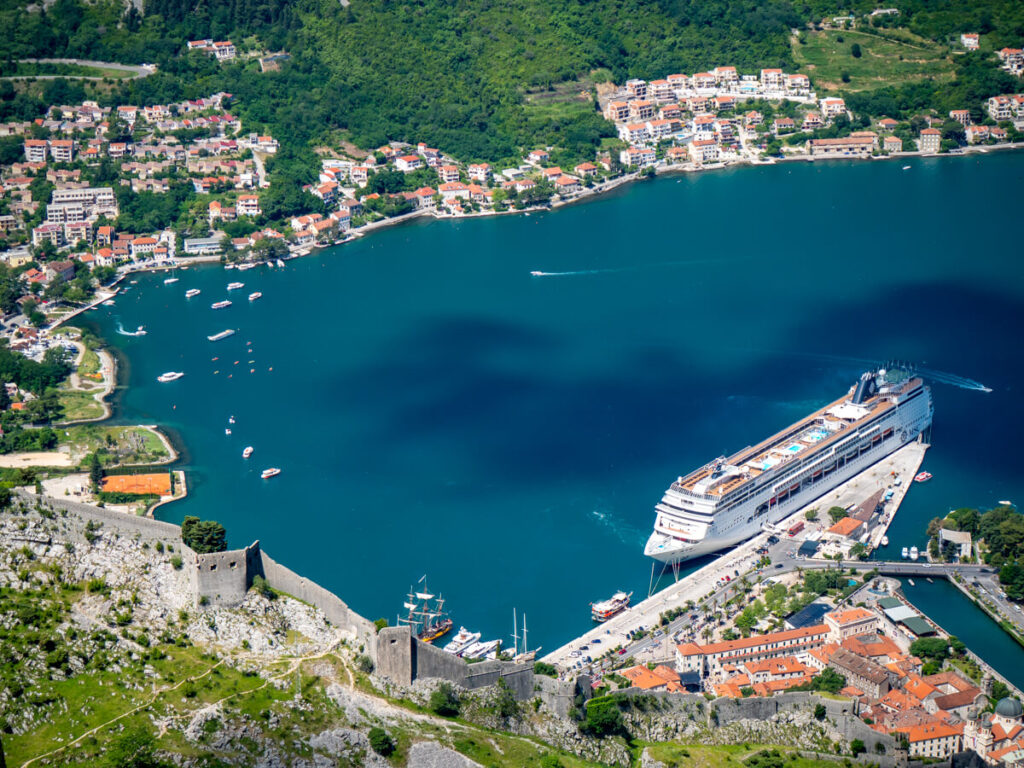
Kotor is the most popular full-day trip from Budva if you haven’t already visited, with a UNESCO-listed Old Town surrounded by enormous stone walls and steep mountains. Inside the walls, there are lots of things to do in Kotor, and you’ll find medieval streets, churches, palaces, squares, countless cats, and museums, while the climb towards San Giovanni Fortress gives you the famous views over the rooftops and Bay of Kotor (although we preferred the free views from the Ladder of Kotor hike).
You can also spend some of the day exploring the waterfront, eating in Kotor’s restaurants, or taking a boat trip around the bay. It’s roughly 14 miles (23 km) from Budva by road, although allow extra time in summer when traffic around Kotor and Tivat can be heavy.
23. Lovćen National Park
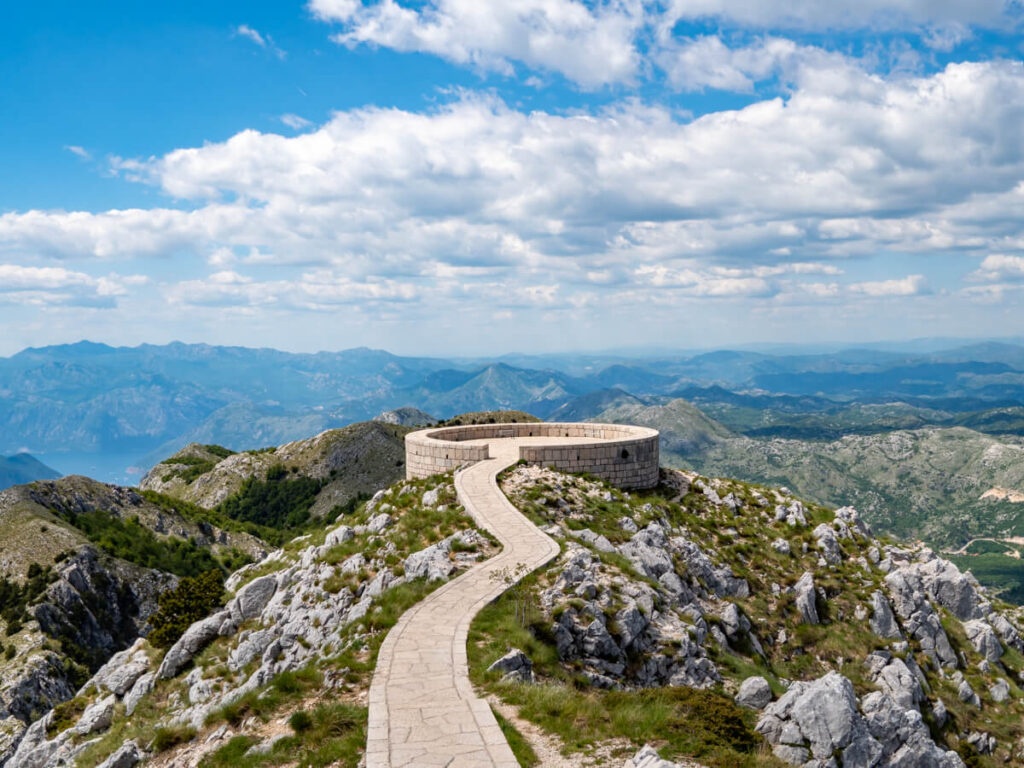
Lovćen National Park covers the dramatic mountain range rising above the Bay of Kotor and is home to one of Montenegro’s most important national monuments, the Njegoš Mausoleum. The mausoleum sits on Jezerski Vrh, a peak at around 1,657 metres (5,436 ft) above sea level, and you’ll need to climb 461 steps from the car park to reach it.
The views from the top stretch across much of Montenegro and even as far as Italy and Albania on a clear day, while the park itself has hiking trails, mountain scenery, and picnic areas.
From Budva, the easiest approach is via Cetinje, taking just over an hour to drive. Public transport is very limited in the park, so it’s best to take a day tour to Lovćen National Park if you’re interested in visiting the mausoleum, or pop to Kotor and opt for the Cable Car instead if you just want an easy way to enjoy the views without visiting the mausoleum.
24. Cetinje
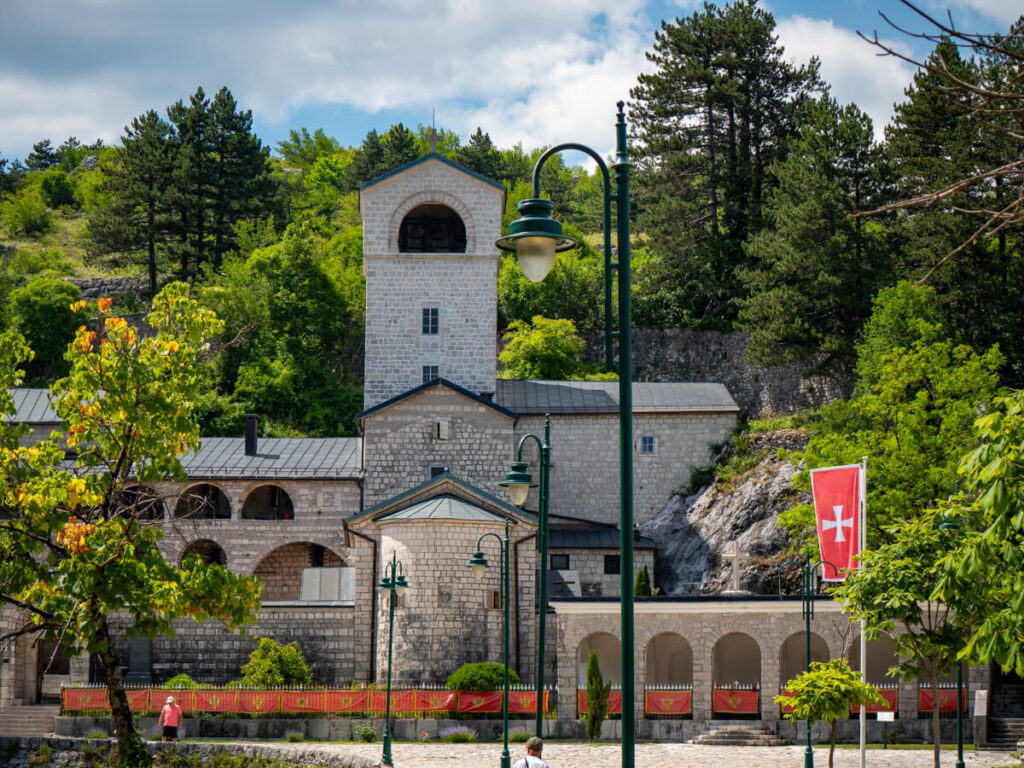
Cetinje was Montenegro’s historic royal capital and remains one of the best places to learn about the country’s more recent history. The compact town is packed with former royal and diplomatic buildings, museums, and the important Cetinje Monastery, so it’s quite different from the coastal resorts.
You can visit the former Royal Palace, explore the National Museum, and wander the old diplomatic quarter without needing a car once you’re in the centre. There are buses to Cetinje from Budva Bus Station, but driving yourself is the simplest option. Cetinje is around 19 miles (30 km) from Budva by road and makes an easy day trip, although we’d combine it with Lovćen National Park if you have a full day available.
25. Njeguši
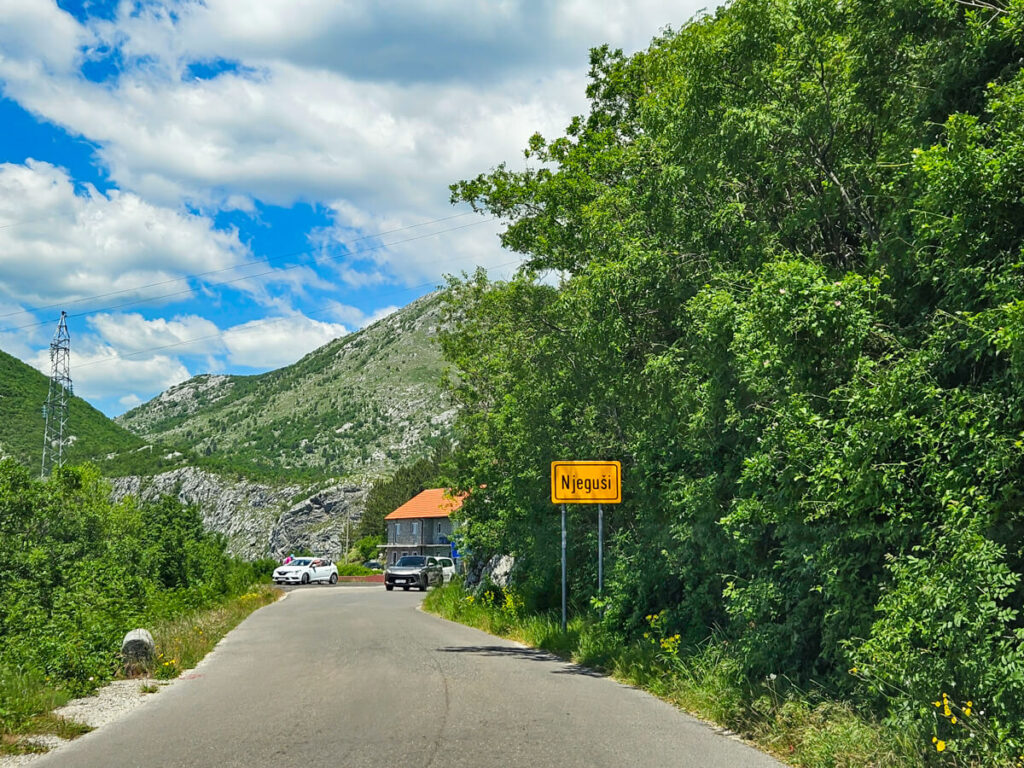
The mountain village of Njeguši sits between Cetinje and the Bay of Kotor and is best known as the birthplace of Petar II Petrović-Njegoš, one of Montenegro’s most important historical and literary figures.
The village is also famous for its traditional smoked ham, called Njeguški pršut, and a local cheese, so food is a big part of the reason to stop here. You can visit the small historic houses and birthplace associated with Njegoš, have a traditional lunch, and pick up local produce before continuing into Lovćen National Park.
The easiest way to visit from Budva is by car or tour, usually combining it with Cetinje and Lovćen National Park rather than making the village a standalone trip. If you’re up for an adventure, you could drive the Kotor Serpentine up Mt Lovćen.
26. Lake Skadar (Virpazar)
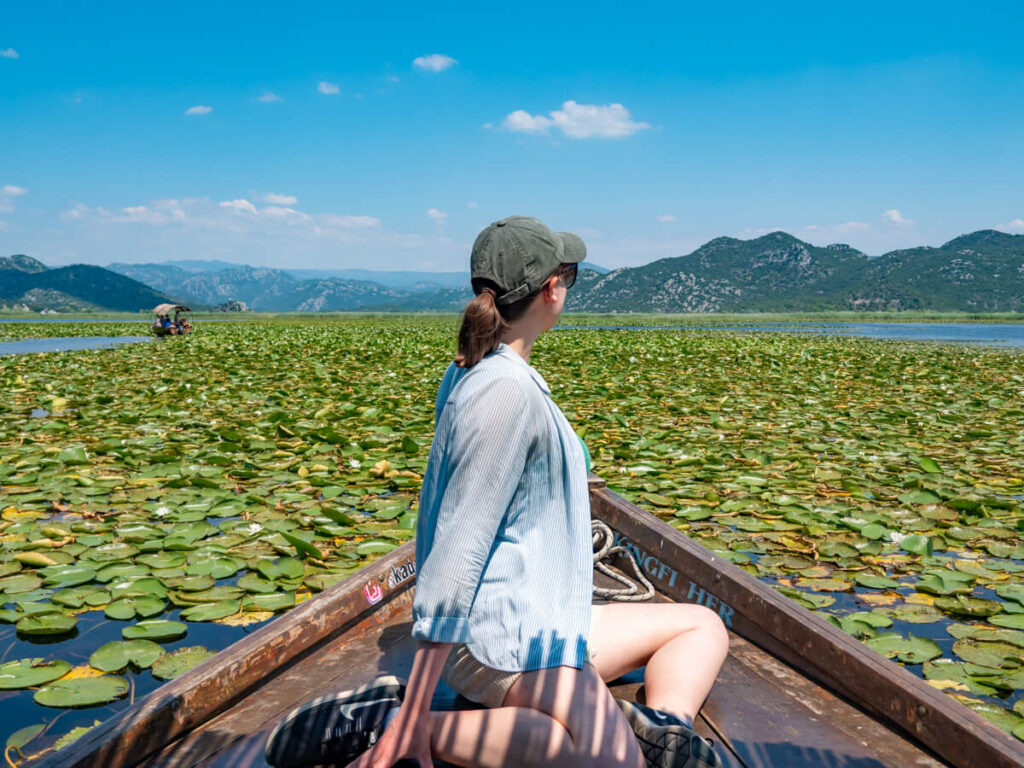
Lake Skadar is the largest lake in the Balkans and one of Montenegro’s most important natural areas, with wetlands, water lilies, islands, and a huge variety of birdlife.
The town of Virpazar is the main gateway to the Montenegrin side of the lake and is where you’ll find most of the boat operators offering trips out onto the water. On a boat tour of Lake Skadar, you’ll see plenty of birds (we saw loads of species, including the rare Dalmatian pelican), iconic sights like Kom Monastery and Lesendro Fortress, and enjoy views of the mountains.
Virpazar is also located right by Montenegro’s wine region, so tours often combine a boat trip with lunch at a local vineyard or an afternoon wine tasting.
From Budva, Virpazar is roughly 27 miles (43 km) away by road, but it’s an easy drive, only taking around an hour, depending on traffic.
27. Rijeka Crnojevića
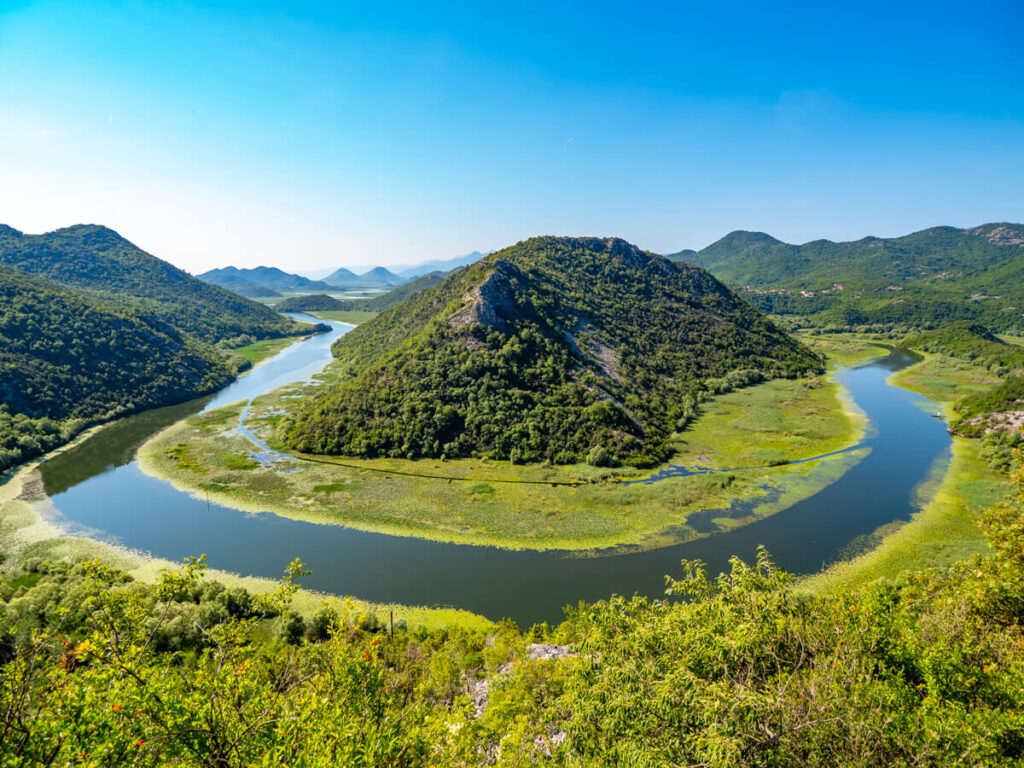
Rijeka Crnojevića is a tiny historic settlement on the banks of a river of the same name, surrounded by the green hills. It’s a tributary of Lake Skadar, and boat trips from here explore the lush northern channels (known as ‘The Amazon‘), which are full of plant life and birds, and are quite a contrast to the more open expanse of the lake near Virpazar.
The little village itself is known for its stone bridge and the nearby Pavolva Strana viewpoint, which gives a great panorama over an iconic horseshoe bend in the river. The area was historically important as a trading centre, particularly during the period of the Crnojević dynasty, and you can still see remnants of its older buildings and the remains of a former printing press nearby.
Rijeka Crnojevića is a good place for a slower day of walking, eating by the river, taking a boat trip, or visiting the famous Pavlova Strana viewpoint above the river. It’s actually an hour’s drive from Virpazar and an hour’s drive from Budva, so we’d combine them for a full day, or choose one for a shorter day out.
28. Podgorica
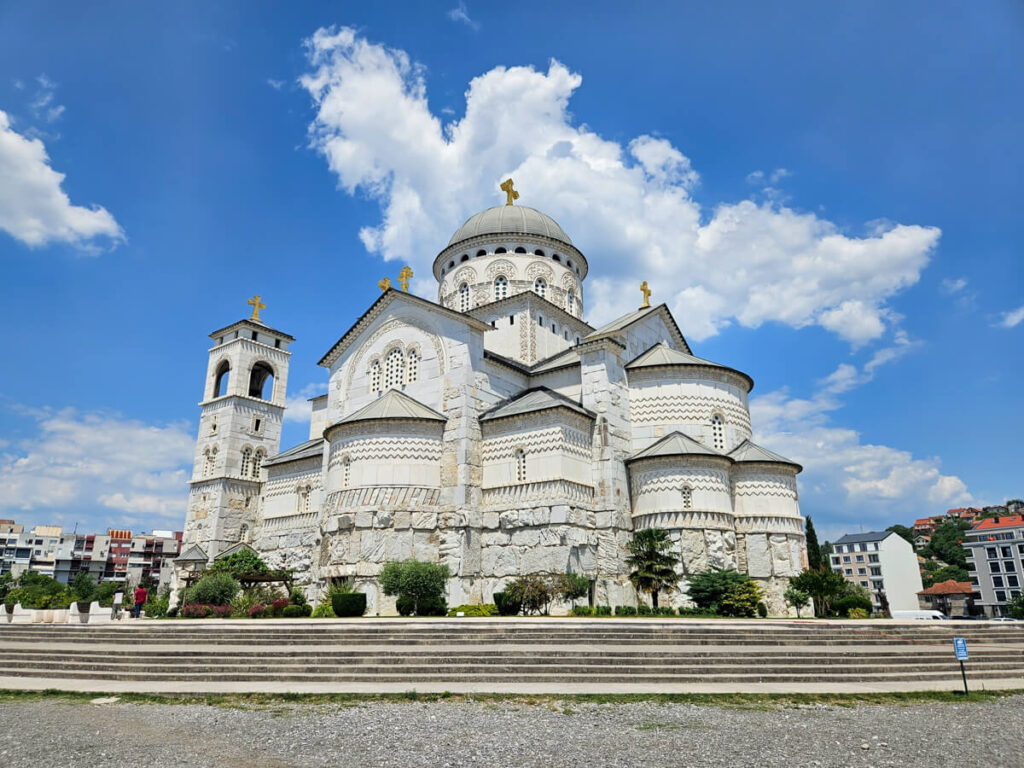
Podgorica is Montenegro’s modern capital city and makes a very different day trip from the historic coastal towns. The city was heavily damaged during the Second World War, so much of what you see today is relatively new, although there are older Ottoman and Roman remains around the city, including the Ribnica Bridge and the ruins of ancient Doclea just outside the centre.
You can spend the day exploring the old and new parts of the city, visiting museums like the Museum of Contemporary Art of Montenegro, walking along the Morača and Ribnica rivers, and stopping for lunch or coffee in the city centre.
We found it pretty chaotic, so it’s not our first choice of day trip, but Podgorica is around 40 miles (65 km) from Budva by road, so it’s a longer outing than the coastal trips, but straightforward by car or bus if you’re keen to visit the capital.
Budva Activities and Tours FAQs
To help you choose what to do in Budva, we’ve answered these frequently asked questions.
What are the best things to do in Budva, Montenegro?
The best things to do in Budva are a mix of beach time, exploring the Old Town, walking along the waterfront, and getting out on the water. We’d also leave some time to explore beyond central Budva, whether that’s visiting Sveti Stefan Island, SCUBA diving, heading to one of the quieter beaches along the Riviera, or taking a boat trip.
What not to miss in Budva?
If you’re short on time, we’d prioritise Budva’s Old Town, the walk along the coast towards Mogren Beach, and at least one of the beaches around the town. The Old Town is more than 2,500 years old and remains the main sightseeing attraction, while the coastline is a big part of what makes Budva worth visiting.
Which is the best beach in Budva?
Mogren Beach is our pick if you want a smaller cove close to the Old Town, while Slovenska Beach is better if you want lots of space, facilities, restaurants, and easy access from central Budva. For a bigger beach away from the centre, Jaz Beach is another good option.
Are Budva activities expensive?
Not necessarily, although prices can rise considerably during the summer. Walking around the Old Town and along the waterfront costs nothing, while beaches are generally free to access, although you’ll pay for sunbeds and some organised activities. Boat trips, water sports, and guided tours obviously add more to the budget.
Do you need a car to explore Budva?
No, you can see most of Budva without a car. We parked ours at our hotel and explored mostly on foot. The Old Town, waterfront, and several beaches are within walking distance, while taxis and organised tours are useful for places further along the Riviera. We’d only consider hiring a car if you’re using Budva as a base for exploring more of Montenegro.
Can you take a boat trip from Budva?
Boat trips are one of the easiest ways to see more of Budva’s coastline, with excursions heading towards places like Sveti Nikola Island, beaches, and coastal grottos like the Blue Cave. They’re particularly useful if you want to see parts of the coastline that aren’t as easy to reach on foot.
Can you visit Durmitor National Park from Budva as a day trip?
Yes, but it’s a very long day. Durmitor National Park is around 125 miles (200 km) from Budva, and the journey by public transport can take almost 5 hours each way, so an organised tour or private car is much more practical for a day trip.
We’d personally recommend staying overnight in the Durmitor area if you have the time. There’s far too much to see to spend most of the day sitting in a car, particularly if you want to hike, visit Black Lake or explore the Tara River Canyon. Durmitor National Park has a network of hiking trails, mountain lakes, and outdoor activities including rafting and canyoning.
That said, we can understand the appeal of a long day trip if you’re based in Budva and don’t have enough time for an overnight stay – you can get a taste of Montenegro’s mountainous interior without changing hotels, so it’s worth booking the trip if you’re keen to see a totally different side of the country.
Read next:
A Traveller’s Guide to Budva: Beautiful Bay or Busy Beach Resort Town?
Everything You Need to Know About SCUBA Diving in Budva: Montenegro’s Riviera
A Traveller’s Guide to the Bay of Kotor: Europe’s Southernmost Fjord
Where to Stay in Kotor Bay: Top Towns + Best Hotels From Budget to Boutique
27 Cool Things to Do in Kotor + What Not to Do
8 Fun Day Trips from Kotor + 2 Tours Not to Book
How to Spend One Day in Kotor & Our Free DIY Old Town Walking Tour Route + Map
11 Best Montenegro Blue Cave Boat Tours + Is It Even Worth It?
How to Visit Lovćen National Park & Mausoleum of Petar II Petrović-Njegoš
A Day Trip Guide to Herceg Novi: Old Town, Beaches & Medieval Forts
