8 Beautiful Islands in Mexico We Love + Which You Should Visit

Discover our favourite Mexican islands, from paradise islands in the Caribbean to Volcanic destinations in the Pacific, and which are worth the trip.

This post may contain affiliate links, which means we might earn a small commission on anything purchased through these links at no extra cost to you. Learn more on our disclaimer page.
Mexico’s islands conjure images of tropical paradises with blindingly white sand, dazzling aquamarine waters, and colourful coral reefs – and that’s not inaccurate. From powdery Caribbean beaches and crystal-clear seas to colourful reefs, jungle-covered coastlines, traditional fishing towns, and islands built around SCUBA diving, there’s far more to choose from than just the famous resorts of Cancún and the Riviera Maya.
When you do the research, you’ll find there are actually quite a lot of islands in Mexico that you can visit, and in reality, they couldn’t be more different from each other. We spent months exploring Mexico from west to east on multiple trips, and the country’s islands are by far some of our favourite places to be. Some can be visited as a day trip, while others really require a few nights to see the best of the island. And the best ones for you really depend on whether you want beautiful beaches, wildlife, diving, nightlife, or somewhere quieter to escape the crowds. Discover the most beautiful islands in Mexico that we visited and loved, what makes each one worth visiting, the downsides to know about, and which Mexican island we think is best for different types of travellers, in this complete list.

More from Mexico
The best islands in Mexico – the quick answer
With over 4,000 islands, Mexico has a huge number of tropical getaway options, from easy-to-reach Caribbean islands with white-sand beaches to remote volcanic islands surrounded by some of the country’s best marine life. But they also vary enormously in what you can actually do there.
After loving Mexico’s islands, we later visited Belize’s islands, which gave us even more reason to appreciate just how different island life can be from travelling in mainland Latin America.
The first four islands on this list (Isla Mujeres, Isla Cozumel, Isla Holbox, and Isla Contoy) are all within a few hours of Cancún, making them relatively easy to include in a Yucatán Peninsula itinerary. The islands on Mexico’s west coast (Isla Espíritu Santo, Isla Coronado, and Isla Magdalena) are a different proposition, with desert landscapes, volcanic scenery, and opportunities to see some of Baja California Sur‘s best marine wildlife. While the offshore Revillagigedo Islands are much further away and are mainly visited on liveaboard diving trips.
We’re going to share our favourite islands on both coasts, which we loved most, which you can skip, and one that’s left on our bucket list. If you’re trying to decide which Mexican island is right for you, read on to discover the top destinations, their biggest differences, how easy it is to get there, and what you want to do once you arrive – and they just keep getting better as you go down the list!
| Island | Vibe | Highlights | Time | Best for |
|---|---|---|---|---|
| Isla Mujeres | Lively, beautiful, easy to explore | Playa Norte, snorkelling, beach clubs, whale sharks | 2-3 days | First-time visitors, easy island escapes |
| Isla Cozumel | Relaxed, outdoorsy, dive-focused | Coral reefs, drift diving, snorkelling, marine life | 3-4 days | SCUBA divers, snorkellers, vacationers |
| Isla Holbox | Bohemian, barefoot, slow-paced | Sandy streets, shallow turquoise waters, beaches, sunsets | 2-3 days | Beach holidays, couples, backpackers, slow travel |
| Isla Contoy | Untouched, peaceful, nature-focused | Pristine beaches, birdlife, coral reefs | Day trip | A secluded beach day trip for wildlife lovers |
| Isla Espíritu Santo | Wild, remote, adventurous | Sea lion encounters, kayaking, snorkelling, camping | Day trip | Marine wildlife, nature adventures |
| Isla Coronado | Rugged, scenic, peaceful | White-sand beaches, turquoise bays, blue whales and wildlife | Day trip | A volcanic island day trip for wildlife lovers |
| Isla Magdalena | Remote, windswept, wildlife-rich | Grey whale watching, dunes, coastal scenery, glamping | 2-3 days | Wildlife enthusiasts, whale watchers |
| Revillagigedo Islands | Remote, challenging, expedition-style | SCUBA diving with giant manta rays, sharks, and pelagic marine life | Liveaboard | Experienced divers |

Mexico Islands Map
We’ve pinned the best islands in Mexico to visit on the interactive map below.
The best islands on Mexico’s east coast
Mexico’s Caribbean coast has the classic white-sand beaches and clear turquoise water you’d expect from this part of the country, but the islands have very different personalities. Some are easy to reach from the main tourist hubs on the Yucatán Peninsula, while others are protected and can only be visited as part of an organised boat trip.
1. Isla Mujeres – The most accessible island
If you only have time for one island during a trip around the Yucatán Peninsula, Isla Mujeres is one of the easiest to recommend. It’s small enough to explore in a day, but there are enough beaches, viewpoints, restaurants, snorkelling spots, and places to stay if you want to spend a few nights.
The island is best known for its beautiful beaches, including Playa Norte, which has calm, shallow water and soft white sand, while the southern end is much more rugged. Punta Sur is home to dramatic cliffs, coastal paths, and the remains of a Mayan temple dedicated to Ixchel, the goddess associated with fertility.
There are loads of fun things to do on Isla Mujeres, too. You can snorkel and dive around the island, visit the underwater sculptures at the MUSA Underwater Museum, or simply hire a golf cart and drive around the island.

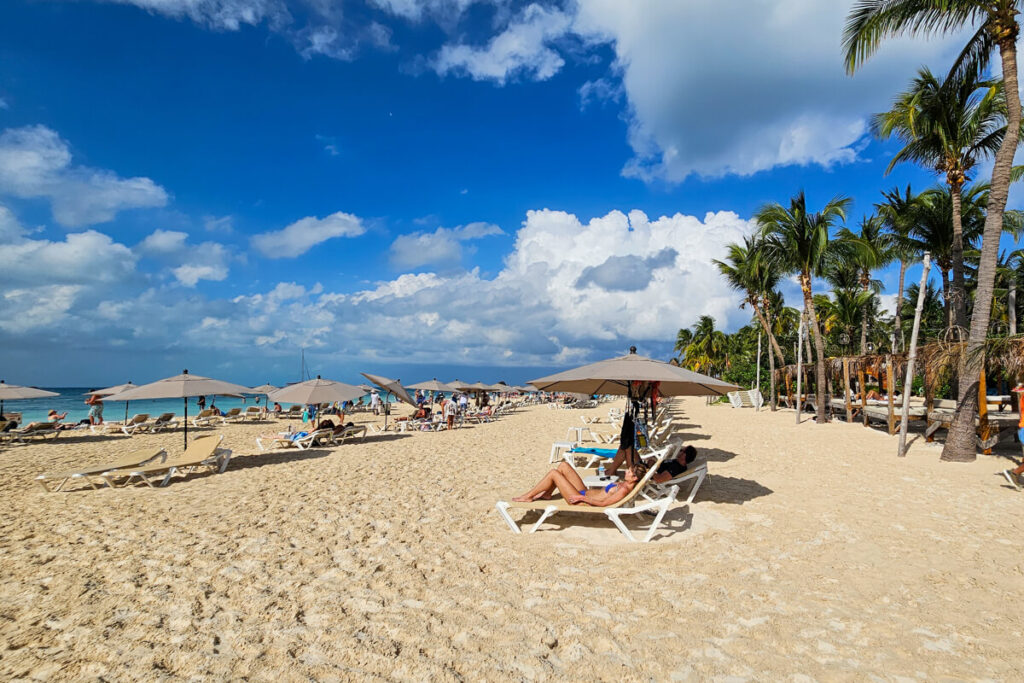


Isla Mujeres is a good option if you’re looking for an island escape near Cancún without having to travel too far. Isla Mujeres ferries run from Puerto Juárez in Cancún, with the crossing taking roughly 20 minutes, so you can visit as a day trip or stay overnight and experience its slightly more relaxed nightlife scene.
There are plenty of places to stay on Isla Mujeres itself, particularly around the north and central parts of the island, ranging from budget options to lovely boutique hotels.
2. Isla Cozumel – The best island for diving
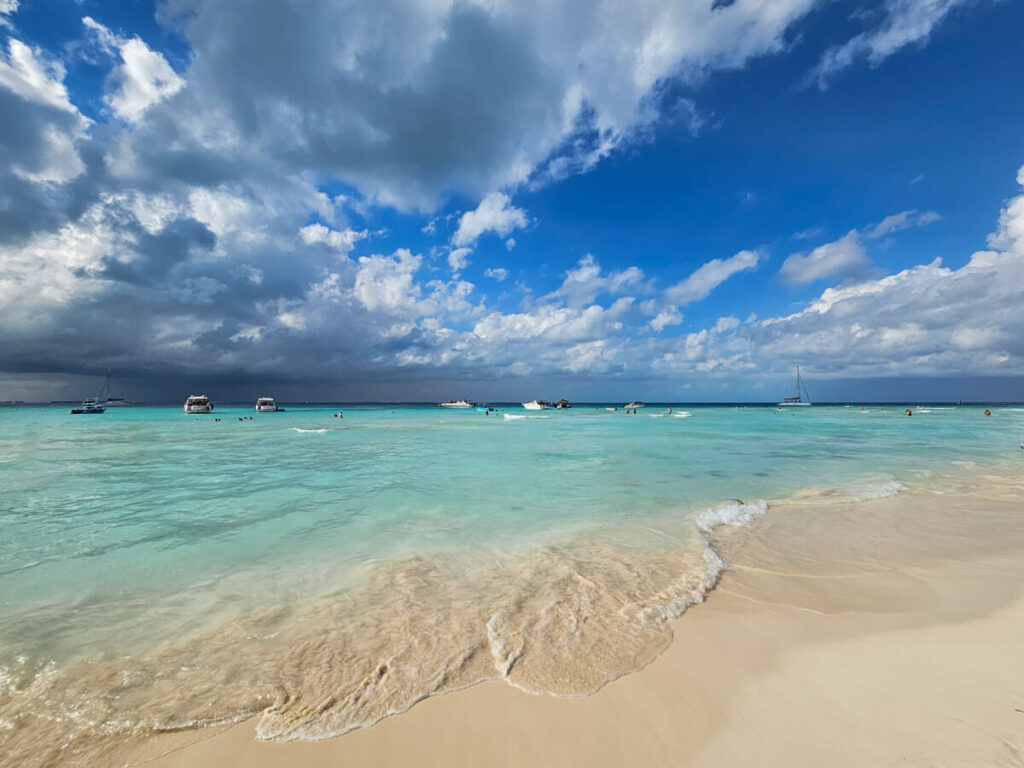
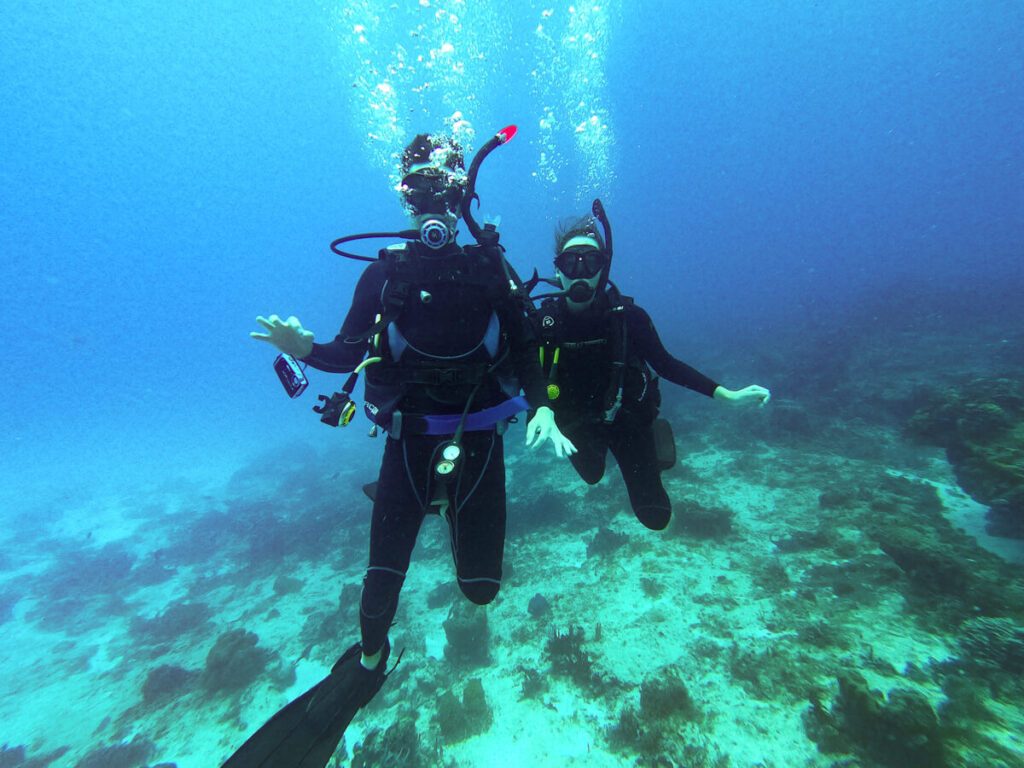
Isla Cozumel is the island we’d choose if diving or snorkelling is the main focus of your trip. It’s surrounded by the Mesoamerican Reef, and the western side of the island is particularly well known for clear water, colourful coral, and drift diving.
SCUBA diving in Cozumel is world-class, and we saw turtles, stingrays, nurse sharks, and much more, making it one of our favourite activities in the Riviera Maya. We loved it so much, we extended our one-week stay to three weeks, as we couldn’t gett enough of the crazy underwater visibility.
The island is also much larger than Isla Mujeres, so there are lots of fun things to do on Isla Cozumel away from the main town. You can visit Punta Sur Eco Park, which covers a large area of the southern end of the island, while San Gervasio Mayan Ruins is the island’s main archaeological site.
You can also rent a car and drive around the whole island to see how the developed west coast feels very different from the much wilder east coast, while a Jeep tour is a popular option for those without a car.
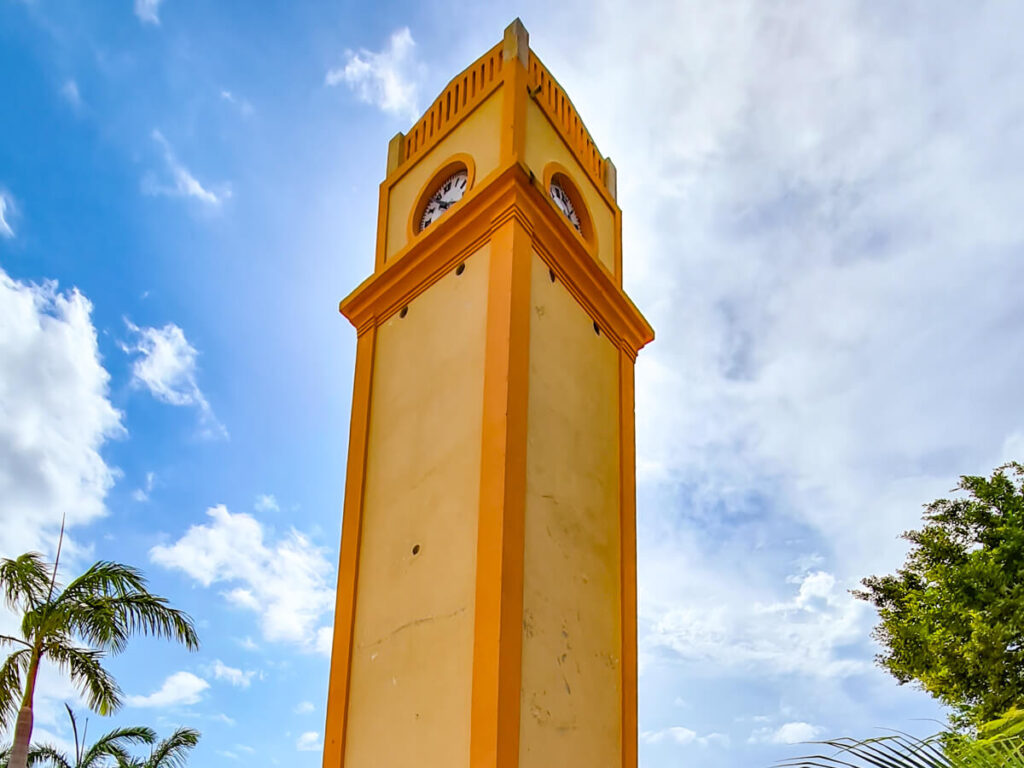
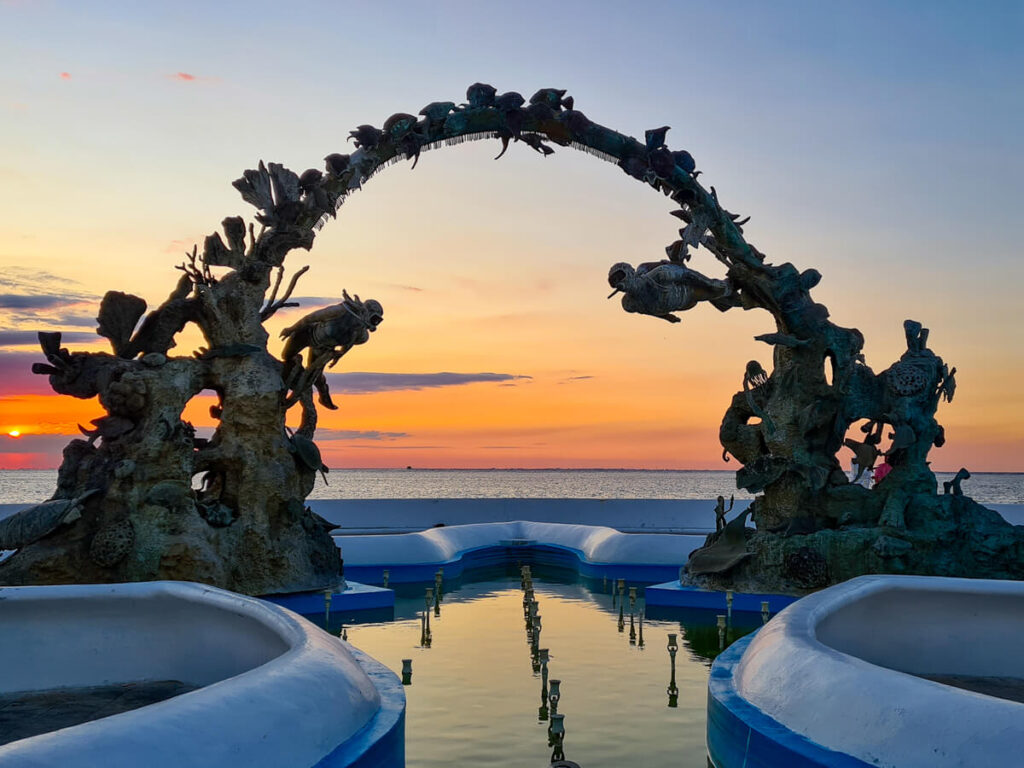
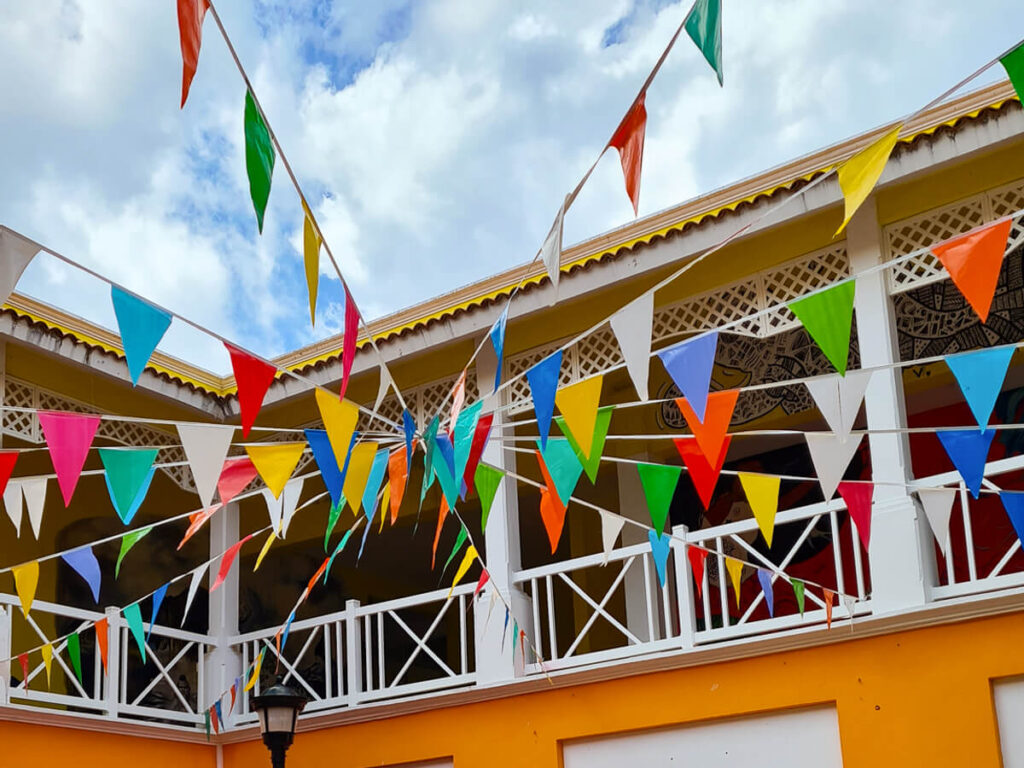
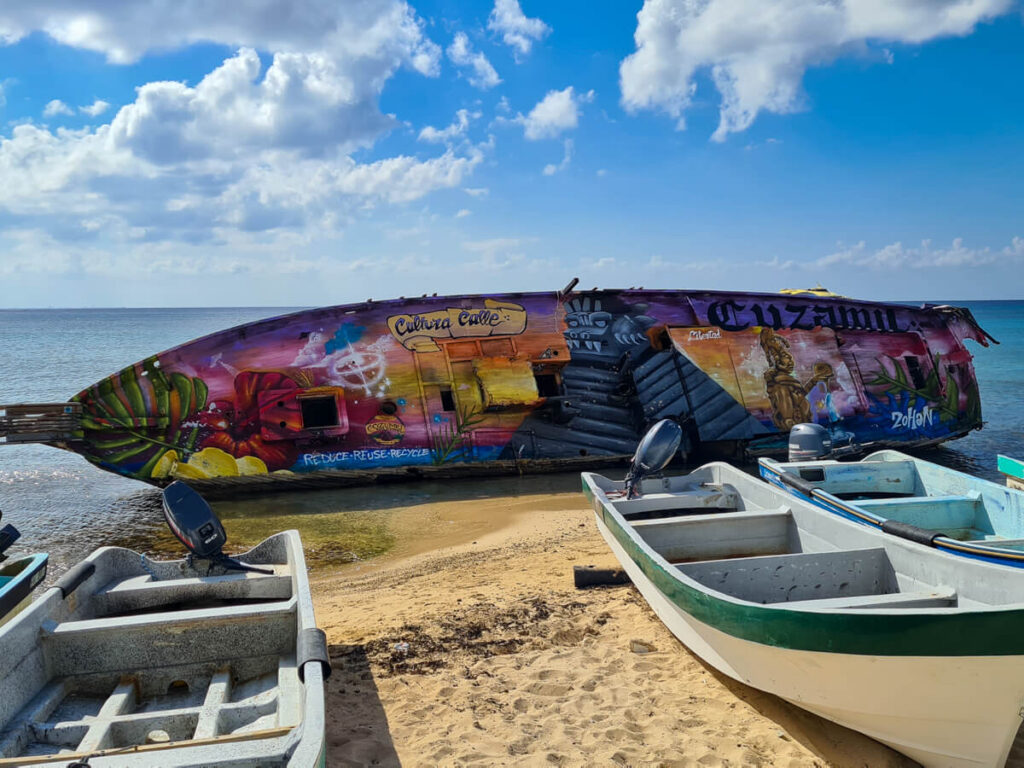
Most visitors, including us, stay around the main town, San Miguel de Cozumel, where you’ll find the main selection of hotels, restaurants, shops, and ferry connections. There are also hotels on Cozumel to the north and south of the town.
You can reach Cozumel by ferry, and the crossing takes around 40 minutes. That means it is a possible day trip, but we really think you need at least a few nights on the island to really experience it. The ferry leaves from Playa del Carmen, which you can reach by car, ADO bus, or the Tren Maya train. There’s also an airport on the island, so flying is another option if you’re coming from elsewhere in Mexico.
3. Isla Holbox – The best island for a beach vacation
Isla Holbox is much quieter and more laidback than some of Mexico’s better-known Caribbean islands. It’s smaller than both Isla Cozumel and Isla Mujeres, with more of a backpacker vibe than resort-heavy focus. It’s a little rugged, but that’s part of the appeal.
The roads around town are mostly sandy, Holbox’s beaches are wide and shallow, and you can get around easily by bicycle, golf cart, or on foot. Holbox isn’t as affected by Sargassum as other islands, so it doesn’t really matter when you visit Mexico’s Yucatán Peninsula.
We particularly liked that you don’t need to spend your whole trip booking activities – there are plenty of things to do on Isla Holbox that you can simply go out and do yourself.
The main beach, Playa Holbox, stretches along the northern side of the island, while Punta Cocos is a quieter spot further west that’s also known for bioluminescence after dark. At the eastern end, Punta Mosquito is a protected area with shallow sandbanks and plenty of birdlife, including flamingos.
Isla Holbox is also one of the main places in Mexico for whale shark tours during the summer months, although sightings are never guaranteed, and we’d recommend choosing an operator that follows responsible wildlife-watching rules. Boat trips are also popular and visit nearby Isla Pasión, Isla Pájaros, and Yalahau Lagoon.

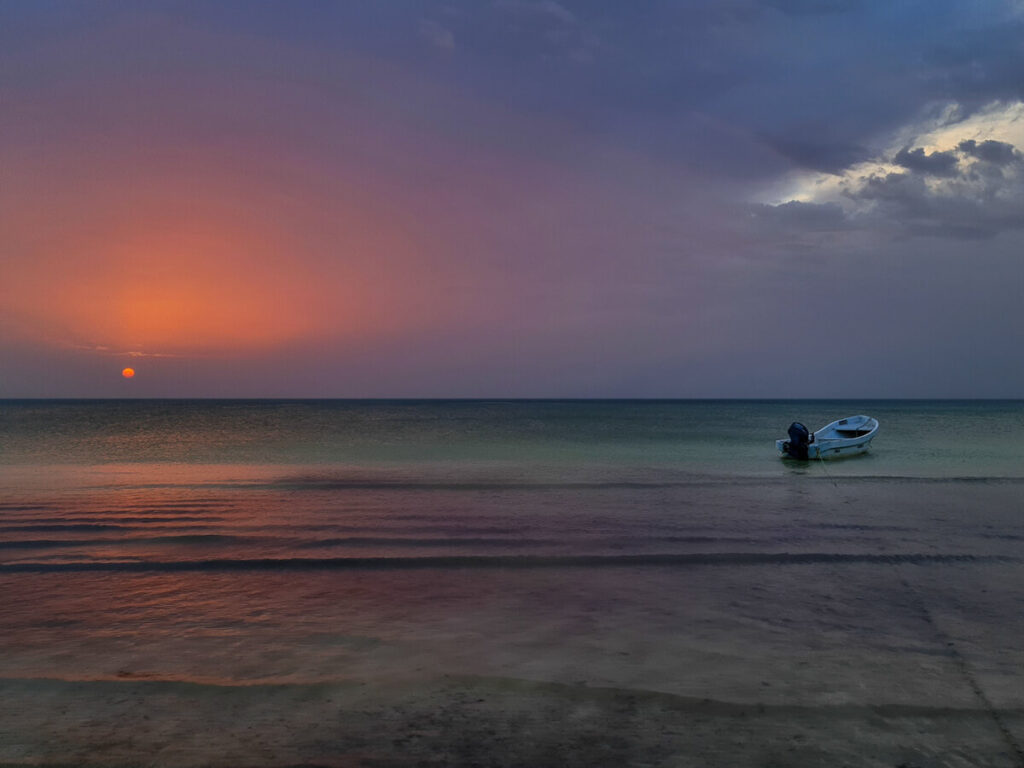
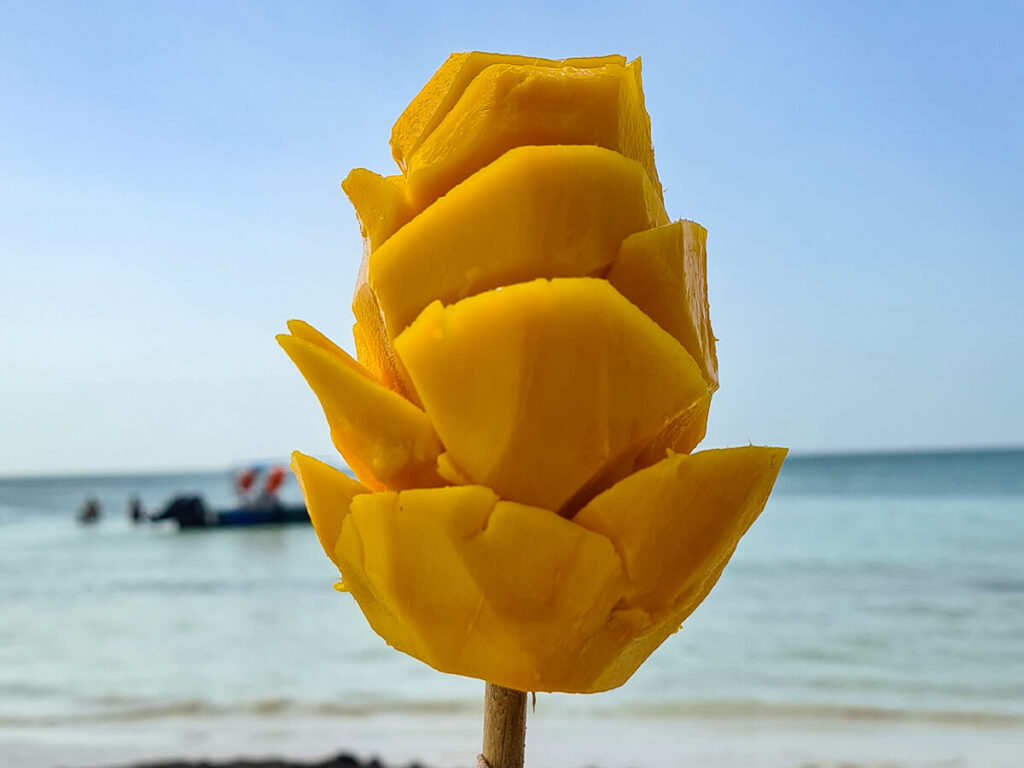

To get to Isla Holbox, you first need to travel to Chiquilá on the mainland, then take the ferry across to the island. The crossing is only 25 minutes, and when you arrive, you’re right in the centre of town, close to the main square and beach.
There are plenty of hotels on Isla Holbox, ranging from local guesthouses around the village to luxury beachfront hotels, so staying for a few nights is easy and there’s something for every budget.
We visited Isla Holbox on our first visit to Mexico after 3.5 months of backpacking, and it was the perfect place to slow down, relax, and enjoy a bit of a holiday, sipping cocktails on the beach.

4. Isla Contoy – The best island for paradise beaches
Isla Contoy is completely different from the other Caribbean islands on this list because it’s protected as a national park and there are no hotels or permanent residents. The island is small, largely covered by mangroves and other vegetation, and is an important nesting and feeding area for birds and marine wildlife. But it’s conveniently one of the best day trips from Cancún.
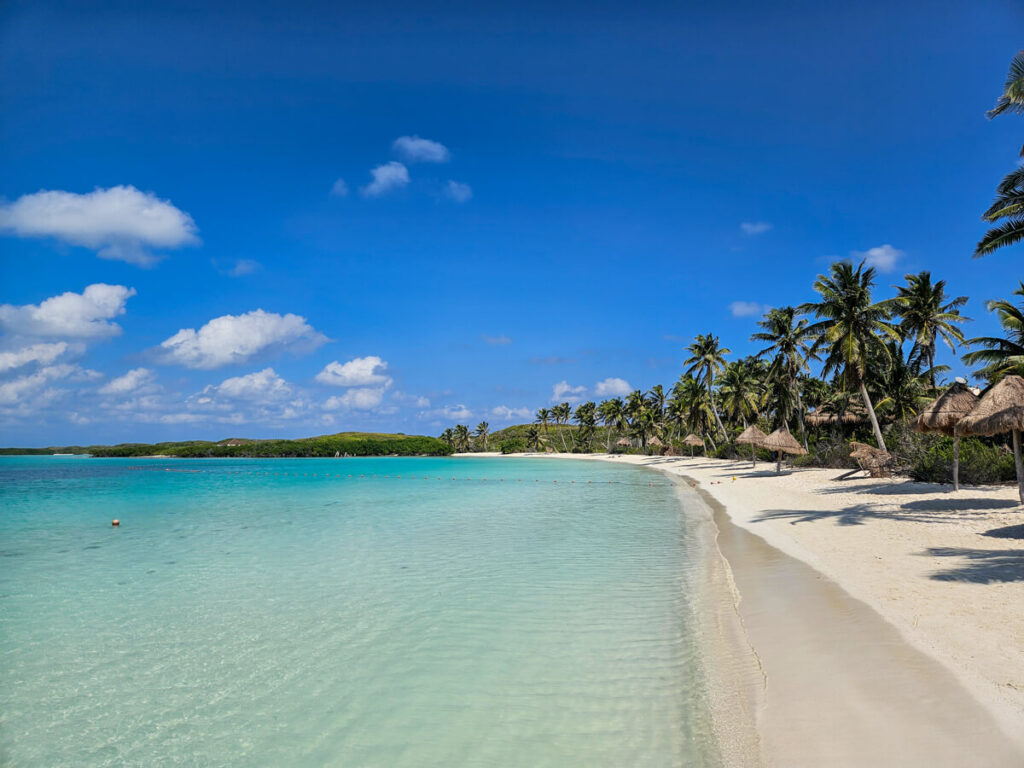
There are several walking trails, which you can explore with a licensed guide, a small visitor centre and museum, an observation tower, and a lighthouse, but the main reason to come is the chance to see the Yucatán wildlife and enjoy its pristine beach without the development you’ll find elsewhere along the Yucatán coast.
More than 150 bird species have been recorded here, and the surrounding waters are also important for sea turtles and other marine life like whale sharks. You’ll see hundreds of frigatebirds circling overhead on the thermals, and some tours will include a snorkel stop on the local reef, which is the very beginning of the Mesoamerican Reef that stretches 625 miles (1000 km) all the way to Honduras, past Belize and Guatemala.

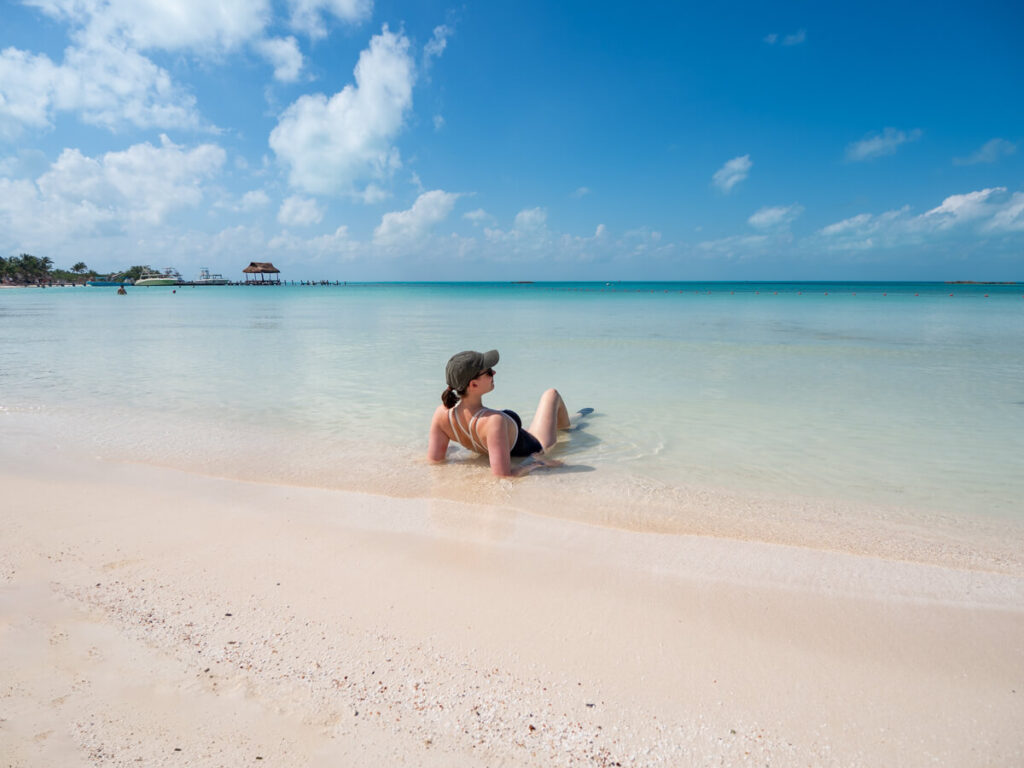
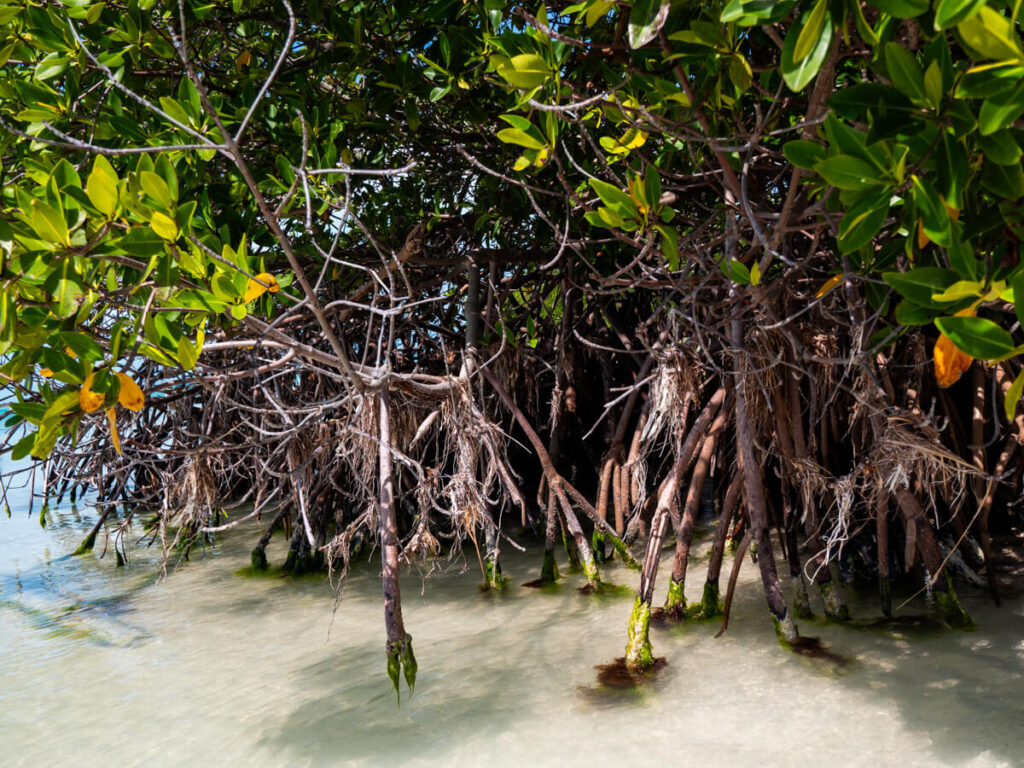
Visits are carefully controlled, with the number of visitors limited each day, so you can’t simply turn up and find somewhere to stay. There are no hotels on the island, so you’ll need to visit as part of an organised boat trip from places like Cancún, Puerto Juárez, or Isla Mujeres.
A popular day out – and the way we visited – is to take a combined Isla Contoy and Isla Mujeres Tour, which we did with local operator Ocean Tours Mexico.
Isla Contoy was easily one of our favourite islands in Mexico – it’s just so beautiful. We’d recommend it if you want somewhere much more natural than the developed Caribbean resorts, but it’s important to remember that this is a protected island rather than a conventional beach destination.
The best islands on Mexico’s west coast
Mexico’s Pacific is known for its rugged coastline and rough seas, but it’s also home to the incredibly diverse Sea of Cortez (also called the Gulf of California). This uniquely protected inlet is home to several islands that feel totally different from those in the Caribbean.
The landscape here is often dry and volcanic, with desert meeting the sea, and wildlife is a much bigger part of the appeal – it’s actually why we visited Mexico in the first place, seeking out encounters we’d seen in nature documentaries. Many of these islands are protected areas, so getting there usually means joining a boat trip rather than simply catching a ferry and exploring independently, and we’d say Baja California Sur is the place to base yourself for a visit to the peninsula.
5. Isla Espíritu Santo – The best island for marine encounters
Isla Espíritu Santo lies off the coast of one of our favourite cities, La Paz, and is one of the most distinctive islands in Mexico. Its volcanic cliffs, red-brown rock, white beaches, and clear blue water create a completely different landscape to anything we’d seen before.
The island and surrounding waters form part of a protected national park, but there is still plenty to do on and around the island. Tours often combine boat trips with snorkelling, kayaking, and wildlife watching.
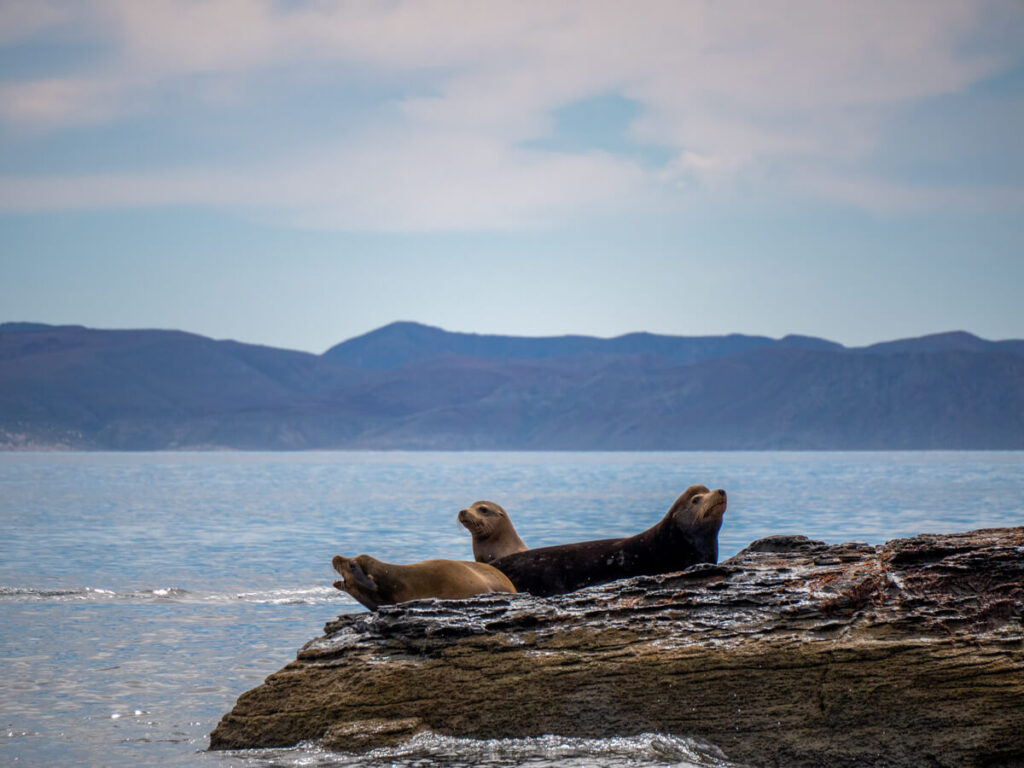
The surrounding waters off the tip of the island’s mini neighbour, Isla Partida, are home to a huge sea lion colony, and you can swim with sea lions on tours with licensed operators. There are also hiking opportunities if you want to spend some time on land, and most tours moor on one of the island’s stunning beaches for lunch.


You can’t drive onto Espíritu Santo or visit independently by ferry – you have to take a boat tour from La Paz. But it’s an incredible day out, and many tours combine Isla Espíritu Santo with a visit to the beautiful Balandra Beach or swimming with whale sharks, which also visit the region.
It’s pretty easy to get to La Paz, which is also the obvious place to stay if you’re planning a trip here. There is a whole range of hotels in La Paz, from budget to boutique options, but for something really special, you can also camp on the island.
6. Isla Coronado – The best island for diverse wildlife
Isla Coronado, sometimes called Coronados, is a small volcanic island and one of the five islands in the Loreto Bay National Park. Its combination of pale sand, turquoise water, dark volcanic rock, and surrounding marine life makes it one of the most photogenic islands in Mexico.
The island is particularly popular for snorkelling, kayaking, swimming, and wildlife watching. Sea lions can be seen around the island – and just like in La Paz, you can swim with them – while the surrounding waters are home to dolphins, turtles, seabirds, and, seasonally, blue whales. We were blown away by the amount of wildlife we saw on a half-day tour, including whales, dolphins, and even blue-footed boobies.
There are also hiking trails on the island, including areas where you can see its volcanic landscape and fossilised reef. Most tours will moor on a beach on the island for lunch.


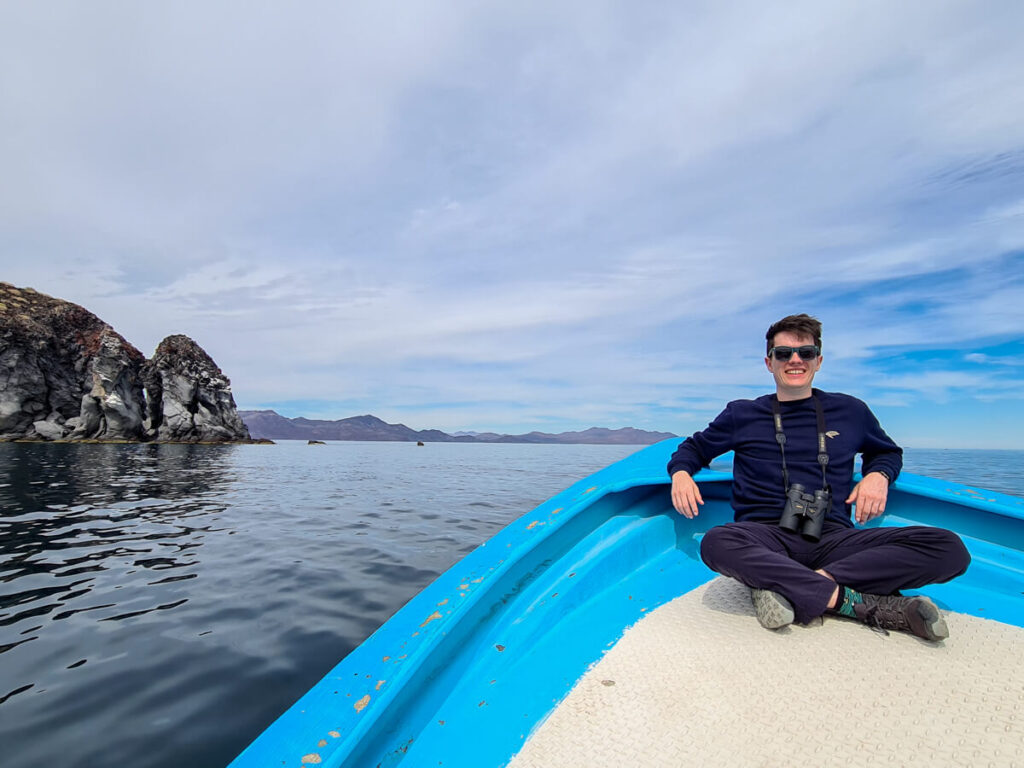

The easiest way to visit is on a boat trip from Loreto, which sits directly beside the national park. There are plenty of hotels in Loreto and some great restaurants, as well as an airport, so you can use it as a base rather than staying on the island itself (which isn’t possible).
Isla Coronado is a great day-trip island, especially if you’re visiting Loreto. But since it’s so much farther north than La Paz and Los Cabos, it’s not necessarily worth going out of your way for, unless you’re super keen to see blue whales, which is why we visited.
7. Isla Magdalena – The best island for whale watching
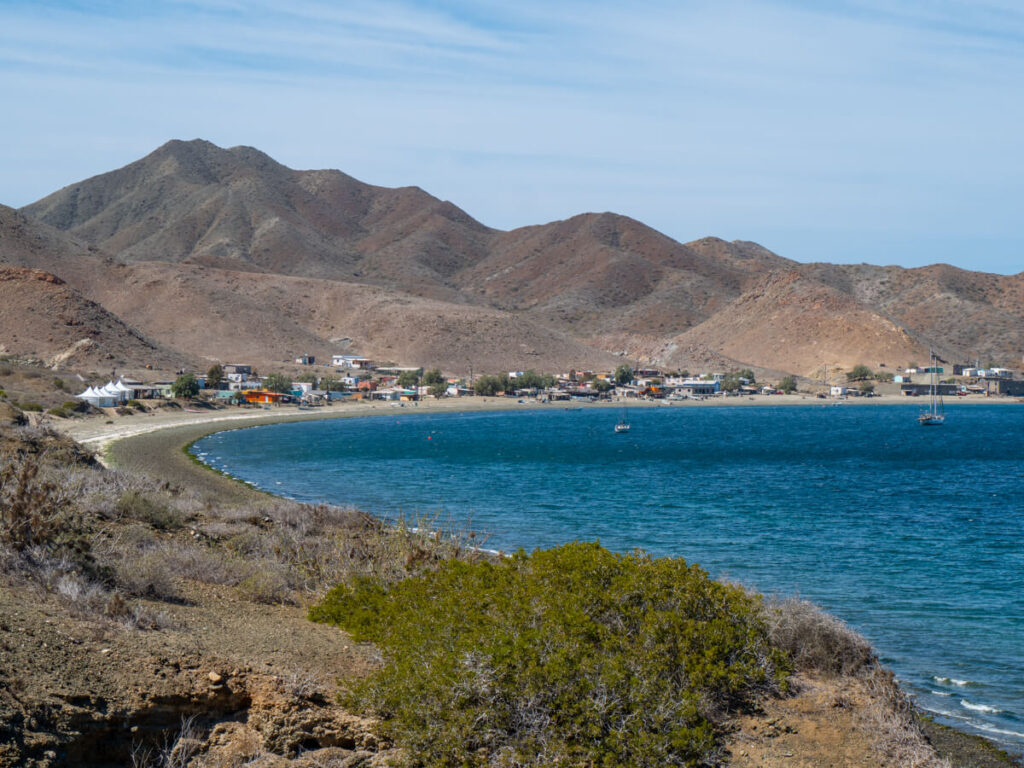
Isla Magdalena is a tiny and desolate island on the edge of Magdalena Bay (Bahía Magdalena) on the Pacific side of Baja California Sur, where a long barrier island protects a huge lagoon system from the open ocean. The landscape is much wilder than the Caribbean islands, with sand dunes, mangroves, beaches, and very little development.
The main reason to come here is the grey whale season. Whales gather in the sheltered waters around Magdalena Bay during winter and early spring, and boat trips from the nearby fishing communities take visitors out to see them. They’re particularly known as being very friendly, and this is the only place in the world where you can experience a phenomenon where whales bring their babies up to the boats for interaction.
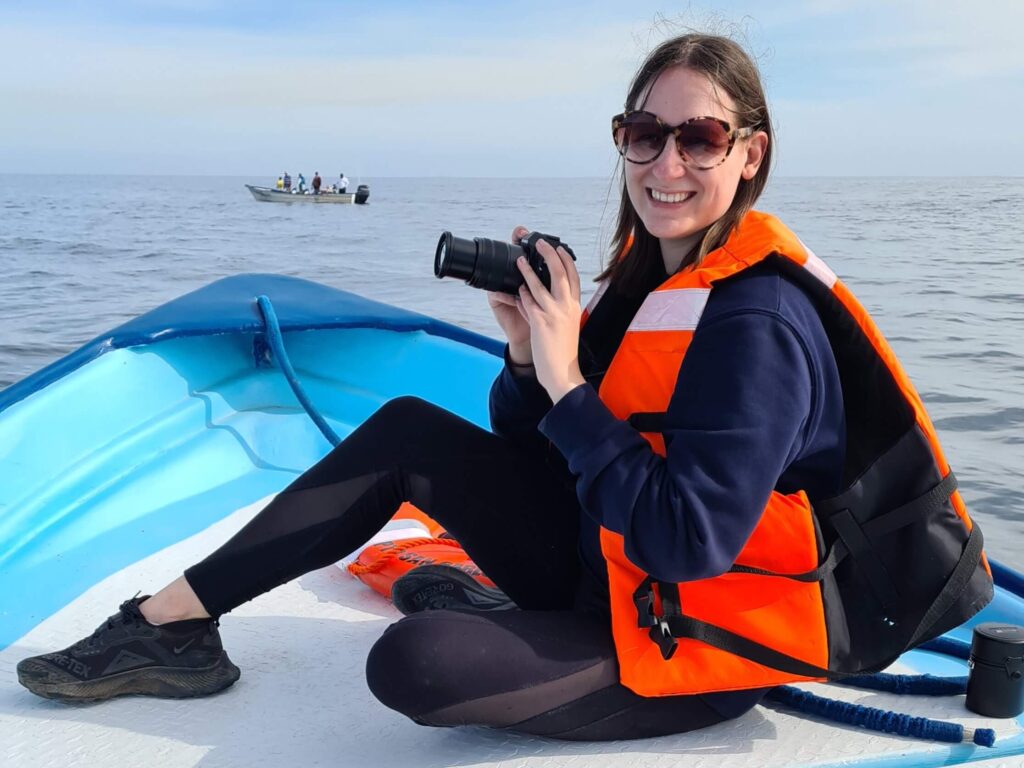

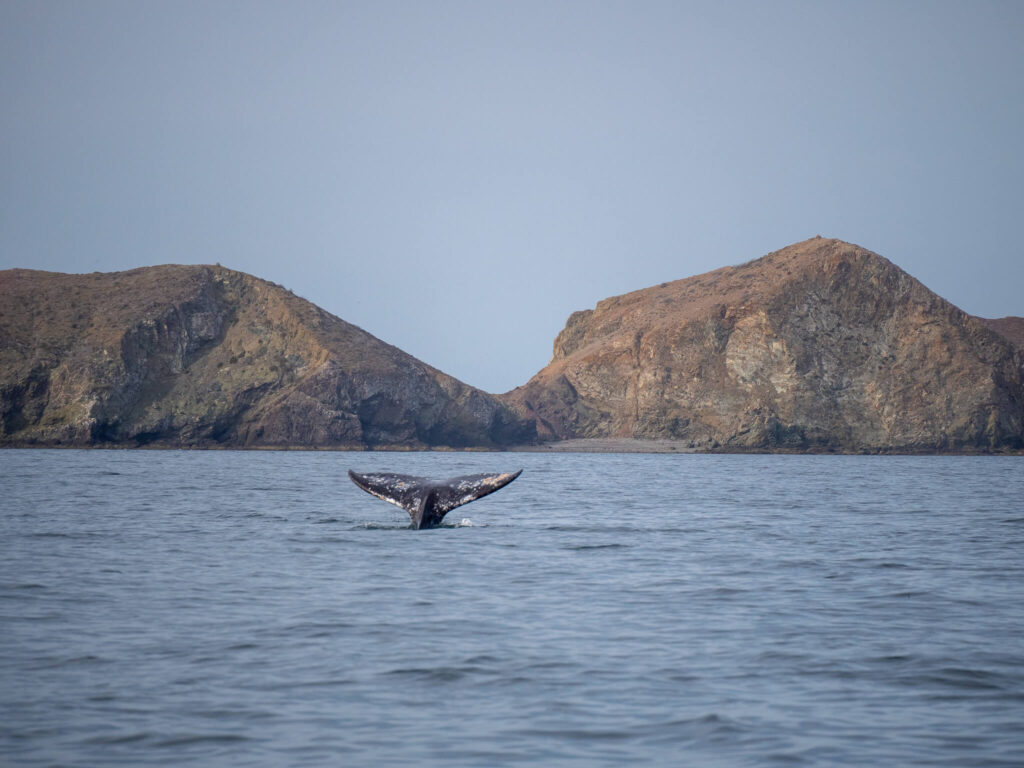

The real highlight, though, is staying in Magdalena Bay Whales Camp – a glamping site on the island where you can sleep in a tent and fall asleep to the sounds of whales in the bay. The trip includes private 5-hour tours to go whale watching, and it’s really like nothing we’ve ever done. The main gateways are Puerto San Carlos and Puerto Adolfo López Mateos, both on the mainland around the bay.
Grey whale watching from the island camp is a real bucket list experience, so it’s not cheap, but if you’re looking for a really unique island experience in Mexico, this is totally worth the splurge.
The area is also home to dolphins, sea lions, seabirds, and other marine life, while kayaking and birdwatching are possible outside whale season. The bay is also home to crazy bait balls, and swimming with them is a popular snorkelling excursion in October-December.
Mexican Islands offshore
Much, much further offshore, Mexico has one island group that’s really in a different category from the others we’ve mentioned. These islands are hundreds of miles from the mainland, with no conventional tourist infrastructure, and are mainly visited by divers on multi-day liveaboard trips.
8. Revillagigedo Islands – The best multi-day trip for serious divers
The Revillagigedo Islands are about as far removed from a conventional Mexican island holiday as you can get. This remote Pacific archipelago consists of four volcanic islands – Socorro, San Benedicto, Roca Partida, and Clarión – surrounded by exceptionally rich marine waters.
The islands are particularly famous among experienced divers for encounters with giant manta rays, sharks, dolphins, turtles, and whales, along with the huge schools of pelagic fish that make these waters so interesting. The islands are protected as part of a large marine reserve and are also a UNESCO World Heritage site, so this is much more about the underwater environment than beaches or sightseeing on land.
There are no hotels or normal tourist facilities on the islands. The only way to visit is on a liveaboard diving trip, usually departing from Baja California Sur. Trips take several days because of the distance involved, with a substantial amount of time spent travelling between the mainland and the islands.
The trips are also incredibly expensive (thousands of dollars per person), so sadly, we’ve not managed to experience this one ourselves yet, but it’s on our bucket list.

Other islands in Mexico we’d love to visit:
There are plenty of other Mexican islands we’d love to explore, particularly some of the more remote protected islands where wildlife and marine life are the main attraction. Here are a few:

What is the best island to visit in Mexico?
The best island to visit in Mexico depends on what you’re looking for and where you’re planning to visit (it’s a huge country!).
Here are our recommendations for different types of trips:

Mexico Islands FAQs
To help you choose which Mexican island to visit, we’ve answered these frequently asked questions.
What are the major islands in Mexico?
Some of Mexico’s best-known islands include Isla Cozumel, Isla Mujeres, and Isla Holbox in the Caribbean, and Isla Espíritu Santo in the Sea of Cortez. The Revillagigedo Islands are another important group, particularly for diving and marine wildlife. Each has a different appeal, from beach holidays and resorts to protected natural areas and remote dive sites.
What are some of the small islands in Mexico?
Mexico has thousands of islands and smaller islets, many of which are protected and uninhabited, but you can still visit. Examples include Isla Contoy near Cancún, the Marietas Islands off Nayarit, Isla Isabel in the Pacific, and islands like Isla Coronado around Loreto in Baja California Sur. Some are easy to visit on a boat trip, while others have restricted access to protect their wildlife.
What is the island off Cancún called?
The best-known island off Cancún is Isla Mujeres, which is reached by ferry from Puerto Juárez and takes around 20 minutes to get to. It’s known for its white-sand beaches, clear turquoise water, restaurants, and snorkelling. Isla Contoy is another island north of Cancún, but it’s a protected national park with limited visitor numbers and can only be visited on an organised boat trip (totally worth it, though!).
What is the name of the little island near Mexico?
If you’re thinking of the small island just off Cancún, it’s probably Isla Mujeres. However, Mexico has many small islands, including Isla Holbox off the northern coast of the Yucatán Peninsula, Isla Contoy near Isla Mujeres, and the Marietas Islands off the mainland Pacific coast, along with numerous islands in the Sea of Cortez. It depends on which part of Mexico you’re looking at.
What is the most beautiful island in Mexico?
Isla Mujeres, Isla Cozumel, and Isla Holbox are considered among the most popular choices for Caribbean beaches and clear water. Out of the three, we think Holbox is the most visually stunning, Mujeres has the best beaches, and Cozumel is the best underwater. But we’d argue the wilder landscapes and marine wildlife around Baja’s islands are even more impressive – Isla Espíritu Santo near La Paz and Isla Coronado near Loreto are strong contenders, with desert and volcanic scenery meeting the sea.
What were our personal favourite islands?
Despite being the most popular island in Mexico, if we’re honest, the Spring Break vibes of Isla Mujeres weren’t for us. We preferred the slow vibes of Isla Holbox and its beaches and the incredible diving off Isla Cozumel. Isla Contoy also pleasantly surprised us – it feels like a slice of protected paradise, and it’s hard to believe it’s so close to Cancún. It’s hard to compare those Caribbean islands to the rugged ones on the Pacific, but we loved Isla Espíritu Santo the most – it helps that combined day trips there are so fun, also offering swimming with whale sharks and sea lions. Isla Coronado was also beautiful, and we loved seeing blue whales, but nothing beats he experience of glamping on Isla Magdalena and being so immersed in the grey whale lagoon.

Read next:
A Traveller’s Guide to Cozumel: Mexico’s Caribbean Island Paradise
A Traveller’s Guide to Isla Holbox: Where to Stay, Eat & Play
Is Isla Mujeres Worth Visiting? Our Honest Answer + Travel Guide
The Best Isla Contoy & Isla Mujeres Combined Tour
How to Visit Isla Contoy National Park from Cancún & Surrounds
How to Visit Isla Espíritu Santo from La Paz
