18 Most Beautiful Atolls and Islands in Belize: Best of the Barrier Reef

Discover Belize’s best cayes to visit along the Barrier Reef, from popular islands to stay on to tiny patches of paradise for snorkelling, diving, and camping.

This post may contain affiliate links, which means we might earn a small commission on anything purchased through these links at no extra cost to you. Learn more on our disclaimer page.
With over 450 cayes (islands) scattered along the Caribbean coastline, it can be tricky to choose which Belizean island to visit. From tiny, uninhabited sandbars to luxury resorts, there are countless paradise islands waiting to be explored. You don’t need to be a millionaire to experience the tropical island lifestyle in Belize. In fact, many of Belize’s best islands are super affordable to stay on and easy to get to from the mainland.
We’ve compiled a list of the most beautiful islands, protected atolls, and marine reserves in the country from north to south, with the top hotels and resorts and best Belize snorkelling and SCUBA diving opportunities in these remote island paradises. We’ve also listed which islands you can stay on, which are best for day trips, and which mainland towns you can base yourself in for a cheaper way to explore these reefs and islands when possible, in this complete guide.
Belize’s islands at a glance

More from the Belize Barrier Reef
About Belize’s Islands
Belize’s islands, known locally as cayes (pronounced “keys”), vary from small and low-lying coral and sand islets to vast reef systems or atolls. Below are a few terms that will help you understand the layout and protection of Belize’s island ecosystems:

Where are Belize’s islands?
Belize’s islands are located off the country’s eastern coastline in the Caribbean Sea, extending from the Yucatán Peninsula in Mexico down to the southern border with Guatemala. Most lie within the Belize Barrier Reef system, about 6-25 miles (10-40 km) offshore.
We’d been to some of Mexico’s most beautiful islands, but we were blown away by the sheer beauty of Belize’s cayes.
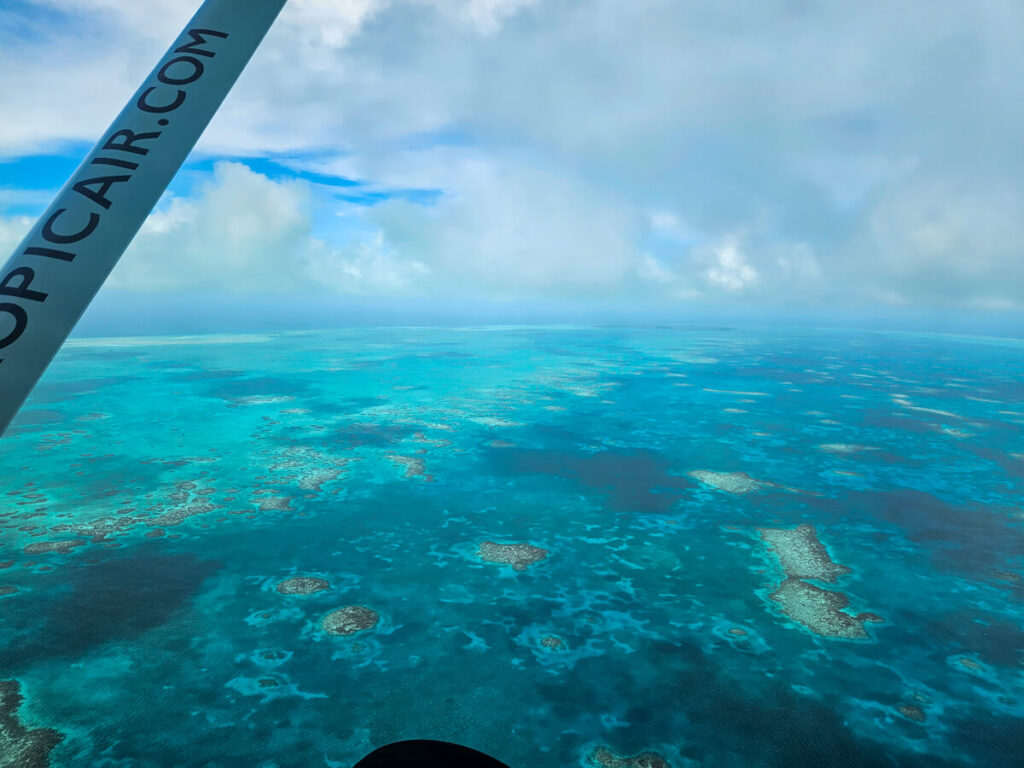
Popular clusters include the Northern Cayes (like Ambergris Caye and Caye Caulker), Southern Cayes (like Tobacco Caye and South Water Caye), and three atolls further out at sea.
Belize’s islands are usually only accessible by boat, with some larger islands supporting domestic flights into tiny airstrips.

Map of Belize’s Best Islands
We’ve pinned the top cayes in Belize on the interactive map below.
Why visit Belize’s islands?
Belize’s islands are famous for their turquoise waters, colourful coral reefs, white-sand beaches, and abundant marine life. They’re perfect for snorkelling, diving, kayaking, and simply escaping everyday life. You can experience authentic coastal communities, enjoy fresh seafood, and fall asleep to the sound of waves lapping on the shore. The islands’ proximity to some of Belize’s best protected areas makes them especially appealing to nature and wildlife lovers.

The Belize Barrier Reef
Belize is home to a rich array of marine ecosystems, thanks largely to its location along the Mesoamerican Barrier Reef System, which extends 625 miles (1000 km), all the way from Mexico to Honduras. A UNESCO World Heritage site, it is the second-largest barrier reef in the world, after Australia’s Great Barrier Reef.
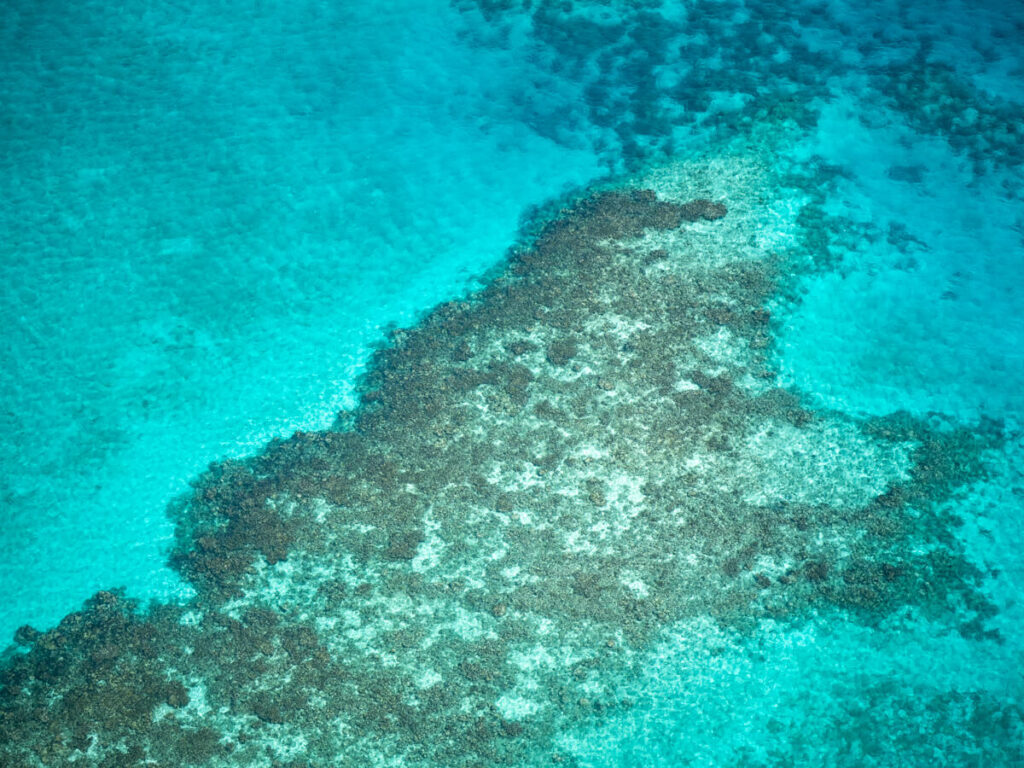
The Belize Barrier Reef is part of this reef system, stretching 180 miles (290 km) along the coast and supporting more than 500 species of fish and 100 types of coral. The reef acts as a natural barrier, protecting the islands and mainland from storms and coastal erosion. It’s also a global hotspot for marine biodiversity. Many of Belize’s islands sit directly along or near the reef.

Belize’s Atolls
Belize is geologically and ecologically unique because it is home to three of only four true coral atolls in the Western Hemisphere.
These atolls are large, ring-shaped reef formations that surround a central lagoon, typically formed on submerged volcanic or limestone foundations. Most atolls are found in warm, tropical parts of the ocean, and Belize’s atolls are some of the most beautiful places in Belize.
Many of Belize’s best islands lie in these atolls – but not all of them. Many other islands are scattered throughout the coastal zone and inner reef lagoon, and while they may not be within officially designated zones, they still play important ecological, cultural, and economic roles.
Belize’s three atolls are:
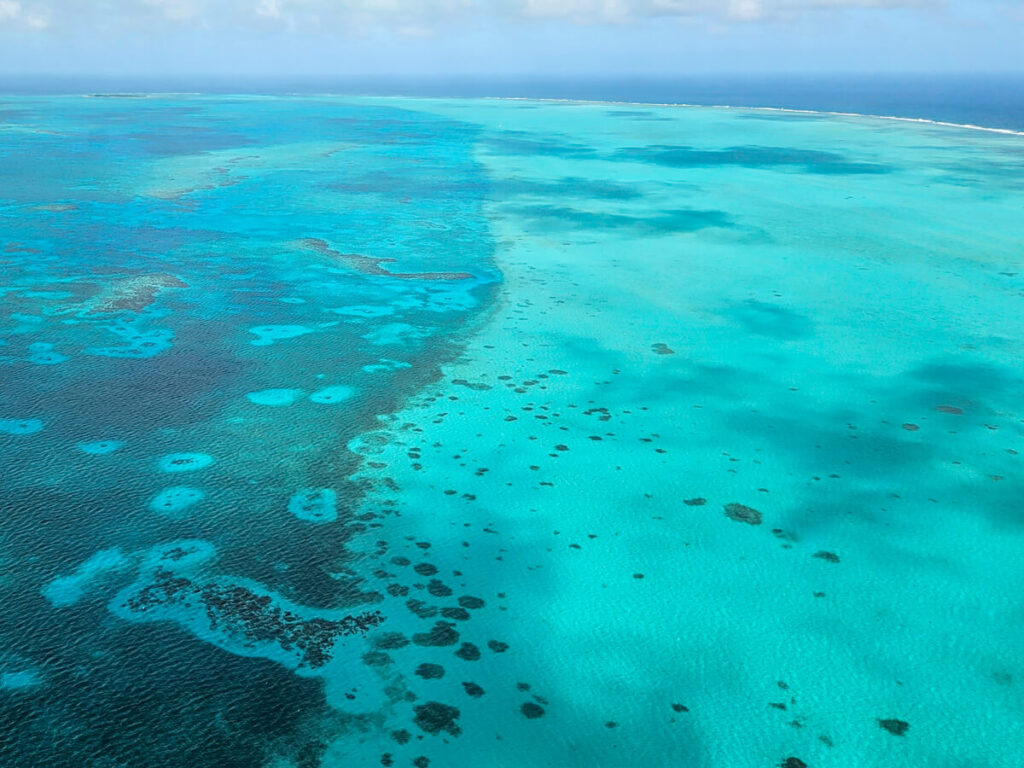
1. Lighthouse Reef Atoll
Lighthouse Reef is the most well-known atoll in Belize, as it’s the home of the Great Blue Hole, a UNESCO World Heritage site and one of the most famous dive sites in the world.
This atoll is more remote and pristine than others, located about 50 miles (80 km) southeast of Belize City, with stunning coral formations, wall dives, and abundant marine biodiversity. It includes Half Moon Caye, a nesting site for red-footed boobies and Belize’s first marine protected area.
The islands in Lighthouse Reef Atoll include:
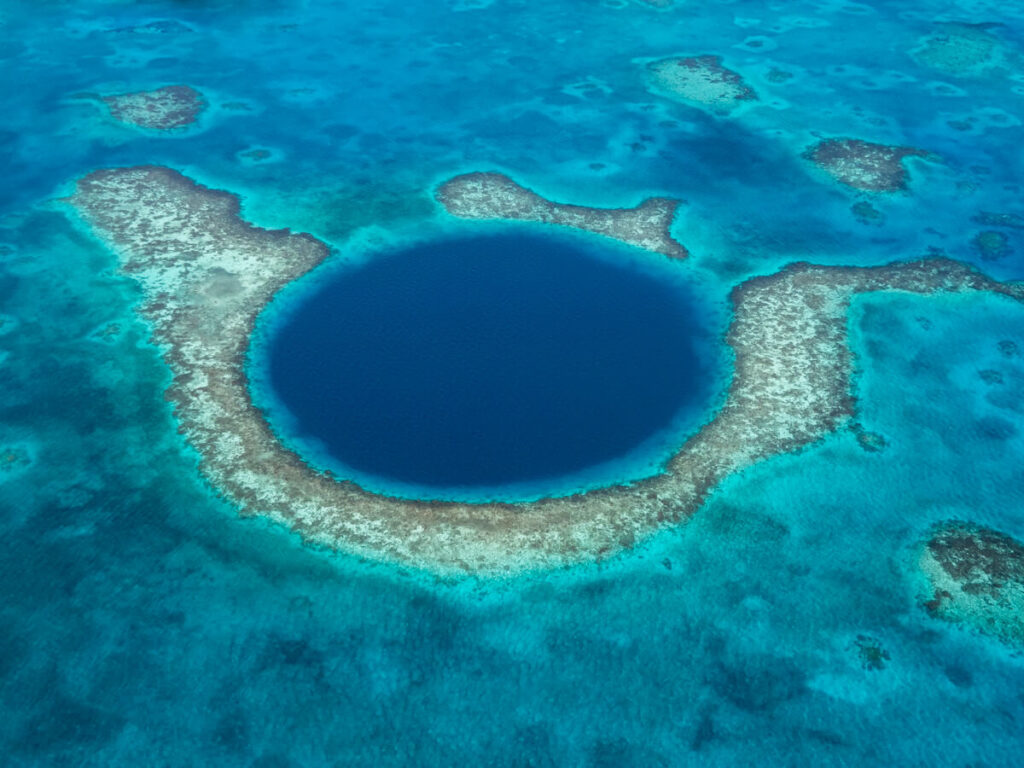
2. Turneffe Atoll
Turneffe Atoll is the largest and most biologically diverse of Belize’s atolls, stretching about 30 miles (48 km) long and 10 miles (16 km) wide. It’s home to over 150 mangrove islands, lagoons, patch reefs, and deeper channels.
The atoll supports a rich array of marine life, including dolphins, manatees, sea turtles, and hundreds of fish species. Turneffe is also a crucial nursery for reef fish and a hotspot for fly-fishing and scuba diving. In 2012, it was declared a marine reserve to support conservation and eco-tourism, making it a hotspot for fly-fishing and SCUBA diving.

3. Glover’s Reef Atoll
Glover’s Reef Atoll is another UNESCO World Heritage site and a designated marine reserve, known for its spectacular underwater scenery and well-preserved reef ecosystems. It’s a nearly perfect oval-shaped reef, featuring a large, shallow lagoon filled with over 800 patch reefs and surrounded by a nearly continuous reef wall.
This atoll is the least visited, offering a more off-grid experience ideal for snorkelling, kayaking, and scientific research. Glover’s Reef is an important site for reef monitoring and sustainable tourism, with small eco-lodges and research stations dotting its cayes.
Key islands in Glover’s Reef Atoll include:
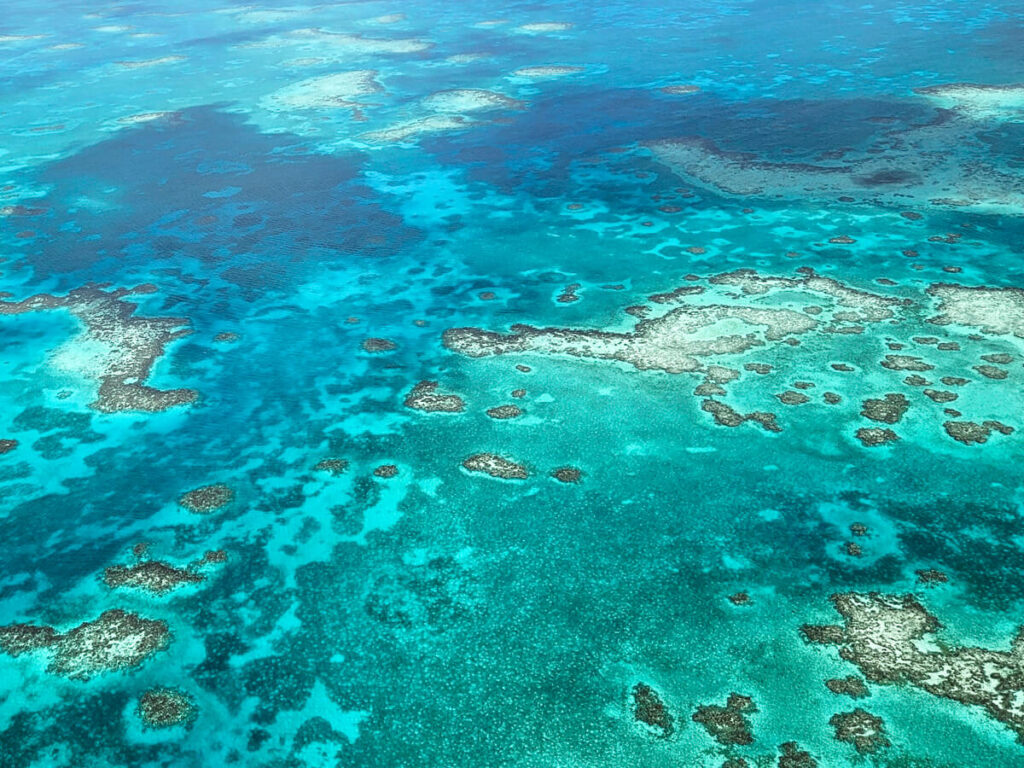
The best islands in Belize
Belize has over 450 cayes, mostly coral or mangrove islands along the reef. These islands range from developed communities and private luxury resorts to national parks and off-limits protected areas. Accommodations can be anything from rustic guesthouses and eco-lodges to boutique hotels and upscale villas, so there’s something for every preference and budget.
There are three types of islands in Belize:
We’ve listed the best islands in Belize below, including how to visit them, where to stay, and what to do.

1. Ambergris Caye
Ambergris Caye is Belize’s largest and most developed island in Belize, with its central town of San Pedro being a popular vacation destination. It’s known as a lively island, with a mix of nightlife, resorts, restaurants, beach bars, and easy reef access, making it popular with divers and snorkellers. You can snorkel at Hol Chan Marine Reserve and Shark Ray Alley, SCUBA dive the Blue Hole or take a scenic flight over it, and enjoy snorkelling, diving, and kayaking on local reefs.
Ambergris Caye is the most accessible island with frequent flights to its domestic airport and water taxis available from Caye Caulker, Belize City, and an international ferry from Chetumal in Mexico. The main way to get around is by renting a golf cart in San Pedro, allowing you to explore the island and reach highlights like Secret Beach.

2. Caye Caulker
Caye Caulker is a relaxed, backpacker-friendly island that is popular with younger travellers and budget-conscious adventurers. Its motto is ‘Go Slow’, and the vibe encompasses it. The island is divided by ‘The Split’, a popular swimming spot between the two halves of the island, with beach bars and great views.
Snorkelling in Caye Caulker is excellent, with the possibility to visit Hol Chan Marine Reserve and swim with manatees in Caye Caulker Marine Reserve. You can also take a scenic flight over the Blue Hole from here, chill out at beach bars, and enjoy activities like yoga and kayaking.
Caye Caulker is a short flight or boat ride from Belize City or San Pedro, and you can also transfer here from the water taxi from Chetumal.

3. Half Moon Caye
This protected island is part of Lighthouse Reef Atoll and is known for its seabird colonies and dramatic dive walls. It’s home to the Red-footed Booby Bird Sanctuary, a UNESCO World Heritage site, making it popular with birdwatchers.
Most people visit on day trips while diving the Blue Hole, and many claim the diving off the island is actually better than the hole itself. You can camp overnight with permission or stop over as part of a multi-day tour, but many Blue Hole tours also stop off here for lunch.
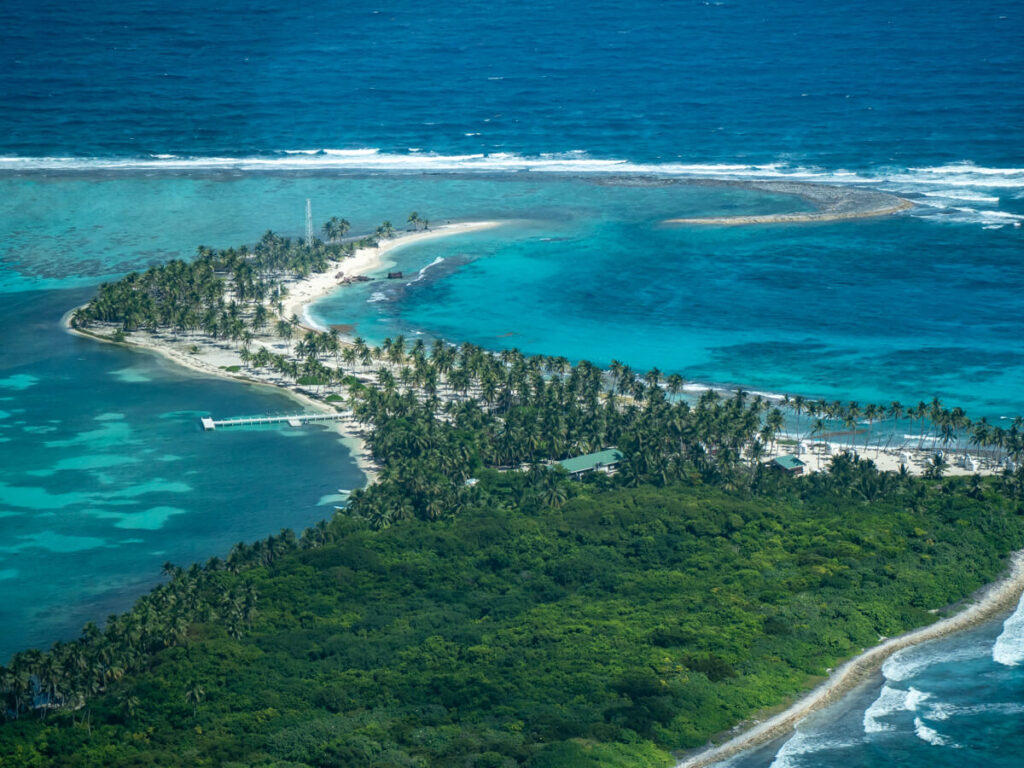
4. Rendezvous Caye
Tiny and picture-perfect, Rendezvous Caye is often visited on day tours from cruise ships, private charters, or as part of a multi-day sailing tour. It’s ideal for snorkelling, picnicking, and simply lounging on the beach. Though it has minimal infrastructure, its white sands and clear waters make it a worthy stop.
Overnight camping is permitted by pre-arrangement, and we enjoyed a gorgeous evening here under the stars as part of a sailing tour of the Belize Barrier Reef with Ragga Sailing Adventures.

5. St George’s Caye
Just 20 minutes from Belize City, St George’s Caye offers a mix of history, seclusion, and direct reef access. It’s known for its colonial legacy and tranquil setting. The island hosts a handful of small resorts and is ideal for relaxing vacation activities like kayaking, snorkelling, and paddleboarding.
St George’s Caye is most commonly visited on a day trip, but you can also stay overnight in the resort of the same name. It’s quiet and uncrowded, perfect for couples and solo travellers seeking a peaceful but convenient getaway.

6. Goff’s Caye
Goff’s Caye is a popular day-trip destination due to its short boat ride from Belize City. It’s small and undeveloped, offering pristine beaches and shallow snorkelling just offshore. Often busy with cruise passengers, mornings or late afternoons are the best time to visit for fewer crowds. It’s a good introduction to Belize’s cayes if you’re short on time or money, since it’s so accessible from the mainland. Facilities are limited, so bring everything you need for the day with you.

7. Tobacco Caye
Tobacco Caye is a tiny island located inside the South Water Caye Marine Reserve, known for its budget-friendly, colourful overwater cabañas and great shore snorkelling. You can relax in the calm waters, watch stingrays and eagle rays glide in the shallows, or swing in a hammock under the palm trees. The community is small and friendly, with a handful of family-run guesthouses, making it popular with backpackers and those seeking a peaceful retreat.
You can reach Tobacco Caye by boat from Dangriga, which takes 30-40 minutes, depending on the weather and sea conditions, or stop here as part of a multi-day sailing tour.
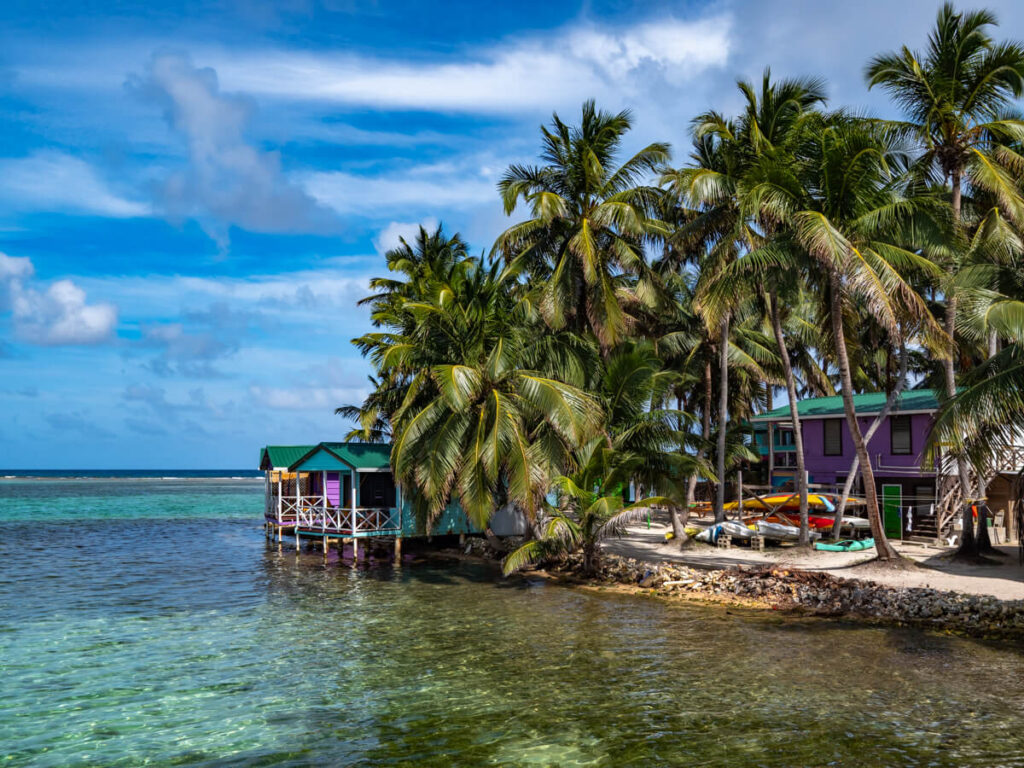
8. Thatch Caye
Thatch Caye is a private island resort focused on eco-luxury and sustainability. It’s known for its bungalows with 180-degree sea views and is perfect for honeymooners or couples looking for all-inclusive relaxation near the mainland. Surrounded by coral flats and mangroves, it offers kayaking, snorkelling, and fly-fishing just offshore. The resort is solar-powered and off-grid, giving you that remote but comfortable castaway vibe. Transfers can be arranged through the resort from Placencia, Hopkins, or Dangriga.

9. South Water Caye
The beautiful South Water Caye sits right on the Barrier Reef in a protected reserve of the same name. It offers some of the best snorkelling in Belize, with resorts like Pelican Beach and Blue Marlin offering accommodation on the island, with eco initiatives like solar power. You can snorkel, birdwatch, or simply relax with ocean views on the sandy shores, as the island is home to some of the most beautiful beaches in Belize.
The island is also home to the Smithsonian’s Carrie Bow Caye research station, where you can learn more about local flora and fauna. South Water Caye is easily accessible via boat from nearby towns like Placencia, Hopkins, and Dangriga.

10. Long Caye
Part of Glover’s Reef Atoll, a UNESCO World Heritage site, Long Caye is one of the main islands in the Glover’s Reef Marine Reserve, along with Northeast Caye, Middle Caye, and Southwest Caye. It offers exceptional snorkelling and diving right from shore, with plenty of opportunities to spot local marine life. Some of Belize’s best activities can also be done here, including kayaking, paddleboarding, and guided reef tours.
There is one hotel on the island, Off The Wall Dive Center and Resort, but you can also stay on nearby islands like Glover’s Atoll Resort on Southwest Caye, which is known for its overwater bungalows, and the private island; Manta Island Resort.

11. Silk Cayes
The Silk Cayes are small, sandy islets in the Gladden Spit Marine Reserve. They are popular for day trips to snorkel and SCUBA dive with turtles, stingrays, nurse sharks, and (seasonally and very occasionally) whale sharks. There’s little infrastructure, which helps keep them pristine, but many tours dock on the sand for a lunch of local cuisine such as barbecued meats, rice and beans, and potato salad.
Silk Caye snorkel tours typically leave from Placencia or Hopkins, and the boat ride takes about 45 minutes to an hour, depending on the day’s weather.

12. Gladden Caye
This luxury private island near Placencia is a diver’s haven and ideal for groups of ocean lovers or honeymooners. It offers a secluded villa with full service and unmatched privacy. Guests have access to nearby reef systems, including Gladden Spit, where whale shark sightings are rare but possible in season. It’s high-end and exclusive, combining comfort and nature, perfect for those seeking a remote island escape.

13. Rhythm Reef Caye
Rhythm Reef is a lesser-known, private island off Placencia, offering boutique stays or day use. It was previously owned by Ringo Starr of The Beatles, which is where its name came from. It’s surrounded by vivid coral reefs and is great for snorkelling, kayaking, and enjoying peaceful island life. You’ll find hammocks, clear water, and a chill vibe here, with an off-the-beaten-path vibe.

14. Moho Caye
Moho Caye is a picturesque, uninhabited island south of Placencia and a great budget-friendly option. Located on the fringe of the Laughing Bird Caye National Park, it’s known for white sand beaches and rich marine life just offshore. Often visited on boat tours or private charters, it’s great for snorkelling and beach days and is popular with locals and backpackers alike. There are no permanent facilities on the island, but you can camp on the island overnight after an easy 45-minute boat ride.
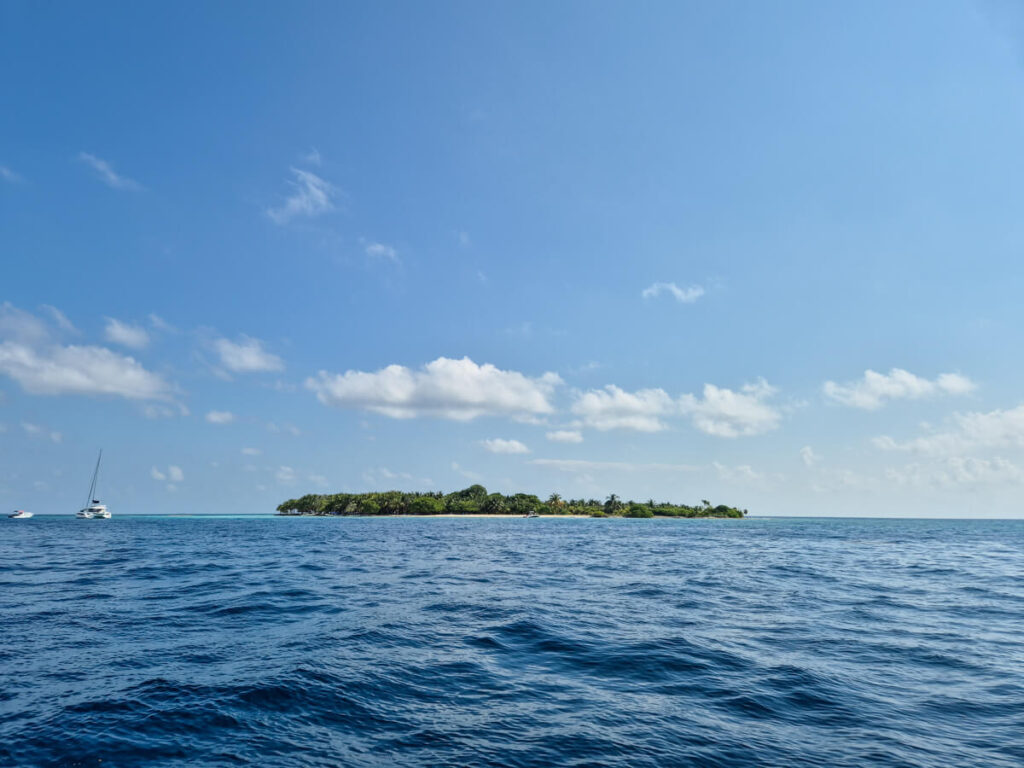
15. Ray Caye
Moho Caye’s twin island, Ray Caye is like the more sophisticated big sister. A small, upscale island resort focused on sustainability and comfort, Ray Caye is located near Gladden Spit and offers direct access to diving and snorkelling. The resort features modern amenities, fresh cuisine, and private beaches and is a great base for marine tours or romantic getaways. It’s ideal for travellers seeking eco-friendly luxury and an island that’s a bit more fancy. And yes, that is a slide that goes straight into the sea!
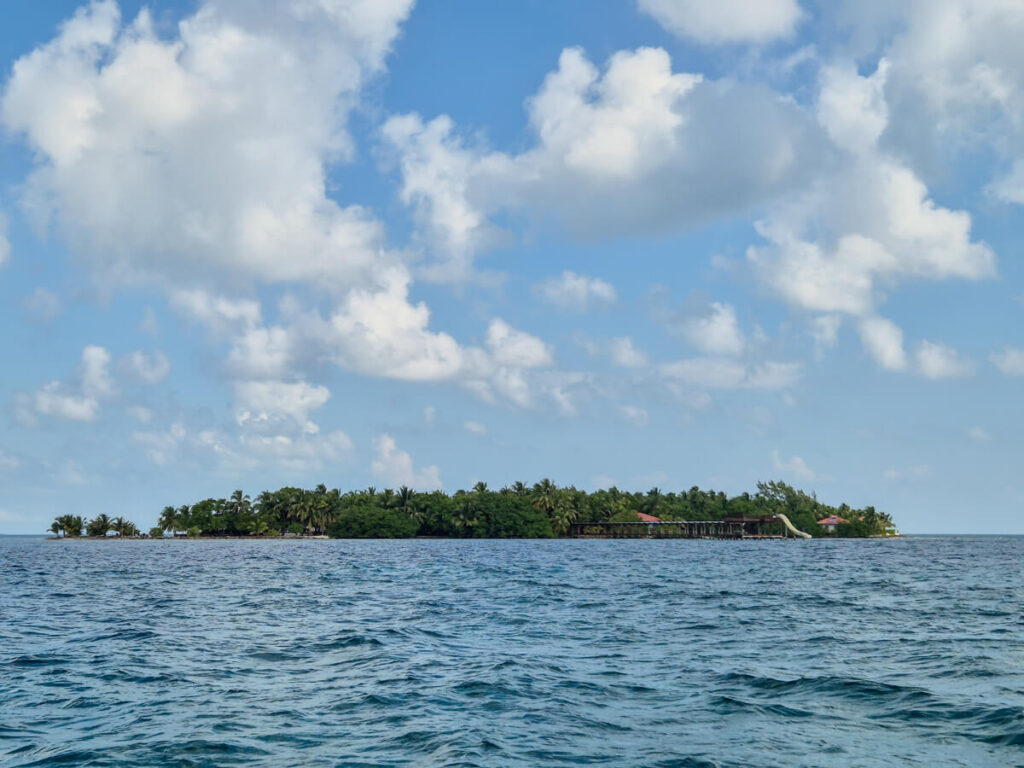
16. Laughing Bird Caye
A national park and UNESCO World Heritage site, Laughing Bird Caye is famous for its biodiversity and snorkelling. Located near Placencia, it’s a protected area ideal for guided reef tours, whether it’s snorkelling or diving. It’s named after the laughing gulls that once nested here, and the island has minimal infrastructure and palm-tree-lined shores.
You can’t stay overnight, but it’s a top-rated day trip, allowing you to experience shallow reefs with healthy corals and a range of marine animals. For something truly unique, you can volunteer at a marine conservation programme, Reef Conservation International (ReefCI).

17. East Snake Caye
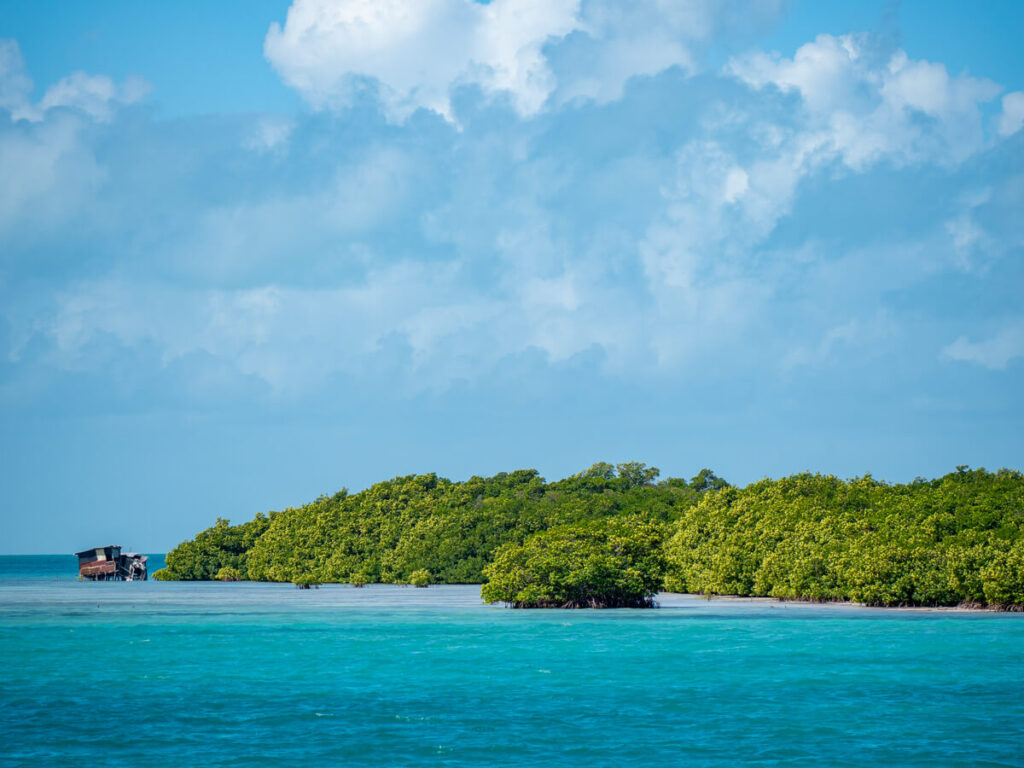
Part of the Port Honduras Marine Reserve, East Snake Caye is remote and rarely visited. It offers pristine mangroves, reef flats, and a wild feel. Access is by private boat from Punta Gorda or with a licensed guide; it’s perfect for experienced kayakers or adventurous snorkellers who like to leave the beaten path.
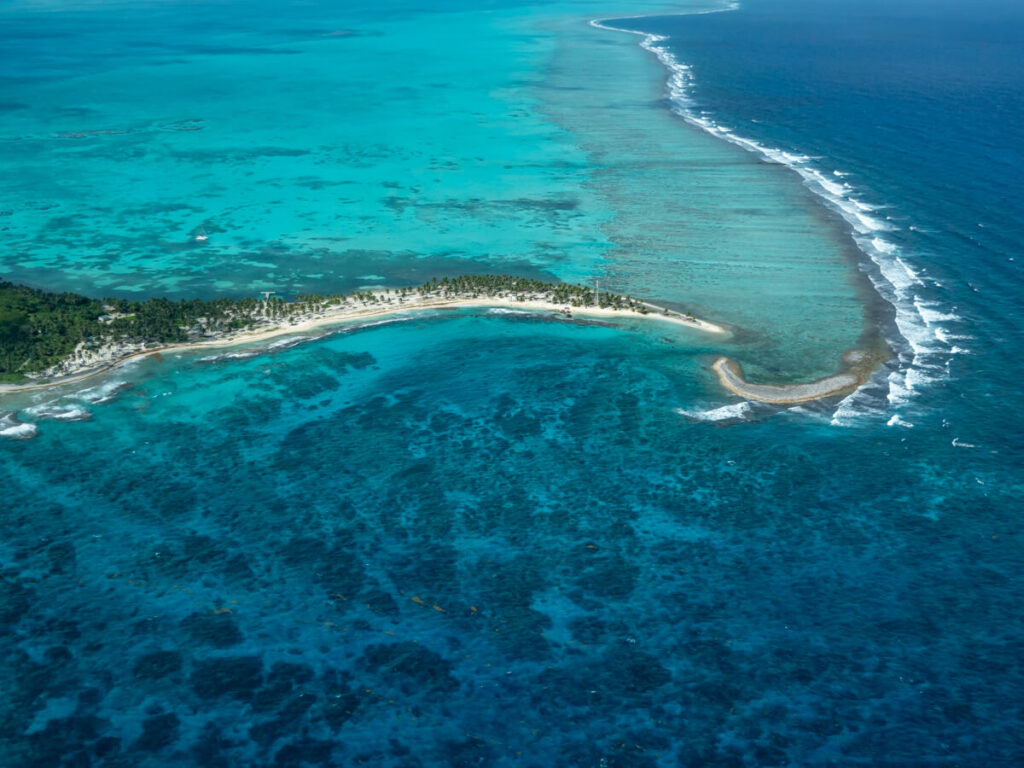
18. Sapodilla Cayes
Located in southern Belize, the Sapodilla Cayes are remote and beautiful, near the Guatemalan border. The islands are part of a marine reserve of the same name and offer incredible snorkelling and diving. A few islands have rustic camping or cabins that you can stay in, too. They’re accessible by long boat rides from Punta Gorda and receive far fewer visitors than other islands on this list, thanks to their southerly location.

When to visit Belize’s islands
The best time to visit Belize’s islands is during the dry season, from December to May, when skies are clear and seas are calm. This period is best for snorkelling and diving with good visibility and warm temperatures. This is also the peak season, meaning some islands can feel crowded and accommodation can be fully booked, so it’s important to book tours and hotels well in advance. March to June is prime time for whale shark sightings in the south, although very rare nowadays as the population has dwindled.
June to November is the rainy season, with higher humidity and occasional storms, but still plenty of sunshine. Showers usually take place in the afternoon and don’t last all day. August to October is hurricane season, and sees more unpredictable weather patterns, causing cancellations and delays to transfers and tours. However, this is also the low season, meaning fewer crowds and lower prices, which can attract budget-conscious travellers.
How long to spend on Belize’s islands
To truly enjoy both relaxation and reef activities, plan to spend at least 2 to 4 days on each island. If you’re staying on more remote islands that require longer boat transfers (like out in the atolls), consider staying 5 to 7 days to make the journey worthwhile.
Many travellers choose to island hop Belize, splitting their stay between multiple cayes – for example, a few days on Ambergris Caye followed by time on a quieter island like Caye Caulker or Tobacco Caye.
Pairing an island trip with inland adventures such as cave tubing, Mayan ruins, or jungle lodges offers the best of both worlds. Placencia is a great place to base yourself for both access to islands like the Silk and Laughing Bird Cayes and mainland excursions.

Are Belize’s islands expensive?
Belize’s islands cater to a wide range of budgets, from backpacker-friendly options to private island luxury. Places like Caye Caulker and Tobacco Caye offer budget accommodations, local restaurants, and affordable snorkel tours.
More developed islands like Ambergris Caye or more remote cayes like those in the atolls or the south can be more expensive, both to get to and to stay on.
At the most luxurious end of the spectrum, islands like Ray Caye, Manta Island, or Gladden Private Island provide high-end, all-inclusive experiences with exclusive amenities and privacy and a high price tag to match.
Be aware that meals, boat transfers, and gear rentals can add to your costs, especially on remote cayes without local shops. Some islands require you to pay a small fee to enter a national park or protected marine reserve. It is usually included in your accommodation or tour, but it’s best to check.
Camping and rustic lodges on smaller cayes can cost as little as $25-50 USD per night, especially if you’re bringing your own gear or staying in basic beach cabins. Mid-range eco-lodges and guesthouses generally range from $75-200 USD per night, offering comfortable rooms, meals, and snorkel access while maintaining a local or sustainable ethos. At the top end, private island resorts can cost anywhere from $400 to over $3,000 USD per night, depending on exclusivity, amenities, and whether the stay is all-inclusive.
To save money, you could stay on the mainland and take day trips to nearby cayes – a popular strategy for budget-conscious travellers. Belize City, Dangriga, Hopkins, and Placencia are the best coastal towns with access to numerous islands.
Basic snorkelling trips from places like Caye Caulker or San Pedro to nearby sites such as Hol Chan Marine Reserve or Shark Ray Alley typically cost $60-120 USD per person. Full-day excursions to more remote cayes, like Silk Cayes, South Water Caye, or Laughing Bird Caye, from places like Hopkins and Placencia usually range from $100-200 USD, often including lunch, gear rental, and marine reserve fees. SCUBA diving day trips or whale shark tours typically cost more, at around $150-250 USD, depending on the number of dives and distance travelled. Private boat charters and luxury island-hopping tours are also available and can run $300+ USD per group.

Are Belize’s islands worth visiting?
Without question, Belize’s islands are absolutely worth visiting. They offer crystal-clear waters like very few other places in Central America, stunning sandy shores, a wealth of marine life, and unique Caribbean culture. Unlike many overdeveloped destinations, Belize’s cayes remain low-key, making them ideal for those who seek meaningful and authentic experiences. Many islands are part of marine reserves or protected areas, so your trip supports conservation efforts, and you can learn more about Belize’s vital ecosystems and their inhabitants during your stay.
That said, it’s always important to do your research, so you’re not disappointed. While images of white sandy beaches are common in Caribbean promotions, many of Belize’s islands don’t have expansive sandy beaches – some are rocky, mangrove-lined, or fringed with coral rubble. Choosing an island that aligns with your budget, interests, and comfort level, whether it’s diving and snorkelling, camping in rustic surroundings, or lapping up the luxury, will shape your overall experience. Don’t expect an upscale experience at one of the budget islands.
With immediate access to the Belize Barrier Reef, some of the best snorkelling and diving in the world, and a whole range of islands for every personal taste and budget, visiting an island or two (or three or more!) is a great way to experience that famous castaway feeling during your time in Belize.

What to pack to visit Belize’s islands
To ensure a smooth and enjoyable trip to Belize’s islands, whether it’s a day trip, weekend escape, or long-term stay, don’t forget to pack your:

Tips for visiting Belize’s islands
It’s important to conserve the natural beauty of these tropical cayes for future generations to enjoy, so here are some top tips:

Protecting Belize’s islands
Belize’s cayes and coral reefs are part of a fragile marine ecosystem that needs ongoing protection to ensure its conservation for future generations to enjoy. The country is internationally recognised for marine conservation leadership, having banned offshore oil drilling and taken major steps to protect coral reefs, including banning single-use plastics and bottom trawling. But, there are still ethically questionable practices going on, particularly when it comes to feeding and touching wildlife and developing natural areas for tourism.
Many islands fall within Marine Protected Areas (MPAs), which are critical for preserving biodiversity and supporting local fisheries. As a visitor, you can help by following marine park rules, respecting wildlife, and never collecting or buying souvenirs made from natural materials like shells or coral. Choose sustainable operators that contribute to reef monitoring, education, and community development and stay in locally-owned accommodation.
By travelling responsibly and choosing where to spend your money, you can become part of a growing movement to protect one of the world’s most valuable reef systems.
Belize Islands FAQs
To help you choose which Belizean is right for you, we’ve answered these frequently asked questions.
How many islands does Belize have?
Belize has around 450 islands and cayes, many of which are located along the Belize Barrier Reef. These range from large inhabited cayes to tiny uninhabited sandbars and mangrove cayes.
How do you pronounce ‘caye’?
‘Caye’ is pronounced “key”, just like Americans pronounce the Florida Keys. The term comes from the Spanish word cayo, meaning a small, low-elevation island. Brits may pronounce it “Kay”, but it’s “Key” in Belize.
What is the best island to stay on in Belize?
Which Belizean island is best depends on your travel style, activity preferences, and budget. For lively nightlife and amenities, Ambergris Caye is ideal. If you prefer a laidback, backpacker vibe, Caye Caulker, Tobacco Caye, and Moho Caye are budget-friendly favourites. For reef access and tranquillity, try South Water Caye or a private island resort like Ray Caye. If you’re simply looking for a day trip, Goff’s Caye, the Silk Cayes, and Laughing Bird Caye are popular choices. And for the best snorkelling and diving, going remote to atoll islands like Half Moon Caye or Long Caye is worth the money and time.
What is the most popular caye in Belize?
Ambergris Caye is the most popular and developed caye in Belize. It’s home to the town of San Pedro and serves as a gateway to Hol Chan Marine Reserve and many diving and snorkelling adventures. Caye Caulker is the next popular option, and is only a 30-minute boat journey away, so you can easily visit one from the other. St George’s Caye and Goff’s Caye are also popular as they’re close to Belize City.
Which Belize Caye has the best beaches?
While Belize’s cayes are more about reef access than long beaches, South Water Caye, Rendezvous Caye, and Laughing Bird Caye have some of the best sandy beaches. Some resorts, especially on private islands like Ray Caye, Thatch Caye, and Manta Island, also maintain beautiful, swimmable shorelines. Although they’re popular, islands like Ambergris Caye and Caye Caulker don’t really have any traditional sandy beaches; swimming off docks is a popular option.
What is the best island to live on in Belize?
Ambergris Caye is the most popular choice for expats due to its infrastructure, real estate options, and vibrant community. Caye Caulker is also an option for those seeking a slower, more affordable lifestyle, but it hasn’t been developed and commercialised in the same way San Pedro has (and we hope it stays that way).
What celebrity owns an island in Belize?
Leonardo DiCaprio owns Blackadore Caye, located west of Ambergris Caye. He has plans to develop it into a sustainable eco-resort focused on environmental restoration. Ringo Starr used to own Rhythm Reef Caye, too. Bill Gates is said to own Grand Bogue Caye, which is reportedly the largest private island in the country.
Where is the prettiest water in Belize?
The prettiest and clearest waters of the Belize Barrier Reef can be found around the Silk Cayes, Gladden Spit and the Lighthouse and Glover’s Reef Atolls. Ambergris Caye and Caye Caulker also have some lovely places with clear waters for snorkelling and diving. Half Moon Caye is famous for its gorgeous conditions for diving, while South Water Caye Marine Reserve also has great visibility. These areas offer crystal-clear turquoise shallows, ideal for snorkelling, diving, and photography.
Read next:
A Traveller’s Guide to San Pedro & Ambergris Caye
A Comprehensive Caye Caulker Travel Guide
Tobacco Caye Travel Guide: Tropical Island Paradise
How to Visit South Water Caye Marine Reserve
How to Visit the Great Blue Hole by Air and Sea
Our Belize Destination Guides:
Our Belize Travel Guides:
