Is Swimming with Whale Sharks Ethical? 8 Best Places & Where to Avoid

Discover everything you need to know about swimming with whale sharks, where to do it responsibly, and where we’d avoid due to ethical concerns.

This post may contain affiliate links, which means we might earn a small commission on anything purchased through these links at no extra cost to you. Learn more on our disclaimer page.
Swimming with whale sharks is an unforgettable wildlife experience, but it’s also one that raises some important questions about animal welfare. It’s estimated that nearly a million people swim with whale sharks each year in an industry worth more than $140 million USD. As one of the largest, fastest-growing, and most lucrative wildlife-watching ecotourism sectors globally, the way the activity is managed has a significant impact on whale sharks and the places they inhabit.
From Mexico and the Philippines to the Maldives and Mozambique, there are destinations around the world where you can get into the water with these gentle giants. But the way encounters are organised varies considerably, and some tours involve practices that can stress or disturb the animals, even when they’re marketed as responsible experiences.
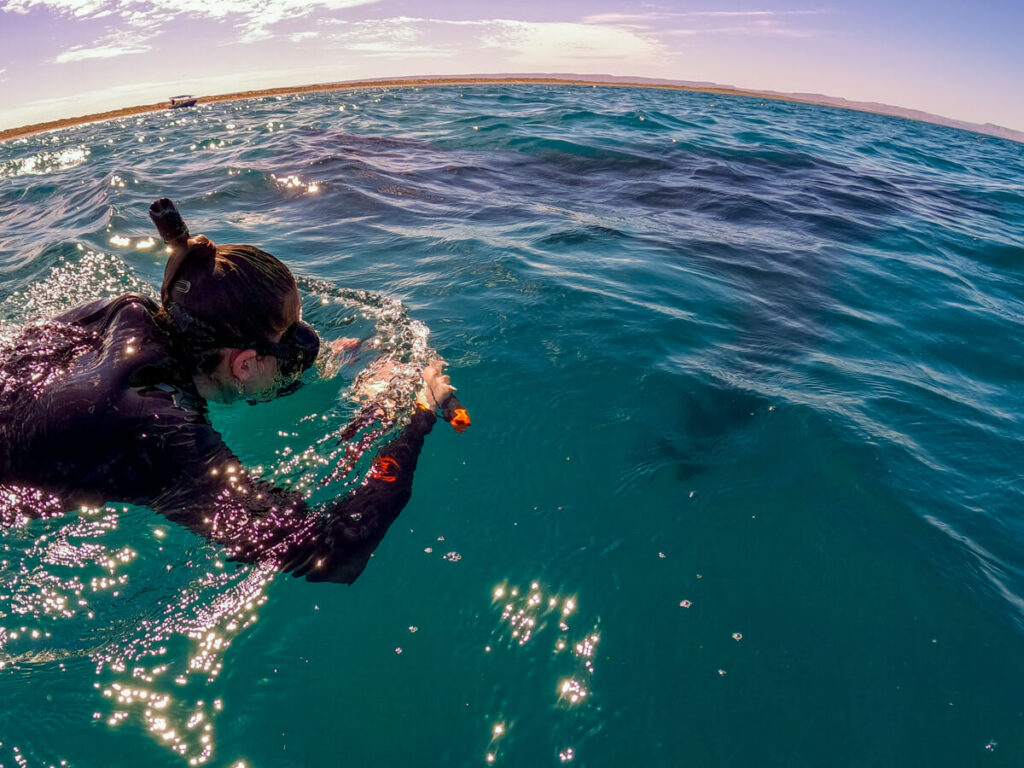
We’re passionate about seeing wildlife in its natural habitat, but we don’t think getting close to an animal should come at the expense of its wellbeing. We’ve researched whale shark encounters in several destinations, and even swum with them ourselves, and we found that the differences between operators and locations can be significant. Some experiences follow strict guidelines and give whale sharks plenty of space, while others involve overcrowded boats, excessive numbers of swimmers, or feeding practices that can alter their natural behaviour. Working out which experiences are worth supporting isn’t always straightforward, especially when so many are promoted as ethical.
In this guide, we’ll explore whether swimming with whale sharks can ever be ethical, which destinations we’d consider visiting, and which experiences we’d avoid. We’ll look at how different encounters operate, the welfare concerns to be aware of, and what to look for when choosing a responsible whale shark tour, so you can make an informed decision before booking.
More About Wildlife Tourism
About whale sharks
Many people question whether a whale shark is a whale or a shark. Despite their name, whale sharks (scientific name: Rhincodon Typus) aren’t actually whales but filter-feeding carpet sharks.
Unlike whales, these large spotted sharks have no bones, only cartilage. As a fish, they have gills and can breathe underwater but prefer warm surface waters, where they can often be found feeding.
Whale sharks are the largest fish in the sea, growing between 6 and 10 metres (19-32 feet), but the largest ever recorded was a whopping 18.8 metres (61.7 ft)! The average adult weighs up to 20 tonnes, which is about the weight of a school bus.
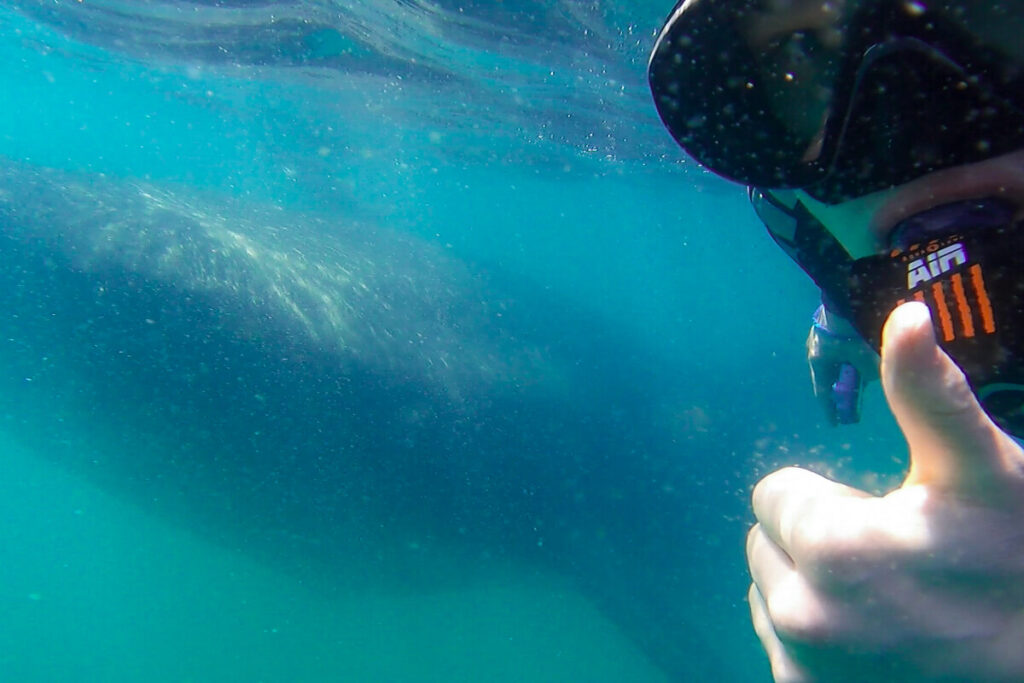
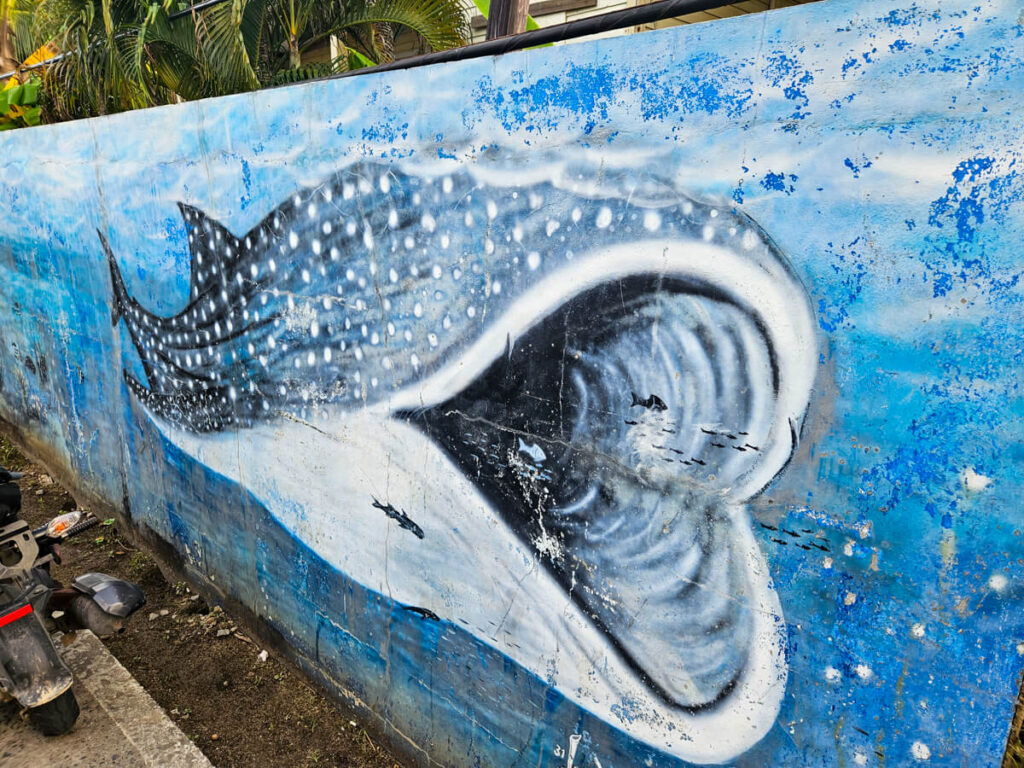
Whale sharks feed chiefly on plankton, which are tiny organisms carried along by tides and currents. As filter feeders, whale sharks cannot bite or chew. Instead, they open their mouths wide and filter water through their gills, eating small shrimp, fish and plankton as they go. They can process more than 6,000 litres of water an hour! You can see a whale shark feeding in the photo below.
The water may look murky, and this is due to how rich in nutrients it is. Water with lots of nutrients is ideal for growing zooplankton, and this is what attracts whale sharks to the waters around La Paz.
Whale sharks are one of the most elusive animals in the world. Scientists still don’t know where they travel to give birth, and no one has yet witnessed a whale shark birth. It was only recently that the first photo of a baby whale shark was even taken!
It is believed that whale sharks have a fast growth rate when very young, but this slows down, and it takes them 30 years to reach full maturity. Although no one knows for sure, it is estimated that a wild whale shark’s lifespan could be over 100 years.
Due to their long lifespan and late maturation, whale sharks are dying faster than they can reproduce. Unethical whale shark tourism also contributes to their decline, so it’s really important to choose an ethical company in a highly regulated area.
Although whale sharks have been around for millions of years, they’re now facing increasing pressure from human activities. Their slow growth, late maturity, and relatively low reproductive rate make populations especially vulnerable to exploitation. They’re actually classified as endangered on the IUCN Red List (International Union for Conservation of Nature), so understanding the threats they face is an important part of deciding whether swimming with them is an ethical wildlife experience.

Threats whale sharks face
Whale sharks face several significant threats, many of which are linked to fishing, shipping, and wider changes to the marine environment. While some populations benefit from conservation measures and protected areas, these animals still need considerable protection across their migratory range.
Bycatch and entanglement
Whale sharks can become accidentally caught in fishing nets and other commercial fishing equipment, even when they’re not the intended catch. Being entangled in nets or fishing lines can leave them injured, exhausted, or unable to swim freely. Some may drown if they cannot move freely, preventing water from flowing properly over their gills.
Vessel strike
As whale sharks big and often feed close to the surface, they are unfortunately easy to hit. They can also be difficult for boat operators to spot due to their camouflaging patterns, especially in busy shipping lanes and popular coastal waters. Collisions with boats can cause serious injuries, including cuts, damaged fins, and internal trauma.
Scientific research has reported that more than half of juvenile whale sharks in the bay where swimming with whale sharks in La Paz takes place have sustained injuries. One issue is simply how far they migrate. Whale sharks’ seasonal movements can take them from protected zones to areas with heavy vessel traffic, increasing the risk of accidental strikes.
Targeted fishing and trade
Whale sharks have historically been hunted for their meat, fins, and oil, with some parts traded internationally. Although targeted fishing has been restricted or prohibited in many countries, illegal catches and trade remain conservation concerns. Their large size makes them valuable targets, while their slow reproductive cycle means populations can take a long time to recover from fishing pressure.
Marine pollution
Plastic pollution, discarded fishing gear, and other pollutants threaten whale sharks and the wider marine ecosystems they depend on. As filter feeders, whale sharks can accidentally ingest small plastic fragments while feeding. Whale sharks in seasonal feeding areas in Java (Indonesia) are estimated to ingest up to 137 pieces of plastic per hour of feeding.
Chemical pollution and declining water quality can also affect the plankton and small marine organisms that form part of their diet.
Climate change
Rising ocean temperatures and changing currents can affect where plankton blooms occur, potentially shifting the feeding grounds whale sharks rely on. Changes to ocean conditions may also disrupt their seasonal movements and access to food. Because whale sharks migrate across large distances, these changes can affect populations across multiple countries and marine habitats.
Unsustainable wildlife tourism
Wildlife tourism can help fund conservation and provide local communities with an alternative source of income, but poorly managed encounters can create additional pressure. Too many boats, swimmers getting too close, and repeated interruptions to feeding can disturb whale sharks and alter their natural behaviour.
Some operators may also prioritise delivering close encounters and photographs over following responsible wildlife-watching practices.
This doesn’t mean all whale shark tourism is harmful. However, it does mean that where you swim with whale sharks, who you book with, and how encounters are managed, matters.

What is an ethical whale shark encounter?
An ethical whale shark encounter is one where the animal’s welfare comes before the tourist experience. Rather than chasing a whale shark for a close-up photograph or trying to guarantee time in the water, responsible wildlife tourism minimises the negative effects of tourism and allows the animal to behave naturally, without unnecessary interference.
The important distinction is that a well-managed trip should follow principles of sustainable tourism like minimising disturbance, giving whale sharks plenty of space, and ensuring visitors understand how to behave around them.
It should also operate within local regulations and contribute positively to the communities and conservation efforts involved.
As whale shark tourism becomes increasingly popular, it’s important to avoid the pressures of mass tourism, where large numbers of boats and swimmers can crowd animals and disrupt their natural behaviour. Choosing responsible operators and respecting wildlife guidelines helps us travel ethically without treating wild animals as attractions that exist for our entertainment.
What makes swimming with whale sharks ethical?
Not every whale shark encounter is the same, and simply seeing one in the wild doesn’t automatically make an experience responsible. We’d look for operators who follow recognised wildlife-watching principles and put the animals’ welfare ahead of getting tourists into the water.
An ethical encounter should follow these principles:
No touching
We can see why it would be tempting to reach out and touch an animal when it’s so close, especially if you’re swimming beside a whale shark within arm’s length. But these animals should never be touched, stroked, ridden, or grabbed.
The archaic idea that being able to reach a wild animal gives us the right to touch it is one worth challenging. Contact can damage the shark’s delicate protective skin and disturb its natural behaviour. A respectful encounter means appreciating the animal without needing to make physical contact.
No feeding or baiting
Whale sharks should never be lured with food (known as baiting or provisioning) or deliberately encouraged to remain in an area for tourists. Feeding can interfere with their natural foraging behaviour and may cause them to associate boats or people with food.
Responsible encounters should take place where whale sharks naturally gather, without manipulating their movements to guarantee a sighting.
Keep your distance
Swimmers and boats should maintain the minimum distances set by local regulations, with extra care around the shark’s head and powerful tail. Never swim directly in front of a whale shark, block its path, or try to keep pace if it begins to swim away. Giving these animals room to move freely is one of the simplest ways to reduce disturbance.
This is one of the reasons that where you go (which we’ve covered below) to swim with whale sharks is super important. Local and national regulations, and how consistently they’re enforced by tour operators and authorities, can make a big difference to the quality of an encounter.
Limit the number of swimmers
Crowded encounters can make it difficult for whale sharks to move and feed naturally. Too many boats and people in the water can also increase the risk of accidental contact and create a stressful environment. Responsible operators should respect limits on boat numbers and swimmers, keep groups manageable, and avoid joining an already crowded encounter. This is one of the main reasons why we skipped swimming with whale sharks in Mexico’s Caribbean.
Allow natural behaviour
A whale shark should always be free to approach, leave, feed, or dive without interference. Swimmers shouldn’t chase an animal that moves away or surround it in an attempt to prolong the encounter. We’d argue that the best wildlife experiences are those where the animal remains in control, even if that means your time in the water is shorter than expected.
Responsible operators
The tour company you choose can make a significant difference to the quality and impact of your encounter. Look for licensed operators who follow local regulations, provide proper safety and wildlife briefings, and actively prevent guests from touching, chasing, or crowding the whale sharks.
We’d also favour companies that support local conservation efforts and provide meaningful employment for nearby communities, rather than simply using wildlife as a tourist attraction. Consciously choosing how to spend your money is one of the best ways to travel more responsibly.

Why do unethical whale shark encounters happen?
Unethical whale shark encounters rarely happen in isolation. They’re often the result of growing tourist demand, commercial pressure, poor oversight, and visitors not fully understanding the impact their actions can have on wildlife. An experience that’s marketed as a once-in-a-lifetime opportunity can quickly become a high-volume tourist attraction, with the welfare of the whale sharks taking a back seat to delivering the experience people have paid for.
Increased demand
Swimming with whale sharks has become a popular bucket-list experience, regularly featured in travel magazines, major travel publications, and adventure tourism round-ups. While this exposure can raise awareness of these incredible animals, it can also encourage more people to visit the same wildlife hotspots without necessarily explaining how to choose a responsible operator.
Social media adds to the pressure. Close-up photographs and videos of people swimming alongside whale sharks can create unrealistic expectations about how an encounter should look. Visitors may arrive hoping for the perfect selfie or video, and operators can feel pressure to deliver close encounters to meet those expectations and secure positive reviews.
In some destinations, the demand for guaranteed sightings has also led to whale sharks being deliberately fed to attract them to boats.
Weak regulation and enforcement
Having rules in place doesn’t mean they’re followed. Wildlife tourism hotspots can attract more boats and visitors than local authorities have the resources to monitor effectively. Even where regulations limit boat numbers, swimming distances, or the number of people allowed in the water, poor enforcement can allow overcrowding and irresponsible behaviour to continue.
Commercial pressure can make matters worse. When operators are competing for customers and trying to deliver memorable encounters, there may be an incentive to bend the rules or overlook visitors who get too close. Without consistent monitoring and meaningful consequences, regulations can become much less effective in practice.
Ignorance
Not every visitor who takes part in an unethical whale shark encounter does so deliberately. Many tourists simply don’t know what responsible wildlife watching looks like, or aren’t aware that touching, chasing, crowding, and feeding can be harmful.
Others assume that an activity must be ethical because it’s popular, advertised by a major travel company, or offered by an established tour operator.
Research into whale shark tourism in Oslob (the Philippines) found that many visitors essentially gaslit themselves into supporting feeding practices despite recognising some of the ethical concerns. There’s an uncomfortable tendency to overlook ethical concerns when an experience is exciting or has been on our bucket list for years.

Where is known for ethical whale shark tourism?
There are several places around the world where you can swim with whale sharks in their natural habitat, and some destinations have made a real effort to put responsible wildlife encounters first. These are locations we’ve researched and experienced ourselves where it’s possible to have a memorable experience without relying on feeding, chasing, or crowding these gentle giants.
1. Australia
The Ningaloo Reef in Western Australia is often held up as one of the best examples of well-managed whale shark tourism. Tours are limited to licensed operators, and strict guidelines regulate how boats and swimmers approach the animals. There are also limits on the number of people allowed in the water and how long boats can spend with an individual whale shark.
Australia’s management system is widely regarded as a gold standard of how wildlife tourism can be regulated responsibly.
2. Mexico
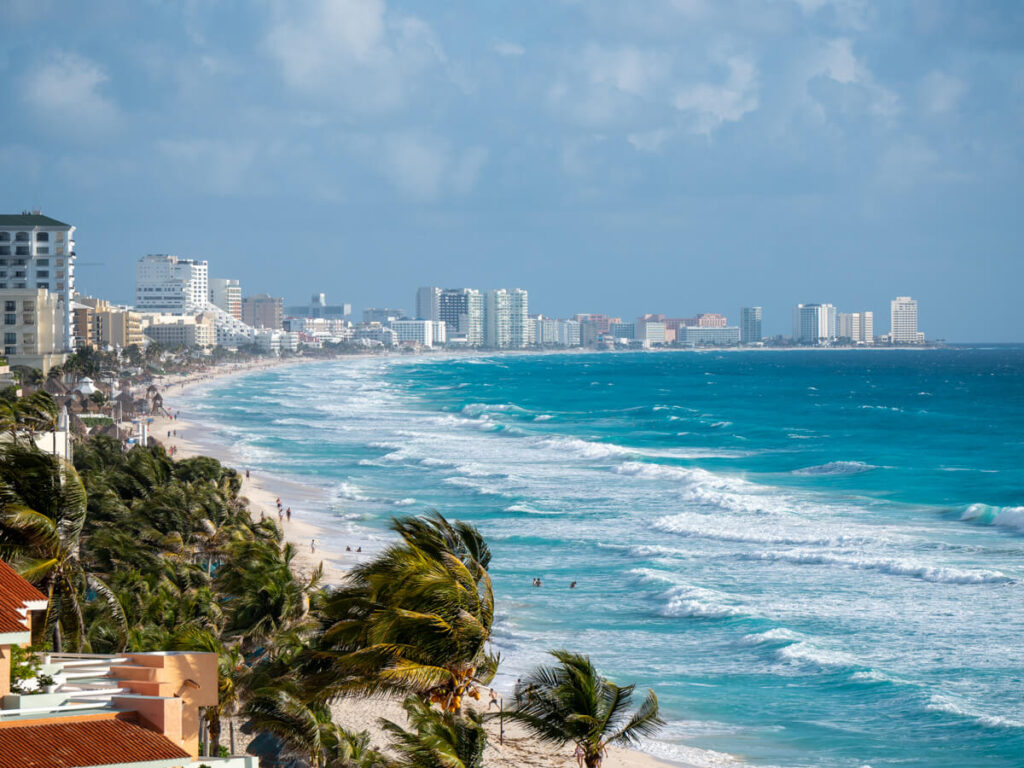
Mexico is one of the best-known destinations for swimming with whale sharks, with seasonal encounters in the Caribbean Sea between May and September – departing from Cancún, Isla Mujeres, and Isla Holbox – and on the Pacific side around La Paz in Baja California Sur from October to April.
Both areas have regulations governing whale shark tourism, including rules on boat numbers, swimmer distances, and how encounters should be managed. However, the quality of these experiences can vary. To oversimplify things, while La Paz has a designated whale shark refuge and a structured management system, overcrowding and rule-breaking have been reported in parts of the Mexican Caribbean. You can read our comparison of swimming with whale sharks in Mexico’s Caribbean vs Baja California for more information.
3. Ecuador
The Galápagos Islands are one of the most extraordinary places in the world to encounter whale sharks, especially around the remote northern islands of Darwin and Wolf. Sightings are most common between June and November, when large whale sharks, many of them believed to be pregnant females, pass through the nutrient-rich waters of the Galápagos Marine Reserve.
Unlike destinations where you join dedicated snorkelling excursions, whale shark encounters here are generally part of a multi-day liveaboard, and the strong currents mean these dives are best suited to experienced divers.
4. Thailand
Thailand is another place where SCUBA divers sometimes encounter whale sharks, especially around Koh Tao and at offshore dive sites like Sail Rock and Chumphon Pinnacle. Sightings are also reported around the Similan Islands and Richelieu Rock on the Andaman coast.
Thailand isn’t specifically known for organised whale shark encounters, but instead, whale sharks are an occasional and very exciting bonus when SCUBA diving.
5. The Philippines
The Philippines is possibly the most famous destination for swimming with whale sharks, and it’s where we first heard it was possible. But the country has a complicated reputation when it comes to whale shark tourism, and not every destination operates in the same way.
Sogod Bay (Pintuyan, Southern Leyte) and Donsol (Sorsogon) offer much more responsible alternatives to the feeding-based tours in Oslob. Whale sharks are encountered in the wild, without being deliberately fed to attract them, and visitors must attend a briefing and follow local interaction rules.
6. The Maldives
The Maldives is known for its whale shark encounters, particularly around the South Ari Atoll, where whale sharks can be seen year-round. It has also introduced national guidelines for interactions, including minimum approach distances, restrictions on the number of boats around an animal, and a ban on feeding.
These are encouraging steps, although regulations are only effective when they’re followed. Unfortunately, reports of overcrowding and swimmers getting too close to whale sharks show that irresponsible encounters still happen. We’d recommend choosing an operator that actively enforces the rules rather than simply advertising close encounters.
7. Mozambique
Tofo, on Mozambique’s southern coast, is another well-known whale shark destination with year-round sightings. Its waters are home to a range of marine megafauna, and the area has been the focus of long-running whale shark research.
Research into encounters here has helped inform recommendations for responsible boat and swimmer behaviour.
8. Tanzania
Mafia Island, off the coast of Tanzania, is one of the most well-known places in Africa to swim with whale sharks. They gather seasonally in Kilindoni Bay, where they feed on dense patches of plankton and small shrimp. Encounters usually take place between October and April, and visitors can join guided snorkelling trips to see them in the wild.

Declining whale shark populations
Sadly, whale shark populations are globally declining, something that we’ve seen first-hand on our recent travels around Central America. You don’t want to spend time and money travelling halfway around the world, only to arrive at a destination where sightings have become incredibly rare or where the experience no longer resembles what you’ve read about online.
Honduras
The Bay Islands of Honduras, particularly Roatán and Utila, were once known for their whale shark encounters. However, during our travels, we spoke to locals who told us that sightings had become few and far between, with a staff member from the Whale Shark & Oceanic Research Center on Utila saying they had almost stopped altogether.
Belize
Belize has also experienced a change in whale shark sightings. Placencia was once a well-known place to encounter whale sharks, which gathered around the reef at Gladden Spit during spawning events. However, sightings at Gladden Spit have declined dramatically from the numbers recorded in the late 1990s and early 2000s. Recent assessments describe the once-reliable aggregation as having effectively ceased, with only occasional visits reported. A local company we used while SCUBA diving in Belize told us we were highly unlikely to see one, and operators in the area no longer run dedicated whale shark trips.
Other destinations
Research and monitoring from other parts of the world have also highlighted worrying changes in local aggregations:
Where is known for unethical whale shark tourism?
Unfortunately, swimming with whale sharks is not ethical in all parts of the world. In some destinations, encounters have become commercialised attractions where guaranteed sightings, close-up photographs, and large numbers of tourists take priority over the animals’ welfare. Ironically, a lot of the same countries with regulations and ethical encounters also have areas with major problems.
The Philippines
One of the most popular destinations in the world for swimming with whale sharks is Oslob in the Philippines. Despite whale sharks being protected nationwide since 1998 under Fisheries Administrative Order No. 193, feeding-based tourism continues here.
Oslob’s tours operate under a local ordinance introduced in 2012, which sets rules for interactions, including minimum distances, a 30-minute time limit, and restrictions on the number of people allowed around each whale shark.
However, research has repeatedly documented widespread rule-breaking, with swimmers getting too close, touching the animals, and overcrowding encounters – it even found that 93% of people recorded got within two metres of a whale shark, breaching the local guidelines.
The continued feeding of whale sharks to attract them to shore is another major concern. Research has linked provisioning to changes in whale shark behaviour, including reduced avoidance of people and boats. It can also increase their exposure to boat strikes and propeller injuries.
Clearly, enforcement in Oslob is terrible, the incentivisation is harmful to the species, and tours here are very likely a stressful experience for everyone involved.
Indonesia
Indonesia is home to several well-known whale shark tourism destinations, including Botubarani in Gorontalo, Saleh Bay in Sumbawa, Cenderawasih Bay in West Papua, and parts of Flores. However, some of these experiences have attracted criticism for practices such as baiting, feeding, and overcrowding.
In these locations, whale sharks are attracted to fishing platforms, known as bagan, where fishermen provide food to bring them close to shore. A study into the local tourism industry in Botubarani even recorded payments for bait as part of the cost of some visitor trips. More concerningly, research that examined whale shark injuries at the site in Botubarani found that 74% of the individuals studied had external wounds.
Whale sharks are protected under Indonesian national law, but we just don’t think that allowing these harmful practices to continue is actually protecting them. Just like Oslob, feeding whale sharks may be employed by operators to benefit the local economy, but they have a very negative impact on the species, and partaking in these experiences only contributes to their global decline.
The Maldives
We mentioned above how the Maldives’ popularity has also created some serious management challenges. Despite national regulations and Regulation No. R/96, which prohibit touching, chasing, feeding, and overcrowding, rule-breaking remains a concern. We see it all the time on social media, like this Instagram post, this Instagram post, and this Instagram post.
Stricter rules were introduced, but it’s unclear as yet how well they’re being enforced and if the situation has improved. Until such time, we’d be really thorough in researching the exact location, operator, and how they manage encounters before booking an excursion.
Mexico
Mexico is one of the best-known destinations for swimming with whale sharks, and it’s where we first did it, but its popularity has also brought challenges. In the Mexican Caribbean, particularly at El Azul – the offshore aggregation site – research has documented frequent breaches of whale shark tourism regulations, including boats approaching too closely and swimmers crowding or touching the animals.
La Paz, in Baja California Sur, has a more structured management system, including a designated whale shark refuge and restrictions on authorised boats. However, it isn’t impact-free. Research there found that around 50-60% of whale sharks in the area were still recorded with injuries each year, although it’s not clear if they were injured in Mexico or during their migrations.
We’d be cautious about booking any whale shark excursion in Mexico without first checking how the operator manages its encounters. Look for small, well-controlled groups, boats that keep their distance, and guides who actively prevent swimmers from chasing, touching, or crowding the animals. It’s for this reason we skipped swimming with whale sharks in Mexico’s Caribbean and swam with whale sharks in La Paz instead.
The USA
Not all whale shark encounters take place in the ocean or are unethical because of feeding. Some attractions offer visitors the chance to see, and even swim with, whale sharks in captivity. While these experiences are often promoted as educational or conservation-focused, they raise important questions about whether such large, wide-ranging wild animals should be kept in tanks for public display and entertainment.
Swimming with captive whale sharks
In the United States, the Georgia Aquarium in Atlanta offers visitors the opportunity to snorkel or SCUBA dive with whale sharks inside its enormous Ocean Voyager exhibit.
Several facilities in Asia, including the Okinawa Churaumi Aquarium, the Osaka Aquarium Kaiyukan in Japan, and Chimelong Ocean Kingdom in China, also house them in captivity.
Whale sharks are highly migratory filter feeders that travel vast distances in search of food, and just like with captive a dolphin experience, replicating the complexity and freedom of their natural environment in a tank is simply not possible.
While many aquariums promote their research and conservation work, we believe it’s important to consider the ethics of keeping such a large, wide-ranging wild animal in captivity for public display and entertainment.
We absolutely do not condone keeping animals in captivity unless for rescue and rehabilitation purposes, so we would highly encourage anyone thinking about swimming with whale sharks in captivity to reconsider.
We’d much rather see people support responsible wildlife encounters in the ocean, where whale sharks are free to move, feed, and behave naturally. Choose destinations with clear regulations and operators who put the animals’ welfare first, rather than attractions that keep them confined for guaranteed sightings. You will have a far better experience, and it’s better for the animals, too.
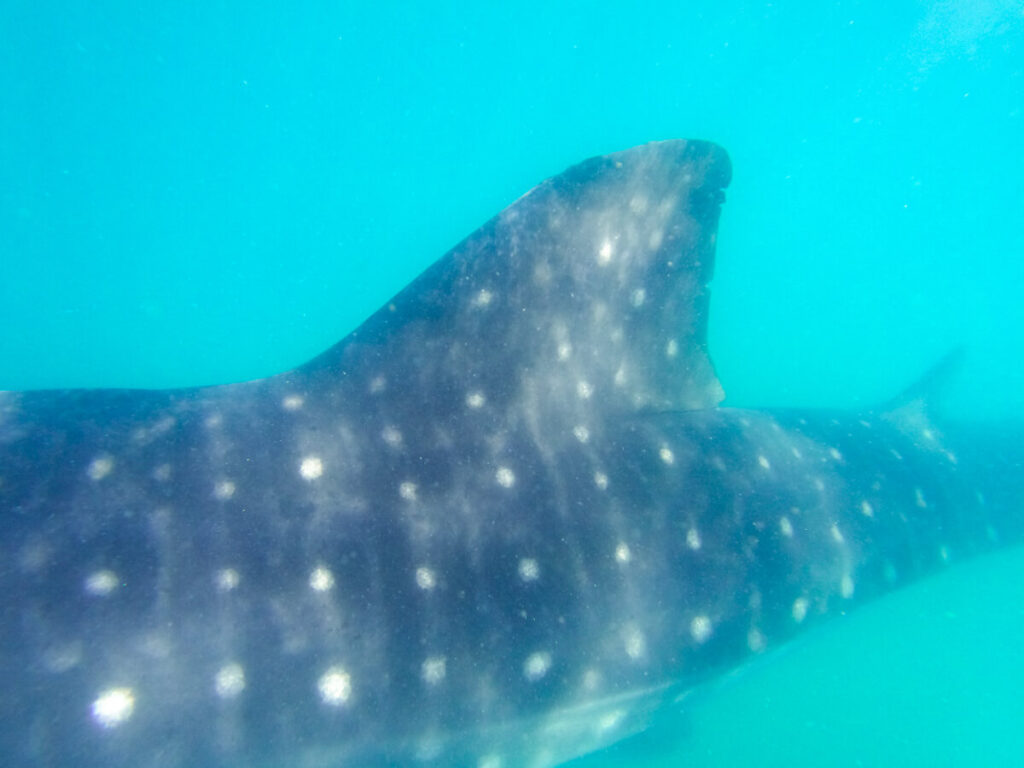
So is swimming with whale sharks ethical?
To answer the question: swimming with whale sharks can be an ethical experience, but only when the animals’ welfare comes before the tourist experience.
Seeing these incredible creatures in the wild can be a valuable way to connect with marine life, raise awareness, and support the communities and conservation efforts that help protect them. But the in-water activity needs to be properly managed.
Wherever you go, it’s important to choose a responsible operator that follows local regulations, limits the number of boats and swimmers, maintains a respectful distance, and never touches, chases, feeds, or deliberately interferes with whale sharks. Just as importantly, sightings should never be guaranteed. These are wild animals, and they should always be free to approach, move away, and behave naturally.
We’d personally avoid any feeding-based encounters, overcrowded tours, and any experience that puts whale sharks in captivity purely for tourism or entertainment. Even destinations with strong regulations can have problems with enforcement, so it’s worth looking beyond the marketing and researching how tours actually operate.
Ultimately, we believe the best whale shark experience is one where you see these gentle giants on their own terms, even if that means spending less time in the water or not seeing one at all. Swimming with whale sharks should be a privilege, not something we expect them to provide on demand.
If an operator can’t offer that kind of experience, we’d rather miss out than contribute to tourism that puts these endangered animals under further pressure.
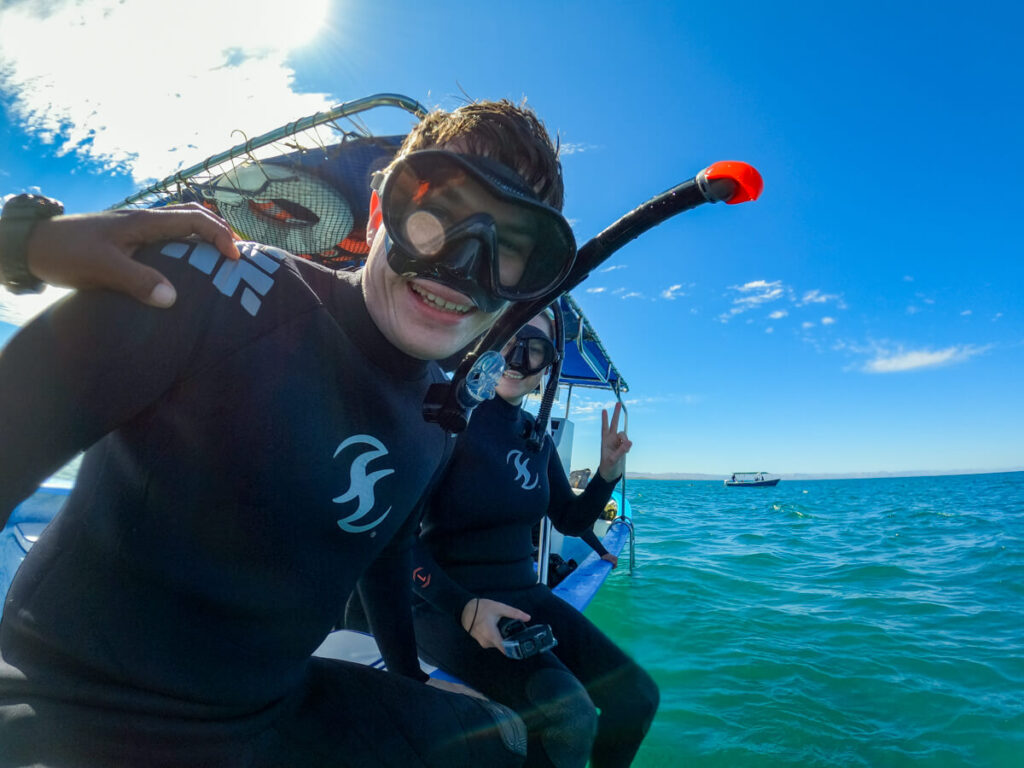
Whale Shark Resources
If you want to read the scientific research behind whale shark movements, tourism impacts, and conservation, check out these resources we used in our writing process:
Whale Shark FAQs
To help you understand more about whale sharks, we’ve answered these frequently asked questions.
Is it okay to swim with whale sharks?
Yes, swimming with whale sharks can be ethical when encounters are carefully managed, and the animals’ welfare comes first. Choose a responsible operator that follows local regulations, keeps swimmers at a safe distance, and never feeds, touches, chases, or crowds whale sharks.
Where can I ethically swim with whale sharks?
Ningaloo Reef in Australia, La Paz in Mexico, Tofo in Mozambique, Donsol in the Philippines, and parts of the Maldives are often regarded as better-managed alternatives for swimming with whale sharks. However, standards and enforcement can vary, so always research individual operators before booking.
Is diving with whale sharks ethical?
Yes, diving with whale sharks can be ethical, provided encounters follow responsible wildlife-watching guidelines. Divers should never touch, chase, feed, or obstruct a whale shark, and should give it plenty of space to swim freely. The same principles apply whether you’re snorkelling or scuba diving.
Where to ethically dive with whale sharks?
Some destinations known for whale shark encounters with SCUBA divers include the Maldives, Mozambique, Thailand, and the Galápagos Islands. However, not every location offers the same level of protection or management. Check local regulations and choose operators that prioritise responsible wildlife interactions.
Are whale sharks bothered by humans?
Whale sharks may tolerate the presence of swimmers, but that doesn’t mean human interactions have no impact. Boats and people getting too close can interrupt feeding, restrict movement, and cause stress or injury. Responsible encounters give whale sharks the space to behave naturally and move away whenever they choose.
Are whale sharks considered friendly?
Whale sharks are generally docile and pose very little threat to people. They’re filter feeders that eat plankton and small marine animals, rather than hunting large prey. However, they’re wild animals and should always be treated with respect.
Are whale sharks gentle giants?
Yes, whale sharks are often called gentle giants. Despite growing up to around 12 metres (40 ft) or more, they’re slow-moving filter feeders and are generally peaceful around people. Their enormous size is impressive, but they aren’t aggressive predators.
Has a whale shark ever hurt a human?
There are no well-established records of whale sharks deliberately attacking people. However, their enormous size means accidental injuries are possible, particularly if someone gets too close to their tail or is struck by a moving animal. Keeping a respectful distance is essential.
How many whale sharks are left?
Nobody knows exactly how many whale sharks remain in the wild. There isn’t a reliable global population estimate, although research indicates that numbers have declined significantly. Whale sharks are classified as Endangered on the IUCN Red List, and continued monitoring is needed to understand the full extent of their decline.
Can you touch a whale shark?
No, you should never touch, stroke, ride, or grab a whale shark. Physical contact can disturb the animal, cause stress, and potentially damage its skin. Even if a whale shark swims close to you, resist the temptation to reach out and let it pass without interference.
Is swimming with a whale shark safe?
Swimming with whale sharks is generally considered safe when you follow the guide’s instructions and local wildlife-watching rules. They’re not aggressive towards people, but their large bodies and powerful tails can cause accidental injuries. Always keep your distance, avoid swimming in front of or behind them, and never try to touch or ride one.
Can a whale shark accidentally swallow you?
Although a whale shark’s mouth can be around 1.5 metres (5 ft) wide, it feeds by filtering tiny organisms and small fish from the water. Its throat is much smaller than its mouth, and it isn’t capable of swallowing a person. Nevertheless, you should never swim directly in front of an open mouth or deliberately approach a feeding whale shark.
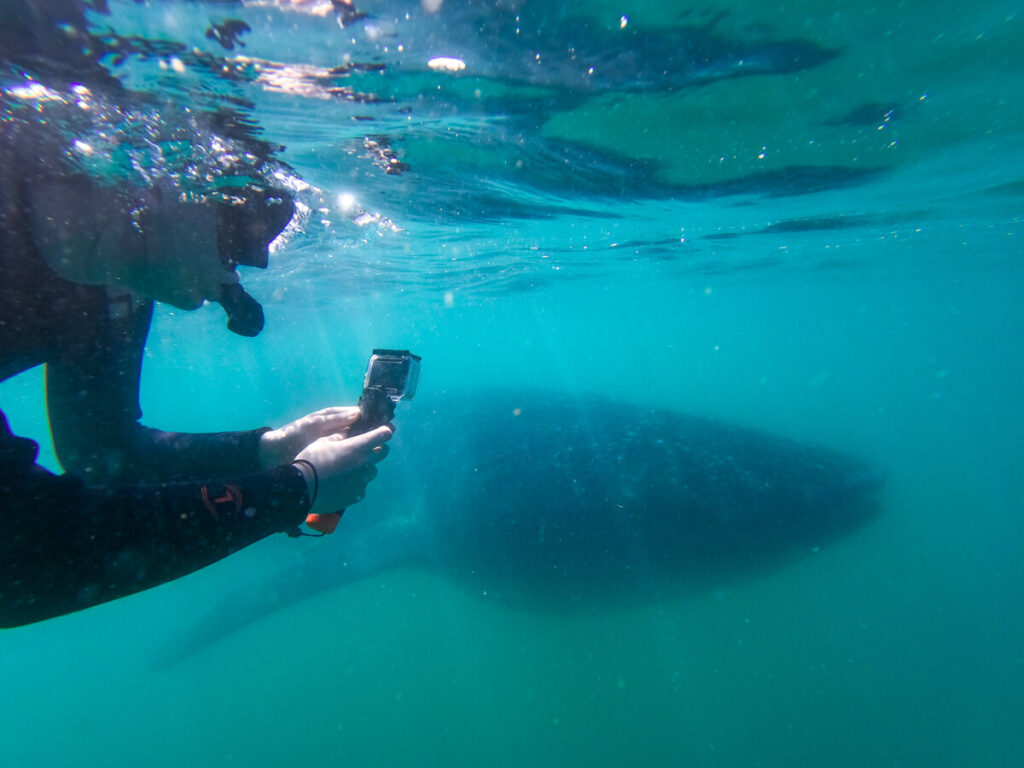
Found this post useful? Pin it to Pinterest to save it for later!


Read next:
Why We Skipped Swimming with Whale Sharks in Mexico’s Caribbean
How to Ethically Swim with Whale Sharks in La Paz
7 Ethical La Paz Whale Shark Tours + Who to Avoid
Let’s Talk About Ethical Wildlife Tourism
Is Ecotourism Really Sustainable?
