Let’s Talk About Ecotourism: Is It Really Sustainable?

A simple guide to what ecotourism is, how it works, and whether it’s really a sustainable way to travel.

This post may contain affiliate links, which means we might earn a small commission on anything purchased through these links at no extra cost to you. Learn more on our disclaimer page.
Ecotourism is often presented as the better way to travel – a form of tourism that’s meant to protect nature, support local communities, and minimise environmental impact. But in reality, it can help conservation efforts and provide income for local people when done right, or look very similar to the mass tourism it claims to avoid when done wrong.
We’ve seen everything from genuine community-led eco-projects in remote regions to large-scale “eco” resorts and wildlife experiences that use the label more as marketing than meaningful action. The difference between the two isn’t always obvious at first glance, which is where things start to get complicated for travellers trying to make responsible choices.
In this guide, we break down what ecotourism actually means, how to tell the difference between genuine and greenwashed experiences, and what to look for when choosing ethical tours and stays. We also explore the limitations of ecotourism and whether it can truly deliver on its promise of sustainable travel.

What is ecotourism?
Ecotourism is a nice buzzword that’s thrown around, often to describe a form of travel that focuses on nature, conservation, and local communities.
It’s defined as:
“A type of nature-based activity, in which the visitor’s essential motivation is to observe, learn, discover, experience and appreciate biological and cultural diversity, with a responsible attitude, to protect the integrity of the ecosystem and to promote the well-being of the local community”.
UN Tourism
Ecotourism aligns with sustainable travel principles: minimising negative impact and maximising positive contributions. It also takes into account its three pillars – environmental, sociocultural, and economic – although it is primarily used in the context of the environment. The term “eco” is short for “ecology”, pertaining to the natural world – living beings and the environment.
It’s usually positioned as an alternative to overtourism.

More Sustainable Travel Guides
Types of ecotourism
There are over 100 types of tourism, and many of them overlap with, or count as, ecotourism, including:

What does genuinely sustainable ecotourism look like?
Choosing genuinely sustainable ecotourism experiences is one of the best ways to be a more responsible traveller. It means visiting natural areas in a way that protects the environment, supports local people, and creates meaningful, low-impact experiences.
This is where the difference between extractive and regenerative tourism becomes important.
Ecotourism covers a wide range of experiences, and what ecotourism actually means in practice varies depending on who you ask. It’s most easily recognisable in tourist activities that revolve around nature and the outdoors, like:
It can also include experiences like community-based tourism projects and cultural exchanges. But these experiences must minimise negative impact and maximise positive impact to be truly “eco”.

Benefits of ecotourism
Genuine ecotourism can have real positive impacts, making it one of the most sustainable ways to travel. It can provide funding for conservation efforts, help protect natural areas, and create economic opportunities for local communities. In places where tourism is a major source of income, it can support jobs, infrastructure, and long-term development.
It also creates a financial incentive to protect environments and animals that might otherwise be exploited. When wildlife and natural landscapes are more valuable alive and preserved than they are damaged or destroyed, it encourages governments and local communities to prioritise conservation. This can play an important role in protecting biodiversity and supporting the long-term survival of ecosystems.
Economically, ecotourism can keep money within local communities rather than leaving with international companies via tourism leakage. It can create more diverse and stable income streams too, from guiding and conservation work to small-scale accommodation and locally run experiences.
There are social benefits to ecotourism as well. It can support local and Indigenous communities, helping to preserve traditions, cultural heritage, and ways of life that might otherwise be lost. It also creates opportunities for more meaningful cultural exchange, where tourism is based on respect and understanding rather than consumption.
When done right, ecotourism is low-impact and educational. Experiencing nature first-hand often builds awareness and appreciation, which can encourage more environmentally conscious behaviour beyond the trip itself.
But when done wrong, it can contribute to the negative effects of tourism.
Is ecotourism eco-friendly?
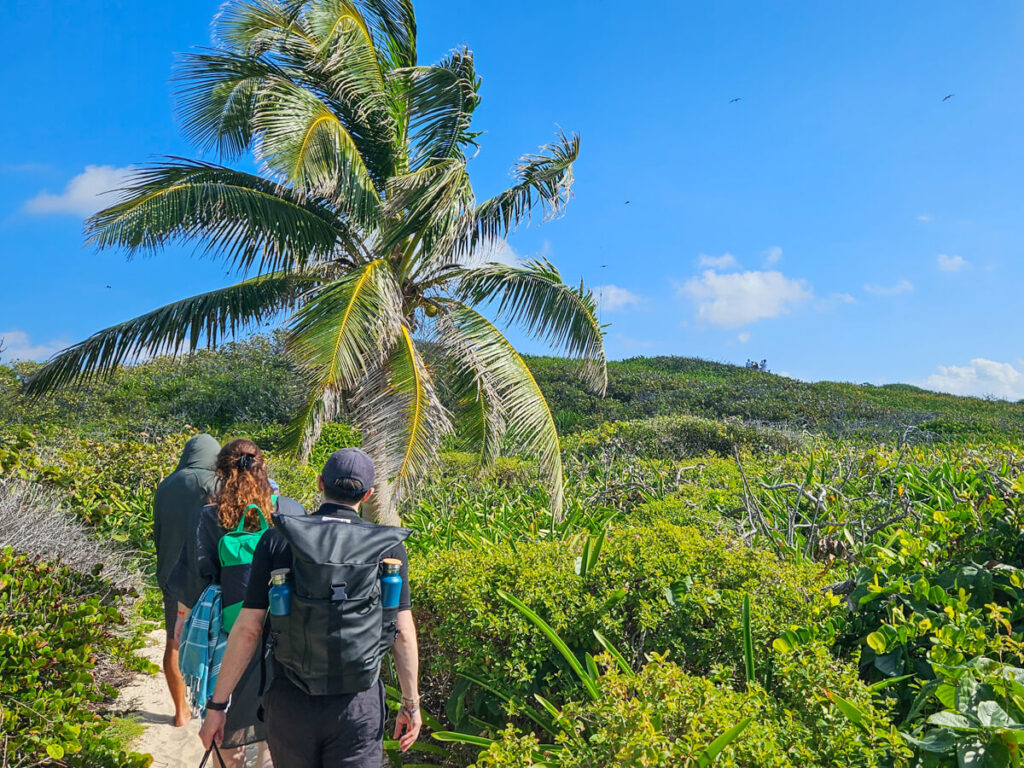
Ecotourism is travel to natural areas that aims to minimise environmental impact while supporting conservation and local communities. On paper, it’s eco-friendly.
But in reality, it’s not always that simple. Travel still involves emissions, resource use, plastic waste, and environmental impact, even if the intention is to minimise harm. The basic act of getting to many ecotourism destinations, especially remote ones, often requires long-haul flights or multiple forms of transport, which can significantly increase a traveller’s carbon footprint before the experience has even begun.
Even once you arrive, the impact depends heavily on how the destination is managed. High visitor numbers in fragile environments can lead to erosion, habitat disruption, and pressure on local ecosystems. Some areas marketed as eco are poorly regulated, meaning there’s little control over development, waste management, or visitor behaviour.
There’s also the issue of scale. When a place becomes a popular ecotourism destination, it risks shifting from small, low-impact experiences to high-volume tourism in natural areas, which undermines the very principles it’s meant to support. In these cases, the environmental benefits can be reduced or even cancelled out by the sheer number of visitors.
And then there are eco-resorts or experiences that look sustainable on the surface but still have large environmental footprints behind the scenes. This is where ecotourism starts to overlap with greenwashing, which is a much bigger issue in the industry today.

Is ecotourism sustainable?
Like most things in travel, whether ecotourism is genuinely sustainable depends on how it’s done and who it benefits. As demand for sustainable travel has grown, so has the opportunity to profit from it. The result is that large companies use buzzwords like “eco” and “green” as a selling point, whether the experience genuinely lives up to it or not.
Greenwashing is a big issue. Resorts might market themselves as eco-friendly while consuming large amounts of water and energy, or being built in fragile natural areas in the first place. Wildlife experiences can be framed as conservation-led, while still exploiting animals for profit, through close interactions, captive environments, or disrupting natural behaviours. Even seemingly low-impact activities like hiking, snorkelling, or boat tours can cause damage when they’re not properly managed.
Overtourism in eco destinations is a growing issue too, with natural areas becoming overcrowded and degraded despite being marketed as protected or sustainable. Increasing footfall can lead to habitat destruction, pollution, and wildlife disturbance.
Tourism leakage can still be a problem, with profits going to international companies rather than staying in local communities. In some cases, destinations can become overly dependent on tourism, making them vulnerable to external shocks and seasonal demand.
There can also be social trade-offs. Culture can become commodified, shaped around what tourists expect to see rather than what’s authentic. Local communities may be displaced to make way for “eco-developments”, and inequalities between tourists and residents can become more visible.
At a wider level, the term “eco” is overused and largely unregulated, making it difficult to know what actually meets meaningful standards. Without proper oversight, profit-driven eco experiences can continue to grow without delivering real benefits.
So ecotourism isn’t bad, and it can have real positive impacts when used correctly, but it’s a label that needs to be inspected carefully. Without proper management, regulation, and accountability, it can replicate many of the same problems as traditional tourism, just under a different name.

How to tell if an ecotour is actually sustainable
With so much greenwashing in the travel industry, it’s important to look beyond the marketing and check for signs of ethical travel and genuine ecotourism:
Sustainable tour operators
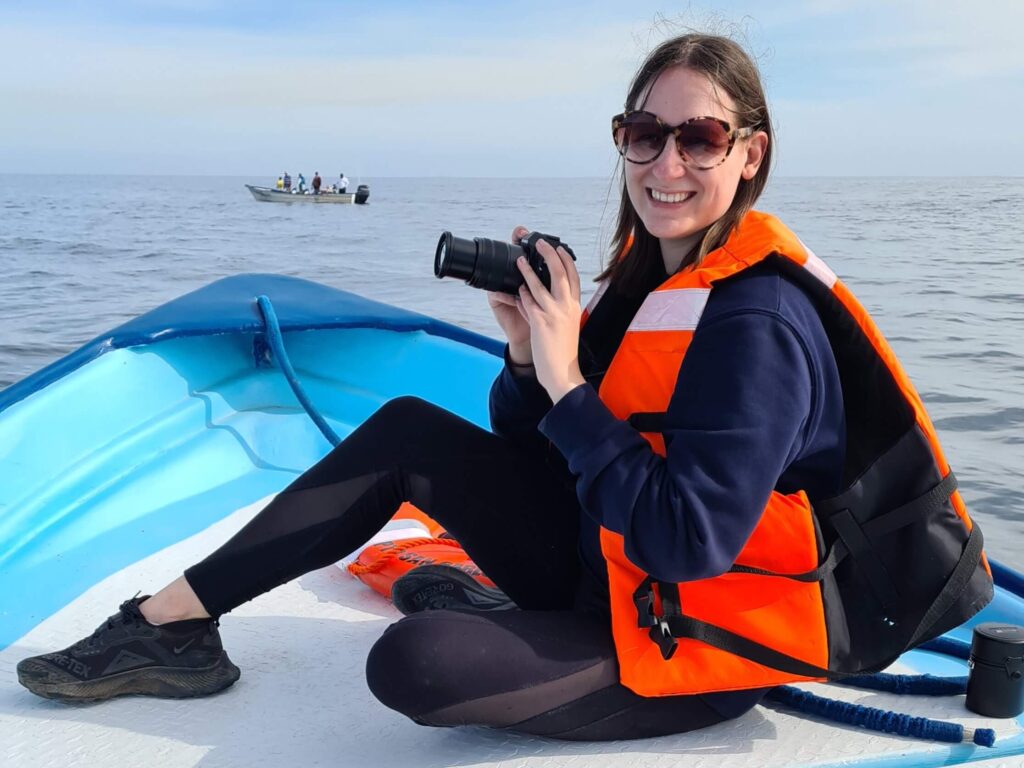
We’ve learned that it’s not necessarily the destination or experience that is eco, but the operators behind it. The biggest difference in impact often comes down to who you book with, and there are some incredible companies committing to sustainable travel, including:
Sustainable tourism certifications
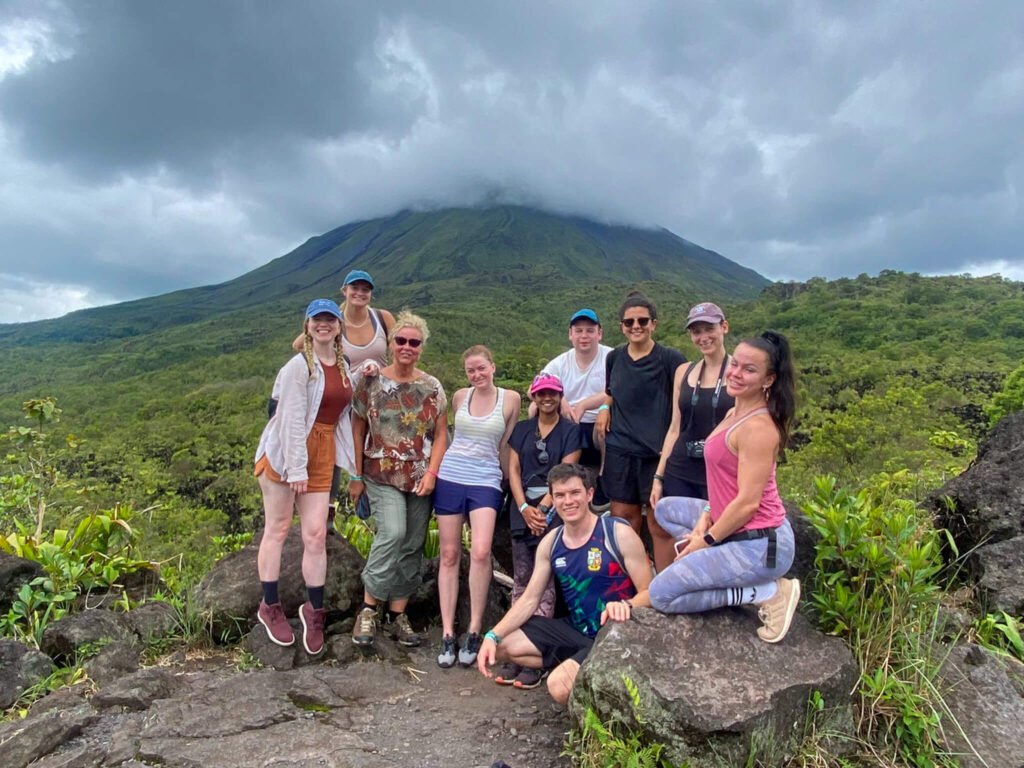
Sustainable isn’t a regulated term in most of the travel industry, but certifications and standards can really help in separating meaningful efforts from glossy marketing. Some to look out for are:
They’re good guidance, but it’s worth keeping in mind that some genuinely responsible operators may not have them due to cost or accessibility, while others may meet minimum standards without going much further.

Conclusion
Legitimate ecotourism can be very sustainable when it is properly managed, and has a focus on education and respect. This type of toursim is not only beneficial for local communities, and the planet, but makes for a more enriching trip. On a personal note, many of the ecotours and sustainable stays we have been lucky enough to experience are some our favourite memories of all time.

Read next:
What is Sustainable Travel? A Simplified Guide
65 Ways to Be a More Responsible Traveller That Actually Make a Difference
The Dark Side of Travel: Negative Impacts of Tourism
Let’s Talk About Overtourism: What is it & Why is it a Problem?
Let’s Talk About Tourism Leakage: What is it & How to Combat it?
