Travel Gifts With Hidden Harm: What Not to Buy

A warning list of environmentally unfriendly travel gifts to avoid, from souvenirs we’d steer clear of on holiday to presents that do more harm than good.

This post may contain affiliate links, which means we might earn a small commission on anything purchased through these links at no extra cost to you. Learn more on our disclaimer page.
Not every travel gift is as thoughtful as it first appears. While it’s lovely to surprise someone with something they’ll use on their next adventure, some seemingly innocent presents can have a much bigger environmental impact than you’d expect. And while buying travel souvenirs is a lovely way to remember a trip, some items can contribute to habitat destruction, animal exploitation, and environmental damage.
We’re passionate about sustainable travel and try to be mindful of what we buy when exploring new destinations or gifting each other presents. Over the years, we’ve become more aware of how tourism drives demand for products that can harm wildlife, damage fragile ecosystems, and create unnecessary waste. The tricky part is that many of these items are sold openly in tourist shops and local markets, or are even advertised online as natural or eco-friendly, making it difficult to know what’s safe to buy and what’s better left on the shelf.
From accessories made using threatened wildlife products to plastic-heavy travel essentials and irresponsible animal encounters, there are a few things worth thinking twice about before buying. In this guide, we’ll highlight the travel gifts and souvenirs we’d avoid buying, from wildlife products and environmentally damaging keepsakes to wasteful holiday purchases that do more harm than good. We’ll explain why these items are problematic, what to look out for when shopping abroad, and how to choose more responsible alternatives that support local communities without contributing to environmental harm.

More from Baja California Sur
What not to buy
When choosing gifts for someone who loves travelling, it’s easy to focus on how useful, pretty, or unusual something is without thinking too much about its environmental impact. But not all travel gifts are created equal, and some can contribute to the negative effects of travel like pollution, unnecessary waste, wildlife exploitation, or damage to fragile natural habitats.
This is also particularly important when shopping for souvenirs abroad, where products made from wildlife, coral, shells, and other natural materials are often marketed as authentic keepsakes. Just because something is sold in a local market or tourist shop doesn’t mean it’s ethically or sustainably sourced.
Here are some things to look out for that might be more polluting, wasteful, or harmful than you know.

1. Animal products
We love animals, so we can see why animal gifts could be appealing. And there’s a pretty societally-accepted set of products you’ll find on the market, including leather handbags, exotic-skin purses, feather accessories, and pieces of jewellery that make it hard to understand why buying such items could be wrong, especially when it’s being sold as a traditional local souvenir.
However, products made from wildlife materials such as crocodile skin, snakeskin, elephant ivory, turtle shell, and exotic feathers can contribute to the exploitation of threatened species – to as much as an 81% decline among endangered species – and the illegal wildlife trade.
Some of the items that you should be wary of include ivory carvings, tortoiseshell jewellery, accessories made from exotic skins or furs, bird-feather decorations, hummingbird charms, and taxidermy or animal mounts. These products aren’t always clearly labelled, either, so it can be difficult to know which species they’ve come from or whether they’ve been legally and responsibly sourced.
We’d recommend avoiding souvenirs made from animal parts altogether, especially when the seller can’t provide clear information about their origin and legality. Instead, look for locally made accessories using recycled fabrics, upcycled materials, or responsibly sourced alternatives.
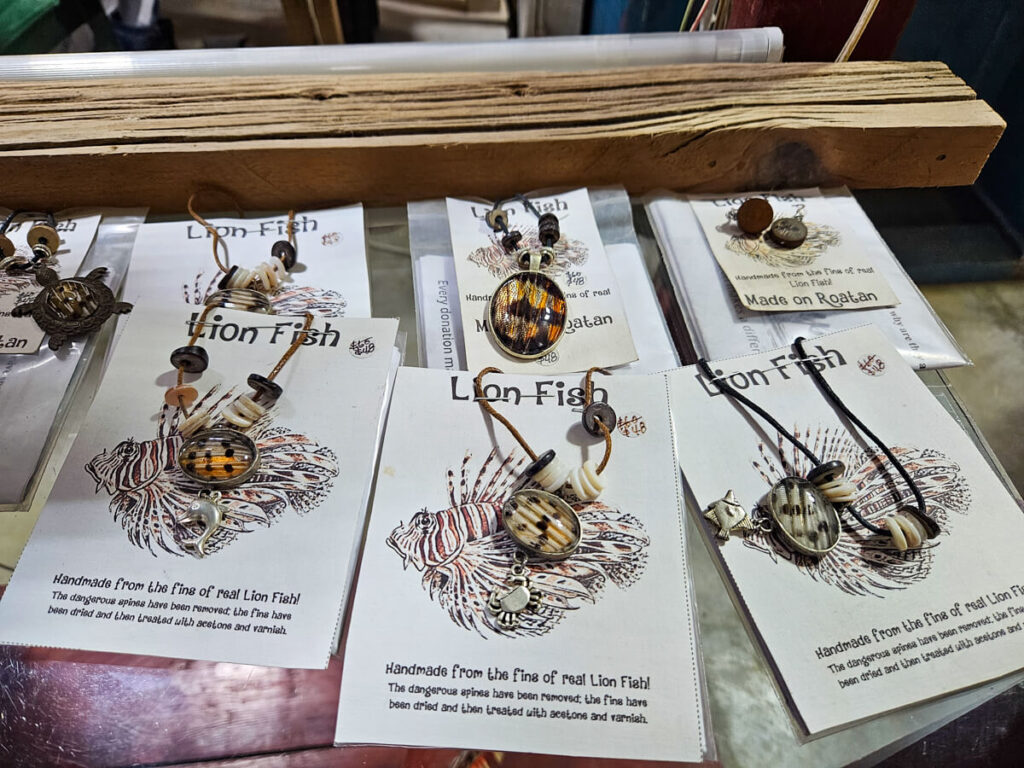
There can be occasional exceptions. Arguably, jewellery made using lionfish spines or other parts can be considered a more ethical choice in destinations where lionfish are an invasive species. As they prey on native reef fish and have few natural predators in these areas, using responsibly harvested lionfish can help support local efforts to manage their populations. We saw it benefiting the local economy, where local women in Belize and Honduras started businesses making lionfish jewellery.
2. Coral and shell products
Coral necklaces, bracelets, decorative ornaments, and even small pieces of coral displayed in glass jars might look like lovely reminders of a tropical holiday, but we’d strongly recommend leaving these behind.
Coral is made up of living marine animals, and reef structures can take decades or longer to develop. Harvesting coral for souvenirs and jewellery creates additional pressure on already threatened marine ecosystems, while tourist demand helps sustain the trade.
The same goes for certain shells and other marine souvenirs, which can be harvested from delicate coastal and underwater habitats. Shell necklaces, starfish decorations, and dried seahorses might seem like harmless beach souvenirs, but removing marine life from its natural habitat can have consequences for coastal ecosystems.
Instead, choose ocean-inspired jewellery made from recycled metals or responsibly sourced materials, or pick up a locally made piece of artwork that celebrates marine life without removing it from its natural environment. Cape Clasp’s ocean-themed jewellery is one of our favourites, with bracelets, necklaces, rings, and other accessories inspired by marine wildlife and made with sustainable materials.

3. Single-use plastics
We all know that single-use plastics are a problem, but it’s surprisingly easy to overlook just how much disposable packaging and plastic waste can accumulate during a holiday. Individually wrapped toiletries, disposable water bottles, plastic beach toys, takeaway cutlery, and cheap inflatable beach accessories all only last for one trip.
Cheap novelty beach gifts are another thing we’d think twice about. Those inexpensive plastic snorkels, novelty inflatables, disposable beach toys, and brightly coloured accessories can look like fun little presents, but they’re often poorly made and unlikely to last beyond a few trips. Once broken or discarded, they can add to plastic pollution, especially in destinations where waste collection and recycling facilities are limited. Plastics can take up to 500 years (or more) to break down and never truly disappear.
Rather than gifting someone a collection of disposable travel essentials, opt for eco-friendly gift alternatives they’ll take on multiple adventures. A stainless-steel water bottle, refillable toiletries, reusable coffee cup, or durable beach bag will generally be much more useful in the long run.

4. Harmful chemicals
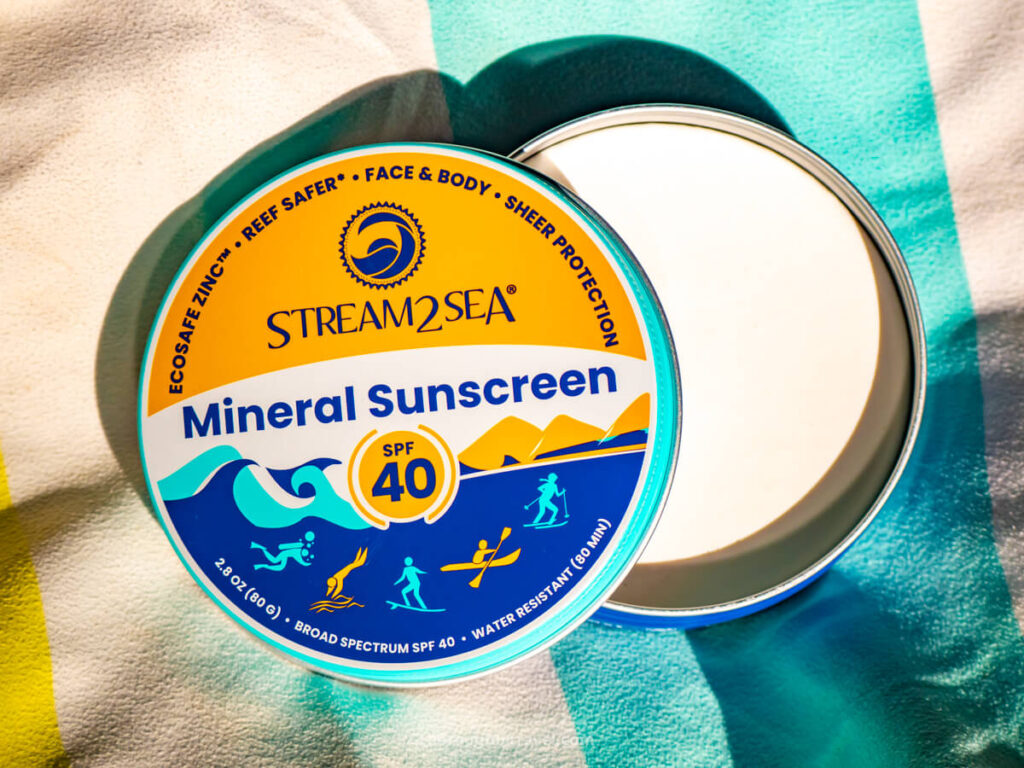
Skincare and toiletries are popular travel gifts, but it’s worth looking beyond the packaging and considering what’s actually inside them. Some chemical UV filters, including oxybenzone, can have potential effects on coral and other aquatic organisms.
However, the science is complex, and finding truly reef-safe sunscreen is hard. We like Stream2Sea‘s products. They sent us a few to try, and they offer a variety of options for every type of traveller, from the classic tube everyday sunscreen, sport sunscreen, and tinted sunscreen to the zinc sunscreen balm that comes in a recyclable tin.
The absolute best sun protection is keeping your skin covered by wearing rashguards, hats and other clothing. While DEET-based insect repellents can be quite harmful to the environment, so it’s better to choose natural insect protection.
5. Irresponsible wildlife experiences
Experiences can make wonderful travel gifts, and animal encounters are one of our favourite things to do while travelling. But it’s important to think about the animals involved before booking.
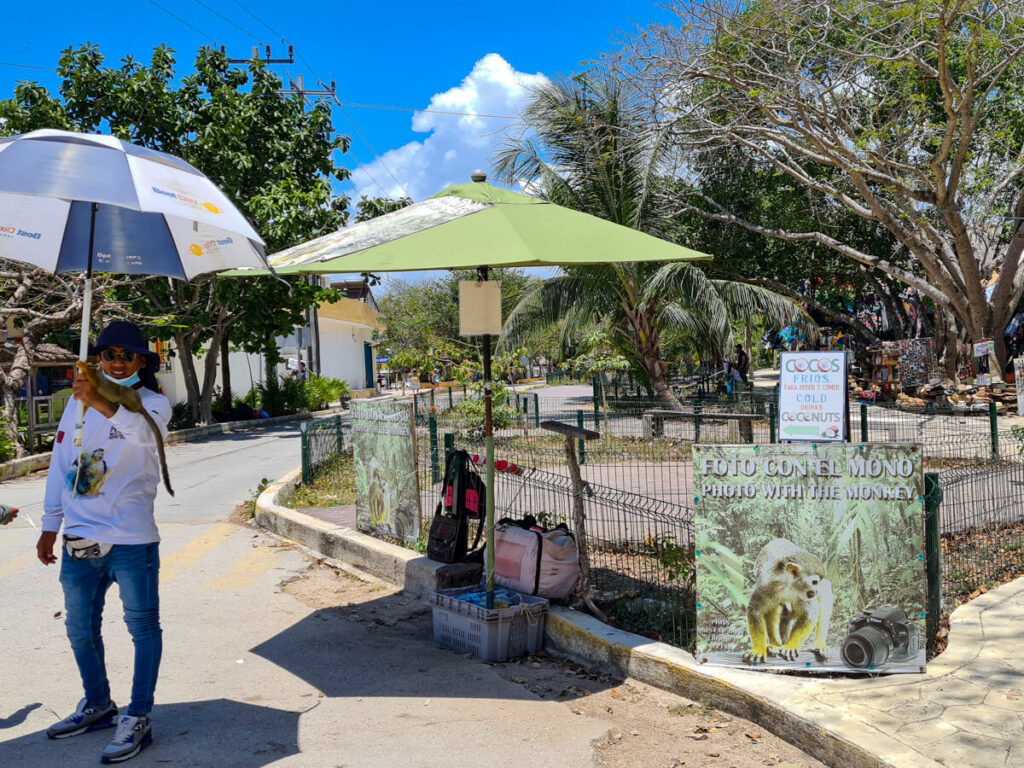
Swimming with captive dolphins, holding sea turtles, handling animals like sloths, koalas, parrots, and monkeys, or paying for souvenir photographs with wildlife might look like once-in-a-lifetime opportunities, but these activities can cause considerable stress and contribute to the exploitation of animals.
Instead, look for companies committed to ethical wildlife tourism practises and responsible wildlife-watching trips that allow animals to behave naturally and observe them from a respectful distance.
The takeaway
Ultimately, buying more sustainable travel gifts isn’t just about choosing products with recycled packaging or eco-friendly labels. It’s also about thinking carefully about where materials come from, how products are made, and whether our purchases contribute to the exploitation of wildlife or damage to natural environments. The best gifts are those that help them enjoy the natural world without taking away from it.
We don’t think travelling more responsibly means avoiding souvenirs or gifts altogether. In fact, choosing locally made artwork, supporting independent makers, buying durable travel essentials, and booking responsible wildlife experiences can be great ways to celebrate a destination while supporting the people who live there.
The most meaningful souvenirs should remind us of the wonderful places we’ve visited, people we’ve met, and wildlife we love, without leaving a negative mark behind

Unsustainable gifts and souvenir Resources
Here are some useful resources, papers, and websites we found helpful for learning more about the environmental impact of unsustainable gifts and souvenirs, spotting potentially harmful products, and making more responsible choices when shopping or travelling:

Read next:
15 Best Eco-friendly Gifts from Sustainable Brands for Travellers
10 Wildlife Charity Gifts That Give Back to Animals
20 Best Eco-friendly Travel Gifts For Ocean Lovers From Sustainable Brands
12 Best Reusable Water Bottles from Companies That Give Back
Water-to-Go Filter Bottle Review
Let’s Talk About The Plastic Problem
What is Sustainable Travel? A Simplified Guide
65 Ways to Be a More Responsible Traveller That Actually Make a Difference
The Dark Side of Travel: Why Responsible Tourism Isn’t Just Your Responsibility
