A Traveller’s Guide to Manuel Antonio: 22 Things to Do

Discover the top things to do, plus where to play, eat, and sleep, in the coastal town of Manuel Antonio, Costa Rica.
This post may contain affiliate links, which means we might earn a small commission on anything purchased through these links at no extra cost to you. Learn more on our disclaimer page.
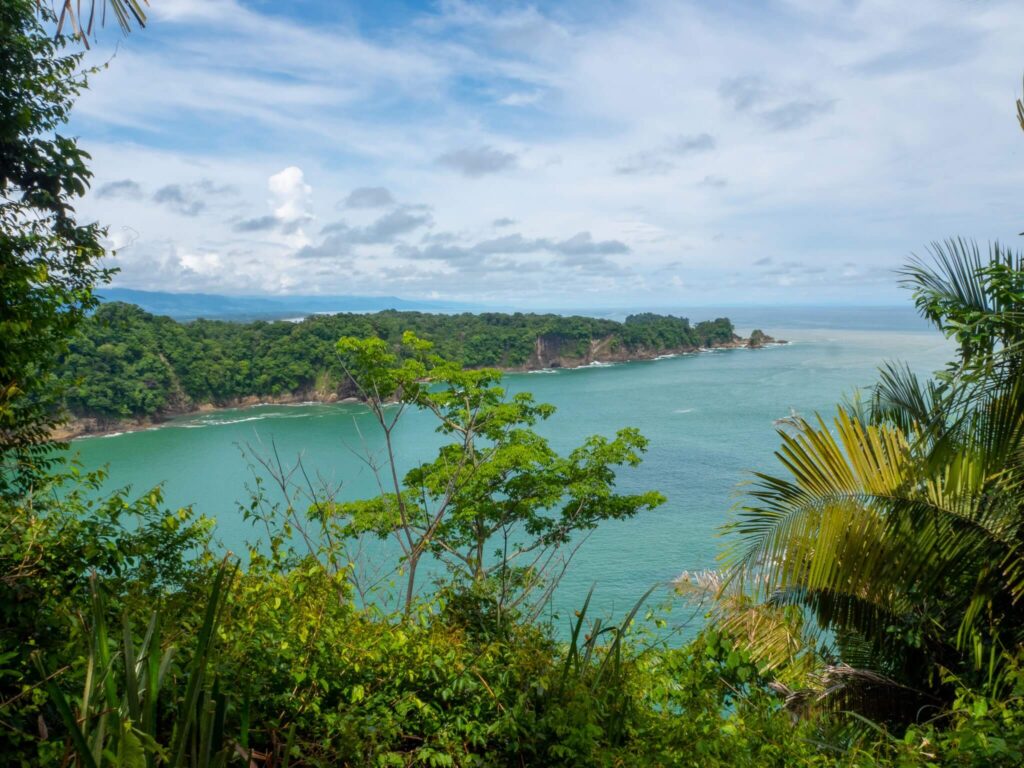
A small coastal town on Costa Rica’s Pacific Coast, Manuel Antonio is known for its stunning beaches and iconic national park. In Manuel Antonio National Park, visitors can see a rich array of native wildlife, including sloths, monkeys, coatis, agoutis, armadillos, and birds like toucans. There are also numerous hiking trails, lookouts, and secluded beaches to enjoy. While the town offers beachfront bars, restaurants, boutique hotels, and more beautiful beaches. Manuel Antonio town is a popular base for visitors looking to enjoy the best of Costa Rica’s nature-based activities, from hiking through the rainforest to wildlife watching. As a well-known destination that’s definitely on the tourist map, is it even worth visiting? We’ve compiled a complete list of everything you need to know about Manuel Antonio, including lots of fun things to do in and around the town, in this travel guide.
Manuel Antonio at a glance

About Manuel Antonio
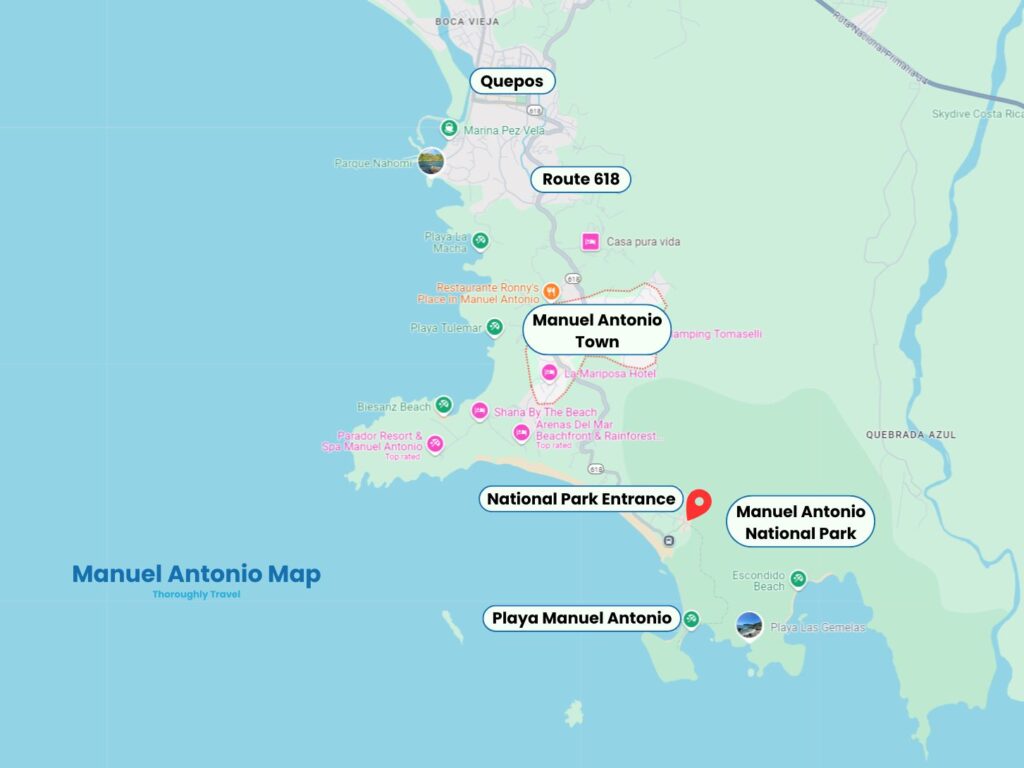
Manuel Antonio is a part of Costa Rica that’s quite confusing to first-time visitors. It’s a spread-out town, beach, and national park, all in one. The names of places can be quite confusing, so we’ve clarified them below:
Manuel Antonio Town
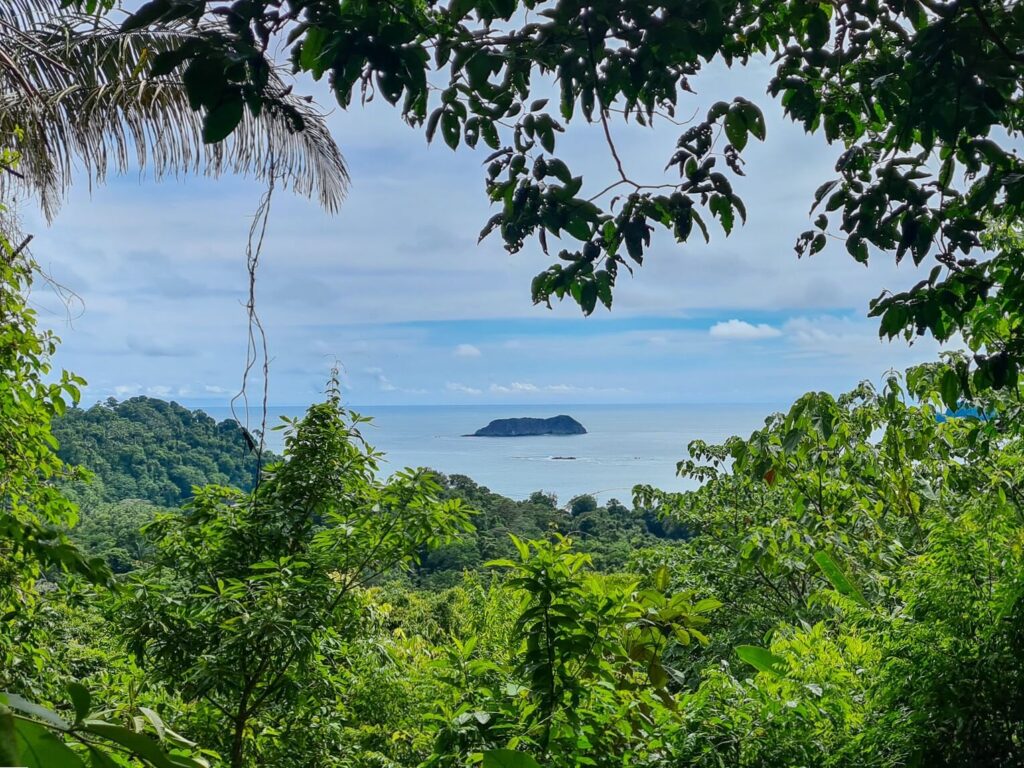
Manuel Antonio is a town of around 21,500 people, located on the west coast of Costa Rica. It is a popular base for exploring the region, with everything from rainforests and beaches to adrenaline activities like ziplining and white water rafting. It is most known for its proximity to the national park of the same name. The town is quite small but spread out, and you have to pass through it to reach the national park.
Manuel Antonio National Park
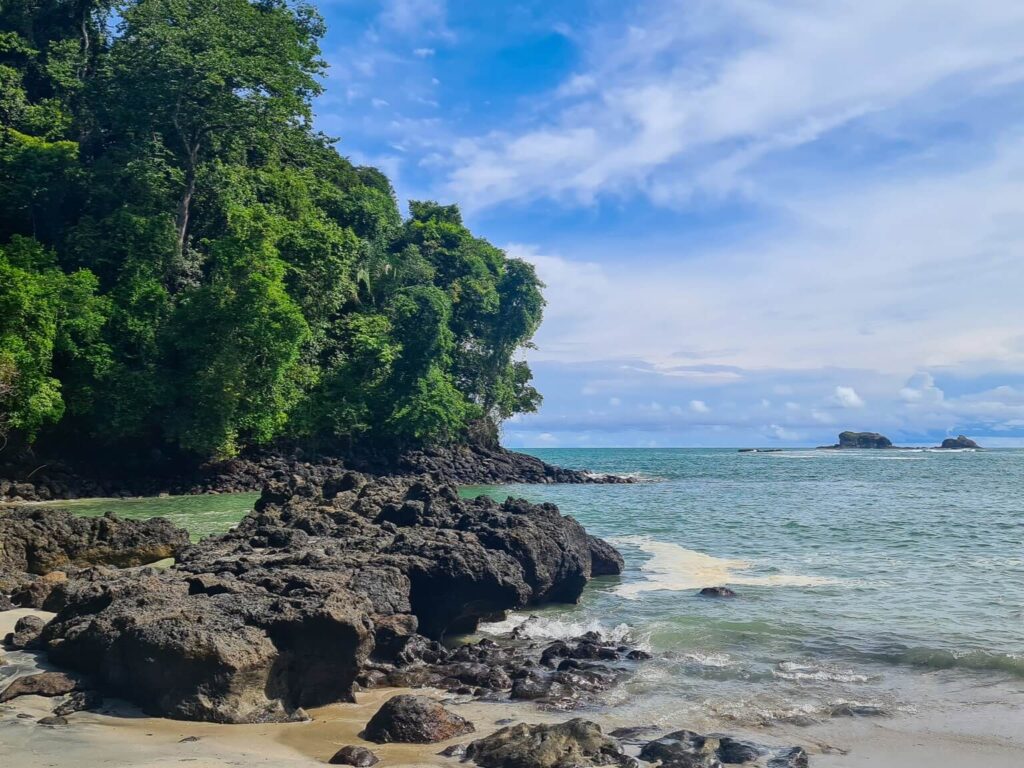
Manuel Antonio National Park spans 1,983 hectares (4,900 acres) to the south of Manuel Antonio town. It encompasses both land and marine areas, with rainforest areas that are some of the best places to see wildlife in Costa Rica. The park is also home to several beautiful beaches, including the iconic Playa Manuel Antonio.
Manuel Antonio Beach
The most famous beach in Manuel Antonio, Playa Manuel Antonio is a long stretch of pristine golden sand. Despite its name, Manuel Antonio Beach is actually located within the borders of the national park.
Quepos
Quepos is a neighbouring town to Manuel Antonio, situated just a 20-minute drive north. It is the gateway town to Manuel Antonio, and you’ll pass through it after turning off the highway. It’s a larger town with more accommodation and dining options, and it is home to a cruise port, airport, and bus station. Many people use Quepos as a base to explore Manuel Antonio and to visit the national park.
Route 618
Route 618 is the main road that runs between Quepos and Manuel Antonio National Park, passing through the town. It’s hilly and very narrow and has no footpath, but we had no problem driving it in our Nomad America 4×4 camper rental. If you don’t want to drive in Costa Rica, you can take the bus from the Quepos Bus Terminal – they run every 20-30 minutes throughout the day.

Manuel Antonio History
The area around Manuel Antonio was originally inhabited by Quepoa (or Quepo) people, part of the broader Chorotega culture. They lived along the Pacific coast and had a well-established society based on fishing, agriculture, and trade.
The Spanish arrived in the 16th century, and by the 17th century, most of the Quepoa were either displaced or assimilated due to colonisation, disease, and slavery.
For centuries, Manuel Antonio was a quiet, remote area with a few families engaged in fishing and subsistence agriculture.
Manuel Antonio National Park was officially established in 1972 after local citizens protested plans to develop the area for large-scale tourism (including a possible casino).
The park became Costa Rica’s smallest national park, but quickly gained international fame for its rich biodiversity and beautiful beaches. From the 1980s onward, Manuel Antonio became a model for eco-tourism in Costa Rica.
Today, the national park is one of the most visited in the country, with up to 360,000 people visiting annually. In 2023, visitors to the national park were reduced to 1120 people per day, limiting capacity to a maximum of 350,560 visitors a year.
Where is Manuel Antonio?
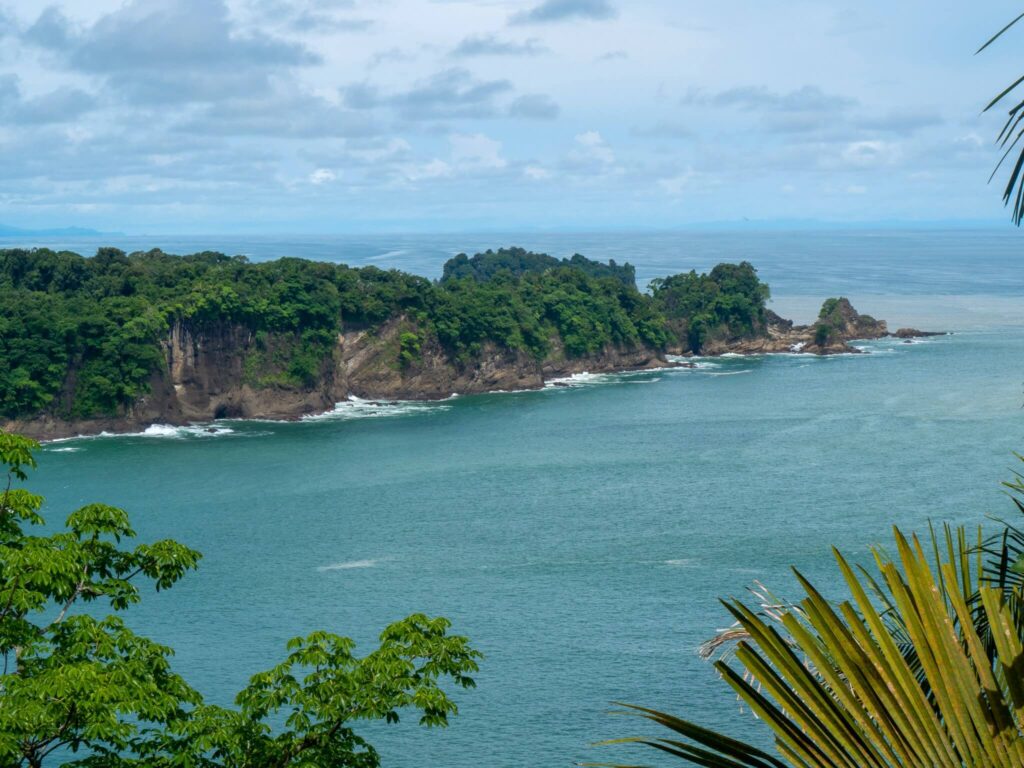
Manuel Antonio is located on the Pacific coast of Costa Rica in Puntarenas Province, about 105 miles (170 km) southwest of the capital, San José. It lies just a few miles from the town of Quepos, which is approximately 4.3 miles (7 km) away.
Set between the towns of Jacó to the north and Dominical to the south, Manuel Antonio offers a mix of lush rainforests and pristine beaches.

Manuel Antonio Map
We’ve marked where Manuel Antonio, the national park, the beach, and Quepos are on the map below.
8 best beaches in Manuel Antonio
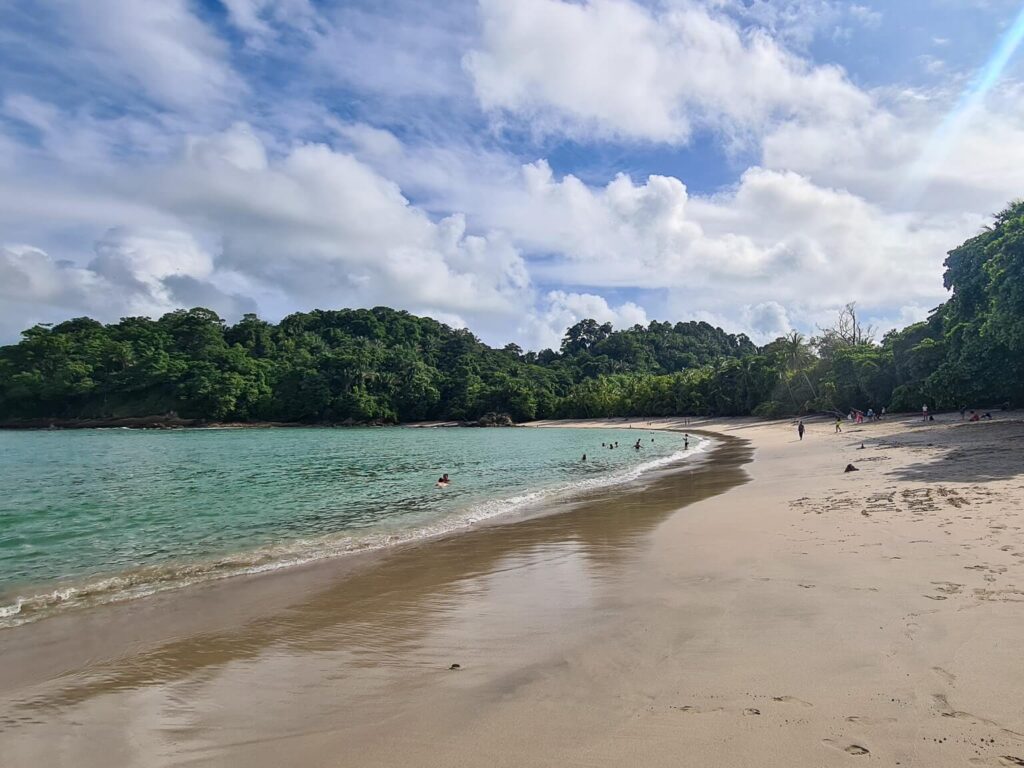
There are many beaches surrounding Manuel Antonio, from secluded coves to long expanses of soft sand. These beaches open when the park opens at 7:00 AM each day, but close at 3:00 PM to ensure the park is empty upon closing at 4:00 PM. Four of the best beaches in Manuel Antonio are actually located within the national park:
1. Manuel Antonio Beach
Located near the national park’s café, this stretch of white sand is the most popular beach inside the park. Manuel Antonio Beach is a great place to relax or swim in the secluded bay. Wildlife can often be spotted in the vegetation that lines the beach. Facilities, including showers, toilets, and a kiosk are right outside the entrance to the beach by the Junction.
2. Espadilla Sur Beach
Espadilla Beach stretches more than a mile along the coast. It is split into two sections – the northern end is located in the town of Manuel Antonio, while the southern end is within the national park.
This beach is located on the opposite side of the tombolo (a natural land bridge) from Manuel Antonio Beach. The currents here can often be strong.
3. Gemelas Beach
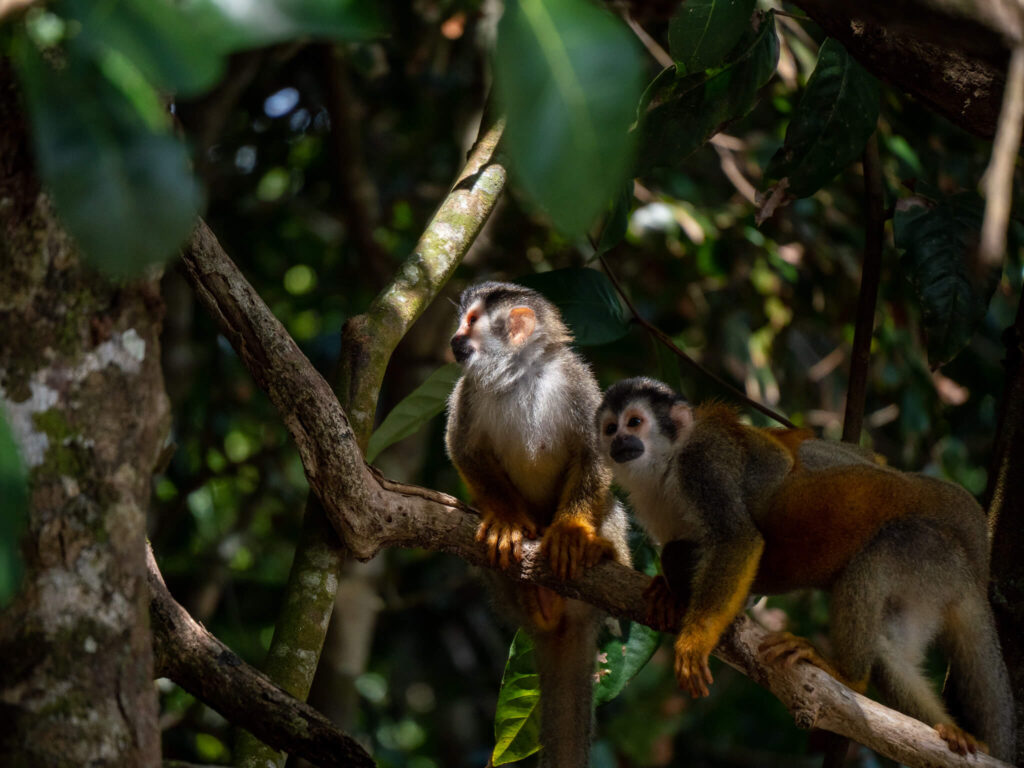
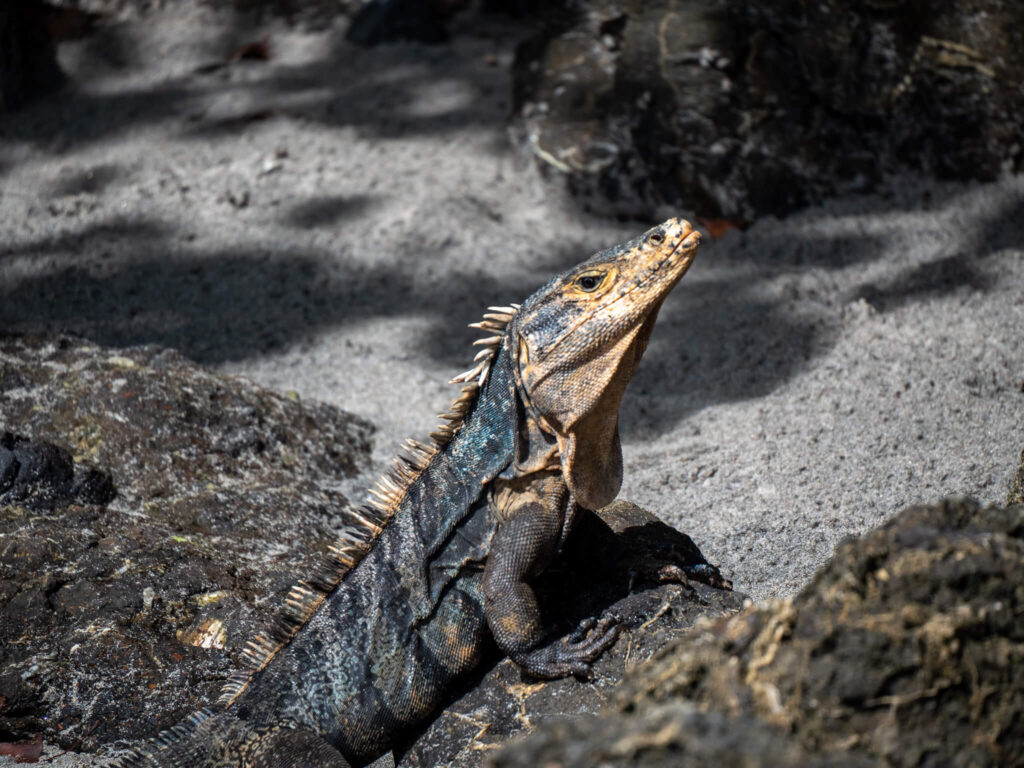
This small beach is further into the park, but much quieter than the other beaches mentioned so far. Gemelas Beach is also a popular place to see the elusive squirrel monkey. Crabs and iguanas can also be seen on the volcanic rock that lines the edges of the beach.
4. Escondido Beach
This beach sits on the eastern side of the conservation park and is the furthest from the entrance. Escondido Beach is surrounded by jungle and is a popular swimming spot for visitors.
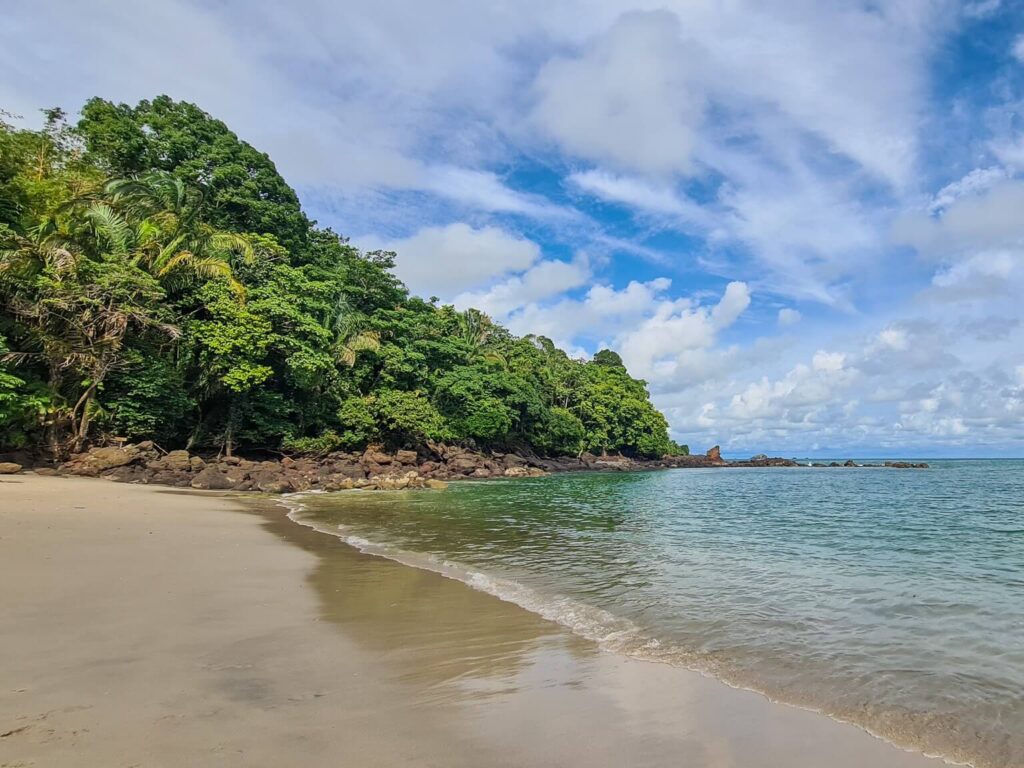
As well as the 4 beaches inside the national park, there are 4 stunning beaches in Manuel Antonio town:
5. Espadilla Norte Beach
The northern half of Espadilla Beach (the southern half is located within the national park), this beach is free to visit and lined with beach bars and restaurants. It is open from 5:00 AM to 6:00 PM every day.
6. Playitas Beach
This small beach lies further north and has a more relaxed vibe, being popular with the LGBTQIA+ community. Be aware that it is closed at high tide.
7. Biesanz Beach
A tree-shaded beach with a shallow bay, Biesanz Beach is perfect for sunbathing and swimming in the ocean.
8. La Macha Beach
Further north, this secluded beach sits at the edge of the city and is perfect for hiking through the jungle (in proper shoes) and spotting wildlife.
The best things to do in Manuel Antonio
Many of the activities in Manuel Antonio revolve around nature and wildlife watching. It’s easy to enjoy a mixture of nature, adventure, and relaxation, whether you’re looking for a laid-back vacation or a few days of high-adrenaline thrills. Here are the best things to do in Manuel Antonio.
Top 10 things to do in Manuel Antonio
Don’t have time to read the whole list? Here are the highlights:
- Manuel Antonio National Park
- Laze on the beaches
- Eat in local restaurants
- Camp by the beach
- Watch the sunset
- Day trip to Nauyaca Waterfall
- Kayak in the mangroves
- Take a catamaran cruise
- Go ziplining
- Sample coffee and chocolate
1. Visit the National Park
The most popular activity in Manuel Antonio, you can’t visit the town and miss visiting the national park. With picture-perfect beaches, epic viewpoints, winding trails through the rainforest, and an abundance of wildlife,
Visiting Manuel Antonio National Park can be complicated. It’s absolutely necessary to buy your ticket online in advance, as there are different entry time slots and a capacity limit each day. You can explore on your own or take a guided tour to maximise your chances of spotting animals and learn more about the park and the surrounding area.
Plan your visit to Manuel Antonio National Park with our guides:
2. Spread out on sandy shores
Manuel Antonio is renowned for its pristine beaches. From secluded stretches of sand and hidden coves to sprawling shores and palm-tree-lined coastline, the beaches here are some of the best in the country. While there are several beaches in the national park, the closest beach to town is Playa Espadilla Norte (the northern half of Espadilla Beach). It is free to visit and lined with beach bars and restaurants.
A handful of other beaches can be found a short drive from Manuel Antonio, including Playitas, Biesanz, and La Macha. Spend a day soaking up the sun and swimming in the crystal-clear ocean.

3. Sample Costa Rican cuisine
Manuel Antonio is a great place to sample authentic Costa Rican cooking, from hearty casados (traditional plates with rice, beans, plantains, salad, and your choice of meat) to freshly caught seafood dishes like grilled snapper or ceviche.
While there are plenty of high-end restaurants with menus priced in USD, some of the best restaurants in Manuel Antonio are authentic spots with affordable offerings. Local sodas (small, family-run restaurants) serve home-style meals with rich flavours and generous portions, while beachfront and hillside spots offer a mix of traditional foods with scenic views. Don’t miss trying gallo pinto (rice and beans) for breakfast or sipping on a fresh fruit smoothie made with tropical ingredients like mango, passionfruit, and guanábana.
For something really unique, head to El Avion, the onsite restaurant of Hotel Costa Verde.

4. Watch the sunset
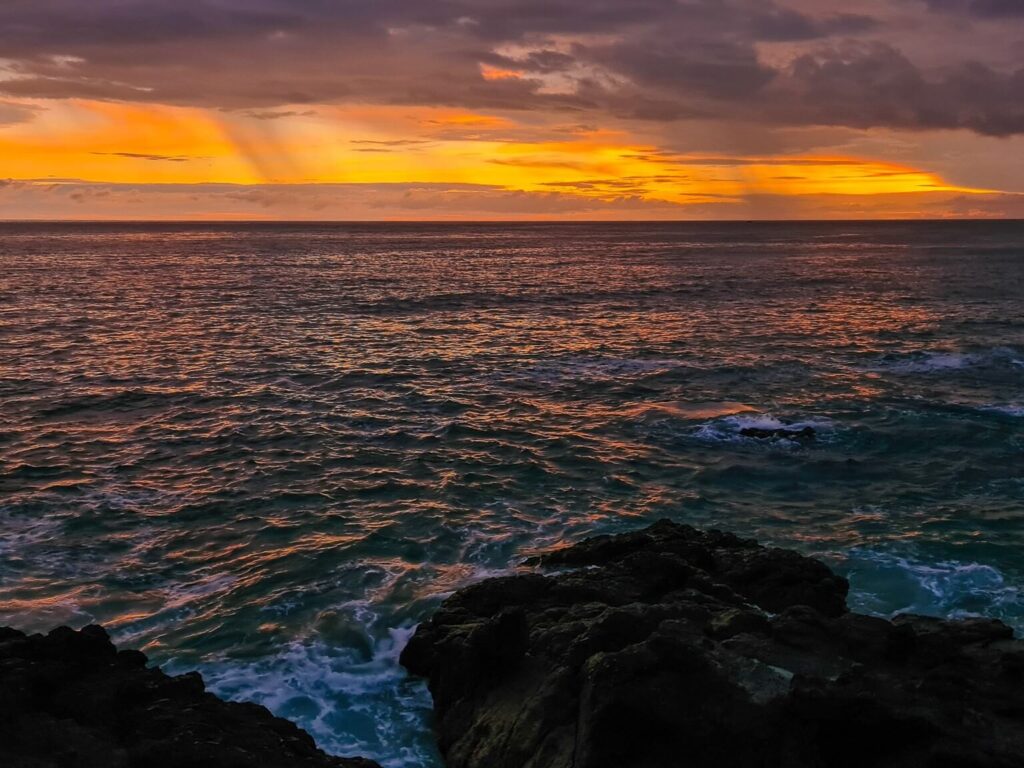
Watching the sunset in Manuel Antonio is a must-do experience. The town’s position on a hilltop overlooking the Pacific Coast puts it in a prime position to watch the sun dip into the ocean at the end of the day.
Watch the sky light up in vibrant hues of orange, pink, and purple, creating a dramatic backdrop over the jungle-covered hills and expansive beaches.
Some of the best spots in Manuel Antonio to watch the sunset include:
Sunsets typically occur between 5:30 PM-6:00 PM, depending on the time of year, but try to arrive at least half an hour early to grab a good spot. The best time to see the sunset in Manuel Antonio is during the dry season (December to April). As the sun moves throughout the year, it is often concealed from view in the wet season.
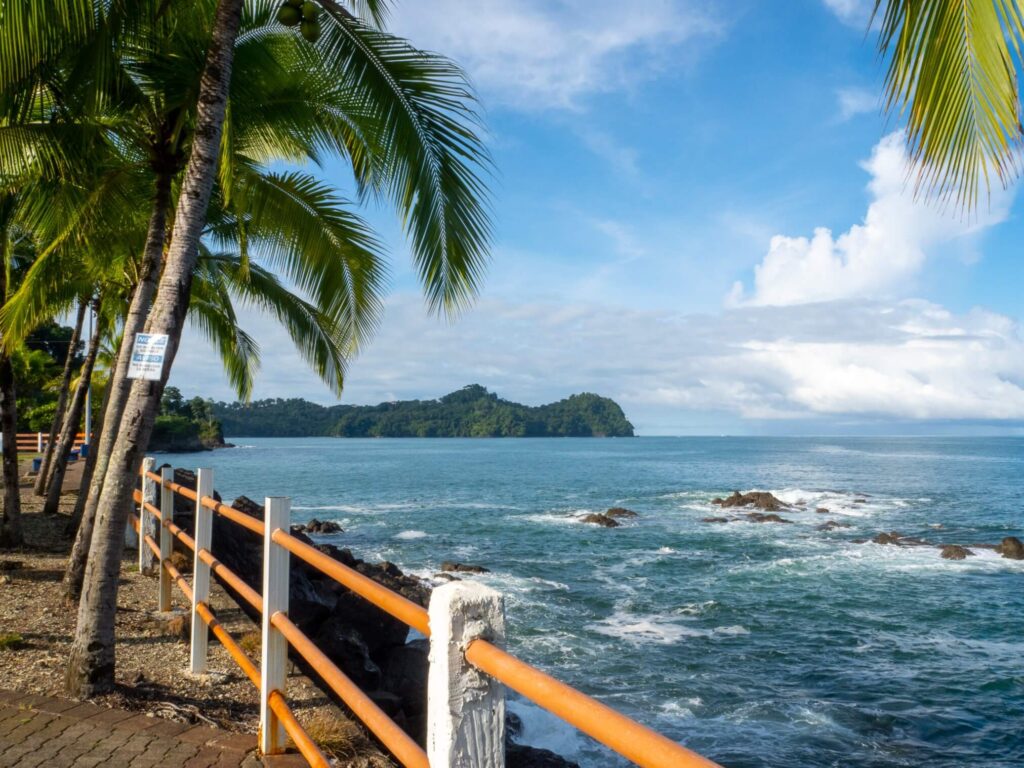
The sunsets in Quepos are equally (if not more) impressive, as the town has a better vantage point along the malecón (seafront promenade).
Wildlife Activities in Manuel Antonio
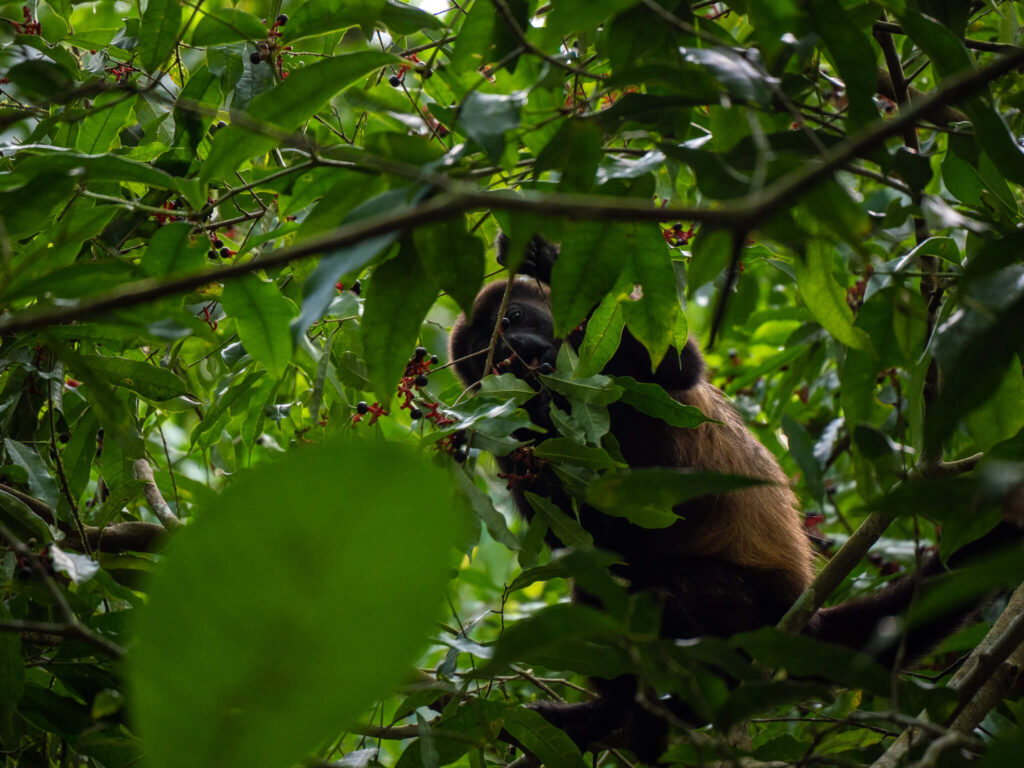
There are so many more opportunities to see wildlife in and around Manuel Antonio than just in the national park.
5. Visit the Crocodile Bridge
Although it’s not technically in Manuel Antonio, you’ll likely drive past the Tárcoles River Bridge, also known as the Crocodile Bridge, on the way to town.
It’s worth pulling into the parking lot and walking out over the bridge to spot large American crocodiles, which inhabit this part of the river and are often seen lounging on sandbanks or floating in the water. It’s completely free, and it’s so cool to be able to observe such huge creatures.
If you’d like to get a bit closer, join a boat tour and sail down the river, observing wildlife in its natural habitat – just be sure to choose an operator that prioritises animal welfare and doesn’t feed any animals.
Watch your belongings and keep valuables in your car out of sight, as there have been reports of theft in this area, and there are numerous vendors selling souvenirs, which may be a bit pushy – although we had no problem on our visit in June.

6. Take a night walk
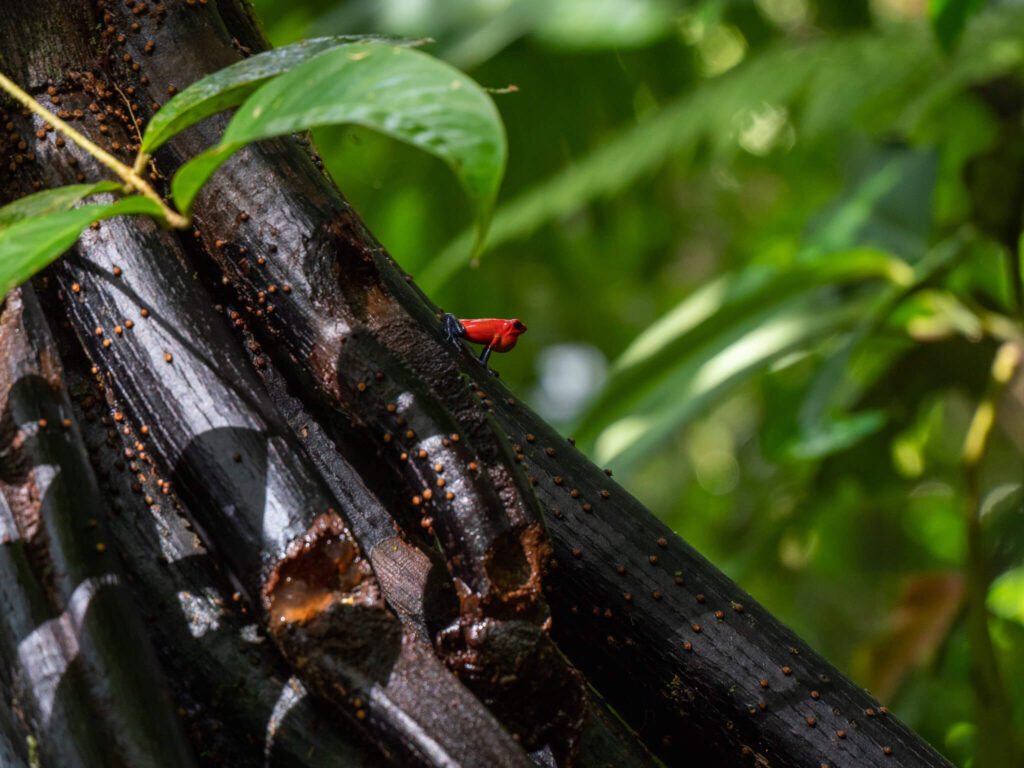
As darkness falls, the rainforest comes alive with creatures that remain hidden during the day. Guided by a certified naturalist, embark on a walk along jungle trails, equipped with flashlights to spot and learn about various nocturnal species.
Nighttime tours are one of the best things to do in Manuel Antonio and are a great way to see critters like frogs, bats, snakes, and spiders, but you might also spot kinkajous and sloths, too.
Many tours include transportation and dinner, while the walk itself is usually around 2 hours.
7. Volunteer at Kids Saving the Rainforest Wildlife Sanctuary
For guaranteed wildlife sightings, head to the Kids Saving the Rainforest Wildlife Sanctuary. This ethical wildlife refuge is verified by the Global Federation of Animal Sanctuaries and focuses on the rescue and rehabilitation of sick and injured animals. Animals that are unable to survive in the wild are looked after permanently.
Take a guided tour of the sanctuary to discover the amazing work it does to look after the animals, as well as learn more about the species here, the threats they face, and the care they need. Or volunteer for a day and take part in the day-to-day work, including preparing food, cleaning cages, and providing enrichment activities, in an immersive wildlife experience.
Nature Activities in Manuel Antonio
If you’re looking for a more active way to enjoy the region’s stunning scenery, from the coast to the rainforest, here are some great ways to enjoy Manuel Antonio’s landscapes.
8. Take a cruise along the coast
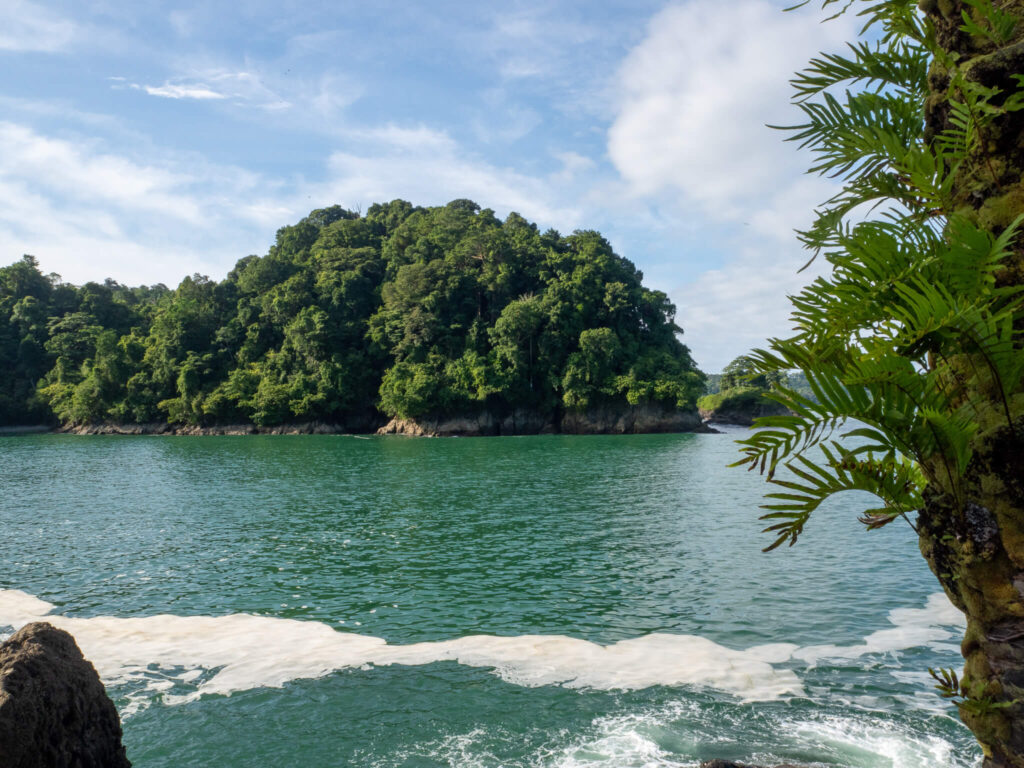
Explore secluded coves, rocky capes, and jungle-lined beaches on a Manuel Antonio boat trip. Cruise along the coastline on a catamaran, taking in epic views, and relax on board with snacks and drinks. Opt for a sunset cruise for something extra romantic.
Look out for dolphins as you sail along, and you may even see whales during the humpback whale migrations between December to mid-April and mid-July to November.
Most boat trips depart from the Marina Pez Vela in Quepos, but some include pick-up from accommodation in Manuel Antonio.
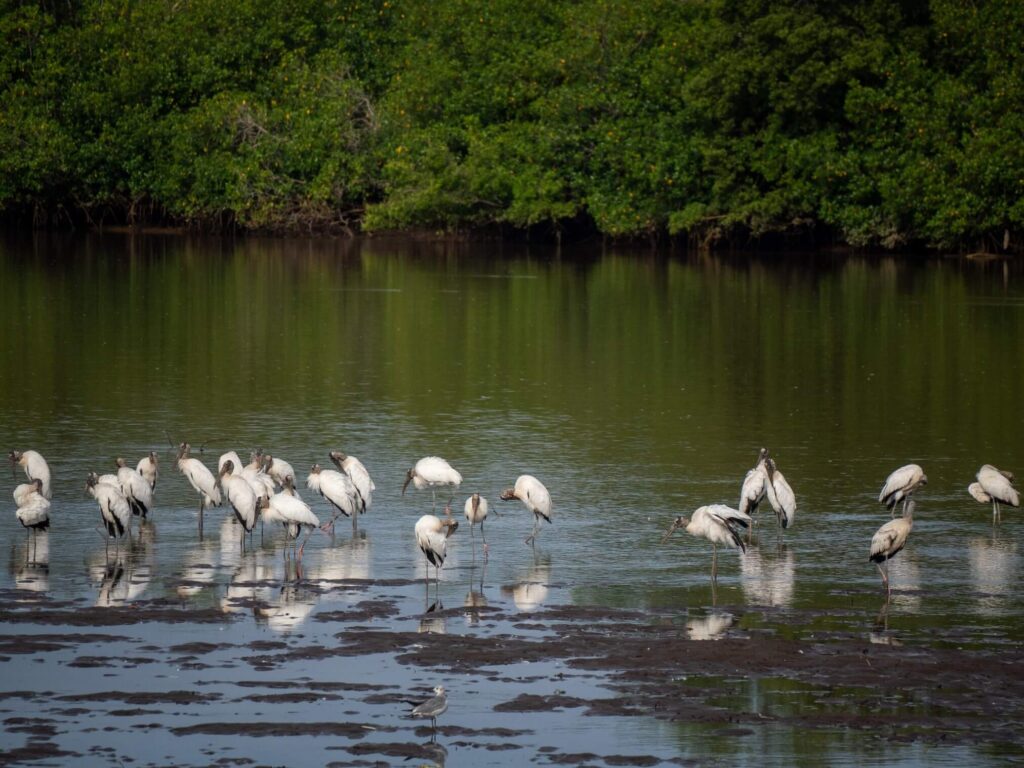
9. Kayak the mangroves at Damas Island
Explore Manuel Antonio’s mangroves from the water on a kayak tour. Mangroves are a vital ecosystem, and kayaking among them is one of the most unique things to do in Manuel Antonio.
Damas Island (Isla Damas) is a popular spot for kayaking, where visitors can explore a sprawling mangrove forest. A small island just north of Quepos, here you can explore a winding system of estuaries and canals, perfect for kayaking on the calm waters. Opt for a boat tour if you want a bit more comfort.
10. Cross suspension bridges at Rainmaker Conservation Park
Located near the village of San Rafael Norte, Rainmaker Conservation Park is a privately owned nature reserve spanning approximately 1,400 acres of pristine rainforest. It is home to around 1.5 miles (2.4 km) of trails, waterfalls, bridges, and an abundance of flora and fauna.
With suspension bridges similar to those at Mistico Hanging Bridges, this is a great place to experience Costa Rica’s hanging bridges without venturing too far from Manuel Antonio. Choose from a guided or self-guided tour and explore the park, spotting wildlife and learning more about local plant life.
Rainmaker Conservation Park is only a 40-minute drive from Manuel Antonio and is perfect for wildlife lovers who haven’t had their fill in the national park.

Adventure Activities in Manuel Antonio
Manuel Antonio is a great base to enjoy a variety of thrilling adventure activities – here are some fun adrenaline activities to get your heart pumping.
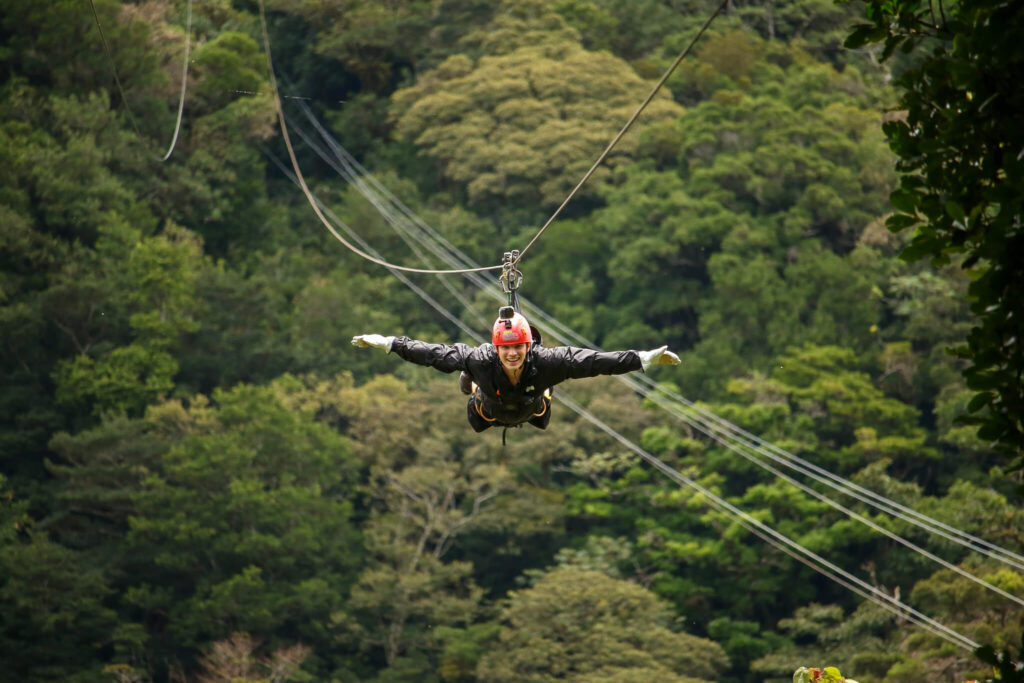
11. Zipline through the treetops
Whizz over the forest canopy with epic panoramic views on a zipline. While not as many options as in Monteverde, ziplining is one of the most fun things to do in Manuel Antonio.
Head to El Santuario Canopy Adventure and experience Central America’s longest twin zipline as you navigate across 11 ziplines, 14 tree platforms, and 6 hanging bridges.
Ziplining can also be combined with other exhilarating activities, including waterfall rappelling, hanging bridges, and a 4WD safari ride.
12. Go ATV off-roading
Fly through the jungle and go off-road on an all-terrain vehicle adventure in Manuel Antonio. An exhilarating way to immerse yourself in Costa Rica’s lush landscapes, navigate through dirt roads, mountain paths, and river crossings, spotting wildlife as you go.
Many tours stop at secluded waterfalls where you can cool off and enjoy a refreshing swim. They typically last around 4 hours, and some operators include transportation and meals too.

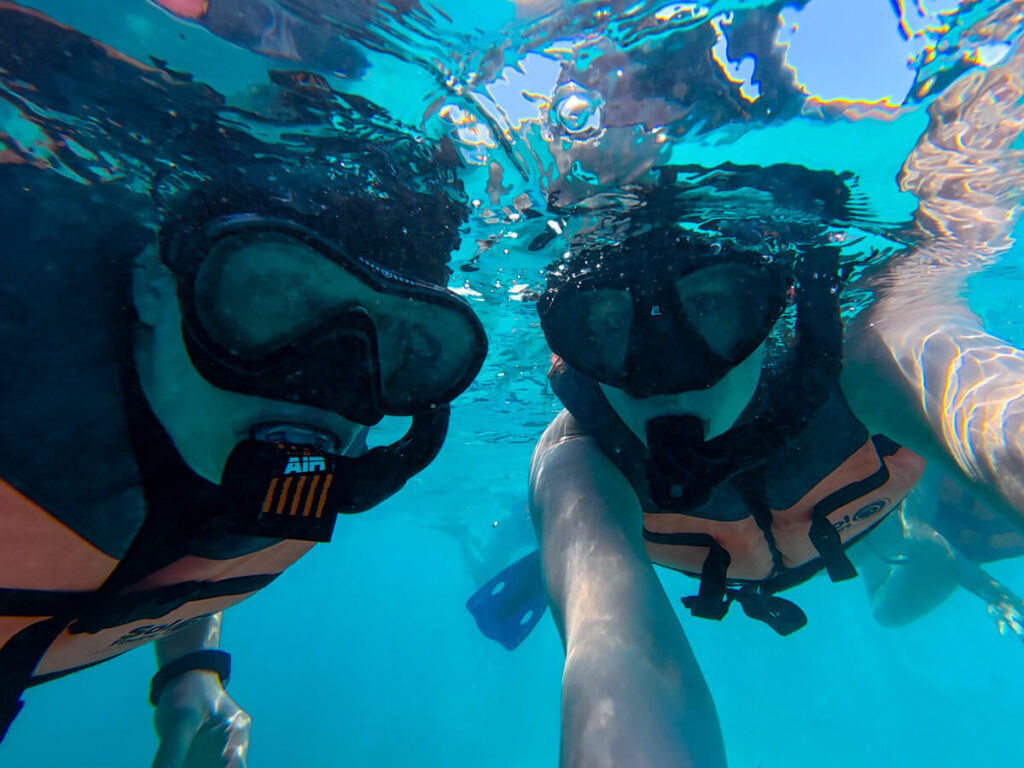
13. Dive into the underwater world
While Manuel Antonio doesn’t have the best water visibility, it’s a great gateway to iconic snorkelling spots along the Pacific Coast. In Manuel Antonio, Playa Manuel Antonio and Playa Biesanz are the best spots for easy snorkelling. Playa Las Gemelas (The Twins) is a unique rock formation just 15 minutes by boat from Quepos, and another good spot. An hour’s dive north, Playa Mantas and Playa Blanca in Jacó are two good snorkelling beaches when conditions are calm.
If you have a car, it’s best to take the hour’s drive south to Uvita and take a boat trip to Caño Island. One of the best places in Costa Rica for snorkelling and SCUBA diving, this biological reserve is teeming with vibrant coral reefs and marine life like turtles, rays, sharks, and tropical fish. It’s a long day, but totally worth it if you’re an ocean lover seeking fun things to do in Manuel Antonio.
14. Go white water rafting
With two rivers nearby, Manuel Antonio is a great place to go white water rafting. Choose between the Savegre River and the Naranjo River, and ride the rapids as you pass through narrow canyons and wind downriver, over steep drops.
Rio Savegre is great for beginners with calmer class II-III rapids, while Rio Naranjo offers a more intermediate level with class III-IV rapids. If you’re a thrill seeker, choose the El Chorro section of the Rio Naranjo, which features class IV-V rapids. Whichever you choose, you’re bound to get the adrenaline pumping.

15. Learn to surf
Being on the Pacific coast, Manuel Antonio’s beaches feature consistent swell and big waves, making them great for surfing. While the town isn’t known for its surf culture like the nearby hippie Dominical, it is still a great place to learn to catch a wave.
Head to Playa Espadilla Norte if you’re a beginner, while Playa Playitas is great for those with a little more experience. Board rentals are available, but it’s a good idea to take a surf lesson and get acquainted with the area’s breaks before heading out on your own.

Cultural Experiences in Manuel Antonio
Manuel Antonio may be touristy, but that doesn’t mean you can’t experience local culture here.
16. Visit a chocolate plantation
Chocolate tours take you deep into the ancestral traditions of cacao cultivation and production. Often led by guides with indigenous heritage or strong local ties, you’ll walk through a plantation, learning how cacao is fermented and dried, and participate in grinding roasted beans to make your own chocolate from scratch. These interactive experiences highlight the sacred role of cacao in pre-Columbian cultures and offer the opportunity to sample various stages of chocolate, from pure nibs to the final product.

17. Sample local coffees
Costa Rica is famous for its world-class coffee. While Manuel Antonio isn’t a coffee-growing region itself, nearby mountains provide the perfect setting for immersive coffee tours. These tours often start with a scenic drive inland to family-owned farms where you can learn how coffee is grown, harvested, and processed. You’ll see the journey from bean to cup, including roasting and tasting freshly brewed coffee in its purest form.

Day trips from Manuel Antonio
Manuel Antonio is a great base to explore the Pacific Coast, as not only is there loads to do in the town, but there are endless activities in the surrounding area too. From whale watching to waterfall hikes, here are the best day trips from Manuel Antonio.
18. Hike to Nauyaca Waterfall
A set of two towering cascades, Nauyaca Waterfall drops a total of 106 metres (348 ft) and is one of the most famous natural attractions in Costa Rica. Spend a day a the falls, bathing in the refreshing water, and hiking round-trip through lush rainforest.
There are two ways you can access the falls:
Don Lulo’s entrance is the cheapest entrance. The walking distance from the office (if you take the bus) is about 3.7 miles (6 km) one-way, while from the parking lot it’s about 2.4 miles (3.8 km), mostly uphill. You can also take a 4×4 both ways, which only requires walking the final 150 metres (500 ft), but you are only allowed 2 hours at the falls. Parking is located 1.3 miles (2 km) from the office, which can be found just off Route 2460.
The Nauyaca Waterfall Nature Park entrance is more expensive to enter, even if you’re walking one-way and getting the trolley back up. It’s 1.7 miles (2.7 km) to the falls, and you need to return to the nearby ranch to be collected by the return trolley. It also offers a pricier round-trip trolley option, but you need to walk the final distance from the drop-off to the falls, which is 750 metres (2460 ft). The office can only be reached by car and is about 1.7 miles (2.7 km) off Route 243.
Nauyaca Waterfall is just under an hour’s drive from Manuel Antonio, or you can take the short journey by public bus – take a bus from Quepos Bus Terminal heading to San Isidro and ask the driver to drop you off at Nauyaca Waterfalls.

19. Browse the artisan market in Dominical
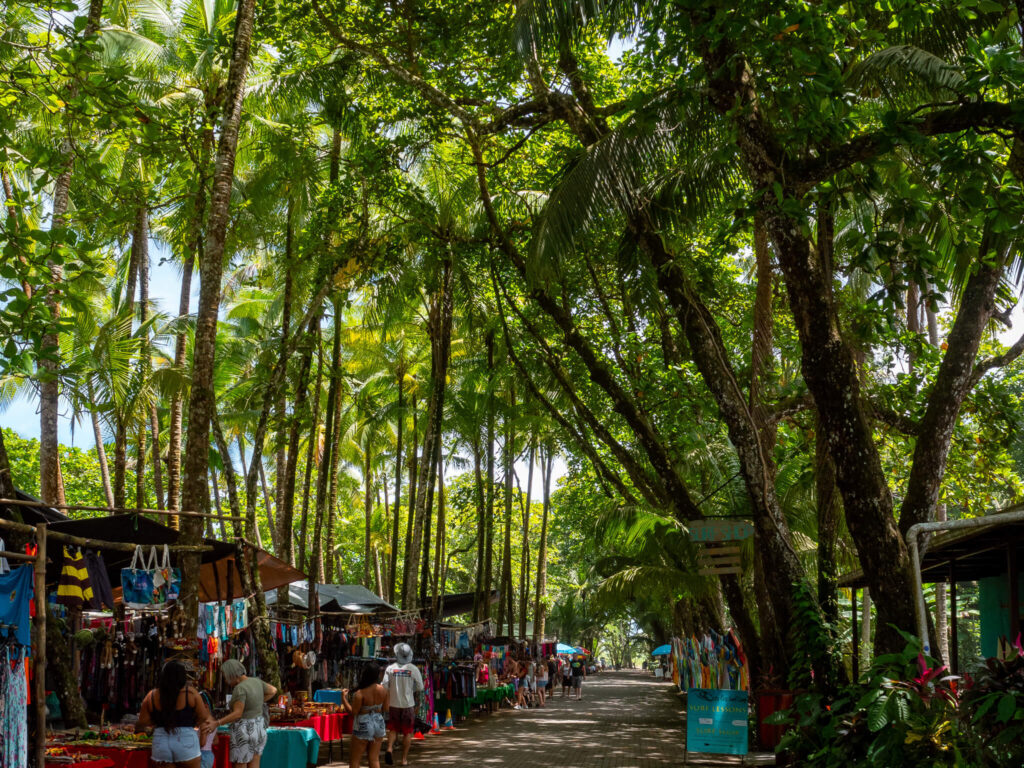
The hippie surf town of Dominical is renowned for its iconic artisans market, which lines the road by the main beach. Only a 50-minute drive from Manuel Antonio, this charming coastal town is a great place to pick up a unique souvenir.
Browsing the beachfront Artisan Market is one of the best things to do in Dominical, with stalls selling trinkets like jewellery and accessories, as well as locally-made clothing and carved wooden items.
Vendors are set up in the shade of the palm-tree-lined street that runs parallel to the main beach. There aren’t really any regular opening hours – vendors set up as and when they like – but there are almost always stalls to browse during the day, every day of the week.
20. Go whale watching in Uvita
While there are a variety of ocean safaris from Manuel Antonio, Uvita is the best place to go whale watching in Costa Rica.
Around an hour’s drive south of Manuel Antonio, two migrations of humpback whales visit the waters here every year, between December to mid-April and mid-July to November.
The best way to experience these gentle giants is to take a whale watching tour from Uvita and head out to sea. As well as whales – which may perform acrobatic displays, slapping and leaping from the water, if you’re lucky – you may also see dolphins, turtles, and other marine life.
Besides whale watching, Uvita town is worth visiting for its gorgeous beach, boutique hotels, and top-quality restaurants and cafés. Uvita Waterfall (Catarata Uvita or Cascada Verde) is also a popular spot, featuring a 7.5 metres (25 feet) tall cascade and a big swimming pool.

21. See the whale tail in Marino Ballena National Park
Marino Ballena National Park is a protected reserve near Uvita and part of the Osa Conservation Area, created as a safe area for humpback whales. If you go whale watching, you’ll take a boat out into the ocean part of the park, but it’s a unique land formation nearby that captivates visitors.
The park is known for its rocky promontory shaped like a whale tail – a weird coincidence due to its location on the Costa Ballena (whale Coast) in the heart of the whale watching zone. At low tide, the peninsula appears, and you can walk out into the ocean along the exposed sandbank with waves crashing on either side.
Playa Uvita and its surrounding bays are also part of the national park. There’s a small entrance fee, but you can use the same ticket to enter on land if you’ve already been whale watching on the same day.
22. Go birdwatching in Los Quetzales National Park
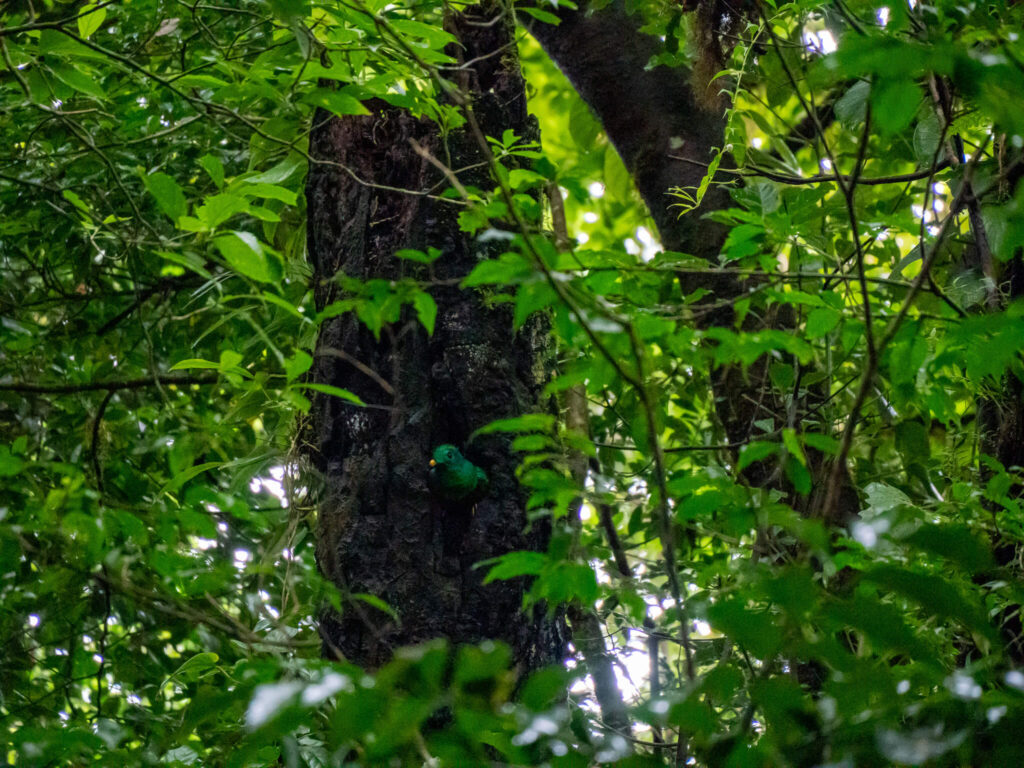
True to its name, Los Quetzales National Park (Parque Nacional Los Quetzales) is a birder’s paradise and one of the best places to see quetzals in Costa Rica.
It’s a bit of a trip from Manuel Antonio, at just under 3 hours’ drive, but it’s located within 2 hours of San José, making it a great stop to visit on the way to Manuel Antonio after renting a car in the capital.
Where to stay in Manuel Antonio
Manuel Antonio is a small town and completely walkable. Options of accommodation range from budget hostels to boutique hotels. Choose from beachfront rooms to a hotel surrounded by lush jungle – and keep an eye out for monkeys in the trees. Or pick a hotel right at the entrance to the national park and be in a prime position to enter first thing in the morning.
Manuel Antonio Hotels
How many days are enough in Manuel Antonio?
You only need one day in the national park, but it’s a good idea to spend a couple of days in Manuel Antonio town to see the main sights. Three days would give you plenty of time to explore the hikes, beaches and activities in the area.
Should you stay in Quepos or Manuel Antonio?
Manuel Antonio is great if you want epic views, easier access to the beach and national park, and a more relaxed, nature-focused atmosphere. But it can be pretty crowded, expensive, and more commercial. Quepos is best if you’re on a tighter budget, want a more local, urban experience, or aren’t keen on spending time in Manuel Antonio when it’s busy.

Camping in Manuel Antonio
Camping in Manuel Antonio is very limited. No camping is allowed inside Manuel Antonio National Park, and it’s not recommended to camp right outside either.
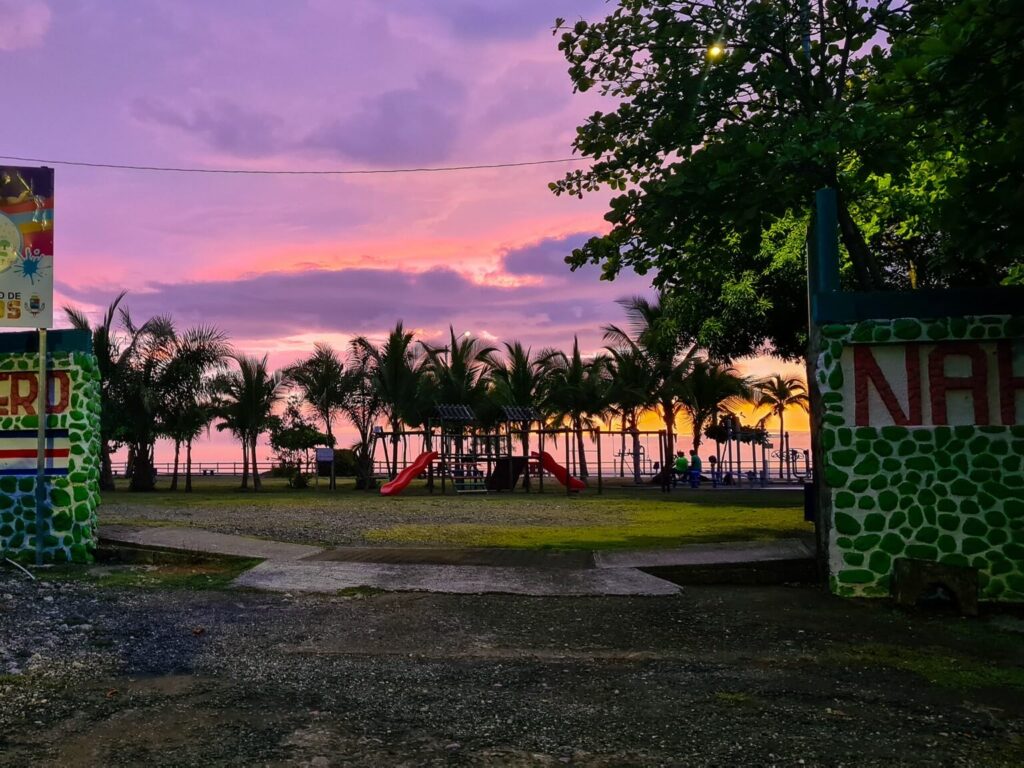
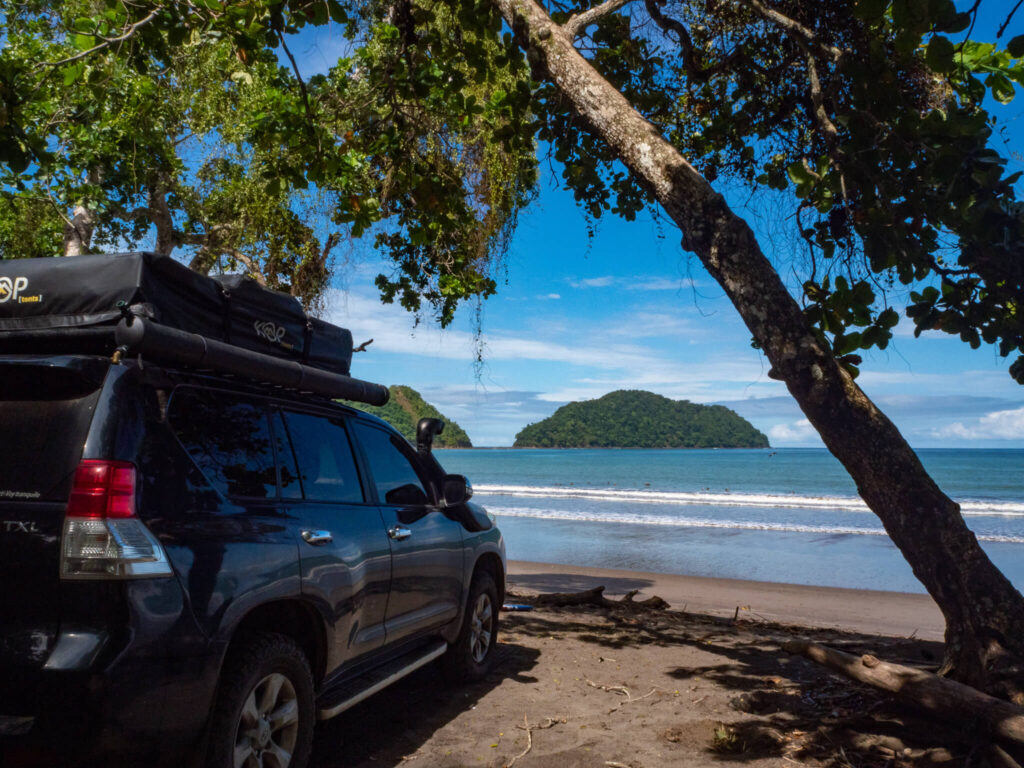
The night before we visited Manuel Antonio National Park, we camped at Parque Nahomi on the edge of Quepos. This free campsite has toilets, showers, BBQs, water and security (although they are closed at night) and gave us some insane views to wake up to in the morning. Then, we were only a 15-minute drive from the entrance.
Using the iOverlander app is a great way to find spots for camping in Costa Rica. Wild camping is legal in Costa Rica, so it’s possible to find a public place to pull up in and stay overnight. If you need more facilities, you can book an official campsite or take advantage of some of the many free campsites.
Where to eat in Manuel Antonio
Manuel Antonio is home to a variety of upmarket and local restaurants serving everything from international cuisine to authentic meals. Here are some of the best places to eat in Manuel Antonio town.
Manuel Antonio Restaurants

How to get to Manuel Antonio
It’s easy to get to Manuel Antonio via a variety of transportation methods, including car, bus, and plane.
By plane
Manuel Antonio is accessible from two main airports: Juan Santamaría International Airport (SJO) in San José and Quepos La Managua Airport (XQP).
To fly in, the closest airport is Quepos Airport. It’s possible to get a 25-minute domestic flight from Juan Santamaría International Airport to reach it.
How far is Manuel Antonio from the airport?
Manuel Antonio is about 70 miles (113 km) from San José International Airport (SJO) and around 7 miles (11 km) from Quepos La Managua Airport (XQP).
By car
The easiest way to get to Manuel Antonio is to rent a car and drive in Costa Rica. It’s a scenic drive, roughly 2.5 to 3.5 hours from San José via Route 27 and the coastal Route 34.
The drive from Quepos airport is an easy half-hour drive, and rental car companies are available there, but options are more limited than in San José.
How much is Uber from San José to Manuel Antonio?
Taxis will take you from the capital to Manuel Antonio for around $200 USD.
Uber also operates in Costa Rica and may offer the ride for $150-200 USD.
By bus
Buses to Quepos from San José depart multiple times a day and leave from the Tracopa Bus Terminal. The journey takes around 3-4 hours and costs around $10-$15 USD.
From Quepos, you can connect to the local bus that runs to Manuel Antonio and the national park.
How much is the bus fare from Quepos to Manuel Antonio?
The first bus of the day from Quepos Bus Terminal is around 5:00 AM, and the last bus back is around 9:00 PM, with buses running around every hour. It costs around ₡3,000-3,500 ($6-7 USD) and the journey takes around half an hour.
By transfer
Booking a transfer is a cheaper option than a taxi or rental car, yet still convenient. It’s more expensive than the bus but more reliable too. There are direct shuttles from many different destinations around Costa Rica, like from Monteverde or from La Fortuna. Companies like RideCR, Paradise Shuttle, and Interbus run these shuttle services.
By ferry
If you’re coming from northwest Costa Rica or the Nicoya peninsula, it’s probably faster to take the Paquera-Puntarenas ferry than to drive the whole way.

How to get around
There are a variety of ways to get around the Manuel Antonio area.
On foot
Manuel Antonio may be small, but it’s spread out. While some parts of the town are walkable, it’s not a good idea to walk down Route 618, as it’s very narrow with no footpath.
Depending on where you’re staying, it may be possible to walk to nearby beaches and restaurants. If you’re staying near the entrance to Manuel Antonio National Park, it’s possible to walk to nearby restaurants, hotels, shops, and Espadilla Beach.
Getting to nearby attractions will require a car or a tour.
By car
Many of the best things to do in Manuel Antonio are outside the boundaries of the town. The easiest way to get around is by driving yourself. Having a rental car also gives you the chance to explore more of the Pacific Coast and its stunning scenery.
By taxi
There are taxis around the town. They aren’t the cheapest option, but they can get you from A to B smoothly. The red taxis are official but slightly more expensive than the ‘pirate taxis’ used by locals. You can hail red taxis on the street or arrange for them through your hotel. Pirate taxis are usually identified as they slow down or flash their lights at you.
By bus
The local bus follows the 618 road between Quepos and Manuel Antonio National Park, passing through Manuel Antonio town and making multiple stops along the way. Bus stops are signposted by a little sign that reads ‘parade’, and buses only pick up and drop off from these designated stops.
When to visit Manuel Antonio
The best time to visit Manuel Antonio is during the dry season from December to April, when clear skies, warm temperatures, and calm seas create ideal conditions for wildlife spotting, beachgoing, snorkelling, hiking in the national park, and exploring the area’s scenic coastline. This is also the busiest time of year, so expect higher prices and more visitors, especially around holidays.
If you prefer fewer crowds and don’t mind some rain, the green season from May to June brings vibrant jungle scenery, lower accommodation costs, and a more relaxed pace. Rain sometimes falls in the afternoons, while mornings are often sunny and perfect for outdoor activities.
The wet season from July to November sees more frequent rain, but it’s also when Manuel Antonio National Park is at its lushest, and wildlife is abundant. Though afternoon showers are common, mornings can still be clear. Surfers and nature lovers often enjoy this time for its quiet beaches, dramatic skies, and intimate rainforest experiences.
Manuel Antonio Weather

How long to spend in Manuel Antonio
For most travellers, 2 to 5 days is ideal to experience the highlights of Manuel Antonio. This gives you enough time to explore Manuel Antonio National Park, relax on the beaches, spot wildlife like sloths and monkeys, and enjoy local dining and sunset views without feeling rushed. You can also fit in a couple of activities like snorkelling, ziplining, or a catamaran cruise.
If you’re a nature lover, photographer, or digital nomad, you might want to extend your stay to 1-2 weeks or longer. Manuel Antonio makes a great base for slow travel and offers easy access to nearby spots like Quepos, Rainmaker Reserve, Isla Damas Mangroves, or day trips to Nauyaca Waterfalls and Dominical.
Our experience in Manuel Antonio
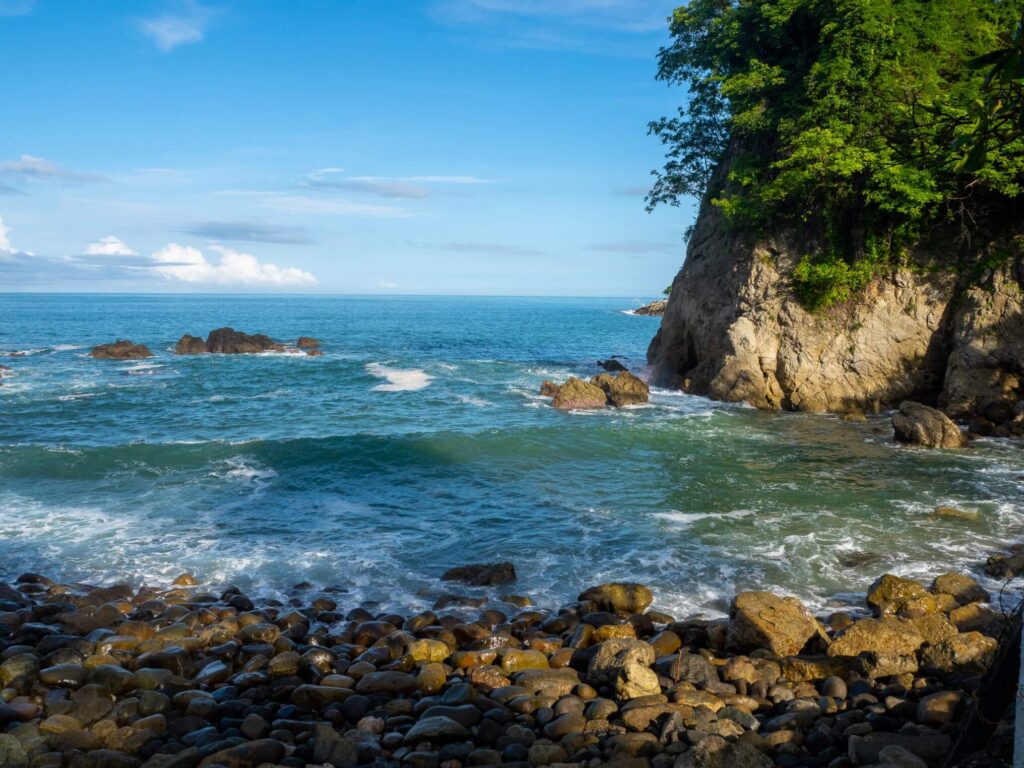
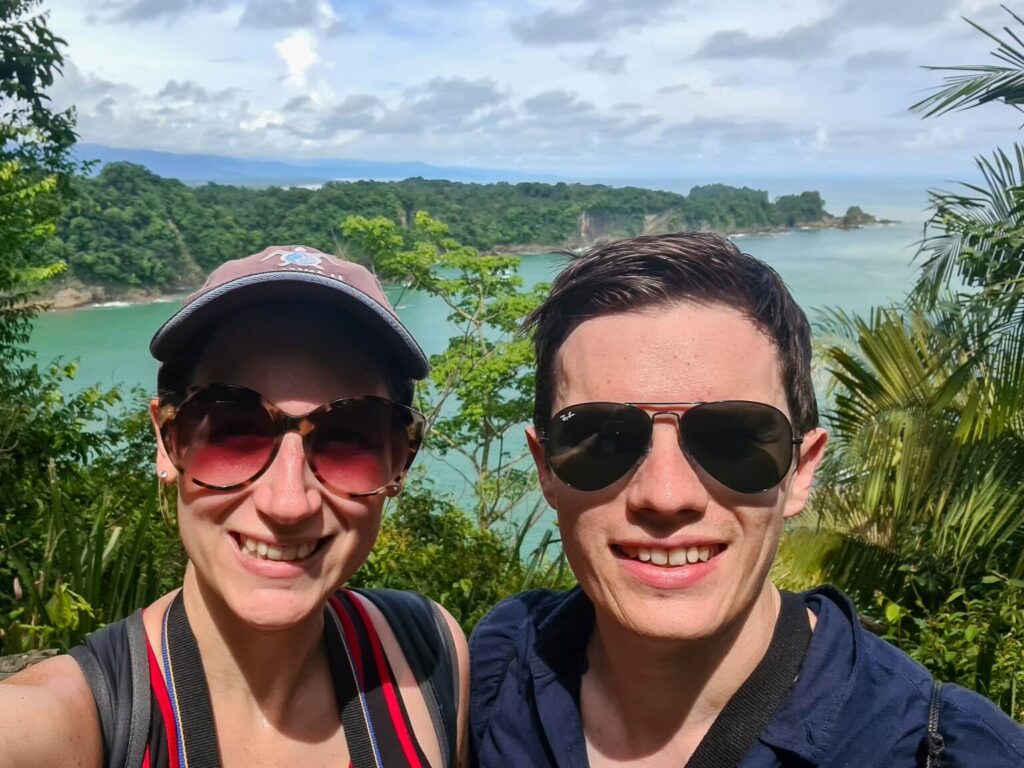
We loved visiting Manuel Antonio, seeing so much wildlife, and lounging on the beaches. One of the highlights was definitely Manuel Antonio National Park, where we spotted sloths, three kinds of monkeys, armadillos, toucans, and deer, all within a couple of hours. The trails were easy to navigate, and the beaches inside the park were absolutely stunning, with calm, turquoise water perfect for swimming. We enjoyed breakfasts in beachfront bars with views of surfers and dinners with ocean views.
We travelled to Manuel Antonio in June, which is a transition period, and were really lucky that there was no rain except occasional showers at night. We camped by the ocean in our Nomad America 4×4 camper rental and watched raccoons run around and the sun set behind the sea from our campsite in Quepos.
Is Manuel Antonio worth visiting?
Whether Manuel Antonio is right for you will depend on your interests, budget, and itinerary. Manuel Antonio is definitely worth visiting if you enjoy nature, beaches, and wildlife, as it’s one of Costa Rica’s top destinations for these. But many people also find it to be too busy, pricey, and humid.
It’s true that the town itself is more commercial and less authentic than many other locations in the country. The parking and ticketing scams in Manuel Antonio for the national park can heavily put people off, and, because it’s a popular spot, everything is slightly more expensive.
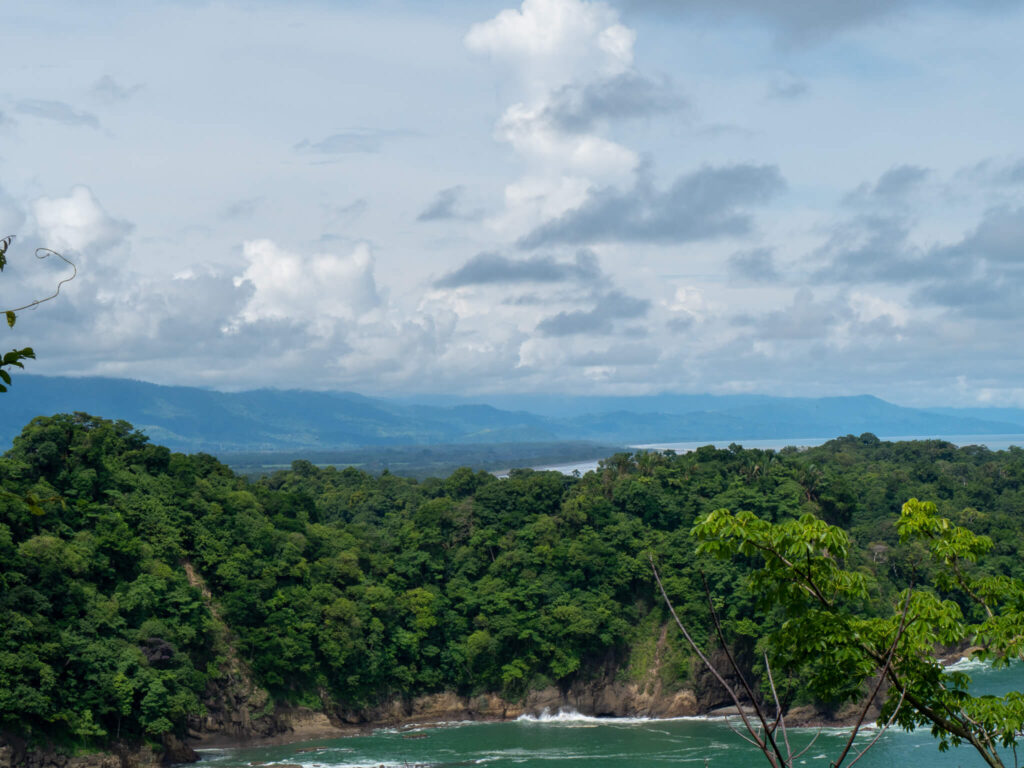
For many, visiting in peak season isn’t worth it as the park is more crowded and you see much less wildlife. However, those who visit out of season (like we did) may find Manuel Antonio totally worth a visit. We saw more animals in one day in the national park than we have anywhere else, we had the trails to ourselves, and we thought the experience was worth the money. Having said that, we didn’t linger in Manuel Antonio town too long, preferring the quieter campsites around Quepos and the more laid-back and authentic towns along the Pacific Coast.
Would we recommend you visit Manuel Antonio? Absolutely, and the national park is a must-visit.
Would we recommend you base yourself in Manuel Antonio? Probably not.
You could spend a few nights here to get a flavour for the region, but we’d recommend leaving the well-trodden tourist trail and heading south to Dominical, Uvita, and Corcovado or cross to the Nicoya Peninsula and explore the more rugged coastline along Montezuma.
What to expect in Manuel Antonio
We hope this guide has helped you plan what to do from the best things to do in Manuel Antonio. To finish, we’ve answered some frequently asked questions to aid your planning.s
Is Manuel Antonio expensive?
It’s true that Manuel Antonio is one of the more expensive destinations in Costa Rica, especially compared to less touristy areas. Accommodations, dining, and tours can be on the pricier side due to the town’s popularity and proximity to the national park, especially in the dry season. However, budget options are available, especially if you book in advance or stay outside peak tourist seasons.
Is Manuel Antonio too crowded?
Manuel Antonio can be crowded, especially during high season (December to April) and holiday weekends. The national park has a daily visitor cap, which helps manage crowds inside the park, but the town, beaches, and restaurants can still get busy. For a quieter experience, visit early in the morning or during the green season (May to November).
What to do around Manuel Antonio?
There’s a wide range of activities in and around Manuel Antonio, including exploring Manuel Antonio National Park, relaxing on Playa Espadilla and other nearby beaches, ziplining, kayaking, taking a boat trip, learning to surf, and visiting nearby towns.
Is it safe to walk around Manuel Antonio?
Yes, it’s generally safe to walk around Manuel Antonio, especially during the day. At night, it’s still safe in most areas, but as with any tourist spot, take standard precautions like sticking to well-lit areas, avoiding isolated paths, and keeping valuables secure. There are a few scams in Manuel Antonio to be aware of, but most visitors don’t encounter any problems.
Is it safe to swim in Manuel Antonio?
Yes, but it’s best to swim in Manuel Antonio with caution. Some beaches, like Playa Espadilla, have strong currents and rip tides, so it’s important to follow local warnings and swim in designated areas. Playa Biesanz is more sheltered and calmer, making it a safer option for casual swimming and families.
Does Manuel Antonio have hot springs?
Manuel Antonio used to have a hot springs resort called Eco Termales Quepos, but it has been closed since 2023.
An alternative is Hot Springs Lodge, located in the midst of primary rainforest just outside of Manuel Antonio National Park and Quepos.

Manuel Antonio Town FAQs
And, to finish off, here are some Manuel Antonio town-specific FAQs.
Is Manuel Antonio a town?
Not exactly. Manuel Antonio refers to a small area and community centred around the national park and the main road (Route 618) that connects it to Quepos. It doesn’t have a traditional town centre but includes hotels, restaurants, and shops spread along the hillside and coastal road.
Is Manuel Antonio a good place to stay?
Yes, Manuel Antonio is one of Costa Rica’s top places to stay if you’re looking for beaches, wildlife, and nature-based activities. It offers a wide range of accommodations, from budget hostels to luxury resorts, with stunning ocean views and easy access to the national park.
What is the closest town to Manuel Antonio?
The closest town to Manuel Antonio is Quepos, located about 10 to 15 minutes by car or bus. Quepos has banks, supermarkets, local shops, and a marina, offering a more local vibe than tourist-centric Manuel Antonio.
Does Manuel Antonio have a downtown?
No, there’s no centralised ‘downtown’ in Manuel Antonio. The area is more like a scenic hillside road (Route 618) with businesses, hotels, and restaurants scattered along the way from Quepos to the national park entrance.
Is Manuel Antonio walkable?
You can walk between some hotels, restaurants, and the beach, especially near the national park entrance. However, the area is hilly and spread out, so many visitors use local buses or taxis to get around comfortably.
Is Manuel Antonio a party town?
While there are a few bars and nightlife spots, Manuel Antonio is not a party destination like Jacó. The vibe is more laid-back and nature-focused, making it ideal for families, couples, and eco-tourists. That said, you can still find places with music, drinks, and dancing if you’re looking for a fun night out.